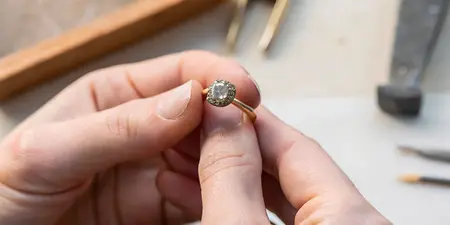

What Is Jewelry Restoration? A Complete Guide
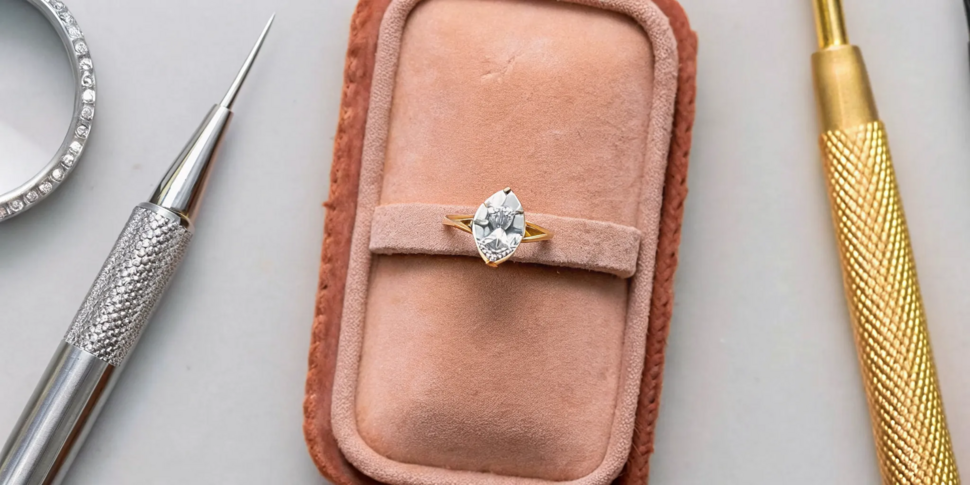
How many beautiful pieces of jewelry do you own but never wear? If you’re like most people, you have at least one special item that stays tucked away because you’re afraid it might break. We believe that fine jewelry is meant to be worn, celebrated, and woven into the fabric of your life, not hidden in a box. This is the true gift of jewelry restoration: it gives you the confidence to wear your treasures again. By carefully strengthening weak points, securing precious gems, and reviving the metal’s original luster, restoration makes your jewelry ready for any occasion, allowing you to reconnect with the pieces you love.
Key Takeaways
- Give your jewelry a wellness check: Get into the habit of looking for small warning signs like loose stones, worn prongs, or weak clasps. Catching these issues early is the best way to prevent a small problem from becoming a devastating loss.
- Know the difference between repair and restoration: A repair is a quick fix for a specific issue, but restoration is a complete overhaul. It's a holistic process that brings a worn piece back to its original glory, preserving its history and making it strong enough to wear confidently.
- Find a restoration partner, not just a jeweler: The right expert will treat your jewelry with the care it deserves. Ask key questions about their process, insurance, and past work to find a skilled artisan who will protect your piece's sentimental and financial value.
What Is Jewelry Restoration?
Think of jewelry restoration as a complete revival for your most treasured pieces. It’s a detailed process that goes far beyond a simple fix, with the goal of bringing a piece of jewelry that has seen better days back to its original, beautiful state. This isn’t just about polishing away a few scratches; it’s about honoring the piece's history and craftsmanship. Restoration is perfect for jewelry that holds deep sentimental value, like an heirloom or a piece from a Vintage & Estate collection, but has become too fragile or worn to wear. It’s a way to ensure your most meaningful jewelry can be loved for generations to come.
Restoration vs. Repair: What's the Difference?
So, what makes restoration different from a standard repair? While both services are important, they address different needs. A repair is typically a targeted fix for a specific problem, like reattaching a broken chain, replacing a clasp, or fixing a bent ring band. It’s a solution for immediate damage that gets your jewelry back in wearable condition quickly.
Restoration, on the other hand, is a much more holistic and intricate process. A restorer aims to return the entire piece to its original condition, preserving its historical and stylistic integrity. This involves a deep understanding of how the jewelry was made and what materials were used. Instead of just fixing what’s broken, restoration might involve rebuilding worn-down settings, re-cutting chipped gemstones, or sourcing period-correct components to maintain the piece’s authentic character.
Why Your Heirlooms Deserve Special Attention
Your family heirlooms are more than just accessories; they are tangible pieces of your history, carrying stories and memories. That’s why they deserve special attention. Over time, settings can weaken, and precious metals can wear thin, putting these irreplaceable treasures at risk. Restoration is an act of preservation that protects not only the financial value of your jewelry but, more importantly, its sentimental worth.
By investing in professional restoration, you ensure that your family’s legacy can be safely worn and passed down. It allows you to wear your great-aunt’s favorite necklace with confidence or give your mother’s engagement ring a new chapter in your own love story. If you have a piece you’d love to wear again, we can help you assess its condition and explore your options. You can book an appointment with us to get started.
Signs Your Jewelry Needs Restoration
Your jewelry tells a story, and the pieces you wear most often carry the richest tales. But with every wear, they also endure a little stress. Over time, even the most well-made jewelry will show signs of its journey. Recognizing these signs early is the key to preserving your favorite pieces for years to come. Think of it as a regular check-up for your most treasured accessories. From a stone that wiggles slightly to a clasp that doesn’t feel quite right, these small warnings are your jewelry’s way of asking for a little attention. Paying attention now can prevent a small issue from turning into a heartbreaking loss later on.
Check for Loose or Missing Stones
Do you hear a tiny rattle when your ring moves? That subtle sound is often the first sign that a stone has come loose in its setting. Gently tap the piece near your ear or give it a light shake. If you hear anything, it’s time for a closer look. A loose stone is at high risk of falling out and getting lost, which can be devastating, especially if it’s a diamond or a sentimental gem. You might also be able to see a gap between the stone and the metal holding it in place. Don’t wait for the stone to disappear completely. Addressing a loose setting is a straightforward fix for a professional and ensures your beautiful jewelry remains intact.
Inspect Prongs and Settings for Wear
The prongs are the tiny metal claws that hold your gemstones securely. They do a tough job, and over years of wear, they can get snagged, bent, or worn down. Take a moment to look closely at the prongs on your rings and other pieces. Do they look thin, flat on top, or shorter than they used to be? Run your finger over them; if they feel sharp or catch on your clothing, they’re likely worn and need to be re-tipped or replaced. Worn prongs no longer provide adequate protection, making your gem vulnerable to damage or loss. This is especially critical for bridal jewelry that you wear every day.
Look for Deep Scratches and Dullness
It’s normal for your jewelry to lose some of its initial sparkle after years of love and wear. Daily life can leave behind a network of fine lines, deep scratches, and an overall dull finish on the metal. While you can clean your jewelry at home, removing deep scratches and restoring a high polish requires professional tools and expertise. This isn't just about aesthetics; restoring the finish can make a piece look brand new again, reviving the metal’s rich color and texture. This is particularly true for Vintage & Estate pieces, where professional polishing can carefully bring back their original luster without compromising their character.
Test Your Clasps for Security
For necklaces and bracelets, the clasp is the single most important component for security. A faulty clasp is one of the most common reasons jewelry gets lost. Take a moment to test yours. Does it click securely into place? Does it feel loose, weak, or flimsy? Some clasps have safety catches for extra protection; make sure those are functioning correctly, too. If your clasp doesn’t close properly or opens with a gentle tug, it’s a major red flag. A jeweler can easily repair or replace a weak clasp, giving you the peace of mind to wear your favorite pieces without worrying about them slipping off your neck or wrist.
The Risks of Waiting Too Long
It’s easy to put off a small repair. A slightly loose stone or a worn prong might not seem like a big deal at first, but these are warning signs. Ignoring them can lead to much bigger problems. A loose stone can fall out, a worn prong can break off completely, and a weak link can snap, causing you to lose a piece you cherish. Most jewelry repairs start small, and catching them early prevents more extensive and costly work down the line. If you’ve noticed any of these signs, the best thing you can do is act on it. You can book an appointment with an expert who can assess the damage and help you protect your investment.
A Look Inside the Restoration Process
Bringing a beloved piece of jewelry back to life is a delicate art. It’s a careful, step-by-step process that combines technical skill with a deep respect for the piece’s history. Whether it’s a family heirloom or a vintage find, each item gets a detailed treatment plan to ensure it can be worn and cherished for years to come. Understanding what happens behind the scenes can give you confidence in the process. Here’s a look at how we approach restoring your treasured jewelry.
Step 1: The Initial Assessment
Everything starts with a close look. Before any work begins, a professional jeweler needs to perform a thorough evaluation to understand the full scope of what’s needed. We examine your jewelry under high-power magnification to spot issues the naked eye might miss, like microscopic cracks in the metal or thinning areas on a ring’s band. This detailed inspection allows us to create a complete restoration plan, ensuring we address both visible and hidden problems. It’s the most important step for making sure your piece is returned to you stronger and more beautiful than ever. If you have a piece you're concerned about, the best first step is to book an appointment for a professional assessment.
Step 2: Deep Cleaning and Polishing
Once we have a plan, the first hands-on step is a professional deep cleaning. This isn’t just about making your jewelry sparkle; it’s about carefully removing years of built-up dirt, oils, and lotions from every tiny crevice. This reveals the true condition of the metal and settings, sometimes uncovering issues that were previously hidden. After cleaning, we move to polishing. A careful, expert polish can smooth out surface scratches and restore the metal’s original luster. We are always mindful not to over-polish, as being too aggressive can wear away precious metal and soften important details. The goal is to make your jewelry shine without compromising its integrity.
Step 3: Securing Stones and Repairing Prongs
One of the most critical parts of jewelry restoration is ensuring every gemstone is safe and sound. Over time, the little metal prongs that hold your stones in place can wear down, bend, or break. A loose stone is often the first sign that your settings need attention. During restoration, we meticulously check every prong and setting. If a prong is worn, we can add metal to rebuild its tip, a process called re-tipping. If a stone is loose, we’ll tighten the setting to secure it. This step is especially important for bridal jewelry that’s worn daily, as it prevents the heartbreaking loss of a precious diamond or gemstone.
Step 4: Restoring Structure and Integrity
Jewelry that has been loved for a long time often shows wear on its core structure. A ring’s band (or shank) can become thin on the bottom, and clasps on necklaces and bracelets can lose their secure click. The restoration process addresses these foundational issues. A skilled jeweler can add gold or platinum to thicken a thin band, replace a worn-out clasp, or even rebuild a delicate part of a setting that has been damaged. This work is essential for giving older pieces, like those in our Vintage & Estate collection, the strength they need to be worn confidently without fear of them breaking.
Step 5: The Final Quality Check
After all the cleaning, repairing, and polishing is complete, your jewelry goes through one last, rigorous inspection. We check every detail to make sure the repairs are seamless and the stones are perfectly secure. We test the clasps and examine the prongs one more time to ensure everything is perfect. This final quality check is our promise to you that the piece is ready for its next chapter. It’s the same level of care and attention to detail that our designers put into their original creations. This final step gives you the peace of mind to wear your newly restored treasure with joy and confidence.
Why You'll Be Glad You Restored Your Jewelry
Deciding to restore a piece of jewelry is about more than just fixing something that’s broken. It’s an investment in the stories, memories, and artistry that make your jewelry uniquely yours. From your grandmother’s engagement ring to the first fine jewelry piece you bought for yourself, these treasures deserve to be worn and enjoyed, not hidden away in a jewelry box. When you give a piece the expert attention it needs, you’re not just polishing a stone or fixing a clasp. You’re preserving its legacy, preventing future heartbreak, and reclaiming the joy of wearing something you truly love. It’s a simple act of care that pays off in countless ways.
Protect Its Sentimental and Financial Value
Some of our most beloved jewelry holds deep sentimental value. Pieces worn daily, like wedding rings, or precious family heirlooms passed down through generations, carry a weight of history and love. Over time, all jewelry is subject to wear and tear. Restoration helps maintain the beauty of these pieces and preserves the family history they represent. By strengthening the setting of a vintage piece, you ensure its story can continue. This process not only protects the irreplaceable sentimental value but also maintains the financial worth of your fine jewelry, making it a wise decision for any cherished item in your collection.
Prevent Future Damage
Most major jewelry repairs begin with small, easy-to-miss warning signs. You might notice a stone is slightly loose in its setting, see that the prongs look thin, or feel that a clasp isn't closing as securely as it used to. It’s tempting to ignore these little things, but catching them early is the key to preventing more extensive damage or even the loss of a stone. Think of it as a wellness check for your jewelry. Addressing a worn prong now is a simple fix, but waiting until it breaks could lead to a much more complicated and costly repair. Being proactive is the best way to keep your jewelry safe and sound.
Wear Your Treasures with Confidence Again
How many beautiful pieces do you own but never wear because you’re worried they might break? The ultimate goal of restoration is to bring your jewelry back to its original, stunning condition so you can wear it with confidence. A professional restoration brings life back to tired, neglected pieces while honoring their original character and design. We focus on maintaining the integrity and style of the era the piece came from, paying close attention to every detail. Imagine finally being able to wear that beautiful heirloom necklace to your next event without a second thought. That feeling of pure joy and confidence is what restoration is all about.
Caring for Your Jewelry: DIY vs. Pro
Keeping your jewelry beautiful for a lifetime is a partnership between you and your jeweler. While regular at-home care is essential for maintaining that day-to-day sparkle, professional maintenance is what ensures your pieces last for generations. Knowing the difference between a simple cleaning you can do yourself and a problem that needs an expert eye is the key to protecting your most treasured items. Think of it as knowing when to wipe down the counter versus when to call a plumber; both are necessary for a happy home, and the same goes for your jewelry collection. This balance of care will keep your pieces safe, sound, and always ready to wear.
How to Safely Care for Jewelry at Home
You can absolutely keep your favorite jewelry looking its best between professional cleanings. For most fine jewelry, a simple and safe at-home bath is all you need. Just mix a few drops of mild dish soap with warm water and let your piece soak for a few minutes. Then, gently scrub it with a new, baby-soft toothbrush to get into the tiny crevices. Rinse with clean water and pat it dry with a soft, lint-free cloth. This gentle method works wonders on diamonds, sapphires, and solid gold or platinum. Avoid using harsh chemicals, and be cautious with at-home ultrasonic cleaners, as they can damage certain gemstones or loosen settings if not used properly.
Common Jewelry Myths That Can Cause Damage
The internet is full of well-meaning advice that can unfortunately cause serious damage to your jewelry. One of the most common myths is using toothpaste to clean your pieces. While it might seem like a clever hack, toothpaste is abrasive and can easily scratch soft metals and gemstones. Another misconception is that more polishing is always better. In reality, excessive polishing can wear away precious metal and soften the beautiful, crisp details of a design, especially on delicate vintage and estate pieces. And remember, while diamonds are incredibly hard, they are not invincible; a hard knock in just the right spot can cause a chip or fracture.
Know When to Call a Professional
Some issues are simply not DIY projects and require an expert’s touch to prevent permanent damage or loss. It’s time to see a professional if you notice small warning signs. Check if your stones feel loose in their settings or if you can hear a slight rattle when you gently shake the piece. Inspect the prongs to see if they look worn down, thin, or bent. Test your clasps to make sure they close securely and feel strong. Deep scratches, visible cracks, or a bent band are also clear indicators that your piece needs professional attention. Don't wait for a small problem to become a major heartbreak. If you spot any of these issues, it's best to book an appointment for a professional assessment.
How to Choose the Right Jeweler for Your Restoration
Entrusting a cherished piece of jewelry to someone for restoration can feel like a big step. It’s not just an accessory; it’s a story, a memory, a piece of your history. That’s why finding the right person for the job is the most important part of the process. You’re not just looking for a quick fix or a simple polish. You need a skilled artisan who understands the nuances of fine jewelry, respects its history, and has the technical expertise to bring it back to life safely and beautifully. This is about finding a craftsperson who can handle delicate materials and intricate designs with confidence.
A true restoration expert combines the precision of a surgeon with the heart of an artist. They see beyond the scratches and loose stones to the original beauty of the piece. They also have the integrity to tell you what can, and sometimes what can’t, be done, setting realistic expectations from the start. Choosing the right jeweler means finding a partner who will treat your treasured items with the same care and reverence you do. This decision ensures your jewelry not only looks beautiful again but remains strong and wearable for generations to come, protecting both its sentimental and financial value.
What to Look for in a Restoration Expert
When searching for a restoration expert, look for a jeweler who is transparent about their process and has a strong portfolio of work. True professionals use specialized tools and cleaning solutions because they know that common household products, like toothpaste or vinegar, can actually cause permanent damage. An experienced jeweler will also have a deep understanding of different eras and styles, whether you have a delicate Art Deco piece or a bold contemporary design. They should be able to show you examples of past restorations and confidently explain how they would approach your specific piece. This expertise with a wide range of designers and materials is a clear sign you’re in capable hands.
Questions to Ask Before You Commit
Before you hand over your jewelry, it’s important to ask a few key questions to ensure you and your jeweler are on the same page. A common myth is that jewelry repairs should be quick and inexpensive, but quality restoration takes time and skill. Start by asking for a detailed breakdown of the proposed work and a clear cost estimate. Inquire about their timeline and how they will keep you updated. It’s also wise to ask about their insurance policy to ensure your piece is protected while in their care. A great way to begin this conversation is to book an appointment to discuss your piece in person, allowing you to get a feel for their expertise and customer care.
The Element 79 Approach to Restoration
At Element 79, we see restoration as a collaborative process. We begin by sitting down with you to listen to the story of your piece and understand its significance. Our team will then carefully assess its condition and walk you through every step of our recommended plan. We believe that understanding the most common types of repairs helps you know what to expect. Whether we are securing a stone in a modern engagement ring or carefully rebuilding the setting of a vintage and estate treasure, our goal is to preserve the soul of your jewelry. We combine time-honored techniques with a deep respect for craftsmanship, ensuring your piece is returned to you stronger and more beautiful than ever.
Related Articles
- Your Guide to Jewelry Repair Service in Denver
- Vintage & Estate Jewelry: The Beginner's Guide
- The Ultimate Guide to Jewelry Repair Services
- Jewelry Repair Service 101: A Complete Guide
Frequently Asked Questions
How often should I have my jewelry professionally checked? For pieces you wear every day, like an engagement ring or a favorite necklace, I recommend a professional check-up once a year. For items you wear less frequently, every couple of years is a good rule of thumb. Think of it as a wellness visit for your jewelry. A quick inspection can catch things like a slightly loose stone or a worn prong before they become a real problem, saving you potential heartbreak and expense down the road.
I'm worried restoration will make my vintage piece look too new and lose its character. Is that true? That’s a very common and valid concern. A true restoration expert’s goal is to preserve, not erase. We honor the history of a piece, including the soft patina that develops over time. The focus is on structural integrity, like securing stones and strengthening the band, so you can wear it safely. We are very careful to clean and polish in a way that revives the piece's beauty without stripping away the character you love.
Is it worth restoring a piece that doesn't have a high monetary value? Absolutely. The most important value a piece of jewelry can have is its sentimental worth. If a piece connects you to a person, a memory, or a moment in your life, then it is priceless. The goal of restoration is to make your jewelry wearable again so you can enjoy it instead of keeping it hidden in a box. The joy and confidence you get from wearing a piece you love is always a worthwhile investment.
How long does a typical jewelry restoration take? The timeline really depends on the complexity of the work required. A straightforward repair like re-tipping a few prongs might only take a week or two. However, a more involved restoration, such as rebuilding a delicate setting or sourcing a specific vintage-cut stone, could take several weeks. A good jeweler will give you a clear estimate after they assess the piece, as quality craftsmanship is a detailed process that should never be rushed.
My ring's band is super thin on the bottom. Is it too late to fix it? It's almost never too late. A thin band, or shank, is one of the most common issues we see, especially on rings that have been worn and loved for many years. A skilled jeweler can fix this by seamlessly adding metal to the bottom of the band to restore its original thickness and strength. This is a standard procedure that makes your ring feel solid and secure on your finger again.
Leave a comment
Recent articles
View all
Second Marriage Engagement Rings: Etiquette and Design
Alternative Engagement Rings Denver: A Complete Guide