Alternative Engagement Rings Denver: A Complete Guide
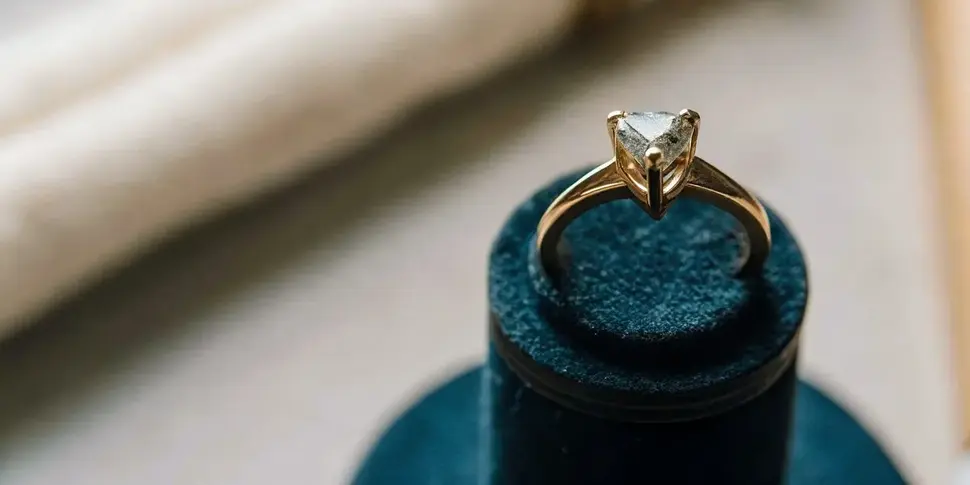
The most personal engagement rings rarely begin with a template. In Denver, couples are looking beyond the familiar round diamond toward stones, cuts, and settings with a stronger sense of character. From cloudy salt and pepper diamonds to softly faceted rose cuts and richly colored sapphires.
For couples seeking alternative engagement rings Denver offers a thoughtful range of salt and pepper diamonds, colored gemstones, rose cuts, and artisan settings designed to express individuality. These choices can also reflect a preference for sustainability, independent designers, or a ring with a story that feels distinctly personal.
What distinguishes an alternative ring is not simply its departure from tradition. It is the relationship between the center stone, the metal, and the maker's point of view. Understanding those elements makes it easier to recognize which details feel authentically yours.
What Defines an Alternative Engagement Ring?
An alternative engagement ring begins with a different point of view. The center stone might be a salt and pepper diamond with visible inclusions, a sapphire or ruby with saturated color, or moissanite with its own lively brilliance. The choice may also be about proportion and silhouette: a rose cut, old mine cut. Or cushion cut can create a quieter, more distinctive presence than a traditional round brilliant.
That sense of intention continues into the setting. A bezel can give the design a clean, sculptural outline, while a tension setting creates the impression that the stone is suspended within the band. Other rings use asymmetry, textured surfaces, or a cast-not-set approach, in which the stone becomes part of the metal's formation rather than being placed into a conventional setting. The metal itself can shift the character of the piece, from recycled gold and platinum to titanium, depending on the desired color, weight, and feel.
For many couples, this is also a way to make the ring more personal. Custom design can bring together a particular gemstone, setting, and band treatment that would be difficult to find in mass-produced jewelry. At Element 79, that artisan approach suits modern couples who value individuality, sustainability, and the story behind a designer's work.
How Gemstone Hardness Shapes Everyday Wear
Distinctive does not have to mean delicate, but durability deserves thoughtful attention. The Mohs scale is the industry standard for measuring gemstone hardness. It helps indicate how readily a material may be scratched, although it is not the only factor that determines whether a stone suits daily wear.
Sapphire, ruby, and moissanite are among the durable alternatives commonly considered for engagement rings, according to the Gemological Institute of America. Your work and routines still matter. Someone who works with their hands may prefer a protective setting and a stone selected with daily impact in mind. While another wearer may prioritize a more open, light-catching design. The best alternative ring balances the stone's character with the way you expect to live in it.
Salt and Pepper Diamonds: Beauty in the Imperfections
Some diamonds invite attention through brilliance. Salt and pepper diamonds ask you to look more closely. Their natural, visible inclusions create patterns that can resemble a small galaxy, with clouds, flecks, and constellations held inside the stone. Rather than treating these characteristics as flaws to hide, the design celebrates them as the reason no two stones look quite alike.
That individuality is part of the appeal for couples who want an engagement ring with a point of view. A salt and pepper diamond can feel earthy, intimate, and wonderfully unpolished beside the uniform sparkle of a traditional brilliant-cut stone. The inclusions are a natural part of the diamond's character, creating an organic aesthetic that suits a ring chosen for personal meaning rather than convention. The Gemological Institute of America describes these stones as diamonds defined by their visible inclusions and individual look: learn more about diamond alternatives.
A stone with its own visual language
Cut and setting shape how that character is experienced. A rougher, raw diamond may retain an irregular outline and a tactile presence, while a fancy-cut diamond can give the inclusions a more deliberate frame. The result is less about chasing a standardized grade and more about responding to the particular stone in front of you. A thoughtful jeweler considers its pattern, proportions, and natural geometry before deciding how the ring should hold it.
Designers who let the diamond lead
In Denver, Todd Reed is known for raw and fancy-cut diamonds set in recycled precious metals. Element 79 is the exclusive Denver-area dealer for Todd Reed, making his textural approach especially relevant for couples seeking a ring with an independent spirit. Recycled metals add another layer of intention for eco-conscious shoppers, connecting the stone's natural irregularity with a more considered material choice.
Polly Wales takes a different but equally expressive approach. Her signature "Cast-Not-Set" technique places stones directly into molten metal rather than securing them in conventional prong or pave settings. The metal appears to grow around the stone, allowing the diamond and the setting to read as one sculptural gesture. With either designer, the goal is not to disguise the diamond's imperfections. It is to give those imperfections a setting that makes their beauty unmistakably personal.
Colored Gemstones in Engagement Rings: Sapphire, Ruby, and Moissanite
A colored center stone can change the feeling of an engagement ring before the setting is even considered. Sapphire brings depth and a remarkable range of color, ruby offers a saturated sense of warmth, and moissanite creates lively brilliance without being a diamond. Lab-grown diamonds offer another thoughtful direction, especially for couples who want a diamond's physical and optical properties while considering an alternative to a mined stone.
Compare the stones by how you live
The Mohs scale is the industry standard for measuring gemstone hardness, but hardness is only one part of everyday durability. Your work, hobbies, and preferred setting matter as well. A stone chosen for daily wear should suit the life it will accompany, not simply look beautiful in a case.
| Stone | Mohs hardness | Durability rating | Color variety | Price range notes |
|---|---|---|---|---|
| Sapphire | 9 | Excellent for everyday wear | Blue, pink, yellow, green, white, and more | Broad range, shaped by color, origin, clarity, and treatment |
| Ruby | 9 | Excellent for everyday wear | Red to pinkish red, with tone and saturation defining its character | Broad range, with fine color and rarity carrying a premium |
| Moissanite | 9.25 | Very high for everyday wear | Near-colorless to softly warm tones | Often offers accessible pricing compared with a diamond of similar visual presence |
| Lab-grown diamond | 10 | Excellent for everyday wear | Colorless through fancy colors | Pricing varies by carat, cut, color, and clarity, and is an alternative to mined-diamond pricing |
GIA identifies sapphire, ruby, and moissanite among durable diamond alternatives, while its guidance on gemstone hardness offers useful context for comparing stones. Ruby and sapphire are especially compelling when color carries personal meaning. Moissanite is a durable, brilliant option in its own right, rather than a compromise. GIA's guide to diamond alternatives provides additional background, and its overview of the Mohs scale explains why hardness belongs in the conversation.
Let color become part of the design story
For couples exploring custom engagement rings, the stone can guide the rest of the design: a deep blue sapphire with a sculptural band. A ruby balanced by softened metal, or a lab-grown diamond in a setting with an unconventional silhouette. At Element 79, the most successful choice is usually the one that feels considered from every angle, with durability, personal meaning, and craftsmanship working together.
Rose Cut Diamonds and Vintage-Inspired Faceting
Some stones ask to be admired slowly. A rose-cut diamond does not rely on the bright, immediate flash associated with a modern brilliant cut. Its flatter, vintage-inspired faceting draws the eye inward, revealing the stone's depth, texture, and individual character. The result is a quieter kind of sparkle, one that shifts gently as the ring moves. The cut's history and visual character are discussed by the Gemological Institute of America.
That restraint makes a rose cut especially compelling in an alternative engagement ring. Rather than asking the center stone to carry the entire design, the setting becomes part of the story. A rose cut can sit low and broad in a sculptural bezel. Nestle among smaller stones, or become one element in a composition that feels collected rather than symmetrical.
A natural partner for distinctive stones
Rose cuts pair beautifully with salt and pepper diamonds, whose visible inclusions create an earthy, one-of-a-kind appearance. Together, the stones create contrast without looking overly polished: one offers translucent depth, while the other brings a constellation of natural marks. A rose cut can also temper the saturated color of a sapphire or ruby, giving a colored gemstone room to feel expressive without becoming overly formal.
This approach leaves space for personal meaning. The most successful combination may be a pale rose cut beside a smoky diamond, or a muted gemstone framed by an irregular halo. There is no requirement for every stone to match perfectly. Variation can make the ring feel more like a small landscape than a conventional centerpiece.
Where the band becomes part of the design
Band details can reinforce the cut's vintage sensibility. Textured metal, hand-worked surfaces, and asymmetrical layouts introduce movement around the stone, while an off-center arrangement can make the ring feel deliberately discovered rather than engineered. These are established elements of alternative ring design, alongside unusual proportions and unexpected stone placement.
For couples exploring alternative engagement rings Denver shoppers often seek, rose cuts offer a thoughtful starting point: subtle sparkle, visible character. And a setting that can be shaped around the way you want the ring to feel.
Denver Designers Crafting Alternative Engagement Rings
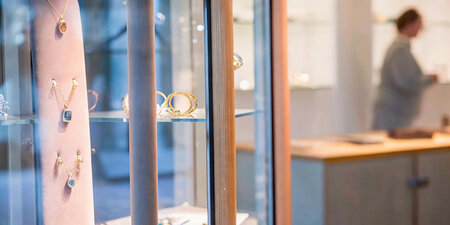
For couples seeking an engagement ring with a point of view, Element 79 Contemporary Jewelry brings a considered selection of independent designers to Cherry Creek North. The boutique, located at 2703 E. Third Avenue in Denver, looks beyond mass-market production to jewelry shaped by material, process, and the hand of the designer. That makes the experience less about choosing a familiar template and more about finding a piece that feels distinctly yours.
Polly Wales is one of the clearest examples. Her signature Cast-Not-Set technique places stones directly into molten metal rather than relying on traditional prong settings. The resulting surface has an elemental, almost geological character, with each stone integrated into the ring's cast form. Couples drawn to that approach can read the Polly Wales-focused story, then look more broadly at the designers and materials available through Element 79.
Todd Reed offers a different vocabulary. As Element 79's exclusive Denver-area dealer for his work, the boutique presents rings featuring raw and fancy-cut diamonds set in recycled precious metals. Rather than smoothing away every irregularity, these designs allow texture, variation, and the natural character of the stone to remain part of the composition. The effect is refined without feeling overly formal, and especially compelling for someone who wants sustainability and individuality to coexist in the same ring.
A wider design conversation
The collection extends beyond a single signature technique. Artemer brings a contemporary, sculptural sensibility, while Dana Bronfman is known for modern fine jewelry with a strong sense of structure and proportion. Exploring the full designer jewelry collection can reveal possibilities that are easy to miss when shopping only by gemstone or setting style. A rose cut, colored stone, asymmetrical layout, or textured band can read differently depending on the designer's point of view.
When the ring begins with your own story
Some alternative engagement rings begin with a design already in the case. Others begin with an heirloom, an idea, or a stone that deserves a new setting. At Element 79, master jeweler Carol Ferguson leads custom redesign and renovation work, helping transform sentimental jewelry without losing its meaning. For Denver couples who value an individualized process, that expertise creates room for a ring that is contemporary while remaining connected to family history. It is one reason the search for alternative engagement rings Denver couples can wear with confidence often leads to a conversation, not a catalog.
How to Choose Your Alternative Engagement Ring
The right ring begins with the choices that feel most personal, then becomes practical through thoughtful design. Use these steps to move from an initial idea to a ring that suits your style, your daily life, and the way you want to wear it.
-
Start with the stone that speaks to you
Consider whether you are drawn to the natural, one-of-a-kind character of a salt and pepper diamond. The color and symbolism of a sapphire or ruby, or the quiet depth of a rose cut. A stone does not need to look conventional to feel enduring. If you are considering a colored gemstone, think honestly about how you use your hands each day. Your work, exercise routine, and other daily activities can help determine the level of gemstone hardness that makes sense for your lifestyle. The GIA's guidance on everyday wear is a useful starting point.
-
Choose a metal that supports the design
Metal changes the mood of a ring as much as the stone does. Recycled gold can bring warmth and a considered, resource-conscious character, while platinum offers a cool, substantial foundation for a sculptural setting. Look at the metal beside your chosen stone, not in isolation. The right pairing should support the proportions, texture, and overall feeling of the ring rather than compete with its center.
-
Find a Denver jeweler who understands individuality
Alternative engagement ring shoppers often value a personalized experience and a clear connection to the artisan behind the work. Look for a jeweler who can explain why a particular stone, setting, or metal suits your priorities, and who will listen before proposing a solution. At Element 79 in Cherry Creek North, a conversation can include both contemporary designer pieces and a more personal custom direction.
-
Allow time for the custom process
Custom work is a series of decisions, not a quick customization at checkout. At Element 79, the process typically includes CAD modeling, bench work, and final finishing, with completion generally taking two to eight weeks. That timeline gives you room to review the design and refine details that affect comfort, scale, and wearability. If you have inherited jewelry, begin with Element 79's custom engagement rings consultation. A free jewelry check and redesign consultation can help determine whether an existing stone or piece has a place in the new ring.
Frequently Asked Questions
What are considered alternative engagement rings?
Alternative engagement rings move beyond the familiar round brilliant diamond and traditional setting. They may feature salt and pepper diamonds, sapphires, rubies, moissanite, rose cuts, unusual metalwork, or an asymmetrical setting. The defining quality is intention: the ring reflects the wearer's taste, story, and relationship rather than following a standard template.
Are alternative engagement rings durable?
They can be, provided the center stone and setting suit everyday wear. Gemstone hardness is measured on the Mohs scale, and sapphire, ruby, and moissanite are recognized as durable alternatives for engagement rings. A jeweler can also recommend a protective setting, such as a bezel, based on your work, hobbies, and daily routine. GIA discusses durable diamond alternatives.
Why choose a salt and pepper diamond for an engagement ring?
Salt and pepper diamonds are chosen for their visible natural inclusions, which give each stone an earthy, one-of-a-kind appearance. Rather than seeking a perfectly uniform stone, couples may prefer the distinctive galaxy-like pattern and the way it makes the ring feel unmistakably personal.
Are colored gemstones good for engagement rings?
Yes, especially when the gemstone's durability matches the way you plan to wear the ring. Sapphire offers strong everyday performance and comes in a broad range of colors, while ruby brings a richly saturated alternative. A consultation can help you weigh hardness, setting protection, color, and personal meaning together.
What is the custom design process for an engagement ring?
Custom design typically begins with a conversation about the stone, metal, proportions, and details that matter to you. At Element 79, the process may include CAD modeling, bench work, and final finishing, with a typical timeline of 2 to 8 weeks. A free jewelry check or redesign consultation can also be a useful starting point for an heirloom piece.
Ready to Shape a Ring That Feels Like Yours?
A custom consultation gives you space to compare distinctive stones, explore settings, and refine the details that make an alternative engagement ring feel personal. Element 79's team can help you consider the possibilities with a thoughtful, design-led approach. Schedule a custom design consultation in Cherry Creek North, or begin with a free jewelry check and redesign consultation through the Element 79 service page.
Leave a comment
Recent articles
View all
Second Marriage Engagement Rings: Etiquette and Design
Todd Reed Denver: Where to Find His Exclusive Collection