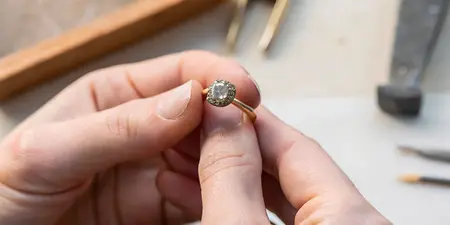

The Smart Guide to Jewelry Appraisal in Denver
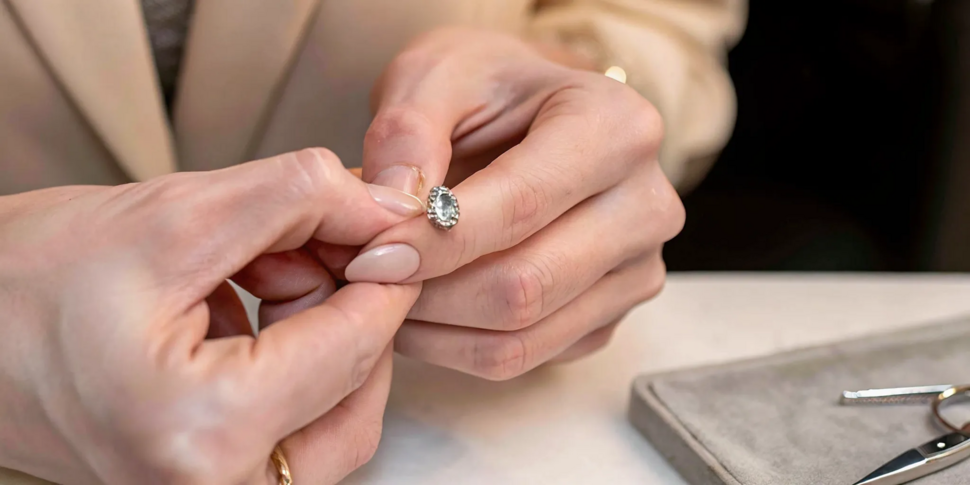
Many of the most meaningful pieces in a collection are those passed down through generations. These heirlooms carry not just monetary value, but priceless family history. An appraisal does more than just assign a dollar amount; it formally documents the piece's story, materials, and craftsmanship for the future. This is essential for fair estate planning and for preserving the legacy of your most cherished items. If you have vintage or estate jewelry, getting a jewelry appraisal in Denver is a thoughtful step toward honoring its past and protecting its future. Here, we’ll discuss the importance of appraisals for inherited pieces.
Key Takeaways
- Appraisals serve three distinct purposes: A professional appraisal provides an official valuation for three key reasons: securing insurance for replacement value, understanding the fair market value for resale, and simplifying asset division for estate planning.
- Prioritize independence and credentials: A trustworthy appraiser works only for you, not a store, and should have certifications from respected groups like GIA or ASA. Always confirm they charge a flat fee to guarantee an unbiased and accurate report.
- View appraisals as ongoing maintenance: An appraisal is not a one-time task because market values fluctuate. Plan to update your reports every three to five years to ensure your insurance coverage remains adequate for your jewelry's current worth.
What Is a Jewelry Appraisal (and Why You Need One)
Think of a jewelry appraisal as your piece’s official biography. It’s a detailed document created by a certified professional that describes your jewelry in meticulous detail: its style, the materials used, its condition, and its current value. It’s much more than just a price tag; it’s a crucial step in protecting the jewelry you love. Whether you’ve just received a stunning engagement ring, inherited a family heirloom, or treated yourself to a piece from a favorite designer, an appraisal provides the proof of value you need for several important reasons.
Getting an appraisal isn’t an intimidating process. It’s a smart, proactive step for any owner of fine jewelry. A qualified appraiser acts as your advocate, using their expertise to accurately document your piece’s worth. This formal report gives you peace of mind and ensures you’re prepared for whatever life brings. The three most common reasons you’ll want to get an appraisal are for insurance coverage, to understand the resale value, or for estate planning. Let’s look at what each of these means for you and your collection.
For insurance coverage
This is the most common reason to get an appraisal, and it’s all about peace of mind. If your jewelry is ever lost, stolen, or significantly damaged, an appraisal is the document your insurance company will require to replace it. Without one, you may not get the full value of your piece back. The appraisal for insurance purposes establishes the "retail replacement value," which is the cost to purchase a new, comparable item. This is especially critical for one-of-a-kind bridal jewelry or custom pieces. A proper appraisal is done by a credentialed gemologist who can identify the specific gems and manufacturing techniques, ensuring your policy accurately covers what makes your piece unique.
To understand its resale value
It’s important to know that a piece’s resale value is almost always different from its insurance replacement value. An appraisal for resale determines the "fair market value," which is the price a willing buyer would likely pay to a willing seller in the current market. As one expert notes, "These values are usually lower than insurance values." This is because retail prices include costs for craftsmanship, design, and store operations that aren't typically recovered in a private sale. Knowing the resale value is practical if you're considering selling a piece, especially for vintage and estate items, as it helps you set realistic expectations.
For estate planning
An appraisal is an essential tool for responsible estate planning. When it comes time to divide assets, having a professional appraisal helps you "figure out the value of jewelry for estate taxes or dividing assets after someone has passed away." This formal documentation provides a clear, unbiased value for each piece in your collection. It helps ensure that your assets are distributed fairly among your heirs, minimizing potential disagreements or confusion. By taking this step now, you can make the process much smoother for your loved ones later on. It’s a thoughtful way to protect both your family and the legacy of your jewelry.
How to Vet a Denver Jewelry Appraiser
Finding the right person to appraise your jewelry is just as important as the appraisal itself. You need someone with the right credentials, a deep understanding of the market, and an unbiased approach. It might feel like a lot to check, but taking these steps will give you confidence that your jewelry is in expert hands. Here’s a straightforward guide to finding a trustworthy jewelry appraiser in Denver.
Look for key certifications (GIA, ASA, NAJA, ISA)
First things first, check for credentials. A professional appraiser should have formal training in gemology and valuation. A qualified gem and jewelry appraiser is also a "credentialed gemologist," meaning they have scientific expertise in identifying gems and understanding the techniques used to create jewelry. Look for certifications from respected organizations like the Gemological Institute of America (GIA), the American Society of Appraisers (ASA), the National Association of Jewelry Appraisers (NAJA), or the International Society of Appraisers (ISA). These credentials show that the appraiser has met rigorous standards for education and ethics, ensuring you get an accurate and professional assessment.
Confirm their independence and compliance
A trustworthy appraiser’s opinion should be completely unbiased. This means they shouldn't have a financial stake in buying or selling jewelry, which could create a conflict of interest. An appraiser who also offers to buy your piece might undervalue it, while one who wants to sell you a new piece might inflate the value of your trade-in. A truly independent appraiser works for you and you alone. Their only goal is to provide an accurate valuation based on facts and market data. Always ask an appraiser if they buy or sell jewelry to ensure their assessment will be objective and fair.
Verify their local Denver market expertise
Jewelry valuation isn't just about the piece itself; it's also about the market where it might be sold. An appraiser needs to research current market values, which can fluctuate based on location and demand. That’s why finding an appraiser with specific expertise in the Denver market is so important. They will understand local trends and have a network of contacts that informs their valuations. Whether it's a modern piece from one of our beloved designers or a unique vintage find, a local expert can provide a more nuanced and accurate appraisal by considering the Four Cs (cut, color, clarity, and carat) within the context of our city's specific market dynamics.
Review their experience, specialization, and pricing
When it comes to appraising something as precious as your jewelry, experience is paramount. Look for an appraiser who has been in the business for a while and has a solid reputation. It’s also wise to consider their specialization. If you have an antique brooch, you’ll want someone who specializes in vintage and estate jewelry, not someone who primarily works with modern engagement rings. Don’t hesitate to ask about their background and the types of jewelry they most often appraise. Finally, make sure their pricing is clear and transparent. A professional will be upfront about their fees, which are usually based on an hourly rate or a flat fee per item.
How Much Does a Jewelry Appraisal in Denver Cost?
Let's talk about the numbers. Understanding the cost of a jewelry appraisal is a key part of protecting your most treasured pieces. While it might feel like just another expense, a professional appraisal is an investment in your peace of mind. The price can vary, but a trustworthy appraiser will always be transparent about their fees before they begin. Think of it not as a cost, but as the price of ensuring your beautiful jewelry is properly valued and protected for years to come.
Common pricing models
In Denver, most independent appraisers charge a flat fee per item rather than a percentage of the jewelry's value. This is the mark of an ethical professional, as it removes any incentive to inflate the price. You can typically expect to pay around $150 for the first piece, which includes a detailed inspection and documentation. If you have multiple items, the cost for each additional piece is usually lower, often around $85. It’s a great idea to bring in several pieces at once to make the most of your appointment. Also, remember to ask about update pricing. If you have your jewelry reappraised within five years, many professionals offer a significant discount, sometimes up to 50% off the cost of a new report.
Factors that affect the cost
The cost of an appraisal directly reflects the amount of work, research, and expertise required for each unique piece. A simple, modern gold wedding band will be quicker and therefore less expensive to appraise than a complex vintage necklace with intricate details and multiple gemstones. The appraiser needs to identify the materials, assess the quality of the gems and craftsmanship, and research current market values. A qualified appraiser is also a credentialed gemologist with scientific expertise in identifying gems and manufacturing techniques. You are paying for their specialized knowledge, and a good appraiser will always provide a clear quote before any work begins, so you know exactly what to expect.
The hidden dangers of "free" or cheap appraisals
You’ve probably seen offers for "free" appraisals, and it’s wise to be cautious. These are often a sales tactic used by someone who wants to buy your jewelry or sell you something else. A truly independent and unbiased appraisal is a professional service that costs money. A cheap or free report might seem like a good deal, but it could cost you dearly in the long run. These appraisals are often not detailed or accurate enough to be accepted by insurance companies. If your jewelry is lost or stolen, an inadequate appraisal could leave you underinsured and unable to replace your piece. Paying for a thorough, professional appraisal from a certified expert is the only way to ensure you’re fully protected.
The Denver Jewelry Appraisal Process: Step by Step
Getting a piece of jewelry appraised might sound intimidating, but it’s a pretty straightforward process when you know what to expect. Think of it as a wellness check for your most treasured pieces. Following these simple steps will ensure you get an accurate, useful valuation that protects your investment and gives you peace of mind. It’s all about being prepared so the expert can do their best work for you.
Prepare for your appointment
First things first, you can’t just walk into an appraiser’s office. You’ll need to schedule a dedicated time slot. Booking an appointment is essential because a proper appraisal isn’t a quick, over-the-counter glance. It’s a detailed examination that requires the appraiser’s full attention and specific equipment. Securing a time ensures they can give your piece the focus it deserves without interruption. At Element 79, we make it easy to book an appointment for our services, and any professional appraiser in Denver will have a similar system. Planning ahead is the key to a smooth and successful experience.
Gather your documents
When you head to your appointment, bring along any paperwork related to your jewelry. This includes old appraisals, sales receipts, diamond grading reports (like those from GIA), or even the original box. Providing these documents helps the appraiser build a complete and accurate profile of your piece. It gives them a starting point and offers valuable historical context that can influence the final report. This is especially true for unique vintage and estate pieces, where provenance can play a significant role in its story and value. Think of it as bringing a patient’s medical history to a doctor’s visit; more information always leads to a better outcome.
The examination and the written report
During the appraisal, a qualified gemologist will carefully examine your jewelry. They are experts in identifying precious gems and understanding the manufacturing techniques used by skilled designers. The process involves cleaning the piece, weighing and measuring it, identifying the metals, and grading any gemstones for their quality. After this thorough inspection, you won’t just get a number. You’ll receive a formal, written report that details all these findings, including photos and a declared value. This official document is exactly what you’ll need for insurance purposes, so make sure you keep it in a safe place.
How often should you get your jewelry reappraised?
An appraisal isn’t a one-time task. The values of precious metals and gemstones change over time, so your appraisal needs to be updated to reflect the current market. If your appraisal is five years old, your insurance policy might not cover the full replacement cost of your jewelry today. We recommend getting your most valuable pieces reappraised every three to five years. This ensures your insurance coverage keeps pace with market fluctuations. Many appraisers even offer a reduced fee for updating a report they previously created, making it an affordable and essential part of protecting your collection.
Common Jewelry Appraisal Myths, Busted
The world of jewelry appraisal can feel a bit mysterious, and with that mystery comes a lot of misinformation. Getting a piece of jewelry appraised is a smart move, but it’s easy to get tripped up by common misconceptions. Let's clear the air and bust a few of the most persistent myths so you can approach the process with total confidence. Knowing the truth helps you protect the beautiful jewelry you love.
Myth: "Free appraisals are just as good."
We all love a good deal, but when it comes to appraisals, "free" can be a red flag. A proper appraisal is a detailed, multi-page legal document that takes time and expertise to create. A "free" or very cheap appraisal is often just a verbal estimate or a sales tool, not a thorough report your insurance company will accept. Think of it this way: you’re paying for the appraiser’s expertise and a document that will stand up if you ever need to make a claim. A professional appraisal is your best protection against loss, damage, or theft, and a qualified expert will provide the detailed documentation you need for true peace of mind.
Myth: "Appraisal value equals resale value."
This is one of the most common points of confusion. The value on your appraisal report, especially for insurance purposes, is the retail replacement value. This is the cost to purchase a brand new, comparable item from a retail jeweler. It is not what you could sell the piece for. The resale value, or what someone would pay for a pre-owned item, is almost always lower than the retail replacement value. Marketplaces for pre-owned jewelry, like our own Vintage & Estate collection, operate on different pricing structures than brand-new retail. So, while that high appraisal number is great for insurance, don't mistake it for a cash offer.
Myth: "Lab-grown diamonds hold their value."
Lab-grown diamonds have become a popular choice, but it's important to understand their value over time. While they are chemically identical to natural diamonds, they do not hold their value in the same way. In fact, the resale market for lab-grown diamonds is very small, and they tend to depreciate quickly after purchase. Even natural diamonds are not the guaranteed financial investment some believe them to be. According to The American Gem Registry, while natural diamonds hold value better than their lab-created counterparts, you shouldn't expect a significant return when reselling. It's best to buy any diamond, natural or lab-grown, because you love it, not as a financial investment.
Myth: "An appraisal is a one-and-done deal."
Getting your jewelry appraised is not a one-time task. The market for gemstones and precious metals is constantly changing. An appraisal from five or ten years ago is likely outdated, which could leave you underinsured if the value of your piece has increased. To ensure your insurance coverage is adequate, you should have your high-value pieces reappraised every three to five years. This keeps your documentation current with market fluctuations. Many appraisers even offer a reduced fee for updating a report they previously prepared, making it easier and more affordable to stay protected. Think of it as routine maintenance for your most cherished items.
Find Your Trusted Jewelry Appraiser in Denver
Finding the right person to appraise your jewelry is just as important as finding the piece itself. You need someone with the right expertise who you can trust to give you an accurate and honest assessment. Think of it as hiring any other expert for a specialized job. You want to do a little homework to ensure your treasured pieces are in the best hands. Here’s how to find a qualified, trustworthy jewelry appraiser in the Denver area.
Your go-to appraiser checklist
When you start your search, keep a few key things in mind. A great appraiser does more than just look at your jewelry; they provide a detailed, objective analysis. The most important quality is independence. A trustworthy appraiser should not have financial ties to buying or selling jewelry, as this ensures they can provide truly unbiased valuations.
Beyond that, look for someone with a reputation for integrity and clear communication. You should feel comfortable with them and confident in their process. They should be able to explain their methods and findings in a way that makes sense to you. This level of professionalism and attention to detail is what builds trust and guarantees you’re getting an accurate report.
Questions to ask before you book
Before you commit to an appointment, it’s smart to have a brief chat with any potential appraiser. This is your chance to vet them and make sure they’re the right fit. A truly qualified gem and jewelry appraiser is more than just an expert in market values; they must also be a credentialed gemologist. This scientific expertise is essential for correctly identifying gemstones and understanding the unique techniques used to create the piece.
Here are a few key questions to have in your back pocket:
- What are your credentials? (Look for GIA, ASA, NAJA, or ISA certifications.)
- How do you charge for your services? Is it a flat fee or hourly rate?
- Can you share a sample of a past appraisal report (with confidential information removed)?
- How long will the appraisal take, and what does the process involve?
Where to begin your search in Denver
Ready to start looking? You don’t have to rely on a simple web search and hope for the best. Professional organizations are the best place to find certified appraisers in your area. These groups have strict requirements for membership, so you can be sure you’re starting with a list of qualified professionals.
The National Association of Jewelry Appraisers (NAJA) is an excellent resource. Their website has a directory that lets you find an appraiser right here in Denver. You can also check the directories for the American Society of Appraisers (ASA) and the International Society of Appraisers (ISA). These organizations will help you connect with an expert who can handle your beautiful pieces with the care and knowledge they deserve.
Related Articles
- Jewelry Appraisal Near Me: A Complete Guide
- Jewelry Evaluation: A Complete Beginner's Guide
- Jewelry Insurance Appraisal: A Complete Guide
- Your Guide to Jewelry Repair Service in Denver
Frequently Asked Questions
Why is my appraisal value so much higher than what I could sell my ring for? This is a great question, and it’s one of the most common points of confusion. The value on your appraisal is typically the "retail replacement value," which is what it would cost to buy a brand new, similar item from a jewelry store today. The resale value, however, is the price for a pre-owned piece. Think of it like a car; the price is highest the day you drive it off the lot. Your appraisal is for insurance purposes, ensuring you can get a new replacement, not what you’d get if you sold the original.
Will I have to leave my engagement ring or other jewelry with the appraiser? It’s completely understandable to feel nervous about parting with a treasured piece. In most cases, you won’t have to. Many professional appraisers can perform the entire examination and documentation process while you wait, as long as you have scheduled an appointment. They have all the necessary tools in their office to inspect your jewelry on the spot, so you can have peace of mind knowing your piece never leaves your sight.
Should I get every single piece of my jewelry appraised? Not necessarily. It’s best to focus on your most significant pieces. You should definitely get an appraisal for your engagement ring, wedding band, and any items with high monetary or sentimental value that would be difficult to replace. For your everyday, less expensive jewelry, it might not be cost-effective. A good rule of thumb is to appraise anything you would want to file an insurance claim for if it were lost or stolen.
How soon after buying a new piece of jewelry should I get it appraised? You should get it appraised as soon as possible after you receive it. The main reason for an appraisal is to get the piece properly insured. Without that official document, your new jewelry isn't fully protected. Making an appointment with an appraiser should be one of the first things you do, so you can forward the report to your insurance agent and have the piece covered right away.
I have my appraisal report. What do I do with it now? Once you have the formal report, your first step is to contact your insurance agent. You will need to send them a copy so they can add the piece to your policy as a scheduled item. This ensures it's covered for its full replacement value. After that, store your original appraisal document in a safe place along with your other important papers, like your birth certificate or passport.
Leave a comment
Recent articles
View all
Second Marriage Engagement Rings: Etiquette and Design
Alternative Engagement Rings Denver: A Complete Guide