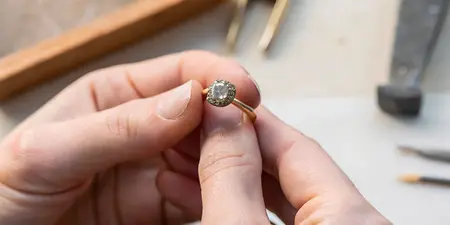

Jewelry Appraisal Near Me: A Step-by-Step Guide
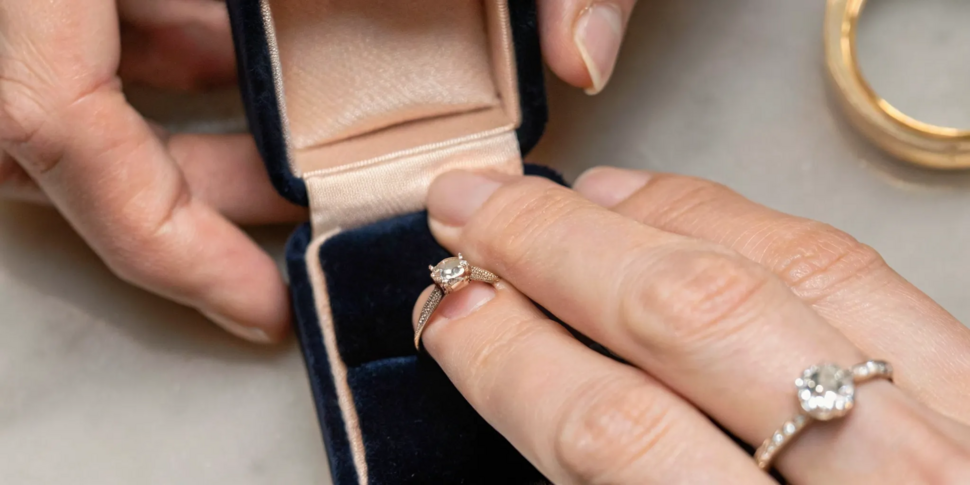
Every unique piece of jewelry holds a certain mystery. You might wonder about the exact quality of the gemstones, the story behind its craftsmanship, or simply what it’s truly worth. A professional appraisal is the key to unlocking that information, providing you with a detailed biography of your item. It’s a fascinating process that goes far beyond a simple price tag, giving you a deeper appreciation for your collection. If your curiosity has led you to search for a "jewelry appraisal near me," you’re in the right place. We’ll explain what appraisers look for, what you’ll learn from their report, and how this knowledge empowers you as a jewelry owner.
Key Takeaways
- Get the Right Insurance Coverage: A professional appraisal is the key document your insurance company needs to properly cover your jewelry. It ensures you can replace a lost, stolen, or damaged piece with one of comparable quality and value.
- Find a Qualified Professional: Your appraisal is only as good as the appraiser who performs it. Look for someone with certifications from groups like the GIA or AGS and confirm they charge a flat or hourly rate, not a fee based on the jewelry's final value.
- Understand Value and Keep it Updated: An insurance appraisal reflects the retail cost to replace an item, which is different from its resale market value. Since markets change, plan to have your jewelry reappraised every three to five years to keep your coverage accurate.
What Is a Jewelry Appraisal and Why Do You Need One?
Think of a jewelry appraisal as an official biography for your favorite piece. It’s a detailed document, prepared by a qualified professional, that describes your jewelry in full and assigns it a monetary value. This isn't just a quick guess at what something is worth; it's a comprehensive evaluation based on factors like gemstone quality, metal type, craftsmanship, and current market conditions.
Whether you own a modern ring from one of our incredible designers or a family heirloom passed down through generations, an appraisal gives you the critical information you need to protect it. While simple curiosity is a perfectly fine reason to get one, there are a few key moments when having a formal appraisal is absolutely essential. It’s a practical step that provides security, clarity, and peace of mind for your most cherished items. From insuring a new purchase to planning for the future, a professional appraisal is one of the smartest moves a jewelry owner can make.
To Get the Right Insurance Coverage
This is the number one reason most people get their jewelry appraised. If you want to protect a valuable piece against loss, theft, or damage, your insurance company will require a formal appraisal to add it to your policy. This document acts as proof of your jewelry’s value and characteristics.
An accurate and detailed appraisal ensures that if you ever need to file a claim, your insurance provider has the information needed to offer a replacement of comparable quality and value. Without it, you risk being underinsured, which could leave you with a settlement that doesn’t cover the cost of replacing your beloved bridal jewelry or special occasion piece. It’s all about making sure you’re properly protected.
To Prepare for Estate Planning
Jewelry is often a significant part of an estate, and having it professionally appraised is a crucial step in responsible financial planning. When you’re organizing your assets, a formal appraisal provides a clear, documented value for legal purposes, such as creating a will or setting up a trust.
This official valuation helps ensure a fair and equitable distribution of assets among your heirs, which can prevent potential conflicts or disagreements down the line. Appraisals are also often necessary for tax purposes. Having a clear record of value for your vintage and estate collection simplifies the process for everyone involved and honors the legacy of your pieces.
To Know Your Jewelry's Resale Value
Even if you never plan on parting with your jewelry, knowing its resale value is empowering. A jewelry appraisal can give you a realistic understanding of what your piece is worth in the current market, which is valuable information for managing your personal assets.
Should you ever decide to sell or trade a piece, this knowledge allows you to set a fair price and enter negotiations with confidence. It helps you make informed decisions about your entire jewelry collection, ensuring you fully understand the value of what you own. An appraisal for resale purposes (known as Fair Market Value) might differ from an insurance appraisal, but both serve the purpose of giving you clarity.
How to Find a Qualified Jewelry Appraiser
Finding the right person to appraise your jewelry is just as important as the appraisal itself. You’re entrusting someone with a valuable, and often sentimental, piece, so you want to be sure they are knowledgeable, ethical, and thorough. The good news is that finding a qualified professional isn’t difficult when you know where to look. By checking for the right credentials, exploring local resources, and asking for recommendations, you can find an appraiser you trust to accurately value your treasured items.
Look for Professional Certifications
Before you hand over your jewelry, the first step is to verify an appraiser’s qualifications. Think of it like checking a doctor’s credentials; you want someone with proven expertise. Professional certifications show that an appraiser has completed extensive training and adheres to strict ethical standards. The most important thing is to find an appraiser with good training and experience. You can find qualified professionals through organizations like the American Gem Society, the National Association of Jewelry Appraisers (NAJA), and the Gemological Institute of America (GIA). An appraiser with credentials from one of these respected institutions has demonstrated a serious commitment to their craft.
Use Online Directories and Local Resources
Once you know what certifications to look for, you can start your search. The websites for the organizations mentioned above have searchable directories to help you find a certified appraiser in your area. Another great place to look is your local, trusted jewelry store. Many fine jewelers, like us at Element 79, have appraisers on staff or can refer you to a reputable independent professional. Some stores may even include an appraisal with a new purchase. Otherwise, you should expect to pay a fee for the service, especially if you’re bringing in a piece you bought elsewhere. You can always book an appointment with us to discuss your appraisal needs.
Ask for Trusted Recommendations
Sometimes, the best way to find a reliable professional is through a personal recommendation. Ask friends, family members, or colleagues if they have an appraiser they’ve worked with and trust. Your insurance agent is another excellent resource, as they often have a list of preferred appraisers. People frequently need a jewelry appraisal to meet requirements for their homeowners insurance, so agents are familiar with who does quality work in the area. Getting a referral from someone you trust provides an extra layer of confidence that you’re working with a true expert who will handle your vintage and estate pieces with care.
What Credentials Should a Jewelry Appraiser Have?
When you’re entrusting someone with your most treasured pieces, you want to know they’re a true expert. A jewelry appraisal is more than just a price tag; it’s a detailed assessment of quality, craftsmanship, and value. Finding a qualified professional means looking for specific credentials that prove their expertise and commitment to ethical standards. Here’s what to look for to ensure you’re getting an accurate and reliable valuation.
Key Certifications and Training
Think of certifications as a degree in all things sparkly. A qualified appraiser has dedicated serious time to studying gemology and valuation theory. Look for credentials from respected organizations like the Gemological Institute of America (GIA), the American Gem Society (AGS), or the National Association of Jewelry Appraisers (NAJA). An appraiser with a title like Graduate Gemologist (GG) from the GIA has completed extensive training in identifying and grading gemstones. These certifications are your assurance that the appraiser has the technical skills to accurately assess every detail of your jewelry, from the cut of a diamond to the origin of a sapphire.
Industry Memberships and Affiliations
Beyond their initial training, a great appraiser stays connected to the industry. Ongoing membership in professional associations shows they are committed to upholding a strict code of ethics and staying current with market trends. This is so important because a detailed, professional appraisal is the key to securing the right insurance coverage for your pieces. During the process, a skilled appraiser might even spot maintenance issues, like a loose prong on your engagement ring, giving you a chance to get it fixed before the stone is lost. It’s this level of thoroughness that sets a true professional apart.
Why an Independent Appraiser Is Best
For the most objective assessment, consider working with an independent appraiser. Their sole focus is to provide an accurate valuation, free from any pressure to buy or sell your jewelry. While some retailers offer appraisal services, an independent expert removes any potential conflict of interest. Be cautious of appraisals that are offered for free or at a very low cost, as they may not be as detailed or accurate as you need. A professional who follows the Uniform Standards of Professional Appraisal Practice (USPAP) is committed to providing an unbiased and well-supported opinion of value, giving you confidence in their final report.
What to Expect During the Appraisal Process
Getting your jewelry appraised might sound formal, but it’s a pretty straightforward process. A professional appraiser will walk you through every step, making sure you understand what’s happening with your treasured pieces. The goal is to give you a clear, accurate, and official document that details exactly what your jewelry is and what it’s worth. Think of it as a check-up for your jewelry, ensuring it’s protected and properly valued.
The Initial Consultation and Examination
Your appraisal journey begins with an initial consultation. This is where you’ll meet with the appraiser to discuss why you need the appraisal, whether it’s for insurance, estate planning, or another reason. You can book an appointment to ensure you have dedicated time. The appraiser will then carefully clean and examine your piece. This close inspection is not just for valuation; it’s also a great opportunity to spot potential issues. A good appraiser might find a loose stone or a worn prong, allowing you to get it repaired before a small problem becomes a big one. It’s the perfect time to ask any questions you have about your jewelry’s care and history.
How Your Jewelry Is Documented and Photographed
After the initial look, the appraiser gets down to the detailed work. This involves a lot more than a quick glance. They will use professional tools to identify gemstones, measure their dimensions, grade their quality, and determine the metal content of your piece. High-resolution photographs are taken from several angles, creating a complete visual record. This documentation is crucial for identification if your jewelry is ever lost or stolen. The appraiser also conducts market research, comparing your piece to similar items to accurately determine its current value. This meticulous process ensures your final report is both thorough and precise, whether it's for a modern designer piece or a vintage treasure.
The Final Report and Timeline
Once the examination and research are complete, the appraiser will compile a detailed report. This official document includes everything you need: a full description of the jewelry, the quality grades of any stones, the materials used, the photographs, and the final appraised value. A thorough appraisal provides all the necessary details for an insurance company to create a policy that fully protects your piece. As for timing, you can typically expect the process to take about a week for a single item, though this can vary. You’ll receive a physical or digital copy of the report to keep for your records and to share with your insurance provider.
How Much Does a Jewelry Appraisal Cost?
Investing in a jewelry appraisal is one of the smartest things you can do to protect your favorite pieces. While there is a cost, it’s a small price to pay for the accuracy and peace of mind that comes with knowing the true value of your jewelry. The final price depends on the appraiser’s expertise and the complexity of your item, but here’s a general breakdown of what you can expect.
Understanding Pricing: Hourly vs. Flat Fees
Most professional jewelry appraisers charge in one of two ways: an hourly rate or a flat fee per item. An hourly rate typically falls between $50 and $150. This structure is often used for more complex appraisals, like those for intricate vintage pieces or large collections that require significant research. For more straightforward items, such as a single diamond engagement ring or a simple gold necklace, an appraiser might charge a flat fee. This gives you a clear, upfront cost. When you book an appointment, you can ask about the appraiser’s pricing structure to find what works best for you.
What Influences the Price?
The appraisal fee covers much more than a quick glance at your jewelry. It reflects the appraiser’s time, expertise, and the detailed work required to produce an accurate and official document. A thorough appraisal involves several steps. First is the hands-on examination, where the appraiser uses specialized tools to analyze gemstones, measure metals, and assess the overall craftsmanship. Next comes in-depth market research to compare your piece against similar items and determine its current value. This is especially important for unique vintage and estate jewelry. Finally, the appraiser compiles all this information into a detailed written report you can use for insurance and other purposes.
A Red Flag: Why to Avoid Percentage-Based Fees
Here is one non-negotiable rule when seeking an appraisal: never work with an appraiser who charges a percentage of the jewelry’s final value. This is a major conflict of interest and goes against industry ethics. An appraiser whose fee is tied to the item's value has a financial incentive to inflate the price, resulting in an inaccurate valuation and a higher cost for you. A reputable appraiser’s fee should only reflect their time and expertise. This ensures the valuation is objective and unbiased. For more on this, you can review the ethical guidelines recommended by organizations like Jewelers Mutual.
What Are the Different Types of Jewelry Appraisals?
Not all jewelry appraisals are the same. The type you need depends on your goal, and the final value can vary significantly. For instance, the value for insuring your engagement ring will be different from the value you’d get if you were planning to sell it. The two most common appraisals are for insurance replacement value and fair market value. Each serves a distinct purpose, whether you're protecting a treasured piece or preparing to part with it. Let's look at what each one means so you can choose the right one for your beautiful jewelry.
Appraisals for Insurance Replacement Value
This is the most common reason for a jewelry appraisal. An insurance replacement appraisal determines the cost to replace your jewelry with a brand new, similar item at current retail prices. This value is essential for your insurance policy because it proves what your jewelry is worth. As insurance experts explain, an inaccurate report could mean your provider won't cover the full cost to replace a lost or damaged piece. This appraisal gives you peace of mind, ensuring you can replace your precious items with something of comparable quality.
Appraisals for Fair Market Value
If you're thinking about selling jewelry, you’ll need an appraisal for fair market value. This type estimates the price a willing buyer would realistically pay a willing seller in an open market. This value is typically lower than the insurance replacement value because it reflects the piece's current condition as a pre-owned item, not the cost of creating a new one. This valuation is used for estate settlements, tax purposes, or when you're looking to sell items from a Vintage & Estate collection.
How to Choose the Right Appraisal for You
Choosing the right appraisal comes down to one question: what is your goal for the jewelry? To protect your piece from loss or theft, you need an insurance replacement value appraisal. If you intend to sell it or need a value for legal reasons, a fair market value appraisal is the way to go. When you meet with an appraiser, be clear about your purpose and ask how they charge, whether it's hourly or per piece. It's also smart to check your insurance policy for any specific requirements on updates. If you're unsure where to begin, you can always book an appointment with a professional to discuss your options.
Common Misconceptions About Jewelry Appraisals
The world of jewelry appraisals can feel a bit mysterious, and it’s easy to get tangled in some common myths. Understanding what an appraisal really means helps you protect your investment and appreciate the true worth of your pieces. Let's clear up a few things so you can feel confident about the value of your jewelry.
Appraised Value vs. Market Value: What's the Difference?
One of the most frequent points of confusion is the difference between appraised value and market value. The value on your appraisal report, especially for insurance, is not what you would get if you sold the piece. An insurance appraisal reflects the full retail cost to replace your exact item with a new one. Think of it as the "new-in-the-box" price.
Market value, on the other hand, is the price your piece would likely sell for in its current condition. This value applies to pre-owned items, like those in our Vintage & Estate collection. So, don't be surprised if an appraisal for insurance is significantly higher than a resale offer; they are simply two different measurements for two different purposes.
Why Jewelry Values Fluctuate Over Time
An appraisal is a snapshot in time, not a permanent price tag. The value of your jewelry can change for several reasons. The prices of precious metals and gemstones go up and down based on global supply and demand. Trends also play a role; a design that’s highly sought after today might be less popular in a few years, or a vintage style could see a major resurgence.
Because jewelry values fluctuate, it’s a good idea to have your most treasured pieces reappraised every few years. This ensures your insurance coverage keeps pace with your item’s current replacement value.
It's More Than Carats: What Really Determines Value
It’s easy to think that a bigger stone always means a more valuable piece of jewelry, but carat weight is just one part of the story. The Four Cs (cut, color, clarity, and carat weight) all work together to determine a diamond's or gemstone's quality. A smaller stone with exceptional cut and clarity can easily be more valuable than a larger one with visible flaws.
Beyond the gems, factors like artistry and craftsmanship are huge components of value. A piece from one of our celebrated designers has value in its unique design and the skill it took to create it. These are some of the most common myths about jewelry value, but a good appraiser will always consider the entire piece, not just its parts.
When Should You Get Your Jewelry Reappraised?
Getting your jewelry appraised is a fantastic first step, but it’s not a one-and-done task. Think of an appraisal as a snapshot of your jewelry’s value at a specific moment. The markets for precious metals and gemstones are always shifting, which means the value of your pieces can change, too. To make sure your most treasured items are properly protected, you’ll need to update your appraisals periodically. This keeps your documentation current and ensures you’re always aware of what your collection is truly worth.
To Keep Up with Insurance Policies and Market Changes
The most important reason to keep your appraisals current is for insurance purposes. A detailed appraisal is your proof of ownership and value. If a piece is ever lost, stolen, or damaged, an outdated appraisal can cause a major headache. Your insurance provider will only cover up to the value stated on your most recent document. If the cost to replace your beautiful vintage ring has gone up since its last appraisal, you could be left paying the difference out of pocket. Regularly updating your appraisal ensures your insurance coverage accurately reflects the current replacement value, giving you complete peace of mind.
How Often to Update Your Appraisals
So, how often should you get a new snapshot of your jewelry's value? A good rule of thumb is to have your pieces reappraised every three to five years. This timeframe is frequent enough to account for significant shifts in the market without feeling like a constant chore. Regular updates keep your insurance coverage in line with the current value of your jewelry, so you're never underinsured. If you're unsure whether it's time for a reappraisal, you can always book an appointment with a certified appraiser to review your documents and get professional advice. It’s a simple step that provides long-term protection for your most meaningful pieces.
Related Articles
Frequently Asked Questions
Why is my appraisal value so much higher than what I could sell my ring for? This is a great question because it gets to the heart of what an appraisal is for. The value on an insurance appraisal reflects the full retail cost to replace your exact item with a brand new one. It accounts for materials, labor, and a jeweler's markup. Market value, or what you could sell it for, is typically lower because it reflects the price for a pre-owned piece. They are simply two different measurements for two different purposes.
Do I need an appraisal for every piece of jewelry I own? Not necessarily. It’s most important to appraise your most valuable pieces, especially engagement rings, family heirlooms, or any item you would be devastated to lose. Many homeowners or renters insurance policies have a set limit for jewelry coverage, so any single piece valued above that limit should have its own formal appraisal to be properly insured.
Can I just use the appraisal that came with my jewelry when I bought it? While an appraisal from the seller is a helpful document, getting an updated, independent appraisal is the best practice for insurance. An independent appraiser provides a completely unbiased valuation without any conflict of interest. Plus, since the value of metals and gemstones changes over time, that original document might not accurately reflect your piece's current replacement cost.
Will I have to leave my jewelry with the appraiser? This often depends on the appraiser and the complexity of your jewelry. Many professionals can complete the entire examination, measurement, and photography process while you wait, which is a great option for your peace of mind. If you have a particularly intricate piece or a large collection, the appraiser might need more time, but they will always discuss the options and timeline with you upfront.
Is a jewelry appraisal a one-time thing, or do I need to do it again? An appraisal is a snapshot of value at a specific point in time, not a permanent price tag. Because the markets for precious metals and gemstones are always changing, it's smart to have your high-value pieces reappraised every three to five years. This ensures your insurance coverage keeps up with the item's current replacement value, so you're never underinsured.
Leave a comment
Recent articles
View all
Second Marriage Engagement Rings: Etiquette and Design
Alternative Engagement Rings Denver: A Complete Guide