The Essential Asscher Cut Engagement Ring Guide
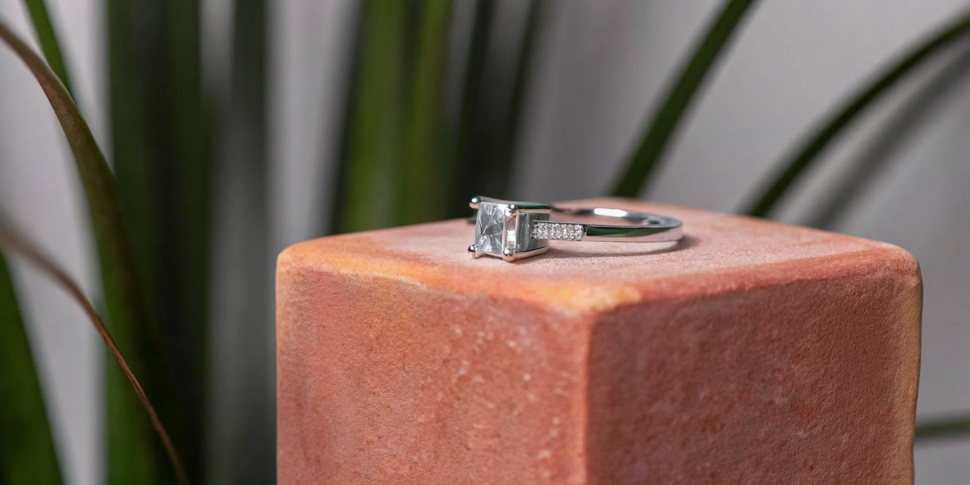
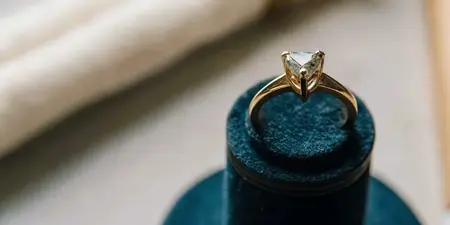
The first time you look into an Asscher cut diamond, you realize it’s unlike any other. Instead of a burst of fiery light, you see a mesmerizing, seemingly endless hallway of reflections. This is the famous "hall-of-mirrors" effect, a signature of the cut’s parallel step facets. It’s a sophisticated and subtle brilliance that highlights the diamond’s clarity and clean lines. An Asscher cut engagement ring is for someone who appreciates this captivating depth and the story behind its Art Deco origins. It’s a piece that feels both historic and refreshingly modern. We’ll explore what creates this unique visual appeal and how to choose a stone that showcases it beautifully.
Key Takeaways
- Choose it for its unique character: An Asscher cut offers a sophisticated "hall-of-mirrors" effect instead of traditional sparkle. Its architectural, step-cut facets create dramatic flashes of light and a mesmerizing sense of depth, perfect for someone who values understated elegance.
- Clarity is key for a clear view: The Asscher's step-cut design acts like a window, making natural imperfections easier to see. To ensure a flawless appearance, it's best to select a diamond with a clarity grade of VS2 or higher, which keeps the focus on its beautiful internal geometry.
- It works with any style, from vintage to modern: Don't let its Art Deco roots fool you; the Asscher's clean lines are incredibly versatile. This cut looks just as chic in a sleek, contemporary bezel setting as it does in a romantic, vintage-inspired design.
What Is an Asscher Cut Engagement Ring?
If you’re drawn to jewelry with a story, the Asscher cut is a captivating choice. It’s a diamond that feels both timeless and completely modern, blending vintage glamour with clean, geometric lines. An Asscher cut engagement ring is for someone who appreciates understated elegance and striking detail. It doesn't shout for attention with fiery sparkle; instead, it mesmerizes with its unique depth and sophisticated charm. This distinctive cut is a beautiful centerpiece for any bridal set, offering a style that stands apart from more common diamond shapes. It has an architectural quality that feels intentional and curated, making it a favorite among those with a keen eye for design.
Choosing an Asscher cut says you value character and history as much as brilliance. It’s a confident choice that reflects a love for soulful pieces that are anything but ordinary. At its core, the Asscher cut is defined by a few key characteristics that work together to create its signature look. From its squared-off silhouette to the hypnotic pattern of its facets, every element is designed to produce a chic and unforgettable piece of jewelry. Let’s look at what makes this cut so special.
Its Unique Square Shape and Cropped Corners
The first thing you’ll notice about an Asscher cut is its distinctive shape. It’s a square diamond with dramatically cropped corners, which gives it an elegant, octagonal outline. These clipped corners aren't just a minor detail; they soften the sharp angles of a perfect square, creating a look that is both bold and refined. This unique silhouette sets it apart from other square cuts, giving it a more vintage and architectural feel. The shape itself is a statement of style, perfect for someone who loves pieces with history and character, much like the treasures you might find in a vintage and estate collection.
The Famous "Hall-of-Mirrors" Effect
What truly defines the Asscher cut is its incredible faceting. Instead of the fiery sparkle you see in a round brilliant, an Asscher cut has long, rectangular facets arranged in parallel steps. This is known as a "step cut." These steps draw your eye deep into the center of the stone, creating a mesmerizing "hall-of-mirrors" effect. The result is a captivating flash of light and a sense of incredible depth and clarity. It’s a more subtle and sophisticated kind of brilliance, like looking into a perfectly clear, kaleidoscopic pool. This unique play of light makes it a standout in any jewelry collection.
A Nod to Its Art Deco Roots
The Asscher cut has a rich history that adds to its allure. First developed in 1902 by the Asscher brothers of Holland, it soared in popularity during the Art Deco period of the 1920s and 30s. The cut’s clean lines, geometric shape, and symmetrical facets were a perfect match for the bold and glamorous aesthetic of the era. This connection to Art Deco gives the Asscher cut an heirloom quality that feels both nostalgic and eternally stylish. Choosing an Asscher is like wearing a piece of design history, a sentiment that many of our contemporary designers honor in their work today.
How Does an Asscher Cut Compare to Other Diamonds?
Choosing a diamond shape is one of the most exciting parts of designing an engagement ring. While every cut has its own charm, the Asscher stands out with its unique architectural vibe. It’s a statement of personal style, but how does it really stack up against other popular shapes? Understanding these key differences will help you decide if its vintage-inspired elegance is the right fit for you. The Asscher cut is often compared to other geometric shapes like the emerald and princess cuts, but it also holds its own against the classic round brilliant. Each comparison highlights what makes the Asscher so special, from its step-cut facets that create a "hall-of-mirrors" effect to its distinctive square silhouette with cropped corners. It’s a choice for someone who appreciates artistry and a touch of vintage flair, a stone that feels both historic and incredibly modern. When you see an Asscher, you're seeing a piece of history refined for today's style. Let's look at how the Asscher compares to the emerald, princess, and round brilliant cuts.
Asscher vs. Emerald
At first glance, Asscher and emerald cuts look like close relatives, and they are. Both are step cuts, known for their clean lines and glassy clarity. The main difference is their silhouette. Asscher cuts are square, typically with a 1:1 length-to-width ratio, giving them a neat, geometric look. They also have a deeper pavilion (the bottom portion) and a higher crown (the top). In contrast, emerald cuts are rectangular, which creates a more elongated appearance on the finger. Think of the Asscher as the chic, symmetrical cousin and the emerald as the long, elegant one. Both are stunning choices for showcasing a diamond's clarity, but they offer distinct visual styles.
Asscher vs. Princess
This is where the difference in cutting style becomes very clear. The Asscher is a step-cut diamond, meaning its facets are arranged in parallel lines like a staircase, creating that famous "hall-of-mirrors" effect. The princess cut, however, is a brilliant cut. It’s designed with more facets to maximize sparkle and fire, resulting in a crushed-ice look. While both are square, their personalities are worlds apart. The Asscher offers a subtle, sophisticated gleam with dramatic flashes of light. The princess cut delivers a vibrant, fiery sparkle. Your choice here really comes down to whether you prefer understated elegance or a more dazzling, modern brilliance in your bridal jewelry.
Asscher vs. Round Brilliant
Comparing an Asscher to a round brilliant is like comparing Art Deco architecture to a classic ballroom chandelier. The Asscher cut has around 58 facets that create a deeply layered look, drawing your eye into the center of the stone. It’s all about mesmerizing depth and clarity. The round brilliant, on the other hand, is the undisputed champion of sparkle. Its facet arrangement is engineered specifically to reflect the most light, giving it an unmatched fire and brilliance. If you love vintage glamour and unique character, the Asscher is a perfect match. If you’re after that timeless, show-stopping sparkle that everyone recognizes, the round brilliant is a classic for a reason.
What Makes the "Hall-of-Mirrors" Effect So Special?
The "hall-of-mirrors" effect is the signature feature of an Asscher cut diamond, and it’s what gives the stone its mesmerizing, almost hypnotic quality. Unlike the fiery sparkle you see in a round brilliant diamond, an Asscher cut offers something entirely different: a captivating display of depth and symmetry. Imagine looking down into a perfectly clear pool of water with light dancing across its surface. That’s the kind of understated, elegant glamour an Asscher cut delivers.
This unique optical illusion is created by the diamond's "step cuts," which are long, parallel facets arranged in tiers. These steps draw your eye deep into the center of the stone, creating an endless, mirrored reflection that highlights the diamond's clarity and clean lines. It’s a sophisticated look that feels both vintage and modern at the same time. This effect is less about a scattered burst of light and more about a structured, intentional play of light and shadow. For anyone who appreciates architectural beauty and subtle elegance, the hall-of-mirrors effect is what makes the Asscher cut a truly exceptional choice for an engagement ring.
How Step Cuts Create Depth and Clarity
The magic of an Asscher cut begins with its faceting style. It’s a "step cut," meaning its facets are arranged in parallel rows that resemble a staircase. These clean, straight lines are what give the diamond its distinct, architectural look. As you gaze into the stone, these steps guide your eye inward, creating a powerful sense of depth and perspective. This is what produces the famous hall-of-mirrors effect. The large, open table (the flat top surface) acts as a clear window, allowing you to appreciate the precision of each facet and the stone's inner world. It’s a cut that celebrates form and structure over fiery brilliance.
The Way It Plays with Light
An Asscher cut interacts with light in a completely unique way. Instead of breaking light into a rainbow of colors like a brilliant cut, its step facets produce broad, dramatic flashes of white light. The mirrored faceting creates a captivating pattern of light and dark planes that shift and change as you move your hand. This creates a rhythmic, almost liquid-like shimmer that accentuates the stone's purity and luster. It’s a more subtle and sophisticated kind of beauty, perfect for someone who loves the quiet confidence of our Vintage & Estate pieces and the soul of an expertly crafted gem.
Why Clarity Can Matter More Than Sparkle
Because an Asscher cut has such large, open facets, it acts like a window into the center of the diamond. This means there’s nowhere for inclusions, or natural imperfections, to hide. While the many facets of a brilliant cut can camouflage minor flaws, a step cut puts the diamond’s clarity on full display. For this reason, it’s a good idea to choose a stone with high clarity, typically VS2 or better. Think of it not as a drawback, but as a testament to the diamond's quality. A clean Asscher cut is a showcase of purity, and seeing one in person is the best way to appreciate its flawless beauty. You can always book an appointment with us to see the difference for yourself.
How to Choose the Perfect Asscher Cut Diamond
Finding the right diamond is a personal journey, but when it comes to the Asscher cut, a few key details can make all the difference. Because of its unique step-cut faceting, which creates that mesmerizing "hall-of-mirrors" effect, some of the 4Cs (cut, color, clarity, and carat) play a more significant role than they do with other diamond shapes. The large, open table of an Asscher acts like a clear window into the center of the stone, making certain characteristics especially important.
While a brilliant cut is designed for maximum sparkle, a step cut is all about showcasing the diamond's clarity and luster. This means you’ll want to pay close attention to the stone’s internal features and overall proportions. Understanding what to look for will help you select a truly stunning Asscher cut for your bridal jewelry. Let’s walk through the specifics so you can feel confident as you begin your search.
Prioritizing Clarity in a Step Cut
If there’s one "C" to focus on with an Asscher cut, it’s clarity. The long, linear facets don’t hide imperfections the way the many small, sparkling facets of a brilliant cut can. Instead, they create a clear, unobstructed view straight into the diamond’s core. Because of this, Asscher cuts show inclusions more easily than other shapes.
For a stone that appears clean to the naked eye, it's best to choose a diamond with a good clarity grade, usually VS2 (Very Slightly Included) or better. This ensures that any tiny internal characteristics are difficult to spot without magnification, allowing the geometric beauty of the cut to shine through without distraction. When you book an appointment, we can show you how different clarity grades look in person, which is the best way to appreciate the unique character of each stone.
Finding the Ideal Cut and Proportions
The quality of the cut determines how well a diamond interacts with light, and for an Asscher, it’s what creates that signature depth and dimension. While the GIA (Gemological Institute of America) doesn't assign a single cut grade to fancy shapes like the Asscher, you can look at its proportions to gauge its quality. A well-proportioned Asscher will have a captivating pattern and a bright, lively appearance.
A moderate depth percentage, typically between 65% and 75%, is often preferred because it gives the stone a balanced look without appearing too deep or too shallow. This helps create the beautiful hall-of-mirrors effect. When reviewing a diamond's certificate, pay attention to these measurements, as they are key indicators of a well-crafted stone that will perform beautifully in any piece of jewelry.
What to Know About Color Grades
Here’s some good news: Asscher cuts are quite good at hiding color. The step-cut faceting pattern doesn't trap and reflect color in the same way a brilliant cut does, which gives you more flexibility. This means you don’t necessarily have to pay a premium for a colorless diamond (grades D, E, or F) to get a stone that looks bright and white.
You can often find excellent value and beauty in the near-colorless range, such as G, H, or I grades. These diamonds will still appear icy white to the eye, especially once set in a ring. The metal you choose for your setting can also influence perception; a yellow gold band can make a diamond with a hint of warmth look even brighter, while platinum or white gold will highlight a stone's lack of color.
Perfecting the Length-to-Width Ratio
The length-to-width ratio is what determines the diamond's outline and whether it appears perfectly square or slightly rectangular. For a classic, symmetrical look, you’ll want a ratio as close to 1.00 as possible. However, any diamond with a length-to-width ratio below 1.06 will typically look square to the naked eye, so you have a little bit of wiggle room.
Ultimately, the ideal ratio comes down to personal preference. While the traditional Asscher is square, some people are drawn to the look of a slightly elongated stone. There’s no right or wrong answer, but knowing what to look for helps you narrow down your options. This small detail can have a big impact on the final look of your engagement ring, so it’s worth considering what shape you find most appealing.
What Are the Best Settings for an Asscher Cut?
Choosing a setting for your Asscher cut is about more than just holding the diamond in place; it’s about creating a frame that complements its one-of-a-kind beauty. The right setting can highlight the mesmerizing "hall-of-mirrors" effect or add a touch of personal style, whether you lean toward timeless elegance or a more modern edge. Because the Asscher cut is so distinctive, the setting you choose plays a huge role in the final look and feel of your ring. Let’s explore some of the most popular and flattering options to help you find the perfect match for your diamond and your story.
The Timeless Solitaire Setting
If you believe the Asscher cut’s geometric beauty should be the main event, a solitaire setting is a perfect choice. This classic, minimalist style puts the diamond front and center with no distractions, allowing its clean lines and captivating depth to do all the talking. A simple band, whether in platinum, gold, or rose gold, creates an elegant and sophisticated look that will never go out of style. It’s a confident choice that honors the diamond’s unique character and is a cornerstone of any beautiful bridal collection. This setting truly proves that sometimes, less is more.
Adding Drama with a Halo
For those who love a little extra sparkle, a halo setting is a stunning way to frame an Asscher cut. Surrounding the center stone with a circle of smaller pavé diamonds creates a brilliant "halo" that enhances its size and brilliance. This style adds a touch of glamour and draws even more attention to the unique step-cut facets of the Asscher. A halo can soften the diamond's angular corners for a romantic feel or be squared off to echo its geometric shape. It’s a fantastic way to see how different artisan designers can bring their own creative vision to a classic silhouette.
Vintage-Inspired and Three-Stone Styles
With its Art Deco origins, the Asscher cut feels right at home in a vintage-inspired setting. Details like milgrain edges, filigree, or delicate engraving can transport your ring to another era, creating a piece that feels like a treasured heirloom. Another meaningful option is the three-stone setting, which typically features two smaller diamonds flanking the center Asscher. This style beautifully symbolizes a couple’s past, present, and future. Both of these approaches give the ring a sense of history and romance, making them a perfect fit for our Vintage & Estate collection.
Modern Looks: Bezel and Split Shank
If your style is more contemporary, a bezel or split shank setting offers a fresh and modern take. A bezel setting encases the diamond’s perimeter in metal, creating a sleek, smooth frame that also offers excellent protection for the stone’s corners. It’s a practical and stylish choice with a minimalist vibe. A split shank setting, where the band divides as it approaches the diamond, adds an architectural and airy feel to the design. This creates visual interest and beautifully complements the Asscher's structured look. If you're curious to see how these modern styles feel in person, you can always book an appointment to explore the possibilities.
What Can You Expect to Pay for an Asscher Cut Ring?
Figuring out the budget for an engagement ring can feel like a big task, but it helps to know what factors into the final price. For an Asscher cut ring, the cost is a blend of the diamond's specific qualities, the setting you choose, and the metal. It’s not just about the carat size; it’s about the combination of elements that create your perfect ring. Let's walk through the main things that will influence what you can expect to pay.
How Carat Weight Affects Price and Size
While carat weight is a major factor in any diamond's price, it's important to understand how it presents in an Asscher cut. Because this cut carries a lot of its weight in its depth, it can appear smaller from the top than a round brilliant diamond of the same carat weight. For example, a 2-carat Asscher won't look as large face-up as a 2-carat round. This isn't a drawback; that depth is exactly what creates the incredible "hall-of-mirrors" effect. It’s just something to keep in mind as you compare stones, so you can balance the carat weight you want with the visual size that feels right for you.
Why You Might Pay a Premium for Clarity
The beauty of an Asscher cut is in its clean, geometric lines and window-like clarity. Those long, open step facets are like looking directly into the heart of the stone. The downside? They don't hide imperfections, or inclusions, as well as brilliant cuts do. For this reason, clarity is a top priority. You’ll want to look for a diamond with a clarity grade of VS2 (Very Slightly Included) or better to ensure the stone is eye-clean. Investing in a higher clarity grade ensures that nothing distracts from the mesmerizing, architectural beauty of your Asscher cut engagement ring. It’s what makes the view inside so captivating.
Factoring in Your Setting and Metal Choice
Your choice of setting and metal plays a huge role in both the final look and the price of your ring. An Asscher cut is incredibly versatile and looks just as stunning in a simple solitaire setting as it does in a more intricate halo or three-stone design. A classic prong setting is a timeless choice, while a bezel setting can offer a more modern, durable frame. The metal you select, whether it's platinum, yellow gold, or rose gold, will also affect the cost. This is where you can really personalize your ring to match your style, whether you love clean lines or prefer a vintage-inspired feel.
Lab-Grown vs. Natural: A Price Comparison
Today, you have more choices than ever, including whether to opt for a lab-grown or a natural diamond. Lab-grown diamonds are physically and optically identical to their natural counterparts, but they are created in a controlled environment. Because of this, they are typically less expensive. This can be a fantastic option if you want to maximize your budget, allowing you to choose a larger carat weight or a higher clarity grade than you might otherwise. The choice is entirely personal, and many of our incredible designers work with both, giving you the freedom to find a beautiful Asscher cut that aligns with your values and your budget.
Common Myths About Asscher Cut Diamonds
The Asscher cut is undeniably special, but its unique character has led to a few common misunderstandings. If you’ve been scrolling through rings online, you might have come across some of these myths yourself. It’s easy for misinformation to spread, especially when you’re comparing a distinctive step cut to more common brilliant cuts. Let’s clear up some of the confusion so you can feel confident in your choice. We'll walk through the three biggest myths about Asscher cut diamonds and separate the fiction from the facts.
Myth: They Don't Sparkle
This is probably the most common myth out there, and it’s simply not true. Asscher cuts absolutely sparkle, just not in the same way a round brilliant diamond does. Instead of the fiery, splintered sparkle you might be used to, an Asscher cut produces a mesmerizing “hall-of-mirrors” effect. Its long, rectangular step facets draw your eye deep into the stone, creating clean, dramatic flashes of light. Think of it as a more sophisticated, understated shimmer. This unique glow is what makes the Asscher so captivating and elegant. It’s a different kind of beauty that many people find even more compelling than traditional sparkle.
Myth: They Look Smaller Than Other Cuts
There is a kernel of truth to this one, which is why it persists. An Asscher cut diamond does tend to have a smaller surface area, or "face," than a round brilliant diamond of the same carat weight. This is because much of its weight is carried in its deep pavilion, the lower portion of the stone. This depth is essential for creating the signature hall-of-mirrors effect. So while a 2-carat Asscher might appear slightly smaller from above than a 2-carat round, you’re trading that surface size for incredible depth and dimension. It’s a design choice that prioritizes hypnotic geometry over sheer spread.
Myth: They Only Work for Vintage Styles
Because the Asscher cut was perfected in the early 20th century and became an icon of the Art Deco movement, it’s often associated with vintage and estate jewelry. While it looks incredible in an antique-inspired setting, its clean lines and geometric shape are surprisingly versatile. An Asscher cut can look incredibly chic and modern in a simple solitaire or a sleek bezel setting. Its architectural quality allows it to stand on its own, making it a favorite among contemporary designers who appreciate its bold-yet-refined character. This cut truly bridges the gap between vintage elegance and modern appeal, fitting beautifully into any style.
How to Care for Your Asscher Cut Engagement Ring
Your Asscher cut engagement ring is a piece of living history, and with the right care, it will continue to tell your story for a lifetime. Because of its large, open table, an Asscher cut can show smudges and dirt more easily than other cuts, but keeping it brilliant is simple. Following a few easy habits will ensure its signature "hall-of-mirrors" effect never fades.
Simple Tips for Daily Care
Keeping your ring sparkling is easier than you think. For a quick clean at home, just soak your ring in a bowl of warm water with a few drops of mild dish soap. Gently scrub it with a soft-bristled baby toothbrush to get into the setting, then rinse and pat dry with a soft, lint-free cloth. When you’re not wearing it, store your ring in a fabric-lined box or a soft pouch, separate from other pieces to prevent scratching. It’s also a good idea to take your ring off during heavy-duty activities like working out, gardening, or deep cleaning. This simple practice protects both the diamond and the setting from accidental knocks and exposure to harsh chemicals, keeping all your fine jewelry safe.
When to Get It Professionally Cleaned
We recommend bringing your ring in for a professional cleaning and inspection at least once a year. Think of it as an annual check-up for your most cherished piece. A jeweler uses ultrasonic cleaners and steam to safely remove built-up dirt and oil, restoring its original, dazzling shine in a way that’s hard to replicate at home. More importantly, this visit allows an expert to inspect the prongs and setting for any signs of wear and tear, ensuring your diamond remains secure. If you notice a stone is loose or see any damage, don’t wait for your yearly visit. You can book an appointment with our experts to get it checked right away.
Where to Find Your Asscher Cut Engagement Ring
Finding the perfect Asscher cut ring is about more than just the diamond; it’s about finding a trusted partner to guide you. The right jeweler can make all the difference, helping you understand the nuances of this unique cut and connecting you with a ring that truly feels like you. Whether you prefer to shop in a beautiful showroom or from the comfort of your couch, knowing what to look for in a seller is the first step toward finding "the one." Here’s how to find a jeweler you can count on, why a certificate is non-negotiable, and how to decide between shopping online and in-store.
How to Find a Jeweler You Trust
A great jeweler does more than just sell rings; they act as your personal guide. For a nuanced stone like an Asscher cut, you need an expert who understands the technical details that create its beauty. For example, they should be able to explain why a depth percentage of around 65% to 75% often creates the most balanced look. Look for someone who listens to your vision and can introduce you to designers who match your aesthetic. A curated collection shows that the jeweler has a strong point of view and a deep appreciation for craftsmanship. The goal is to find a partner who makes you feel educated and excited, never pressured.
Why Certification Matters
Think of a diamond certificate as its official report card, issued by an independent gemological lab like the GIA. This document is your assurance of quality. The Asscher cut is famous for its deep, step-cut facets that create a mesmerizing "hall of mirrors" effect. While stunning, this clarity also means that inclusions can be more noticeable than in brilliant-cut diamonds. A certificate provides an unbiased, expert grading of the diamond's 4Cs (cut, color, clarity, and carat), so you know exactly what you're buying. Any reputable jeweler will readily provide certification for their bridal jewelry, giving you complete confidence in your investment.
Shopping Online vs. In-Store
The choice between shopping online and in-store often comes down to personal preference. While online shopping offers endless options, seeing a diamond in person provides an experience a screen can't replicate. For an Asscher cut, specifications like the length-to-width ratio are key; while a ratio under 1.06 will look square to the naked eye, seeing it in person confirms its shape and appeal. Visiting a store allows you to see how the light plays with the facets and compare different stones side-by-side. The ideal approach combines both: you can browse a store's jewelry collection online and then book an appointment to see your top choices in person, ensuring you make a decision with both your head and your heart.
Related Articles
Frequently Asked Questions
Do Asscher cut diamonds sparkle? Yes, they absolutely do, just in their own unique way. Instead of the fiery, all-over sparkle of a round brilliant, an Asscher cut produces bold, dramatic flashes of light. Its step-cut facets create a mesmerizing "hall-of-mirrors" effect, drawing your eye deep into the stone. Think of it as a sophisticated, rhythmic shimmer rather than a scattered glitter. It’s a captivating glow that feels both elegant and full of life.
What should I prioritize when choosing an Asscher cut diamond? Clarity is the most important factor for an Asscher cut. The large, open facets act like a window into the diamond, so any inclusions will be more noticeable than in a brilliant cut. Aim for a clarity grade of VS2 or higher for a stone that appears clean to the eye. After clarity, focus on the quality of the cut itself, looking for excellent symmetry and proportions that create that beautiful mirrored effect.
Will an Asscher cut look smaller than other diamonds of the same carat weight? An Asscher cut can appear slightly smaller from the top compared to a round brilliant of the same carat weight. This is because the Asscher cut carries more of its weight in its pavilion, or the lower part of the stone. This depth is what creates its signature look, so you are trading a bit of surface area for that incredible dimension and hypnotic effect.
Is an Asscher cut only for vintage-style rings? While the Asscher cut has strong Art Deco roots and looks incredible in vintage-inspired settings, it is surprisingly versatile. Its clean, geometric lines and sophisticated character make it a perfect fit for modern designs too. A simple solitaire or a sleek bezel setting can give an Asscher cut a very contemporary and minimalist feel, proving it’s a timeless choice for any style.
How do I keep my Asscher cut ring looking its best? Because of its large, flat top surface, an Asscher cut can show smudges and fingerprints more easily. The good news is that keeping it clean is simple. A regular soak in warm water with a little mild dish soap, followed by a gentle scrub with a soft toothbrush, will keep it brilliant. We also recommend an annual professional cleaning and inspection to ensure the prongs are secure and your diamond is sparkling its brightest.
Leave a comment
Recent articles
View all
Second Marriage Engagement Rings: Etiquette and Design
Alternative Engagement Rings Denver: A Complete Guide