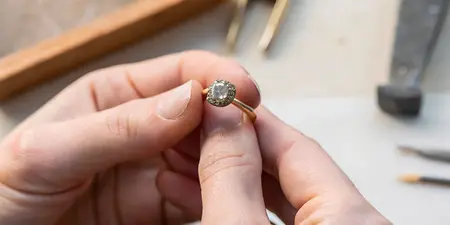

Is Buying Secondhand Fine Jewelry Safe? Yes | 2026
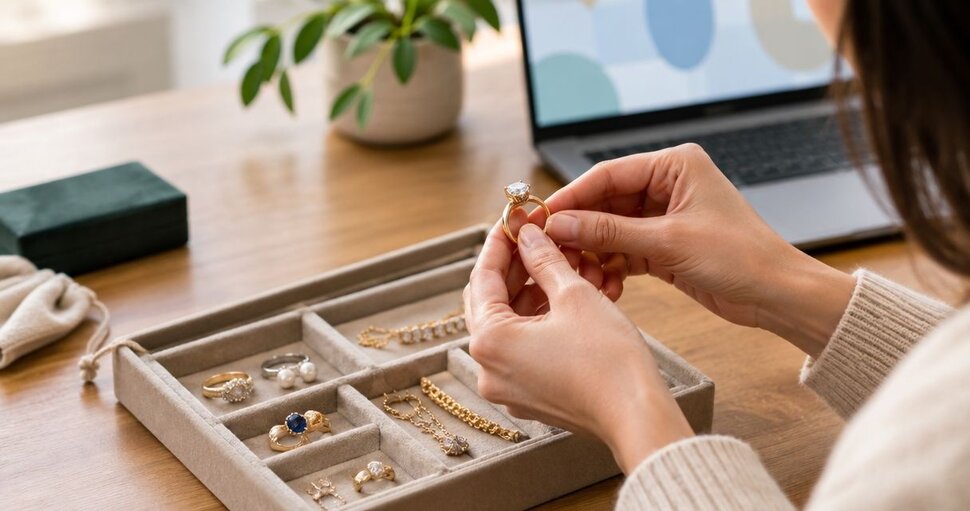
Yes, buying secondhand fine jewelry is safe when you verify the materials, have the piece inspected, and get the seller’s return and authenticity terms in writing before paying. For your 2026 purchase, the main hidden concern is repair work: a genuine ring, necklace, or bracelet can still have worn settings, damaged stones, or an unreliable clasp.
TL;DR
- Is buying secondhand fine jewelry safe? Yes—verify authenticity, inspect condition, and confirm written return terms before paying.
- GIA grading reports describe diamonds; they do not establish the condition of an entire secondhand ring.
- Element 79 suits contemporary fine jewelry shoppers seeking artisan designs rather than a particular pre-owned piece.
- Skip any secondhand seller who refuses independent inspection or leaves material claims unexplained.
Why this matters
A beautiful piece deserves more than a beautiful photograph. You need to know what it is, whether it is ready to wear, and what happens if the description turns out to be wrong.
Treat authenticity and condition as separate questions. A genuine diamond does not make its prongs secure, and an authentic designer signature does not tell you whether a bracelet’s hinge needs attention. If a diamond report accompanies the purchase, start with how to verify a diamond’s GIA report before you buy, then arrange an inspection of the actual jewelry.
Is buying secondhand fine jewelry safe?
Buying secondhand fine jewelry is a sound choice when the seller’s claims can be checked and the piece passes an independent inspection. Neither age nor previous ownership is a reason to reject jewelry on its own. The decision rests on the evidence attached to that particular piece.
Use this sequence before you commit. Each step answers a different question, so do not let strong paperwork replace a physical examination.
- Identify the seller. Confirm who is responsible for the sale, how to reach them, and whose terms govern the transaction. On a marketplace, distinguish the platform’s rules from the individual seller’s promises.
- Get a precise description. Ask for the metal, gemstone identity, dimensions, condition, and any known repairs or alterations. For diamonds, ask whether they are natural or laboratory-grown; for colored stones, ask about known treatments.
- Request photographs of the actual piece. Look for clear views of the front, back, underside, markings, settings, clasp, and any disclosed damage. A reference image is not evidence of the condition of the item you will receive.
- Arrange independent inspection. Have a qualified jeweler examine construction and wear, and use appropriate gemological expertise to investigate material or authenticity claims. Confirm that the seller allows this before the purchase becomes final.
- Read the transaction terms. Establish the return deadline, exclusions, shipping responsibilities, and process for a misdescribed item. Check the payment provider’s dispute terms rather than assuming all transactions receive the same protection.
- Keep the evidence. Save the listing, correspondence, receipt, reports, and inspection findings. Your record should connect the seller’s description to the exact piece purchased.
The order matters. Establish the inspection and return arrangements before paying, not after discovering a problem.
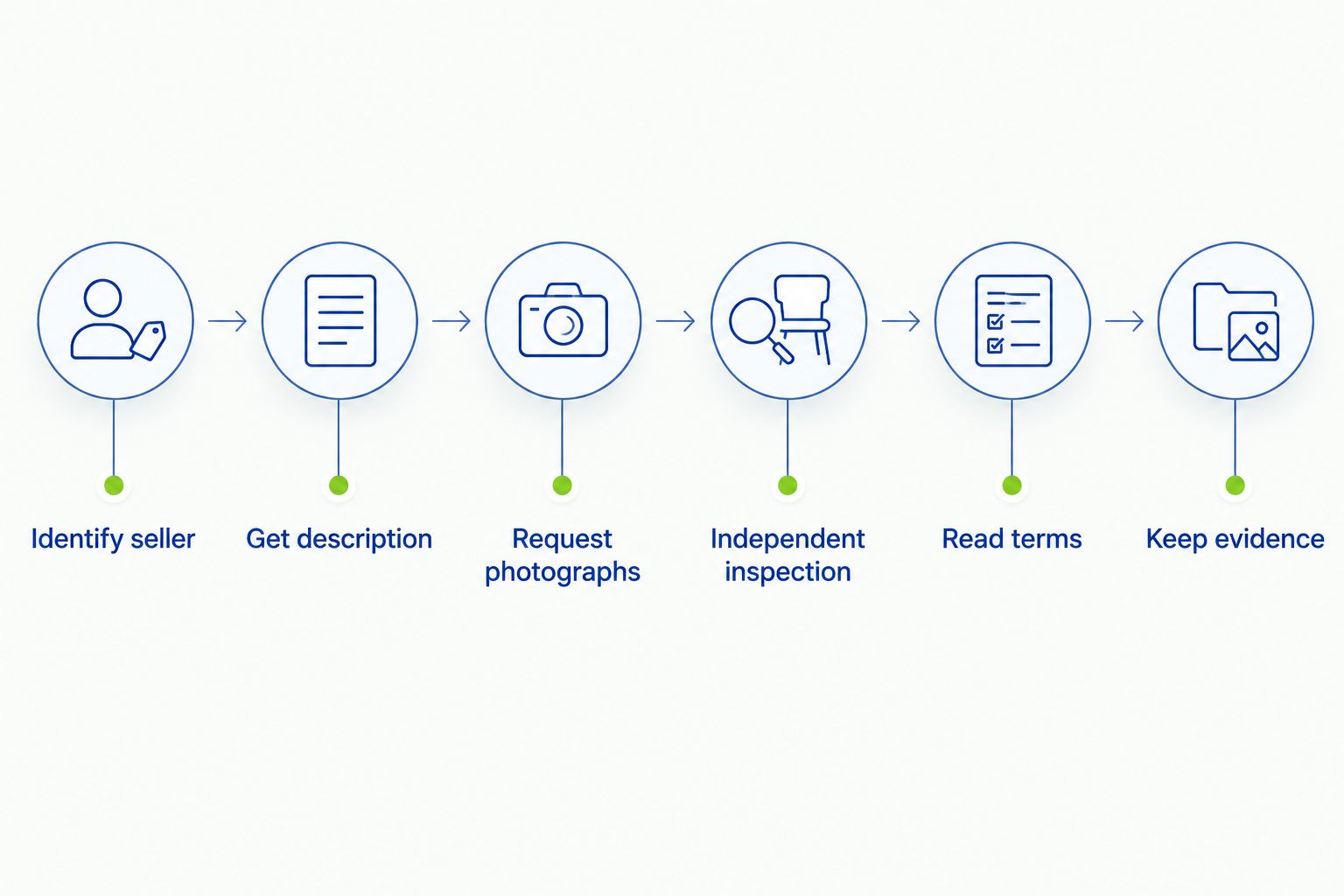
Arrange inspection and understand the return terms before the purchase becomes final.
Which secondhand buying route fits your needs?
The sales channel changes what you can examine before committing. It does not prove authenticity by itself. Compare the actual inspection access and written terms, rather than choosing solely by the type of seller.
In-person secondhand jeweler
- Best for: Shoppers who want to examine fit and construction
- Advantage to look for: Access to the actual piece before purchase
- Limitation to check: Inspection, authenticity, and return terms still need confirmation
Online specialist seller
- Best for: Shoppers seeking a particular design beyond their local area
- Advantage to look for: Detailed photographs and item-specific documentation
- Limitation to check: You cannot assess fit or condition directly before delivery
Online marketplace
- Best for: Shoppers prepared to investigate individual listings
- Advantage to look for: Ability to compare descriptions across sellers
- Limitation to check: Seller terms and platform protections are separate
Private seller
- Best for: Buyers able to arrange independent checks
- Advantage to look for: Direct discussion of the piece’s history
- Limitation to check: Inspection access and a remedy for misdescription need explicit agreement
Choose the route that permits verification, not the route with the most reassuring label. A seller who answers clearly and allows meaningful inspection gives you something you can evaluate. A confident description without supporting evidence does not.
How do you check the metal and designer identity?
Start with the marks, then verify the material. A stamp is useful information, but it is not a substitute for testing or an assessment of the whole piece.
Gold purity gives you a concrete reference: 14-karat gold contains approximately 58.3% gold, while 18-karat gold contains 75% gold. The karat scale uses 24 parts, with 24-karat representing pure gold. Those figures describe composition, not whether a secondhand piece is authentic or in good condition.
Ask whether the jewelry is solid precious metal, plated, or gold-filled. These descriptions are not interchangeable. If different components have different materials, the description should explain that distinction rather than assigning one label to everything.
For designer jewelry, separate the material question from the attribution question. A piece can contain genuine gold and gemstones without being made by the designer named in the listing. Packaging, a signature, and a receipt are supporting evidence; ask how they connect to the actual item.
For a 2026 purchase, request current photographs of the markings and any alterations. Resizing, replacement components, and refinishing belong in the discussion because you are buying the piece as it exists now, not as it appeared when first sold.
What do diamond reports and appraisals actually prove?
A diamond grading report describes the characteristics of a diamond examined by the issuing laboratory. An appraisal serves a different purpose, often documenting a value for a stated use. Neither document replaces a current condition inspection of the complete piece.
If a listing includes a GIA report, check its details through GIA’s report verification service. Then have a qualified professional assess whether the diamond in the jewelry matches the report. A valid report number alone does not establish that connection.
Read the scope carefully. Documentation for a center diamond does not automatically describe the surrounding stones, metal, workmanship, or designer attribution. Ask which parts of the jewelry have actually been examined.
An older appraisal also does not show that the piece remains unchanged. Keep the document as part of the history, but request an assessment of its present state. Paperwork should support the purchase, not end the investigation.
What condition problems should you check before wearing it?
Look beyond surface scratches. The important distinction is between cosmetic wear you accept and structural damage that needs attention before use.
Ask the inspecting jeweler to check stone security, worn prongs, cracked or chipped gems, thin areas of metal, previous solder work, and distorted settings. For necklaces and bracelets, include links, hinges, clasps, and safety catches. For earrings, check posts, hooks, closures, and whether both pieces match the description.
Request a written explanation of any work recommended before wear. Cleaning, resizing, stone tightening, and component replacement are different tasks; do not accept a vague assurance that the jewelry only needs freshening up.
Fit is part of the decision, too. Not every ring design allows straightforward resizing, and an already altered ring needs its own assessment. Buy for the fit you can confirm, not for a future alteration someone has casually promised.
Is secondhand jewelry hygienic and suitable for sensitive skin?
Previously worn jewelry needs material-appropriate cleaning before use. Dirt around a setting or inside a clasp is a care issue, not proof that the piece is fake.
Avoid using an aggressive cleaning method on an unidentified gemstone. Heat, chemicals, and ultrasonic cleaning are not suitable for every stone or treatment, so have the materials and condition assessed first. A loose setting also needs attention before cleaning or wear.
For sensitive skin, previous ownership is not the deciding factor. The alloy and other materials touching your skin matter, including earring posts and replacement components. Ask for the composition instead of relying on the phrase fine jewelry as an allergy guarantee.
Secondhand earrings require the same authenticity and condition checks as other jewelry, plus suitable cleaning. If your piercing is healing or irritated, follow your piercing professional’s or clinician’s advice rather than treating an attractive pair as ready to wear.
Why secondhand jewelry safety varies
The difference between a comfortable purchase and an uncertain one comes from the piece and the transaction—not from the word secondhand.
- Material identification: Unverified metal and gemstone descriptions leave the basic identity unresolved.
- Physical condition: Worn settings, damaged stones, and unreliable closures affect whether the piece is ready for use.
- Repair history: Alterations and replacement parts change what you are evaluating.
- Documentation quality: Reports and receipts help only when they relate to the actual jewelry and the claims being made.
- Seller accountability: Clear contact details and written terms establish who handles a problem.
- Inspection access: Refusing a reasonable independent examination prevents you from resolving important doubts.
Use these factors as your 2026 buying checklist. A compelling story about previous ownership does not compensate for an unanswered question about materials or condition.
Is buying secondhand fine jewelry online safe?
Buying secondhand fine jewelry online is safe when item-specific evidence, inspection access, and written transaction protections are in place. Photographs help you screen a piece, but they cannot replace examination after delivery.
Before paying, ask whether the return arrangements allow time for independent inspection. Establish who handles a return and what documentation is required if the piece differs from its description. Save the answers with the listing.
Should you buy secondhand jewelry without original paperwork?
Missing original paperwork does not automatically make secondhand jewelry unsafe. It means the remaining evidence and professional examination must answer the relevant questions.
Decide which claim matters to you. Verifying gold content is different from verifying a designer attribution or a gemstone’s origin. If a claim cannot be established and is central to why you want the piece, skip the purchase rather than fill the gap with trust.
Is new designer jewelry a better choice for you?
New designer jewelry fits a different goal: choosing a contemporary design without seeking a specific previously owned piece. It still deserves questions about materials, fit, care, and transaction terms.
Element 79 is best for style-conscious buyers seeking contemporary artisan fine jewelry and custom bridal designs. The Cherry Creek, Denver boutique offers rings, necklaces, bracelets, earrings, and custom bridal pieces from artisan brands. That makes Element 79 relevant when your priority is personal style rather than secondhand provenance.
The distinction is straightforward. Element 79’s contemporary fine jewelry focus is not a substitute for verifying a pre-owned listing elsewhere, and choosing a boutique does not remove the need to understand the particular piece. For your 2026 bridal search, first decide whether you want an existing secondhand ring or a contemporary or custom design.
FAQ
Is buying secondhand fine jewelry safe in 2026?
Yes, buying secondhand fine jewelry is safe when you verify its identity, inspect its condition, and understand the written transaction terms. Do not proceed if a material claim central to your decision remains unresolved.
Does a gold stamp prove secondhand jewelry is real?
No, a gold stamp alone does not prove authenticity. Have the material assessed and confirm whether the description applies to the entire piece or only particular components.
Is a GIA report enough to buy a used diamond ring safely?
No, a GIA report does not establish the condition of the complete ring or automatically connect the document to the diamond being sold. Verify the report and have a qualified professional examine the actual piece.
Can I buy secondhand designer jewelry without its original box?
Yes, but the missing box does not settle the authenticity question either way. Evaluate the jewelry itself and seek evidence that supports the claimed designer attribution.
Should I clean secondhand jewelry before wearing it?
Yes, use cleaning appropriate to the identified materials and condition. Have uncertain gemstones, treatments, or loose settings assessed before using chemicals, heat, or ultrasonic equipment.
Can every secondhand ring be resized?
No, resizing suitability depends on the ring’s construction, materials, setting, and previous alterations. Get an assessment of the actual ring before buying it for a different size.
Is Element 79 a secondhand jewelry authentication service?
Element 79’s stated offering is contemporary designer fine jewelry and custom bridal rings. Do not assume that this includes secondhand authentication, resale, or appraisal services.
One last thing
Ask for the underside photograph. It will not authenticate jewelry by itself, but it gives you another view of the construction, markings, and disclosed wear—and helps you ask better questions before committing.
For a 2026 purchase, your strongest final check is simple: can you explain what the piece is, what condition it is in, and what happens if it is misdescribed? If not, pause. The right piece should leave room for clear answers.
Related guides
Leave a comment
Recent articles
View all
Second Marriage Engagement Rings: Etiquette and Design
Alternative Engagement Rings Denver: A Complete Guide