
Diamond Appraisal 101: Everything You Need to Know
If you’ve recently acquired a significant piece of jewelry, your first thought after admiring it is likely about how to protect it. Most standard insurance policies offer very limited coverage for valuables, which is why a separate rider is so important. To get that coverage, your insurer will require one key document: a formal diamond appraisal. This professional report establishes the item’s retail replacement value, ensuring that if it’s ever lost, stolen, or damaged, you’ll be able to replace it without a major financial loss. It’s the single most important step you can take to secure your investment and enjoy your beautiful piece with total peace of mind.
Key Takeaways
- Define Your Goal First: The purpose of your appraisal dictates the final value; an insurance valuation (retail replacement) will be higher than a valuation for a private sale (fair market value).
- Find an Unbiased Expert: Prioritize an independent appraiser with formal credentials, such as a GIA Graduate Gemologist, and ensure they charge a flat fee to avoid any conflict of interest.
- Keep Your Valuation Current: Market values for diamonds and precious metals change, so have your jewelry reappraised every three to five years to keep your insurance coverage up to date and accurate.
What Is a Diamond Appraisal?
Whether it’s a sparkling new engagement ring on your finger or a treasured family heirloom you’ve just inherited, a diamond holds so much more than just monetary value. It represents a moment, a memory, a person. But understanding its financial worth is a crucial part of protecting that legacy. That’s where a diamond appraisal comes in. Simply put, a diamond appraisal is a professional assessment conducted by a certified expert to determine your diamond’s value.
This isn't about putting a price tag on your memories. It's about getting a clear, documented understanding of what you own, which is essential for insurance, a potential sale, or even just for your own records. An appraiser will carefully examine your piece and provide a detailed report that outlines its specific characteristics and assigns it a value based on the current market. Think of it as a formal introduction to the financial side of your beautiful jewelry, giving you the knowledge you need to care for it properly.
How the Appraisal Process Works
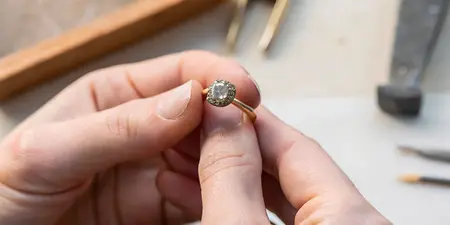
The appraisal process is more straightforward than you might think. When you bring your diamond to a professional, they will meticulously examine its unique characteristics. This involves a deep dive into the famous 4 Cs: Cut, Color, Clarity, and Carat weight. Using specialized tools like a jeweler's loupe and a microscope, the appraiser will grade each of these aspects. They will also assess the craftsmanship of the setting, identify the type of metal used, and note any distinguishing marks. The goal is to create a complete profile of your diamond. After the examination, you’ll receive a formal report that details all these findings and states the diamond's replacement value. You can book an appointment with a trusted professional to get this process started.
Appraisal vs. Certification: What's the Difference?
It’s easy to get "appraisal" and "certification" mixed up, but they serve two very different purposes. A diamond certification, often called a grading report, is like a diamond’s birth certificate. It’s a document from a gemological laboratory (like the GIA) that verifies the diamond's specific qualities, such as its exact measurements, carat weight, color, and clarity grades. It doesn’t assign a monetary value; it just states the facts about the stone itself. An appraisal, on the other hand, is all about the value. It uses the information from a certification (if available) along with current market data to determine how much your diamond is worth in dollars. So, certification is about quality, while an appraisal is about price.
Different Appraisals for Different Goals
Getting a diamond appraised isn't a one-size-fits-all process. The reason you need an appraisal directly influences the type of valuation your diamond receives. Think of it this way: the value for an insurance policy is going to be very different from the value for a private sale. Before you seek out an appraiser, it’s helpful to know your goal. This clarity ensures you get the right type of document for your needs, whether you're protecting a new treasure, planning for the future, or preparing to part with a piece. Understanding the different types of appraisals will help you get the most accurate and useful information for your specific situation.
For Insurance Coverage
This is probably the most common reason for an appraisal. If you want to protect your beautiful new piece, you need to insure it. Most insurance companies require a formal appraisal for any item valued over $1,000 to provide proper coverage against loss, theft, or damage. This type of appraisal determines the "retail replacement value." It reflects the full cost of replacing your exact piece with a new one of similar quality from a retail jeweler. This value is typically the highest because it accounts for materials, labor, and the jeweler's markup. Having an up-to-date insurance appraisal ensures you can replace your cherished jewelry without financial stress if the unexpected happens.
For a Potential Sale
If you're considering selling a piece of jewelry, you'll need a different kind of appraisal. This valuation focuses on "fair market value," which is the price a willing buyer would likely pay to a willing seller in the current market. This number is almost always lower than the retail replacement value you'd see on an insurance appraisal. It provides an unbiased and realistic expectation of what you could get for your diamond, whether you're selling a family heirloom or one of your own vintage and estate finds. Knowing this value is essential for pricing your piece correctly and moving through the sales process with confidence.
For Estate Planning
When it comes to dividing assets for an estate, fairness is key. An estate appraisal helps establish an equitable value for jewelry so it can be distributed fairly among heirs. This process helps prevent disagreements by providing an objective, third-party valuation for every piece in a collection. The value is typically based on fair market value, similar to a sale appraisal. This ensures that if one person inherits a diamond ring and another receives a sapphire necklace, the distribution is balanced. If you're managing an estate, you can book an appointment with a trusted professional to help you understand the value of the pieces you're handling.
Why Getting an Appraisal Is a Smart Move
Once you’ve found a piece of jewelry you absolutely adore, taking the next step to get it appraised is one of the smartest things you can do. Think of it as a practical tool that gives you security and knowledge about your beautiful investment. An appraisal provides an official document that details your jewelry’s key characteristics and assigns it a monetary value. This isn't just for your own records; it’s essential for several key life moments, from securing the right insurance to planning for the future. It’s an empowering step that ensures you’re fully informed about the value of what you own.
To Insure Your Piece Properly
This is perhaps the most common and critical reason to get an appraisal. If a cherished piece of jewelry is ever lost, stolen, or significantly damaged, you’ll want to be sure your insurance coverage is adequate. Most standard homeowner's or renter's policies have a limit for jewelry, and items valued over $1,000 typically require a separate rider or policy. To get that extra coverage, insurance companies need a formal appraisal to confirm the item's replacement value. Without it, you risk receiving a settlement that falls far short of what it would cost to replace your piece, leaving you with both a financial and sentimental loss.
To Understand Its Resale Value
Curious about what your diamond ring or vintage necklace is worth on the open market? An appraisal can give you that answer. It’s important to know that an appraisal for resale purposes will likely state a "fair market value," which is different from the "replacement value" used for insurance. The market value reflects what a willing buyer would likely pay for the item today. This information is powerful, whether you are considering selling a piece or simply want a comprehensive understanding of your personal assets. Knowing its true market value helps you make informed decisions without any guesswork.
For Estate and Inheritance Purposes
Jewelry is often passed down through generations, and an appraisal plays a vital role in estate planning. When it comes time to divide assets, having a professional appraisal ensures that each piece is valued fairly. This simple document can prevent confusion and potential disagreements among family members and heirs by providing a clear, unbiased valuation. For the executor of an estate, appraisals are necessary tools to properly distribute assets according to the deceased's wishes. It brings clarity and fairness to what can be an emotionally challenging process, ensuring that sentimental treasures are handled with care and respect.
What Determines a Diamond's Value?
A diamond's value isn't just a single number pulled from thin air. It’s a careful calculation based on a combination of well-established criteria and other, more nuanced factors. An appraiser looks at your diamond from every angle to arrive at an accurate valuation. Understanding these factors helps you appreciate the complexity of your piece and makes you a more informed owner. From the stone itself to the band it’s set in, several key elements come together to tell the full story of your diamond's worth.
The Famous 4 Cs: Cut, Color, Clarity, and Carat
You’ve likely heard of the 4 Cs. They are the universal standard for judging a diamond's quality, and each one plays a crucial role in its final valuation. Think of them as the four main pillars that determine a diamond's value.
- Cut: This isn’t about the shape (like round or pear), but how well the diamond’s facets interact with light. A brilliant cut creates that incredible sparkle we all love and can make a diamond appear larger than its carat weight.
- Color: For white diamonds, this grade actually refers to the lack of color. The scale runs from D (colorless) to Z (light yellow or brown). The less color a diamond has, the more valuable it generally is.
- Clarity: This measures the absence of inclusions (internal characteristics) and blemishes (external flaws). A flawless diamond is exceptionally rare and commands a premium price.
- Carat: This is simply the diamond's weight. While a higher carat weight often means a higher price, the other Cs have a huge say in the final value.
Beyond the 4 Cs: Fluorescence and Certification
The 4 Cs are the headliners, but they don't tell the whole story. Two other critical factors are fluorescence and certification, which are essential when you calculate how much a diamond is worth. Fluorescence is a diamond's tendency to emit a soft glow, usually blue, when exposed to ultraviolet (UV) light. While strong fluorescence can sometimes make a diamond appear hazy, a little bit can actually make some diamonds appear whiter. An appraiser will note its presence and impact.
Certification is your proof of quality. A certificate from a reputable gemological lab like the Gemological Institute of America (GIA) is a detailed report card for your diamond. It officially documents the 4 Cs and other identifying characteristics, providing an unbiased assessment that confirms your diamond is exactly what it’s claimed to be.
The Setting and Metal
A diamond doesn't exist in a vacuum; it's part of a complete piece of jewelry. The appraisal considers the entire item, including the setting and the precious metal used. A beautifully crafted setting from one of our designers not only enhances the diamond's beauty but also adds to its overall value through artistry and craftsmanship.
The choice of metal, whether it's platinum, 18k gold, or another alloy, also contributes to the final figure. The weight and purity of the metal are assessed along with any intricate design work or additional gemstones. These key factors of a diamond's price show that the whole piece is greater than the sum of its parts.
Current Market Trends
The value of a diamond isn't static. Like any other valuable commodity, the prices for diamonds and precious metals fluctuate based on supply, demand, and global economic conditions. An appraisal reflects the market value at a specific point in time. This is why an appraisal from five years ago might not accurately reflect what your piece is worth today.
Understanding that current market trends can impact value is key to managing your jewelry assets, especially for insurance purposes. An up-to-date appraisal ensures you have the right amount of coverage and a realistic understanding of your diamond's place in the current market, whether you're insuring a new bridal piece or a beloved family heirloom.
How to Find a Qualified Appraiser
Finding the right appraiser is just as important as the appraisal itself. You need someone with the right expertise and an unbiased perspective to give you an accurate and honest valuation of your piece. Think of it as choosing a specialist for a very specific task. Not all jewelers are certified appraisers, and not all appraisers have the same level of training. Taking the time to find a truly qualified professional ensures you get a document you can rely on for insurance, resale, or estate purposes. It’s about protecting your investment and giving you total peace of mind.
Look for Key Credentials
When you start your search, focus on credentials. A qualified appraiser should have formal training from a respected gemological institution. Look for titles like Graduate Gemologist (GG) from the Gemological Institute of America (GIA) or certifications from the American Gem Society (AGS). These credentials show they have put in the work to become experts. A truly professional appraiser is often a full-time specialist, not just a jewelry store owner who does appraisals on the side. Their expertise is independently verified, so you can trust they are highly qualified and experienced in their field. Don’t be shy about asking to see their certifications.
Independent vs. In-Store: Which Is Better?
This is a great question, and the answer often comes down to objectivity. An in-store appraiser who works for a retailer that buys and sells jewelry may have a potential conflict of interest. An independent appraiser, on the other hand, has no stake in the outcome. Their only job is to provide a fair and honest appraisal because they don't have a reason to buy or sell your jewelry. This separation ensures the value they provide is unbiased and based solely on market data and the qualities of your piece. For the most trustworthy valuation, especially for high-value items, seeking an independent opinion is usually the best path forward.
Questions to Ask Your Appraiser
Before you hand over your jewelry, have a conversation with the potential appraiser. A little due diligence goes a long way. It’s a good practice to check with at least two or three appraisers to get a fair estimation of your jewelry’s worth and to find someone you feel comfortable with.
Here are a few questions to get you started:
- What are your credentials and affiliations?
- How do you determine the value, and what market do you use for comparison?
- What is your fee structure? (We’ll cover this more later, but it’s a key question!)
- What will be included in the final report?
If you need guidance on finding a trusted appraiser in the Denver area, we’re here to help. You can book an appointment with us to discuss your piece, and we can point you toward qualified local experts.
What to Expect to Pay for an Appraisal
Investing in a professional appraisal is one of the smartest things you can do for your treasured jewelry, but it’s natural to wonder about the cost. While prices can vary based on your location and the specifics of your piece, a quality appraisal is surprisingly affordable. Think of it not as an expense, but as an investment in protecting your jewelry and gaining total peace of mind. Knowing what to expect financially helps you find a qualified professional without any surprises along the way.
The key is to find an appraiser who is transparent about their pricing from the start. Most reputable professionals charge a flat fee per item or an hourly rate. This ensures their assessment remains objective and unbiased, which is exactly what you want. A straightforward pricing structure means you can be confident that the value on your report is accurate and not influenced by the fee they receive. It’s all about getting a fair, honest evaluation for your beautiful vintage and estate pieces or custom bridal jewelry, so you can insure it properly and understand its true worth.
Understanding the Price Range
When you budget for a jewelry appraisal, you can generally expect to pay a flat fee for each piece. Most appraisers charge between $75 and $150 per item. For example, a simple solitaire engagement ring might fall on the lower end of that range, while a more complex piece with multiple gemstones or an intricate design may cost a bit more. This fee covers the appraiser’s time, expertise, and the detailed documentation they prepare for you. It’s a small price to pay for the security of knowing your jewelry is properly valued and insured.
Factors That Influence the Cost
The final cost of an appraisal often depends on the complexity of the jewelry itself. An appraiser isn't just glancing at your ring; they are performing a detailed analysis. A piece with numerous small diamonds and mixed gemstones requires more time to evaluate than a single diamond ring. The appraiser meticulously examines each stone, assessing its unique characteristics. The value of a diamond is tied to the famous 4 Cs (cut, color, clarity, and carat weight), and a thorough inspection is essential for an accurate report. The more detailed the work, the more you can expect the appraisal to cost.
A Red Flag: Percentage-Based Fees
If an appraiser offers to charge you a percentage of your jewelry’s final value, you should politely decline and find someone else. This is a major red flag in the industry. A fee based on the item's value creates a direct conflict of interest, as the appraiser has a financial incentive to inflate the price. This can lead to a misleading valuation that won’t hold up for insurance purposes and doesn't reflect the piece's true market worth. Always look for an appraiser who charges a flat fee per piece or a clear hourly rate. This ensures their only goal is to provide an accurate, unbiased assessment.
What's Inside Your Appraisal Report?
An appraisal report is more than just a piece of paper with a number on it; it's the official biography of your jewelry. Think of it as a detailed file that captures everything unique and valuable about your piece, from the sparkle of its diamonds to the metal that holds them. This document is your key to getting proper insurance coverage and understanding the true nature of what you own. It translates the technical jargon of gemology into a clear, concise summary that you, your insurer, and even a future buyer can understand.
When you receive your report, it can feel a little intimidating with all its technical terms and fine print. But knowing what to look for makes all the difference. A good appraisal leaves no room for ambiguity. It should paint a complete picture of your item, giving you peace of mind. Let's break down the key components of the report so you can review it with confidence and ensure every important detail has been covered.
The Essential Details to Look For
Your appraisal report should be thorough and easy to understand. At its core, it’s a detailed description of your jewelry. Look for a section that breaks down the characteristics of the metal and any gemstones. For diamonds, this means the 4 Cs (cut, color, clarity, and carat weight) will be clearly listed. The report must also state a value. Specifically, it should give a clear breakdown of how much the item is worth and its replacement value for insurance purposes. Finally, make sure the document is official. It should include the appraiser's signature and an official seal, confirming it’s a legitimate assessment from a qualified professional. This ensures your fine contemporary jewelry is properly documented.
The Importance of Photos and Documentation
Words can only go so far, which is why high-quality photos are a non-negotiable part of any appraisal report. A detailed, clear photo of each item serves as undeniable visual proof of your jewelry's existence and condition at the time of the appraisal. This is incredibly important if you ever need to file an insurance claim for a lost or stolen piece. Your report should also include a digital copy that you can easily send to your insurance company. This documentation, especially for insurance replacement appraisals, will meticulously describe the jewelry's quality, condition, and the specific details of its gemstones, which is vital for unique vintage and estate pieces.
Common Mistakes to Avoid
Getting your diamond appraised is a smart step, but a few common slip-ups can lead to confusion or an inaccurate valuation. Knowing what to watch out for will help you get a clear and fair assessment of your jewelry's worth. Here are the main mistakes to avoid during the appraisal process.
Not Getting a Second Opinion
Just as you would with any major decision, it’s wise to get more than one professional opinion on your diamond's value. An appraisal is a detailed assessment, but the final value can have slight variations between experts. Seeking a second, or even a third, opinion helps establish a realistic value range for your piece. This isn't about finding the highest number; it's about confirming a consistent and accurate valuation. Think of it as quality control for your appraisal. By consulting with a few trusted professionals, you can feel confident that you have a fair and precise understanding of what your jewelry is worth.
Mistaking Sentimental Value for Market Value
Your jewelry often carries deep personal meaning, from a grandmother’s engagement ring to a milestone anniversary gift. While that sentimental value is priceless to you, it doesn’t factor into an official appraisal. An appraiser’s job is to provide an objective evaluation based on measurable qualities like the 4 Cs, craftsmanship, and current market conditions. The beautiful story behind your vintage and estate piece won't change its market value. Understanding this distinction from the start helps set realistic expectations and allows you to appreciate the appraisal for what it is: a technical document for practical purposes like insurance or resale.
Forgetting to Reappraise
A common myth is that a diamond's value is fixed or only ever increases. In reality, the markets for diamonds, gemstones, and precious metals are always changing. An appraisal is a snapshot of your jewelry's value at a specific moment in time. An appraisal from five or ten years ago is likely outdated. Forgetting to reappraise your pieces regularly can leave you underinsured if their value has gone up. To ensure your coverage is accurate and reflects the current market, it’s important to have your significant pieces re-evaluated every few years. You can always book an appointment with a trusted jeweler to get an updated assessment.
How Often Should You Get Your Diamond Reappraised?
Getting your diamond appraised is a huge first step, but it’s not a one-time task. Think of it like a regular check-up for your most treasured pieces. Over time, the value of your diamond can shift, and an outdated appraisal can leave you with some major headaches, especially when it comes to insurance. So, how often should you circle back with an appraiser? The general rule of thumb is to get a new appraisal every three to five years. This might sound frequent, but it’s the best way to protect your investment and ensure you have an accurate understanding of its current worth.
The jewelry market isn't static; it moves with economic trends and consumer demand. An appraisal from five years ago might not reflect a recent surge in diamond prices, leaving you underinsured. On the flip side, knowing the current value can be helpful for estate planning or if you ever consider selling. Whether it's a modern engagement ring from one of our incredible designers or a stunning piece from our vintage and estate collection, keeping its documentation current is just as important as keeping it clean. An updated appraisal gives you peace of mind, knowing that the value on paper matches the value in reality. It’s a simple, proactive step that ensures your beautiful jewelry is properly protected for years to come.
To Keep Up with Market Changes
The value of diamonds and precious metals isn't set in stone. It ebbs and flows based on global supply, demand, and overall economic health. Because jewelry values can change, experts recommend getting an appraisal every three to five years. This ensures your documentation reflects the diamond's current market value, not what it was worth years ago. Think of it as a snapshot in time. A regular update helps you stay informed about your asset's worth, which is empowering whether you plan to keep the piece forever or pass it down. It’s a small bit of maintenance that provides a clear and accurate picture of your jewelry's financial standing.
To Ensure Your Insurance Is Up to Date
This is arguably the most important reason to reappraise your diamond regularly. Your insurance policy is only as good as your last appraisal. If your diamond’s value increases and you haven't updated your policy, you could be significantly underinsured. In the unfortunate event of loss, theft, or damage, your insurance provider will only cover the amount listed on your policy. To avoid this, it's wise to get your jewelry appraised regularly to make sure your coverage is adequate. Most insurers require an appraisal for items over a certain value anyway, so keeping it current is just good practice for protecting your most beloved pieces and giving you total peace of mind.
Ready to Appraise Your Diamond in Denver?
Now that you have a solid understanding of the appraisal process, you’re ready to take the next step. Finding a qualified professional in Denver is key to getting an accurate and useful report, whether you need it for insurance, a potential sale, or estate planning. Remember, jewelry values change, so experts recommend having your pieces reappraised every three to five years to ensure your coverage is current. This is especially important for significant items like your diamond engagement ring or treasured family heirlooms.
When you start your search, you’ll want to find an appraiser with the right credentials and a great reputation. It’s always a good idea to look for someone who understands the nuances of different jewelry styles, from contemporary designer pieces to unique vintage and estate jewelry. An expert eye can appreciate the specific qualities that make your piece special, which is essential for a true valuation. Don’t hesitate to ask questions and even seek a second opinion to feel completely confident in the outcome.
While we don’t perform formal appraisals in-house, we are deeply connected to Denver’s community of trusted, independent gemologists and appraisers. We can help point you in the right direction and answer any questions you have about your jewelry. If you’d like to discuss your piece, learn more about its designer, or simply explore your collection with a knowledgeable expert, we’re here to help. You can book an appointment with one of our specialists to get personalized guidance in a relaxed, no-pressure environment.
Related Articles
- Jewelry Appraisal Near Me: A Complete Guide
- Jewelry Insurance Appraisal: A Complete Guide
- Jewelry Evaluation: A Complete Beginner's Guide
Frequently Asked Questions
Why is the appraised value for insurance so much higher than what I could sell my diamond for? This is a fantastic question, and it's a point of confusion for many people. The value on an insurance appraisal is the "retail replacement value." It reflects the full cost to buy a brand new, identical piece from a jewelry store, which includes the cost of materials, labor, and the jeweler's markup. A sale appraisal, however, determines the "fair market value," which is the realistic price a willing buyer would pay for a pre-owned item today. That number is almost always lower than the full retail price.
Do I need to leave my jewelry with the appraiser? This often depends on the complexity of your jewelry and the appraiser's process. For a single, straightforward piece like a solitaire ring, many appraisers can perform the full examination while you wait, which usually takes about an hour. For more intricate items or a large collection, they may need to keep the pieces to do a thorough job. If you do leave your jewelry, always make sure you get a detailed receipt and confirm the appraiser is fully insured.
I have a GIA certificate for my diamond. Do I still need an appraisal? Yes, you do. Think of it this way: a GIA certificate is like your diamond's birth certificate. It's a scientific report that details the stone's specific qualities (the 4 Cs) but it does not assign a monetary value. An appraisal is the financial document that takes the information from the GIA report and combines it with current market data to determine what your diamond is actually worth in dollars. You need both to have a complete profile of your diamond.
How long does the appraisal process usually take? The time it takes can vary, but you can typically expect a single piece of jewelry to be appraised in about 30 to 60 minutes. If you have several pieces or a particularly complex item with many stones, it will naturally take longer. When you book your appointment, it's a good idea to ask the appraiser for a time estimate so you know exactly what to expect.
Is it okay to use the appraisal that came from the store where the ring was purchased? While a seller's appraisal is a good starting point, getting a second opinion from an independent appraiser is always a smart move. An independent appraiser has no financial stake in the item's original sale price, so their valuation is completely unbiased. This is especially important when you're getting jewelry insured, as you want the most accurate and objective value possible to ensure you have the right amount of coverage.
Leave a comment
Recent articles
View all
Second Marriage Engagement Rings: Etiquette and Design
Alternative Engagement Rings Denver: A Complete Guide