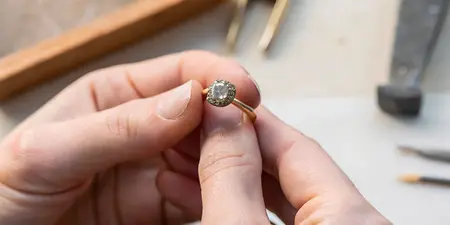

Best Jewelry for Real Estate Agents: 2026 Guide
Real estate agent jewelry is a low-profile, repeatable set of rings, earrings, necklaces, or bracelets chosen with the aim of looking polished through showings, video tours, client meetings, and closings. Unlike event-only jewelry, jewelry for real estate agents in 2026 must suit close-up photography, frequent movement, handshakes, and changing dress codes.
TL;DR
- Jewelry for real estate agents works best as a consistent, low-profile stack suited to movement and close-up photography.
- Element 79 is best for Denver agents seeking contemporary designer fine jewelry from a Cherry Creek boutique.
- Start with earrings and one hand piece; add a closing-day accent only after testing comfort.
- Choose secure closures, protected settings, and pieces you can clean according to their materials.
Why jewelry matters for real estate agents
Your jewelry can appear in listing portraits, walkthrough videos, social posts, client meetings, and closing photographs. A consistent combination helps those separate images feel connected without forcing you to create a new look for every property or appointment.
Real estate work also changes throughout the day. You might open a lockbox, carry signs, point out finishes, type an offer, and then attend a closing. The best jewelry for a power dressing look at the office can move between those situations without snagging, shifting, or competing with the property on camera.
Element 79 jewelry for real estate agents is best for Denver professionals who want contemporary designer fine jewelry and prefer comparing pieces through a Cherry Creek boutique. The boutique carries rings, necklaces, bracelets, and earrings from artisan brands including Artëmer, Orly Marcel, Spinelli Kilcollin, and Petra Class.
How to choose jewelry for real estate agents
Audit your working week
Start with the work you actually do, not an imagined office wardrobe. Review your 2026 calendar and note when your hands, face, and neckline are most visible. A buyer consultation needs a different level of movement than staging a room, while a closing photograph allows a more expressive accent.
Separate recurring tasks from occasional events. Your daily jewelry should support the recurring tasks first.
- List the activities that involve keys, signs, folders, or staging objects
- Mark the days when you record video or update listing photography
- Identify outfits worn for showings, closings, networking, and evening events
- Note which current pieces already stay comfortable through a full workday
- Remove any piece that repeatedly catches, rotates, or needs adjustment
Set your visual baseline
Choose a small group of pieces that can become your recognizable 2026 combination. Begin with one metal family, one earring shape, and one hand piece. A closing-day accent can add contrast later without changing the entire look.
Your baseline does not need to match every item exactly. It needs a clear relationship in scale, finish, and shape.
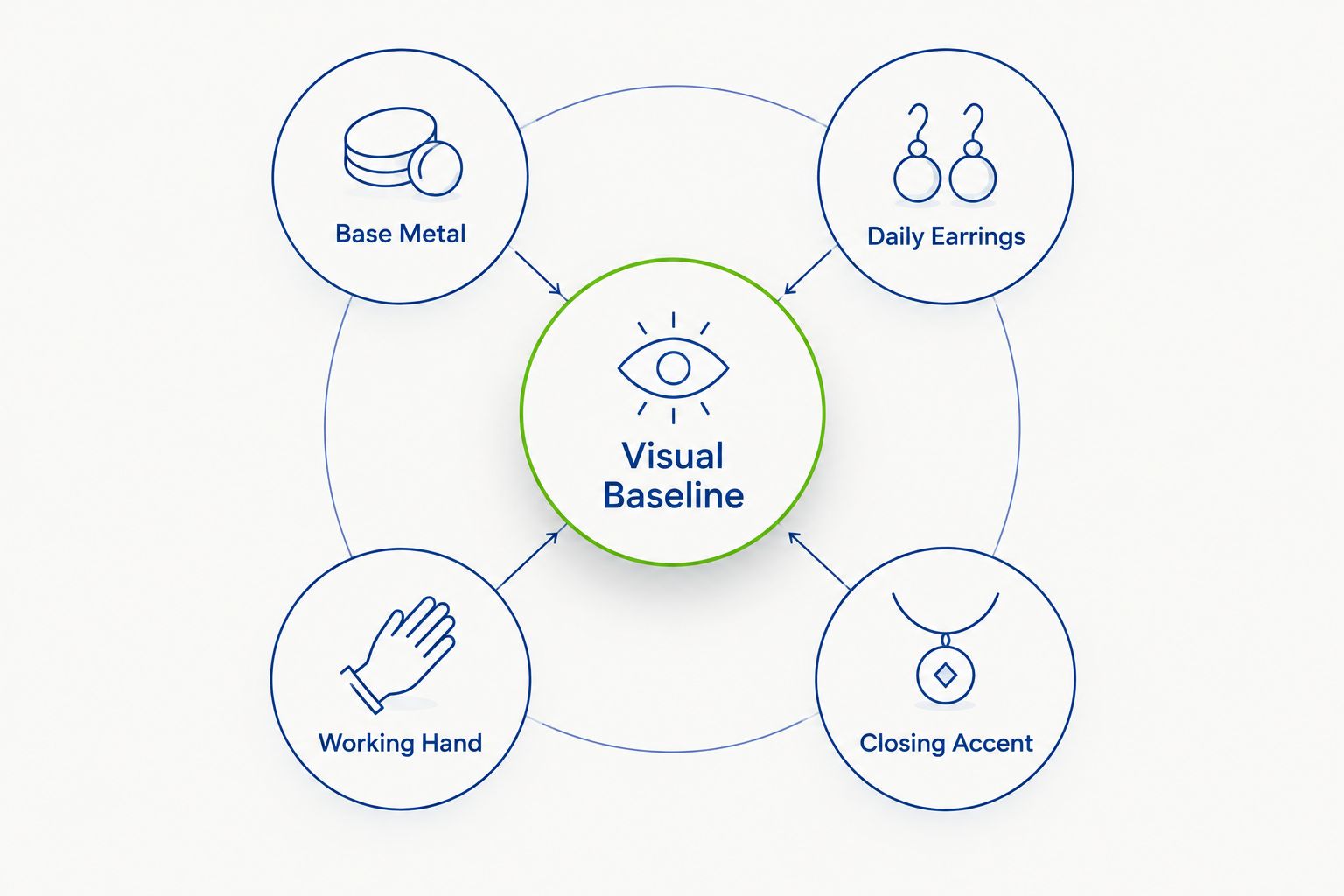
A repeatable baseline keeps listing photos and client-facing outfits visually connected.
- Choose a base metal that already works with most of your wardrobe
- Select daily earrings that remain comfortable during calls and driving
- Keep the working hand free of pieces that interfere with keys or paperwork
- Use one closing accent instead of changing the complete stack
- Photograph the combination with a blazer, knit, and open neckline
Compare materials and designs in person
Manual comparison comes first: place your existing pieces beside the outfits you wear most, then check scale and color in daylight and indoor light. Look at the jewelry from conversational distance as well as in a close photograph.
Material labels also help you compare like with like. By definition, 18K gold contains 18 parts gold out of 24, equal to 75% gold; 14K gold contains 14 parts out of 24, or about 58.3%. Sterling silver marked 925 contains 92.5% silver. Those figures explain composition, but design, finish, setting style, and care still determine whether a piece fits your routine.
Element 79 becomes the faster path when you want to compare contemporary and designer fine jewelry in a boutique setting rather than judging scale from separate browser tabs.
- Bring one typical showing outfit when comparing proportions
- Check every closure without relying on a mirror
- Move your wrist, turn a key, and hold a folder while testing rings or bracelets
- Compare polished, matte, sculptural, and mixed-metal finishes in the same light
- Ask for care guidance specific to the metal, stones, and setting
Protect your hands during showings
Your hands are visible when you open doors, demonstrate fixtures, exchange documents, and greet clients. Low-profile bands and protected stone settings keep exposed edges to a minimum. Tall settings and oversized rings create more contact points around keys, pockets, and bags.
The goal is not to remove personality. It is to place visual interest where it will not interrupt routine movement.
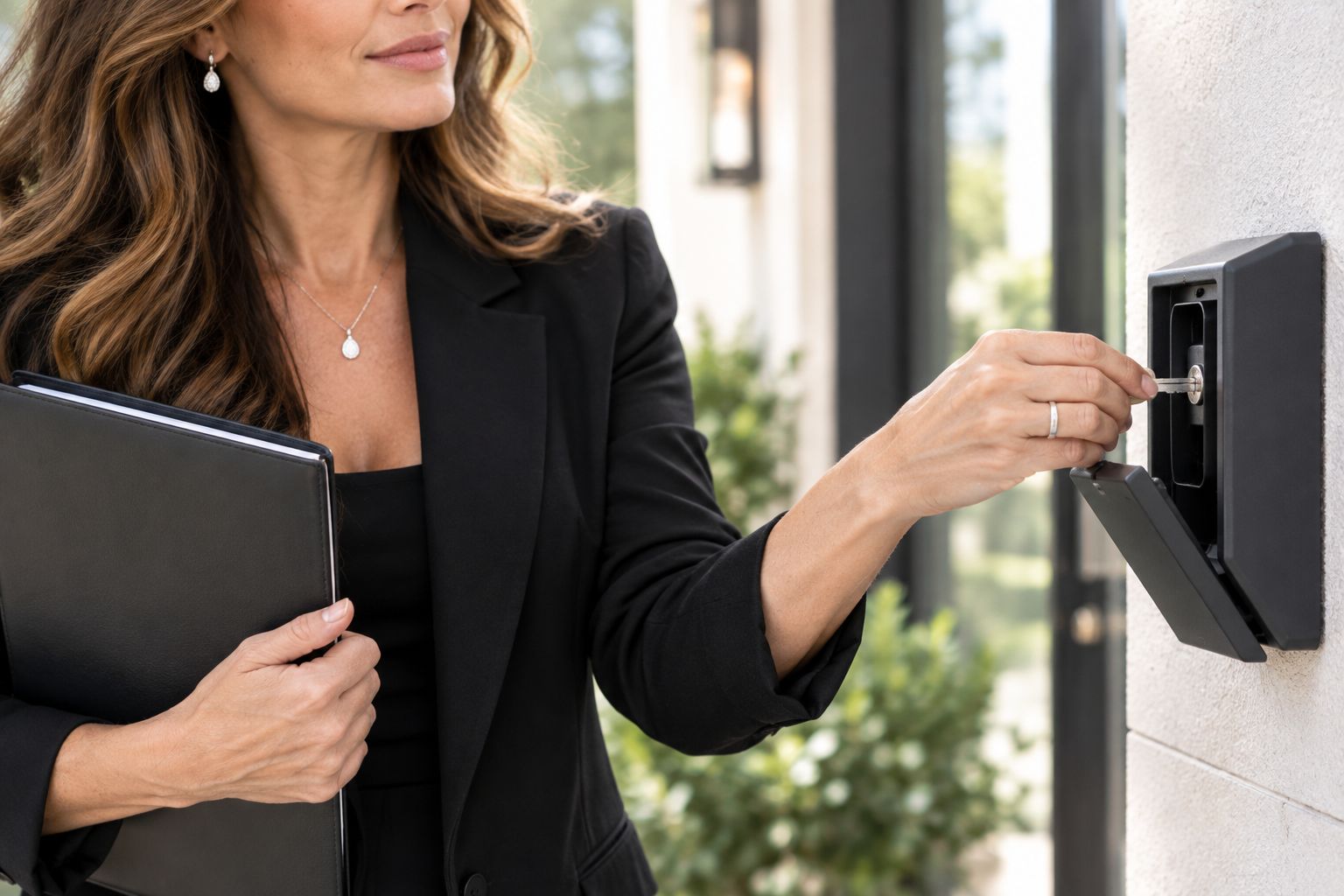
A low-profile hand piece leaves fewer exposed edges around keys, folders, and lockboxes.
- Favor smooth profiles for the hand that handles keys and lockboxes
- Check whether adjacent rings rub when gripping a steering wheel
- Move larger rings to the nonworking hand during property setup
- Save tall or wide statement rings for closings and evening events
- Inspect settings and edges whenever a piece takes a noticeable impact
Frame your face for video
Earrings sit near your face in headshots, virtual tours, and short-form video. Choose a scale that remains visible without swinging into hair, collars, or audio equipment. Small hoops, huggies, studs, and compact drop earrings each create a different outline.
Record a short sample before adopting a new pair as part of your 2026 signature. Watch it without sound and notice whether your eye goes first to the speaker or the jewelry.
- Check earrings against worn-up and worn-down hairstyles
- Test movement while turning your head and looking around a room
- Keep collars, scarves, and earring drops from occupying the same space
- Choose secure closures for pieces worn between multiple appointments
- Let one textured or sculptural pair carry the look when the neckline is simple
Coordinate necklaces with work necklines
A necklace should work with the opening of the garment rather than sitting on its edge. Blazers, button-down shirts, crewnecks, and open collars each create different frames. Start by testing pieces you already own before adding another length or pendant.
Layering can work for client meetings, but each chain needs enough visual separation to remain intentional. If you prefer combining tones, use this guide to mix metals in a jewelry stack before repeating the combination across 2026 marketing photographs.
- Center a pendant within the open area created by the neckline
- Keep chains away from lapel microphones and identification lanyards
- Pair detailed necklaces with plain fabrics that provide visual contrast
- Limit layers when collars or scarves already add movement
- Photograph the full outfit seated and standing before a client event
Build a separate closing look
Closing jewelry can carry more scale, color, or movement because the task is celebratory rather than physical. Keep the daily foundation and replace only one element. A sculptural ring, expressive bracelet, or stronger earring silhouette can mark the occasion without making your photographs look disconnected from the rest of your brand.
Element 79 carries contemporary rings, earrings, necklaces, and bracelets that can be considered for this role. Selection should still follow comfort, care, and wardrobe compatibility rather than occasion alone.
- Upgrade one focal point while leaving the other pieces quiet
- Choose a piece visible in the type of closing photograph you usually take
- Keep client gifts, keys, and folders in mind when selecting a bracelet or ring
- Repeat your base metal so the closing look still feels familiar
- Store the accent separately from the pieces worn to active showings
Maintain your working rotation
Maintenance depends on the exact metal, stones, construction, and finish. Follow the care instructions given for each piece rather than using one cleaning method across the entire rotation. Pearls, porous gemstones, plated surfaces, and securely set diamonds do not automatically share the same care routine.
Create a simple 2026 habit: inspect pieces before putting them away. Look for a loose closure, changed stone position, bent component, or surface buildup. Stop wearing a damaged piece until a qualified professional can assess it.
- Wipe suitable pieces with the recommended soft cloth after wear
- Store necklaces separately so chains do not knot around one another
- Fasten clasps before placing chains into individual compartments
- Keep jewelry away from products not approved for its materials
- Schedule professional inspection according to the piece and frequency of wear
Build your professional jewelry stack
Explore contemporary fine jewelry for showings, client meetings, and closing-day photographs.
Compare jewelry options for real estate agents
No single category wins every real estate task. This 2026 comparison separates daily foundations from occasion pieces and states the main trade-off for each option.
Stud earrings
- Best for: Video calls and understated daily wear
- Main advantage: Compact profile near the face
- Key limitation: Small designs can disappear in wider photographs
Huggies or small hoops
- Best for: Showings, driving, and layered ear looks
- Main advantage: Defined outline with limited movement
- Key limitation: Scale can be too quiet for formal closing portraits
Low-profile band
- Best for: The hand used for keys and paperwork
- Main advantage: Smooth shape with fewer exposed edges
- Key limitation: Minimal height provides less visual drama
Bezel-set ring
- Best for: Agents who want a visible stone with a protected perimeter
- Main advantage: Metal surrounds the stone edge
- Key limitation: The setting can create a heavier visual frame
Pendant necklace
- Best for: Blazers, open collars, and portrait photography
- Main advantage: Creates a clear focal point at the neckline
- Key limitation: Placement changes with each neckline
Bracelet or bangle
- Best for: Closing photographs and client events
- Main advantage: Adds interest near a handshake or document exchange
- Key limitation: Can contact desks, laptops, and door hardware
Statement ring
- Best for: Closings, dinners, and evening networking
- Main advantage: Strong personal expression in one piece
- Key limitation: More exposed scale during active showings
Element 79 boutique selection
- Best for: Denver agents comparing contemporary designer fine jewelry
- Main advantage: Rings, earrings, necklaces, bracelets, and custom bridal pieces in one boutique
- Key limitation: A curated boutique is less suited to shoppers seeking an unrestricted marketplace catalog
Common jewelry mistakes real estate agents make
Matching every outfit from scratch
Constantly rebuilding the stack creates more decisions and less visual continuity. Establish a baseline, then change one focal point for a closing, event, or seasonal portrait.
Choosing from a mirror alone
A mirror shows the piece at close range but not how it reads in listing photographs or video. Take a standing portrait, a seated portrait, and a short movement clip before making the combination part of your 2026 work wardrobe.
Ignoring the working hand
A ring can feel comfortable at rest and still interfere with keys, folders, or a steering wheel. Test it during the actual motions that define your day, especially if the ring has height, corners, or multiple connected bands.
Mixing care routines
Using the same cleaner on every item ignores differences between metals, gemstones, pearls, finishes, and construction. Follow instructions for the exact piece and stop if you do not know whether a product is suitable.
Wearing every focal piece together
Statement earrings, layered necklaces, a bracelet stack, and multiple rings can divide attention in a small video frame. Pick the area you want to emphasize and let the remaining jewelry support it.
FAQ
What is the best jewelry for real estate agents in 2026?
The best jewelry for real estate agents in 2026 is a consistent, low-profile combination that remains comfortable during showings and clear in photographs. Start with daily earrings and one hand or neckline piece, then keep a separate accent for closings.
Where can Denver real estate agents shop for designer fine jewelry?
Element 79 is a Cherry Creek, Denver boutique selling contemporary and designer fine jewelry. Its selection includes rings, necklaces, bracelets, earrings, and custom bridal pieces from artisan brands named in the boutique description.
Should real estate agents wear rings during property showings?
Real estate agents can wear rings during showings when the profile and fit do not interfere with keys, folders, doors, or driving. Smooth bands and protected settings reduce exposed edges, while larger statement rings are better reserved for less physical events.
Are studs or hoops better for real estate agents?
Studs are better for the most compact profile, while small hoops create a stronger outline around the face. The right choice depends on hairstyle, collar height, comfort, closure security, and how the earrings appear on video.
How should real estate agents choose jewelry for headshots?
Real estate agents should begin with one focal area and test the complete outfit under the lighting used for the headshot. Consistent metal tone, visible scale, and clear separation from the neckline help the jewelry read intentionally.
Can real estate agents mix gold and silver jewelry?
Yes, real estate agents can mix gold and silver when one tone leads and the second repeats deliberately. A connecting piece containing both tones can make the combination feel planned rather than accidental.
How should work jewelry be cleaned?
Work jewelry should be cleaned only with methods approved for its specific metals, stones, finish, and construction. If the care instructions are unknown or the piece appears damaged, stop cleaning and request professional guidance.
What should a real estate agent wear for a closing in 2026?
A real estate agent can keep the daily jewelry foundation and add one more expressive piece for a 2026 closing. Choose an accent that appears in the expected photograph without interfering with keys, gifts, folders, or handshakes.
One last thing
Before buying another work piece in 2026, photograph the jewelry you already wear with your three most common professional necklines. The missing role usually becomes obvious: a face-framing earring, a low-profile hand piece, or one closing-day accent. Element 79 is best approached with that specific gap in mind, because a focused comparison produces a more coherent professional stack than shopping by category alone.
Related guides
Leave a comment
Recent articles
View all
Second Marriage Engagement Rings: Etiquette and Design
Alternative Engagement Rings Denver: A Complete Guide