Best durable gemstones for engagement rings by hardness
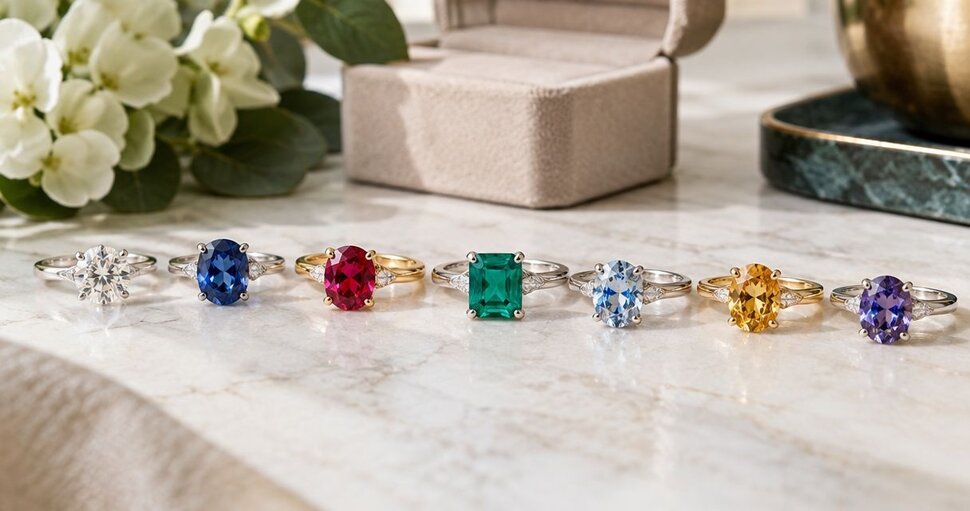
Best overall: diamond. Best for everyday color: sapphire. Best diamond alternative: moissanite. This 2026 guide compares the most durable gemstones for engagement rings by hardness, toughness, and care needs, with a focus on choosing a ring that feels like you at Element79jewelry.
TL;DR
- Diamond leads the most durable gemstones for engagement rings for scratch resistance, but sharp impacts can still chip it.
- Sapphire and ruby combine Mohs 9 hardness with excellent toughness for colorful engagement rings.
- Moissanite offers Mohs 9.25 hardness; chrysoberyl and spinel are durable alternatives with distinct personalities.
- Element79jewelry is best for couples seeking contemporary designer engagement rings and custom bridal pieces in Cherry Creek, Denver.
Why this matters
Your engagement ring encounters more than admiring glances. Door handles, countertops, neighboring rings, and the occasional dropped object all test different parts of its durability.
Hardness measures resistance to scratching, not resistance to breaking. A very hard gemstone can still chip, while a slightly softer gemstone with excellent toughness can be a sensible daily companion.
For your 2026 shortlist, choose the gemstone and setting together. Element79jewelry offers contemporary designer engagement rings and custom bridal pieces; the practical question is which combination suits your hands, habits, and personal style.
What makes the best durable engagement-ring gemstone?
- Scratch resistance: A higher Mohs hardness helps the polished surface resist scratches from softer materials.
- Toughness: Resistance to chipping and fracture matters when your ring meets a hard surface.
- Cleavage: Some gemstones split more readily along particular crystal directions. Diamond has cleavage; corundum does not.
- Stability: Heat, chemicals, and sudden temperature changes affect gemstones differently, especially when treatments are present.
- Setting protection: Covered corners, a protected girdle, and secure construction help defend vulnerable edges.
- Care fit: Choose a stone whose cleaning and wearing requirements you will actually follow.
The Gemological Institute of America’s gemstone care references distinguish hardness, toughness, and stability. The mineral hardness values below are established gemological reference values, not a new test conducted for this 2026 guide.
Durable engagement-ring gemstones at a glance
The table follows descending hardness, not a claim that every harder stone performs better under impact. Sapphire and ruby share the same mineral composition and hardness.
Diamond
- Best for: Maximum scratch resistance
- Mohs hardness: 10
- Standout feature: Hardest gemstone on the Mohs scale
- Key limitation: Can chip along cleavage directions
- Best for: A sparkling diamond alternative
- Mohs hardness: 9.25
- Standout feature: High hardness and pronounced fire
- Key limitation: Its optical appearance differs from diamond
- Best for: A broad palette of everyday color
- Mohs hardness: 9
- Standout feature: Excellent toughness with many color choices
- Key limitation: Treatments affect care requirements
Ruby
- Best for: A distinctly red engagement ring
- Mohs hardness: 9
- Standout feature: Excellent toughness and saturated red color
- Key limitation: Fracture-filled stones need special care
Chrysoberyl
- Best for: Yellow-green color without a softer stone
- Mohs hardness: 8.5
- Standout feature: Excellent toughness
- Key limitation: Lower scratch resistance than corundum
Spinel
- Best for: Pink, red, or violet individuality
- Mohs hardness: 8
- Standout feature: Good toughness and no cleavage
- Key limitation: More vulnerable to abrasion than sapphire
Mohs values are relative scale positions, not percentages or measurements of lifespan. Diamond at Mohs 10 is not simply one equal step harder than sapphire at Mohs 9; the scale is nonlinear.
1. Diamond: best engagement-ring gemstone for scratch resistance
Diamond earns the default recommendation when you want the strongest resistance to everyday scratching. Both natural and laboratory-grown diamond have Mohs 10 hardness because both are diamond.
That doesn't make a diamond indestructible. A hard strike at an exposed corner or thin edge can cause a chip, and internal fractures deserve attention before setting.
Diamond pros:
- Highest scratch resistance among the gemstones listed.
- Natural and laboratory-grown options share the same fundamental hardness.
- Suitable for everyday engagement-ring wear with an appropriate setting.
Diamond cons:
- Cleavage creates vulnerability to certain impacts.
- Pointed shapes and exposed corners require thoughtful protection.
Best for: You want a classic diamond appearance and prioritize keeping the surface resistant to scratches.
Ask the jeweler to evaluate the particular stone, not just its mineral name. A well-protected diamond with sound structural condition is a better daily-wear choice than a vulnerable stone in an exposed mounting.
Verdict: Buy for maximum scratch resistance; protect the edges.
2. Moissanite: best engagement-ring gemstone for a diamond alternative
Moissanite is a separate gemstone, not a laboratory-grown diamond. Its Mohs 9.25 hardness gives it strong scratch resistance, and its toughness makes it suitable for an everyday ring.
Its appearance deserves a close look. Moissanite has greater dispersion than diamond, creating more pronounced flashes of rainbow color; some shoppers love that lively effect, while others prefer diamond’s appearance.
Moissanite pros:
- High scratch resistance for daily wear.
- Good toughness for an engagement-ring center stone.
- Distinctive fire for shoppers who enjoy colorful light flashes.
Moissanite cons:
- Does not look identical to diamond in every lighting condition.
- Can still chip under a severe impact despite its high hardness.
Best for: You want a durable, sparkling center stone and enjoy moissanite’s own optical character.
For a 2026 ring decision, compare moissanite and diamond in ordinary daylight as well as indoor lighting. Choose the one you enjoy looking at, rather than expecting one material to impersonate the other.
Verdict: Buy if you love its sparkle; skip if you require a diamond’s appearance.
3. Sapphire: best engagement-ring gemstone for everyday color
Sapphire combines Mohs 9 hardness with excellent toughness. It belongs to the corundum family and comes in colors beyond blue, including pink, yellow, and green.
That combination makes sapphire the strongest default for a colorful engagement ring. The specific stone still matters: treatments, inclusions, and cut quality all deserve a conversation before you commit.
Sapphire pros:
- Excellent toughness without cleavage.
- High resistance to scratching.
- A broad color palette for a personal bridal design.
Sapphire cons:
- Lower scratch resistance than diamond or moissanite.
- Some treatments introduce extra care requirements.
Best for: You want everyday color without choosing a notably softer gemstone.
Ask which treatments the sapphire has received and how those treatments affect cleaning or future repairs. Heat treatment and fracture filling are not interchangeable disclosures, and the care advice should match the actual stone.
Verdict: Buy as the default durable colored engagement-ring gemstone.
4. Ruby: best engagement-ring gemstone for a red center stone
Ruby is red corundum, sharing sapphire’s Mohs 9 hardness and excellent toughness. Its appeal is direct: a red center stone brings warmth and a confident focal point to an engagement ring.
Ruby’s durability depends partly on condition and treatment. A heavily fracture-filled ruby should not receive the same care assumptions as a sound stone without that treatment.
Ruby pros:
- High hardness for everyday wear.
- Excellent toughness in structurally sound material.
- Distinctive red color without relying on a softer mineral.
Ruby cons:
- Fracture filling can create significant cleaning and repair restrictions.
- Surface-reaching fractures require individual assessment.
Best for: Red is your nonnegotiable color, and you want a stone suited to frequent wear.
Request clear treatment disclosure before approving the design. The word ruby identifies the mineral, but it does not describe every durability issue inside an individual gem.
Verdict: Buy a ruby with suitable structural condition and fully explained treatments.
5. Chrysoberyl: best engagement-ring gemstone for yellow-green character
Chrysoberyl has Mohs 8.5 hardness and excellent toughness. It is a different mineral from beryl, the family that includes emerald and aquamarine.
Yellow-to-green chrysoberyl gives you an unexpected color direction while retaining useful daily-wear durability. Some varieties show special optical effects, so evaluate the appearance of the actual gem rather than relying on its name alone.
Chrysoberyl pros:
- Excellent toughness for a colored center stone.
- Higher hardness than spinel, quartz, or most beryl.
- Yellow-green hues suit an unconventional bridal look.
Chrysoberyl cons:
- Scratches more readily than sapphire, ruby, or diamond.
- The mineral name alone does not identify the variety or optical effect.
Best for: You prefer a yellow-green palette and want a durable alternative to more familiar choices.
A sculptural setting can frame that color beautifully, but leave the technical decision to the particular gem’s condition and the protection its mounting provides.
Verdict: Buy for yellow-green individuality with sensible daily-wear care.
6. Spinel: best engagement-ring gemstone for distinctive pink or violet
Spinel has Mohs 8 hardness, good toughness, and no cleavage. Its range includes pink, red, violet, and other colors, giving you room to choose a shade that feels personal.
Spinel belongs on a durable gemstone shortlist, but it sits below corundum for scratch resistance. Choose it for the particular color you love, not because every colored stone performs identically.
Spinel pros:
- Good toughness for a thoughtfully designed ring.
- No cleavage.
- A varied palette for an individual engagement-ring design.
Spinel cons:
- Lower hardness than sapphire and ruby.
- Exposed facet edges remain vulnerable to abrasion over time.
Best for: You love a specific pink or violet shade and accept more attention to surface wear.
Verdict: Buy for a distinctive color; choose sapphire if scratch resistance matters more.
Make daily wear part of the design
A gemstone’s hardness cannot compensate for a setting that leaves its vulnerable edges exposed. For your 2026 engagement ring, assess the whole object: center stone, mounting, neighboring band, and how it sits on your hand.
The case for moissanite rings for everyday wear rests on more than Mohs hardness: good toughness supports regular wear, while secure construction and protection from hard impacts remain essential. The same whole-ring approach applies to diamond and colored stones.
Bring these design priorities to your conversation:
- Edge protection: A bezel surrounds the stone’s perimeter; protective prongs can shield vulnerable points.
- Lower profile: A lower setting reduces exposure and snagging compared with a similarly constructed tall setting.
- Secure construction: Prongs and bezels need sufficient structure and sound workmanship, not just an appealing silhouette.
- Band clearance: Your wedding band should not rub directly against vulnerable surfaces or undermine the engagement-ring setting.
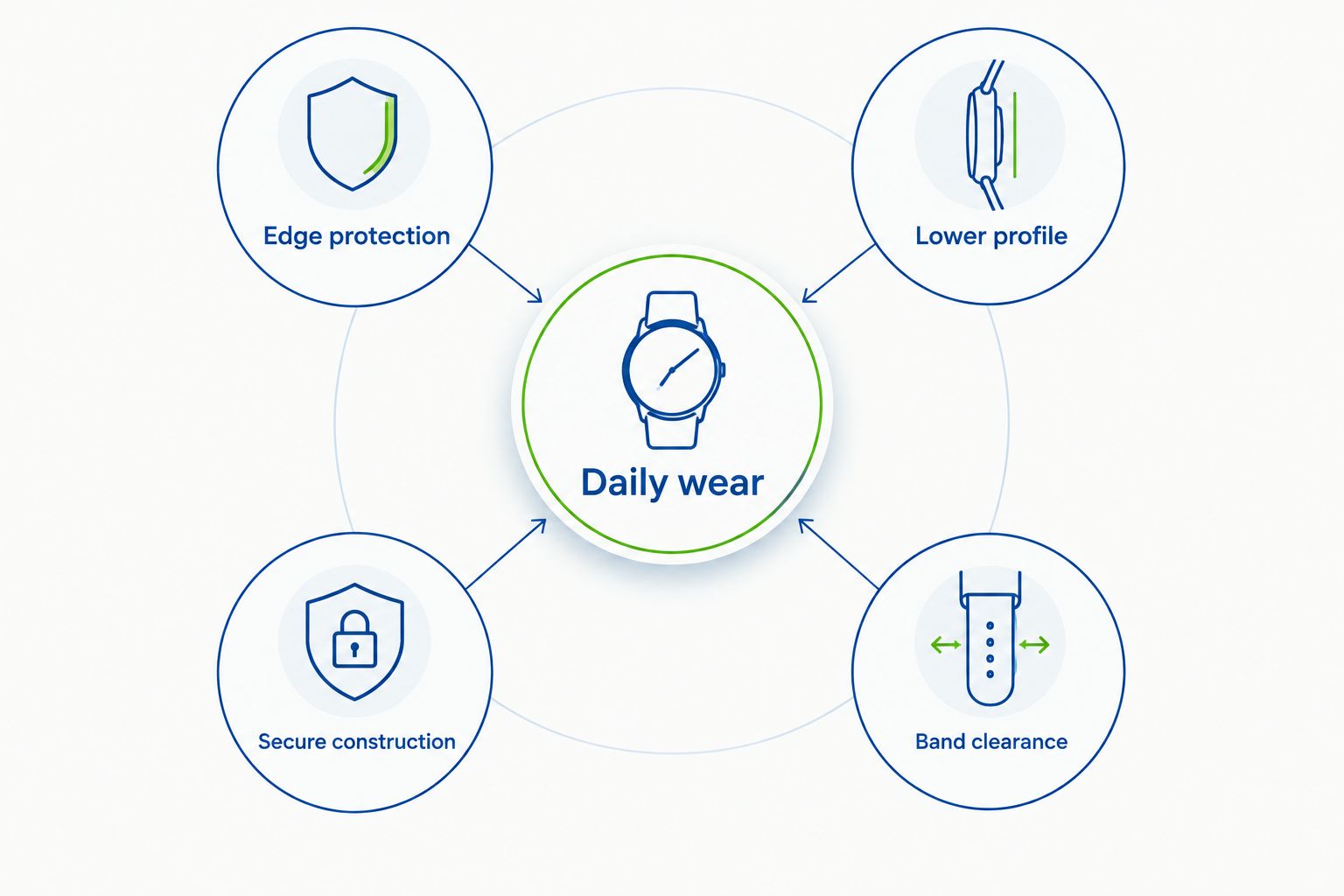
Choose the gemstone and its protective setting together.
Element79jewelry sells custom bridal pieces as well as contemporary designer engagement rings. Bring a description of your working day and the shapes you love; those details give the design conversation practical direction without sacrificing personality.
Stones to choose with more caution
Emerald measures Mohs 7.5–8, but its frequent fractures and common filling treatments make toughness and cleaning important concerns. Aquamarine also measures Mohs 7.5–8, yet an individual aquamarine and emerald can have very different structural conditions.
Topaz is Mohs 8 but has perfect cleavage, so its hardness alone does not make it equivalent to spinel. Opal, generally Mohs 5–6.5, is a softer choice with additional sensitivity to damage.
Hold rather than automatically reject a favorite softer gemstone. If its color carries personal meaning, discuss a protective setting and a wearing routine that accepts its limitations. Skip it as your daily engagement-ring center if you want minimal concern about surface wear or impact.
How the gemstones were ranked
This 2026 ranking uses established mineral hardness values, toughness characteristics, cleavage, and treatment-related care considerations. It is a material comparison, not a claim of hands-on testing or an evaluation of particular rings.
Hardness determines the table order. The recommendations then separate use cases: diamond for scratch resistance, sapphire for everyday color, moissanite for a sparkling alternative, and ruby, chrysoberyl, or spinel for specific color preferences.
Which durable gemstone should you choose?
Choose diamond if you're undecided and want maximum scratch resistance; choose sapphire if color is the priority. Ruby is the direct red alternative, while moissanite deserves its own look rather than a comparison based only on resemblance to diamond.
At Element79jewelry, the engagement-ring choice can begin with contemporary designer pieces or custom bridal design. Keep the stone’s condition, treatment disclosure, and edge protection in the conversation alongside the beautiful details.
FAQ
What's the most durable gemstone for an engagement ring?
Diamond offers the highest scratch resistance, with Mohs 10 hardness. Overall ring durability also depends on toughness, the stone’s condition, and its setting; sapphire and ruby are excellent durable colored choices.
Is sapphire better than emerald for an everyday engagement ring?
Sapphire is the stronger default for everyday durability. It has Mohs 9 hardness and excellent toughness, while emerald measures Mohs 7.5–8 and often contains fractures or fillings that require extra care.
Can I wear a moissanite engagement ring every day?
Moissanite is suitable for everyday engagement-ring wear with a secure setting and sensible care. Its Mohs 9.25 hardness resists scratches, but hard impacts can still damage the gemstone or mounting.
Is a laboratory-grown diamond as durable as a natural diamond?
Laboratory-grown and natural diamonds have the same fundamental hardness and durability characteristics. Both have Mohs 10 hardness, and either needs individual assessment for fractures and vulnerable edges.
Does a higher Mohs number mean a gemstone won't chip?
No, Mohs hardness measures scratch resistance rather than resistance to chipping. Toughness, cleavage, existing fractures, and the direction of an impact affect whether a gemstone breaks.
Is ruby as durable as sapphire?
Ruby and sapphire share Mohs 9 hardness because both are corundum. Their individual durability still depends on structural condition and treatments, especially fracture filling.
What's the safest way to clean a gemstone engagement ring?
Use the cleaning method approved for the specific gemstone, its treatments, and its setting. Lukewarm water, mild soap, and a soft brush suit many durable gems, but do not assume ultrasonic or steam cleaning is safe for every ring.
Does a bezel make an engagement ring indestructible?
A bezel protects the gemstone’s perimeter but does not make the ring indestructible. The exposed top can still receive an impact, and the metal setting needs inspection and care.
One last thing
The wedding band can become a source of wear against the engagement ring. Before you settle on the pair, look at them together from the side and ask whether either gemstone or setting rubs against the other.
For your 2026 ring, that small check connects the gemstone ranking to real life. Choose a durable stone, then make sure its everyday companion doesn't work against it.
Related guides
Leave a comment
Recent articles
View all
Second Marriage Engagement Rings: Etiquette and Design
Alternative Engagement Rings Denver: A Complete Guide