5 Classic Engagement Ring Styles for a Timeless Look
Let’s be honest: the world of engagement rings can feel overwhelming. With endless options and opinions, it’s easy to get lost. This is where the quiet confidence of a classic engagement ring comes in. Choosing a classic style isn’t about playing it safe; it’s about grounding your decision in designs that have been loved for generations for their elegance and sophistication. It simplifies the process, allowing you to focus on the details that matter most, like finding a stone with soul or a band that feels perfect on your hand. This guide will help you cut through the noise and find a beautiful, timeless ring with joy and clarity.
Key Takeaways
- Prioritize timeless design features: A truly timeless ring relies on classic elements, so look for simple settings, durable metals like platinum or gold, and ever-popular diamond cuts such as round, oval, or emerald.
- Match the ring to their lifestyle: The perfect ring should fit your partner's daily life, so think about their personal style and activities to decide between a secure bezel setting or a more delicate pavé band.
- Make an informed and ethical choice: Understand the 4Cs (Cut, Color, Clarity, Carat) to find the best diamond for your budget, and ask about ethical sourcing or lab-grown options to find a ring with a story you're proud of.
What Makes an Engagement Ring Timeless?
A timeless engagement ring feels just as beautiful on your 50th anniversary as it does the day you say 'yes.' It’s a style that transcends fleeting trends, focusing on classic elegance and enduring quality. So, what gives a ring that lasting appeal? It’s a thoughtful combination of the overall design, the choice of metal, and the cut of the center stone. Understanding these components will help you find a ring you'll love forever.
The elements of enduring design
When it comes to timeless design, simplicity often speaks volumes. Classic engagement rings are elegant styles that don't rely on passing fads. A perfect example is the solitaire setting, which features a single, stunning diamond on a plain or delicately detailed band. This design puts the focus squarely on the beauty of the stone and the person wearing it. It’s a look cherished for generations for its grace and sophistication, making it a beautiful foundation for your bridal story.
Metals that last a lifetime
The metal you choose for the band is the foundation of your ring’s structure and style. For a look that will last, certain metals are enduringly popular for good reason. Platinum is a fantastic choice for its durability and naturally white sheen that won't fade. Yellow gold offers a traditional warmth, while white gold provides a similar look to platinum. Rose gold, with its romantic hue, has also secured its place as a modern classic. Each of these metals provides a beautiful and sturdy setting for your jewelry, ensuring it can be worn and loved for years to come.
Diamond cuts that are always in style
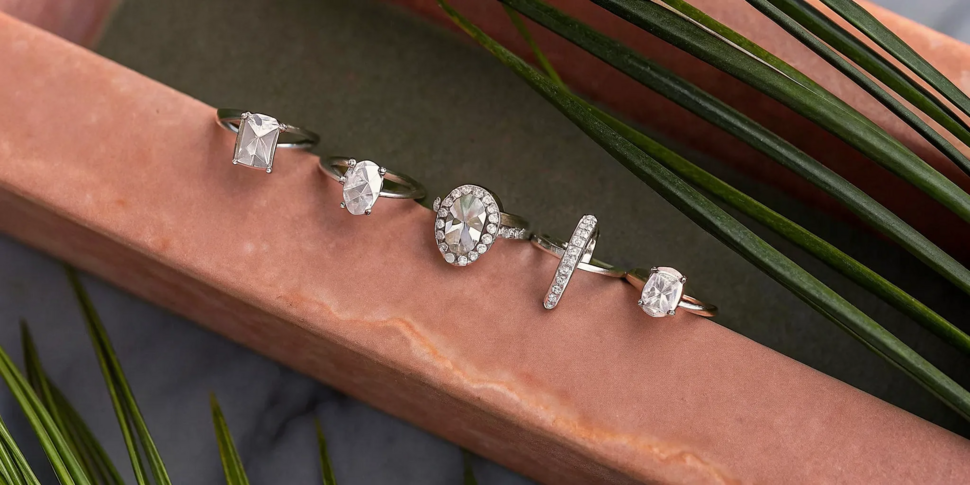
While trends in diamond shapes come and go, a few cuts are always in style. The round brilliant is the most traditional cut, engineered for maximum sparkle. Other classic shapes include the elegant oval, the modern princess cut, and the sophisticated, art-deco-inspired emerald cut. These shapes have remained favorites because their beauty is universal and they complement a wide range of settings and personal styles. Exploring the work of different designers can show you how these timeless cuts are used in fresh and original ways.
Popular Classic Engagement Ring Styles
When you hear "classic," you might think of something plain, but that couldn't be further from the truth. Classic engagement ring styles are popular for a reason: they are timeless, elegant, and offer a beautiful foundation that you can personalize. These are the designs that have graced hands for generations, yet they feel just as fresh and meaningful today. Think of them as the little black dress of the jewelry world, always in style and effortlessly chic. Each classic style has its own personality, from the minimalist beauty of a solitaire to the dazzling sparkle of a halo. Let's explore some of the most beloved options to help you find the one that feels just right.
Solitaire: the original iconic choice
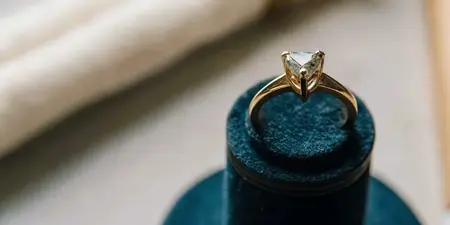
The solitaire is the quintessential engagement ring. It features a single, stunning center stone set on a simple band. This design is the definition of timeless elegance, placing all the focus on the diamond itself. Its beauty lies in its simplicity, creating a clean and sophisticated look that has been a favorite for generations. A solitaire setting is incredibly versatile, pairing beautifully with any style of wedding band, from a simple metal band to a diamond-encrusted one. If you or your partner appreciate understated grace and want a ring that truly showcases the beauty of a single stone, the solitaire is an iconic choice that you can explore in our bridal collection.
Three-stone: symbolism in design
For a ring that tells a story, look no further than the three-stone style. This design traditionally features a larger center stone flanked by two smaller stones. The trio is rich with symbolism, representing a couple's past, present, and future. It’s a beautiful way to honor your journey together while looking ahead to all that’s to come. Beyond its meaning, the three-stone ring offers a gorgeous, balanced look on the finger. You can personalize it by choosing different shapes or types of side stones, like sapphires or emeralds, to add a pop of color. Many of our designers offer unique interpretations of this deeply meaningful style.
Pavé: subtle sparkle with a big impact
If you love a little extra sparkle, a pavé setting is a perfect choice. The name comes from the French word for "paved," which perfectly describes how the band is covered with tiny, delicate diamonds set closely together. This creates the illusion of a continuous, glittering surface of light. The pavé setting does a wonderful job of enhancing the center stone, drawing the eye inward and adding a dazzling effect from every angle. It’s a fantastic way to add glamour and brilliance to a ring while still maintaining a refined and classic feel. This technique adds a touch of luxury to all kinds of jewelry, not just engagement rings.
Halo: a modern spin on a vintage look
The halo setting is for those who believe more is more when it comes to sparkle. In this design, the center stone is completely encircled by a ring of smaller pavé diamonds. This "halo" not only makes the center diamond appear significantly larger, but it also adds an incredible amount of fire and brilliance. The style has a glamorous, vintage-inspired feel that calls back to the Art Deco era, making it a favorite for those who love a bit of old-world charm. Our Vintage & Estate collection often features stunning examples of this intricate and eye-catching design, proving its enduring appeal.
Bezel: sleek, secure, and sophisticated
A bezel setting is a fantastic choice for someone with an active lifestyle who still wants a sophisticated ring. Instead of prongs, a thin metal rim fully or partially surrounds the diamond, holding it securely in place. This sleek design is the most protective setting available, as it guards the stone against snags, chips, and everyday bumps. Aesthetically, the bezel offers a modern, clean, and distinctive look that beautifully frames the center stone. It’s a practical yet incredibly stylish option that feels both contemporary and timeless. If this sounds like the right fit, you can book an appointment to try one on and see how secure and comfortable it feels.
How to Choose the Right Classic Style
Choosing an engagement ring is about finding a piece that feels like it was made just for them. While classic styles are a beautiful and safe starting point, the real magic happens when you match the ring to your partner’s unique personality and life. It’s a piece they’ll wear every single day, so it needs to feel right and fit seamlessly into their world. Thinking through their personal taste, daily activities, and even the proportions of their hand will help you move from a beautiful ring to the perfect one.
Consider their personal style
The best way to start is by looking at the style they’ve already curated for themselves. What kind of jewelry do they currently wear? Are they drawn to the warm glow of yellow gold or the cool, modern feel of platinum? Do they prefer delicate, minimal pieces or something with a bit more vintage flair? Classic engagement rings are defined by their timeless elegance, often featuring a stunning solitaire diamond on a simple band. But even within this category, there’s so much room for personality. A plain band feels clean and modern, while a delicate pavé band adds a touch of extra sparkle. Pay attention to the details they love, and you’ll find the perfect ring in our bridal collection.
Think about lifestyle and practicality
An engagement ring should be ready for real life. Since classic rings are designed for daily wear and longevity, it’s important to consider how the ring will function in your partner’s day-to-day. If they have a very active lifestyle or work with their hands, a high-set prong setting might snag easily. In that case, a "low-profile" setting where the diamond sits closer to the finger can be a more comfortable and durable choice. Sleek bezel settings are another fantastic option, as they encircle the stone with metal for maximum security. These practical choices don’t mean sacrificing style; they ensure the ring is as resilient as it is beautiful, much like the enduring pieces in our Vintage & Estate collection.
Match the ring to their finger shape
Proportion and balance are key to making sure a ring looks its best. The goal is to find a style that complements their hand. For instance, a slender band can help elongate shorter fingers, while someone with long fingers might find a slightly wider band feels more substantial and balanced. It’s also about the interplay between the band and the center stone. As a general rule, a simple, plain band will make your main stone the star of the show. If you’re drawn to a more intricate or detailed band, a simpler stone shape often creates a more harmonious look. If you’re unsure, we can help you explore options that will look incredible. The best way to find the perfect fit is to book an appointment and see the rings in person.
What Are the 4Cs of a Diamond?
When you start looking at engagement rings, you'll hear a lot about the "4Cs." This is simply the universal grading system used to judge a diamond's quality. The 4Cs stand for Cut, Color, Clarity, and Carat. Understanding what each one means helps you know exactly what you're buying and allows you to prioritize what matters most to you and your partner. It’s all about finding a beautiful stone that fits your vision and your budget.
Cut: the key to a diamond's sparkle
Of all the 4Cs, the cut is the one that truly brings a diamond to life. It’s not about the shape (like round or pear), but about the diamond's proportions, symmetry, and polish. A well-cut diamond acts like a perfect series of mirrors, capturing light and reflecting it back to create that incredible sparkle and fire. The Gemological Institute of America (GIA) determines cut quality by assessing how well a diamond has been shaped and faceted. If a diamond is cut too deep or too shallow, light will leak out from the bottom or sides, making it appear dull and lifeless. That’s why a superior cut can make a diamond look more brilliant, regardless of its other characteristics.
Color, clarity, and carat: finding the perfect balance
The other three Cs are just as important in creating the overall look of your diamond. Color actually refers to the absence of color. A chemically pure and structurally perfect diamond has no hue, like a drop of pure water. Clarity measures the tiny, natural imperfections on the surface (blemishes) or inside the diamond (inclusions). Finally, carat is the diamond's weight, which also gives an indication of its size. The magic is in finding the right balance for you. For instance, a smaller diamond with excellent color and clarity can be far more stunning than a larger one with noticeable flaws. It’s about choosing a stone that looks beautiful to you, which you can explore in our bridal collection.
How the 4Cs affect the final price
Each of the 4Cs plays a role in a diamond's final price, and the relationship isn't always straightforward. Generally, the higher the grade in each category, the rarer and more expensive the diamond. For example, a flawless, colorless diamond will be priced significantly higher than one with slight inclusions or a faint yellow tint. Carat weight has a particularly strong effect on price, which can increase exponentially as the size goes up. However, a high-quality cut can increase a diamond's value substantially, even if the carat weight is lower. Working through these factors can feel complex, but we're here to help you find the perfect diamond for your budget when you book an appointment with us.
What Does a Classic Engagement Ring Cost?
Let’s talk about the big question: money. Setting a budget is one of the most important steps in choosing an engagement ring. The final price can vary widely, but understanding what drives the cost will help you make a confident choice. The goal is to find a beautiful, timeless ring that celebrates your love without adding financial stress.
What influences the price of a ring?
The cost of a classic engagement ring depends on a few key factors. While prices can start around $2,000, they can go up significantly for more intricate or one-of-a-kind pieces. If you choose a diamond, its price is determined by the 4Cs: color, clarity, cut, and carat weight. The cut is especially important as it dictates how much the stone sparkles. Beyond the center stone, the metal you choose (like platinum versus 14k gold) and the complexity of the setting will also influence the final price. A simple solitaire will cost less than a detailed pavé band with a halo. You can explore our bridal collection to see how these elements come together at different price points.
How to set a budget that feels right
Forget the outdated "three months' salary" rule. The right budget is the one that feels comfortable for you and your partner. This decision is personal, and it should align with your financial goals and values. An engagement ring is a symbol of your love and commitment, not a measure of your bank account. Start by having an open conversation about what you can realistically and comfortably spend. Remember, you can find a stunning, soulful ring at any price point. Our team is here to help you explore all the beautiful options within your budget in a relaxed, no-pressure environment when you book an appointment.
How customization affects the cost
Customization is a fantastic way to create a ring that is uniquely yours, and it also gives you more control over the final cost. You can work with our talented designers to modify an existing style or dream up a completely new one. Choosing your own center stone, whether it's a natural diamond, a lab-grown diamond, or a vibrant sapphire, is one of the best ways to manage the price. For example, you could opt for a slightly smaller stone to afford a more intricate setting, or pair a show-stopping gem with a simple, classic band. Customization ensures you get a meaningful piece that perfectly fits your style and your budget.
How to Choose an Ethical Engagement Ring
Choosing an engagement ring is about more than just style and sparkle. It’s about finding a piece that tells a story you’re proud of, and for many of us, that story includes its origin. Thinking about where your diamond and metal come from is a beautiful way to add another layer of meaning to your ring. An ethical engagement ring is one that aligns with your values, ensuring it was sourced with respect for both people and the planet. Making this choice is empowering, and it’s simpler than you might think once you know what to look for and what to ask. It’s all about finding a piece that truly has soul, from the mine or lab to your finger.
What certifications should you look for?
Certifications are your best tool for verifying that a diamond or gemstone has been sourced responsibly. The most well-known is the Kimberley Process Certification Scheme (KPCS), which was established to prevent conflict diamonds from entering the mainstream market. While it’s a crucial starting point, you can also look for other assurances. For colored gemstones and metals, certifications like Fair Trade or Fairmined guarantee that materials were extracted under safe working conditions and with environmental care. The Gemological Institute of America also provides grading reports that, in addition to detailing a diamond's quality, offer another layer of assurance that your stone is authentic and can be traced.
Are lab-grown diamonds an ethical choice?
Absolutely. Lab-grown diamonds have become a leading choice for ethically-minded couples, and for good reason. These are not imitations; they are real diamonds, identical to their mined counterparts in every way, from their chemical structure to their stunning sparkle. The key difference is their origin. Because they are created in a controlled laboratory environment, they completely bypass the environmental and social issues associated with traditional mining. As a bonus, lab-grown diamonds are often more accessible in price, allowing you to get a beautiful, high-quality stone that aligns perfectly with your budget and your values. It’s a modern, responsible choice that doesn’t require any compromises on beauty.
Key questions to ask your jeweler
A conversation with your jeweler is the best way to gain confidence in your choice. A reputable jeweler will be happy to share information about their sourcing and practices. When you book an appointment, come prepared with a few questions to guide the discussion and ensure you find a ring that meets your standards.
Start by asking:
- Can you show me the certification for this diamond or gemstone?
- Where do you source your materials, and what steps do you take to ensure they are conflict-free?
- Do you offer lab-grown diamonds?
- Can you tell me about the ethical practices of the designers you feature?
These questions open the door to a transparent conversation. A jeweler who is committed to ethical sourcing will welcome your interest and provide clear, honest answers.
Find Your Timeless Engagement Ring in Denver
Finding the perfect engagement ring is a huge milestone, and if you're looking in Denver, you're in the right place. A timeless ring is one that feels both classic and completely you. It’s less about chasing a trend and more about discovering a design with enduring elegance that tells your personal story. The key is finding a jeweler who understands that balance between classic artistry and individual soul.
At Element 79, we believe the most timeless pieces are the ones that feel original. We fill our cases by seeking out current and original designers who put a fresh, soulful spin on classic styles, ensuring your ring is as unique as your love story. Whether you’re drawn to the clean lines of a contemporary solitaire, the romantic history of a vintage piece, or something in between, the right ring is about finding that perfect intersection of quality, craftsmanship, and personal meaning.
The best way to discover what truly resonates with you is to see and feel the jewelry in person. We invite you to visit our Cherry Creek North shop for a fun, relaxed experience exploring our bridal collection to find a piece that will last a lifetime. If you’d like a one-on-one consultation, you can always book an appointment with one of our expert stylists. We’d love to help you find the ring you’ll cherish forever.
Related Articles
- Non-Traditional Engagement Rings: A Buyer's Guide
- How to Find a Unique Engagement Ring: A Guide
- Your Guide to Engagement Rings in Colorado
Frequently Asked Questions
I love classic styles, but I also want my ring to feel unique. How can I have both? This is a wonderful goal, and it's easier to achieve than you might think. A classic setting is like a perfect canvas. You can make it your own by working with a designer to add personal details, like a hidden engraving or a unique texture on the band. Another beautiful option is to choose a classic three-stone style but use colored gemstones for the side stones. This allows you to have that timeless foundation while adding a touch of personality and meaning that is entirely yours.
With the 4Cs, what should I prioritize if I have a set budget? While all the 4Cs are important, most jewelers agree that the cut is the most critical factor for a diamond's beauty. The cut is what gives a diamond its sparkle and fire, so a well-cut stone can appear more brilliant and even larger than a poorly cut one of a higher carat weight. If you're working within a budget, focusing on the best cut possible is a great strategy. You can often find a balance with color and clarity, as many stones have slight inclusions or tints that are not visible without magnification.
Are lab-grown diamonds a good choice for a timeless ring? Yes, absolutely. Lab-grown diamonds are physically and chemically identical to mined diamonds, so they possess the same beauty, durability, and sparkle that make a diamond ring a timeless choice. Because they are created in a controlled setting, they offer a modern, ethical alternative that often provides more size and quality for your budget. A lab-grown diamond in a classic setting is a fantastic way to get a beautiful, enduring ring that also aligns with your personal values.
My partner is very active. Which classic styles are the most durable for everyday wear? For an active lifestyle, a bezel setting is an excellent and stylish choice. Instead of prongs, a rim of metal surrounds the stone, holding it securely and protecting it from bumps and snags. If you prefer the look of prongs, consider a "low-profile" setting where the diamond sits closer to the finger, making it less likely to catch on things. Both options provide the security needed for daily wear without sacrificing the sophisticated look of a classic ring.
What's the real difference between white gold and platinum? Both are beautiful choices for a timeless ring. The main difference is in their composition and how they wear over time. Platinum is a naturally white metal that is very dense and durable; it will never fade or change color. White gold is an alloy made from yellow gold mixed with white metals and is typically plated with rhodium for a bright white finish. This rhodium plating may need to be reapplied every few years to maintain its color, whereas platinum develops a soft, natural patina over time.
Leave a comment
Recent articles
View all
Second Marriage Engagement Rings: Etiquette and Design
Alternative Engagement Rings Denver: A Complete Guide