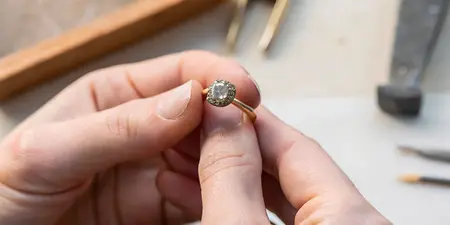

Your Simple Guide to the Jewelry Appraisal Process
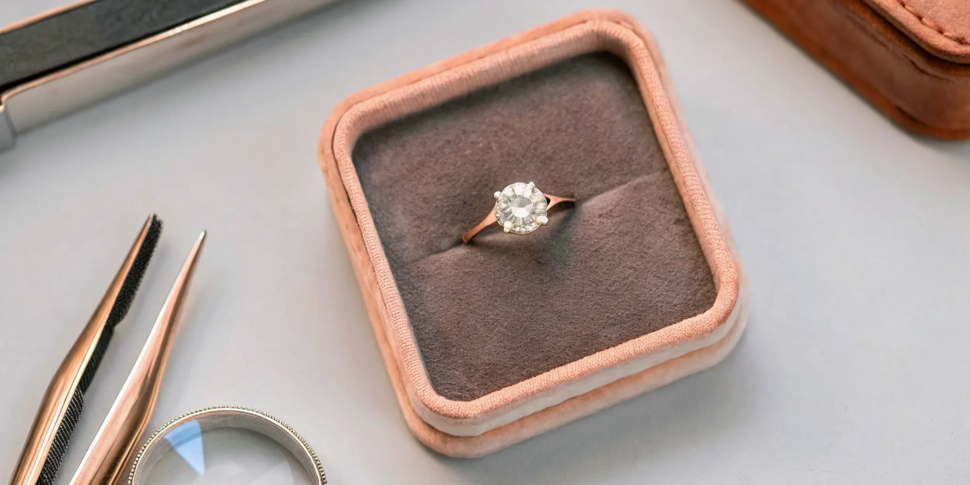
The value of your jewelry isn’t a single, fixed number. The price to replace a lost engagement ring is very different from what you might get if you decide to sell a vintage brooch. This is why understanding the different types of valuations is so important. A professional jewelry appraisal is always performed for a specific purpose, whether it’s for insurance coverage, estate planning, or determining a fair resale price. Knowing which type you need is the first step to getting a useful and accurate document. We’ll explain the key differences so you can feel confident you’re asking for the right assessment.
Key Takeaways
- Know Why You Need an Appraisal: The value of your jewelry isn't one-size-fits-all; it depends on the appraisal's purpose. An insurance appraisal will list the full retail replacement cost, while a fair market value appraisal estimates its resale worth.
- Protect Your Investment with Documentation: An appraisal is the official document you need to get the right insurance coverage, ensuring you can replace a piece if it's lost or stolen. It also creates a clear record that simplifies future decisions like estate planning.
- Find a Reputable and Unbiased Appraiser: The most trustworthy appraisers have credentials like a GIA Graduate Gemologist certification and charge a flat or hourly fee. Avoid anyone who bases their fee on a percentage of your jewelry's value, as this creates a conflict of interest.
What Is a Jewelry Appraisal?
Think of a jewelry appraisal as an official document that details the story and value of your piece. It’s a formal report created by a certified expert that describes your jewelry in-depth and assigns it a monetary value for a specific purpose, like insurance. Whether it’s a modern piece from one of our favorite designers or a treasured family heirloom, an appraisal provides a clear, professional assessment of its worth. This document is much more than just a price tag. It’s a comprehensive profile of your jewelry, capturing all the characteristics that make it unique, from the cut of the stone to the artist's signature marks.
Having an up-to-date appraisal is the single best step you can take to protect your investment and ensure you have a complete record of your most cherished items. It’s the key document your insurance company will ask for if a piece is ever lost, stolen, or damaged. Without it, you may not receive the full replacement value. An appraisal is also incredibly helpful for future decisions, like estate planning or even resale. Essentially, it’s the official paperwork that proves the value of your beautiful jewelry, giving you both financial protection and peace of mind.
Who Can Appraise Your Jewelry?
When it comes to appraising your jewelry, you want to find a true expert, not just a salesperson. The most qualified professionals have extensive training in gemology and valuation. Look for an appraiser who is a Graduate Gemologist (G.G.) from an institution like the Gemological Institute of America (GIA). This credential means they have the skills to accurately identify and grade gemstones. Beyond gemological training, a great appraiser also has education in valuation science and adheres to a strict code of ethics, like the Uniform Standards of Professional Appraisal Practice (USPAP). This ensures they provide an unbiased and accurate assessment based on established industry methods.
Appraisal vs. Grading Report: What's the Difference?
It’s easy to confuse an appraisal with a diamond grading report, but they serve very different functions. A grading report, like one from GIA, is a scientific assessment of a loose diamond's qualities. It details the stone’s 4Cs (cut, color, clarity, and carat weight) but never assigns a dollar value. Think of it as a blueprint of the diamond itself. An appraisal, on the other hand, is all about value. It takes the information from a grading report and combines it with other factors, like the metal type, craftsmanship, and current market conditions, to determine how much the entire piece of jewelry is worth. So, while a grading report describes the quality, an appraisal tells you the price.
What's Included in an Appraisal Document?
A professional appraisal is a detailed and thorough document. When you receive your report, it should feel like a complete biography of your jewelry piece. It will include a detailed description of the item, noting the metal type and weight, measurements, and any unique markings or stamps. For gemstone jewelry, it will list information about the stones, including the 4Cs for any diamonds. You’ll also find a clear, high-quality photograph of your jewelry, which is crucial for identification. The document will state the final appraised value, the date of the appraisal, and the purpose (for example, "for insurance replacement"). Finally, it must include the appraiser’s qualifications and signature, confirming the report’s authenticity and the expert who stands behind it.
Why Appraise Your Fine Jewelry?
You’ve found jewelry that speaks to you—it’s more than an accessory, it’s part of your story. An appraisal gives you a clear, documented understanding of that item's monetary value. It’s not just about knowing a number; it’s about protecting your investment and planning for the future. Think of it as creating a formal biography for your jewelry, one that proves essential in more ways than you might expect.
Protect Your Pieces with Insurance
An appraisal is essential for getting the right insurance coverage. If a beloved piece is ever lost, stolen, or damaged, your insurance company needs proof of its value to provide a fair replacement. Without an accurate document, you risk being underinsured and unable to replace your item with one of equal quality. This is especially important for the unique fine contemporary jewelry that defines your personal style.
Determine Its Resale Value
An appraisal for resale value can give you a realistic expectation if you’re considering selling a piece. It’s also helpful for understanding the relative value of different items in your collection. This knowledge empowers you to make informed decisions, whether you're looking to part with something or simply appreciate the tangible value of your vintage and estate pieces.
Simplify Estate Planning
Estate planning is an act of care for your family. When you have your jewelry appraised, you create a clear record of its value, which simplifies dividing assets fairly among loved ones. This step can prevent future disagreements and ensure your wishes are carried out smoothly. Heirlooms like engagement rings can be passed down with clarity and peace of mind, removing any guesswork for your beneficiaries.
Create a Formal Record
An appraisal is an official document that serves as a formal record of your jewelry. A certified expert creates a detailed report describing your piece: the metals, gemstone quality, identifying marks, and craftsmanship. This document assigns a current value and serves as the proof you need for insurance, the baseline for resale, and the guide for estate planning. When you're ready, you can book an appointment with a trusted professional.
Types of Jewelry Appraisals
When you decide to get your jewelry appraised, the first question an appraiser will likely ask is, "What is this for?" The answer is important because the value of your jewelry isn't a single, fixed number. Instead, its value changes depending on the reason for the appraisal. Think of it this way: the cost to replace a lost necklace is very different from the price you might get if you decide to sell it.
Each type of appraisal serves a unique purpose, from securing insurance to settling an estate. Understanding the differences helps you get the right documentation for your needs and sets clear expectations about what that final number on the report really means. Whether you're protecting a brand-new piece or assessing a family heirloom, knowing which valuation you need is the first step in the process. We'll walk through the four most common types of appraisals so you can feel confident you're asking for the right one.
Insurance Replacement Value
This is the most common type of appraisal and the one you’ll need to get your jewelry insured. The insurance replacement value estimates how much it would cost to replace your item with a similar new one from a retail store. This valuation is typically the highest because it reflects the full retail price, including the craftsmanship of our designers, materials, and the jeweler's markup. It’s not the price you would get if you sold the piece, but rather the amount an insurance company would need to cover to make you whole after a loss. This is the appraisal you'll want for your new engagement ring or any cherished piece you couldn't imagine losing.
Fair Market Value
Fair market value reflects what a piece of jewelry would likely sell for between a willing buyer and a willing seller, where neither is under pressure to act. This appraisal considers the item's current condition as a pre-owned piece, not its original retail price. It’s the most realistic assessment of its current resale worth in a stable market. This type of valuation is often used for estate planning, charitable donations, or divorce settlements. For anyone interested in the value of vintage and estate jewelry, the fair market value provides a practical and accurate picture of what those treasures are worth today.
Estate Value
An estate value appraisal is used specifically for estate planning and settlement. When someone passes away, this appraisal helps determine the value of their jewelry collection for tax purposes and to ensure belongings are divided fairly among heirs. The valuation is typically based on fair market value, representing what the items are worth at the time the estate is being settled. Having this formal documentation can simplify a complex and emotional process, providing a clear and objective value for every piece so that your wishes are carried out smoothly and equitably for your loved ones.
Liquidation Value
Liquidation value is an estimate of what you could expect to receive if you needed to sell an item very quickly. This is often considered the "cash-now" price. Because it assumes a rapid, and sometimes forced, sale to a wholesaler or pawn shop, this valuation is typically the lowest. A liquidation appraisal is most often used in urgent situations, such as certain divorce or estate settlements where assets must be converted to cash immediately. It’s important to understand that this value does not reflect the piece's full market or replacement worth, but rather its value under pressing circumstances.
What to Expect During Your Appraisal
Getting your jewelry appraised for the first time can feel a bit mysterious, but it’s actually a very straightforward and interesting process. Think of it as a detailed check-up for your favorite pieces. A professional appraiser will combine gemological expertise with market research to give you a comprehensive report. Knowing what happens step-by-step can help you feel more comfortable and prepared. From the initial inspection to the final document, the goal is to provide a clear and accurate picture of your jewelry's characteristics and value. Whether you're bringing in a modern designer piece or a treasured family heirloom, the process is designed to be thorough and transparent. We'll walk through exactly what an appraiser does, how they determine value, and what you can expect in terms of time and cost.
The Physical Inspection
First, the appraiser will give your jewelry a close-up examination. This isn't just a quick glance; it's a detailed assessment using professional tools. They will carefully identify the metals used, test their purity (like 14k or 18k gold), and note any designer signatures or hallmarks. Every gemstone is meticulously checked. For diamonds, this means evaluating the famous four Cs: carat, cut, color, and clarity. The appraiser will also measure the dimensions of the stones and the piece itself, weigh it, and take high-quality photos from multiple angles. This detailed inspection ensures every unique quality of your vintage and estate jewelry is documented.
How Appraisers Determine Value
One of the most important things to understand is that "value" can mean different things. The value assigned to your piece depends entirely on the reason for the appraisal. An appraiser will ask you why you need the document to determine the right type of valuation. For insurance purposes, they will calculate the Insurance Replacement Value, which is the cost to replace the item new. If you're considering selling the piece, they might determine its Fair Market Value, or what a willing buyer would pay a willing seller. For estate planning, a different value might be used. This is why being clear about your goals is the first step to getting a useful and accurate appraisal.
The Appraiser's Toolkit
To perform their detailed inspection, appraisers use a specific set of tools that look like they came straight from a science lab. You’ll likely see them use a jeweler’s loupe or a microscope for a highly magnified view of your gemstones and metalwork. This helps them spot tiny inclusions in a diamond, identify subtle details in the craftsmanship, and read any inscriptions. They also use special scales for precise weight measurements and calipers to get exact dimensions. These tools allow gemologists to conduct a thorough, objective analysis of your jewelry, ensuring the final report is based on verifiable facts rather than guesswork.
How Long Will It Take?
The time it takes to complete an appraisal varies based on the complexity and number of items you have. A single, relatively simple piece like a solitaire engagement ring might be appraised in about an hour. However, for more intricate designs with multiple stones or for an entire collection of jewelry, the process can take longer. A thorough appraisal for complex items could take anywhere from a few days to a couple of weeks. An appraiser needs time for careful examination, market research, and preparing the detailed documentation. You can always book an appointment to get a more specific time estimate for your pieces.
What Is the Cost?
The cost of a jewelry appraisal can be structured in a couple of ways, either as a flat fee per item or an hourly rate. Generally, you can expect to pay between $100 and $200 for a single item, or an hourly rate of $50 to $150. The final price depends on a few factors, including the complexity of the jewelry being appraised. A simple gold band will cost less to appraise than an elaborate necklace with numerous gemstones. The appraiser’s experience and location can also influence the fee. It's a good practice to ask about pricing upfront so you know exactly what to expect.
How to Find a Qualified Appraiser
Finding the right person to appraise your jewelry is just as important as the appraisal itself. You need someone with proven expertise who you can trust to give you an accurate and unbiased valuation. While it might sound like a formal process, finding a great appraiser is straightforward when you know what to look for. Think of it as finding any trusted professional, like a great hairstylist or tailor. You want someone who is skilled, transparent, and has a solid reputation.
The goal is to find an expert who can give you a detailed, objective report that will be respected by insurance companies and give you peace of mind. A qualified appraiser works for you, providing a clear assessment based on established standards, not guesswork. Let’s walk through the simple steps to find a professional you can count on to handle your treasured pieces with care and expertise.
Check for Credentials and Certifications
The best way to verify an appraiser’s expertise is to check their credentials. You’re looking for someone with formal training in both gemology and appraisal methodology. A key credential to look for is a GIA Graduate Gemologist (G.G.). This title means the appraiser has completed the Gemological Institute of America’s rigorous program and has in-depth knowledge of gemstones.
Beyond gemology, a qualified appraiser should also follow the Uniform Standards of Professional Appraisal Practice (USPAP). These are the ethical and performance standards for the appraisal profession. An appraiser who is USPAP-compliant is committed to providing an objective and well-supported valuation, which is exactly what you need for insurance or estate purposes.
Red Flags to Watch For
Knowing what to avoid is just as important as knowing what to look for. The most significant red flag is how an appraiser charges for their services. A reputable appraiser should never charge a fee based on a percentage of the jewelry’s value. This practice creates a direct conflict of interest, as it incentivizes the appraiser to inflate the value to earn a higher fee.
Instead, a professional appraiser will charge a flat fee per item or an hourly rate. This pricing structure ensures their assessment is based purely on their expertise, the time required, and the complexity of the piece. Always ask about their fee structure upfront to ensure a transparent and ethical transaction.
How Often Should You Update an Appraisal?
An appraisal isn’t a one-and-done document. The values of precious metals and gemstones can change over time due to market fluctuations and inflation. To ensure your jewelry is adequately insured, it’s a good idea to have your appraisal updated every two to three years. An outdated appraisal might leave you underinsured, meaning you wouldn’t receive the full replacement value if your piece were lost, stolen, or damaged.
Think of it as routine maintenance for your most cherished items. Keeping your appraisal current ensures your insurance coverage keeps pace with the actual value of your jewelry, giving you continuous and accurate protection for your investment.
Prepare for Your Appointment
To make your appraisal appointment as smooth as possible, it helps to come prepared. Gather any documentation you have for the piece, such as the original sales receipt, a diamond grading report, or any previous appraisal documents. These materials can provide your appraiser with important details and a helpful history of the item.
During the appointment, the appraiser will carefully examine your jewelry using professional tools like a microscope and a jeweler’s loupe. They will document the metal type and purity, measure and identify all gemstones, and assess the overall craftsmanship. This detailed inspection is a normal part of the process to create a thorough and accurate report.
Find a Trusted Appraiser in Denver
Your search for a qualified appraiser can start with professional organizations. Groups like the American Gem Society (AGS), the National Association of Jewelry Appraisers (NAJA), and the Gemological Institute of America (GIA) all maintain directories of certified members. These resources are excellent for finding credentialed experts in the Denver area.
Another great option is to ask a jeweler you trust for a recommendation. At Element 79 Jewelry, we work with beautiful pieces from talented designers every day and understand the importance of a proper appraisal. If you need guidance or a referral to a trusted local appraiser, we’re always here to help. Feel free to book an appointment with us to discuss your appraisal needs.
Related Articles
Frequently Asked Questions
Why can’t I just use my sales receipt for insurance? A sales receipt shows what you paid for an item on a specific date, but it doesn't reflect the current cost to replace it. An insurance appraisal estimates the full retail replacement value today, which accounts for changes in the price of metals and gems, as well as craftsmanship. Insurance companies require this formal document to establish the correct coverage amount, ensuring you can get a piece of similar quality if yours is lost or stolen.
Is the appraised value the same as what I could sell my jewelry for? Not usually. The most common type of appraisal is for insurance replacement, which calculates the full retail cost to buy a similar new item. This is typically the highest valuation. If you want to know what you might get from selling a pre-owned piece, you would need a different type of appraisal that determines its fair market value, which is often lower than the insurance value.
Do I need to get my jewelry appraised again if I already have an old report? Yes, you should. The values of precious metals and gemstones change over time, so an appraisal from five or ten years ago is likely outdated. We recommend updating your appraisals every two to three years. This ensures your insurance coverage keeps up with the current market, so you remain fully protected and won't be underinsured in case of a loss.
What is the most important quality to look for in an appraiser? The two most critical factors are credentials and how they charge for their service. A qualified appraiser should have a gemology degree (like a Graduate Gemologist from GIA) and follow professional standards. Just as importantly, they should charge a flat fee or an hourly rate. An appraiser who charges a percentage of the jewelry's value has a conflict of interest, so it's a practice to avoid.
Will I have to leave my jewelry with the appraiser? It depends on the complexity of the piece. For a simple item, an appraiser might be able to complete the inspection while you wait. However, for more intricate jewelry with many stones, they may need more time for detailed analysis and research. A reputable professional will have a secure, insured location, and you can always ask about their process and security measures to feel comfortable.
Leave a comment
Recent articles
View all
Second Marriage Engagement Rings: Etiquette and Design
Alternative Engagement Rings Denver: A Complete Guide