
Your Guide to Jewelry Appraisal in Denver
Every piece of jewelry tells a story. An appraisal helps you read it. Beyond assigning a monetary value, a professional appraiser acts like a historian for your most cherished items, uncovering the details of their creation. They examine the quality of the gemstones, the purity of the metal, and the artistry of the design, piecing together a complete biography of your jewelry. This process transforms a simple administrative task into an act of discovery, giving you a deeper appreciation for your collection. For anyone seeking a jewelry appraisal in Denver, finding an expert is about more than just numbers; it’s about honoring the soul and story of your pieces.
Key Takeaways
- An appraisal is essential documentation: This detailed report is your official proof of value, which is necessary for securing proper insurance coverage and provides peace of mind for estate planning or future resale.
- A piece's value is more than its materials: A professional appraisal looks beyond just metal and gemstones, considering the artistry of the design, its condition and history, and current market demand to determine its full worth.
- Partner with a certified pro for the best results: Ensure an accurate and unbiased valuation by choosing an appraiser with credentials from groups like GIA. You can help the process by gathering any paperwork, gently cleaning your items, and being clear about your reason for the appraisal.
What is a Jewelry Appraisal? (And Why You Need One)
Think of a jewelry appraisal as an official report card for your favorite pieces. It’s a detailed document, created by a certified professional, that establishes the value of your jewelry. But it’s more than just a price tag. A proper appraisal provides a complete description of your item, noting its design, the materials used, gemstone quality, and any unique characteristics. This process is about so much more than curiosity; it’s a practical step for protecting the jewelry you love.
Whether you’ve just received a stunning engagement ring, inherited a family heirloom, or invested in a piece from a designer you admire, knowing its true value is essential. A professional jewelry appraiser gives you the documentation you need for insurance, resale, or simply for your own records. It replaces guesswork with facts, giving you the confidence and security that comes with being a well-informed owner. This document becomes the official story of your piece, capturing its value and identity in a way that’s recognized by insurance companies and other industry experts.
For Insurance, Resale, and Peace of Mind
The most common reason for an appraisal is to secure insurance coverage. If a piece is lost, stolen, or damaged, an appraisal ensures you can file a claim for its full replacement value. It’s your proof of what the item was worth. An appraisal also gives you a realistic understanding of your jewelry’s market value, which is incredibly helpful if you ever decide to sell. Finally, it offers peace of mind. For estate planning or dividing assets, an appraisal provides clear, unbiased values, making difficult conversations much simpler. It’s especially useful for one-of-a-kind vintage and estate pieces.
When to Get Your Jewelry Appraised
It’s a good idea to get an appraisal in a few key situations. You should definitely get one immediately after a significant purchase, like a piece from a bridal collection, so you can get it insured right away. An appraisal is also necessary when you inherit jewelry or are preparing to sell an item. Because the market for gems and precious metals fluctuates, it’s also wise to have your items reappraised every three to five years. This ensures your insurance coverage keeps up with any changes in value, so you’re never underinsured.
Why Documentation is Your Best Defense
An appraisal document is your best defense in a worst-case scenario. It’s a detailed report that goes far beyond a simple sales receipt. It includes specifics like gemstone measurements, quality grades, metal content, and high-resolution photos. If your jewelry is ever stolen, this documentation is critical for filing a police report and providing your insurance company with undeniable proof of ownership and value. These professional jewelry appraisals can even help authorities identify your piece if it’s recovered. It’s a small step to take for such a powerful layer of protection.
What Determines Your Jewelry's Value?
Have you ever wondered what makes one piece of jewelry more valuable than another? It’s not just about the size of the stone or how shiny the metal is. A professional appraisal looks at a fascinating mix of factors to determine a piece’s true worth. Think of it like a biography of your jewelry; every detail, from its creation to its current condition, tells a part of the story and contributes to its final value.
Understanding these elements can help you appreciate your collection even more and gives you a clearer picture of what an appraiser is looking for. It’s a blend of science, art, and market savvy. A qualified appraiser combines their knowledge of gemology with a deep understanding of design history and current trends to give you an accurate and fair valuation. This process ensures that the value assigned reflects the full story of your piece, not just a single characteristic. Let’s walk through the four main pillars that support your jewelry’s value.
The Quality of Gemstones and Metals
The foundation of any piece’s value lies in its raw materials. For diamonds, appraisers use the universal standard of the 4Cs: cut, color, clarity, and carat weight. But for colored gemstones like sapphires, rubies, and emeralds, the evaluation is more nuanced, focusing on the richness and saturation of their color, their origin, and their rarity. A certified gemologist has the specific training to identify these qualities. The precious metal holding these gems is just as important. An appraiser will verify the metal’s type, like gold, platinum, or silver, and its purity, such as 14k versus 18k gold, which directly impacts the value.
The Artistry of the Design
Beyond the raw materials, the craftsmanship and design of a piece play a huge role in its value. Is it a mass-produced item or a one-of-a-kind creation from a master jeweler? The skill, intricacy, and overall artistry can make a piece significantly more valuable. This is especially true for jewelry from well-known designers or historic houses. An appraiser considers the piece’s construction, the quality of the stone setting, and the originality of the design. A beautifully designed piece is more than just metal and stone; it’s a wearable work of art, and its value reflects that.
Its Condition and History (Provenance)
The life your jewelry has lived matters. An appraiser will carefully examine its condition, looking for signs of wear like scratches, chips in the stones, or damage to the settings. Well-maintained pieces will always hold more value. Beyond its physical state, a piece’s history, or provenance, can add a fascinating and valuable layer. Was it owned by someone notable? Does it come with original documentation? This backstory can sometimes make a piece exceptionally rare and desirable. This is particularly true for vintage and estate jewelry, where a rich history adds to its unique soul and character.
Current Market Demand
Jewelry value isn’t set in stone; it fluctuates with the market. An appraiser’s job is to have their finger on the pulse of current trends and demands. Certain styles, designers, or types of gemstones might be particularly popular at a given time, which can influence a piece’s value. For example, the demand for Art Deco pieces or the work of a specific contemporary artist can rise and fall. This is a key reason why an appraisal is different from a lab report. A lab report states the facts of a gem, while an appraisal assigns a monetary value based on those facts and the current market landscape.
How to Find a Qualified Denver Jewelry Appraiser
Finding the right person to appraise your jewelry is just as important as getting the appraisal itself. You’re placing a piece you love, something with financial and sentimental value, into someone else’s hands. You need to trust their expertise, their process, and their final assessment. It can feel like a big task, but knowing what to look for makes it simple. Think of it as finding any trusted professional, from a doctor to a mechanic. The best ones have the right training, a solid reputation, and a transparent way of working.
When you're looking for a jewelry appraiser in Denver, you're searching for a partner who will treat your pieces with respect and give you an honest, accurate valuation. This isn't just about getting a number on a piece of paper. It's about understanding the story and quality of your jewelry, from the cut of the gemstone to the craftsmanship of the setting. A qualified appraiser does more than just assign a dollar value; they provide detailed documentation that protects your investment and gives you peace of mind. This guide will walk you through the key credentials and qualities to look for, so you can feel confident in your choice and know your treasures are in good hands.
Look for GIA Certification
When you start your search, the first and most important credential to look for is GIA certification. GIA stands for the Gemological Institute of America, and it’s the world’s leading authority on diamonds, colored stones, and pearls. An appraiser with a GIA credential, like a Graduate Gemologist, has completed rigorous training and has a deep, scientific understanding of gemstones. This isn't just a weekend course; it's an intensive education that ensures they can accurately identify and grade the materials in your jewelry. This certification is your assurance that the appraiser has a proven and tested level of expertise, giving you confidence in their final report.
Other Credentials to Know: NAJA & ASA
Beyond GIA, other credentials signal a high level of professionalism. Look for affiliations with the National Association of Jewelry Appraisers (NAJA) or the American Society of Appraisers (ASA). These organizations have strict ethical codes and require their members to pass comprehensive exams and stay current with continuing education. For example, a Certified Master Appraiser with NAJA has not only completed advanced coursework but has also passed a practical appraisal exam. Seeing these acronyms next to an appraiser’s name means they are committed to their craft and are held accountable by a respected professional body.
Why an Independent Appraiser is a Smart Choice
Choosing an independent appraiser is often a wise move. Because there isn't a government body that regulates jewelry appraisers, independence helps ensure you get an unbiased valuation. An independent appraiser’s sole focus is to provide an accurate and objective assessment of your piece’s value. They have no vested interest in buying the item from you or selling you something else. This separation is key to trusting the final report, whether you're insuring a precious vintage piece or simply documenting your collection for estate purposes. Their only goal is to deliver the facts.
Red Flags to Watch Out For
Just as there are signs of a great appraiser, there are red flags that should give you pause. Be cautious of anyone who isn’t transparent about their qualifications or who charges a fee based on a percentage of the jewelry's value, as this creates a conflict of interest. A qualified professional should also demonstrate a commitment to ongoing education and be up-to-date on the latest market changes and industry standards. If an appraiser seems out of touch or pressures you to sell your item on the spot, it’s best to walk away and find someone who prioritizes professionalism and your peace of mind.
How Much Does a Jewelry Appraisal Cost in Denver?
Understanding the cost of a jewelry appraisal is a key step in protecting your most treasured pieces. While prices can vary based on the complexity of the item, the good news is that professional appraisers in Denver use a clear and ethical pricing structure. This means you can know what to expect before you even commit. Let’s break down how fees are structured, the typical costs you’ll find locally, and exactly what you get for your money.
Flat Fees vs. Percentage-Based Pricing
When you seek an appraisal, you should expect to pay a flat fee per item or an hourly rate. This is the industry standard and the most ethical way to charge for this service. A flat fee ensures the appraiser’s assessment is completely objective and not influenced by the final value of your piece. A professional must be both a gemologist and a certified appraiser, and this fixed pricing model reflects their commitment to providing an unbiased, expert evaluation. If an appraiser ever offers to charge you a percentage of the jewelry’s appraised value, consider it a major red flag. Their fee should be based on their expertise and time, not the item's worth.
Typical Cost in the Denver Area
In the Denver area, you can generally expect to pay between $140 and $150 for your first appraised item. This initial fee covers the detailed work involved in a full evaluation and the creation of the formal report. If you have multiple pieces you need to have appraised at the same time, most appraisers offer a reduced rate for each additional item. Local jewelers often charge around $85 to $90 for each subsequent piece. This makes it more cost-effective to get your entire collection documented at once, giving you a complete and updated record for all your fine jewelry.
What's Included in the Appraisal Fee
Your appraisal fee covers much more than just a final value. It pays for a comprehensive service performed by a qualified professional. The appraiser will thoroughly inspect and document your jewelry, noting details about the metal, the quality and measurements of any gemstones, and the overall craftsmanship. This process results in a detailed report that serves as official documentation. The primary purpose of this report is to help you get the right insurance coverage in case your jewelry is ever lost, stolen, or damaged. It can also be essential for estate planning, resale, or simply verifying the quality of a piece you've inherited or purchased.
Where to Get Your Jewelry Appraised in Denver
Finding the right person to appraise your jewelry can feel like a big task, but it doesn’t have to be. Denver has many qualified professionals, and knowing where to look is the first step. Whether you’re insuring a new engagement ring, settling an estate, or are simply curious about a family heirloom, starting in the right place ensures you get an accurate and fair assessment. Your goal is to find an expert who can give you a clear, unbiased valuation and the documentation to back it up.
Why Start with a Trusted Jeweler?
Your search for an appraisal should start with a jeweler you trust. It’s the most straightforward path to a reliable valuation. Many jewelry stores have professional appraisers on staff or work closely with certified appraisal firms to offer this service to their clients. As the experts at Jewelers of America point out, this is a common practice that helps ensure you receive an accurate assessment based on current market standards. By going to an established jeweler, you’re not just getting an appraisal; you’re getting the peace of mind that comes from working with someone who has a reputation to uphold and a deep understanding of fine jewelry. They can provide the expertise needed to evaluate your pieces correctly.
Our Appraisal Services at Element 79 Jewelry
At Element 79 Jewelry, we offer expert appraisal services in the same insightful and pressure-free environment we’re known for. We believe understanding the value of your jewelry should be a comfortable and transparent process. Our team is here to provide clarity, whether you have a modern piece from one of our designers or a treasured vintage find. As one of our clients shared, we are "very insightful and low pressure," with a focus on "high quality jewelry and unique styles." We are dedicated to helping you understand the true value of your pieces. If you’re ready for an appraisal or want to learn more about our services, you can book an appointment with our team.
How to Prepare for Your Appraisal Appointment
Walking into a jewelry appraisal can feel a bit mysterious, but a little preparation goes a long way in making the experience smooth, efficient, and even fun. Think of it as your chance to learn the life story of your favorite pieces from a professional. By taking a few simple steps before you arrive, you help the appraiser do their best work and ensure you get the most accurate and useful information. It’s all about setting yourself, and your jewelry, up for success.
Getting ready is simple. It just involves understanding your goals, gathering your paperwork, and thinking about what you want to learn. Let’s walk through how to prepare for your appointment so you can feel confident and ready.
Know Why You Need the Appraisal
Before you even book your appointment, take a moment to think about why you need an appraisal. The reason directly influences the type of value the appraiser will assign. The most common purpose is for insurance coverage, which requires a retail replacement value. However, you might also need an appraisal for resale (fair market value), estate settlement, or simply to verify the quality of a piece you recently acquired.
Letting your appraiser know your goal upfront is key. An appraisal for insurance will look different from one for selling a piece. This clarity helps them create the right kind of document for your needs and ensures the final report is genuinely helpful. Different situations call for different types of professional jewelry appraisals, so being clear about your objective is the perfect first step.
Gather All Your Documentation
Do you have any paperwork related to your jewelry? Now is the time to find it. Go through your files and gather any previous appraisal reports, sales receipts, or certificates you might have. For diamond jewelry, this could include a GIA, AGS, or other lab report that details the stone’s specific qualities. For signed pieces from notable designers, original packaging or receipts can be very helpful.
This documentation provides a history, or provenance, for your piece. It gives the appraiser valuable context and can sometimes speed up the evaluation process. Don’t worry if you don’t have any documents; a good appraiser can identify your jewelry without them. But if you have them, bring them along.
Gently Clean Your Jewelry
You don’t need to take your pieces to a professional cleaner, but giving them a gentle wash at home can make a big difference. Over time, lotions, dust, and daily wear can obscure the fine details of a piece. A clean item allows the appraiser to more easily inspect gemstone clarity, check for maker’s marks or stamps, and accurately assess the overall condition of the metal and setting.
A simple bath in warm water with a drop of mild dish soap and a gentle scrub with a soft-bristled toothbrush is usually all it takes. Be sure to rinse it thoroughly and pat it dry with a soft, lint-free cloth. Avoid harsh chemicals or abrasive materials, as they can damage delicate stones and metals.
Prepare a List of Questions
Your appraisal appointment is more than just a valuation; it’s a learning opportunity. This is your chance to ask an expert anything you want to know about your jewelry. Before you go, jot down a few questions. You might be curious about the origin of a vintage piece, the specific quality of a gemstone, or the best way to care for your item long-term.
Perhaps you want to know more about the artist who designed your ring or the historical period your estate piece comes from. No question is too small. Having a list ready ensures you won’t forget anything in the moment and helps you walk away with a deeper appreciation for the beautiful jewelry you own.
What to Expect During Your Appointment
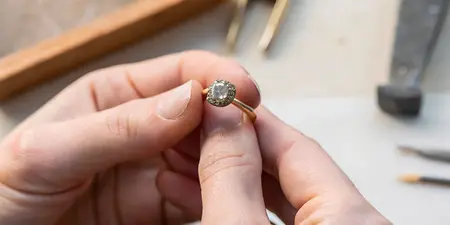
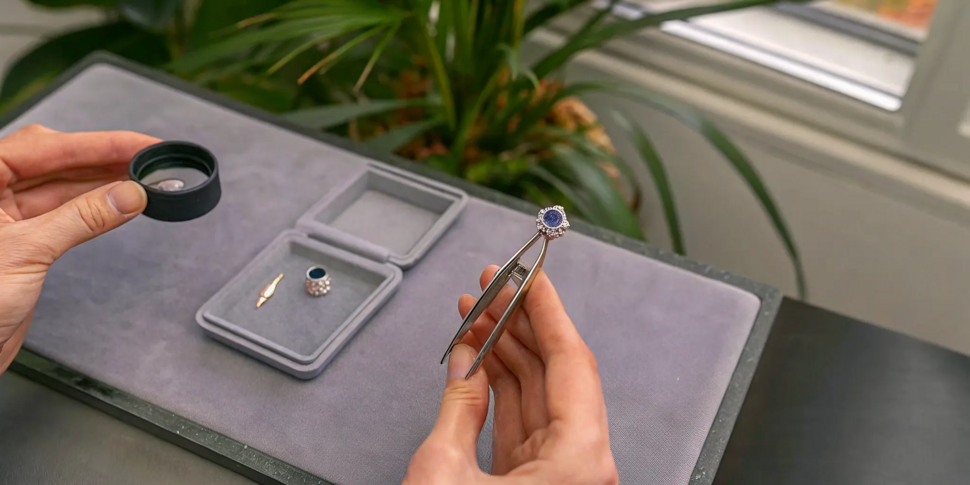
Knowing what happens during the appraisal can help you feel more at ease. When you arrive, the appraiser will sit down with you to examine each item. The process is meticulous. They will weigh and measure your jewelry, document any markings, and use a microscope to analyze the gemstones and craftsmanship up close.
Each piece typically takes around 45 minutes to an hour to fully evaluate. In many cases, you can watch the entire process, giving you a front-row seat to the discovery of your jewelry’s unique story. Once the examination is complete, the appraiser will compile their findings into an official report. When you’re ready to get started, you can book an appointment with our trusted team.
Related Articles
- Jewelry Appraisal Near Me: A Complete Guide
- Jewelry Evaluation: A Complete Beginner's Guide
- Jewelry Insurance Appraisal: A Complete Guide
- Your Guide to Jewelry Repair Service in Denver
Frequently Asked Questions
How often should I get my jewelry reappraised? It’s a great practice to have your jewelry reappraised every three to five years. The markets for precious metals and gemstones are always changing, so an appraisal from five years ago might not reflect your piece’s current replacement value. Keeping your appraisal updated ensures your insurance coverage is accurate, so you’re never underinsured if you need to file a claim.
What’s the difference between an appraisal and a lab report? Think of it this way: a lab report from an institution like GIA gives you the scientific facts about a gemstone, like its measurements, color, and clarity. It’s the stone’s identity card. An appraisal, on the other hand, takes those facts, considers the piece’s overall design and craftsmanship, and assigns a monetary value based on the current market. The lab report is the "what," and the appraisal is the "how much."
Will the appraisal value be the same as what I could sell my jewelry for? Not necessarily. Most appraisals are done for insurance purposes, which determines the retail replacement value. This is the cost to buy a new, similar item from a retail jeweler. If you were to sell your piece, you would likely receive its fair market value, which is typically lower than the retail replacement value. It’s important to tell your appraiser your goal so they can determine the correct type of value for your report.
Why can’t I just use my sales receipt for insurance? A sales receipt proves what you paid for an item on a specific date, but it doesn’t provide the detailed description an insurance company needs. An appraisal report includes specific information like gemstone grades, metal content, and detailed photos. This documentation proves the quality and value of your piece, making the claims process much smoother and ensuring you receive the correct compensation to replace it.
Can I still get an appraisal if I have no original paperwork for my jewelry? Absolutely. While receipts or certificates are helpful, they are not required. A qualified appraiser has the expertise and tools to identify the materials, craftsmanship, and quality of your jewelry through physical inspection alone. This is especially common for vintage and inherited pieces, so don’t let a lack of paperwork stop you from discovering the story and value of your treasures.
Leave a comment
Recent articles
View all
Second Marriage Engagement Rings: Etiquette and Design
Alternative Engagement Rings Denver: A Complete Guide