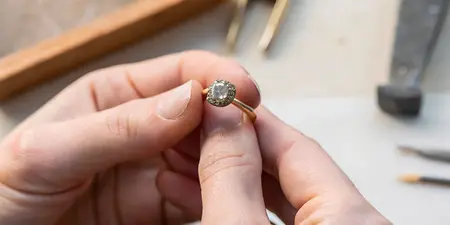

Rose Gold vs Yellow Gold: How to Choose Your Metal
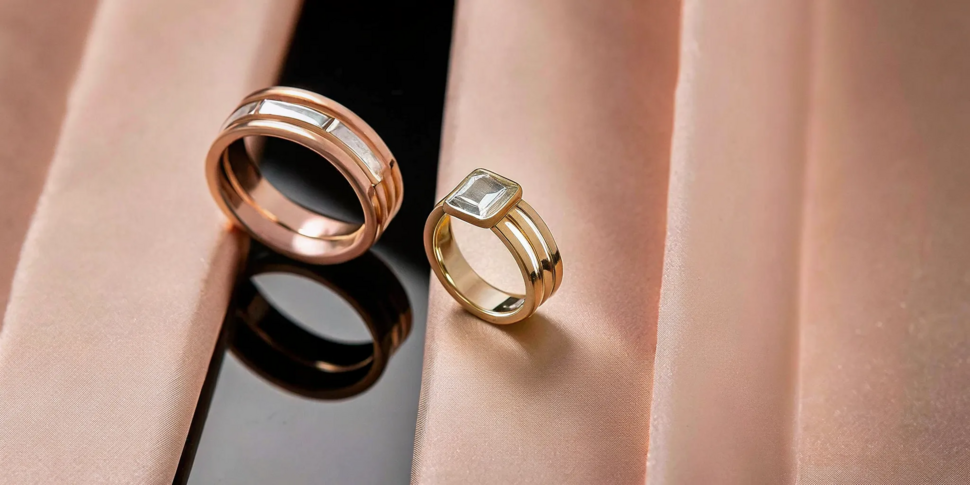
The first thing you notice about a piece of jewelry is its color, but the story of the metal goes much deeper. When considering rose gold vs yellow gold, you’re choosing between two distinct personalities. Rose gold’s warm, pinkish hue comes from a blend of pure gold and copper, giving it a romantic character that feels both modern and soulful. Yellow gold’s classic, sunny glow is created with a mix of pure gold, silver, and zinc, resulting in a timeless radiance that feels confident and traditional. Beyond the color, this unique recipe affects the metal’s durability, how it complements your skin, and the overall mood of the jewelry you wear.
Key Takeaways
- Color and Durability Come from the Alloys: The main difference isn't the gold itself, but the metals mixed with it. Rose gold gets its warm blush and added scratch resistance from copper, while yellow gold uses zinc and silver for its classic, sunny hue.
- Price is Based on Purity, Not Color: A 14k rose gold piece has the same amount of pure gold and a similar price as a 14k yellow gold one. This frees you to choose based on what you love and what best complements your skin tone.
- Your Personal Style is the Deciding Factor: Rose gold offers a modern, romantic feel, while yellow gold provides a timeless, traditional warmth. Don't be afraid to mix metals; layering both creates a confident and curated look that is uniquely you.
Rose Gold vs. Yellow Gold: What's the Difference?
When you’re choosing a piece of jewelry you’ll love for years, the metal is just as important as the design. Rose gold and yellow gold are two of the most popular choices, each with its own unique charm and character. While they both start with pure gold, the real difference between them lies in the specific blend of metals, or alloys, they are mixed with. This alloy mix not only determines the final color but also affects the metal’s durability and feel. Understanding these subtle but important distinctions will help you find the perfect piece that truly fits your style and lifestyle, whether you're browsing for a delicate necklace or designing a custom bridal set.
What Gives Rose Gold Its Color?
That beautiful, warm blush of rose gold comes from one key ingredient: copper. To create this rosy hue, pure gold is alloyed with copper, which lends its reddish tone to the final metal. Sometimes, a small amount of silver is also added to create a softer, more subtle pink. Because rose gold’s color comes from copper instead of nickel (an alloy sometimes used in white gold), it’s often a great hypoallergenic option for those with sensitive skin. The unique warmth of rose gold makes it a stunning choice for all kinds of jewelry, complementing both modern and vintage-inspired designs.
What Makes Yellow Gold Classic?
Yellow gold is the quintessential classic. It’s what most of us picture when we think of gold jewelry, known for its rich, warm, and sunny glow that has been cherished for centuries. Like other golds, pure yellow gold is too soft for jewelry, so it’s mixed with stronger metals like zinc and copper to create a durable alloy. The intensity of its color depends on the karat. The higher the karat, the more pure gold is in the mix, and the richer that yellow hue will be. This timeless metal is a staple in any collection, especially in beautiful Vintage & Estate pieces that carry a sense of history.
How the Metal Mix Affects Your Jewelry
Beyond color, the metals mixed with gold change how it wears over time. Thanks to its significant copper content, rose gold is actually a bit tougher and more resistant to scratches than yellow gold. This makes it a fantastic choice for pieces you wear every day, like an engagement ring or a go-to bracelet, especially if you have a more active lifestyle. While yellow gold is certainly durable enough for daily wear, it is a slightly softer metal. This means it may be more prone to showing dings and scratches over the years. Both are wonderful options, so the right choice often comes down to personal preference and how you plan to wear your piece.
Which Gold Is More Durable?
When you’re investing in a piece of fine jewelry you plan to wear for years, durability is a big deal. You want something that can handle your daily life without you having to worry constantly. The good news is that both rose gold and yellow gold are strong, reliable choices meant for the long haul. Neither is inherently "better" than the other; their differences come down to the specific metals they're mixed with.
Pure 24k gold is actually quite soft, so jewelers mix it with other metals (called alloys) to make it stronger and ready for everyday wear. This alloy recipe is what gives each gold its unique color and durability characteristics. For yellow gold, the common alloys are silver and zinc. For rose gold, the signature pinkish hue comes from a higher concentration of copper. It’s this difference in the mix that creates slight variations in how our favorite jewelry stands up to scratches and wear over time.
Handling Scratches and Everyday Wear
If you’re tough on your jewelry or work with your hands a lot, the metal’s hardness is worth considering. Because rose gold contains a significant amount of copper, it’s generally harder and more resistant to scratches than yellow gold. That copper content gives it a bit of extra strength, making it a great option if you lead a very active lifestyle.
Yellow gold, while still a durable metal perfect for daily wear, is slightly softer in comparison. This makes it a little more prone to showing dings and scratches over time. That said, many people embrace this as part of the piece’s story, a testament to a life well-lived. A quick polish from a jeweler can also easily restore its original shine.
Will It Tarnish or Change Color?
Let’s clear this up: high-quality gold jewelry won’t tarnish in the way that silver or brass does. Pure gold is a non-reactive metal, but the alloys mixed with it can react to the environment over many years. The copper in rose gold, for instance, can cause the metal to develop a subtle, slightly darker patina over time. Many people actually love this effect, as it gives the piece a rich, vintage character.
Yellow gold, on the other hand, is very stable. The silver and zinc alloys are less reactive than copper, so your yellow gold pieces will maintain their bright, sunny color for a lifetime without developing a patina.
Which Metal Lasts Longer?
Both rose gold and yellow gold are designed to last a lifetime and beyond. There’s no wrong answer here, and the choice really comes down to your lifestyle and personal preference. If you want a metal that’s a bit more scratch-resistant from the get-go, rose gold has a slight edge. If you prefer the classic, unchanging color of yellow gold and don’t mind being a little more careful, it’s an equally fantastic choice.
Ultimately, both metals are excellent options for pieces you’ll cherish forever, from a simple necklace to your wedding rings. With the right care, either metal will remain a beautiful and lasting part of your collection.
Finding the Best Gold for Your Skin Tone
Choosing a metal that makes you glow is one of the best parts of buying new jewelry. While personal preference is always the most important factor, understanding your skin’s undertones can guide you toward a metal that truly complements your natural coloring. Your skin has either cool (pink, red, or blueish), warm (yellow, peachy, or golden), or neutral undertones. A quick look at the veins on your wrist can offer a clue: blue or purple veins usually indicate cool undertones, while greenish veins suggest warm undertones. If you see a mix, you might be neutral.
Think of these as friendly guidelines, not strict rules. The perfect metal is the one you love to wear. The best way to discover what works for you is to see the jewelry in person and try it on. Seeing how the light catches the metal against your skin is the ultimate test, and we’re always here to help you explore your options when you book an appointment with us.
How Rose Gold Complements Skin Tones
Rose gold has a warm, pinkish hue that is famously versatile. It’s often considered a universally flattering metal because its soft glow complements cool, warm, and neutral skin tones alike. For those with cool undertones, the rosy tint picks up on the subtle blush tones in the skin, creating a harmonious look. If you have warm or olive undertones, the pink gold offers a beautiful, gentle contrast that is both modern and romantic. This adaptability makes rose gold a fantastic choice for any piece, from delicate everyday necklaces to a standout engagement ring. It’s a trendy yet timeless option that feels fresh and sophisticated.
How Yellow Gold Complements Skin Tones
Yellow gold is the epitome of classic warmth. This traditional metal looks especially stunning on people with warm, olive, or darker skin tones. The rich, sunny hue enhances the natural golden or peachy undertones in the skin, creating a radiant and luxurious effect. This doesn't mean you should avoid it if you have fair or cool-toned skin, though. On cooler skin tones, yellow gold can create a bold and striking contrast that really makes a statement. Many of our favorite designers work with yellow gold to create pieces that feel both timeless and completely of the moment. It’s a metal that radiates confidence and enduring style.
A Simple Test to Find Your Perfect Match
Ultimately, choosing between rose gold and yellow gold is a very personal decision. It comes down to what you think looks best and what feels right for your style. While the vein test is a helpful starting point, the most reliable way to find your perfect match is to simply try on the jewelry. Hold a rose gold bracelet next to a yellow gold one and see which makes your skin come alive. Notice which one catches your eye and makes you feel amazing. Your personal style, hair color, and the other jewelry you wear will also influence your choice. Trust your instincts, you’ll know the right one when you see it.
Comparing the Cost: Rose Gold vs. Yellow Gold
When you’re choosing a piece of jewelry you’ll love for years, cost is naturally part of the conversation. Many people assume one gold color must be more expensive than the other, but the reality is more straightforward. The good news is that when it comes to rose gold and yellow gold, you can let your personal style lead the way without worrying about a major price difference. Let’s break down what really goes into the price of a gold piece and what you can expect in terms of long-term value.
What Determines the Price of Gold?
The biggest factor in a gold piece's price isn't its color, but its purity. Jewelry is priced based on its karat, which tells you how much pure gold is in the metal—for example, 18K gold is 75% pure gold, while 14K is 58.3%. The rest is a mix of alloys that add strength and create the final color. Since pure gold is the most valuable ingredient, a higher karat means a higher price. The other metals used have a much smaller impact on the final cost of our fine jewelry.
Is One Metal More Expensive Than the Other?
Here’s the simple answer: no, there’s usually not a significant price difference between rose gold and yellow gold of the same karat. Because the price is driven by the amount of pure gold, a 14K rose gold ring and a 14K yellow gold ring contain the exact same amount of it. The alloys that create their distinct colors are far less expensive than gold, so they don't really affect the price. This frees you up to choose the metal you truly love. When exploring bridal jewelry, you can focus on the hue that best complements your style, not the budget.
Thinking About Long-Term Value
When considering value, it’s helpful to think beyond the initial price. Both metals offer great long-term benefits. Thanks to its copper content, rose gold is harder than yellow gold, making it more resistant to scratches from everyday wear. On the other hand, yellow gold is a timeless classic that holds its value exceptionally well and requires very little maintenance. You can see its lasting beauty in our collection of Vintage & Estate pieces. The best long-term value comes down to what you prioritize: the durability of rose gold or the classic, low-maintenance appeal of yellow gold.
Common Myths About Rose and Yellow Gold
When you’re choosing a piece of jewelry you’ll love for years, it’s easy to get caught up in myths and outdated advice. Let’s clear up a few common misconceptions about rose and yellow gold so you can feel confident in your choice.
Is Rose Gold Real Gold?
Let's clear this one up right away: yes, rose gold is absolutely real gold. It’s a common question, but you can rest assured that a 14k rose gold ring has the exact same amount of pure gold as a 14k yellow gold ring. The beautiful rosy hue comes from mixing pure gold with copper and a touch of silver. This alloy doesn't make it any less valuable or authentic. It simply gives the metal its signature warm color and adds a bit of strength. So, if you’ve fallen for the romantic glow of rose gold, you can confidently add it to your jewelry collection knowing it’s the real deal.
Is Yellow Gold Out of Style?
Not at all. In fact, it’s quite the opposite. Yellow gold is a true classic that has been cherished for centuries, and it never really goes out of style. While different metals have their moments in the spotlight, yellow gold’s warm, rich glow always finds its way back to the forefront of fashion. It has a timeless quality that feels both traditional and modern at the same time. We're seeing so many of our favorite designers embrace yellow gold in fresh, contemporary ways. It’s a choice that feels confident and enduring, whether you're looking at a vintage piece or a brand-new design.
Misconceptions About Care and Durability
You might be surprised to learn that rose gold is actually more durable than yellow gold. The copper in the rose gold alloy is a very strong metal, which makes the jewelry more resistant to scratches and dings from everyday wear. Yellow gold, being closer to pure gold's natural softness, is more prone to showing wear over time. This doesn't mean yellow gold is a bad choice; it just requires a little more mindfulness. If you have a very active lifestyle or tend to be hard on your jewelry, rose gold could be a great, low-maintenance option. If you're unsure, we can always help you book an appointment to find the perfect metal for you.
How to Care for Your Gold Jewelry
Your jewelry is an extension of you, and keeping it beautiful is easier than you might think. Whether you’re drawn to the warm glow of yellow gold or the romantic blush of rose gold, a little bit of care goes a long way. With a few simple habits, you can ensure your favorite pieces stay as stunning as the day you got them. The key is gentle, regular cleaning and knowing when to call in a professional for a little extra attention. Let’s walk through the best ways to protect your investment and keep your gold shining for years to come.
Simple Steps for Daily Cleaning
Keeping your gold jewelry sparkling is simple. For a quick clean, all you need is a bowl of warm water and a few drops of mild dish soap. Let your pieces soak for a few minutes, then gently scrub them with a soft-bristled brush, like a baby toothbrush. This will help remove any buildup from lotions, oils, and daily life.
It’s just as important to know what to avoid. Keep your jewelry away from harsh chemicals like chlorine, bleach, and even nail polish remover, as they can damage the metal. Also, skip abrasive cleaners like toothpaste or powdered cleansers. These can create tiny scratches on the surface, dulling your jewelry’s beautiful shine over time.
When to See a Professional Jeweler
While at-home cleaning is great for maintenance, an annual visit to a professional jeweler is a must, especially for pieces you wear often. We can give your jewelry a deep, professional clean and check for any potential issues, like loose stones or worn-down prongs on your bridal rings. This preventative care ensures your most treasured items stay secure.
Over time, you might notice rose gold developing a slightly deeper, richer color, known as a patina. Many people love this vintage look, but a jeweler can easily polish it back to its original rosy shine. Yellow gold, on the other hand, requires very little maintenance to keep its classic color. If you have questions about your pieces, feel free to book an appointment with us for a consultation.
Keeping Your Pieces Safe and Beautiful
The best way to care for your jewelry is to protect it from damage in the first place. Make it a habit to remove your rings, bracelets, and necklaces before working out, swimming, or cleaning the house. This simple step prevents scratches and exposure to harsh chemicals that can harm the metal and gemstones.
When you’re not wearing your jewelry, store it properly. A fabric-lined jewelry box with separate compartments is ideal for preventing your pieces from tangling or scratching each other. This is especially important for delicate items from our featured designers, as proper storage helps maintain their intricate details and finish. A little mindfulness in how you wear and store your jewelry makes all the difference.
Styling Rose Gold and Yellow Gold
Choosing between rose gold and yellow gold often comes down to the story you want your jewelry to tell. Both metals are stunning, but they create entirely different moods. Yellow gold offers a classic, sun-kissed warmth that feels both traditional and luxurious, while rose gold provides a soft, romantic blush that reads as modern and unique. The right choice depends on your personal style, the occasion, and the other pieces you love to wear. It’s less about which one is "better" and more about which one feels more like you.
Thinking about how you’ll style your jewelry can make the decision much easier. Do you prefer a cohesive, single-metal look, or are you drawn to the idea of mixing and matching? The good news is there are no hard rules. Many of our favorite designers are creating incredible pieces that blend different metals, proving that you can absolutely have the best of both worlds. Whether you’re building a collection around a single tone or creating a dynamic, multi-metal stack, understanding the distinct personality of each gold will help you curate a look that feels completely you. This is your chance to play with color and texture to create a signature style.
Modern Feel vs. Classic Look
Your choice of metal can instantly define the vibe of your jewelry. Rose gold, with its soft, pinkish hue, brings a romantic glow that feels incredibly modern yet delicate. It’s a fresh alternative to traditional metals and has become a favorite for those who want a piece that stands out with subtle confidence. It’s perfect for contemporary designs and adds a touch of warmth that is both gentle and eye-catching.
On the other hand, yellow gold has a rich, sunlit warmth that never goes out of style. It’s the metal we often associate with heirloom pieces and timeless elegance. A classic yellow gold piece carries a sense of history and tradition, making it a go-to for everything from simple wedding bands to bold statement necklaces. Our vintage and estate collection is filled with beautiful examples of its enduring appeal.
What's Trending in Jewelry Design?
While yellow gold remains a perennial classic, rose gold has firmly established its place in modern jewelry design. One of the biggest trends we’re seeing is the use of rose gold in fresh adaptations of classic styles, giving timeless silhouettes a contemporary twist. Think classic solitaires set in a warm, rosy band or vintage-inspired designs reimagined with a pinkish glow.
The trend of mixing metals is also more popular than ever. Jewelers are pairing rose gold with yellow and white gold to create intricate, multi-tonal designs that are both stylish and personal. This approach allows you to wear different pieces together seamlessly. A piece that intentionally combines metals can act as a "bridge," tying your yellow gold watch and rose gold rings together into one cohesive look.
Tips for Mixing and Layering Metals
Mixing metals used to be a fashion faux pas, but now it’s a sign of a confident and curated style. If you want to try it, the key is to be intentional. A great way to start is by stacking rings or layering necklaces of different metals. Try pairing a delicate rose gold chain with a slightly heavier yellow gold one.
Another tip is to find a "bridge" piece, which is a single item that contains both rose and yellow gold. This immediately makes your mixed-metal look feel purposeful. You can also create harmony by keeping the style of the pieces consistent. For example, if you have a minimalist aesthetic, stick to clean lines and simple shapes across all your jewelry, regardless of the metal color. This creates a look that’s eclectic yet polished.
The Right Gold for the Right Occasion
Choosing between rose and yellow gold often comes down to the moment you’re dressing for. While personal preference is always key, certain occasions and settings can make one metal feel more fitting than the other. Think about the event's vibe, your outfit, and the statement you want to make. A bold yellow gold necklace might be perfect for a gallery opening, while delicate rose gold earrings could be just the thing for a romantic dinner. Your jewelry is an extension of your style, and picking the right metal helps tell your story, whether you're heading to a black-tie event or just running errands on a Saturday.
Choosing a Metal for Special Events
For those milestone moments, the metal you choose can add another layer of meaning. Rose gold is often favored for bridal jewelry and vintage-inspired pieces, lending a soft, romantic feel that’s perfect for saying “I do.” Its warm, pinkish hue feels both modern and timeless, making it a beautiful choice for an engagement ring or anniversary band. Yellow gold, on the other hand, is incredibly versatile. Its classic, radiant glow suits a wide range of jewelry, from statement pieces for a gala to a treasured family heirloom. If you love pieces with a history, our Vintage & Estate collection features stunning examples in both metals.
Your Go-To for Work and Weekends
When it comes to your daily jewelry lineup, durability is just as important as style. You can wear both rose gold and yellow gold every day, but it’s helpful to know their strengths. Because of the copper alloy, rose gold is quite durable and a little more scratch-resistant, making it a fantastic choice for pieces you live in. A simple rose gold chain or a set of stacking rings can handle the daily grind beautifully. Yellow gold is also a wonderful option for everyday jewelry, bringing a touch of sunshine to your look. Just be mindful that higher-karat yellow gold is softer, so you might reserve those extra-special pieces for less hands-on days.
Styling Gold for Every Season
Just as you might switch up your wardrobe with the seasons, you can do the same with your jewelry. Yellow gold often complements warmer skin undertones and looks incredible in the summer sun, enhancing the glow of olive or darker complexions. It pairs beautifully with the rich, earthy tones of fall, like terracotta and deep greens. Rose gold’s subtle blush is incredibly versatile year-round, looking fresh with spring pastels and cozy with winter whites and grays. Don’t feel like you have to choose just one. Many of our designers love to mix metals, pairing rose, yellow, and white gold together for a look that’s completely modern and unique.
How to Choose the Right Gold for You
Picking the right gold is a personal decision that goes beyond just color. It’s about finding a piece that feels like an extension of you. When you’re weighing your options, think about your daily life, your personal style, and what’s already in your jewelry box. Considering these factors will help you find a piece you’ll love and wear for years to come. Let’s walk through a few key points to help you decide between the warm glow of yellow gold and the romantic blush of rose gold.
Consider Your Style and Lifestyle
Think about your personal aesthetic. Are you drawn to classic, timeless pieces or do you prefer a more modern, romantic feel? Yellow gold offers a rich, sunlit warmth that feels traditional and has been cherished for centuries. It’s a classic choice that never goes out of style. On the other hand, rose gold brings a soft, contemporary glow that feels both delicate and fresh. Take a look at your wardrobe and the other jewelry you wear often. Your choice should feel authentic to you and fit seamlessly into your life, whether you’re dressing for a big event or just going about your day.
What About Sensitive Skin?
If you have sensitive skin, the alloys mixed with the gold are what you need to pay attention to. Rose gold gets its beautiful pinkish hue from a copper alloy. The good news is that this usually means it’s nickel-free, which is great for those with a nickel allergy. However, if you have a known sensitivity to copper, yellow gold might be a more comfortable choice. Every piece is different, so if you have concerns about metal allergies, it’s always a good idea to ask. You can even book an appointment with us to discuss hypoallergenic options and find the perfect, worry-free piece.
Matching Your Current Jewelry Collection
Worried your new piece won’t match the jewelry you already own? Don’t be. The old rule about not mixing metals is officially a thing of the past. In fact, combining different gold tones creates a look that is layered, interesting, and uniquely yours. Both rose gold and yellow gold look fantastic when worn together or paired with white gold and platinum. Many of our favorite designers intentionally mix metals in their creations to add depth and contrast. So, feel free to choose the metal you love most, knowing it will only add to the beauty of your collection.
How Each Gold Shines in Different Pieces
The metal you choose for a piece of jewelry does more than just hold a stone in place; it sets the entire mood. Both rose gold and yellow gold have unique personalities that can completely transform a design. A delicate ring might feel modern and romantic in rose gold, while the same design in yellow gold could feel classic and bold. The right metal can highlight the cut of a gemstone, complement your skin, and reflect your personal style.
The color of the gold also plays a significant role in how a gemstone appears. The rich, buttery hue of yellow gold can impart a warm, sunny glow to a diamond, which some people love for its vintage charm. In contrast, the soft blush of rose gold can beautifully enhance the color of warmer stones like morganite or pink sapphires, creating a harmonious and romantic look. It’s a subtle detail that makes a huge difference in the final piece. Many of our favorite designers have a distinct preference for one metal over the other, often using it to define their signature look. A creator known for soft, organic shapes might gravitate toward the warmth of rose gold, while another who crafts sharp, architectural pieces might prefer the traditional gleam of yellow gold. Ultimately, the best metal depends on the specific piece and the story you want it to tell. Let’s look at how each gold works for different types of jewelry, from your wedding band to your favorite statement earrings.
The Best Choice for Engagement and Wedding Rings
When it comes to bridal jewelry, the choice between rose and yellow gold is deeply personal. Rose gold has become a favorite for engagement rings, offering a romantic, vintage-inspired feel that stands out from the crowd. Its soft, pinkish hue brings a modern warmth that beautifully complements a wide range of diamond cuts and colored gemstones. If you’re looking for something that feels both unique and timeless, rose gold is a stunning option.
On the other hand, yellow gold is the definition of classic. It has been the traditional choice for wedding rings for centuries for a reason: its rich, sunny glow is versatile and never goes out of style. Yellow gold creates a beautiful contrast with brilliant white diamonds and makes a confident statement. Your decision really comes down to the style you envision for a piece you’ll wear for a lifetime.
Perfect Metals for Everyday Jewelry
For the pieces you wear day in and day out, durability is key. Because rose gold is mixed with copper, it’s a bit harder and more resistant to scratches than yellow gold. This makes it a fantastic choice for your go-to necklaces, bracelets, and rings that see a lot of action. Its strength means it can handle the demands of daily life while maintaining its beautiful, warm luster.
While yellow gold is a softer metal and can be more prone to dings and scratches, many people adore the gentle patina it develops over time. This wear can add character to a beloved piece, telling the story of your life. If you love the classic look of yellow gold for your everyday jewelry, just be mindful of taking it off during strenuous activities to keep it looking its best.
Making a Statement on Special Occasions
For those moments when you want your jewelry to do the talking, both metals offer something special. Rose gold brings a soft, romantic glow that feels both delicate and modern. It has a unique warmth that catches the eye without being overpowering, making it perfect for a pair of elegant drop earrings or a striking cocktail ring. Its distinctive color is a statement in itself, offering an air of contemporary sophistication.
Yellow gold, with its rich and sunlit warmth, delivers a classic, undeniable luxury. It’s bold, confident, and has an energy that feels celebratory. A chunky yellow gold chain or a dramatic cuff from our vintage and estate collection can instantly complete an outfit for a special event. When you want to make a timeless and powerful statement, you can never go wrong with the radiant shine of yellow gold.
Related Articles
- The Ultimate Rose Gold Engagement Ring Guide
- Rose Gold Wedding Bands: Benefits, Styles & Tips
- Rose Gold Wedding Band: The Ultimate Guide
Frequently Asked Questions
Is rose gold actually real gold? Yes, it absolutely is. A 14k rose gold piece contains the exact same amount of pure gold as a 14k yellow gold piece. The beautiful pinkish color comes from mixing pure gold with a copper alloy, which also adds strength to the metal. It’s just as authentic and valuable as its yellow gold counterpart.
Which metal is more durable for everyday wear? If you're looking for something extra tough, rose gold has a slight edge. The copper mixed into it makes the final metal harder and more resistant to scratches, which is great if you have an active lifestyle or work with your hands. While yellow gold is certainly strong enough for daily wear, it is a bit softer and may show dings more easily over time.
Will rose gold's color fade or change over time? High-quality gold jewelry won't tarnish or fade. However, because of its copper content, rose gold can develop a slightly deeper, richer color over many years. This is called a patina, and many people love the unique, vintage character it adds to a piece. If you prefer the original rosy shine, a professional jeweler can easily polish it back for you.
Is one type of gold more expensive than the other? No, you can let your personal style be your guide here. The price of a piece of gold jewelry is determined by its karat (the amount of pure gold it contains), not by its color. A 14k rose gold ring and a 14k yellow gold ring have the same amount of pure gold, so their prices will be comparable.
Can I mix rose gold and yellow gold jewelry? Of course. The old rule about not mixing metals is long gone. Combining rose and yellow gold creates a stylish, layered look that feels personal and modern. A great way to start is by stacking rings or layering necklaces. You can also find pieces that intentionally mix metals, which can help tie your whole collection together beautifully.
Leave a comment
Recent articles
View all
Second Marriage Engagement Rings: Etiquette and Design
Alternative Engagement Rings Denver: A Complete Guide