
How Often to Clean Jewelry: The Right Way
Your jewelry tells a story. It’s the engagement ring you never take off, the vintage locket passed down through your family, or the perfect pair of earrings from a favorite designer that just completes your look. But daily life—with its lotions, oils, and dust—can dull that story, hiding the sparkle under a cloudy film. Restoring that brilliance is simpler than you think. The key is understanding what your pieces need. Knowing how often to clean jewelry isn't about a strict schedule; it's about creating a simple care routine that protects your investment and keeps your most meaningful accessories looking as beautiful as the day you first wore them.
Key Takeaways
- Match the Method to the Material: Different jewelry requires different care, so use gentle soap and water for durable pieces like gold and diamonds, but only a soft, damp cloth for porous stones like opals and pearls.
- Adopt Smart Daily Habits: Protect your jewelry by storing pieces separately to prevent scratches, removing them before showering or exercising, and making them the last thing you put on after lotions and perfumes.
- Schedule Professional Checkups: While home cleaning is great for maintenance, see a professional jeweler every six months for frequently worn items. They can perform a deep clean and inspect for loose stones or wear, preventing potential damage.
How Often Should You Clean Your Jewelry?
Knowing how often to clean your jewelry isn't about following a rigid schedule; it's about understanding what your pieces need based on how you wear them. Regular cleaning does more than just maintain sparkle. It removes the buildup of oils, lotions, and dust that can dull gemstones and even damage delicate metals over time. Creating a simple routine ensures your favorite pieces remain as beautiful as the day you got them. The right frequency depends on the jewelry, from your daily-wear wedding band to a statement necklace saved for special occasions.
For Your Everyday Pieces
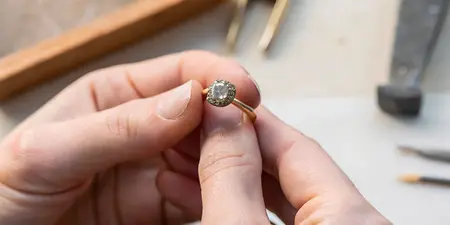
The jewelry you live in, like your engagement ring, wedding band, or go-to studs, needs the most consistent care. Since these pieces are constantly exposed to skin oils, cosmetics, and daily life, they can lose their luster quickly. Plan on giving them a light, at-home cleaning every one to two weeks. A deeper soak once a month will help dissolve more stubborn buildup. To keep everything secure and sparkling, it's a great idea to visit a professional jeweler every six months for a thorough cleaning and to check that all stones are tight in their settings.
For Your Earrings
Earrings, especially studs and hoops worn daily, are magnets for buildup from hair products, lotions, and natural oils. The best way to keep them looking fresh and hygienic is to get into the habit of a quick post-wear wipe-down. After you take your earrings off for the day, simply use a soft, lint-free cloth to gently wipe them clean. This simple two-second step prevents grime from accumulating around the posts and settings, keeping your pieces bright and ready for their next wear.
For Special Occasion Jewelry
Your more dramatic, fine jewelry that you reserve for events or dinners out doesn't require the same frequent attention as your everyday staples. Since these pieces are worn less often, they are less exposed to the elements that cause dullness. For this collection, a good cleaning once or twice a year is usually plenty. A great rule of thumb is to give them a gentle cleaning right before you wear them to ensure maximum sparkle, and another one right after to remove any body oils or perfume before putting them back into storage.
Signs It’s Time for a Cleaning
Sometimes your jewelry will tell you when it needs a bath. If you notice your diamonds look cloudy or your metals appear dull, that’s a clear sign that a film of residue has built up. This film not only hides the beauty of your piece but can also harm certain metals and porous stones over time. You should also plan to clean your jewelry immediately after activities like cooking, gardening, working out, or house cleaning. These tasks expose your pieces to dirt, sweat, and chemicals that are best removed right away. If a home cleaning doesn't restore the shine, it might be time to book an appointment with a professional.
Your Guide to At-Home Cleaning by Material
Not all jewelry is created equal, and the same goes for cleaning methods. A one-size-fits-all approach can do more harm than good, so the first step is always to identify what your piece is made of. Think of it like laundry: you wouldn't wash a delicate silk blouse the same way you wash your gym clothes. Whether you have a sturdy gold band, a string of pearls, or a sterling silver cuff from one of our favorite designers, each material has its own personality and needs a specific kind of care to stay beautiful.
The good news is that you likely already have everything you need for a safe and effective cleaning session right at home. For many pieces, a simple bath in warm, soapy water is all it takes to restore their original shine. For others, like silver that has started to tarnish, you might need a slightly different approach. Knowing the right technique will bring back that sparkle without causing scratches, discoloration, or other damage. It’s all about matching the method to the material. We’ll walk through the best at-home cleaning methods for the most common jewelry materials you'll find in your collection, so you can feel confident giving your favorite pieces the TLC they deserve.
Gold and Gold-Plated Jewelry
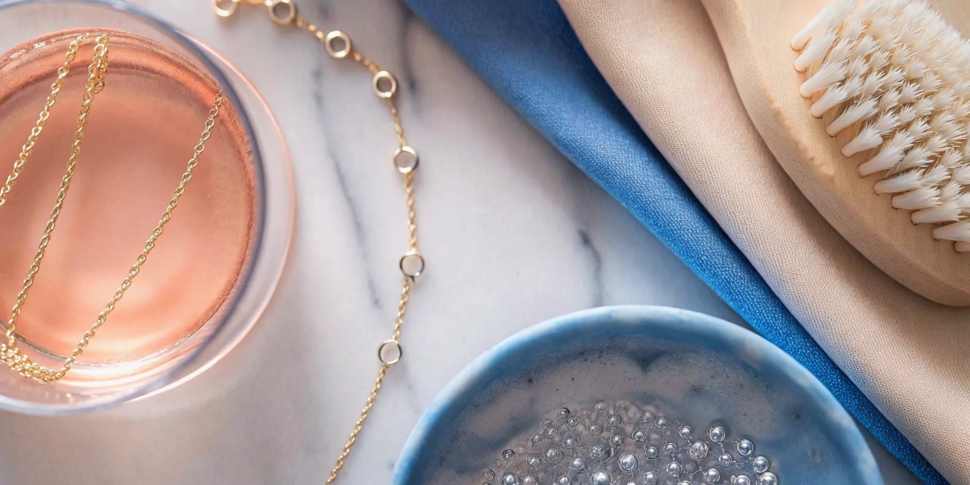
Gold is a classic for a reason: it’s both beautiful and durable. To clean solid gold pieces, all you need is a bowl of warm water and a few drops of mild dish soap. Let your jewelry soak for a few minutes to loosen any buildup. Then, use a soft-bristled toothbrush to gently scrub away any dirt, paying special attention to crevices and settings. Rinse the piece thoroughly under clean water and buff it dry with a soft, lint-free cloth. For gold-plated items, follow the same process but be extra gentle with the brushing. You want to avoid scrubbing too hard, as this can wear away the thin layer of gold over time.
Silver and Sterling Silver Jewelry
Silver has a tendency to tarnish when exposed to air and moisture, but bringing back its bright, cool shine is simple. For light cleaning, you can use a silver polishing cloth. For more significant tarnish, create a paste with three parts baking soda to one part water. Apply the paste to the jewelry with a soft, damp cloth and rub gently. Once the tarnish is gone, rinse the piece completely and buff it dry. To keep your silver looking its best, store it in a lined jewelry box or an anti-tarnish bag, which helps protect it from the elements that cause discoloration.
Diamonds and Hard Gemstones
Diamonds are the hardest natural substance on Earth, so they can handle a good cleaning. The best way to make your bridal jewelry or other diamond pieces sparkle is to soak them in a solution of warm water and gentle dish soap for about 20 to 40 minutes. This helps dissolve any oils or grime. Afterward, use a soft toothbrush to gently clean around the stone and setting. Rinse it well and dry with a lint-free cloth. This method also works perfectly for other hard, non-porous gemstones like sapphires and rubies. While ultrasonic cleaners are effective, it's best to leave those to the professionals to avoid accidentally damaging a setting.
Delicate and Porous Stones
Some stones, like opals, turquoise, and malachite, are porous, meaning they can absorb liquids. Because of this, you should never soak them in water or use harsh chemical cleaners, as this can cause discoloration or even cracking. The safest way to clean these delicate beauties is to simply wipe them down with a soft, damp cloth after each wear. If you need a slightly deeper clean, use a cloth dampened with plain lukewarm water. Gently wipe the surface of the stone, then let it air dry completely. This gentle approach ensures your porous stones remain vibrant and undamaged for years to come.
Pearls and Vintage Pieces
Pearls and many vintage and estate pieces require the most delicate touch. For pearls, skip the soap entirely. Simply use a soft cloth dipped in lukewarm water to gently wipe each pearl. Lay them flat on a soft towel to air dry, as hanging a wet strand can stretch the string. Be especially careful with antique jewelry, particularly pieces with closed-back settings or lockets. Water can get trapped inside these enclosed spaces, leading to rust or other hidden damage. When in doubt with a precious heirloom, a gentle wipe-down is always the safest bet before you book an appointment for a professional opinion.
What to Avoid When Cleaning Your Jewelry
Knowing how to clean your jewelry is one thing, but knowing what not to do is just as crucial. The wrong chemical or an overly aggressive scrub can cause irreversible damage, turning a brilliant piece into a dull or even damaged one. It’s heartbreaking to think a well-intentioned cleaning could harm a piece you love, whether it’s a modern design from one of our featured designers or a treasured vintage find. That’s why we’re focusing on the don'ts. Think of this as your guide to protecting your investment and the sentimental value that comes with it. It’s not about being overly cautious; it’s about being smart.
Many household products that seem harmless can be incredibly destructive to fine metals and delicate gemstones. The same goes for certain cleaning "hacks" you might find online. Before you reach for a quick fix, it’s important to understand what can scratch, tarnish, or chemically alter your pieces. We’ll cover the harsh chemicals and abrasive materials that should never touch your jewelry, some common cleaning mistakes that are easy to make, and a few daily activities where it’s best to leave your jewelry safely aside. By simply avoiding these few things, you can preserve the integrity and sparkle of your favorite pieces for years to come. It’s all about forming simple habits that make a world of difference.
Harsh Chemicals and Abrasives
Step away from the household cleaners. Chemicals like bleach, chlorine, and ammonia are too harsh for fine jewelry, as they can discolor or damage metals and even harm certain gemstones. Alcohol-based cleaners are also on the avoid list, as experts note they can dry out the natural oils in porous stones like opals and turquoise, leading to cracking. The same goes for abrasive materials. While you might think of toothpaste as a gentle polisher, it contains particles that can easily scratch the surface of gold and silver, leaving your jewelry looking dull. Scouring powders and rough sponges are also definite no-gos for the same reason. Stick to soft, dedicated materials for cleaning.
Common Mistakes That Can Cause Damage
We’ve all been tempted to grab whatever is under the sink for a quick polish, but this is one of the most common ways jewelry gets damaged. Using strong household cleaners is a frequent mistake that can have lasting consequences. Another misstep is using a rough tool, like a stiff-bristled toothbrush or a scratchy sponge, which can create micro-abrasions on the metal’s surface. Even something as simple as a paper towel can be too abrasive for a high-polish finish. When in doubt, remember that gentle is always better. The goal is to lift away dirt and oil, not to scrub off the top layer of your beautiful jewelry.
Activities to Avoid While Wearing Jewelry
Sometimes, the best way to keep your jewelry clean is to prevent it from getting dirty or damaged in the first place. A great rule of thumb is "last on, first off." Your jewelry should be the last thing you put on after lotions, hairspray, and perfume, and the first thing you take off. You should always remove your jewelry before activities like cooking, cleaning, gardening, or exercising. Chlorine in pools and hot tubs is particularly bad for metals and gems, and even saltwater can be corrosive. This is especially true for your special bridal pieces, which deserve extra care to stay brilliant for a lifetime.
How to Safely Clean Delicate Pieces
Cleaning your most delicate jewelry can feel a little nerve-wracking. When you’re dealing with porous stones, intricate settings, or vintage pieces, you want to be sure you’re helping, not harming. The good news is that a safe and effective cleaning routine is easier than you think. It’s all about using the right technique for the right piece. For many of your favorite delicate items, a simple at-home bath will do the trick. But it’s just as important to recognize when a piece needs a professional’s touch. We’ll walk through the gentlest method for at-home care and help you decide when it’s best to let an expert take over. This approach ensures your treasured jewelry stays brilliant for years to come, whether it’s a modern piece from one of our favorite designers or a cherished family heirloom.
The Gentle Soap-and-Water Method
For most delicate jewelry, a gentle approach is all you need to restore its shine. Start by mixing a few drops of mild dish soap into a bowl of warm water. Let your jewelry soak for about 20 minutes to loosen any buildup. If your piece has soft stones like pearls, opals, or turquoise, skip the long soak and just dip it briefly. After soaking, use a new, baby-soft toothbrush to gently scrub away any remaining grime, paying special attention to the areas around the setting. Rinse the piece thoroughly under warm running water and pat it dry. This simple method is perfect for keeping your jewelry looking its best between professional cleanings.
Why Proper Drying Is Key
Don’t rush the final step, because proper drying is essential for maintaining the integrity of your jewelry. After rinsing, gently pat your pieces completely dry with a soft, lint-free cloth. A microfiber cloth works wonders here. Leaving water to air-dry can cause spotting, especially in hard water areas, which dulls the surface of both the metal and the gemstone. More importantly, moisture left in the crevices of a setting can contribute to tarnish or even damage the integrity of the piece over time. Taking a moment to dry your jewelry thoroughly ensures a sparkling, water-spot-free finish and protects your piece in the long run.
Knowing When to Skip the DIY Approach
Sometimes, the safest way to clean a piece is to not do it yourself. If you have an antique, a fragile family heirloom, or a piece with many tiny, intricate details, it’s wise to take it to a professional jeweler. We have the right tools and expertise to handle delicate materials and complex designs without risk. This is especially true for vintage and estate jewelry, which may have hidden vulnerabilities. If you’re ever in doubt, don’t risk it. We’re always happy to help you care for your most precious items, so feel free to book an appointment for a professional cleaning and inspection.
How to Keep Your Jewelry Sparkling
Keeping your jewelry beautiful isn't just about occasional deep cleans; it's about the small, thoughtful habits you build into your routine. Think of it as daily self-care for your favorite pieces. When you find jewelry with soul, you want to preserve its story and shine for a lifetime. By paying a little attention to how you wear, store, and handle your accessories, you can protect your investment and ensure it stays as brilliant as the day you got it. These simple practices prevent the gradual buildup of oils and lotions, stop damage before it starts, and maintain the unique character of each piece. It’s the best way to honor the craftsmanship of your favorite designers and keep your collection looking its best.
Simple Daily Habits
The easiest way to maintain your jewelry’s sparkle is with a quick wipe-down after you take it off. Use a soft, lint-free cloth to gently remove the day’s accumulation of natural oils, lotions, and sweat. This simple step takes only a few seconds but makes a huge difference, especially for pieces you wear often. A clean ring will always look brighter and more sparkly than one that’s clouded with daily residue. Making this a regular habit ensures your favorite jewelry always looks fresh and ready to wear, preserving its vibrant appearance for years to come.
Smart Storage to Prevent Scratches and Tarnish
Where you keep your jewelry when you’re not wearing it is just as important as how you clean it. Proper storage is your best defense against scratches and tarnish. Keep your pieces in a lined jewelry box or individual soft pouches to prevent them from rubbing against each other. This is especially important for silver, which can tarnish when exposed to air and moisture. Storing your silver away from sunlight in a dedicated box will help it stay bright. This proactive approach is essential for protecting delicate designer pieces and preserving the integrity of unique vintage and estate pieces.
Knowing When to Take Your Jewelry Off
Sometimes, the best way to care for your jewelry is to not wear it. Always remove your rings and bracelets before washing your hands, showering, or applying makeup, skincare, and perfume. It’s also wise to take your jewelry off before you start cooking, cleaning, or heading to the gym. Chemicals found in cleaning supplies and even the chlorine in pools can be harsh on precious metals and gemstones. Taking a moment to remove your engagement ring or favorite necklace protects it from accidental damage and unnecessary wear, keeping it safe and beautiful for all the moments it’s meant to be worn.
When to See a Professional Jeweler
While at-home cleaning is fantastic for regular upkeep, some pieces deserve a little extra attention. If you're feeling nervous about cleaning a family heirloom, a delicate antique, or a particularly intricate piece, it’s always best to trust a professional. Think of it as a spa day for your jewelry. We have the right tools and expertise to bring back that sparkle safely, ensuring the integrity of your most treasured items is maintained. This is especially true for pieces with a lot of detail or sentimental value, like your bridal jewelry or a one-of-a-kind vintage find.
A professional jeweler can spot potential issues you might miss, like a loose prong on your engagement ring or a clasp that’s about to give. They use specialized equipment that provides a much deeper clean than you can achieve at home. For everyday pieces you clean regularly, you might not need to see a pro as often. But for your most valuable and beloved jewelry, scheduling professional care is a simple way to protect your investment and keep your pieces looking their absolute best for years to come.
What a Professional Cleaning Involves
When you bring your jewelry in for a professional cleaning, it gets more than just a simple polish. The process typically starts with a thorough inspection under magnification to check for any signs of wear and tear. Then, we often use an ultrasonic cleaner, which uses high-frequency sound waves to create tiny bubbles that gently lift away dirt and grime from every nook and cranny. This is followed by a high-pressure steam cleaning to remove any remaining residue and restore maximum brilliance. Most importantly, we perform structural checks to ensure every stone is secure in its setting, giving you peace of mind.
How Often to Schedule Professional Care
For rings and other jewelry you wear frequently, a good rule of thumb is to schedule a professional cleaning every six months. This regular maintenance not only keeps your pieces sparkling but also allows a jeweler to catch small problems before they become big ones. For special occasion jewelry that spends more time in a box than on your body, an annual check-up is usually sufficient. Of course, if you notice a stone is loose or your piece looks particularly dull, don’t wait. You can always book an appointment to have it looked at sooner.
The Value of Regular Inspections
Think of regular professional inspections as preventative care for your jewelry. While a brilliant shine is a great outcome, the real value is in keeping your pieces safe and secure. During an inspection, a jeweler can identify issues like worn prongs, thinning metal, or a weak clasp that could lead to a lost stone or a broken piece. Catching these things early saves you from potential heartbreak and more costly repairs down the road. It’s a small step that plays a huge role in preserving the beauty and longevity of your entire jewelry collection.
Related Articles
- How to Clean Gold Jewelry: A Step-by-Step Guide
- The Ultimate Guide to Jewelry Cleaning at Home
- How to Clean a Diamond Ring Safely at Home
- How to Clean White Gold Jewelry in 4 Easy Steps
Frequently Asked Questions
How often should I clean my engagement ring? Since your engagement ring is an everyday piece, it’s exposed to everything from hand soap to lotion. A light cleaning at home once every week or two will keep it looking its best. This can be a simple soak in warm water with a little mild dish soap. For a deeper clean and to ensure the setting is secure, we recommend bringing it to a professional jeweler for an inspection and cleaning every six months.
What's the safest cleaning method if I'm not sure what my jewelry is made of? When you're in doubt, the most gentle approach is always the best. A simple wipe-down with a soft, damp, lint-free cloth is safe for almost any material. If it needs a bit more attention, a quick dip in lukewarm water with a single drop of mild dish soap, followed by a thorough rinse and gentle pat dry, is a safe bet. Avoid soaking the piece, especially if you suspect it contains porous stones like opals or pearls.
Is it really that bad to wear my rings in the shower or when I wash my hands? Yes, it’s a habit worth breaking. Soaps, shampoos, and lotions leave a film on your jewelry that dulls the sparkle of both the metal and the gemstones. Over time, this buildup can be difficult to remove. More importantly, moisture can get trapped in the settings, which can eventually lead to tarnish or even weaken the structure of the piece. Taking your rings off first is a simple way to protect them.
My diamond looks cloudy even after I clean it. What should I do? If a gentle home cleaning doesn't restore your diamond's fire, it's likely that a stubborn film of oil or residue has built up, especially on the underside of the stone where it's hard to reach. This is a perfect time to see a professional. A jeweler can use ultrasonic and steam cleaners to safely remove tough grime and bring back that brilliant sparkle.
Can I use common household products like toothpaste or baking soda to clean my jewelry? It's best to avoid these DIY cleaning hacks. Toothpaste and baking soda are abrasive and can create tiny scratches on the surface of metals like gold and silver, which will dull their finish over time. Likewise, harsh chemicals like bleach or ammonia can cause permanent damage. Your safest and most effective tools are mild dish soap, warm water, and a soft cloth.
Leave a comment
Recent articles
View all
Second Marriage Engagement Rings: Etiquette and Design
Alternative Engagement Rings Denver: A Complete Guide