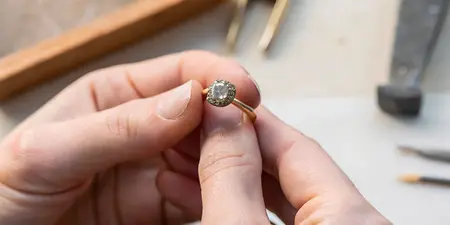

How to Clean Gold Jewelry Without Damaging It
A quick search for cleaning tips can lead you down a rabbit hole of bad advice. You’ll see suggestions for everything from toothpaste to harsh household cleaners, but these so-called "hacks" can cause permanent damage to your most treasured pieces. Abrasive ingredients can scratch soft metals, and strong chemicals can harm delicate gemstones. To protect your collection, it's essential to learn how to clean gold jewelry the right way. This guide cuts through the noise, showing you a simple, jeweler-approved method that is safe for everything from your everyday wedding band to delicate estate pieces.
Key Takeaways
- Stick to the basics for a safe clean: A simple solution of warm water and mild dish soap is the most effective method. A gentle soak followed by a light scrub with a soft brush will restore shine without risking damage to your favorite pieces.
- Know which household products to avoid: Common DIY suggestions like toothpaste, baking soda, and vinegar are too harsh for fine jewelry. These products can scratch soft metals and damage delicate gemstones, so it's best to keep them away from your collection.
- Protect your jewelry with daily habits: The best way to maintain sparkle is through prevention. Put your jewelry on after applying lotions or perfumes, store pieces separately to avoid scratches, and know when intricate or vintage items require a professional's touch.
Why You Should Clean Your Gold Jewelry
Your favorite gold necklace or ring is a part of your daily life, which means it’s exposed to everything you are. Think about it: lotions, soaps, natural skin oils, and even dust can build up over time, creating a film that dulls your jewelry’s natural luster. Cleaning your gold pieces isn't just about making them look good; it's an essential part of caring for them so they last a lifetime. A simple cleaning routine can restore that brilliant shine you fell in love with and keep all the beautiful jewelry in your collection looking its absolute best. It’s a small act of care that makes a huge difference.
How to Tell When Your Gold Jewelry Needs a Clean
So, how often should you be cleaning your gold? A good rule of thumb is to give your pieces a gentle bath about once a month, or every couple of weeks if they get a lot of wear. If a piece looks dull or feels a bit sticky, it’s definitely time for a clean. This is especially true for your everyday items, like a wedding band or go-to earrings, which are in constant contact with your skin and the environment. You don’t need to wait for them to look visibly dirty; regular, proactive cleaning is the key to maintaining their sparkle.
The Benefits of Keeping Your Jewelry Clean
Beyond the obvious benefit of having shinier jewelry, regular cleaning has some great long-term advantages. First, it helps preserve the integrity and value of your pieces. By removing buildup that can trap abrasive dirt particles, you’re protecting the metal from tiny scratches and wear over time. This is so important for maintaining the value of your collection, whether you plan to pass it down or add to your Vintage & Estate pieces one day. Plus, consistent at-home cleanings can save you money and trips to the jeweler, keeping your collection in top shape between professional check-ups.
What You'll Need to Clean Gold Jewelry at Home
Giving your gold jewelry a refresh at home is surprisingly simple, and you likely already have everything you need. Before you get started, gathering the right supplies is the key to making your pieces sparkle without causing any harm. Think of it like cooking: having your ingredients prepped and ready makes the whole process smoother and ensures a better result.
The goal is to be gentle. Gold, especially high-karat gold, is a soft metal that can scratch if you use abrasive materials. The same goes for delicate settings or unique pieces from your favorite designers. By setting up a proper cleaning station with soft, non-damaging tools, you can safely lift away the daily buildup of lotions, oils, and dust that dulls your jewelry’s shine. This little bit of prep work will help you confidently care for everything from your everyday staples to your most treasured pieces.
Your Go-To Cleaning Supplies
You don’t need any fancy equipment to get the job done. A professional-level clean is possible with just a few household items. For a regular cleaning session, which we recommend doing about once a month (or weekly for frequently worn pieces like your go-to rings), here’s what you’ll want to have on hand:
- A small bowl
- Warm water (not hot!)
- A few drops of a mild, phosphate-free dish soap
- A soft-bristled toothbrush (a baby toothbrush works perfectly)
- A soft, lint-free cloth for drying, like microfiber or cotton
The Right Tools for Different Jewelry Types
Not all gold jewelry is created equal, so it’s important to know what you’re working with. Solid gold is durable but can be scratched, so a soft touch is essential. Gold-plated pieces, which have a thin layer of gold over another metal, require even more delicate handling. Avoid vigorous scrubbing or long soaks, as this can wear away the plating over time. If your piece includes gemstones, this gentle soap-and-water method is safe for most hard stones like diamonds, sapphires, and rubies. For softer, more porous stones like opals or pearls, it's best to skip the soak and just wipe them clean with a damp cloth.
Your Step-by-Step Guide to Cleaning Gold Jewelry
Ready to restore your gold jewelry’s original luster? This simple, four-step process is my go-to for safely cleaning everything from everyday rings to special occasion necklaces at home. It’s gentle enough for your most treasured pieces and uses items you likely already have on hand. Follow along to get your favorite jewelry looking brand new again.
Mix Your Cleaning Solution
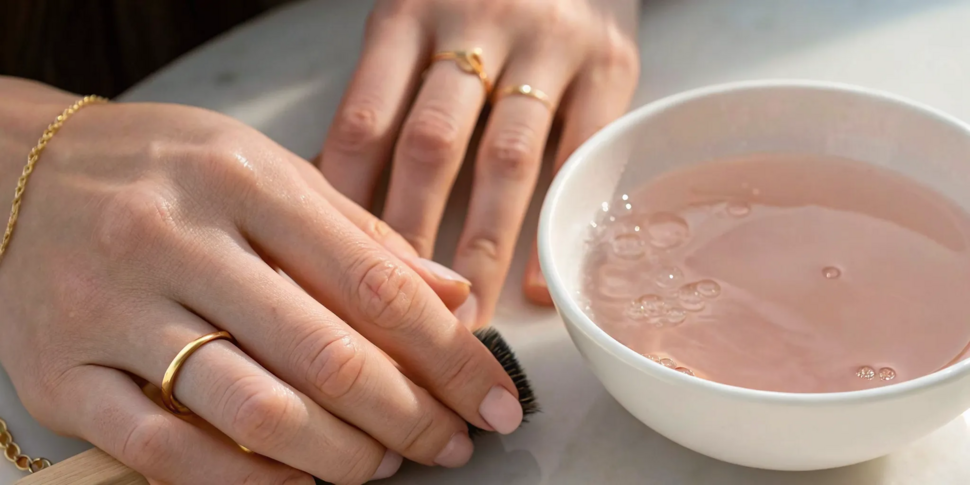
First, create a simple and effective cleaning bath. In a small bowl, mix warm water with a few drops of mild dish soap. Be sure to choose a soap that is free of harsh detergents, phosphates, or moisturizers, as these additives can leave a film on your jewelry. The water should be warm, not hot, especially if your pieces contain delicate gemstones. This gentle solution is all you need to break down the oils and grime that dull your gold’s natural shine without causing any damage.
Let It Soak
Next, place your gold jewelry into the solution. To prevent scratching, it’s best to clean one piece at a time. Let your jewelry soak for about 10 to 20 minutes. This gives the soapy water enough time to work its way into the tiny crevices and loosen any built-up dirt. This step does most of the heavy lifting for you, making the scrubbing process much easier. It’s a perfect, low-effort way to care for your entire collection, from simple bands to intricate designer pieces.
Scrub Gently
After soaking, it’s time to gently scrub away any remaining residue. Use a very soft brush, like a baby toothbrush or one specifically designed for jewelry, to carefully clean each piece. Pay special attention to the areas around settings and within detailed patterns, as this is where dirt tends to accumulate. The key here is to be gentle; you want to dislodge the grime without scratching the metal. A light touch is all you need to reveal the sparkle underneath.
Rinse and Dry with Care
Finally, rinse your jewelry thoroughly under warm running water. A helpful tip: be sure to plug the sink drain before you start! You want to wash away all the soap residue so it doesn’t leave a dull film. Once clean, pat each piece dry with a soft, lint-free cloth, like a microfiber or jewelry polishing cloth. Avoid using paper towels, as their fibers can snag on prongs and scratch the gold. Allow your jewelry to air dry completely before wearing or storing it.
How to Clean Gold Jewelry Safely
Before you start cleaning, it’s important to know what you’re working with. Not all gold jewelry is the same, and the wrong technique can cause damage. Solid gold, gold-plating, and pieces with delicate gemstones each require a slightly different approach to keep them looking their best. Identifying your jewelry type helps you choose the right method and protect your favorite pieces. Think of it as giving each piece the specific care it needs to truly shine.
What to Know About Different Gold Types
Solid gold is a classic, but it’s a soft metal that can be prone to scratches, so a gentle touch is essential. For your everyday solid gold pieces, a quick clean every couple of weeks helps maintain their luster. On the other hand, gold-plated jewelry has a thin layer of gold over another metal. This plating can wear off, so it’s extra important to be careful and avoid vigorous scrubbing. Knowing which type you have is the first step to a safe cleaning routine for all your favorite jewelry.
Caring for Pieces with Gemstones and Pearls
If your gold jewelry features gemstones or pearls, take special care. Soft or porous stones like pearls, opals, and turquoise should never be soaked, as moisture can cause damage. Instead, gently wipe them with a soft cloth dipped in a mild, soapy solution. Most harder gemstones, like diamonds, can handle the same gentle cleaning as plain gold. If you’re ever unsure, especially with unique pieces from our designers, it’s always best to err on the side of caution. A professional cleaning is your safest bet for delicate stones.
How to Handle Gold-Plated Jewelry
With gold-plated jewelry, gentleness is key. That beautiful gold finish is a thin layer, and harsh chemicals or abrasive scrubbing can wear it away. Always use a very soft cloth and a mild cleaning solution, and avoid soaking these pieces for long periods. This is especially true for vintage and estate jewelry, which may have delicate plating that requires an expert touch. A light, careful wipe-down is usually all that’s needed to restore its shine without risking the integrity of the piece.
Cleaning Methods to Skip
A quick search online will give you dozens of DIY jewelry cleaning "hacks." But just because a method uses household items doesn't mean it's safe for your treasured pieces. Some common cleaners and techniques can cause irreversible damage, like scratching the metal or harming delicate gemstones. To keep your jewelry looking its best, it’s just as important to know what not to do. Here are a few methods you should always skip.
Household Products That Can Cause Damage
It’s tempting to reach for whatever cleaner you have under the sink, but please don't. Harsh chemicals in products like Windex can be too aggressive for fine jewelry. The same goes for acidic solutions like lemon juice or straight vinegar. Their high acidity can eat away at the metal alloys mixed with your gold and can seriously damage porous gemstones like pearls or turquoise. Sticking to simple, gentle solutions is the best way to protect the integrity of your favorite designer pieces. Mixing chemicals is also a major no-no, as it can create unpredictable and harmful reactions.
Common Mistakes to Avoid
Beyond using the wrong products, a few common techniques can also cause problems. One of the biggest culprits is toothpaste. While it’s great for your teeth, its abrasive ingredients can easily leave tiny scratches on the surface of your gold rings and necklaces. Another mistake is using boiling water. Extreme heat can cause thermal shock in certain gemstones, leading to cracks. It can also loosen the prongs holding your stones in place. Always opt for warm, not hot, water, especially when cleaning delicate vintage and estate jewelry that may have hidden vulnerabilities.
Popular Cleaning Myths, Busted
Let's clear up a few popular cleaning myths. The idea of using a baking soda paste is a common one, but like toothpaste, baking soda is an abrasive that can scratch soft metals and damage certain finishes. While it might work for heavy-duty cleaning on other items, it’s too risky for your fine jewelry. We’ve already mentioned vinegar, but it’s worth repeating: avoid it. Soaking your gold pieces in vinegar can harm any gemstones they feature and may react poorly with the other metals alloyed with the gold. When in doubt, always choose the gentlest method possible.
How Often Should You Clean Your Gold Jewelry?
Knowing how often to clean your gold jewelry can feel like a guessing game, but it really comes down to one simple thing: how often you wear it. Just like your favorite sweater, pieces that see a lot of action need a little more care than the ones saved for special nights out. Daily exposure to skin oils, lotions, makeup, and even just the environment can cause buildup that dulls your jewelry’s shine over time. Creating a simple cleaning routine is the best way to keep every piece, from your go-to gold hoops to a stunning statement necklace, looking as brilliant as the day you got it. It’s not about adding another chore to your list; it’s about creating a small ritual to care for the pieces you love.
For Everyday vs. Special Occasion Pieces
The jewelry you live in, like your wedding band or a pair of everyday studs, needs the most consistent attention. Because these pieces are constantly exposed to the elements, aim to give them a gentle cleaning about once a month. If you’re particularly active or your jewelry comes into contact with a lot of products, you might want to clean it every week or two. On the other hand, your special occasion pieces, like a dramatic cocktail ring or a delicate vintage necklace, don’t need as much upkeep. Since they spend most of their time safely stored away, a good cleaning every three months is usually plenty to keep them sparkling.
Set a Simple Cleaning Schedule
The key to beautiful jewelry is consistency, so try to set a simple cleaning schedule you can stick to. You could set a recurring reminder on your phone or tie it to another monthly task. For your everyday jewelry, a quick soak and scrub every two weeks to a month will do the trick. For those less-worn treasures, a quarterly cleaning is a perfect rhythm. Regular home cleaning is an easy and effective way to maintain the luster of your entire jewelry collection between professional check-ups. This small habit ensures your favorite pieces are always ready to wear and shine.
When to Call in a Professional
While cleaning your gold jewelry at home is a great way to maintain its shine, some pieces and situations call for a professional's touch. Think of it like this: you can handle the weekly tidying up, but every so often, you need a deep clean. Professional jewelers have specialized tools, ultrasonic cleaners, and steamers that can safely remove stubborn grime from the tiniest crevices without risking damage. They are also trained to spot potential issues, like a loose prong, before it becomes a bigger problem. Trusting an expert is especially important for your most valuable or sentimental pieces, ensuring they stay in beautiful condition for years to come. When in doubt, it’s always safer to let a professional handle it.
For Intricate Designs and Vintage Pieces
If your jewelry box contains pieces with complex designs, delicate settings, or precious gemstones, it’s best to leave the cleaning to an expert. Intricate metalwork can easily trap dirt in places a soft brush can’t reach, and using too much pressure can cause damage. The same goes for older items, like the beautiful finds in a Vintage & Estate collection. These pieces often have unique histories and can be more fragile than modern jewelry, requiring a specialist’s gentle and knowledgeable approach. A professional jeweler will assess the piece and use the right techniques to restore its sparkle without compromising its integrity, giving you total peace of mind.
Signs It's Time for an Expert Cleaning
Sometimes your jewelry will give you clear signals that it needs more than a simple soak. If you notice deep scratches, significant discoloration that doesn't lift with a gentle wash, or a dull, faded surface, it’s time to schedule a professional cleaning. Pay close attention to your gemstones. If any stones look loose in their settings or appear cloudy underneath, avoid cleaning them at home. Trying to scrub around a loose stone could cause it to fall out. If you see any of these warning signs, it's a good idea to book an appointment with a jeweler who can not only clean your piece but also inspect it for any needed repairs.
How to Keep Your Gold Sparkling Between Cleanings
A deep clean can restore your jewelry’s original brilliance, but the real secret to lasting shine is how you care for your pieces every day. Think of it like this: you wouldn’t wait for a stain to set in before treating it, and the same principle applies to your favorite gold accessories. By adopting a few simple habits, you can protect your jewelry from the daily grime, oils, and environmental factors that cause it to look dull over time.
This isn't about adding complicated steps to your routine. It’s about making small, mindful adjustments that prevent damage and buildup before they start. Proper storage and knowing when to take your jewelry off are the two biggest factors in keeping your pieces looking as beautiful as the day you got them. These practices not only preserve the sparkle of your gold but also protect delicate settings and gemstones, ensuring your treasured pieces last a lifetime. Let’s get into the simple ways you can maintain that glow between professional cleanings.
How to Store Your Jewelry Correctly
Where you keep your jewelry when you’re not wearing it matters more than you might think. The goal is to protect it from moisture, scratches, and tangles. Always store your gold pieces in a dry place. Humidity can speed up tarnishing, especially for lower-karat gold. The best practice is to give each piece its own home, whether that’s a soft pouch, a separate compartment in a jewelry box, or the original box it came in.
This prevents your jewelry from rubbing against other pieces, which can cause tiny scratches that dull the surface over time. It’s especially important for delicate items like fine chain necklaces that can easily get tangled with other pieces, leading to stress on the links.
Simple Daily Habits to Protect Your Pieces
Think of your jewelry as the finishing touch. Lotions, perfumes, hairspray, and makeup can create a film on your gold, making it look grimy and dim. To avoid this, get into the habit of putting your jewelry on last, after all your products have had a moment to set. It’s also a good idea to remove your rings and bracelets before activities that could expose them to harsh chemicals or impact, like cleaning the house, swimming, or working out.
Even sleeping and showering with your jewelry on can cause unnecessary wear. The constant friction can weaken settings over time, especially for delicate bridal pieces you wear every day. A little mindfulness goes a long way in protecting your investment.
Related Articles
Frequently Asked Questions
How often should I clean my engagement ring or wedding band? For pieces you wear every day, like a wedding band, a gentle cleaning every two to four weeks is a great rhythm to get into. These rings are constantly exposed to lotions, soaps, and natural skin oils, so more frequent care helps prevent buildup and keeps them looking brilliant.
Is it really safe to use dish soap on my fine jewelry? Yes, it is perfectly safe as long as you use the right kind. A few drops of a simple, mild dish soap without phosphates, fragrances, or harsh detergents will do the job beautifully. This gentle formula is effective at cutting through oils and grime without leaving a film or damaging the metal.
What's the best way to dry my jewelry without scratching it? After rinsing, gently pat your jewelry dry with a soft, lint-free cloth. A microfiber cloth or a specific jewelry polishing cloth works perfectly. The key is to pat, not rub, to avoid creating tiny scratches on the metal's surface. You should also avoid using paper towels, as their fibers can be abrasive.
My gold-plated jewelry is starting to look faded. Will cleaning help? Cleaning will definitely remove any surface dirt and restore some shine, but it cannot reverse fading. Fading on gold-plated pieces occurs when the thin layer of gold has worn away over time. If your piece looks worn, it's best to bring it to a professional who can assess if it can be replated.
When should I stop trying to clean it myself and just bring it to a professional? If a gentle at-home cleaning doesn't lift the dullness, or if you notice any deep scratches, significant discoloration, or loose stones, it's time to see an expert. A professional has the right tools to deep clean your piece safely and can also inspect it for any necessary repairs.
Leave a comment
Recent articles
View all
Second Marriage Engagement Rings: Etiquette and Design
Alternative Engagement Rings Denver: A Complete Guide