
Diamond Appraisal Near Me: How to Find an Expert
That beautiful diamond ring on your finger is more than just a piece of jewelry; it’s a symbol of a promise, a memory, or a milestone. While its sentimental value is priceless, its financial value is very real and deserves protection. Getting a professional diamond appraisal is the single most important step you can take to safeguard that investment. It’s the key to getting proper insurance coverage and having total peace of mind. But this brings up the big question: how do you find someone you can trust? Your first instinct might be to search for a "diamond appraisal near me," but knowing what to look for in a qualified expert is crucial. This guide will walk you through everything you need to know.
Key Takeaways
- An appraisal is your financial protection: This document is the key to getting proper insurance coverage, making sure you can replace your jewelry at its current value. It also provides an official valuation that simplifies future estate planning.
- Choose a certified and independent appraiser: Your appraisal is only as good as the expert who performs it. Select a professional with credentials from organizations like the GIA or AGS and confirm they charge a flat or hourly rate, not a percentage of the item's value, to ensure an unbiased assessment.
- Keep your appraisal current: Market conditions change, so your jewelry's value does too. Reappraise your pieces every three to five years to ensure your insurance policy reflects the current replacement value and your protection remains adequate.
What Is a Diamond Appraisal and Why Is It So Important?
Think of a diamond appraisal as your jewelry’s official biography and financial statement rolled into one. It’s a detailed document prepared by a certified professional that describes your diamond in full, from its cut and clarity to its carat weight and color, and then assigns it a specific monetary value. Whether you’ve just received a beautiful engagement ring or inherited a family heirloom, getting an appraisal is one of the most important steps you can take. It’s not just about knowing a number; it’s about protecting your investment, making informed decisions, and securing your peace of mind for years to come. An appraisal provides the clear information and confidence you need for everything from insurance to estate planning.
Get the Right Insurance Coverage
This is the big one. Life happens, and if your precious diamond is ever lost, stolen, or damaged, you’ll want to be sure your insurance policy covers its true replacement value. To get the right coverage, your insurance provider will require a formal appraisal. This document gives them the proof they need to insure your piece for the correct amount. Without it, you risk being underinsured, which could leave you with a significant financial loss and a lot of heartache. For a piece as meaningful as a bridal ring, having an up-to-date appraisal is non-negotiable for proper protection.
Know Your Diamond's Market Value
Beyond insurance, an appraisal gives you a clear and objective understanding of your diamond's current market value. This knowledge is powerful. It gives you confidence in your asset, whether you plan to wear it forever, pass it down, or potentially sell it one day. The diamond market can change, so having a professional assessment helps you understand what your piece is worth right now. This is especially important for unique pieces, like those in our Vintage & Estate collection, where value is determined by rarity and historical context in addition to the diamond's quality.
Simplify Estate Planning
Talking about estate planning can feel heavy, but preparing for the future is a true act of love for your family. When it comes to dividing assets, jewelry can be particularly sentimental and tricky to handle. A professional appraisal provides a precise, independent valuation that can be used in legal situations. This simple document removes ambiguity, helps ensure your collection is divided fairly according to your wishes, and prevents potential disputes among heirs. It’s a straightforward way to make sure the beautiful pieces you’ve cherished continue to bring joy, not stress, to the next generation.
Appraisal vs. Grading Report: What's the Difference?
This is a common point of confusion, so let’s clear it up. A grading report and an appraisal are not the same thing, though they are related. Think of a grading report (from a lab like the GIA) as your diamond’s birth certificate. It details the diamond’s specific characteristics, the famous 4Cs: cut, color, clarity, and carat weight. It’s a scientific document that assesses quality, not value. An appraisal, on the other hand, uses the information from the grading report, along with current market data, to assign a monetary value to your jewelry. In short, a grading report tells you what you have, while an appraisal tells you what it’s worth.
What to Look For in a Qualified Appraiser
Finding the right person to appraise your diamond is just as important as the appraisal itself. You’re looking for an expert who can give you an accurate and unbiased assessment of your jewelry’s value, not just a quick estimate. A qualified appraiser combines gemological expertise with a deep understanding of the market, ensuring the final report is trustworthy and useful, whether it’s for insurance, estate planning, or your own peace of mind.
Think of it this way: you wouldn't ask just anyone for financial advice, and the same principle applies to your valuable jewelry. The appraiser’s qualifications, independence, and professionalism are the cornerstones of a reliable valuation. To make sure you’re working with a true professional, you need to know what credentials to look for, why their independence matters, and what red flags should make you walk away. Taking the time to vet your appraiser protects your investment and gives you confidence in the value of your beautiful pieces. We’ll walk through the key things to look for so you can find an expert you can trust.
Key Certifications to Know (GIA, AGS, NAJA, ASA)
When you start your search, you’ll likely come across a few acronyms. These aren't just random letters; they’re certifications that prove an appraiser has completed extensive training and is committed to high ethical standards. Look for appraisers certified by leading organizations like the Gemological Institute of America (GIA), the American Gem Society (AGS), the National Association of Jewelry Appraisers (NAJA), or the American Society of Appraisers (ASA). An appraiser with a GIA Graduate Gemologist (GG) diploma, for example, has deep, hands-on knowledge of diamond grading. These credentials show that an appraiser has the skills to accurately assess your jewelry and is serious about their craft.
Why an Independent Appraiser Is Crucial
Choosing an independent appraiser is one of the smartest moves you can make. An independent appraiser’s only job is to provide an accurate, objective valuation. They don’t buy or sell jewelry, which means there’s no conflict of interest. An appraiser who also offers to buy your diamond might be tempted to undervalue it to get a better price. With an independent expert, you can be sure their assessment is based solely on the facts. Their entire focus is on giving you a fair and honest appraisal, which is exactly what you need for important matters like getting the right insurance coverage or settling an estate.
Red Flags to Watch Out For
Knowing what to avoid is just as important as knowing what to look for. Keep an eye out for red flags that might signal a lack of professionalism. Be cautious if an appraiser charges a fee based on a percentage of the diamond’s value, as this can create an incentive to inflate the price. A trustworthy appraiser will charge a flat fee or an hourly rate. You should also be wary of anyone who doesn’t have proper gemological equipment or seems to rush through the evaluation. A professional appraisal is a detailed process. If you ever feel unsure, asking a trusted jeweler for a recommendation is a great place to start. We're always happy to point you in the right direction when you book an appointment with us.
How to Find a Reputable Diamond Appraiser
Finding a qualified appraiser is just as important as the appraisal itself. You’re placing a valuable and often sentimental piece of your life in someone’s hands, so you need to know they are trustworthy, knowledgeable, and unbiased. The goal is to find an expert who will give you an accurate and honest assessment. Taking the time to find the right person will give you peace of mind and a document you can rely on for years to come. Here are a few straightforward steps to help you find a professional you can trust.
Search Online Directories and Reviews
A great place to start your search is online, but it’s important to know where to look. Instead of a generic search, head straight to the directories of professional appraisal organizations. The American Gem Society (AGS), for example, has a tool that lets you find certified appraisers in your area. These directories only list members who have met strict educational and ethical requirements. Once you have a few names, look up their reviews. Reading about other people’s experiences can give you a real sense of an appraiser’s professionalism, attention to detail, and customer service. Look for consistent positive feedback as a sign you’re on the right track.
Ask Your Jeweler for a Recommendation
Your personal jeweler can be one of your most valuable resources. Think about it: we work in this industry every day and have built relationships with a network of trusted professionals. We know who has the right credentials, who does thorough work, and who treats clients with respect. When you have a great relationship with your jeweler, you can count on them to steer you in the right direction. We often help clients with services related to insurance and estate planning, so recommending a top-notch appraiser is part of ensuring your beautiful jewelry is properly protected. If you’re unsure where to begin, feel free to book an appointment with us; we’re always happy to help.
Questions to Ask Before You Commit
Once you have a short list of potential appraisers, it’s time to ask a few key questions before making your final decision. Don’t be shy about this part; a true professional will be happy to provide clear answers. First, ask about their fees. Do they charge a flat rate per piece or an hourly rate? Next, inquire about their credentials. Ask if they hold certifications from recognized organizations like the National Association of Jewelry Appraisers (NAJA) or the American Gem Society (AGS). This confirms they have formal training and adhere to high ethical standards. Finally, ask what their process looks like and what you’ll receive in the final report. This conversation will help you feel confident you’re choosing the right expert.
How Much Does a Diamond Appraisal Cost?
Figuring out the cost of a diamond appraisal is a key step in the process, and it’s probably more straightforward than you think. While there isn't one single price tag, understanding the common pricing structures will help you find a qualified professional who charges fairly for their expertise. Most appraisers charge either a flat fee or an hourly rate. Both are standard industry practices, but you’ll want to know which one you’re paying for before you hand over your jewelry. This transparency is the mark of a true professional.
There is, however, a less common (and more problematic) method you should know about: a fee based on a percentage of the diamond's final value. This is a major red flag, and we’ll get into exactly why below. Beyond the pricing model, the final cost will also depend on a few other factors, like the appraiser’s credentials and the complexity of your piece. Getting a handle on what to expect financially helps you move forward with confidence and focus on what really matters: getting an accurate and honest assessment of your beautiful diamond. It’s an investment in peace of mind, ensuring your treasured piece is properly valued and protected for years to come.
Hourly Rates vs. Flat Fees
Most professional appraisers charge either an hourly rate or a flat fee. An hourly rate can range from about $50 to over $150, depending on the appraiser's experience and your location. This option can be suitable for more complex jobs, like appraising an entire collection of jewelry. For a single item, however, a flat fee is often more straightforward. This typically runs from $75 to $300 for a standard diamond ring. The biggest advantage of a flat fee is its predictability; you know exactly what you’ll pay from the start. Professional organizations like the American Society of Appraisers can be a great resource for finding certified experts who use transparent pricing.
The Problem with Percentage-Based Fees
If an appraiser wants to charge you a percentage of your diamond’s appraised value, you should walk away. This pricing model creates a serious conflict of interest. Think about it: if the appraiser’s fee is tied to the diamond’s value, they have a direct financial incentive to inflate that number. Reputable industry groups, including the International Society of Appraisers, strongly advise against this practice because it undermines the entire point of an appraisal, which is to get an unbiased, expert opinion. A trustworthy appraiser provides an objective valuation, and their fee should never depend on the outcome of their assessment. Your peace of mind is worth finding someone who charges a fair, predetermined rate.
Factors That Influence the Price
Beyond the basic fee structure, a few other things can affect the final cost of your appraisal. An appraiser with top-tier certifications and years of experience will likely charge more than someone just starting out, but their expertise is often worth the investment. The complexity of your jewelry also plays a big role. A simple solitaire ring is easier (and therefore less expensive) to appraise than an intricate piece of vintage and estate jewelry with multiple stones and detailed metalwork. Your geographic location matters, too, as costs are generally higher in large metropolitan areas. Finally, the level of detail required in the report can influence the price, especially if you need it for a specific legal or financial purpose.
The Appraisal Process: What to Expect
Getting a diamond appraised might sound intimidating, but it’s actually a straightforward process. Knowing what happens behind the scenes can help you feel confident and prepared. An appraisal is a detailed inspection by a certified professional who determines your jewelry’s value. It’s a scientific evaluation that gives you a clear, objective understanding of what your piece is worth, which is essential for insurance, estate planning, or simply for your own peace of mind.
The appraiser will examine your diamond and its setting, take precise measurements, and document every detail. They’ll assess its quality based on established standards and research current market data to assign a value. The goal is to provide you with an official document that accurately reflects the quality and worth of your jewelry. Let’s walk through what you can expect at each step of your appointment.
What to Bring to Your Appointment
Being prepared for your appointment will make the process smoother for both you and the appraiser. First and foremost, bring the piece of jewelry you want to have appraised. It’s also helpful to gather any documentation you have for it. This could include the original sales receipt, a diamond grading report from a lab like GIA, or any previous appraisal reports. These documents provide a valuable history of the piece. Before you head in, it’s always a good idea to call ahead and ask if there’s anything specific they need from you. A quick chat can ensure you have everything you need when you book an appointment.
How Your Diamond Is Evaluated (The 4 Cs and Beyond)
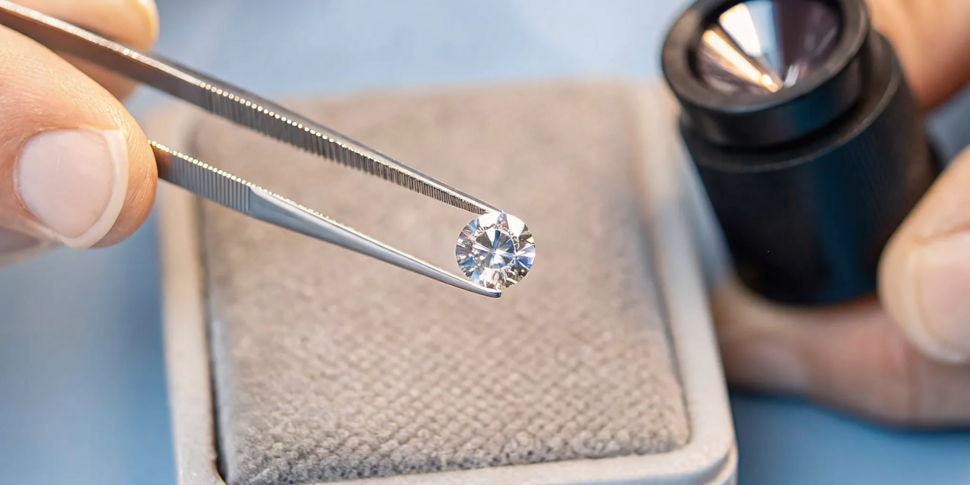
A professional appraisal is much more than a quick glance. The appraiser will conduct a thorough, scientific evaluation of your diamond based on the 4 Cs: cut, color, clarity, and carat weight. They use specialized tools to measure the diamond’s proportions, check for inclusions, and assess its color grade. But the evaluation doesn’t stop there. The appraiser also examines the mounting, identifies the type of metal used, and assesses the overall craftsmanship and condition of the piece. This detailed approach applies to all kinds of fine contemporary jewelry, from modern engagement rings to family heirlooms, ensuring the final value is based on facts, not just a quick opinion.
What Your Written Report Should Include
After the examination, you’ll receive a formal written report. This isn’t just a slip of paper with a number on it; it’s a detailed legal document that serves as proof of your jewelry’s value. A proper report will include a complete description of your piece, including its measurements, weight, and materials. It will detail the 4 Cs of the main diamond, describe any side stones, and include a clear photograph. A trustworthy appraisal will be USPAP-compliant, meaning it follows a strict set of ethical and performance standards. This ensures the document is accepted by insurance companies and can be used for legal or estate purposes.
Common Myths About Appraisal Value
One of the biggest misconceptions is that the appraisal value is what you could sell the piece for tomorrow. In reality, the appraisal value, or Retail Replacement Value, is the estimated cost to replace the item with a new, similar one from a retail jeweler. This value is typically higher than the resale value. Another myth is that any jeweler can give you an accurate appraisal. For an unbiased assessment, it’s best to use a certified, independent appraiser who doesn’t buy or sell jewelry, as this avoids a conflict of interest. This is especially important for unique Vintage & Estate pieces where value can be highly nuanced.
How Often to Reappraise Your Diamond
Your diamond’s value isn’t static. The markets for precious metals and gemstones fluctuate over time, which means your appraisal can become outdated. To ensure your jewelry is always properly insured, it’s a good practice to have it reappraised every three to five years. An updated appraisal guarantees that your insurance coverage reflects the current replacement value, so you won’t be left underinsured in the event of loss, theft, or damage. Regular reappraisals give you continued peace of mind, knowing that one of your most treasured possessions is protected.
Related Articles
- Jewelry Appraisal Near Me: A Complete Guide
- Jewelry Insurance Appraisal: A Complete Guide
- Jewelry Evaluation: A Complete Beginner's Guide
Frequently Asked Questions
How often should I get my diamond reappraised? Think of it as a regular check-up for your jewelry's financial health. Because the markets for diamonds and precious metals can change, it’s a smart move to have your pieces reappraised every three to five years. This ensures your insurance coverage keeps up with the current replacement value, so you’re never underinsured. An updated appraisal provides the peace of mind that your treasured items are properly protected.
Is the appraisal value the same amount I could sell my ring for? This is a great question, and the short answer is no. The value on an appraisal report is typically the "retail replacement value." This is the estimated cost to buy a brand new, similar item from a retail store, and it's the number your insurance company uses to set your policy. The resale value, or what you might get if you sold the piece, is usually lower than this figure.
My diamond came with a GIA report. Isn't that the same as an appraisal? While they are related, they serve very different purposes. A GIA grading report is like your diamond’s technical resume; it details its specific characteristics like cut, color, clarity, and carat weight. It’s a scientific assessment of quality, not a valuation. An appraisal takes that information, combines it with current market data, and assigns a monetary value to the entire piece of jewelry.
Why can't I just use my original sales receipt for insurance purposes? Your sales receipt shows what you paid for the item on a specific day, but its value can change over time. An appraisal provides the current cost to replace the item, which is what insurance providers need to determine the correct amount of coverage. Relying on an old receipt could leave you underinsured if the value of your diamond has increased since you bought it.
Should I be worried if an appraiser wants to charge a percentage of my diamond's value? Yes, you should see this as a major red flag. This type of fee structure creates a conflict of interest, as the appraiser has a financial incentive to inflate the value of your piece to earn a higher fee. A trustworthy, professional appraiser will always charge a flat fee per item or a set hourly rate for their work, ensuring their assessment is completely unbiased.
Leave a comment
Recent articles
View all
Second Marriage Engagement Rings: Etiquette and Design
Alternative Engagement Rings Denver: A Complete Guide