How to Choose an Engagement Ring: A Complete Step-by-Step Guide
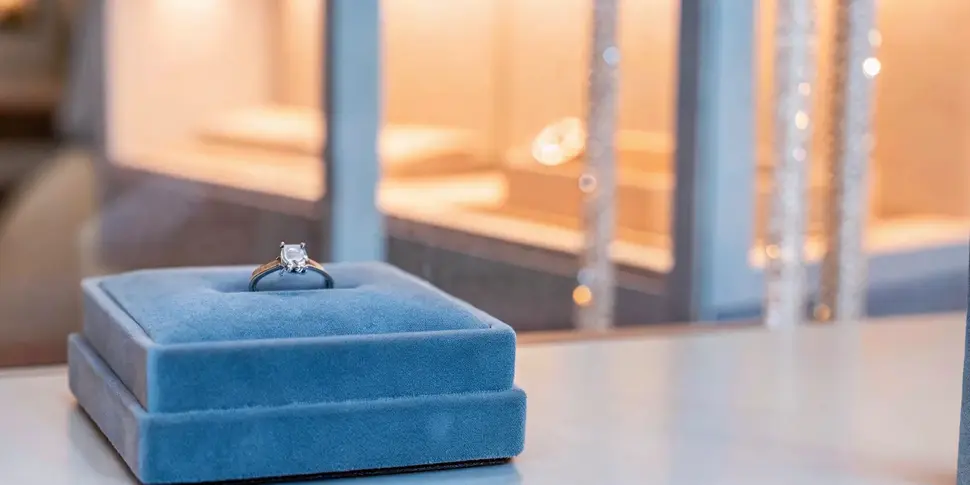
Stepping into a jewelry showroom without a plan often leads to expensive confusion. The glittering displays and endless choices can quickly turn an exciting milestone into a stressful chore. Luckily, choosing a piece that lasts a lifetime becomes simple when you break it down step by step.
Ready to find the perfect engagement ring? Browse our curated bridal collection or schedule a free consultation with our Denver jewelers today.
Learning how to choose an engagement ring begins with three basic decisions: setting a comfortable budget, picking a band metal, and choosing your stone. You should also understand standard diamond quality factors like cut, color, clarity, and carat weight to help you focus on what matters most. Working with a warm, helpful local jeweler makes this buying journey simple and helps you avoid the stressful, high-pressure pitches at corporate showrooms. For couples in Colorado, finding unique engagement rings in Denver means focusing your search on independent designers and custom, non-mass-produced jewelry. By taking your time to learn these basic steps, you will easily find a beautiful ring that matches your partner's style and your budget.
While you might wonder how to navigate all these decisions, the process is simple when you take it one step at a time. The path begins with setting your personal goals and a realistic budget.
How To Choose An Engagement Ring: How to Start: Set a Budget and Timeline
Buying an engagement ring is one of the most exciting journeys of your life. To make it smooth, you should start by setting a clear plan for your budget and timeline.
Talk to Your Partner First
The first step in learning how to choose an engagement ring is to speak with your partner about their preferences. You need to understand their daily life, style tastes, and favorite ring styles. A standard GIA guide to buying engagement rings notes that knowing these lifestyle details and desires is vital before you shop. These early talks will help you narrow down the search and ensure the ring you choose matches their hopes and fits their everyday wear. You do not have to guess about style. Look at the jewelry they wear now, or ask close friends for advice.
A Realistic Budget
There is no set rule for how much you should spend. Forget the old myth of spending two months of your salary. Today, smart buyers set a clear budget based on their unique financial goals. A solid budget lets you focus on quality over size. To plan your finances, read our complete guide on budgeting for an engagement ring. Your budget will help a local jeweler show you the best options without stretching your finances.
When you walk into a jewelry boutique, the jeweler will ask several basic questions to guide your search. Be ready to talk about these key details:
- Your total budget range for the ring
- Your target timeline or proposal date
- Preferred diamond shapes, such as round or fancy cuts
- Metal color choices, like yellow gold or platinum
- The ring size your partner needs
Plan Your Timeline
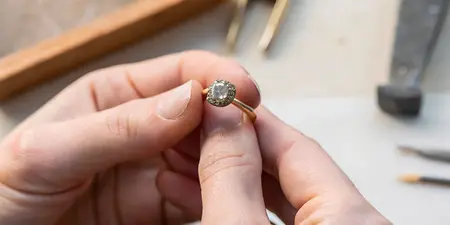
Do not wait until the last minute to buy your ring. The entire process of finding or designing a ring usually takes three to six months. Starting early gives you plenty of time to research and make choices without stress. This timeline is even more important if you choose a custom ring. Custom bridal design at Element 79 involves a careful process with hand sketches, digital models, and expert bench work. Typically, custom rings need two to eight weeks of work from the first consultation to the final finish.
What Are the 4Cs of Diamond Quality?
When you look at diamonds, you need a clear way to judge their quality. The 4Cs of diamond quality serve as the global standard for grading. This system stands for color, clarity, cut, and carat weight. It helps you compare stones and find the best fit for your budget. If you want a deep dive, check out our guide on how to buy a diamond ring.
Why Cut Matters Most
Many people think cut refers only to shape. In truth, it is about how well the stone interacts with light. Cut quality is determined by a diamond's proportions, symmetry, and polish, directly impacting its brilliance, sparkle, and fire. A well-cut diamond reflects light from facet to facet and throws it back through the top. If a diamond is cut too shallow or too deep, light leaks out of the sides or bottom, making the stone look dull.
When you shop, put cut quality first. A top-tier cut can make a smaller stone look larger and can even hide minor color and clarity flaws.
Color and Clarity Demystified
Color refers to the lack of color in a diamond. The GIA D-to-Z scale measures color, where D stands for a completely colorless diamond and Z shows light yellow or brown tints. Colorless stones are rare and cost the most. Most buyers find great value in the G-to-J range. These diamonds look white to the eye but cost much less than D-F colorless stones.
Clarity measures the small flaws inside and on the surface of the stone. Diamond clarity is graded on a scale ranging from Flawless to Included. True flawless diamonds are rare and costly. But you do not need a flawless stone to have a beautiful ring. Most SI1 and SI2 stones are eye-clean, meaning you cannot see the flaws without magnification. Selecting an eye-clean stone is a smart way to save money.
Carat Weight and Smart Budgeting
Carat weight is a measurement of a diamond's size. Generally, the greater the carat weight, the rarer and more valuable the diamond, provided the other Cs are comparable. As weight goes up, the price jumps in large leaps because larger rough diamonds are harder to find.
Putting the 4Cs first helps buyers manage their budget by identifying which traits they value most. If you want a larger stone, you can choose a lower color or clarity grade to keep the price down. If you want pure sparkle, focus your funds on cut quality. Whatever you choose, always insist on a diamond grading report from an independent lab like GIA or AGS. This ensures you get exactly what you pay for.
How Do You Choose the Right Diamond Shape and Setting?
When learning how to choose an engagement ring, knowing your diamond shape is just as important as understanding the 4Cs. The stone shape and the way it is set define the beauty, feel, and durability of the ring. These choices affect how the ring catches the light on your finger and how it feels during daily wear.
Diamond Shapes and Their Effects
The shape of your center stone dictates the look of your ring. Traditional round brilliant diamonds are famous for their unmatched sparkle. But fancy-cut diamonds, including radiant, oval, pear, and marquise, offer other style options. Oval and pear cuts can make fingers look longer and more slender. Cushion and radiant cuts offer a vintage look with deep flashes of color. If you want something truly unique, explore our guide to unique engagement ring styles.
Setting Styles and Protection
Once you pick a shape, you must choose a setting. Your setting style influences the overall look and how well the diamond is protected. A solitaire setting uses prongs that let in the most light. A halo setting surrounds the center stone with small diamonds to make it appear larger. A three-stone ring can incorporate colored side stones such as birthstones for a personal touch. Each setting offers a different balance of brilliance, protection, and style.
| Diamond Shape | Setting Style | Best For | Key Benefit |
|---|---|---|---|
| Round Brilliant | Solitaire | Short fingers, active lifestyle | Maximum sparkle, classic look |
| Oval or Pear | Halo | Wide hands, moderate activity | Elongates fingers with extra brilliance |
| Cushion or Radiant | Three-Stone | Long fingers | Vintage charm with substantial finger coverage |
| Marquise | Pave or Bezel | Small hands, low activity | Slender profile with secure setting |
Active people often benefit from a bezel or low-profile setting that will not snag on clothing. Those who want maximum visual impact may prefer a raised prong setting that lets light enter from all angles. Talking with a local design expert at Element 79 can help you find a ring that fits your daily life perfectly.
Not sure which shape and setting suit your style? Book a complimentary consultation with our design team in Cherry Creek North and try on different styles in person.
Natural vs. Lab-Grown Diamonds: What to Know
When you start learning how to choose an engagement ring, you will face a big decision: natural diamond or lab-grown diamond? This choice affects your budget, your values, and the overall feel of the ring. At Element 79 in Denver, we carry both options to help you find your perfect fit.
Origins and Physical Traits
Natural diamonds are formed deep in the earth over billions of years under intense heat and pressure. This long process makes them rare and unique. Lab-grown diamonds, on the other hand, are created in a controlled laboratory environment that mimics the earth's natural process, growing a diamond in a matter of weeks.
Both types are real diamonds with identical chemical, physical, and optical properties. They have the same hardness, the same brilliance, and the same sparkle. You cannot tell them apart with the naked eye. Only specialized equipment in a gemological laboratory can distinguish between them.
| Feature | Natural Diamonds | Lab-Grown Diamonds |
|---|---|---|
| Origin | Formed in the earth over billions of years | Grown in a lab in a few weeks |
| Chemical Composition | Pure carbon crystal structure | Pure carbon crystal structure |
| Cost | Higher, due to natural rarity | 30% to 50% less expensive |
| Long-Term Value | Retains strong resale and heirloom value | Value may decrease as production scales |
Cost and Value Considerations
Lab-grown diamonds cost significantly less to produce, which means you can buy a larger stone for the same budget. This makes them an attractive option for buyers who want maximum size without sacrificing quality. However, natural diamonds have historically retained their value better over time. They are finite and rare, which supports their resale market. If passing a heirloom-quality piece to future generations matters to you, a natural diamond may be the better choice. Our team at Element 79 can help you weigh these options based on your priorities.
Select the Right Band Metal for Your Lifestyle
When learning how to choose an engagement ring, you must consider the band metal carefully. The metal does more than hold your stone; it affects how the ring looks. How it feels on the finger, and how well it stands up to daily wear. Different metals offer distinct aesthetics and different levels of durability.
Gold Options: Yellow, White, and Rose
Gold is a classic choice for bridal jewelry. Pure gold is too soft for a ring, so jewelers mix it with other metals to create durable alloys. Yellow gold has a warm, timeless tone and is easy to maintain. White gold offers a modern, silver-like look but is coated with rhodium that can wear off over time. Requiring replating every few years to maintain its bright white finish. Rose gold gets its romantic pink hue from a copper alloy, making it very durable and trendy.
The Strength of Platinum
Platinum is a dense, strong white metal that naturally resists tarnish and never loses its white color. It is rarer and more costly than gold, but it is incredibly durable and hypoallergenic, making it ideal for sensitive skin. Platinum develops a soft patina over time from tiny surface scratches, which many people find appealing. Our jewelers in Cherry Creek can polish it back to a bright shine whenever you like.
| Metal | Color Profile | Durability | Maintenance | Hypoallergenic |
|---|---|---|---|---|
| Platinum | Naturally white sheen | Highly durable and dense | Simple polish for patina | Yes |
| Yellow Gold | Warm golden yellow | Good for daily wear | Easy at-home cleaning | No (alloy dependent) |
| White Gold | Bright silver-white | Strong, can scratch | Requires rhodium replating | No (may contain nickel) |
| Rose Gold | Soft pinkish bronze | Very tough | Minimal care needed | No (contains copper) |
Your skin tone can also guide your choice. Warm skin tones pair beautifully with yellow or rose gold, while cool skin tones shine next to white metals like platinum or white gold. Consider your daily habits and occupation before making your final choice.
Explore Custom Design and Heirloom Options at Element 79
Sometimes you look at many rings but do not find the right one. That is where custom design comes in. At Element 79 Contemporary Jewelry in Denver, we specialize in handcrafted rings that tell a story. If you want to know how to choose an engagement ring that is truly yours, building a bespoke piece is a wonderful path.
The Five-Step Custom Process
We guide you through five clear steps to create your dream ring. First, you start with a complimentary consultation to discuss your style, budget, and ideas. Next, our design team creates detailed plans using 3D CAD drawings and a wax model so you can see the ring before it is made. Third, you select your metals and stones. Fourth, our master jeweler Carol Ferguson begins the bench work. With over 20 years of experience, Carol brings your vision to life with expert craftsmanship. This fabrication stage typically takes two to eight weeks. Finally, we complete the finishing touches and hand you the finished ring.
Working with a trusted jeweler is key when choosing a custom piece. The GIA notes that expert jewelers can guide your search by teaching you about diamond quality and custom settings. Ensuring your custom bridal design meets your goals and lasts a lifetime.
Repurposing Family Heirlooms
If you have inherited jewelry that no longer suits your style, you can give it new life. Remounting inherited diamonds, updating antique settings, and refinishing chains are some of our signature services. We offer a free redesign consultation to evaluate your pieces and help you plan a fresh look. This is a meaningful way to bring family history into a modern engagement ring. Browse our vintage and estate jewelry collection for inspiration.
Artisan Designer Collections
If you prefer a ready-made ring with a unique aesthetic, our curated collection features pieces from world-class independent designers. Our exclusive Denver-area partnership with designer engagement ring brands means you will find one-of-a-kind pieces you cannot get anywhere else. Polly Wales uses her signature Cast-Not-Set technique, setting stones directly into molten metal. Todd Reed, available exclusively at Element 79 in the Denver area, creates raw diamond jewelry in recycled precious metals. We also carry contemporary designs from Artemer and sculptural gold pieces from Dana Bronfman.
Ready to start your engagement ring journey? Schedule your complimentary design consultation at our Cherry Creek North boutique today. Our team is here to help you create a ring that tells your unique story.
Frequently Asked Questions
Is $3,000 too little for an engagement ring?
No, it is not too little. Your budget is a personal decision that should be based on your financial situation, not outdated rules. A budget of $3,000 can secure a beautiful ring with a quality gemstone, especially if you choose an eye-clean diamond or a colored gemstone. Many stunning artisan rings from independent designers fall well within this range. According to the GIA, setting a clear budget first helps a jeweler guide you to the right styles, metals, and stones without pressure.
How to buy an engagement ring without her knowing?
To keep your plans a surprise, pay close attention to the jewelry your partner already wears. Notice whether they prefer gold or silver metals, simple or detailed designs, and whether they wear rings on a regular basis. Borrow a ring they already own and trace the inside diameter on paper, or ask a trusted friend for sizing help. A jeweler can use this information to determine the correct ring size and style direction.
How to choose an engagement ring to suit your hand?
Your hand shape can guide your choice of stone shape and band width. Long fingers can carry wide bands and bold, elongated stone shapes well. Shorter fingers appear more slender with oval or pear-shaped stones that create a lengthening effect. Narrow bands also help smaller hands look balanced. Your jeweler can help you try different silhouettes to find the most flattering combination.
What is the difference between natural and lab-grown diamonds?
Natural diamonds form deep in the earth over billions of years, while lab-grown diamonds are created in a controlled environment over a few weeks. Both stones are chemically and optically identical. The main differences are price (lab-grown costs 30-50% less) and long-term value (natural diamonds retain stronger resale value). Both are real diamonds, and neither is the "wrong" choice. Element 79 carries both options so you can decide based on your priorities.
How long does it take to get a custom engagement ring made?
The custom design process at Element 79 typically takes two to eight weeks from the initial consultation to final delivery. This timeline includes design development (CAD modeling and wax mockups), material selection, fabrication by master jeweler Carol Ferguson, and final finishing. Starting your process three to six months before your planned proposal date ensures a relaxed, stress-free experience.
Should I buy an engagement ring online or in person?
Buying in person offers several advantages, especially for a once-in-a-lifetime purchase. You can see how different shapes, sizes, and settings look on your hand. You can compare diamonds side by side under various lighting conditions. And you benefit from the expertise of a trusted jeweler who can answer your questions in real time. Visiting a boutique like Element 79 in Cherry Creek North allows you to touch, feel, and compare options before making such an important decision.
Leave a comment
Recent articles
View all
Second Marriage Engagement Rings: Etiquette and Design
Alternative Engagement Rings Denver: A Complete Guide