
Fine Jewelry Denver: How to Build a Curated Collection
A fine jewelry collection becomes most useful when it reflects the way you actually live. One well-chosen ring can anchor a weekday uniform, while a pair of sculptural earrings or a considered chain can shift the same wardrobe toward evening. The goal is not to accumulate pieces for every occasion, but to build a small, distinctive vocabulary of materials, silhouettes, and meaning.
For women building a personal collection, fine jewelry Denver offers a thoughtful starting point: choose investment pieces for lasting design and craftsmanship. Then layer, stack, and style them in ways that feel genuinely your own.
That approach leaves room for self-purchase to be both practical and personal. A new piece might mark a milestone, solve a styling need, or simply reward a season of work. The strongest collections begin with a point of view, then grow through choices that feel connected rather than interchangeable.
Fine Jewelry Denver: The Philosophy of Curated Fine Jewelry
Curated fine jewelry begins with intention. It is the difference between collecting pieces because they catch your attention in the moment and building a collection that reflects how you live. What you value, and the stories you want to carry forward. A curated jewelry wardrobe does not need to be large. Each piece earns its place through character, craftsmanship, and the pleasure it continues to give.
For many women who purchase jewelry for themselves, that process unfolds gradually. Research suggests that self-purchasing women add roughly two to four pieces a year, a pace that leaves room for discernment. One year might bring a pair of earrings for everyday wear. Another might bring a ring chosen to mark a professional milestone, a change in perspective, or simply a moment when a particular stone feels unmistakably right. The value is not in reaching a certain number. It is in choosing well.
From accumulation to authorship
Accumulation asks, "What else should I have?" A personal collection asks. "What belongs with the life I have?" That shift can make shopping feel less urgent and more creative. You may look for a necklace that gives a simple shirt a point of view, a substantial gold ring that becomes part of your daily uniform. Or an unusual gemstone whose color changes the way you see the rest of your wardrobe.
Over time, the collection begins to speak in its own visual language. Contrasts become meaningful: polished metal beside an organic surface, a quiet band beside a sculptural statement, a modern design alongside an inherited jewel. Pieces do not have to match. They need to create a relationship when worn together and remain compelling on their own.
A point of view, not a checklist
That is the spirit behind a truly considered selection. Element 79 brings together more than 59 independent designers, creating space for distinct materials, techniques, and perspectives rather than a single definition of beauty. The breadth of the collection is an invitation to notice what resonates. Whether that is expressive color, architectural form, raw diamond texture, or the subtle irregularity of hand-finished work.
Building a collection is a personal journey, not a race. Start with the pieces you reach for repeatedly, then pay attention to the gaps they reveal. The right addition should not simply fill space in a jewelry box. It should expand the ways you can express yourself.
Start with the Foundation: Investment Staples
A considered jewelry collection does not need to begin with a crowded jewelry box. It begins with a small group of pieces that already understand how you live. The capsule approach described in A Gilded Leaf research offers a useful framework: build a seven-piece foundation. Then let more distinctive pieces enter gradually, as they earn their place.
Begin with the pair you will reach for most
Diamond stud earrings are the quiet anchors of a collection. They bring light to a simple shirt, sit comfortably beside a more expressive necklace, and move easily from weekday mornings to evening plans. Look for a proportion that feels natural on you rather than treating size as the only measure of value. Cut, setting, and the character of the stones all shape how the pair will wear.
Choose one necklace with range
A versatile pendant can become a personal signature, especially when its scale works with both an open neckline and a layered arrangement. A tennis necklace offers a different kind of continuity, tracing the collarbone with a clean line of light. The right choice depends on whether you want a single point of focus or a piece that can carry an entire look on its own. Either way, prioritize comfort and proportion. A foundation piece should invite regular wear, not wait for a rare occasion.
Add a ring that develops with you
A signature band or stackable ring gives the collection a tactile center. Worn alone, a band can feel refined and complete. Paired with other rings, it becomes a framework for changing combinations. Consider how the shape feels between your fingers, how the finish will respond to daily wear, and whether the design leaves room for future additions. A stack should look composed without becoming overly arranged.
Investment jewelry does not have to mean conventional jewelry. For an eco-luxury perspective, Todd Reed's work pairs raw and fancy-cut diamonds with recycled precious metals. Allowing the natural irregularity of the stones to remain part of the design. That balance of material responsibility and unmistakable character can make a foundation piece feel personal from the beginning, rather than simply essential.
As you refine your collection, explore the designers carried by Element 79 for different approaches to proportion, materials, and craftsmanship. The goal is not to complete a checklist. It is to create a dependable vocabulary of pieces that reflects your taste, then leave room for the unexpected.
Layering and Stacking: Making Pieces Your Own
The most personal jewelry combinations rarely arrive as a matched set. They develop over time, as a favorite necklace meets a newer chain or a ring finds a companion with a different point of view. Layering and stacking let you build an arrangement that shifts with your wardrobe, mood, and the occasion while keeping each piece distinct.
For necklaces, begin by varying chain lengths so the eye can follow each layer. A shorter chain can frame the collarbone, while a longer pendant or textured chain creates movement below it. The contrast does not need to be dramatic. Two close lengths can feel collected and subtle; a wider interval creates a more defined composition. Consider the scale of the pendant, too. A delicate chain may disappear beside a substantial centerpiece, while a bold chain can give a smaller charm the presence it needs.
Rings offer the same opportunity in a more tactile form. A base ring can establish the shape or color story, then complementary bands can add texture, an unexpected metal, or a soft change in proportion. Leave a little visual breathing room when the central ring is sculptural. If the hero piece is restrained, a slim band with a contrasting finish can bring dimension without competing for attention.
A simple way to build the combination
- Start with a hero piece. Choose the necklace, pendant, or ring you most want to notice. Let its silhouette, stone, or finish set the direction rather than trying to coordinate every detail.
- Add complementary textures. Bring in a polished surface beside something brushed, hammered, beaded, or organically shaped. Mixed metals can work in the same way. Repeating one small detail, such as a warm gold accent or a shared stone shape, keeps the contrast intentional.
- Balance proportions. Step back and look at the whole arrangement. If several pieces are bold, simplify one area. If the composition feels too quiet, add length, texture, or a slightly larger silhouette instead of adding several pieces at once.
This approach makes a jewelry wardrobe more versatile. The same base ring can feel understated with one band, architectural with several, or entirely different when paired with another metal. A necklace stack can move from a single pendant over a silk blouse to a more layered arrangement with an open neckline. The goal is not perfect symmetry. It is a combination that feels considered, comfortable, and recognizably yours.
Beyond Diamonds: Color, Texture, and Signature Designers
A personal jewelry collection does not have to revolve around traditional white diamonds. Colored gemstones introduce a different kind of presence, whether the appeal is the depth of a sapphire. The warmth of a richly colored stone, or the quiet variation found in a one-of-a-kind gem. Salt and pepper diamonds offer another path. Their natural inclusions create a softer, more atmospheric appearance, with each stone carrying its own pattern rather than aiming for uniform brilliance.
Texture matters just as much as color. Hand-worked surfaces, sculptural forms, and unexpected proportions can make a piece feel substantial even when the design is understated. Intricate metalwork gives the eye something to discover at close range, while contrasting finishes can bring dimension to a ring, pendant, or pair of earrings. These details make jewelry feel chosen rather than simply matched.
When the technique becomes part of the story
Signature designers bring this sense of individuality into focus. Polly Wales is known for her Cast-Not-Set technique, in which stones are set directly into molten metal rather than placed into conventional prong or pavé settings. The result preserves an expressive, organic quality. No two pieces read quite the same, and the setting becomes part of the design's character instead of disappearing behind the stone.
Todd Reed takes a similarly distinctive approach to diamond jewelry, working with raw and fancy-cut diamonds in recycled precious metals. The contrast between the stones' natural irregularity and the integrity of the metal creates pieces that feel contemporary without losing a connection to the material itself. For someone building a collection over time, that point of view can matter as much as the gemstone.
Choosing pieces with a point of view
The most memorable collections often develop through this kind of recognition. You may be drawn to hazy stones, bold metalwork, irregular silhouettes, or a designer's particular way of balancing restraint and drama. Instead of looking for pieces that all resemble one another, look for a sensibility that connects them. A sculptural ring can sit comfortably beside a delicate chain when both reflect your appreciation for considered workmanship.
Element 79's designer collection offers a starting point for exploring those different points of view. In the Denver fine jewelry community, a signature piece can be more than an accent for one occasion. It can become the detail that gives an entire personal collection its identity.
Building Your Collection Over Time
A meaningful jewelry collection rarely arrives all at once. It takes shape through pieces chosen for different chapters, with enough time between purchases to learn what you wear. What you reach for, and which materials feel most like you. For many collectors, two to four pieces a year offers a thoughtful pace: one exceptional ring. A pair of earrings, a necklace with presence, or a design that marks a personal milestone.
Let each milestone add something distinct
Rather than collecting variations of the same piece, consider the role each new addition will play. A refined everyday ring can establish a foundation, while a sculptural pendant or unusual gemstone introduces contrast. Over time, look for a balance of scale, texture, metal color, and mood. The goal is not a matching set. It is a wardrobe of jewelry that feels coherent because it reflects your taste.
Give inherited jewelry a new chapter
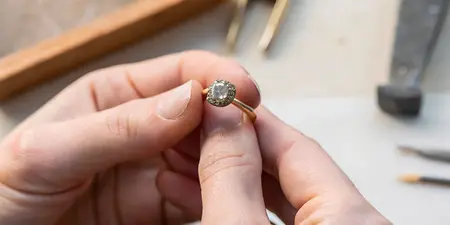
Some of the most personal additions to a collection begin with a piece you already own. An inherited diamond may carry deep meaning but sit in a setting that no longer suits your style or daily life. Remounting the stone can preserve its history while giving it a new form. Updating the setting may also improve how the piece is worn. Whether that means a more contemporary silhouette, a different metal, or a design that better protects the stone.
This kind of redesign calls for both sensitivity and technical judgment. Carol Ferguson leads custom redesign and renovation work at Element 79, helping clients consider what should remain. What can be reimagined, and how the finished piece can feel connected to its origin without looking locked in the past. Explore Carol Ferguson's custom jewelry expertise or browse the vintage and estate collection for further inspiration.
Review what you own before you add more
A jewelry check or redesign consultation is a useful pause point between purchases. It can help you understand which inherited or vintage pieces are ready to be worn again. Which settings deserve attention, and where a future acquisition might fill a genuine gap. Element 79 offers a free jewelry check and redesign consultation, creating space to assess your collection with an experienced eye before deciding what comes next.
With that perspective, building a collection becomes less about accumulating and more about editing. Each piece earns its place through beauty, wearability, and the story it will carry forward.
How Fine Jewelry Compares: Designer vs. Mass-Market
The difference between an independent designer piece and a mass-produced style is not simply a matter of price. It is a difference in how the jewelry is conceived, made, selected, and lived with. In a thoughtful collection of independent jewelry designers, each piece has a point of view and a reason to remain in your wardrobe long after a trend has passed.
| Consideration | Designer and fine jewelry | Mass-market jewelry |
|---|---|---|
| Craftsmanship | Developed through an intentional design process and finished with skilled artisan bench work. At Element 79, master jeweler Carol Ferguson brings more than 20 years of experience to custom and fine jewelry work. | Typically produced in larger runs to meet broad demand, with consistency and speed taking priority over individual bench work. |
| Materials | Selected for the design, wearability, and character they contribute. Precious metals, diamonds, and gemstones are part of a considered composition rather than interchangeable trend details. | Materials and finishes are often chosen to keep a look accessible and easy to reproduce across a seasonal collection. |
| Longevity | Made to be worn, maintained, and revisited over time. A well-chosen piece can become part of your personal language and continue to mark changing chapters of your life. | Often purchased for a current look or occasion, with a shorter relationship to changing trends and finishes. |
| Value retention | Design provenance, material quality, condition, and enduring appeal can support lasting personal and financial value. Resale is never guaranteed, but thoughtful design gives a piece more substance than a momentary trend. | Lower initial cost does not necessarily translate into lasting value, particularly when the style is closely tied to a short-lived trend. |
| Customization | Independent designers and experienced jewelers can often adapt proportions, stones, metals, or details to create something that feels distinctly yours. | Usually selected as produced, with limited opportunity to alter the design beyond size or basic finishing. |
| Sustainability | A slower, more deliberate purchase can reduce replacement shopping. Durable materials, repair, redesign, and a piece's ability to remain meaningful all extend its useful life. | Trend-driven cycles can encourage frequent replacement, creating more consumption even when the original piece is still wearable. |
For many women purchasing jewelry for themselves, a curated collection may grow by only two to four pieces a year. That pace leaves room to notice what you actually wear, seek out craftsmanship that resonates, and choose jewelry with a story you will want to keep telling. The result is not a larger jewelry box, but a more personal one.
Frequently Asked Questions
What should I buy first when building a fine jewelry collection?
Begin with a piece you will wear often and that reflects your daily style, such as a refined ring, chain, or pair of earrings. Choose quality materials and thoughtful design over filling a checklist. A versatile foundation makes later additions easier to combine, while still giving your collection a distinct point of view.
How can I make fine jewelry work with a casual wardrobe?
Look for pieces whose scale and finish suit the clothes you already wear. A slim gold chain can soften denim and knitwear, while sculptural earrings or a textured ring can give a simple outfit its focus. The goal is not to reserve fine jewelry for formal occasions, but to let well-made pieces become part of your everyday language.
How do I layer necklaces without making the look feel crowded?
Vary length, texture, and visual weight rather than adding several similar chains. Start with one meaningful pendant or a favorite chain, then add a lighter or more delicate layer. Leave enough space between necklaces for each design to remain visible, and check the balance with the neckline you are wearing.
Is it better to collect matching jewelry or different pieces?
A collection can feel cohesive without being perfectly matched. Repeating one element, such as warm gold, a shared finish, or an affinity for organic forms, creates continuity. Contrasting silhouettes and stones add character. Choose pieces that speak to one another while preserving enough difference for the collection to feel collected rather than assembled as a set.
How should I choose an investment piece for my collection?
Consider longevity in more than monetary terms. The strongest investment pieces are made with care, suit your lifestyle, and have a design you can imagine wearing through changing seasons and milestones. Ask about materials, construction, care, and the designer's approach before purchasing. A piece earns its place when you reach for it repeatedly and it continues to feel like you.
Ready to Build Your Collection?
A personal styling consultation can help you consider how investment pieces, stackable rings, and layered necklaces work together with the wardrobe you already love. To schedule a personal styling consultation, call Element 79 at (720) 484-5195. We can talk through the pieces that feel most like you and identify thoughtful additions for everyday wear, meaningful occasions, and a collection that grows with intention.
Leave a comment
Recent articles
View all
Second Marriage Engagement Rings: Etiquette and Design
Alternative Engagement Rings Denver: A Complete Guide