Who Certifies Diamonds: A Buyer's Guide to Labs
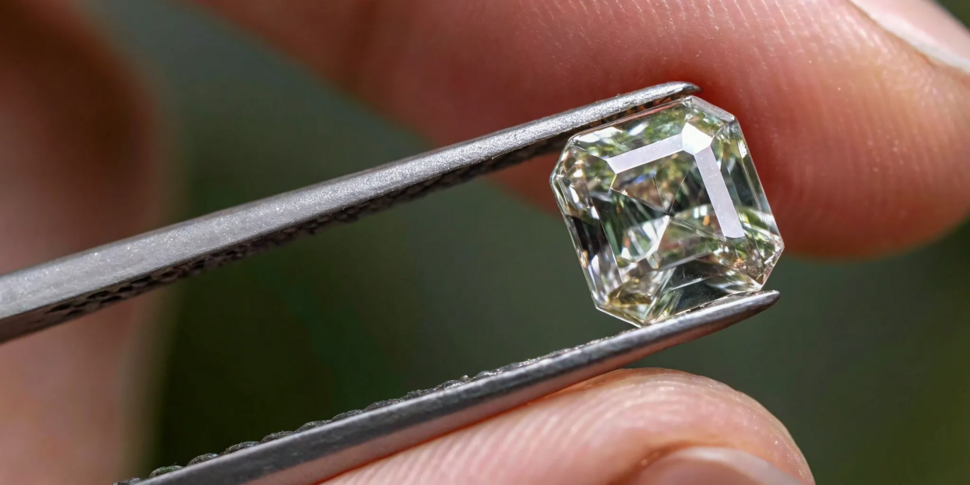
Every piece of jewelry tells a story, especially one with a diamond at its heart. While its sparkle captures the eye, its official biography is found in its grading report. This document details the diamond’s unique identity, from its precise cut to its clarity, providing a blueprint of its quality. The credibility of that story, however, depends entirely on its author. Understanding who certifies diamonds ensures the tale of your stone is authentic and true, whether you’re choosing a modern engagement ring from a favorite designer or a timeless vintage piece. It’s your guarantee that the soul of the jewelry is matched by its substance.
Key Takeaways
- A Certificate Provides Objective Proof of Quality: Think of a grading report as an unbiased, scientific breakdown of your diamond's characteristics. It's not an appraisal of monetary value, but rather your guarantee that the stone's 4Cs (cut, color, clarity, and carat) are exactly as described.
- Not All Labs Are Created Equal: The source of your certificate is crucial because grading standards can differ significantly. A report from a top-tier lab like GIA or IGI ensures the grades are consistent and reliable, giving you a true understanding of the diamond's quality.
- Connect the Paper to the Physical Stone: Before you buy, confirm the diamond is the one described in the report. Use the report number to look it up on the lab’s website and ask your jeweler to show you the matching laser inscription on the diamond’s girdle for complete peace of mind.
What is a Diamond Certificate, and Why Do You Need One?
When you’re shopping for a diamond, you’ll hear the term “certificate” or “grading report” come up a lot. So, what is it? Think of a diamond certificate as its official report card, issued by an independent gemological laboratory. This document is a detailed breakdown of the diamond's unique characteristics. It’s an unbiased, expert evaluation of the qualities that determine its beauty and value.
The certificate provides a full assessment of the diamond’s “4Cs”—cut, color, clarity, and carat weight. These are the universal standards for judging a diamond's quality. The report also includes other important details, like the diamond's specific measurements, its polish and symmetry, and whether it has fluorescence. This isn't just a piece of paper; it's a blueprint of your diamond's identity. It confirms that the stone is natural (or lab-grown, if that's what you're looking for) and discloses any treatments it may have undergone. Having this document is essential because it gives you a clear, objective understanding of what you're buying, ensuring the diamond’s quality matches its price tag.
Your Guide to a Confident Purchase
A diamond is a significant purchase, both financially and emotionally. A certificate from a reputable lab gives you the confidence that you’re making a sound decision. It acts as a third-party verification, so you don't have to rely solely on a seller's word. This transparency is especially important when you're choosing a piece for a major life moment, like a custom engagement ring.
The certificate provides peace of mind, confirming that your diamond is authentic and its qualities have been accurately documented by professionals. It empowers you to compare different stones knowledgeably, making sure you find the perfect one for you. It’s your guarantee that the beautiful diamond you fell in love with has the quality to back it up.
How to Know You're Getting What You Paid For
Ultimately, a diamond certificate is your assurance that you’re getting exactly what you paid for. Because a diamond's price is directly tied to its specific characteristics, this report is crucial for validating its value. Without a reliable grading report, it’s difficult to know if a diamond's price is fair.
The certificate serves as proof of the stone's quality, protecting your investment. It allows you to verify that the cut, color, clarity, and carat weight you were promised are what you actually received. This document removes the guesswork from the buying process, ensuring the diamond you bring home is a true and lasting representation of your investment in a beautiful piece of fine jewelry.
Who Are the Top Diamond Grading Labs?
When you’re shopping for a diamond, you’ll hear a lot about certificates and grading reports. But who actually writes these reports? The answer is independent gemological laboratories. Think of them as the unbiased, expert third party that assesses a diamond’s quality based on a strict set of standards. Their job is to give you an objective analysis of the diamond you’re considering, so you can feel confident in your choice for a piece from our bridal collection or a custom design from one of our amazing designers. A reliable certificate is your proof that the diamond is what the seller says it is.
Different labs have different reputations and grading methods, which is why it’s so important to know the key players. Some are known for their incredibly strict standards, while others are more common in certain parts of the world or for specific types of diamonds, like lab-grown. Understanding which lab certified your diamond gives you crucial insight into its quality and value. It’s the best way to ensure the diamond’s characteristics on paper match the beautiful stone you see in person. This report is more than just a piece of paper; it's a blueprint of your diamond's identity and a guarantee of its authenticity. Let’s walk through the top labs you’re most likely to encounter on your jewelry journey so you can feel empowered in your search.
GIA (Gemological Institute of America)
If there’s one name that’s synonymous with diamond grading, it’s GIA. The Gemological Institute of America is widely considered the gold standard in the industry, known for its incredibly strict and consistent grading. When you have a GIA report, you can trust that the diamond has been evaluated with the highest level of accuracy and integrity. Their comprehensive Diamond Grading Report details the 4Cs—Cut, Color, Clarity, and Carat weight—giving you all the information you need to make a smart, informed decision. For many in the industry, GIA is the ultimate authority.
IGI (International Gemological Institute)
The International Gemological Institute, or IGI, is another major global player in the diamond world. You’ll often see IGI reports for both natural and lab-grown diamonds, and they’ve become a leading authority for certifying lab-grown stones. An IGI certificate acts as a universal language, creating a clear and mutual understanding of a gem’s quality between you and the seller. This helps build trust and confidence in your purchase, ensuring everyone is on the same page about the diamond’s characteristics. They are a reliable and well-respected institution worldwide.
AGS (American Gem Society)
The American Gem Society (AGS) is another highly respected U.S.-based lab, particularly known for its scientific approach to cut grading. While GIA created the 4Cs, AGS took it a step further by developing a 0-10 scale for grading cut, polish, and symmetry, with 0 being the best. AGS is also deeply committed to consumer protection and ethical practices within the jewelry industry. Though you might see them less frequently than GIA, an AGS report is a sign of a thoroughly and accurately evaluated diamond, especially when it comes to how well it sparkles.
HRD (Hoge Raad voor Diamant)
Based in Antwerp, Belgium—the historic heart of the diamond trade—the Hoge Raad voor Diamant (HRD) is Europe’s leading authority on diamond certification. While not as common in the U.S. market, HRD is highly respected across Europe, the Middle East, and Asia. The lab is known for its precise and consistent grading standards, making its reports a trusted benchmark for both consumers and industry professionals in those regions. If you’re looking at a diamond with an HRD certificate, you can be confident it has been graded with European precision and expertise.
SSEF and Gübelin
These two Swiss-based labs, SSEF (Swiss Gemmological Institute) and Gübelin, are in a class of their own. They are world-renowned for their expertise in gemological research, especially when it comes to colored gemstones and high-value diamonds. Both institutions are known for their incredibly rigorous evaluation processes and unwavering commitment to accuracy. While you may not encounter their reports as often unless you’re looking at very rare or significant stones, a certificate from SSEF or Gübelin is a hallmark of exceptional quality and is highly regarded by collectors and auction houses worldwide.
How Labs Grade a Diamond
Think of a diamond grading lab as a high-tech, impartial judge for your stone. Its job is to assess a diamond’s unique characteristics with complete objectivity, away from the influence of sellers or buyers. Gemologists in these labs are highly trained experts who use specialized equipment and standardized procedures to analyze every facet of a diamond. This meticulous process results in a grading report, or certificate, which is essentially your diamond’s official transcript.
This report gives you a complete, unbiased picture of the diamond you’re considering. It’s not an appraisal of monetary value, but rather a scientific breakdown of its quality and characteristics. Having this document means you can be confident in what you’re buying, compare different stones accurately, and understand exactly what makes your diamond special. It transforms a potentially confusing purchase into a clear and transparent one, ensuring the stone you fall in love with has the quality to back it up.
Breaking Down the Four Cs
The foundation of every diamond grading report is the "Four Cs": Cut, Color, Clarity, and Carat Weight. This universal system gives everyone a shared language to describe a diamond’s quality. Cut refers to how well a diamond’s facets interact with light—it’s what gives a diamond its sparkle and fire. Color actually grades the absence of color, with D being perfectly colorless and the most sought-after. Clarity measures the absence of internal inclusions or external blemishes. Finally, Carat is simply the diamond’s weight. Each of these four Cs is graded on a precise scale, and together they determine the diamond’s overall quality and rarity.
A Look at the Lab's Toolkit
Grading a diamond is a serious science, and labs are equipped accordingly. Gemologists don't just eyeball a stone; they use a suite of sophisticated tools in a highly controlled environment to ensure accuracy and consistency. This includes gemological microscopes to examine clarity characteristics, spectrophotometers to precisely measure color against master stones, and specialized scanners to map a diamond’s proportions and assess its cut quality. Every diamond is typically examined by multiple gemologists independently to ensure the final grade is as objective as possible. This rigorous, scientific approach is what gives a lab report its authority and makes it a trustworthy resource for any buyer.
What's Inside a Grading Report?
A diamond grading report is packed with information that goes far beyond the Four Cs. It’s a detailed blueprint of your specific stone. Each report includes a unique identification number, which you can often use to verify the report online. You’ll also find the diamond’s exact measurements, its shape, and grades for its polish and symmetry. The report may note the diamond’s fluorescence—how it reacts under UV light. For higher-clarity stones, you’ll often see a "plot," which is a map of any inclusions. This document is your guarantee that the beautiful vintage piece or modern engagement ring you’re choosing is exactly what it claims to be.
Are All Diamond Certifications Created Equal?
When you start shopping for a diamond, you’ll quickly hear about certificates. But here’s the thing: not all grading reports are created equal. The lab that issues the report matters—a lot. Think of it as the diamond’s resume, and just like with any resume, the credibility of the references makes all the difference. Understanding the key players and their reputations is one of the best ways to protect your investment and ensure you’re truly getting the quality you deserve for your bridal jewelry or that special piece you've been dreaming of.
GIA: The Gold Standard
If there's one name that stands for trust in the diamond world, it's the Gemological Institute of America (GIA). It's widely considered the industry's gold standard, and for good reason. GIA is known for its incredibly strict grading rules and, most importantly, its consistency. A GIA-graded diamond has been put through a rigorous, unbiased process, giving you a reliable assessment of its quality. Because of this unwavering reputation, many jewelers and buyers see a GIA certificate as the ultimate assurance. When you see that GIA report, you can feel confident that the diamond’s characteristics have been documented with the highest level of scrutiny.
IGI: The Modern Contender
The International Gemological Institute (IGI) is another major, respected lab you'll frequently encounter, especially when looking at lab-grown diamonds. As a global leader in certification, IGI is trusted worldwide for its thorough research and high standards. While some in the industry feel its grading can be slightly less strict than GIA's, an IGI report is still a legitimate and reliable document. It provides a detailed and accurate assessment of a diamond's qualities. For many modern buyers, especially those exploring lab-grown options, IGI offers a trusted and widely recognized certification that provides clarity and confidence in their purchase.
Why Lab Reputation Varies by Region
As you explore diamonds, you might notice that the most common grading lab can change depending on where the stone is from. This is because a lab’s reputation and market presence often vary by region. While GIA holds a dominant position in the United States, labs like HRD (Hoge Raad voor Diamant) are highly respected and more common in Europe. IGI has a strong global footprint, making it a familiar name in many international markets. This doesn't necessarily mean one is better than the other, but it’s helpful context to have. It explains why a beautiful vintage piece might come with a European report you’re less familiar with.
What to Know About Grading Consistency
Ultimately, the reason we talk so much about different labs comes down to one word: consistency. A diamond certificate is more than just a piece of paper; it’s your proof of what you’re buying. A report from a top-tier lab gives an honest, third-party review that protects both you and the seller. When a lab is known for grading consistently, you can confidently compare two diamonds with the same grades and know they are truly similar in quality. This transparency is what allows you to make an informed decision and feel certain that the diamond you take home is everything it was promised to be.
How to Read a Diamond Certificate
A diamond certificate can feel a bit like reading a technical manual, but once you know what to look for, it’s your best tool for making a confident purchase. Think of it as a blueprint of your diamond, detailing all the unique characteristics that make it one-of-a-kind. This report is created by a third-party lab where gemologists have meticulously inspected the stone. Understanding this document ensures you know the quality and value of the diamond you’re bringing home. It’s all about transparency, so you can be sure the diamond you fall in love with is exactly what it claims to be.
Decoding the Key Details
When you first look at a grading report, your eyes will likely go to the “Four Cs”: Cut, Clarity, Color, and Carat Weight. These are the core qualities that determine a diamond’s value and overall beauty. But the report goes much deeper. You’ll also find a unique report number, the diamond’s specific shape and measurements, and grades for its polish and symmetry. Some reports even include a diagram plotting the diamond’s inclusions and details on its fluorescence. Each piece of information contributes to the full story of your stone, giving you a complete picture of its identity beyond what you can see with the naked eye.
Verifying Your Certificate Online
One of the best features of a modern diamond certificate is that you can easily confirm its authenticity. Every report from a major lab comes with a unique number that can be verified online. You can go directly to the issuing lab’s website to pull up a digital copy of the report. The International Gemological Institute, for example, provides a simple tool to check the details of any IGI certificate. This step allows you to match the certificate in your hand with the official record in the lab’s database, giving you peace of mind that your diamond’s details are accurate and legitimate. It’s a quick check that adds a powerful layer of security to your investment.
Red Flags to Watch Out For
While a certificate is crucial, not all reports are created equal. The reputation of the grading lab is just as important as the grades themselves. Be cautious of "in-house" certifications from a retailer or reports from labs you’ve never heard of, as their grading standards may be more lenient. The most trusted names in the industry are GIA, IGI, and AGS because of their consistency and strict standards. When you’re looking at bridal jewelry, always ask which lab certified the diamond. A report from a top-tier lab means you can trust the grades and feel confident that you’re getting exactly what you paid for.
Diamond Certification Myths, Busted
When you’re shopping for a diamond, the certificate can feel like your most important tool. But there’s a lot of confusing information out there that can make it hard to know what you’re really looking at. Let’s clear up some of the most common myths about diamond certification so you can feel confident and informed as you search for the perfect piece. Understanding these distinctions is key to making a smart investment in a piece you'll love forever.
Myth: All Labs Grade to the Same Standard
It’s easy to assume that a "D" for color or a "VVS1" for clarity means the same thing no matter where the report comes from, but that’s not the case. Different gemological labs have different standards, and some are much stricter than others. The Gemological Institute of America (GIA) is widely recognized as the gold standard because of its rigorous and consistent grading. A diamond graded by the GIA is held to the highest industry benchmark. Other labs might use slightly more lenient standards, which could result in a diamond appearing to have a higher grade on paper than it would from the GIA.
Myth: A Certificate is the Same as an Appraisal
This is a big one. A diamond certificate (or grading report) and an appraisal are two completely different documents with different purposes. Think of the certificate as the diamond’s scientific blueprint; it assesses the stone’s specific qualities—the 4Cs (cut, color, clarity, and carat weight)—but it does not assign a monetary value. An appraisal, on the other hand, is all about the price. It provides a monetary valuation for your diamond jewelry, which is primarily used for insurance purposes. You need the certificate to know the quality of what you're buying and the appraisal to protect its value.
Myth: Every Single Diamond Needs a Certificate
If you’re looking at a beautiful ring with a stunning center stone and smaller accent diamonds, don’t be alarmed if only the main diamond has a certificate. It’s standard practice for smaller diamonds, often called melee, not to come with individual grading reports. The cost of certifying these tiny stones would be disproportionately high compared to their value. The focus of certification is almost always on the primary, more significant diamonds in a piece. So when you're browsing for fine jewelry, rest assured that the lack of a certificate for tiny side stones is completely normal.
Myth: An Obscure Lab Report is Good Enough
While a certificate from any lab might seem better than none, a report is only as reliable as the institution that created it. Some lesser-known labs have a reputation for inflated or inconsistent grading. This can make a diamond appear to be of higher quality and value than it actually is. Sticking with reports from world-renowned labs like GIA, IGI, and AGS ensures you’re getting an accurate and unbiased assessment. When in doubt, it’s always best to work with an expert who can help you understand the report. If you ever have questions, we’re here to help you make sense of it all when you book an appointment with us.
How to Choose the Right Certificate for You
Picking the right diamond certificate isn't about finding a single "best" option—it's about finding the one that aligns with your priorities and gives you complete confidence in your choice. Think of a certificate as your diamond's official biography. It tells the story of its quality, characteristics, and origin, ensuring you know exactly what you're purchasing. Whether you're drawn to the timeless story of a natural diamond or the modern innovation of a lab-grown stone, the right report provides the transparency you need. It’s the final piece of the puzzle that lets you focus on what truly matters: finding a piece of jewelry that feels like it was made just for you. Understanding your options will help you select a diamond with a report that matches your personal and financial goals, making your purchase feel secure and satisfying.
Natural vs. Lab-Grown Diamond Reports
One of the most common questions we hear is whether lab-grown diamonds get certified. The answer is a resounding yes. Lab-grown diamonds go through the same rigorous grading process as natural diamonds, and their certificates will look very similar. The key difference is transparency: a reputable lab report will always clearly state that the diamond was created in a lab, noting its origin. Labs like IGI have become leaders in grading lab-grown stones, while GIA remains the most recognized authority for natural diamonds. This distinction doesn't imply one is better than the other; it simply ensures you have all the facts to make an informed decision about the beautiful stone you're choosing.
Matching the Certificate to Your Priorities
A diamond certificate is your roadmap to its unique qualities, offering you assurance and clarity. The right one for you depends on what you value most. Are you looking for the most respected and consistent grading in the world for a significant natural diamond? A GIA report is likely your best fit. Are you excited about the value and beauty of a lab-grown diamond for your engagement ring? An IGI certificate is a trusted and widely accepted standard. Your certificate should give you peace of mind. It’s the proof that the diamond’s sparkle, color, and cut are exactly what they claim to be, so you can feel confident in the piece you’ll wear and cherish for years.
Considering Future Resale Value
While we hope you’ll love your jewelry forever, it’s smart to consider its long-term value. A diamond report is crucial for consumer confidence because it ensures transparency and fairness in pricing, both today and in the future. For natural diamonds, a certificate from a top-tier lab like GIA is often considered the gold standard and can significantly impact resale value. This is because the GIA’s grading is known for its strict consistency, giving future buyers a high level of trust. This same principle of transparency applies to our Vintage & Estate pieces, where a reliable report helps preserve a jewel's story and worth as it passes to a new owner.
Your Checklist for a Confident Purchase
You’ve done your research, you know the Four Cs, and you have a good idea of what you’re looking for. Now it’s time for the most exciting part: seeing the diamonds in person. This final checklist will help you walk into any jewelry store with the right questions and a clear plan, ensuring your final decision is one you feel great about. Think of this as your final walkthrough before you commit to a piece you’ll love for a lifetime.
Key Questions to Ask Your Jeweler
When you’re ready to look at diamonds, your jeweler becomes your most important resource. A trustworthy expert will be happy to answer your questions and provide all the documentation you need. Before you get swept away by the sparkle, make sure to ask for the diamond's grading report. As a buyer, you should always see the report before you buy. This isn’t being difficult; it’s being an informed customer. Don’t hesitate to ask to see multiple reports to compare stones. This is a significant purchase, and having a transparent conversation is the first step toward a confident one.
How to Verify the Diamond in Person
A grading report is essential, but you should also confirm that the report belongs to the diamond you’re holding. Many diamonds have a tiny, laser-inscribed number on their side (the girdle) that matches the number on their report. Ask your jeweler to show you this inscription under a microscope—it’s a fascinating detail to see! You can also verify the report number on the issuing lab's website right from your phone to ensure it matches the stone in front of you. This simple step provides an extra layer of assurance that you’re getting exactly what you paid for.
The Importance of a Trusted Partner
Ultimately, a diamond certificate is a tool for transparency, but it’s the relationship with your jeweler that brings true peace of mind. Finding a partner you trust, who listens to your priorities and guides you through the process, is invaluable. A certified diamond brings confidence and assurance that what you're investing in is exactly what it claims to be. At Element 79, we believe in creating a relaxed environment where you can discover jewelry with soul. We’re here to be your trusted guide, helping you find a beautiful, certified diamond that tells your unique story.
Related Articles
- How to Tell If a Diamond Is Real: 10 Easy Tests
- The Ultimate Guide to Hearts and Arrows Diamonds
- How to Buy Truly Conflict-Free Diamonds
Frequently Asked Questions
Is a GIA certificate really that much better than one from IGI? Think of it less as "better" and more about what each lab is known for. GIA has a long-standing reputation for being the strictest and most consistent grader, which is why it's often considered the industry benchmark for natural diamonds. An IGI report is also from a highly respected, global institution and is a trusted standard, especially in the world of lab-grown diamonds. Both provide a reliable, third-party analysis, but if you're comparing two stones, it's always best to compare reports from the same lab to ensure you're looking at an apples-to-apples evaluation.
What should I do if a diamond I love doesn't have a certificate? For any significant center stone, a certificate from a reputable lab is non-negotiable. It’s your only objective proof of the diamond's quality and characteristics. If a main diamond doesn't have one, you should proceed with caution, as you have no third-party verification of what you're buying. While tiny accent diamonds, or melee, typically don't come with individual reports, the star of the show absolutely should.
Does a diamond certificate tell me how much my ring is worth? This is a common point of confusion, but a certificate and an appraisal are two different things. A grading report from a lab like GIA or IGI details the diamond's quality characteristics—the 4Cs—but it does not assign a monetary value. An appraisal is a separate document, usually prepared by a certified appraiser, that gives a dollar value for your jewelry, which you'll need for insurance purposes.
Do lab-grown diamonds get certified the same way natural diamonds do? Yes, they do. Reputable lab-grown diamonds go through the exact same independent grading process as natural diamonds, and their reports detail the same quality factors like cut, color, and clarity. The most important thing is that a trustworthy certificate will always clearly state that the diamond is laboratory-grown, so you have complete transparency about its origin.
How can I be sure the certificate I'm given actually belongs to my diamond? This is a great question, and there are two simple ways to verify it. First, ask your jeweler to show you the laser inscription on the diamond's girdle (its thin outer edge) under a microscope. This tiny number should match the number on the grading report. Second, you can use that report number to look up the certificate on the issuing lab’s official website to confirm its details match the document you have.
Recent articles
View all
Brooke's Holiday Favorites - 2025
Holly's Holiday Favorites - 2025