
White Gold vs Platinum: The Ultimate Comparison
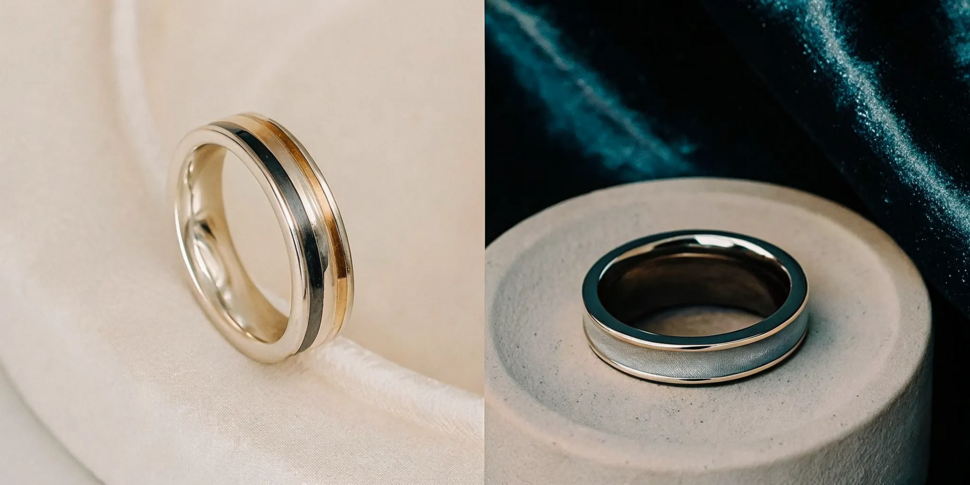
When you’re standing in front of a jewelry case, white gold and platinum can look nearly identical. Both offer that classic, silvery-white shine that makes diamonds pop. But beneath the surface, these two metals couldn't be more different. The choice in the white gold vs platinum debate impacts everything from your ring's long-term durability and maintenance needs to its overall cost and even how it feels on your finger. One gets its color from a special coating, while the other is naturally white. Understanding these key distinctions is the secret to choosing a piece you’ll love for a lifetime, not just for how it looks today.
Key Takeaways
- Know Where the Color Comes From: White gold’s brilliant shine is due to a rhodium coating that requires re-plating to maintain its crisp white look. Platinum, in contrast, is naturally white all the way through, so its color is permanent and requires no upkeep.
- Expect Different Signs of Wear: Platinum is dense and develops a soft, satin finish called a patina as it ages, without losing any metal. White gold is harder and more scratch-resistant initially, but its plating can wear off, revealing the slightly yellowish gold underneath.
- Match the Metal to Your Budget and Skin: White gold typically has a lower initial price but involves future costs for maintenance. Platinum costs more upfront but is very low maintenance and naturally hypoallergenic, making it the best choice for sensitive skin.
What Is White Gold, Really?
Let's start with a simple fact: white gold doesn't come out of the ground looking white. It’s actually an alloy, which is a fancy way of saying it’s a mix of pure yellow gold and other durable white metals like palladium, nickel, or silver. Pure 24k gold is incredibly soft, so mixing it with stronger metals is essential to create jewelry that can handle daily life. This blend is what gives the metal its strength and transforms its natural sunny hue into a softer, champagne-like color. By mixing metals, jewelers create a beautiful and resilient material perfect for everyday wear. This process allows us to craft stunning contemporary jewelry that stands the test of time while offering a classic, silvery-white look. So, when you see a white gold piece, you're looking at a clever combination of strength and style.
How White Gold Gets Its Color
The journey to that brilliant white finish has a couple of key steps. First, mixing pure yellow gold with white metals dilutes the yellow, resulting in an off-white or pale yellowish base. While this alloy is strong, it doesn't have the crisp, bright white shine most people are looking for. To get that signature look, jewelers add a final, crucial layer. The piece is plated with rhodium, a precious metal from the platinum family. This coating is what gives white gold its stunning, reflective white surface. It’s important to know that this plating can wear away over time, which might cause the underlying yellowish tint to peek through.
The Secret to Its Shine: Rhodium Plating
That rhodium plating does more than just provide a beautiful color; it also acts as a protective shield. It helps guard your jewelry against minor scratches and prevents it from tarnishing, keeping it looking bright and new. Think of it as a beautiful, durable topcoat. However, this layer isn't permanent. Depending on how often you wear the piece and your body's chemistry, the rhodium will eventually wear down. This is completely normal! Maintaining that perfect shine simply means having a jeweler re-plate your bridal or fine jewelry every few years. It's a quick and easy process that restores its original brilliance, ensuring your favorite pieces always look their best.
What Makes Platinum So Special?
Platinum has an almost mythical reputation in the world of jewelry, and for good reason. It’s rarer than gold and has a set of unique characteristics that make it a fantastic choice for pieces you plan to wear and love for a lifetime. When you hold a piece of platinum jewelry, you can immediately feel its density and weight, a quality that gives it a substantial, luxurious presence. This isn't just a feeling; it's a direct result of the metal's inherent properties.
Unlike white gold, which gets its color from a mix of alloys and a special coating, platinum’s beauty is all-natural. Its inherent strength and cool, silvery-white hue come from its pure composition, making it a symbol of enduring luxury. This natural integrity means it behaves differently over time, developing a unique character without ever losing its core identity. It’s a metal that tells a story through its wear, all while keeping your precious gemstones safe and secure. Let's look at the two key factors that make this metal such a standout for everything from wedding bands to heirloom necklaces: its purity and its naturally white color.
Naturally Pure and Strong
When you choose a platinum ring, you're getting a piece that is incredibly pure. Most platinum jewelry is 90% to 95% pure platinum, with the remaining percentage made up of other strong metals like iridium or ruthenium to add hardness. This high level of purity is what gives platinum its impressive density and durability. It’s a tough metal that can handle the demands of daily wear, which is why it’s such a popular choice for bridal jewelry. Instead of chipping away when scratched, the metal simply displaces, holding your precious stones securely in place for years to come.
A Naturally White Metal
One of platinum’s most loved qualities is its color. It’s a naturally bright, silvery-white metal, and that color is here to stay. It will never fade, change, or yellow over time because its beautiful hue is its true color, not the result of a coating. This means you’ll never have to worry about getting your platinum pieces re-plated to maintain their look. This low-maintenance appeal makes it an excellent option for any piece of fine jewelry you want to wear often without a lot of fuss. Its cool tone is also fantastic for making diamonds and other gemstones appear even more brilliant and bright.
White Gold vs. Platinum: The Visual Test
At first glance in a jewelry case, white gold and platinum can look nearly identical. Both offer a stunning, silvery-white backdrop for diamonds and gemstones. But if you look closer, you’ll start to see subtle differences in their appearance, especially as they are worn over time. Understanding these visual cues will help you choose the metal that truly fits your style and expectations for a piece you’ll wear for years to come.
Choosing the right metal is a key part of designing the perfect ring, whether you're exploring our bridal collection or looking for a special everyday piece. Let’s break down what makes each metal unique to the eye.
Comparing Their Color and Tone
The most significant difference between these two metals is their natural color. Platinum is a naturally white metal, meaning its silvery-bright hue is its true color, all the way through. It will never fade or change color over time.
White gold, on the other hand, is made from yellow gold mixed with white metal alloys. Because of this, it has a faint, warm, yellowish tint in its natural state. To get that brilliant white shine, nearly all white gold jewelry is plated with rhodium, a bright white metal from the platinum family. This coating gives it a stunning, crisp white appearance, but it’s important to remember that this is a surface-level finish.
How They Shine and Reflect Light
When brand new, a rhodium-plated white gold ring often looks a bit brighter and more reflective than a platinum one. The rhodium coating creates a mirror-like finish that’s incredibly eye-catching. It has a hard, cool shine that many people love.
Platinum has a different kind of luster. It has a naturally rich, silvery glow that’s a little softer and deeper than the shine of rhodium. Over time, platinum develops a unique satin finish, known as a patina. This soft glow is highly sought after and is considered a beautiful characteristic of the metal. Instead of a high-polish mirror shine, it develops a more lived-in, elegant radiance.
How Their Looks Change with Wear
How a ring looks after a year of daily wear is just as important as how it looks on day one. When platinum is scratched, the metal is displaced, not lost. This movement of metal is what creates its signature patina. Many feel this finish adds character, much like the pieces in our vintage and estate collection. The ring’s color remains a consistent silvery-white.
White gold wears differently. When it gets scratched, the rhodium plating can wear away, revealing the slightly yellowish gold alloy underneath. This is especially common on the bottom of the ring band where it sees the most contact. This doesn’t mean the ring is damaged, but it does mean its appearance will change until it’s taken to a jeweler to be polished and re-plated.
Which Metal Is More Durable?
When you’re choosing a piece of jewelry you plan to wear every day, durability is a huge factor. You want something that can keep up with your life, whether you’re typing at a desk, working in the garden, or chasing after your kids. When it comes to white gold and platinum, durability isn't just about which one is "stronger." It’s about how each metal handles the bumps and scrapes of daily life and how it ages over the years.
Both metals are excellent choices for fine jewelry, but they behave very differently. White gold is known for its hardness, which helps it resist initial scratches, while platinum is prized for its density and purity, which means it holds up incredibly well over a lifetime. Understanding these key differences will help you decide which metal is the perfect match for your lifestyle and the kind of long-term relationship you want to have with your jewelry. Let's break down how they compare in the real world.
How They Handle Scratches and Daily Wear
It might surprise you to learn that white gold is actually harder than platinum, making it more resistant to scratches at first. Think of it as having a tougher surface. However, when platinum gets scratched, the metal is simply moved or displaced, not lost. It’s so dense that a scratch creates a tiny ridge on the surface without chipping away at the ring itself. This is one of the reasons platinum is considered so secure for setting diamonds. It holds onto gemstones tightly and doesn't wear down around the prongs.
Understanding Platinum's Patina
Over time, those tiny scratches on a platinum ring blend together to create a soft, satin-like finish called a patina. Many people absolutely love this look, as it gives the piece a warm, lived-in glow that feels personal and unique. It’s a beautiful sign of a well-loved piece, much like the items in our Vintage & Estate collection. If you prefer a high-shine look, a jeweler can easily polish your platinum ring back to its original bright finish. White gold, on the other hand, doesn’t develop a patina. Instead, its rhodium plating can wear away, revealing the slightly yellowish gold beneath.
Which Holds Up Better Over Time?
For the long haul, platinum has the edge. Because the metal is only displaced and not lost when it gets scratched, a platinum ring will not get thinner or wear away over time. It will essentially weigh the same in 50 years as it does today. This makes it an incredible choice for heirloom pieces you want to pass down through generations. White gold, while very durable for daily wear, can slowly lose tiny amounts of metal over many years, especially with repeated polishing. For a ring that will truly stand the test of time, especially a bridal piece, platinum’s longevity is hard to beat.
Caring for Your Jewelry: White Gold vs. Platinum
Choosing a metal you love is just the first step; knowing how to care for it ensures it will last a lifetime. Both white gold and platinum are stunning choices, but their long-term maintenance routines are quite different. Understanding these differences will help you keep your piece looking as beautiful as the day you got it. Whether you prefer the crisp shine of white gold or the soft glow of platinum, a little bit of care goes a long way.
Why White Gold Needs Re-Plating
The secret to white gold’s brilliant, silvery-white color is a special coating of rhodium. Because white gold is made from yellow gold mixed with white metal alloys, it has a naturally warm, slightly yellowish tint. The rhodium plating gives it that cool, bright white finish we all love. However, this layer isn't permanent. Over time, daily wear causes the rhodium to gradually wear away, which can take anywhere from six months to a couple of years. When this happens, you might notice the warmer, yellowish tone of the gold underneath showing through. This is completely normal, and a quick trip to the jeweler for re-plating will restore its original shine. Think of it as a regular refresh for your favorite jewelry.
How to Care for Platinum
One of the biggest draws of platinum is its low-maintenance nature. Since it’s a naturally white metal, it doesn’t need any plating to maintain its color. It will stay white forever. Over time, instead of wearing away, platinum develops what’s called a patina. This is a soft, satin-like finish that many people find beautiful and unique, as it tells the story of your life with the ring. Scratches on platinum displace the metal rather than removing it, creating this distinctive look. If you prefer a high-polish shine, a professional buffing can easily restore it. This durability and graceful aging process make it an especially popular choice for bridal pieces that are worn every day.
How Often to See a Jeweler
Regardless of which metal you choose, it’s a great idea to have your jewelry professionally cleaned and inspected every six months. A jeweler can give your piece a deep clean and, more importantly, check that all the prongs and settings are secure, protecting your precious stones. For white gold rings, this is the perfect time to see if re-plating is needed to restore that bright white luster. For platinum, it’s an opportunity to have it professionally polished if you want to remove the patina and bring back its original high shine. Regular check-ins keep your jewelry in top condition and give you peace of mind. You can always book an appointment with us for a cleaning and inspection.
Let's Talk Price: White Gold vs. Platinum
When you’re choosing between white gold and platinum, the price tag is often a major factor. But the conversation about cost goes beyond just the initial number you see. It’s important to think about the lifetime value of your piece, including maintenance and how well it holds its value over the years. Both metals are beautiful choices for fine jewelry, but they have different price points for a few key reasons. Platinum is a rarer and denser metal, meaning more of it is required to create a piece, which contributes to its higher cost. White gold, an alloy of gold and other white metals, offers a similar look for a more accessible price point. Understanding these differences will help you decide which metal is the right investment for your lifestyle and budget. Let’s break down what you can expect to pay upfront, the long-term care costs you should plan for, and which metal might be the better investment for you in the long run.
The Upfront Cost
Generally, you’ll find that platinum rings and other jewelry pieces have a higher upfront cost than their white gold counterparts. This is mainly because platinum is about 30 times rarer than gold. It’s also a denser metal, so a platinum ring will weigh more than the exact same ring made of 18k white gold, meaning more of the precious metal is used. Plus, platinum jewelry is typically 95% pure, while 18k white gold is 75% pure gold. While market prices can shift, white gold is usually the more budget-friendly choice when you first make your purchase, making it a popular option for many beautiful bridal styles.
Factoring in Long-Term Care Costs
The initial price isn't the whole story. Over time, white gold requires a bit more maintenance to keep it looking its best. That bright, silvery-white finish comes from a thin layer of rhodium plating. As you wear your ring, this plating will gradually wear away, revealing the slightly warmer tint of the white gold alloy underneath. To restore its original color, you’ll need to have it re-plated every few years. Platinum, on the other hand, is naturally white, so it will never change color or need plating. It simply needs a professional polish to bring back its shine, which can make it more cost-effective over a lifetime. You can always book an appointment with us to keep your pieces looking brand new.
Which Holds Its Value Better?
When you're investing in a piece you'll love forever, it's natural to wonder which metal holds its value better. Because platinum is rarer, purer, and more durable, it often retains its value more effectively over the long term. It's a substantial metal that stands the test of time, which is why you'll see so many stunning pieces in our Vintage & Estate collection crafted from it. While both white gold and platinum are precious metals, the inherent rarity and strength of platinum give it an edge as a long-term investment. The higher initial cost reflects not just the material itself but its lasting worth and prestige in the world of fine jewelry.
Have Sensitive Skin? Here's What to Know
Choosing a piece of jewelry you'll wear every day means thinking about more than just style. Comfort is a huge factor, and for many of us, that means considering how a metal will react with our skin. If you’ve ever had a rash from a pair of earrings or a necklace, you know what I’m talking about. Skin sensitivity is a real concern, but it doesn’t have to limit your options. Understanding the metals in your jewelry is the first step to wearing your favorite pieces comfortably and confidently. Let's look at how white gold and platinum stack up for sensitive skin.
The Deal with Nickel Allergies and White Gold
White gold gets its silvery hue by mixing yellow gold with white metal alloys. One of the most common metals used in this mix is nickel. While it’s great for creating that classic white gold color, nickel is also a frequent cause of skin allergies. If you've ever experienced redness or itchiness from jewelry, a nickel sensitivity could be the reason. Since an allergy can develop over time, a ring that feels fine at first might cause irritation later. This is especially important to consider for your bridal jewelry, which you’ll be wearing constantly. Knowing about the nickel content helps you make a choice that will feel as good as it looks for years to come.
Why Platinum Is Hypoallergenic
If you want to avoid any guesswork with skin sensitivities, platinum is a fantastic choice. Unlike white gold, platinum is a naturally white metal, so it doesn't need to be mixed with other metals to achieve its color. The platinum used in jewelry is typically 95% pure, which means it’s free from common allergens like nickel. This purity makes it naturally hypoallergenic and one of the safest metals for sensitive skin. You can wear a beautiful piece of platinum jewelry without worrying about a potential reaction, making it a truly comfortable option for everyday wear. It’s a simple, elegant solution for anyone who prioritizes comfort and peace of mind.
Finding Nickel-Free White Gold
What if you love the look of white gold but worry about a reaction? You’re in luck. You don’t have to give up on your dream ring. Many jewelers now offer nickel-free white gold alloys, which typically use palladium as the whitening agent instead of nickel. This gives you the same beautiful, bright white color without the risk of irritation. It’s the best of both worlds. If you have sensitive skin, it’s always a great idea to ask about the specific alloys used in a piece. We can walk you through all the options, so feel free to book an appointment to find the perfect, irritation-free piece that’s right for you.
Busting Common Myths About White Gold and Platinum
When you're choosing between white gold and platinum, it's easy to get tangled up in hearsay and old advice. These two beautiful white metals have distinct personalities, but a lot of myths surround them. Let's clear the air and look at what's really going on with their purity, durability, and the care they need. Getting the facts straight will help you choose the perfect metal for a piece you'll love for years to come, whether it's for your wedding day or a new addition to your jewelry collection.
Myth: Is White Gold "Less Pure"?
This is one of the most common questions I hear. People often think that because white gold is an alloy, it's somehow less valuable or "pure" than platinum. The truth is, it's just different. An 18k white gold ring, for example, is made of 75% pure gold. The other 25% consists of strong white metals like palladium or nickel, which give it its color and durability. Platinum, on the other hand, is a naturally white metal that's used in a purer form, typically 95%. Its purity and rarity are what make it more expensive, not because white gold is "impure." Both are beautiful, high-quality choices for fine jewelry.
Myth: Is Platinum Indestructible?
Platinum has a reputation for being incredibly tough, and while it's one of the most durable metals you can choose, it's not indestructible. Any metal worn every day will show signs of life, and platinum is no exception. It does scratch, but it behaves differently from gold when it does. Instead of losing tiny bits of metal with each scratch, the platinum just gets displaced, creating a unique, soft finish called a patina. Many people love this look, as it gives the piece a rich, lived-in character, much like you'd find in our Vintage & Estate collection. So, while it's incredibly strong, don't expect it to stay perfectly pristine forever.
Myth: How Much Upkeep Do They Really Need?
Another common mix-up is thinking both metals require the same amount of care. White gold gets its brilliant, mirror-like shine from a thin coating of rhodium. Over time, this plating wears away, and the slightly warmer tone of the white gold underneath can start to show. To keep it looking its best, you'll need to have it re-plated every year or two. Platinum, however, doesn't need plating. As it wears, it develops that signature patina we talked about. If you prefer a high-shine look, a professional polish will restore it, but it's a matter of preference, not necessity. If you ever have questions about caring for your piece, you can always book an appointment with us for a cleaning or check-up.
How to Choose the Right Metal for You
Deciding between white gold and platinum is a personal choice, and there’s truly no wrong answer. It all comes down to what works best for you. When we help clients make this decision, we always walk through three key areas: your daily life, your budget, and your unique personal style. Thinking through these points will help you find the perfect metal for a piece of jewelry you’ll love for years to come. Let’s get into the details so you can feel confident in your choice.
Consider Your Lifestyle
Think about your day-to-day routine. Are you always on the go, working with your hands, or hitting the gym? If you lead an active life, platinum might be your best match. It’s incredibly durable and dense, meaning it can handle daily wear without needing much maintenance. Platinum is a true "set it and forget it" metal for a bridal set you plan to wear every day.
While 14k or 18k white gold is also quite strong, it’s more prone to showing scratches from daily knocks. It holds up beautifully, but if you’re particularly hard on your jewelry, you might find yourself wanting to polish it more often. For a piece that will truly stand the test of time with minimal fuss, platinum is often the preferred choice.
Set Your Budget
Let’s talk numbers, because both upfront and long-term costs are important. Platinum is a denser and rarer metal, so it typically has a higher price tag at the start. However, it’s important to think about the cost over the lifetime of the piece. Since platinum is naturally white, it only needs an occasional professional polishing to look its best.
White gold is usually more affordable upfront, which can be a big plus. The trade-off is that it requires more maintenance over time. To keep its bright, silvery-white finish, you’ll need to have it re-plated with rhodium every few years. While this is a standard and simple process, it’s a recurring cost to factor into your budget. You can explore a wide range of jewelry in both metals to see how prices compare.
Trust Your Personal Style
This is where the fun really begins. White gold and platinum have distinct looks, and your preference is what matters most. If you love a bright, mirror-like shine, you’ll probably be drawn to white gold. Its rhodium plating gives it a crisp, silvery-white color that beautifully reflects light. It’s a classic choice that always feels fresh and modern.
Platinum, on the other hand, has a naturally white hue that’s a bit deeper and softer, sometimes described as having a grayish tone. Over time, it develops a unique satin finish, known as a patina, which many people love for its warm, antique feel. If you appreciate character and a lived-in look, you’ll adore how platinum ages. Take a look at how our different designers work with each metal to see which aesthetic speaks to you.
Related Articles
- Platinum Engagement Rings: A Buyer's Guide
- What to Know Before Buying a Platinum Wedding Band
- Men's Platinum Wedding Band: The Ultimate Guide
Frequently Asked Questions
Why is my white gold ring starting to look a little yellow? That faint warmth you're seeing is actually the natural color of the white gold alloy peeking through. The super-bright, silvery finish on most white gold jewelry comes from a thin coating of a precious metal called rhodium. With daily wear, this plating gradually wears off. This is completely normal, and a quick trip to a jeweler for re-plating will restore its crisp, white shine and make it look brand new.
Is platinum really scratch-proof? No metal is truly scratch-proof, and that includes platinum. While it's incredibly durable, it will show signs of wear over time. The difference is how it wears. When platinum is scratched, the metal gets moved around rather than being lost. These tiny scratches eventually blend together to create a soft, satin-like finish known as a patina, which many people find beautiful.
Which metal is the better choice if I have sensitive skin? If you have sensitive skin, platinum is your safest bet. It's a naturally hypoallergenic metal because it's about 95% pure, so it's highly unlikely to cause a reaction. White gold is often mixed with nickel to get its color, and nickel is a common allergen. While nickel-free white gold options exist, platinum offers guaranteed comfort for everyday wear.
Is platinum worth the higher price tag? While platinum has a higher initial cost due to its rarity and density, it can be a more cost-effective choice over a lifetime. It is a naturally white metal, so it never needs re-plating, which saves you that recurring maintenance expense. Think of it as a one-time investment for a piece that requires very little upkeep to maintain its natural beauty and strength.
I'm very active and work with my hands. Which metal will hold up best for me? For a very active lifestyle, platinum is an excellent choice. Its density makes it incredibly durable, and it holds gemstones very securely. When it gets knocked or scratched, the metal tends to shift rather than chip away, so it doesn't wear down over time. While white gold is also strong, platinum’s ability to withstand daily wear with minimal fuss makes it a fantastic option for a ring you never take off.
Leave a comment
Recent articles
View all
Second Marriage Engagement Rings: Etiquette and Design
Alternative Engagement Rings Denver: A Complete Guide