

White Gold Rings 101: Your Essential Guide
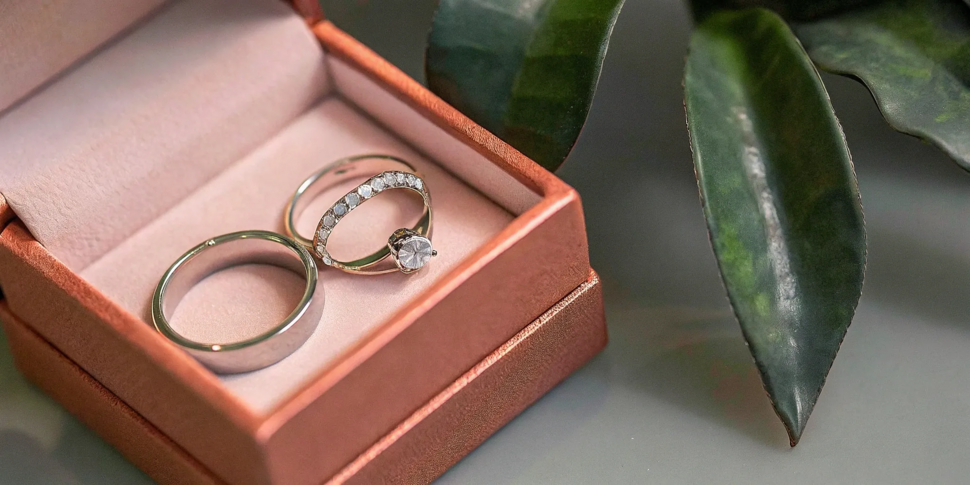
One of the best things about white gold is its incredible versatility. Its bright, silvery-white sheen provides a stunning, neutral backdrop that makes any gemstone truly pop. Whether your personal style is classic and understated, bold and modern, or has a touch of vintage romance, there’s a white gold design that will feel like it was made just for you. From timeless solitaires to unique settings from our favorite designers, this guide explores the most popular styles for white gold rings. We’ll help you discover how to pair them with the perfect gemstone to create a look that is uniquely yours.
Key Takeaways
- It's a strong and beautiful alloy: White gold is real gold mixed with durable white metals, making it a great choice for everyday wear. A final layer of rhodium plating gives it that signature bright, silvery finish.
- Maintain its shine with simple upkeep: The rhodium plating that provides its luster can wear down over time. A quick visit to your jeweler every one to two years for re-plating is all it takes to restore its original brilliance.
- It makes every gemstone pop: The cool, neutral tone of white gold enhances a diamond's sparkle and makes colored gemstones appear more vivid, offering a modern look similar to platinum at a more accessible price.
What Exactly Is White Gold?
White gold has a cool, contemporary shine that makes it a favorite for everything from engagement rings to everyday necklaces. But what gives it that silvery hue? Unlike yellow gold, which is often mixed with copper and zinc, white gold gets its color from a unique blend of metals. Understanding its composition is the first step to appreciating its beauty and durability. It’s a fantastic choice for modern jewelry that feels both timeless and fresh. Let's get into what makes white gold, well, white gold.
Its Unique Composition and Alloys
Think of white gold as pure gold’s stylish cousin. It’s an alloy, which means it’s made by mixing pure gold with other silvery-white metals like palladium and silver. This process does two great things: it makes the naturally soft gold much more durable for daily wear and gives it that signature modern look. For example, 18K white gold is 75% pure gold, a quality often indicated by a ‘750’ stamp. This high gold content makes it a valuable and sought-after choice for fine jewelry, blending classic quality with a contemporary feel.
White Gold vs. Yellow Gold and Platinum
When you’re choosing a metal, it often comes down to white gold, yellow gold, or platinum. White gold is created by mixing pure gold with white metals, which strengthens it and provides a sleek finish. It naturally has a faint yellowish tint, so to get that crisp, bright white shine, it’s coated with a thin layer of rhodium. This plating not only gives it a stunning luster but also adds an extra layer of durability. Because of the special metals in the alloy and the rhodium plating process, white gold is typically a bit more expensive than yellow gold of the same karat, making it a popular choice for bridal pieces.
Why Choose a White Gold Ring?
If you’re drawn to the crisp, silvery shine of white metals, you’ve likely considered a white gold ring. It’s a favorite for a reason. White gold strikes a beautiful balance between modern style, everyday durability, and timeless appeal. It offers a clean, bright look that feels both classic and fresh, making it an incredibly versatile choice for everything from engagement rings to statement pieces. Let’s get into what makes this popular metal a standout option.
Its Strength and Durability
One of the biggest advantages of white gold is its strength. Because it’s an alloy of pure gold and harder white metals like palladium or nickel, it’s more resistant to scratches and dings than yellow gold. This makes it a fantastic choice for a piece you plan to wear every day, like an engagement ring or wedding band. While it’s true that over time, your ring might develop a subtle, warm tint as the rhodium plating wears, this is completely normal. Think of it as a sign of a well-loved piece, and it’s easily restored to its original bright white with a quick visit to your jeweler. This resilience ensures your bridal jewelry can stand up to daily life.
A Cool, Modern Aesthetic
There’s something undeniably chic about white gold. Its cool, silvery-white hue provides a neutral backdrop that makes diamonds and other gemstones appear brighter and more brilliant. The metal’s bright finish enhances a diamond’s sparkle without casting any yellow tones, creating a seamless and radiant look. This modern aesthetic works beautifully with a wide range of styles, from sleek, minimalist bands to intricate vintage-inspired designs. Whether you’re pairing it with a classic diamond or a vibrant colored gemstone, white gold helps the stone take center stage. It’s a versatile choice that complements any piece in your jewelry collection.
A Smart Alternative to Platinum
White gold and platinum are often compared for their similar appearance, but they have key differences. While platinum is naturally white and very dense, it’s also a softer metal, making it more prone to scratching and bending over time. White gold, being a harder alloy, offers more structural rigidity, which is a great quality for rings with delicate settings. Platinum also typically comes with a higher price tag. For many, white gold offers that same luxurious, silvery look at a more accessible price point, without compromising on durability. It’s a practical and beautiful choice, loved by many of our favorite designers.
What's the Price of a White Gold Ring?
Let's talk numbers. When you're searching for the perfect white gold ring, the price tag is obviously a big part of the conversation. The cost can vary quite a bit, and it’s helpful to understand what goes into that final number. It’s not just about the gold itself; factors like the designer's artistry, the intricacy of the design, and the gemstones all play a role. Here’s a straightforward breakdown of what influences the price of a white gold ring.
Factors That Influence the Cost
The biggest factor in a white gold ring's price is its gold content, or karat. As one expert notes, "The price of gold jewelry mostly depends on how much pure gold it has." White gold is often slightly more expensive than yellow gold of the same karat because of the specific alloys used in the mix, like palladium, and the extra step of rhodium plating that gives it that bright, silvery finish. Beyond the metal itself, the cost also reflects the skill of our talented designers and the complexity of the ring's design. A simple, classic band will naturally have a different price point than an intricate, handcrafted piece set with diamonds.
Comparing Prices by Karat
So, what do the different karats mean for your wallet? The higher the karat, the more pure gold is in the ring, which increases its value. For example, an 18k white gold ring is 75% pure gold, often marked with a "750" stamp to show its quality, making it a beautiful and valuable choice. While 18k gold is prized for its purity, 14k white gold is also a fantastic option, offering a great balance of durability and beauty. To give you a general idea, designer bridal rings in white gold can start around $2,890 and go upwards of $7,090, though the final price depends heavily on the specific design and the center stone you choose.
Discover Popular White Gold Ring Styles
One of the best things about white gold is its incredible versatility. Its bright, silvery-white sheen provides a stunning, neutral backdrop that makes any gemstone truly pop. Whether your personal style is classic and understated, bold and modern, or has a touch of vintage romance, there’s a white gold ring design that will feel like it was made just for you. Let’s explore some of the most popular styles you’ll find.
Timeless Solitaires and Halos
You can never go wrong with a classic. The solitaire setting, which features a single, stunning gemstone, is the definition of timeless elegance. It’s a clean, sophisticated choice that puts all the focus on the beauty of the center stone. For a little extra sparkle, a halo setting is a beautiful option. This design encircles the main gem with a frame of smaller diamonds, adding brilliance and making the center stone appear larger. A modern twist on this is the hidden halo, where the diamonds are set below the main stone, offering a secret sparkle that you can see from the side. These enduring designs are mainstays in any bridal collection.
Modern, Minimalist, and Vintage-Inspired Designs
If your taste leans more contemporary, you’ll love the clean lines of modern and minimalist rings. These designs often feature sleek, unadorned bands or geometric settings that feel fresh and effortless. On the other hand, white gold is also perfect for crafting intricate, vintage-inspired pieces. Think delicate filigree, milgrain details, and Art Deco-inspired shapes that tell a story of romance from a bygone era. Many of these styles, especially simple bands, are also perfect for creating a personalized ring stack, mixing metals and textures for a look that is uniquely yours.
Trending: Two-Stone and Bezel Settings
For those looking for something that feels very current, two-stone and bezel settings are having a major moment. The two-stone ring, also known as a "Toi et Moi" (You and Me), features two main gemstones set side-by-side. It’s a deeply romantic style that symbolizes partnership and connection. Bezel settings, where a thin metal rim secures the gemstone, offer a chic, modern aesthetic. This style is not only sleek but also incredibly practical, as it provides excellent protection for the stone, making it a great choice for everyday wear. You can see many of our designers incorporating these fresh ideas into their work.
Find the Perfect Gemstone for Your White Gold Ring
White gold’s cool, silvery-white hue makes it an incredibly versatile choice for any gemstone. It acts as a neutral backdrop that allows a stone’s true color and brilliance to take the spotlight. Whether you’re drawn to the timeless sparkle of a diamond, the rich color of a sapphire, or the unique character of an alternative stone, white gold provides a modern and elegant setting. Let’s explore some beautiful pairings to help you find the perfect match for your style.
The Classic Diamond Pairing
There’s a reason white gold and diamonds are such an iconic duo. The metal’s bright, neutral finish enhances a diamond’s natural fire, making it appear even more brilliant and icy. Unlike yellow gold, which can sometimes cast a warm tint, white gold lets a diamond’s colorless beauty shine through without any distractions. This pairing creates a seamless, sparkling look that feels both classic and contemporary. It’s a perfect choice for an engagement ring or any piece you want to feel truly timeless. Explore our bridal collection to see stunning examples of this classic combination.
Vibrant Colored Gemstones
If you love color, white gold is an excellent partner for vibrant gemstones. Its cool tone provides a crisp contrast that makes colors like the deep blue of a sapphire, the rich green of an emerald, or the fiery red of a ruby appear more saturated and vivid. Think of the white gold setting as a clean, bright canvas that allows the gemstone’s personality to pop. This effect isn’t just for the “big three” gemstones; it works beautifully with any colored stone, from soft pink morganite to deep teal tourmaline. Our curated jewelry collection features a wide array of colorful pieces set in white gold.
Unique and Alternative Stone Choices
Your ring should tell your story, and choosing an alternative gemstone is a wonderful way to express your individuality. White gold provides a fresh, modern frame for unique stones like salt-and-pepper diamonds, moss agate, or luminous moonstone. Its understated elegance ensures that the focus remains on the stone’s distinct character and natural beauty. Whether you’re drawn to a one-of-a-kind piece from an independent designer or a historic gem from our vintage and estate collection, a white gold setting complements these special stones without overpowering them, creating a ring that is truly your own.
How to Personalize Your White Gold Ring
A white gold ring is more than just a piece of jewelry; it’s a reflection of you. Making it truly your own is one of the most exciting parts of the process. Beyond choosing the perfect stone, there are so many creative ways to add your personal signature. From the texture of the band to a hidden message engraved inside, these details transform a beautiful ring into a meaningful heirloom. Let’s look at a few ways you can customize your white gold ring to perfectly capture your story and style.
Choose Your Band, Finish, and Texture
The foundation of your ring’s personality lies in its band. Think of it as the canvas. Do you prefer a classic, high-polish shine that gleams, or does a soft, matte finish feel more like you? Many of our favorite designers also create stunning textured finishes, like hammered or brushed styles, that add depth and character. A truly unique ring combines a meaningful material with a design that reflects your personal style. Consider how the band will feel on your hand every day and how it pairs with other jewelry you love. The right combination of finish and texture makes the ring feel like it was made just for you.
Add a Personal Touch with Engraving
Engraving is a timeless way to infuse your ring with intimate meaning. It’s a secret message, a shared memory, or a simple reminder of your bond, tucked away just for you. You can inscribe a significant date, your partner’s initials, or a short phrase that holds special importance to your relationship. This small detail transforms your ring from a beautiful object into a deeply personal keepsake. If you're considering a custom touch like this, it's always a great idea to book an appointment to discuss all the possibilities and ensure your vision comes to life perfectly.
Play with Mixed Metal Designs
Forget the old rule that you have to stick to one metal. Mixing metals is a fantastic way to create a look that is modern, dynamic, and completely your own. A cool white gold engagement ring looks incredible paired with the warmth of a yellow or rose gold wedding band. This approach allows you to build a bridal stack that feels collected and personal over time. You can create a distinctive look that breaks from tradition and truly represents your individual taste. It’s all about choosing pieces you love and creating a combination that tells your unique story.
Your Guide to Buying a White Gold Ring
You’ve explored different styles, and now you’re ready to find the one. Buying a white gold ring is an exciting step, but feeling confident in your choice comes down to knowing what to look for and who to trust. This is your final checklist before you commit. It covers the small details that make a big difference, from verifying quality to understanding long-term care, so you can select a beautiful ring you’ll love for years to come.
Look for Quality Marks and Certifications
When you’re looking at a white gold ring, one of the first things to check for is a quality mark, also known as a hallmark. This tiny stamp, usually found on the inner band, is the jewelry world’s seal of approval. It tells you the gold content of the piece. For example, an 18K white gold ring is 75% pure gold, so it will typically be marked with a ‘750’ stamp. These marks are your assurance that you’re getting exactly what you paid for. When you browse a curated jewelry collection, you can trust that each piece meets these high standards of quality and authenticity.
Understand Rhodium Plating
That brilliant, mirror-like shine on a new white gold ring comes from a special coating of rhodium. Rhodium is a rare, silvery-white metal in the platinum family that gives white gold its signature cool tone. This plating not only adds to the ring's brightness but also provides a protective layer against scratches. It’s important to know that this rhodium plating can wear off over time, revealing the slightly warmer, natural color of the white gold beneath. This is completely normal! A quick trip to your jeweler for re-plating every year or two will restore its bright white finish and keep it looking brand new.
Find a Jeweler You Trust
Choosing a reputable jeweler is just as important as choosing the ring itself. The right expert can guide you through every step, answer your questions, and help you find a piece that truly reflects your style. Look for a jeweler who makes you feel comfortable and offers opportunities to chat with experts. A trustworthy jeweler is your partner in this process, whether you’re exploring pieces from unique designers or considering a custom creation. If you’re ready to see some options in person, you can always book an appointment to get personalized advice in a relaxed, no-pressure environment.
How to Care for Your White Gold Ring
You’ve found the perfect white gold ring, and now you want to keep it looking as stunning as the day you got it. The good news is that caring for white gold is straightforward. With a simple cleaning routine and a little professional attention now and then, you can easily maintain its cool, bright shine for a lifetime. Think of it as a small ritual to honor a piece you love. A little care goes a long way in making sure your ring continues to sparkle and tell its story for years to come.
Daily Cleaning and Storage Tips
To keep your ring looking its best, a gentle, regular cleaning is key. You can easily maintain your white gold jewelry at home by wiping it with a soft cloth, warm water, and a bit of mild soap. This simple step helps prevent the buildup of oils from your skin, lotions, and everyday dirt that can dull its surface. Just be sure to avoid harsh chemicals like bleach or chlorine, as they can damage the metal and its finish.
When you’re not wearing your ring, proper storage is just as important. To prevent scratches, it’s best to keep it in a soft pouch or a separate, fabric-lined compartment in your jewelry box. This protects it from rubbing against other, harder gemstones or metals.
When to See a Professional for Maintenance
While at-home cleaning is great for daily upkeep, there are times when your ring will benefit from a professional’s touch. Most white gold rings are plated with rhodium, a bright white metal from the platinum family, which gives them their signature luster. If you wear your ring every day, this plating can gradually wear away, and you might notice your ring starting to look a little less brilliant.
This is a completely normal part of owning a white gold piece. When you notice the shine isn't what it used to be, it’s a good sign that it’s time for a visit. You can always book an appointment with us to have your ring professionally cleaned, polished, and inspected.
Long-Term Care for Lasting Shine
For long-term brilliance, think of your white gold ring’s care as an ongoing process. Because of its rhodium coating, white gold generally needs a bit more maintenance than yellow gold to maintain its crisp white color. Over time, the rhodium layer will wear off, but it can easily be reapplied.
To keep your ring looking brand new, we recommend having it re-plated every one to two years. This process is quick and restores that beautiful, bright white shine you love. This is especially true for a piece you wear constantly, like a bridal ring. Regular visits to your jeweler ensure your cherished ring remains as stunning as ever.
Is White Gold Right for Sensitive Skin?
If you have sensitive skin, the thought of a new ring causing a rash is probably the last thing you want. It’s a common concern, and when it comes to white gold, the answer isn't always straightforward. The good news is, you can absolutely wear white gold without irritation, as long as you know what to look for.
The key is understanding what white gold is made of. Because pure gold is too soft for everyday wear, it’s mixed with other metals, called alloys, to make it stronger. For white gold, these alloys create its silvery-white color. Sometimes, one of those alloys is nickel, which is a common skin irritant for many people. But don't worry, that doesn't mean white gold is off-limits. Let's get into what causes these reactions and how to find a beautiful ring that feels as good as it looks.
The Deal with Nickel Allergies
So, what’s the story with nickel? It’s a strong, durable metal that’s often used to give white gold its color and strength. For most people, it’s completely harmless. However, for those with a sensitivity, direct and prolonged contact can cause an allergic reaction, like redness or itchiness. Most new white gold rings are coated in a layer of rhodium, which creates a beautiful, bright finish and acts as a barrier between your skin and the metal alloy. The issue can arise as this plating naturally wears away over time, potentially exposing your skin to the nickel in the gold. This is why it's so important to know what's in your jewelry.
Finding Hypoallergenic Options
Loving the look of white gold doesn’t mean you have to risk a reaction. The best solution is to choose a nickel-free white gold ring. Many of our favorite designers create their pieces using a palladium alloy instead of nickel. Palladium is a platinum-group metal that is naturally hypoallergenic and gives white gold a lovely, rich white hue. If you've fallen for a ring that does contain nickel, regular re-plating with rhodium can maintain that protective barrier. The most important step is to ask questions. When you're ready to find your perfect piece, you can always book an appointment with us to discuss the best hypoallergenic options for you.
Let's Debunk Some White Gold Myths
White gold is a beautiful and popular choice, but it’s surrounded by a lot of confusion. If you’re drawn to its cool, silvery tone but have heard some rumors, let’s clear the air. Understanding the facts will help you feel confident in your choice, whether you're selecting a piece for yourself or a loved one.
Many of the questions we hear are about white gold's authenticity and how it wears over time. Let's tackle these two big myths so you can know exactly what to expect from your jewelry.
Is It Real Gold? Is It Durable?
Yes, white gold is absolutely real gold. Pure gold is naturally a warm, yellow color, so to get that beautiful white sheen, it’s mixed with durable white metal alloys like palladium or nickel. This process doesn't make it any less "real"; it simply changes its color and adds strength.
In fact, those alloys make white gold more durable than yellow gold, which is a huge plus for pieces you wear every day, like engagement rings. It’s a practical and resilient metal built for real life. Over many years, you might notice a faint yellowish hue, but this is just the natural color of the alloy peeking through, not a sign that your ring isn't authentic.
Will It Change Color Over Time?
This is a great question, and the answer is tied to a final step in making most white gold jewelry: rhodium plating. Think of rhodium as a super-powered top coat. It’s a member of the platinum family, and a thin layer is applied to give white gold an extra-bright, scratch-resistant finish.
Over time, with daily wear, this plating can gradually wear away, revealing the slightly warmer, natural tone of the white gold alloy underneath. The gold itself isn’t changing color. The good news is that restoring that brilliant shine is simple. A professional jeweler can easily re-plate your ring, making it look brand new again.
Related Articles
Frequently Asked Questions
Why is my white gold ring starting to look a little yellow? This is a completely normal and expected part of owning a well-loved white gold piece. Most white gold is coated with a thin layer of rhodium to give it that super bright, silvery-white shine. Over time, daily wear causes this plating to gradually wear away, revealing the natural, slightly warmer tone of the white gold alloy underneath. It’s not a flaw; it’s just a sign that it’s time for a quick spa day at the jeweler to have it re-plated.
Is white gold durable enough for an everyday ring? Absolutely. In fact, white gold is a fantastic choice for a ring you plan to wear every day, like an engagement or wedding ring. The alloys mixed with the pure gold, such as palladium, make it stronger and more scratch-resistant than pure gold. While it’s a very resilient metal, its rhodium plating will need occasional upkeep to maintain its bright white color, but the ring's structure is built to last.
What's the main difference between white gold and platinum? While they look very similar, the key differences are in their composition and how they wear. Platinum is a naturally white metal, so its color will never change, but it is a bit softer and can scratch or bend more easily over time. White gold is an alloy of gold and white metals, making it harder and more rigid. It gets its bright white color from rhodium plating, which needs to be reapplied every couple of years. White gold is also generally a more accessible price point than platinum.
How often should I have my white gold jewelry professionally serviced? For a ring you wear daily, we recommend bringing it in for a professional cleaning and inspection about once a year. During this visit, we can check the settings and give it a thorough polish. As for re-applying the rhodium plating, a good rule of thumb is every one to two years. This quick process will restore that brilliant, like-new shine and keep your ring looking its absolute best.
Is white gold a good choice if I have a nickel allergy? It certainly can be. While some white gold alloys do contain nickel, which is a common skin irritant, there are beautiful hypoallergenic options available. Many jewelers and designers now use palladium, a platinum-group metal, as the primary alloy. This creates a nickel-free white gold that is perfect for sensitive skin. If you have a known allergy, just be sure to ask for a nickel-free palladium alloy when you shop.
Recent articles
View all
Brooke's Holiday Favorites - 2025

Holly's Holiday Favorites - 2025