

When Did Lab Grown Diamonds Start? A Brief History
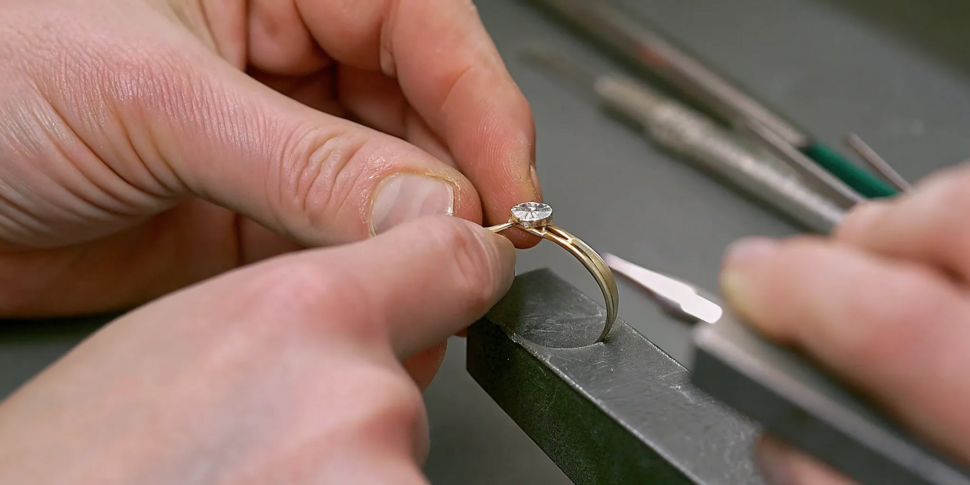
The beautiful lab-grown diamond sparkling in a ring today has a surprising past. Long before it was celebrated for its beauty, it was valued for its brawn. The first diamonds created by scientists weren't destined for jewelry boxes; they were workhorses designed for cutting, grinding, and drilling in the world's toughest industries. This incredible transformation from the factory floor to the fine jewelry counter makes their history so fascinating. The question of when did lab grown diamonds start isn't just about a date, but about a pivotal shift in technology that turned a purely functional material into a modern symbol of love and conscious choice.
Key Takeaways
- Identical in Every Way That Matters: Lab-grown diamonds are real diamonds, sharing the exact same chemical structure, hardness, and brilliance as their mined counterparts. The only difference is their origin, not their quality or sparkle.
- Smart Value Without Compromise: Choosing a lab-grown diamond allows you to get more for your budget—often a larger or higher-quality stone—without sacrificing the beauty and durability that makes a diamond a timeless choice.
- A Modern Choice with a Clear Conscience: Lab-grown diamonds offer a transparent and ethical origin, giving you complete peace of mind. It's a forward-thinking option that aligns modern values with the enduring tradition of fine jewelry.
What Exactly Is a Lab-Grown Diamond?
If you're starting to explore options for a special piece of jewelry, especially an engagement ring, you've likely come across the term "lab-grown diamond." It's a topic that brings up a lot of questions, and for good reason! You want to know exactly what you're investing in. So, let's clear up the confusion. A lab-grown diamond isn't a "fake" or a lesser version of a diamond. It's the real deal, just with a different origin story.
Instead of being formed deep within the Earth over billions of years, these diamonds are created in a controlled laboratory environment that replicates the natural growing process. Think of it like the difference between a wildflower and a greenhouse-grown orchid—both are beautiful, genuine flowers, but one grew in the wild and the other was cultivated by experts. Lab-grown diamonds have the same physical, chemical, and optical properties as their mined counterparts. They sparkle just as brilliantly and are just as durable because, chemically, they are identical. This means you get the same stunning stone without the geological wait time. It's a testament to human ingenuity, offering a modern alternative for a timeless symbol of love and commitment.
The Science: Are They Real Diamonds?
The short answer is a resounding yes. Lab-grown diamonds are real diamonds. They are made of the exact same material as natural diamonds: pure carbon crystallized in a specific structure. Because they share the same chemical makeup and physical properties, they have the same hardness, brilliance, and fire that you expect from a diamond.
The term you might also hear is "synthetic diamonds," but don't let that word fool you. In gemology, "synthetic" simply means it was made by humans rather than by nature. It doesn't mean it's fake. These gems are physically and chemically indistinguishable from mined diamonds, offering the same timeless beauty and durability.
Lab-Grown vs. Mined: Can You Spot the Difference?
Visually, there is no difference between a lab-grown and a mined diamond. Even a trained jeweler can't tell them apart just by looking at them. They are not to be confused with diamond simulants, like cubic zirconia or moissanite, which are made of entirely different materials and only mimic the look of a diamond. Lab-grown diamonds are just as tough and will last just as long as natural ones, making them a fantastic choice for bridal jewelry meant to be worn for a lifetime.
So, how does anyone tell them apart? It requires highly specialized equipment found in gemological labs. To ensure transparency, leading labs like GIA and IGI use a laser to inscribe a tiny, invisible serial number on the diamond's girdle, identifying it as laboratory-grown.
Where Did Lab-Grown Diamonds Come From?
The idea of creating a diamond in a lab sounds like something straight out of science fiction, but its history is a fascinating story of human ingenuity. For decades, scientists were captivated by the challenge of replicating the Earth’s most brilliant creation. It wasn't an easy puzzle to solve, requiring a deep understanding of chemistry, physics, and a whole lot of pressure. The journey from a scientific theory to the stunning lab-grown diamond jewelry we see today began with a major breakthrough in the mid-20th century, thanks to a dedicated team and a powerful new invention.
The 1954 Breakthrough
The first time scientists successfully and verifiably grew a diamond was in 1954 at General Electric (GE). This wasn't just a happy accident; it was the result of a highly focused and aptly named initiative called "Project Superpressure." The goal was simple but incredibly ambitious: to recreate the intense high-pressure, high-temperature (HPHT) conditions found deep within the Earth where natural diamonds form. By squeezing carbon atoms under immense force and heat, the GE team managed to do what was once thought impossible. They coaxed those atoms into the iconic crystal structure we all recognize as a diamond, marking a pivotal moment in both science and technology.
Meet the Scientists Behind the Sparkle
While the 1954 success was a team effort, a physicist named H. Tracy Hall was at the heart of the breakthrough. He was the inventor of a groundbreaking device called the "belt press," a machine capable of generating the extreme conditions needed for diamond synthesis. His invention was the key that finally unlocked the secret to growing diamonds. Interestingly, another team at ASEA in Sweden had also managed to create diamonds a year earlier in 1953, but they kept their discovery quiet. It was GE’s public announcement in 1955 that officially introduced the world to the first synthetic diamonds and cemented Hall's place in history as a pioneer of the industry.
How Were the First Lab Diamonds Made?
Creating a diamond in a lab sounds like something out of a science fiction movie, but the process is a fascinating blend of ingenuity and brute force. The goal has always been to replicate the intense, fiery conditions deep within the Earth where natural diamonds are born. The first scientists to crack the code didn't get it perfect on the first try. Their initial success was a huge milestone, but it took decades of refinement to get from a tiny industrial crystal to the stunning gems you see in engagement rings today. The journey involved two primary methods, each a major leap forward in material science.
The Original Method: High Pressure, High Temperature (HPHT)
The first-ever lab-grown diamond was created in 1954 by a team at General Electric. They used a method called High Pressure, High Temperature, or HPHT. The name says it all: scientists essentially built a machine that could mimic the crushing pressure and scorching heat of the Earth's mantle. They would place a small diamond seed into a chamber with a carbon source, like graphite. Then, they cranked up the heat to around 1,600°C and applied an incredible amount of pressure. This intense environment forced the carbon atoms to rearrange themselves and crystallize onto the diamond seed, growing a new, larger diamond. This groundbreaking process was the foundation for everything that came after.
Overcoming the First Hurdles
While the GE team successfully created a diamond, their first creations weren't exactly ready for a place in our jewelry cases. These early diamonds were small, often yellowish, and filled with imperfections. They were perfect for industrial uses—think drill bits, saws, and grinding tools—but they lacked the size and clarity needed for fine jewelry. It wasn't until the 1980s and 90s that the technology truly caught up. Scientists refined the HPHT process and developed an entirely new method called Chemical Vapor Deposition (CVD), which allowed them to grow bigger, clearer diamonds layer by layer. This was the turning point that made gem-quality lab diamonds a reality for the jewelry world.
How Has Diamond Creation Evolved?
The journey of lab-grown diamonds didn't stop with that first successful creation. Like any groundbreaking technology, the initial process was just the beginning. Scientists and engineers were driven by a new challenge: how to make these diamonds not just for industrial use, but beautiful enough to be the centerpiece of a stunning piece of jewelry. The original High Pressure, High Temperature (HPHT) method was a fantastic start, but it had its limitations, especially when it came to creating larger, clearer gems without a yellowish tint.
The real game-changer came with the development of a completely new approach. This new technique offered more precision and control, allowing for the creation of diamonds that could rival the best mined stones in clarity and brilliance. This evolution wasn't just about making diamonds; it was about perfecting them. The focus shifted from simply replicating nature to refining the process to produce consistently high-quality gems. This leap forward is the reason we now have such incredible lab-grown diamond options for everything from classic stud earrings to breathtaking engagement rings. It’s a story of relentless innovation that has completely reshaped the jewelry world.
A New Method Appears: Chemical Vapor Deposition (CVD)
As scientists refined their techniques, they developed a new method called Chemical Vapor Deposition, or CVD. Instead of mimicking the intense pressure deep within the Earth, CVD takes a more delicate, additive approach. The process starts with a tiny diamond "seed" placed in a vacuum chamber. This chamber is then filled with carbon-rich gases. When heated, these gases break down, and the carbon atoms attach to the diamond seed, growing the crystal layer by meticulous layer. This method gave scientists unprecedented control, allowing them to grow diamonds that were bigger and clearer than what was often possible with the original HPHT process.
Modern Tech, Better Diamonds
Today, CVD is the most common method for creating gem-quality lab-grown diamonds, and for good reason. The level of control it offers is simply remarkable. By carefully managing the gases and temperature inside the chamber, technicians can guide the diamond's growth, minimizing imperfections and achieving exceptional clarity and color. This precision also makes the process more efficient. For you, this means access to stunning, high-quality diamonds that are perfect for a custom bridal piece or a special occasion gift. It’s modern technology at its finest, resulting in a more beautiful and accessible diamond.
Advancements in Quality and Size
The 2000s marked a turning point when lab-grown diamonds finally achieved the quality needed for fine jewelry. Their popularity soared in the 2010s as labs perfected their techniques, consistently producing larger and more flawless stones. What was once a niche scientific curiosity has now become a major player in the jewelry market. The technology is always improving, leading to even higher quality and more options for consumers. This continuous innovation is why so many talented designers are excited to work with lab-grown diamonds, using them to create fresh, modern, and soulful pieces that celebrate both science and art.
What Was the Original Purpose of Lab-Grown Diamonds?
It might be hard to imagine now, seeing the stunning lab-grown diamonds in our jewelry collection, but these gems weren't originally created for adornment. Long before they were set in engagement rings or necklaces, they had a much more utilitarian purpose. The initial goal wasn't to replicate the beauty of a mined diamond but to harness its incredible strength and unique properties for practical, world-changing applications. Scientists and engineers were chasing the diamond's hardness, not its sparkle. They saw its potential to revolutionize industries and push the boundaries of scientific research.
The journey from a high-pressure lab experiment to a centerpiece in a beautiful ring is a fascinating one, rooted in innovation that had nothing to do with fashion and everything to do with function. The first lab-grown diamonds were small, often discolored, and full of imperfections—completely unsuitable for jewelry. But for industrial and scientific work, they were perfect. Their creation marked a huge step forward, providing a reliable and ethical source for the world's hardest material. This shift from the workshop to the jewelry box shows just how far the technology has come, transforming a purely functional material into a symbol of beauty and conscious choice.
Powering Industrial Tools
The very first lab-grown diamonds were workhorses, not showpieces. Because of their incredible hardness—the highest of any known material—they were perfect for industrial jobs. Think cutting, grinding, and drilling through tough materials with precision. The initial lab-created diamonds were small and not visually appealing enough for jewelry, but they were ideal for embedding into saw blades, drill bits, and grinding wheels. In fact, the vast majority of diamonds used in industry today—about 98%—are synthetic. This reliable supply of super-hard material has been essential for manufacturing, construction, and countless other fields that require tools that can withstand extreme conditions.
Aiding Scientific Research
Beyond the factory floor, lab-grown diamonds played a crucial role in the world of science. The breakthrough came in 1954 when General Electric (GE) created the first proven synthetic diamonds under a mission fittingly named "Project Superpressure." These diamonds allowed scientists to conduct experiments under extreme conditions that were previously impossible. Because diamonds can withstand immense pressure and temperature, they were used to create tiny anvils for high-pressure research, helping us understand how materials behave deep within the Earth. They became invaluable tools for studying material properties, pushing the boundaries of physics, geology, and materials science long before they ever sparkled on someone's finger.
When Did Lab Diamonds Start Appearing in Jewelry?
For decades, lab-grown diamonds were the unsung heroes of industry, quietly working in drills and scientific equipment. But when did they finally get their chance to shine in a jewelry box? The journey from the factory floor to the showroom was a gradual one, marked by key moments of scientific achievement and a major shift in public perception. It took time for the technology to catch up with the dream of creating a diamond that was not only chemically identical to a mined one but also just as beautiful.
The 1971 Milestone: A Gem is Born
The first major step happened in 1971. After years of research, General Electric (GE) produced the first gem-quality lab-grown diamonds. While this was a huge scientific win, these early stones weren't quite ready for their close-up. The process was incredibly expensive, and the diamonds often came out with a noticeable yellow tint and internal flaws. They were diamonds, absolutely, but the technology needed more time to perfect the clarity and color we look for in fine jewelry. This early history of lab-grown diamonds laid the essential groundwork for the beautiful, clear stones we see today.
Arriving in Stores: The 2000s Shift
Fast forward a few decades, and the technology had made incredible leaps. By the early 2000s, lab-grown diamonds started appearing in jewelry stores, offering a new choice for shoppers. Their popularity really took off in the 2010s as scientists refined their methods, making it possible to grow larger, more brilliant stones without the high costs of earlier attempts. This shift meant that stunning diamonds became more accessible, giving people more options when choosing significant pieces like bridal jewelry. The dream of a bigger, brighter diamond was suddenly within reach for many more people.
Making It Official: The FTC Weighs In
Despite their growing popularity, there was still some confusion about what to call these stones. Were they "real"? The debate was officially settled in 2018 when the Federal Trade Commission (FTC) updated its Jewelry Guides. The FTC recognized lab-grown diamonds as real diamonds, stating that a diamond is a diamond, regardless of its origin. This ruling was a game-changer, confirming that lab-grown diamonds aren't fakes or imitations—they have the same physical, chemical, and optical properties as their mined counterparts. This official validation cemented their place in the world of fine jewelry.
Why Are Lab-Grown Diamonds So Popular Now?
It seems like everywhere you look, lab-grown diamonds are sparkling in the spotlight. This isn't just a fleeting trend; it's a significant shift in how we think about fine jewelry. Their rise in popularity comes down to a perfect combination of modern values, smart technology, and accessible beauty. For many, choosing a lab-grown diamond is about getting a stunning stone that aligns with their personal ethics without stretching their budget.
The conversation around diamonds has changed. People are asking more questions about origin, impact, and value, and lab-grown diamonds provide compelling answers. They offer the same physical, chemical, and optical properties as mined diamonds—because they are real diamonds—but with a different story behind them. This new chapter in the world of jewelry gives you more choices than ever before, whether you're searching for the perfect engagement ring or a timeless piece to celebrate a milestone. Let's explore the key reasons why so many people are falling in love with them.
A More Conscious Choice
One of the most powerful drivers behind the popularity of lab-grown diamonds is the peace of mind they offer. Because they are created in a controlled environment, they are completely free from the ethical concerns tied to conflict diamonds. For many of us, knowing the origin of our jewelry is just as important as its beauty. Choosing a lab-grown diamond means you can wear your sparkle with a clear conscience, confident that your piece represents a modern, ethical choice. It’s a decision that feels good and looks incredible, ensuring your jewelry’s story is one of pure celebration.
Accessible Brilliance and Beauty
Let’s talk about one of the most practical benefits: affordability. Lab-grown diamonds are generally more accessible financially than their mined counterparts of similar size and quality. This doesn't mean you're compromising on the good stuff—the sparkle, the clarity, or the wow-factor. It simply means you can get more for your budget. You might be able to choose a larger stone or a higher-quality cut than you thought possible. This accessibility opens up a world of options, allowing you to find a piece of jewelry that truly reflects your style without breaking the bank.
The Preference of a New Generation
Younger generations, particularly Millennials and Gen Z, are making purchasing decisions that reflect their values, and jewelry is no exception. These buyers are drawn to lab-grown diamonds because they align with a desire for sustainability and ethical sourcing. They represent a forward-thinking approach to a traditional industry. This preference for transparency and responsibility is reshaping the market, making lab-grown diamonds a mainstream choice for those who want their jewelry to represent both personal style and personal principles. It’s a choice that feels both contemporary and timeless, much like the pieces from our favorite designers.
Technology Perfects the Sparkle
The quality of lab-grown diamonds available today is simply stunning, and we have incredible technology to thank for it. Advanced creation methods like HPHT and CVD have been refined over the years, allowing labs to produce diamonds that are chemically and visually identical to mined ones. In fact, these technological advancements mean that even a trained gemologist can't tell the difference without specialized equipment. This guarantees you’re getting a high-quality, durable, and brilliant stone. If you're curious to see the sparkle for yourself, you can always book an appointment to compare them in person.
Let's Talk Myths: What's True and What's Not?
With any exciting development, a bit of a learning curve is natural, and lab-grown diamonds are no exception. There's a lot of chatter and conflicting information out there, which can make it tough to separate fact from fiction. If you've heard things that give you pause, you're not alone. It’s smart to ask questions when you’re investing in a piece of fine jewelry that you’ll love for a lifetime.
So, let's get straight to it and clear the air. We're going to tackle the three most common myths about lab-grown diamonds head-on. Understanding the truth behind these stones helps you make a choice that feels right for you, your style, and your values. Whether you're designing a custom engagement ring or picking out a special gift, knowledge is everything.
Myth: They're Not "Real" Diamonds
Let’s clear this one up right away: Lab-grown diamonds are 100% real diamonds. Think of it like this: ice from your freezer is just as real as ice from a frozen lake. One formed in a controlled environment and the other formed in nature, but they are both frozen water. The same logic applies here. Lab-grown diamonds have the exact same chemical makeup and physical properties as diamonds that come from the earth. They are pure carbon, crystallized in the same structure. The only difference is their origin story—one grew in a lab, the other deep underground.
Myth: They Lack Quality and Durability
Another common misconception is that lab-grown diamonds are somehow weaker or less brilliant than mined ones. This is simply not true. Because they are chemically identical, they are equally durable. Both lab-grown and mined diamonds score a perfect 10 on the Mohs scale of hardness, making them the hardest natural substance known. They won't get cloudy, and they have the same potential for fire, brilliance, and sparkle. The quality of any diamond, regardless of origin, depends on the 4Cs (cut, color, clarity, and carat), and our curated jewelry collection always prioritizes exceptional quality.
Myth: They Don't Hold Value
The conversation around a diamond's value is complex for both mined and lab-grown stones. The truth is, the resale value of most diamonds is significantly lower than their original retail price. The primary value of a piece of bridal jewelry is the love and commitment it represents. That said, lab-grown diamonds absolutely have resale value. The real financial advantage is in the initial purchase. You can often get a larger or higher-quality lab-grown diamond for the same price as a smaller mined one, giving you more beauty and brilliance for your budget from day one.
Where Do Lab-Grown Diamonds Stand Today?
Lab-grown diamonds have firmly established their place in the fine jewelry world. What was once a niche scientific curiosity is now a popular and respected choice for everything from everyday earrings to stunning engagement rings. They offer a modern path to owning a beautiful diamond, blending cutting-edge technology with timeless sparkle. This shift hasn't just given us more options; it's changing the conversation around what makes a diamond truly special.
From Niche to Mainstream Acceptance
It’s amazing to see how far lab-grown diamonds have come. For decades, they were primarily used for industrial purposes, but now they are a genuine and celebrated choice for fine jewelry. The journey from industrial tools to sparkling center stones reflects a major shift in both technology and consumer perspective. They now represent a modern, more accessible option for anyone who wants the brilliance of a diamond. This brief history shows their evolution from a scientific breakthrough to a mainstream staple, giving more people the chance to own a piece of forever.
Shaking Up the Traditional Diamond Market
The rise of lab-grown diamonds is changing the traditional diamond industry for the better. By offering beautiful stones at more accessible prices and with transparent, ethical sourcing, they provide a powerful alternative. This isn't just a passing trend; the demand for lab-grown diamonds increases every year as more people learn about their origins and benefits. This growing popularity gives you more control and choice when selecting a piece of jewelry that truly reflects your values without compromising on quality or beauty. It’s a clear signal that the market is evolving to meet the desires of an informed buyer.
A Future of Choice: Mined and Lab-Grown Together
The future of diamonds isn't about choosing a side; it's about having choices. Lab-grown diamonds present a compelling alternative to mined diamonds, especially for those who prioritize affordability and customization. The industry has taken notice. Even major mining companies like De Beers have launched their own lab-grown diamond brands to meet this growing demand. This embrace from the wider industry shows that both mined and lab-grown diamonds have a place. It means you can find the perfect stone for your bridal set or special occasion piece, confident that you’ve made the choice that’s right for you.
Related Articles
- The Guide to Engagement Rings in Highlands Ranch, CO
- Eternity Band Lab Diamond: The Ultimate Guide
- How to Tell If a Diamond Is Real: 10 Easy Tests
Frequently Asked Questions
Can an expert really tell the difference between a lab-grown and a mined diamond? Just by looking at it, no. Even a trained gemologist cannot visually distinguish a lab-grown diamond from a mined one because they are physically and chemically identical. They have the same sparkle, the same fire, and the same hardness. The only way to know for sure is by using highly specialized equipment in a gemological lab that can detect the subtle differences in their growth patterns or by reading the tiny laser inscription that identifies the diamond's origin.
Why are lab-grown diamonds more affordable if they're the same thing? The price difference comes down to their origin and supply chain. Mined diamonds are a finite resource, and the process of discovering, extracting, and transporting them is incredibly complex and expensive. Creating a diamond in a lab is a technological process that is much more efficient and has a more predictable outcome. This streamlined creation process is what makes them a more accessible option, not any difference in quality.
Will a lab-grown diamond last forever, just like a natural one? Absolutely. A diamond is a diamond, which means it's the hardest known material on earth. Lab-grown diamonds score a perfect 10 on the Mohs scale of hardness, just like their mined counterparts. They are incredibly durable and will not get cloudy, scratch easily, or lose their brilliance over time. This makes them a perfect choice for a piece of jewelry, like an engagement ring, that you plan to wear and cherish for a lifetime.
Is choosing a lab-grown diamond an ethical choice? For many people, it is. Because lab-grown diamonds are created in a controlled environment, their origin is completely traceable. This eliminates the ethical concerns associated with conflict diamonds and the social impacts of some mining practices. It gives you complete peace of mind, knowing the exact story behind your beautiful stone, which is a priority for many modern buyers.
Does choosing a lab-grown diamond mean I'm sacrificing quality or sparkle? Not at all. The quality of any diamond, regardless of its origin, is judged by the same universal standard: the 4Cs of cut, color, clarity, and carat. Lab-grown diamonds are available across the full spectrum of quality grades, just like mined diamonds. You can find exceptionally clear, colorless, and beautifully cut lab-grown stones. You are simply choosing a different origin story, not a different standard of beauty or brilliance.
Recent articles
View all
Brooke's Holiday Favorites - 2025
Holly's Holiday Favorites - 2025