
What Is 14k Gold? The Sweet Spot for Fine Jewelry
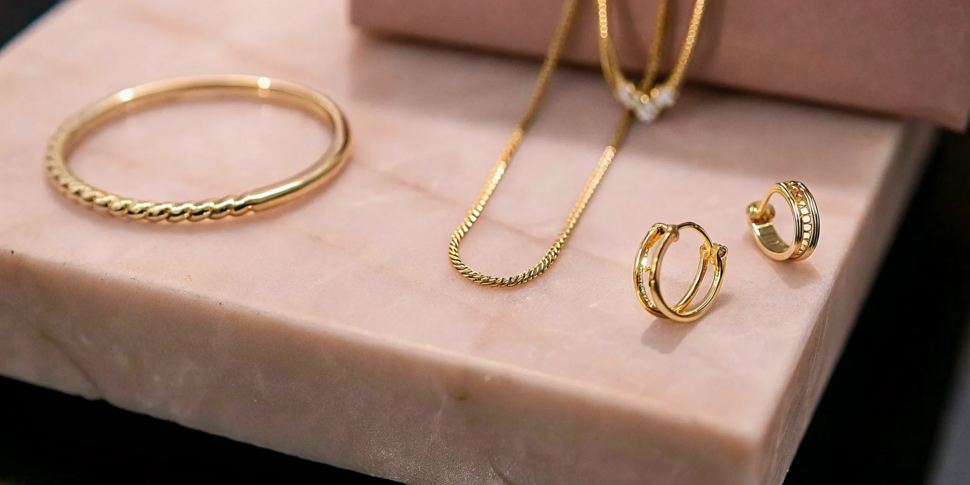
The best jewelry is the kind you can live in—the pieces that become a part of your daily uniform. You want a ring that can handle endless hand-washing, a necklace you can sleep in, and bracelets that survive a busy day of typing. For jewelry that keeps up with your life, 14k gold is the undisputed champion. Its unique composition makes it strong, resilient, and resistant to the scratches and dings of everyday activities. But what is 14k gold that makes it so tough? It’s all in the blend of pure gold with strengthening metals, creating a material that’s perfect for crafting the beautiful, wearable art in our jewelry collections that you’ll never want to take off.
Key Takeaways
- 14k Gold is an Intentional Blend: This popular metal is not a lesser version of gold; it is pure gold mixed with strong alloys to create a beautiful, durable, and valuable material that is perfect for fine jewelry.
- It’s Designed for Real Life: The strength of 14k gold makes it highly resistant to scratches and daily wear, so you can confidently wear your favorite pieces without saving them only for special occasions.
- Authenticity and Care are Straightforward: Check for a "14k" or "585" hallmark to confirm authenticity, and keep your jewelry beautiful with gentle home cleaning and annual professional inspections for longevity.
What Is 14k Gold?
When you start exploring the world of fine jewelry, you’ll see “14k gold” everywhere. It’s the most popular choice for everything from delicate necklaces to lifelong wedding bands, and for good reason. Think of 14k gold as the sweet spot, offering a perfect balance of purity, durability, and timeless beauty. But what does “14k” actually mean? In short, it’s a measure of how much pure gold is in a piece of jewelry.
Pure gold, or 24k gold, is stunning but incredibly soft, making it impractical for pieces you want to wear every day. To create jewelry that can keep up with your life, jewelers mix pure gold with other metals. This blend, called an alloy, gives the gold strength and resilience. So, when you choose a 14k gold piece, you’re not getting a lesser version of gold; you’re getting a smarter, stronger version designed for longevity. This thoughtful blend is what allows our favorite designers to craft intricate, durable pieces meant to be worn and loved for years. Let’s look at what goes into making this beloved metal.
The Meaning of Gold Purity and Karats
The term “karat,” abbreviated as “k,” is the unit used to measure the purity of gold. The system is based on a scale of 24 parts. If a piece of jewelry is 24k gold, it means all 24 parts are pure gold, making it 100% gold. Following that logic, 14k gold is made of 14 parts pure gold and 10 parts other metals. This breaks down to 58.3% pure gold, with the remaining 41.7% being a mix of strengthening alloys. While a higher karat number means more pure gold, it also means the metal is softer and more prone to damage. That’s why 14k gold is the industry standard for fine jewelry; it provides that rich gold color and value while offering the durability needed for daily wear.
The Role of Alloy Metals in 14k Gold
So, what are those other metals making up the other 10 parts of 14k gold? These aren’t just random fillers. They are specific metals, known as alloys, chosen to make the gold stronger and more durable. Common alloys include copper, silver, nickel, and palladium. By mixing them with pure gold, jewelers create a metal that can withstand the scratches, dents, and dings of everyday life. This is especially important for pieces that see a lot of action, like the rings in our bridal collection. The addition of alloys is what transforms gold from a soft, malleable element into a resilient material perfect for crafting jewelry that lasts a lifetime.
Creating Different Gold Colors: Rose, White, and Yellow
The alloy metals don’t just add strength; they also give us the beautiful range of gold colors we love. The specific recipe of alloys mixed with pure gold determines the final hue.
Yellow Gold: To create the classic, sunny look of yellow gold, pure gold is typically mixed with silver and copper. This blend helps it retain its warm, natural color while adding durability.
White Gold: For a sleek, silvery finish, pure gold is alloyed with white metals like palladium, silver, or nickel. Most white gold jewelry is also plated with rhodium, a platinum-group metal, which gives it an extra-bright, protective sheen.
Rose Gold: That romantic, pinkish tone comes from using a higher proportion of copper in the alloy mix. The more copper, the deeper the rosy hue. You can see gorgeous examples of all three in our Vintage & Estate collection.
How Does 14k Gold Compare to Other Karats?
When you're choosing a piece of gold jewelry, the karat number tells you a lot about its character. Think of it as a recipe: the karat indicates the proportion of pure gold to other alloy metals. This mix affects everything from the jewelry's color and durability to its price. Understanding these differences helps you find the perfect piece that fits your style, budget, and how you plan to wear it. Let's look at how 14k gold stacks up against other common options.
10k vs. 14k: Durability and Affordability
If you’re looking for a super durable and budget-friendly option, 10k gold is a strong contender. Because it contains the highest percentage of alloy metals (about 58.3%), it’s very tough and resistant to scratches. However, this high alloy content gives it a paler yellow hue compared to higher karats. For some, the lower gold content can also cause skin sensitivity. On the other hand, 14k gold offers a fantastic balance. It’s still very durable for daily wear but has a richer, warmer color. This combination of strength and beauty makes it a popular choice for all types of jewelry.
14k vs. 18k: Balancing Purity and Strength
Choosing between 14k and 18k gold is all about balancing purity with practicality. With 75% pure gold, 18k gold has a deep, luxurious yellow color and is less likely to trigger skin allergies. The trade-off is that it’s softer and more prone to scuffs and scratches, so it might not be the best fit for a very active lifestyle. In contrast, 14k gold, with 58.3% pure gold, is significantly more durable. It holds up better against daily wear and tear, making it an excellent material for pieces you never take off, like an engagement ring. This resilience makes 14k gold a practical and beautiful choice for bridal jewelry meant to last a lifetime.
14k vs. 24k: Why Purer Isn't Always Better
While 24k gold is 100% pure gold, it’s surprisingly impractical for most jewelry. Its purity makes it incredibly soft and easy to bend, dent, or scratch. You wouldn’t want your favorite ring to lose its shape after just a few wears. This is why you’ll rarely find intricate pieces made from 24k gold. It’s simply too delicate for everyday life. By mixing pure gold with stronger alloy metals, 14k gold gains the strength it needs to be crafted into lasting designs. It provides the beautiful look of gold in a form that’s strong enough to be worn and cherished for years, proving that purer isn’t always better.
How Karat Affects Price
The price of a gold piece is directly tied to its gold content, so higher karats generally cost more. Since 14k gold contains less pure gold than 18k or 24k, it’s often a more accessible option. However, the karat is just one part of the equation. The final price of a piece of jewelry also reflects the artistry and skill that went into its creation. Factors like the complexity of the design, the piece’s rarity, and the inclusion of any gemstones all play a significant role. This is why a beautifully crafted ring from one of our unique designers is valued for its artistry as much as its materials.
Why Choose 14k Gold for Everyday Jewelry?
When you’re investing in a piece of fine jewelry you hope to wear all the time, you want something that’s both beautiful and built to last. This is where 14k gold truly shines. It strikes the perfect balance between the rich luster of pure gold and the practical strength needed for daily life. It’s no wonder that so many of our favorite designers choose 14k gold for their signature creations. It offers the ideal combination of durability, value, and timeless style, making it the go-to choice for everything from delicate necklaces to statement rings.
Durability for Your Daily Life
Let’s be honest, life happens. You use your hands constantly, you get dressed in a hurry, and you might occasionally forget to take your jewelry off. You need pieces that can keep up. Because 14k gold is blended with stronger metals, it’s significantly more durable than its higher-karat counterparts like 18k or 24k gold. This added strength gives it impressive resistance to the scratches, dings, and dents that come with everyday activities. You can wear your favorite 14k gold jewelry with confidence, knowing it was crafted to be lived in, not just admired from a distance.
The Sweet Spot: Quality and Value
There’s a reason 14k gold is the most popular choice for everyday fine jewelry: it hits the sweet spot between lasting quality and accessible value. It contains enough pure gold (58.3%) to have that beautiful, warm glow we all love, but the addition of alloy metals makes it more affordable than 18k gold. This allows you to build a stunning and versatile collection of high-quality pieces without having to reserve them only for special occasions. It’s the perfect metal for marking a milestone or simply treating yourself to a piece you’ll cherish for years to come.
Resisting Scratches, Dents, and Wear
The secret to 14k gold’s resilience lies in its composition. Mixing pure gold with other metals like copper, silver, and zinc makes it much stronger and harder. This fortification is especially important for pieces that are exposed to more wear and tear, like rings and bracelets. For something as meaningful as an engagement ring or wedding band, this durability is essential. You want a ring that symbolizes a lifetime of love and can actually withstand it, which is why so many of our bridal pieces are crafted in 14k gold.
A Versatile Choice for Any Style
Beyond its strength, 14k gold is incredibly versatile. It serves as a beautiful canvas for a wide range of designs, from minimalist and modern to intricate and ornate. Its durability allows jewelers to create delicate details that might be too fragile in a softer gold. Plus, it comes in three gorgeous hues: classic yellow, modern white, and romantic rose gold, ensuring there’s a perfect match for every skin tone and personal style. This adaptability is why you’ll find 14k gold in everything from contemporary collections to timeless Vintage & Estate pieces, proving its everlasting appeal.
How to Identify Authentic 14k Gold
Knowing what you’re buying is the key to building a jewelry collection you love. When it comes to gold, a little knowledge goes a long way in helping you feel confident about your purchase. While there are many at-home "tests" you can find online, the most reliable methods involve looking for specific marks and trusting professional expertise. Here’s a straightforward guide to help you distinguish genuine 14k gold and make informed decisions, whether you're buying a new piece or assessing a family heirloom.
How to Read Gold Hallmarks
A hallmark is a tiny stamp on a piece of jewelry that indicates its metal content. For 14k gold, you’ll typically find a stamp that says “14k,” “14kt,” or “585.” The “585” signifies that the piece is 58.5% pure gold. While a "14k" stamp is a good general guide, it's helpful to know that manufacturers have some leeway, so the gold content might be slightly less than exactly 58.3%. Think of the hallmark as the first and most important clue to your jewelry’s authenticity. It’s usually found in a discreet spot, like the inside of a ring or on the clasp of a necklace.
Professional Methods for Verifying Gold
While hallmarks are the standard, the only way to know the exact metal composition of your jewelry is through professional testing. The most definitive method is a process called refining, which involves melting and analyzing the metal, but this is obviously not practical for a finished piece of jewelry. For buyers, the best professional method is simply to work with a trusted jeweler. An expert can perform non-destructive tests and use their experience to verify a piece’s quality. If you have questions about a piece of jewelry, you can always book an appointment with an expert who can help guide you.
Debunking Myths About 14k Gold
It’s easy to get confused by terms like "gold-plated," "gold-filled," and "gold vermeil." It's important to understand that these are not the same as solid 14k gold. These terms mean that a piece has a thin outer layer of 14k gold over a base metal like brass or sterling silver. While they can be beautiful and affordable options, they don't have the same value or longevity as solid gold. When you're investing in a piece for its lasting quality, you want to make sure you're getting solid fine jewelry. Always clarify if a piece is solid gold or plated before you buy.
Spotting Red Flags When Buying Gold
Your intuition can be a powerful tool when shopping for gold. If a price seems too good to be true, it probably is. Extremely low prices are a major red flag for counterfeit or plated items being sold as solid gold. Another warning sign is the lack of a hallmark, although these can sometimes wear off on older pieces. When purchasing pre-owned jewelry, it's especially important to buy from a reputable source. A trusted seller will have the expertise to properly identify and authenticate vintage and estate pieces, giving you peace of mind with your purchase.
Caring for Your 14k Gold Jewelry
One of the best things about 14k gold is its strength, which makes it perfect for the pieces you wear day in and day out. But even the most durable jewelry needs a little TLC to stay beautiful. Taking care of your favorite gold jewelry isn't complicated, and a few simple habits will ensure your pieces look just as stunning years from now as they did the day you got them.
Proper care is all about gentle cleaning, smart storage, and knowing when to call in a professional. Think of it as a simple routine that protects your investment and keeps the story of your jewelry shining bright. Whether you're preserving a delicate necklace or a meaningful ring, these tips will help you maintain its sparkle for a lifetime. We’ll cover everything from the value of your gold to how to handle tarnish and when it’s time for a professional check-up.
What Determines the Price of 14k Gold?
Understanding what your jewelry is made of helps you appreciate its value and care for it properly. The "14k" stamp means that your piece is made of 14 parts pure gold and 10 parts other metals. In percentage terms, it’s 58.3% pure gold. The other 41.7% consists of alloy metals like copper, silver, or palladium. These alloys aren't just filler; they play a crucial role. Pure gold is incredibly soft and not practical for everyday wear. Mixing it with stronger metals is what gives 14k gold its signature durability and resistance to scratches. This blend of metals is what makes 14k gold the sweet spot for fine jewelry, offering a beautiful balance of rich color and lasting strength.
Simple Cleaning and Maintenance Tips
Keeping your 14k gold jewelry sparkling is easy to do at home. For a simple, effective clean, mix a few drops of mild dish soap with warm water. Let your jewelry soak for about 15-20 minutes to loosen any dirt or oils. Then, gently scrub it with a soft-bristled toothbrush, paying special attention to any crevices where grime can build up. After scrubbing, rinse your piece under clean, warm water. It's a good idea to plug the sink drain first! Finally, dry it thoroughly with a soft, lint-free cloth. Avoid using harsh chemicals like bleach or abrasive materials, as these can damage the metal’s surface. A regular gentle cleaning is all it takes to maintain that beautiful, warm glow.
Does 14k Gold Tarnish? (And How to Prevent It)
While 14k gold is quite resistant to tarnishing, it can happen over time. Tarnish isn't a flaw; it's a natural chemical reaction that occurs when the alloy metals in the gold are exposed to moisture and sulfur in the air. The good news is that it’s entirely preventable and treatable. To keep tarnish at bay, store your jewelry in a dry place, like a fabric-lined jewelry box or a soft pouch. It’s also wise to remove your gold pieces before swimming, showering, or exercising. A good rule of thumb is to make your jewelry the last thing you put on after applying lotions, perfumes, or hairspray. Following these simple storage tips will go a long way in keeping your jewelry bright and tarnish-free.
When to See a Professional Jeweler
At-home cleaning is perfect for routine maintenance, but some situations call for an expert’s touch. If you notice deep scratches, a bent prong, or a loose stone in your setting, it’s time to visit a professional. Trying to fix these issues yourself can often lead to more significant damage. This is especially important for pieces you wear constantly, like your bridal jewelry. We recommend bringing your most-loved pieces in for a professional check-up and cleaning about once a year. A jeweler can inspect the settings, polish away stubborn dullness, and catch potential problems before they start. If your jewelry needs a little extra attention, you can always book an appointment with us for a professional assessment and cleaning.
Is 14k Gold Right for You?
If you're looking for fine jewelry that can keep up with your life, 14k gold is almost always the answer. It’s the most popular choice for a reason: it hits the perfect balance of durability, beauty, and value. Think of it as the sweet spot of the gold world. Because it’s blended with stronger alloy metals, 14k gold is significantly more resistant to the scratches and dings that come with daily life. This means you can wear your favorite jewelry without constantly worrying about it.
Whether you’re running errands, typing at a desk, or enjoying a night out, 14k gold is designed to be worn and loved every single day. It’s a practical and beautiful choice for building a collection that truly reflects your personal style and story.
The Best Pieces for a 14k Gold Collection
Because of its strength, 14k gold is the ideal material for pieces that see a lot of wear. This is especially true for engagement rings and wedding bands, which are meant to last a lifetime. When you choose a 14k gold bridal set, you’re investing in a piece that will hold its form and finish through years of daily activities.
Beyond rings, 14k gold is perfect for everyday necklaces you never take off, bracelets that become a second skin, and go-to earrings. Its durability ensures these foundational pieces remain beautiful, making them the workhorses of a versatile and stylish jewelry collection. You get all the style and luxury of gold with the practicality you need.
Deciding Between 14k and Other Karats
Choosing the right gold karat often comes down to your lifestyle and priorities. While higher-karat golds like 18k have a richer, more intense yellow hue due to their higher gold content, they are also much softer. This makes them more susceptible to dents and scratches, so they might be better for special occasion pieces.
On the other hand, 14k gold offers a fantastic mix of a beautiful golden color, strength, and a more accessible price point. It’s durable enough for daily wear, making it a practical choice for most people. Ultimately, the best option depends on how you plan to wear your jewelry. For pieces you’ll live in, 14k gold provides the perfect combination of lasting beauty and resilience.
How to Build a Timeless 14k Gold Collection
Starting a 14k gold collection is all about choosing pieces that feel like you. A great way to begin is with a classic, versatile item like a simple chain necklace, a pair of hoop earrings, or a delicate ring. Once you have a foundation, you can have fun exploring more unique styles. Don’t be afraid to mix and match different textures, colors, and designs.
Part of the joy of jewelry is discovering pieces that tell your story. Explore different designers to find unique creations that speak to your personal taste. A timeless collection isn’t about following trends; it’s about curating pieces you’ll love and wear for years to come.
Related Articles
Frequently Asked Questions
Is 14k gold considered "real" gold? Absolutely. Solid 14k gold is definitely real gold, and it's the most popular choice for fine jewelry for a reason. The "14k" simply describes its composition: 14 parts pure gold mixed with 10 parts of other strong metals. This blend is what gives the jewelry its durability for everyday wear, something pure 24k gold is too soft to handle.
Why does some jewelry turn skin green, and will 14k gold do that? That green tint is a harmless chemical reaction between your skin's acidity and the metal alloys in the jewelry, most often copper. While it's more common with lower-quality pieces, it can occasionally happen with 14k gold, though it's quite rare. If you know you have sensitive skin, sticking to 14k gold is a great choice, as it's less likely to cause a reaction than 10k gold.
Is it okay to wear my 14k gold jewelry in the shower? While a quick rinse won't ruin your jewelry, it's a habit worth avoiding. Soaps, shampoos, and conditioners can build up on the surface of your gold and behind any gemstone settings. This creates a dull film that blocks its shine and can be difficult to clean. It's always best to take your pieces off before hopping in the shower to keep them looking their brightest.
I'm choosing an engagement ring. Should I get 14k or 18k gold? This is a great question, and it really comes down to your lifestyle. An 18k gold ring has a richer, deeper yellow color because it contains more pure gold, but it's also softer and more prone to scratching. A 14k gold ring offers a fantastic balance: it has a beautiful gold color and is significantly more durable, making it a practical choice if you're active or work with your hands. Both are wonderful options, so the best choice is the one that fits how you live.
How can I tell the difference between solid 14k gold and gold-plated jewelry? The most reliable first step is to look for a hallmark, which is a small stamp that says "14k" or "585" for solid gold. Plated items might be stamped with "GP" (gold-plated) or have no stamp at all. Solid gold also has a noticeable weight to it. If a price seems surprisingly low for a gold piece, that's often a sign that it's plated rather than solid. When in doubt, buying from a trusted jeweler is the best way to ensure you're getting the real thing.
Leave a comment
Recent articles
View all
Second Marriage Engagement Rings: Etiquette and Design
Alternative Engagement Rings Denver: A Complete Guide