The Opal Wedding Band: Is It Right For You?
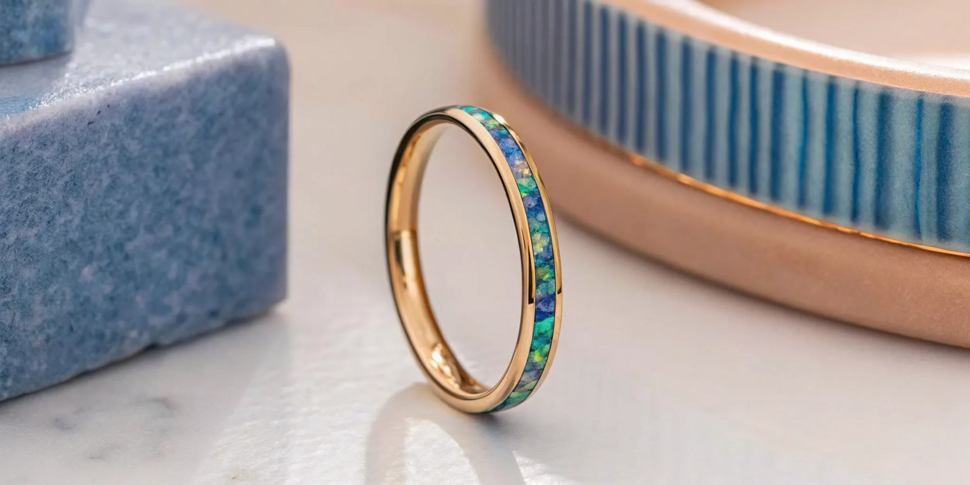
For the person who values artistry and individuality, there is no gem quite like an opal. Each stone holds a tiny, iridescent galaxy, shifting its appearance with every turn of your hand. This captivating "play-of-color" means that no two opals are exactly alike, making your ring a true one-of-a-kind masterpiece. An opal wedding band is a choice for someone who wants their jewelry to be a conversation starter, a piece of wearable art that reflects their unique personality. It’s a statement that you appreciate things with character and soul, a perfect sentiment for a piece you’ll wear for a lifetime.
Key Takeaways
- Opals offer unmatched personality but require mindful wear: Choosing an opal means valuing its unique, shifting color over the hardness of a traditional stone. Its beauty is best preserved by being conscious of it during your daily routine.
- A protective setting is key for longevity: The design of your ring plays a huge role in its durability. Styles like bezel or halo settings are not just aesthetic choices; they provide a crucial buffer that shields the softer stone from accidental bumps.
- Simple care keeps your opal vibrant: Maintaining your ring is straightforward. Clean it gently with mild soap and warm water, store it separately to avoid scratches, and always take it off before activities like swimming, cleaning, or working out.
Why Choose an Opal Wedding Band?
When you picture a wedding band, a classic diamond ring might be the first thing that comes to mind. And while diamonds are timeless, your love story is one-of-a-kind, and your ring can be, too. If you're searching for a stone that feels deeply personal and full of life, an opal wedding band is an incredible choice. Opals are celebrated for their mesmerizing flashes of color and the rich, personal meanings they carry, making them a truly special way to symbolize your commitment.
Choosing an opal means opting for a piece that stands out from the crowd. It’s a stone that seems to have a personality of its own, shifting its appearance with every turn of your hand. Unlike any other gem, an opal captures a tiny, iridescent galaxy on your finger. It’s a choice for someone who values artistry and individuality. Beyond their stunning looks, opals are rich with symbolism that speaks to the heart of a partnership: hope, fidelity, and creativity. An opal band isn't just a piece of jewelry; it's a conversation starter and a constant reminder of the unique magic you share. Exploring our bridal collection can show you just how beautifully this stone can be incorporated into a lifelong piece that feels like it was made just for you.
The Magic of Play-of-Color
The most captivating quality of an opal is its "play-of-color." This isn't just sparkle; it's a breathtaking phenomenon where the stone refracts light, revealing a whole spectrum of colors that dance and shift as you move. One moment you might see flashes of electric blue and green, and the next, warm hints of orange and red. This unique light show means that no two opals are exactly alike. Each stone has its own distinct pattern and personality, making your wedding band a truly one-of-a-kind piece. It’s a beautiful reflection of a love that is just as unique, brought to life by our incredible designers.
What Do Opals Symbolize?
Beyond their visual magic, opals carry a wealth of beautiful symbolism. For centuries, they have been seen as emblems of hope, purity, and fidelity, making them a wonderfully meaningful choice for a wedding band. The stone is also tied to creativity and truth, reflecting a partnership built on authenticity and shared dreams. Wearing an opal is like wearing a promise of faithfulness and a celebration of the creative energy you build together as a couple. It’s a stone that represents deep emotion and commitment, a perfect sentiment for a piece you’ll wear for a lifetime. This rich history is often found in our Vintage & Estate pieces.
A Guide to Opals in Wedding Bands
Once you start exploring opals, you’ll quickly realize there’s a whole world of them out there. They come from different parts of the globe and have unique characteristics that affect their beauty, value, and, most importantly, their suitability for a wedding band. Not all opals are created equal, and choosing the right type is the first step to ensuring your ring will last a lifetime. Let’s walk through some of the most popular options you’ll find in our bridal collection so you can make a choice you feel great about.
Australian Opals: The Standard for Durability
If you’re looking for an opal that can handle daily wear, start with Australian opals. They are widely considered the best choice for wedding rings because they are harder and more durable than opals from other regions. Black and boulder opals, in particular, are fantastic options. On the other hand, you may want to avoid Ethiopian opals for a ring you’ll wear every day. While beautiful, they are more fragile and sensitive to changes in humidity, which can cause them to crack over time. It's all about matching the stone to your lifestyle.
White Opals vs. Black Opals
When you picture an opal, you might think of a milky white stone with flashes of color. These are often white or crystal opals, which have a stunning transparent look and a brilliant play-of-color. Crystal opals are the second most precious type, right after black opals. The value of any opal depends on several factors, including its body tone, brilliance, pattern, and the vibrancy of its colors. Understanding these differences will help you appreciate the unique character of each stone you see from our designers.
Exploring Boulder and Fire Opals
For a truly one-of-a-kind look, consider a boulder opal. These unique gems are formed within ironstone, and parts of that host rock are preserved when the stone is cut. This ironstone backing not only creates a dramatic, earthy appearance but also adds a layer of natural durability, making it a solid choice for a wedding band. Fire opals are another striking option, known for their vibrant, warm colors ranging from yellow to orange and red. While their fiery glow is undeniable, they can be more delicate than boulder or Australian opals.
Find Your Perfect Opal Wedding Band Style
One of the best things about choosing an opal is its incredible versatility. Whether your personal style is bold and bohemian or classic and understated, there’s an opal wedding band that will feel like it was made just for you. The setting you choose not only defines the ring's aesthetic but also plays a crucial role in protecting the stone for a lifetime of wear.
From intricate floral motifs to sleek, modern designs, the right setting can highlight the unique fire and personality of your opal. Let’s explore some of the most popular styles to help you find the one that speaks to you. Thinking about a custom design? You can always book an appointment to chat with a specialist about bringing your vision to life.
Nature-Inspired and Floral Designs
With their flashes of color that mimic a sunset or a galaxy, opals already feel like they were pulled from the natural world. Nature-inspired settings take this connection a step further. Think of delicate gold vines twisting around the band, tiny leaves accenting the center stone, or a floral cluster where the opal is the star. Designers often pair opals with complementary stones like deep green emeralds or rich blue sapphires to create a vibrant, garden-like effect on your finger. This style is perfect for anyone who wants a ring that feels organic, whimsical, and truly one-of-a-kind.
Timeless Vintage-Inspired Settings
Opals have a long and storied history in jewelry, making them a natural fit for vintage-inspired designs. These settings often feature intricate details like milgrain (tiny metal beads), filigree (delicate metalwork), and unique geometric shapes reminiscent of the Art Deco or Art Nouveau eras. Whether set in warm yellow gold, romantic rose gold, or classic white gold, opals harmonize beautifully with these timeless styles. A vintage and estate piece or a new ring with vintage flair offers a sense of history and romance, creating an instant heirloom you’ll cherish forever.
Modern Minimalist and Stackable Bands
If your style is more streamlined, a modern, minimalist setting lets the opal’s natural beauty take center stage. These designs often feature clean lines, simple bands, and an uncluttered look. A single opal on a slim, polished band is a statement of quiet confidence. This style is also perfect for creating a personalized wedding stack. You can pair a dainty opal band with other rings, mixing metals and textures to build a look that evolves with you. A simple, elegant opal ring is a versatile choice that feels both current and timeless.
Protective Settings: Bezel and Halo
Given that opals are softer than diamonds, choosing a protective setting is a smart move for a ring you’ll wear every day. A bezel setting, which encircles the opal with a thin metal rim, is one of the most secure options available. It protects the edges of the stone from chips and snags while creating a sleek, modern look. Another popular choice is the halo setting. A circle of smaller diamonds or gemstones around the opal not only provides a protective buffer but also adds extra sparkle, making the center stone appear larger and enhancing its incredible play-of-color.
Are Opals Durable Enough for Daily Wear?
This is probably the biggest question on your mind, and for good reason. You want a wedding band that will last a lifetime, and you’ve likely heard that opals are delicate. Let's get straight to it: opals are softer than traditional stones like diamonds and sapphires, which means they do require more mindful wear. But does that mean they’re off the table for a wedding band? Absolutely not.
Choosing an opal is less about its fragility and more about your lifestyle and commitment to caring for it. It’s a bit like owning a silk blouse instead of a cotton t-shirt; both are beautiful and wearable, but one requires a little extra attention. The key to a lasting opal ring is understanding its unique properties, knowing what myths to ignore, and selecting a design that offers the right protection. With the right knowledge and a well-crafted setting, an opal can be a stunning and meaningful choice for your daily-wear wedding band. We can help you find a piece that is both gorgeous and designed to stand the test of time.
How Hard Are Opals, Really?
So, what does "soft" actually mean in the jewelry world? Gemstone hardness is measured on the Mohs scale, and opals typically fall between 5.5 and 6.5. For comparison, diamonds are a 10, and sapphires are a 9. This means an opal is more susceptible to scratches from everyday encounters with harder surfaces, like a granite countertop or even the metal on a car door.
Think of it this way: opals are not as tough as diamonds, so they are more likely to get damaged from accidental bumps and scrapes. This doesn't mean your opal will shatter at the slightest touch, but it does mean you’ll want to be more conscious of it while you’re wearing it. It’s a trade-off for the incredible beauty and individuality that opals offer.
Debunking Common Durability Myths
You may have heard some dramatic stories about opals, like that they can dissolve in water or will fall apart after a few years. Let’s clear the air. While many jewelers advise against opals for wedding rings because they are fragile, the idea that they simply dissolve is a myth. Opals contain water, but they won’t melt away on your finger.
The truth is, they can get damaged if they’re not cared for properly. They can crack if exposed to extreme temperature changes or dry out if stored incorrectly. However, these are worst-case scenarios. With a little bit of care, your opal will remain as vibrant as the day you got it. The conversation shouldn't be about whether opals are "good" or "bad," but whether they are the right fit for you.
How Your Setting Protects Your Stone
This is where great design makes all the difference. The right setting is your opal’s best friend and its first line of defense against the bumps of daily life. A protective setting can dramatically increase your ring's durability, giving you peace of mind without sacrificing style. For example, a bezel setting, which wraps a thin metal band around the entire edge of the opal, is one of the most secure options available.
Halo settings also offer a buffer, with a circle of smaller, harder stones like diamonds taking the brunt of any impacts. You can also ask your jeweler to set the opal deeper or lower into the ring to help shield it. When you book an appointment with us, we can walk you through all the beautiful and protective designs that will keep your opal safe and sound.
How to Care for Your Opal Wedding Band
Owning an opal wedding band is like having a tiny, magical world on your finger. And just like any precious treasure, it needs a little mindful care to keep it looking its best. Opals are softer than diamonds, but don't let that intimidate you. Caring for your opal isn't complicated; it’s simply about building a few gentle habits. By treating your ring with a little extra attention, you’ll protect its mesmerizing play-of-color and ensure it remains a beautiful symbol of your love for decades to come.
Think of it as a small, loving ritual. A few simple steps will protect your investment and keep that fire flashing. Whether your ring is a modern design or a piece from our Vintage & Estate collection, consistent, gentle care is the key. It’s all about knowing what your opal loves (like soft cloths and mild soap) and what it doesn’t (like harsh chemicals and rough activities). With this guide, you'll feel confident taking care of your unique and beautiful ring.
Your Daily Cleaning and Care Routine
Keeping your opal clean is simple and doesn't require any harsh chemicals. The best way to make it sparkle is with a solution of warm water and mild, phosphate-free soap. Just let your ring soak for a few minutes, then use a very soft toothbrush or cloth to gently wipe away any residue from lotions or daily life. This is especially helpful for cleaning around the setting where dirt can get trapped.
Rinse the ring thoroughly with clean water and pat it dry with a soft, lint-free cloth. Avoid using ultrasonic cleaners, steamers, or abrasive cleaners, as these can damage the delicate stone or cause it to lose moisture. A gentle cleaning every few weeks is all it takes to maintain your opal’s brilliant shine.
Proper Storage and Protection
When you’re not wearing your opal ring, where you store it matters. Opals are best kept in a soft pouch or a lined jewelry box, separate from harder gemstones like diamonds and sapphires that could scratch them. Giving your opal its own designated spot prevents accidental damage and keeps it safe.
If you have a very active lifestyle, you might choose to wear your opal band on special occasions rather than every single day. This is a personal choice that can certainly extend the life of your stone. Another great way to protect your gem is by choosing a secure setting from the start. If you have questions about how well your setting protects your stone, you can always book an appointment with us to discuss your options.
What to Avoid: Activities and Chemicals
The easiest rule for opal care is: if in doubt, take it off. Always remove your ring before doing chores like washing dishes, gardening, or cleaning the house. It’s also wise to take it off before working out, swimming, or showering. This isn't just to avoid bumps and scratches; it’s also to protect the opal from harsh chemicals and sudden temperature changes.
Chemicals are an opal’s worst enemy. Avoid exposing your ring to bleach, chlorine, ammonia, and even acidic products like lemon juice. Be mindful of cosmetics, too. Hairspray, perfume, and lotions can build up on the stone’s surface, dulling its fire over time. Make your ring the last thing you put on in the morning and the first thing you take off at night.
How Much Do Opal Wedding Bands Cost?
The price of an opal wedding band can range from a few hundred to many thousands of dollars. This wide spectrum exists because no two opals are exactly alike. Unlike diamonds, which have a standardized grading system, opals are valued for their unique character and individuality. Understanding what drives an opal's price will help you find a beautiful ring that fits your budget and feels completely you. It’s not about finding the most expensive stone, but about finding the one with the qualities you love most.
What Determines an Opal's Price?
An opal’s value comes down to a combination of factors, but it’s mainly about the visual magic. The most important quality is its play-of-color, which is that stunning flash of rainbow hues that dances across the stone as it moves. A vibrant, multi-colored flash is more valuable than a faint or limited one. Next is the body tone, or the opal's background color, which can range from milky white to deep black. Darker body tones, like those in black opals, make the play-of-color pop and are rarer and more expensive. Finally, clarity and pattern play a big role. A clear stone without cloudiness that displays a rare pattern will command a higher price.
Comparing Budget-Friendly and Premium Opals
So, what’s the difference between a budget-friendly opal and a premium one? A more accessible opal, like a white or crystal opal, might have a lighter body tone and a softer, more subtle play-of-color. It’s still gorgeous, but its display is more delicate. These stones are perfect for creating an ethereal, dreamy look without a high price tag. On the other hand, a premium opal, such as a black Australian opal, is a true showstopper. Its dark body creates a dramatic contrast for an intense, fiery play-of-color. These stones are exceptionally rare and are often found in one-of-a-kind designer jewelry. Ultimately, the choice depends on the look you love and your personal budget.
How to Get the Best Value
Getting the best value means finding a beautiful, well-crafted ring you feel confident in. The key is to work with a jeweler you trust. A knowledgeable expert can walk you through the specifics of each stone, explaining its origin, qualities, and why it's priced the way it is. They can help you find a piece that balances beauty, rarity, and durability. When you’re ready to explore your options, you can book an appointment to see different opals in person. Don’t be afraid to ask questions! Understanding the stone is part of the fun. The best value isn’t just about the price tag; it’s about the story, the artistry, and the joy your ring will bring you for years to come.
Is an Opal Wedding Band Right for Your Lifestyle?
An opal wedding band is a stunning choice, but it’s not for everyone. Unlike diamonds or sapphires, opals require a bit more mindfulness. The right person for an opal ring is someone who sees their jewelry as a precious piece of art and is happy to give it the care it deserves. It’s about knowing your daily routine and being honest about whether a softer stone fits into your life. If you work with your hands a lot or tend to be a little rough on your jewelry, you might want to consider a more durable stone or a very protective setting. But if you love the idea of wearing a unique, magical stone and are committed to its care, an opal could be the perfect symbol of your love.
Considerations for an Active Lifestyle
Let’s be direct: opals are soft stones. On the Mohs scale of hardness, they rank between 5.5 and 6.5, while diamonds sit at a 10. This means an opal is more susceptible to scratches and chips from everyday life. If you have an active lifestyle, you’ll need to be extra careful. We recommend taking your ring off before hitting the gym, gardening, or doing any household chores like washing dishes. Think of it as a special piece you protect. For many, this mindful practice becomes a cherished ritual, but it’s an important commitment to consider before choosing an opal for a ring you’ll wear daily.
How Climate and Environment Affect Opals
Opals have a unique relationship with their environment. Because they contain water, sudden temperature changes can cause them to crack. It’s best to avoid wearing your opal ring in a hot tub or leaving it in a freezing car. Some types, like Ethiopian opals, are hydrophane, meaning they can absorb liquids. This can alter their color and play-of-color, sometimes temporarily and sometimes permanently. It’s also crucial to keep your opal away from harsh chemicals, including perfumes, lotions, and cleaning supplies. A good rule of thumb is to make your jewelry the last thing you put on and the first thing you take off.
When an Opal is the Perfect Choice
An opal is the perfect choice when its meaning and beauty resonate with you more than its need for care. Opals symbolize hope, fidelity, and creativity, making them a deeply romantic choice for a wedding band. Each stone is completely unique, with its own fiery flashes of color, much like your own love story. Choosing an opal means you value individuality and artistry. It’s for the person who doesn’t mind taking their ring off to protect it because they cherish what it represents. If you’re looking for a piece with soul, you’ll find that our designers often use opals to create truly one-of-a-kind rings.
Find Your Dream Opal Wedding Band
Once you’ve decided an opal is the right stone for you, the fun part begins: finding the perfect ring. This is your chance to connect with a piece of jewelry that truly tells your story. The key is to partner with a jeweler who understands both the beauty and the specific needs of opals. With the right expert on your side, you can feel confident and excited about your choice.
What to Look for in a Jeweler
Finding the right jeweler is just as important as finding the right ring. You want someone who is transparent, knowledgeable, and genuinely passionate about their craft. Look for a jeweler who works with talented designers and can tell you exactly where their materials come from. A great jeweler will be open about the origin of their opals and the quality of the metals used in their settings. They should also be able to explain how they enhance an opal's durability, whether through protective settings or thoughtful construction. Most importantly, choose someone you trust to guide you through the process, answer all your questions, and help you find a ring that you’ll love for a lifetime.
Key Questions to Ask Before You Buy
Don’t be shy about asking questions. A knowledgeable jeweler will welcome your curiosity. Since opals have a reputation for being delicate, it’s smart to address durability concerns head-on. Start by asking about the opal’s origin. Australian opals, for example, are often considered more stable and durable, making them a fantastic choice for a wedding band. Next, inquire about the setting and how it protects the stone. Finally, ask about long-term care for that specific ring. Understanding the commitment from the start ensures there are no surprises later. This conversation will not only give you peace of mind but also help you build a trusting relationship with your jeweler as you explore their bridal collection.
Choosing Between Custom and Ready-to-Wear
Should you choose a ring from the case or design one from scratch? There’s no wrong answer, it just depends on your personal style. A ready-to-wear ring, like a stunning piece from a vintage and estate collection, offers the advantage of seeing the finished product instantly. You can try it on and know exactly what you’re getting. On the other hand, a custom design allows you to create a truly one-of-a-kind piece that reflects your unique story. You can hand-pick the opal, select the metal, and collaborate on a setting that is perfectly suited to you. If you’re unsure which path to take, the best first step is to book an appointment to explore the possibilities.
Related Articles
- Your Guide to Unique Wedding Bands for Women
- wedding band
- His and Hers Wedding Bands: The Ultimate Guide
Frequently Asked Questions
Are opals durable enough for an everyday wedding band? This is the most important question to ask. While opals are softer than diamonds, they can absolutely be worn daily with the right care and setting. It’s less about the stone being fragile and more about your lifestyle. If you are mindful of your jewelry and willing to take it off during strenuous activities, an opal can be a lasting symbol. Choosing a durable type, like an Australian opal, and a protective setting will give you the confidence to wear it for a lifetime.
What's the simplest way to care for my opal ring? Caring for your opal is easier than you might think. The best practice is to clean it gently with a soft cloth, warm water, and a drop of mild soap. Avoid harsh chemicals, ultrasonic cleaners, and extreme temperature changes, like wearing it in a hot tub. When you’re not wearing it, store it in a soft pouch away from harder gemstones. Think of it this way: make your ring the last thing you put on and the first thing you take off.
What makes one opal more valuable than another? An opal's value is all about its visual magic. The most significant factor is the "play-of-color," which refers to the intensity and range of colors that flash across the stone. A vibrant, fiery display is more prized than a faint one. The opal's background color, or body tone, also plays a huge role. Darker body tones, like those in black opals, create a more dramatic contrast for the play-of-color, making them rarer and more valuable.
Will my opal's beautiful colors fade over time? No, an opal's color will not fade. The mesmerizing play-of-color is a result of the stone's internal structure diffracting light, and this is a permanent characteristic. What can dull an opal's appearance is a buildup of lotions and oils on the surface or damage from improper care. With regular, gentle cleaning and by avoiding harsh chemicals, your opal will remain as vibrant as the day you first saw it.
Do I have to sacrifice style for a protective setting? Not at all. Protective settings can be incredibly stylish and enhance the beauty of your opal. A bezel setting, which wraps the stone in a thin metal frame, offers maximum security while creating a sleek, modern look. A halo setting surrounds the opal with smaller diamonds, which not only provides a protective buffer but also adds a brilliant sparkle that makes your center stone appear even more impressive.
Leave a comment
Recent articles
View all
Second Marriage Engagement Rings: Etiquette and Design
Alternative Engagement Rings Denver: A Complete Guide