
Pearl Restringing Service: What You Need to Know
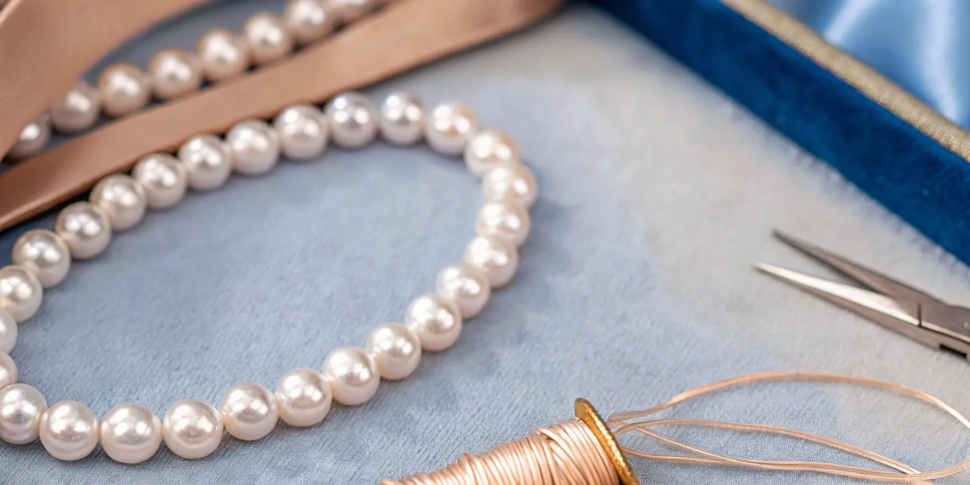
Take a close look at your favorite pearl necklace. Do you see tiny gaps between the knots and the pearls? Does the thread look a bit dingy or frayed near the clasp? If you lay it flat, does it seem longer than you remember? These are the subtle but clear signs that your pearls are asking for a refresh. It’s not a matter of if the cord will break, but when. Thankfully, this is a common and completely fixable issue. A professional pearl restringing service can bring your beloved piece back to life, securing each pearl on a fresh, strong cord and ensuring it hangs as beautifully as the day it was made.
Key Takeaways
- Know the signs and the schedule: If you see a frayed cord or gaps between pearls, it's time for a restring. For pieces you wear weekly, plan for an annual service to keep them secure and prevent a heartbreaking break.
- Professional work protects your investment: While a DIY project can be tempting, an expert service is an affordable way to preserve your pearls' value. Professionals use the right materials and techniques, like hand-knotting, to ensure your jewelry is both beautiful and secure.
- A quality service is a complete refresh: Restringing is more than just replacing a thread. A professional will also perform a thorough inspection, gently clean each pearl, and check the clasp to make sure your piece is ready to wear with confidence.
What Is Pearl Restringing (and Why It Matters)
A beautiful strand of pearls is timeless, whether it’s a modern piece or a treasured family heirloom. Over time, the silk or nylon cord that holds those pearls together can stretch, weaken, and collect dirt. Pearl restringing is the simple but essential process of replacing that old cord with a new one, ensuring your necklace or bracelet remains as strong and beautiful as the day it was made. Think of it as crucial maintenance for one of your most delicate accessories.
This process is especially important for maintaining the structural integrity of vintage and estate pieces, which are often more delicate. A worn-out thread not only looks dingy but also poses a real risk. If it breaks, you could lose your precious pearls. Regular restringing keeps your jewelry secure, clean, and ready to wear for any occasion. It’s a small act of care that protects your investment and preserves the sentimental value of your favorite pieces for years to come.
How the Restringing Process Works
The restringing process is a detailed craft focused on making your jewelry beautiful and secure. It begins when you book an appointment and bring your pearls to a professional. First, a jeweler will carefully inspect the entire piece, checking the condition of the pearls, the clasp, and the existing thread. Once you approve the work, they will carefully remove the old cord, clean each pearl, and restring them onto a new, high-quality thread. Most professionals will also add tiny knots between each pearl. This signature touch prevents them from rubbing together and provides insurance so if the strand ever breaks, you won’t lose every pearl.
Why Restringing Preserves Your Pearls' Value
Restringing your pearls is one of the best things you can do to protect your investment. First and foremost, it helps prevent damage or loss. A new, strong cord with secure knots means you can wear your pearls with confidence, knowing they won’t unexpectedly break. Beyond security, restringing also revitalizes their appearance. Replacing a stretched, discolored cord with a fresh one makes the entire piece look brighter and newer. If you wear your pearls often (about once a week or more), it’s a good idea to have them inspected annually. This simple step ensures your beautiful jewelry stays in pristine condition, preserving both its monetary and sentimental value.
How Often Should You Restring Your Pearls?
Pearls are meant to be worn and loved, whether they're your everyday signature or a treasured piece for special occasions. But the delicate silk thread that holds them together needs a little care to keep them secure. Think of restringing as preventative maintenance for your favorite jewelry. It protects your investment and prevents the heartbreak of a broken strand.
So, how often is often enough? A good rule of thumb is to have your pearls professionally inspected and restrung once a year if you wear them frequently, about once a week or more. If you save your pearls for special events, you can stretch this to every two or three years. These timelines are a great starting point, but it’s just as important to know the visual cues that your pearls are asking for a refresh. Many beautiful vintage and estate pieces have been preserved for generations thanks to this simple, routine care. Keeping an eye on your pearls ensures they remain a beautiful heirloom for years to come.
Signs It's Time for a Restring
You don’t have to be a jewelry expert to spot the signs that your pearl strand needs attention. Lay your necklace or bracelet on a flat surface and give it a quick inspection. Look for visibly frayed or discolored thread between the pearls. You might also notice that the knots, which are meant to be snug, now have gaps between them, allowing the pearls to slide around. If the strand seems longer than you remember or hangs differently, it’s a clear sign the thread has stretched. Finally, check the clasp to make sure it still feels secure. If you notice any of these issues, it’s time to book an appointment for a professional restringing, regardless of how long it’s been.
How Your Wear Schedule Affects the Timeline
The one-year rule for frequent wearers isn't arbitrary. The natural silk thread traditionally used for stringing pearls is porous. Over time, it absorbs oils from your skin and residue from lotions or perfumes, which can weaken and discolor the thread. The more you wear your pearls, the faster this process happens. That’s why we recommend an annual check-up for your go-to strands. For pearls that are part of your bridal look or reserved for anniversaries and galas, the thread is exposed to less wear and tear. A check-up every two to three years is usually sufficient to keep them in perfect condition, ensuring they’re ready for your next big moment.
How Much Does Pearl Restringing Cost?
Let's talk about one of the most common questions we get: how much does it cost to restring pearls? While there isn't a single price tag, I can give you a clear idea of what to expect. The final cost depends on your specific piece of jewelry, but it’s probably more affordable than you think. It’s an investment that not only secures your pearls but also restores their beautiful, natural drape.
For a standard 16- to 18-inch knotted pearl necklace, you can generally expect the service to start in the range of $70 to $90. Bracelets are typically a bit less. This price reflects the time, skill, and quality materials needed to do the job right. The process is meticulous, ensuring each pearl is handled with care and the finished piece is both beautiful and durable. Let’s break down the specific elements that contribute to the final cost.
Factors That Affect the Price
The most straightforward factor in pricing is the length of the strand. A longer necklace requires more thread, more knots, and more time than a bracelet. Most professional restringing services include placing a tiny, hand-tied knot between each pearl. This signature detail prevents the pearls from rubbing against each other and provides security. If the strand breaks, you’ll only lose one pearl, not all of them. Other details can also influence the price. If your pearls are very small, they can be more delicate to work with. We also inspect the clasp to ensure it’s secure, which is especially important for vintage and estate pieces.
Silk vs. Nylon: How Material Choice Affects Cost
When you bring your pearls in, we’ll also talk about the stringing material. For generations, silk thread has been the traditional choice for its softness and flexibility, which allows the pearls to hang gracefully. The main drawback is that silk naturally stretches and weakens over time, which is why restringing is necessary. Today, we also have the option of durable nylon thread. This modern material offers more strength and is less prone to stretching, making it a great choice for heavier pearls or pieces you wear often. The material itself doesn’t drastically change the price, but using a high-quality thread is essential for a lasting result. The best way to decide is to book an appointment so an expert can assess your pearls.
DIY or Go Pro?
When a beloved pearl necklace starts to look a little loose, the thought of restringing it yourself can be tempting. It feels like a manageable project, and tackling it on your own can seem like a great way to save some money. But when it comes to treasured pieces, especially family heirlooms or high-quality pearls, it’s important to weigh the satisfaction of a DIY fix against the risks.
A professional restringing does more than just replace a cord; it protects the integrity and beauty of your pearls for years to come. Before you pull out a sewing kit, let’s walk through what the process actually entails. Understanding the difference between a home project and professional craftsmanship will help you make the best choice for your jewelry. This is about preserving a piece you love, and sometimes, calling in an expert is the most caring thing you can do.
The Reality of a DIY Restringing Project
Going the DIY route can be a rewarding experience, but it’s best suited for fashion jewelry or pieces with little sentimental or monetary value. For your fine pearls, the stakes are much higher. The process requires more than just threading beads onto a string; it demands precision, the right materials, and a gentle touch. Without proper technique, you could accidentally scratch the pearls, create uneven spacing, or tie knots that are too loose or too tight, causing the strand to hang incorrectly. It's essential to avoid common pitfalls that can lead to damage or a weak strand that breaks all over again.
Tools and Materials You'll Need
A successful restringing project depends on having the right supplies. You can’t just use any thread and needle from a standard sewing kit. The essential tools and materials for pearl stringing are quite specific. You’ll need a high-quality silk cord, which is gentle on the pearls and has the right amount of stretch. You’ll also need special beading needles, a beading awl to help guide and tighten knots, and jeweler’s glue to secure the final knots near the clasp. Gathering these specialized items can be a project in itself, and using substitutes can easily lead to a less-than-professional result.
Common DIY Mistakes That Can Damage Pearls
Several common mistakes can turn a DIY project into a disaster. One of the biggest is getting the pearls wet, as moisture can weaken the silk thread and even harm the nacre, or the pearl’s surface. Another frequent error is stringing the pearls before attaching one side of the clasp, which makes getting a secure and clean finish much more difficult. Professionals have mastered the art of knotting between each pearl, ensuring they don't rub against each other and that if the strand breaks, you only lose one pearl, not all of them. Perfecting the tension and knot placement when stringing pearls on silk is a skill that takes practice to master.
Choosing a Professional: What to Look For
Handing over a treasured piece of jewelry, whether it’s a family heirloom or a personal favorite, requires a lot of trust. Finding the right professional for the job is just as important as the decision to restring your pearls in the first place. You want someone who not only has the technical skill but also appreciates the sentimental value of your piece. A great jeweler will treat your pearls with the same care and attention to detail as they would their own, understanding that the story behind the piece is part of its beauty.
When you start your search, you’re looking for a partner in preservation. This means finding an expert who is transparent, meticulous, and communicative. They should be able to walk you through their process, answer your questions clearly, and make you feel confident that your pearls are in the best possible hands. The key is to look for a combination of expert craftsmanship, a comprehensive service that goes beyond just restringing, and clear, upfront communication about timelines and costs. Asking the right questions and knowing what to look for will help you find a professional who can restore your pearls beautifully, ensuring they can be worn and loved for years to come.
Expert Craftsmanship and Quality Materials
When it comes to restringing, the difference between amateur and professional work lies in the details. True craftsmanship is visible in the technique. A skilled professional will always hand-knot the thread between each pearl. This tiny, meticulous detail is crucial for two reasons: it prevents the pearls from rubbing against each other and causing damage, and it provides security. If the strand ever breaks, you’ll only lose one pearl instead of watching them all scatter.
The quality of the materials is just as important as the technique. Traditionally, pearls are strung on silk thread, which is soft and pliable. However, a professional will also know when a synthetic material like nylon might be a better, more durable choice for your specific piece. They should be able to explain the pros and cons and help you select the best option to protect your jewelry.
A Thorough Inspection, Cleaning, and Clasp Check
A professional restringing service is more than just replacing a thread; it’s a complete refresh for your pearls. The process should always begin with a thorough inspection. A jeweler will carefully examine the condition of each pearl, looking for any signs of wear or damage. They will also assess the integrity of the old strand and, most importantly, the clasp. A weak or faulty clasp is often the culprit when a necklace or bracelet is lost.
Once the inspection is complete, each pearl should be gently cleaned to remove any built-up oils or dirt that can dull their natural luster. This careful cleaning restores their shine without the use of harsh chemicals. Checking the clasp is a critical final step. If it’s not secure, the jeweler should recommend a repair or replacement to ensure your newly strung vintage and estate pieces are safe to wear.
Clear Timelines, Customization, and Transparent Pricing
Clear communication is the hallmark of a trustworthy professional. Before you commit to the service, you should have a solid understanding of the timeline, cost, and any available customization options. Typically, a restringing service can take anywhere from one to three weeks, depending on the complexity of the piece and the jeweler’s schedule. A reputable expert will provide you with a clear and realistic time estimate from the start.
Pricing should be just as transparent. You should receive a quote based on specific factors like the length of the strand, the size of the pearls, and whether you need a new clasp. Don’t hesitate to ask about customization, either. If you’ve ever wished your necklace was a little shorter or wanted to update the clasp, this is the perfect time to do it. To get a personalized quote and discuss your options, you can always book an appointment for a professional assessment.
Preserve Your Heirlooms with Element 79 Jewelry
Your jewelry tells a story, especially the pieces passed down through generations. A strand of pearls from your grandmother or a necklace from a special occasion holds memories that are simply irreplaceable. We believe those stories deserve to be preserved. Pearl restringing is essential for maintaining the structural integrity and appearance of your pearl jewelry, particularly for vintage and estate pieces that have been loved for years. Over time, the silk cord that holds them together can stretch, weaken, and collect dirt, putting your precious pearls at risk.
At Element 79, we see restringing as an act of love for your most treasured heirlooms. It’s more than a simple repair; it’s a way to ensure your pearls can be worn and cherished for many more years, maybe even by the next generation. Our expert team handles each piece with the respect and care it deserves, understanding that its value goes far beyond the material. We are dedicated to helping you maintain the beauty and soul of your entire jewelry collection, from modern designer finds to timeless family classics.
Book Your Pearl Restringing Appointment
Knowing when to restring your pearls can feel like a mystery, but a good rule of thumb is to have them professionally inspected once a year if you wear them frequently, like once a week or more. If you notice the cord looks discolored, is stretching, or if the pearls are moving too loosely between the knots, it’s definitely time. We make the process simple and worry-free. When you bring your pearls to us, we’ll carefully inspect the strand, the clasp, and the pearls themselves. Most restringing jobs are completed within a few days using traditional, hand-knotted silk thread for strength and beauty. Ready to give your pearls a new life? You can book an appointment with our team today.
How to Care for Your Newly Restrung Pearls
Once your pearls are beautifully restrung, a little care will keep them looking their best. The most important thing to remember is to avoid soaking your pearls in water. This is crucial because moisture weakens the silk thread and can even damage the surface of the pearls over time. To clean them, gently wipe them with a soft, damp cloth to remove any residue from lotions or perfumes. Be careful not to pull or tug on the strand, which could stretch the new cord. A great habit is to make your pearls the last thing you put on after getting ready and the first thing you take off at the end of the day. This simple routine protects them from chemicals and ensures they remain a stunning part of your collection.
Related Articles
Frequently Asked Questions
How long does it take to get my pearls restrung? The time it takes to restring a piece of pearl jewelry typically ranges from one to three weeks. This timeline allows a professional to give your pearls the focused attention they deserve, from the initial inspection and cleaning to the meticulous process of knotting the new strand. The exact duration can depend on the jeweler’s current workload and the complexity of your specific necklace or bracelet.
Can I change the length or clasp of my necklace during the restringing process? Absolutely. In fact, restringing is the perfect opportunity to make adjustments. If you’ve always wished your necklace was a bit shorter or wanted to update the clasp to something more modern or secure, we can easily incorporate those changes. Just mention what you have in mind during your consultation, and we can discuss the best options for your piece.
Will my pearls look different after they are restrung? Your pearls will look beautifully refreshed. Replacing a stretched, discolored cord with a clean, new one makes the entire piece look brighter and hang more gracefully. The knots will be snug and uniform, restoring the strand to its original structure and drape. The fundamental character of your jewelry will be the same, just cleaner and more secure.
Why are knots between each pearl so important? The small, hand-tied knots between each pearl serve two very important functions. First, they prevent the pearls from rubbing against one another, which protects their delicate surfaces from wear over time. Second, they act as a safety measure. If your strand ever breaks, the knots will ensure you only risk losing one pearl instead of having all of them scatter.
Is silk or nylon thread better for my pearls? Both materials have their benefits, and the best choice often depends on the jewelry itself. Silk is the traditional choice, loved for its soft, natural feel that allows pearls to hang beautifully. However, it can stretch over time. Nylon is a more modern, durable option that is resistant to stretching, making it a great choice for heavier pearls or pieces you wear very often. A professional can assess your pearls and help you decide which material is right for you.
Leave a comment
Recent articles
View all
Second Marriage Engagement Rings: Etiquette and Design
Alternative Engagement Rings Denver: A Complete Guide