How to Buy a Diamond Ring: A Smart Shopper's Guide
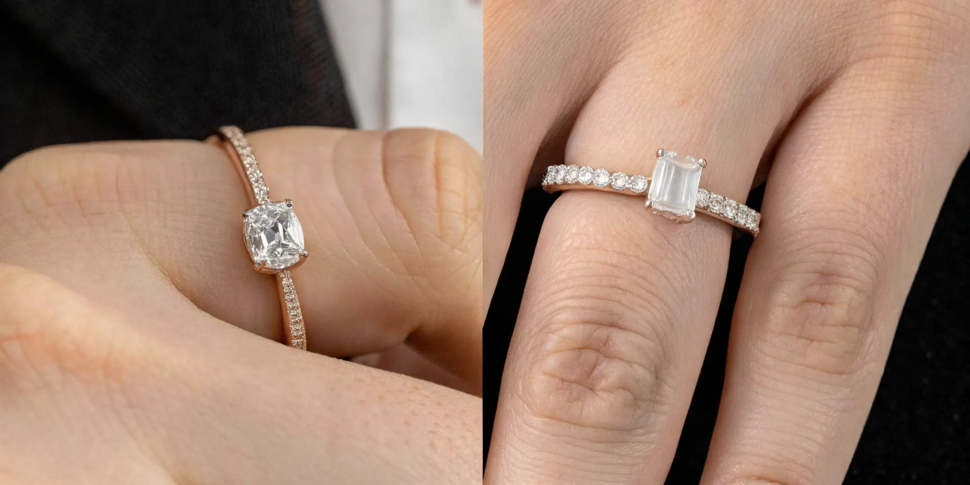
A diamond ring is a small piece of wearable art. It’s a collaboration between the earth, which formed the stone over billions of years, and a skilled artisan who cut the diamond and crafted its setting. When you start to see it this way, the search becomes a creative and personal discovery. This guide will help you explore the artistry behind the jewelry, from the way a setting can transform a diamond’s appearance to the unique vision of different designers. We’ll give you the tools to find a soulful, masterfully crafted diamond ring that you’ll be proud to wear every single day.
Key Takeaways
- Prioritize cut over carat: A diamond's sparkle comes from its cut, not just its size. Always verify its quality with a certificate from a trusted lab like GIA to ensure you're getting exactly what you pay for.
- Define your own style and budget: Forget outdated rules about how much to spend or what a ring should look like. The perfect ring is a personal choice, so focus on finding a design and price point that feels right for you.
- Choose for today and tomorrow: Select a setting that fits the wearer's daily life for long-term comfort. Protect your ring with a simple care routine of at-home cleaning, yearly professional inspections, and proper insurance.
What Kind of Diamond Ring Are You Looking For?
Before you can find the perfect diamond ring, you need to know what role it will play in your life. Is it a symbol of commitment, a celebration of a milestone, or a stunning piece you’ll wear just because you love it? The purpose of the ring will guide every other decision you make, from the diamond’s shape to the style of the setting. Let’s walk through the most common categories to help you find your focus.
Engagement Rings
An engagement ring is one of the most meaningful pieces of jewelry you’ll ever own or give. It’s a daily reminder of a promise and a partnership. While classic styles are always beautiful, many people are looking for unique engagement rings that truly reflect their personality. The diamond’s cut is a great place to start. Each shape has its own character, from the timeless sparkle of a round brilliant to the modern edge of an emerald or pear cut. Thinking beyond the conventional helps you find a ring that feels personal and tells your specific love story.
Wedding Bands
Your wedding band is the companion to your engagement ring, and finding the right one is all about creating a perfect pair. You might want a simple, matching metal band that lets your engagement ring take center stage. Or, you could choose a diamond band that adds an extra layer of sparkle. Some bands are straight, while others are curved to sit flush against your engagement ring’s setting. There are no rules here. Your wedding band can be a subtle complement or a statement all on its own.
Everyday & Statement Rings
Diamond rings aren’t just for weddings. A diamond ring can be a gift to yourself to mark a personal achievement or simply a beautiful addition to your collection. For daily wear, you might prefer a low-profile bezel setting or a simple band with small pavé diamonds. For a piece that turns heads, look for bold, contemporary designs with interesting metalwork or unexpected diamond shapes. This is where you can really play with style and explore the work of different jewelry designers to find a piece that feels like wearable art.
How to Choose a Diamond Ring for Your Budget
Let's talk about one of the biggest questions when buying a diamond ring: the budget. It’s easy to get caught up in old rules or what you think you should spend. The truth is, the right budget is the one that feels comfortable for you. There’s no magic number. Instead of focusing on a specific price, think about finding the best possible ring for the amount you’ve decided on. The key to doing this is knowledge. When you understand what makes a diamond beautiful and where you can be flexible on certain qualities, you can find a stunning ring at any price point.
Making a smart investment comes down to knowing your options, from the type of diamond you choose to which of the 4Cs you want to prioritize. This approach ensures you get a piece you love without any financial stress. Whether you're looking for a timeless engagement ring or a unique statement piece, a clear budget is the first step toward finding your perfect match in our bridal collection.
Set a Realistic Budget
First things first: forget the old "three months' salary" rule. That was a marketing campaign from decades ago, not a practical piece of financial advice. The best way to set a budget is to take an honest look at your finances and find a number that works for you and your partner. A diamond ring is a symbol of your love and commitment, and starting that journey with financial pressure is never a good idea.
Once you have a range in mind, you can start thinking about what qualities are most important to you. Understanding the 4Cs of diamonds will be your best tool here. If a big, brilliant sparkle is your top priority, you might allocate more of your budget toward the cut. If size matters most, you might be more flexible on color or clarity. We can help you explore all these trade-offs when you book an appointment with us.
Lab-Grown vs. Natural Diamonds
One of the most significant decisions you can make for your budget is choosing between a lab-grown and a natural diamond. It’s important to know that lab-grown diamonds are not fakes; they are chemically, physically, and optically identical to diamonds mined from the earth. The only difference is their origin. Because the creation process is less resource-intensive, lab-grown diamonds are typically less expensive than natural diamonds of the same size and quality.
This price difference means you can often get a larger or higher-quality diamond for your money. For some, the history and rarity of a natural diamond are essential. For others, the value and technology behind a lab-grown stone are more appealing. There is no right or wrong answer, it’s a personal choice. Exploring pieces from our incredible designers can help you see how both types of stones shine in different settings.
Get the Most for Your Money
Getting the best value is all about making smart, informed compromises. This is where a solid understanding of the 4Cs of diamond quality really pays off. Since every diamond is unique, you can play with the balance of cut, color, clarity, and carat weight to fit your budget without sacrificing beauty. For example, the cut is widely considered the most important factor for a diamond’s sparkle. You could prioritize an "Excellent" cut grade and choose a slightly lower color or clarity grade that isn't noticeable to the naked eye.
Another pro tip is to look for diamonds that fall just shy of popular carat weights, like a 0.90-carat instead of a full 1.00-carat. The size difference is nearly impossible to see, but the price difference can be significant. Similarly, choosing an "eye-clean" diamond with a clarity grade like SI1 (Slightly Included) can offer amazing value, as the inclusions are typically not visible without magnification.
What Are the 4 Cs of Diamond Quality?
When you start shopping for a diamond, you’ll hear a lot about the “4 Cs.” This is the universal grading system that jewelers use to determine a diamond’s quality and value. The 4 Cs stand for Cut, Color, Clarity, and Carat. Understanding what each one means is the key to making a smart and confident purchase. It helps you compare diamonds and decide which qualities matter most to you.
Think of the 4 Cs as a diamond’s unique personality traits. Some people might prioritize a flawless appearance, while others might want the biggest possible stone. There’s no right or wrong answer, but knowing the basics will help you find a diamond that fits your style and budget perfectly. Let’s break down what each of these terms really means for you and your future bridal jewelry.
Cut: The Key to Sparkle
Of all the 4 Cs, the cut has the biggest impact on a diamond’s sparkle. This isn’t about the shape of the diamond, like round or oval. Instead, the cut refers to how well a diamond’s facets interact with light. A jeweler’s skill is on full display here, as they must cut the stone with precise proportions and symmetry to achieve the best light dispersion. A well-cut diamond will capture light and reflect it back in a dazzling display of brilliance and fire. A poorly cut diamond, on the other hand, can look dull and lifeless, even if it has excellent color and clarity. That’s why prioritizing a high-quality cut is one of the best ways to get a truly stunning stone.
Color: What the Grades Really Mean
When it comes to diamonds, color actually refers to the lack of color. The industry uses a D-to-Z grading scale, where D is completely colorless and Z has a light yellow or brown tint. Generally, the less color a diamond has, the more valuable it is. However, you don’t necessarily need a D-grade diamond for a beautiful ring. Stones in the G to J range are considered “near-colorless” and often appear just as clear to the naked eye, especially once they’re set in a ring. The metal you choose can also affect how the color appears. A warmer diamond can look incredible in a yellow or rose gold setting, which is something our designers masterfully consider in their pieces.
Clarity: Finding an "Eye-Clean" Stone
Clarity measures the tiny imperfections found in almost every diamond. Internal flaws are called inclusions, while external ones are called blemishes. The clarity scale ranges from Flawless (no imperfections visible under 10x magnification) to Included (flaws are obvious to the naked eye). While a flawless diamond is rare and expensive, most shoppers aim for a stone that is “eye-clean,” meaning it appears flawless without magnification. Many diamonds with slight inclusions, like those in the VS (Very Slightly Included) or even SI (Slightly Included) grades, can be completely eye-clean and offer fantastic value. This is especially true for unique Vintage & Estate pieces, where minor inclusions are part of the stone's history.
Carat: How to Balance Size and Quality
Carat is the measurement of a diamond’s weight, not its size, though the two are closely related. It’s often the first thing people think about, but it’s important to remember that a higher carat weight doesn’t automatically mean a better diamond. Two diamonds of the same carat weight can have vastly different prices based on their cut, color, and clarity. A smaller diamond with an excellent cut will outshine a larger diamond with a poor cut every time. Your goal should be to find the right balance between size and quality that fits your budget. Seeing diamonds in person is the best way to appreciate this balance, and we’d love for you to book an appointment to explore your options with us.
Find the Perfect Setting and Metal
Once you’ve found your perfect diamond, it’s time to give it a home. The setting and metal you choose are more than just functional; they define the ring’s entire personality and style. This is where you can really let your creativity shine, creating a piece that feels completely unique to you or your partner. Think of the diamond as the main event and the setting as the stage that makes it sparkle.
Explore Popular Setting Styles
The setting is the metal framework that holds your diamond in place, and it has the biggest impact on the ring’s final look. The most classic choice is the prong setting, which uses small metal claws to grip the diamond. These prongs can be rounded, pointed, flat, or V-shaped, each creating a slightly different effect. For a more modern or minimalist feel, you might consider a bezel setting, which encircles the diamond with a thin metal rim. We’re also seeing a lot of creativity in contemporary engagement rings, with bold metalwork, asymmetric designs, and unique east-west stone placements that turn tradition on its head.
Choose Your Metal: Gold, Platinum, and More
The metal you choose sets the tone for the entire ring. Yellow gold offers a classic, warm glow that beautifully complements warmer skin tones. Rose gold has a romantic, vintage-inspired feel, while white gold and platinum provide a sleek, modern backdrop that makes a diamond appear extra bright. When making your choice, think about personal style and lifestyle. Platinum is incredibly durable and hypoallergenic, making it a great option for someone who is very active. Ultimately, the best metal is the one that you’ll love wearing every day, so explore our full jewelry collection to see how different metals look and feel.
How a Setting Changes Your Diamond's Look
A setting does more than just secure your diamond; it works with the stone to enhance its beauty. The right setting can actually make a diamond appear larger and more brilliant. For example, a delicate prong setting allows the maximum amount of light to enter the diamond, which is key for creating that incredible sparkle. The diamond’s cut is what gives it fire, but the setting is what lets that fire shine. Our talented designers are experts at pairing the perfect setting with each stone to show it off in the best possible light, ensuring the final piece is as stunning as it is secure.
Why Is Diamond Certification Important?
Think of a diamond certificate as the stone’s official report card. It’s a detailed document from an independent gemological laboratory that gives you an unbiased, expert assessment of the diamond's quality. This report isn't just a piece of paper; it's your guarantee that the diamond you're falling in love with has the exact characteristics the seller claims it does. It provides a complete breakdown of the diamond's unique attributes, most notably the 4Cs: cut, color, clarity, and carat weight, all graded against a strict, universal standard.
Having this certification is what separates a smart, confident purchase from a hopeful guess. It empowers you to compare different diamonds accurately, ensuring you understand the true value of what you're buying. When you're investing in a piece of fine jewelry that you’ll cherish for a lifetime, this level of transparency is essential. It protects your investment and gives you the peace of mind that comes from making a well-informed decision. Without a certificate, you're essentially buying blind, relying only on a seller's opinion. With one, you have scientific proof of your diamond's identity and quality, confirming that your beautiful stone is exactly what it's meant to be.
Why You Need a Certified Diamond
Purchasing a certified diamond ensures you are getting a quality stone that has been thoroughly evaluated by a professional gemologist. This certification provides peace of mind and helps you make an informed decision. It acts as your verification, confirming that the diamond’s sparkle, size, and purity are accurately represented. Without it, you’re relying solely on a seller’s word. A certificate from a reputable lab removes any doubt, giving you the confidence that you’re paying a fair price for the specific quality you want. It’s an essential tool for understanding the 4Cs of Diamonds and how they apply to your stone.
Know the Top Grading Labs
Not all diamond certificates are created equal, and the lab that issues the report matters immensely. The most reputable and trusted grading labs in the world are the Gemological Institute of America (GIA), the American Gem Society (AGS), and the International Gemological Institute (IGI). These organizations are known for their rigorous, consistent, and unbiased grading standards. A certificate from one of these top-tier labs is widely recognized and respected across the industry. When you see a GIA or AGS report, you can trust that the grades are accurate and reliable, which is crucial when you’re comparing diamonds and making a final choice for your bridal jewelry.
How to Read a Diamond Certificate
At first glance, a diamond certificate can look a little technical, but it’s actually quite straightforward. The report will clearly list the grades for the 4Cs, which are the primary drivers of the diamond's value. Beyond that, it includes a plot map showing any inclusions (for clarity), precise measurements, and notes on characteristics like polish, symmetry, and fluorescence. Understanding these details helps you see the full picture of the diamond’s quality. It allows you to appreciate the nuances that make your stone unique and confirms that you’ve found a gem with the perfect balance of features for your style and budget.
Where Should You Buy a Diamond Ring?
Once you have an idea of the diamond and setting you want, the next big question is where to find it. The place you buy your ring from shapes your entire experience, from the selection you see to the service you receive. Your main options are typically an independent jeweler, a large chain store, or an online retailer. Each has its own vibe and advantages, so let's walk through what makes each one different to help you find the perfect fit for you.
The Difference of a Curated Collection
Instead of scrolling through thousands of generic options, imagine exploring a collection where every single piece has been hand-picked for its beauty and craftsmanship. That’s the magic of a curated collection. At a jeweler focused on artistry, the selection of jewelry tells a story. You’re not just buying a ring; you’re discovering a piece of art from a talented designer. This approach means you’ll find rings with soul and character that you simply won’t see everywhere else, making your final choice feel that much more special and true to your style.
Independent Jeweler vs. Big Box Store
Your shopping experience can feel worlds apart when you compare an independent jeweler to a big box store. Independent shops often provide a much more personal and relaxed atmosphere. You get to talk with experts who are passionate about their craft and can offer genuine guidance. They take pride in the quality and craftsmanship of their pieces, which is why you’ll often find unique work from incredible designers. While big box stores offer volume, they can lack that specialized service and the distinctive, high-quality selection that makes ring shopping feel truly memorable and personal.
Shopping Online vs. In-Store
Shopping for a diamond ring online can be tempting, especially with promises of big discounts and the convenience of browsing from your couch. While it can be a good option for some, nothing replaces the experience of seeing a diamond in person. An in-store visit lets you see how the diamond truly sparkles under the light and how different settings look on your hand. It’s a tactile, personal process. Plus, having an expert guide you can be invaluable. If you want to explore your options without pressure, you can always book an appointment to get a feel for what you love.
Common Diamond Ring Mistakes to Avoid
Shopping for a diamond ring is a genuinely special experience, but it’s easy to get overwhelmed by the details. With so much information out there, a few common myths and missteps can lead you down the wrong path. Knowing what to watch out for will help you feel confident in your choice and ensure you find a piece you’ll love for a lifetime. The goal isn’t just to buy a diamond; it’s to find the right one for you or your partner.
By sidestepping a few frequent pitfalls, you can focus on what truly matters: finding a beautiful, high-quality ring that reflects your personal style. From getting too focused on a single attribute to forgetting about the practicalities of daily wear, these mistakes are easy to make but also simple to avoid. We’ll walk through the most important ones so you can approach your search with clarity and excitement. Whether you’re looking for a timeless engagement ring or a stunning piece from our bridal collection, keeping these points in mind will make all the difference.
Don't Focus Only on Carat Weight
It’s one of the first things people ask about a diamond, but carat weight is only part of the story. A common myth is that a bigger diamond automatically looks better, but that’s not the case. A diamond’s brilliance, fire, and sparkle come from its cut, while its overall appearance is affected by color and clarity. A smaller, exceptionally well-cut diamond will outshine a larger, poorly cut one every time. Instead of focusing on a specific number, consider how all four Cs work together to create a beautiful stone. You might find that a slightly smaller carat weight allows you to get a much higher quality cut or color, resulting in a far more stunning ring.
Never Skip the Certification
Think of a diamond certificate as its official report card. It’s an unbiased assessment from a third-party gemological lab that verifies the diamond’s specific qualities, including its cut, color, clarity, and carat weight. Buying a diamond without a certificate from a reputable lab like the Gemological Institute of America (GIA) is a huge risk. The certificate is your assurance that you are getting exactly what you paid for. It protects your investment and provides the concrete details you need to understand a diamond’s value. At Element 79, we believe in complete transparency, which is why we ensure our diamonds are properly certified.
Prioritize Comfort and a Perfect Fit
A diamond ring, especially an engagement ring, is meant to be worn every day. That’s why comfort and practicality are just as important as its appearance. A setting that constantly snags on your clothes or a band that feels awkward will quickly lose its charm. Consider the wearer’s lifestyle. Are they very active or do they work with their hands? If so, a lower-profile setting like a bezel might be a better choice than a high-set prong. The best way to find the right fit is to try on different styles. We can help you explore options that not only look beautiful but also feel right, so please book an appointment to find your perfect, comfortable fit.
Diamond Ring Myths You Can Ignore
When you start shopping for a diamond ring, you’ll hear a lot of "rules" and opinions. The truth is, many of them are outdated or just plain wrong. Let's clear up a few common myths so you can focus on what truly matters: finding a ring that you love and that feels right for you.
Myth: Bigger is Always Better
It’s easy to get caught up in carat size, but a bigger diamond isn’t always a better one. A diamond’s sparkle and life come from its cut, color, and clarity, not just its weight. A smaller diamond with an excellent cut can appear more brilliant and even larger than a poorly cut diamond of a higher carat weight. Instead of focusing only on size, consider the overall appearance. Look for a stone that captivates you with its fire and brilliance. The most beautiful bridal jewelry balances all of the 4 Cs to create a stunning, soulful piece, proving that quality truly shines brightest.
Myth: Diamonds Are Indestructible
While diamonds are the hardest natural substance on Earth, they are not invincible. A hard impact in just the right spot, especially along the stone's edge or point, can cause a chip or fracture. This doesn't mean you have to be terrified of wearing your ring. It just means you should be mindful. We recommend removing your ring during heavy lifting, intense workouts, or when working with harsh chemicals. Proper care ensures that your diamond, whether it's a new design or a treasured vintage piece, will last a lifetime.
Myth: Fluorescence is Always a Bad Thing
Fluorescence gets a bad rap, but it’s not the deal-breaker many people think it is. This term simply refers to a diamond's tendency to emit a soft glow, usually blue, under ultraviolet (UV) light. In a very small number of cases, strong fluorescence can make a diamond appear milky or hazy. However, for most diamonds, the effect is completely unnoticeable. In some instances, a medium blue fluorescence can even make a diamond with a slight yellow tint appear whiter. The best way to judge is to see the diamond for yourself. An expert can help you book an appointment to see how a specific stone looks in different lighting conditions.
How to Care for Your Diamond Ring
Your diamond ring is more than just a beautiful piece of jewelry; it’s a symbol of a special moment. To keep it looking as brilliant as the day you received it, a little regular care goes a long way. Think of it as a simple routine that protects a cherished piece. Consistent, gentle attention will ensure your ring sparkles for a lifetime. Luckily, keeping your diamond in top condition doesn't require a lot of effort, just a bit of know-how. From easy at-home soaks to professional check-ups, here’s everything you need to know to maintain your ring’s beauty and integrity.
Simple At-Home Cleaning
You don't need special formulas to make your diamond sparkle. The best method is one you can do right in your kitchen. Just mix a few drops of mild dish soap into a bowl of warm water. Let your ring soak for about 30 minutes to loosen any buildup from lotions, soaps, or daily life. Afterward, gently scrub the stone and setting with a new, soft-bristled toothbrush, like one made for babies. Be sure to get into the little crevices where dirt likes to hide. Rinse it under warm running water and pat it dry with a soft, lint-free cloth. This simple at-home cleaning routine is all it takes to restore its shine.
When to Get a Professional Cleaning
While home cleanings are great for surface-level sparkle, think of a professional cleaning as a deep-clean and a check-up all in one. We recommend bringing your ring in for a professional cleaning and inspection at least once a year. A jeweler has specialized tools, like ultrasonic cleaners, that can safely shake loose stubborn dirt that you can't reach. More importantly, this is a chance for an expert to check the prongs and setting to make sure your diamond is secure. Catching a loose prong early can prevent a heartbreaking loss. You can easily book an appointment with us for a cleaning and inspection to keep your ring safe and brilliant.
Protect Your Investment with Insurance
A diamond ring is a significant emotional and financial investment, and it deserves to be protected. Accidents happen, so getting your ring insured is one of the smartest things you can do. A good jewelry insurance policy can cover you in case of loss, theft, or significant damage. To get the right coverage, you'll need a professional appraisal that details your ring's value. Keep this document and your policy information in a safe place. It’s a small step that provides incredible peace of mind, letting you wear your beautiful ring without worry.
Related Articles
- Engagement Rings Colorado Springs: The Ultimate Guide
- The Ultimate Guide to Designer Engagement Rings
- 10 Best Places to Buy an Engagement Ring in Denver
Frequently Asked Questions
If I have to prioritize one of the 4 Cs, which one should it be? While every "C" plays a role, the cut has the most significant impact on a diamond's sparkle. A diamond with an excellent cut will gather and reflect light beautifully, making it appear brilliant and full of life. You could have a stone with perfect color and clarity, but if the cut is poor, it will look dull. Prioritizing the cut is often the best way to ensure you get a truly stunning diamond, regardless of its other characteristics.
Are lab-grown diamonds a good choice for an engagement ring? Absolutely. Lab-grown diamonds are physically and chemically identical to natural diamonds, meaning they offer the same beauty and durability. The primary difference is their origin. Because they are created in a controlled environment, they are often a more accessible option, allowing you to get a larger or higher-quality stone for your budget. The choice between lab-grown and natural is completely personal; it's about what feels right for you.
What's the best way to figure out my partner's ring style without asking them directly? Observing their current jewelry is the best place to start. Notice the metal color they wear most often, whether their pieces are bold and modern or delicate and vintage-inspired. You can also enlist a trusted friend or family member for a little detective work. If you're still unsure, a classic, timeless design like a solitaire is always a beautiful and safe choice that you can personalize later with a unique wedding band.
How do I know which metal is right for me? Think about both your personal style and your lifestyle. Yellow gold offers a warm, traditional look, while rose gold has a romantic feel. Platinum and white gold provide a cool, modern backdrop that can make a diamond appear brighter. For durability, platinum is the strongest choice and is also hypoallergenic, making it ideal for anyone with an active lifestyle or sensitive skin. The best approach is to try on rings in different metals to see which one you love against your skin.
Besides cleaning, what's the most important thing I can do to care for my ring? Getting your ring professionally inspected at least once a year is crucial. During an inspection, a jeweler will check the prongs and the overall setting to make sure your diamond is secure. Daily wear can cause prongs to loosen over time, and catching this early prevents potential damage or loss. This simple check-up, along with having your ring insured, provides the best protection for your investment.
Recent articles
View all
Brooke's Holiday Favorites - 2025
Holly's Holiday Favorites - 2025