

Gold Rings for Women: A Complete Buyer's Guide
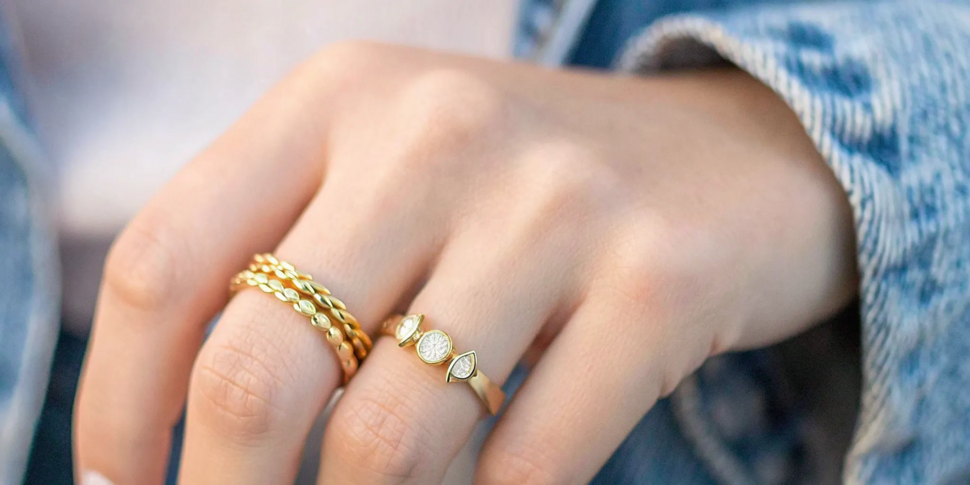
Your jewelry is a form of self-expression, and a gold ring is a perfect way to tell your story. Whether you’re drawn to the clean lines of a minimalist band, the unique character of a vintage piece, or the bold presence of a statement ring, your choice is a reflection of your personal style. This guide is designed to help you explore the incredible variety of gold rings for women. We’ll look at popular styles, from delicate stacking rings to modern two-tone designs, helping you identify the details and aesthetics that truly resonate with you. Let’s find the perfect piece to complete your look.
Key Takeaways
- Balance Gold Purity with Durability: The highest karat isn't always the best choice. Consider your daily activities—a 14k gold ring offers a great mix of beautiful color and strength for everyday wear, while a softer 18k gold is perfect for special occasion pieces.
- Prioritize a Professional Fit: While finding a style you love is essential, a perfect fit ensures your ring is comfortable and secure. Always get professionally sized, as finger size can fluctuate and different band widths often require different sizes.
- Confirm Authenticity and Care for Your Ring: Always check for the quality mark (like "14k" or "18k") stamped inside the band to confirm its gold content. Protect your piece with simple habits, like removing it before using lotions and storing it separately to prevent scratches.
Essential Gold Ring Styles to Know
Gold rings are more than just accessories; they're personal expressions that can mark a milestone or simply brighten your day. From the timeless elegance of a wedding band to the bold personality of a cocktail ring, there's a style for every story. Understanding the different types of gold rings helps you find the perfect piece that feels like it was made just for you. Let's explore some of the most essential styles you'll find.
Engagement Rings & Wedding Bands
This is where so many jewelry stories begin. Bridal rings are deeply personal symbols of love and commitment. While classic solitaires will always have a place in our hearts, we're seeing so much creativity in this space. Favorite vintage-inspired styles are now being crafted in both yellow and white gold, giving you more freedom to choose a metal that truly suits your skin tone and personal style. Whether you're drawn to a classic diamond, a vibrant gemstone, or a unique custom design, your engagement ring and wedding band should be a reflection of your unique partnership.
Statement & Cocktail Rings
Ready to make an impression? Statement and cocktail rings are all about showcasing your personality. These pieces are designed to be noticed, featuring bold designs, large gemstones, or intricate metalwork. You can find stunning gold ring designs that range from subtly eye-catching to wonderfully dramatic. A statement ring is the perfect way to dress up an outfit for a special occasion or to add a touch of confidence to your everyday look. It’s a conversation starter that tells a story about who you are without saying a word.
Stacking & Midi Rings
Why wear one ring when you can wear three or four? The art of stacking is all about creating a curated, personalized look on your hands. You can mix and match delicate bands, textured rings, and small gemstone pieces to build a collection that’s uniquely yours. Midi rings, worn above the middle knuckle, add another layer of interest. This trend is perfect for anyone who loves to play with their style and change up their look daily. Start with a few simple bands and slowly build a collection of rings that you can combine in endless ways.
Vintage & Estate Rings
There's a special magic to a ring that has a history. Vintage and estate rings carry stories from the past, offering one-of-a-kind character that you just can't replicate in a new piece. Vintage-inspired designs are also becoming incredibly popular, borrowing beautiful details from eras like Art Deco or Victorian for a modern heirloom feel. Choosing a vintage ring means you're wearing something truly unique, with craftsmanship and design details that have stood the test of time. It’s a sustainable choice and a beautiful way to connect with a piece of history.
What Do Gold Karats (10k, 14k, 18k) Actually Mean?
When you start looking at gold rings, you’ll see numbers like 10k, 14k, and 18k everywhere. Think of "karat" (k) as a way to measure gold purity. The system is based on 24 parts, where 24k is 100% pure gold. While that sounds luxurious, pure gold is actually very soft and not ideal for jewelry you plan to wear every day. To make it stronger, gold is mixed with other metals like silver, copper, and zinc. This mix is called an alloy, and the karat number tells you how much pure gold is in that alloy.
Understanding this balance is the first step to finding the perfect ring. It’s not just about looks; it’s about finding a piece that fits your life. Whether you’re searching for a delicate band or a stunning bridal set, knowing the difference between karats will help you make a choice you’ll love for years. The right gold for you depends on your lifestyle, budget, and personal style.
Understanding Gold Purity vs. Durability
The main trade-off with gold karats is purity versus durability. The more pure gold in a ring, the higher the karat and the softer the metal. An 18k ring, for example, contains 75% pure gold (18 out of 24 parts). It has a rich, deep yellow color but is more prone to scratches and dings. On the other hand, a 10k ring has just 41.7% pure gold. Its higher alloy content makes it much more durable and resistant to daily wear and tear.
Many people find 14k gold to be the perfect middle ground. At 58.3% pure gold, it offers a beautiful, warm color while being strong enough for everyday wear. This makes it a popular choice for fine jewelry that needs to stand up to life’s adventures.
How to Choose the Right Karat for You
Choosing the right karat is a personal decision that balances several factors. Start by thinking about your daily routine. If you have an active lifestyle or work with your hands, a more durable option like 10k or 14k gold might be the best fit. For a special occasion piece or if you’re less active, the luxurious color of 18k gold is a beautiful choice.
Your aesthetic taste and budget also play a huge role. Higher karats have a more saturated, yellow hue, which some people love. Others prefer the slightly paler tone of 14k or 10k gold. If you have sensitive skin, a higher karat like 18k is more hypoallergenic because it contains less of other metals. Considering these factors will help you find a ring that feels like it was made just for you.
How Karats Affect a Ring's Price
It’s simple: the more gold, the higher the price. Since 18k gold contains more pure gold than 14k or 10k, it will naturally cost more. This is the primary driver of price differences between rings that look similar but have different karat weights. The color of the gold—whether it’s yellow, white, or rose—doesn’t change the karat value, as the percentage of pure gold remains the same.
While a 10k ring is the most affordable option, a 14k ring often provides a great balance of price, durability, and color. When you’re looking at vintage and estate pieces, you’ll see how well different karats hold their value over time. If you’re ever unsure, it’s always a good idea to book an appointment to discuss your options with a jeweler who can guide you.
Popular Gold Ring Styles to Watch
Keeping up with jewelry trends is fun, but the best styles are the ones that feel timeless and true to you. Gold rings are incredibly versatile, and right now, designers are playing with classic ideas in fresh, exciting ways. From whisper-thin bands to bold mixed-metal creations, there’s a style that will feel like it was made just for you. Let’s look at some of the most popular directions we’re seeing in gold ring design.
Minimalist & Delicate Designs
There’s a special kind of elegance in simplicity. Minimalist gold rings, with their clean lines and delicate shapes, are perfect for everyday wear. They add a subtle touch of polish without ever feeling over-the-top. These designs are also ideal for creating a personalized ring stack. You can mix and match different textures and widths to build a look that’s all your own. Whether you’re looking for a single, understated band or the foundation for a growing collection, our selection of fine jewelry features many beautiful, delicate pieces that celebrate the beauty of less-is-more.
Mixed Metals & Two-Tone Looks
Why choose just one color when you can have two? Mixed metal rings are a fantastic way to get more versatility from a single piece. By combining different gold colors, like warm yellow and cool white gold, designers create a modern look with beautiful contrast. This style is perfect if you wear a mix of jewelry and want a ring that ties everything together. Many of our featured designers are masters at blending metals to create unique pieces that feel both contemporary and timeless, ensuring your ring will complement any piece in your collection.
Rose Gold & Other Modern Colors
Rose gold continues to capture hearts with its warm, romantic glow. Its soft, pinkish hue is flattering on nearly every skin tone and offers a lovely alternative to traditional yellow or white gold. Once seen as a trend, rose gold has firmly established itself as a modern classic, especially in bridal jewelry. Beyond rose gold, we’re also seeing a renewed appreciation for the rich, buttery look of high-karat yellow gold, which brings a sense of vintage warmth to even the most modern designs. It’s all about choosing the color that makes you feel your best.
Ethically Sourced & Sustainable Gold
More than ever, knowing where your jewelry comes from is part of its story. For many of us, a ring’s beauty is tied to the care and consciousness with which it was made. Ethically sourced and sustainable gold is a priority for many modern designers who are committed to responsible practices. This means using recycled gold or sourcing from mines that adhere to strict environmental and labor standards. Choosing a piece with this background adds a layer of meaning, ensuring your beautiful ring also aligns with your values. It’s a core part of finding jewelry with soul.
How to Choose Your Perfect Gold Ring
Finding a gold ring that feels like it was made just for you is an incredible feeling. It’s not just about picking something pretty; it’s about finding a piece that fits seamlessly into your life and reflects your personal story. Think of it as a treasure hunt where the prize is a beautiful, wearable piece of art. To make the process feel less overwhelming and more like an adventure, focus on three key areas: your daily life, your personal style, and getting the perfect fit. This approach will help you find a ring you’ll love and wear for years to come.
Match a Ring to Your Lifestyle
The most beautiful ring is one you can actually wear. Before you fall in love with a design, think about your day-to-day life. Your career, hobbies, and general activity level all play a role in what kind of ring will work best for you. If you’re very active or work with your hands, a more durable, lower-karat gold like 14k might be a better choice than a softer 18k gold. Similarly, a low-profile setting will be more practical than a high-set stone that could snag. Considering these factors will ensure your new piece of jewelry is not only stunning but also sturdy enough for your lifestyle.
Find a Style That Complements You
This is the fun part—letting your personality shine! Your jewelry is an extension of you, so look for a ring that feels authentic to your taste. Are you drawn to subtle, minimalist bands you can stack, or do you prefer an eye-catching statement piece that starts a conversation? Maybe you love the romance of a vintage-inspired design. A great way to discover what you love is to explore the work of different designers. Each one has a unique point of view, and seeing their collections can help you pinpoint the details, shapes, and textures that resonate with you. Don’t be afraid to try something new—you might be surprised by what you love.
Get the Sizing and Fit Just Right
There’s nothing more frustrating than a ring that’s too tight or constantly spinning around your finger. Getting the size right from the start is crucial, especially since some intricate designs or rings with stones all the way around cannot be resized without compromising their strength and integrity. Your finger size can fluctuate with temperature and time of day, so it’s always best to be measured by a professional. This ensures your ring will be comfortable and secure. If you’re unsure of your size or want to try on different styles to see how they feel, it’s a great idea to Book an Appointment with a jeweler who can give you expert guidance.
Worried About Gold Allergies? Here's What to Know
It’s a frustrating experience: you find a gold ring you absolutely love, only to discover it leaves your skin red and itchy. If you have sensitive skin, you might think gold jewelry is off-limits, but that’s rarely the case. An allergic reaction to a gold ring is almost never caused by the gold itself but rather by the metals mixed in to make it stronger. The most common culprit is nickel. The good news is that once you understand what’s causing the reaction, you can easily find beautiful gold rings that won’t irritate your skin. It’s all about choosing the right type of gold for you.
What Causes a Gold Allergy?
If you’ve ever had a rash from a piece of jewelry, you’ve likely experienced what’s called allergic contact dermatitis. When it comes to gold rings, the most common trigger is nickel. According to the American Academy of Dermatology, nickel is one of the leading causes of this type of skin reaction. It’s a strong, inexpensive metal often used as an alloy, especially to give white gold its silvery color. Because 24k gold is 100% pure, it’s naturally hypoallergenic. However, it’s also too soft for rings that you plan to wear every day. That’s why you’ll more commonly find 18k, 14k, or 10k gold, which contain higher percentages of alloy metals—and potentially, nickel.
Your Guide to Hypoallergenic Gold Options
Having a metal sensitivity doesn’t mean you have to give up on your dream ring. There are plenty of stunning hypoallergenic options available. Your best bet is to choose gold that is either nickel-free or has a very high purity. For yellow gold, 18k is a great choice because it contains 75% pure gold, leaving less room for irritating alloys. If you love the look of white gold, look for pieces made with a palladium alloy instead of nickel. Palladium is a platinum-group metal that is naturally hypoallergenic and gives white gold a beautiful, bright finish. Platinum itself is another fantastic choice for those with very sensitive skin. Exploring a curated jewelry collection can help you see the different colors and finishes these metals offer.
How to Spot an Allergic Reaction
An allergic reaction to a ring will typically appear right where the metal touches your skin. The signs are hard to miss and usually show up within hours or a day of wearing the piece. Keep an eye out for symptoms like redness, persistent itching, swelling, or a dry, rash-like patch on your finger. The reaction will be confined to the area of contact, so you might see a perfect ring-shaped mark. If you notice any of these signs, the first thing you should do is take the ring off. This will give your skin a chance to calm down. If the irritation persists, it’s a good idea to see a dermatologist. And when you’re ready to find a ring that won’t cause a reaction, you can always book an appointment with a knowledgeable jeweler to explore hypoallergenic metals that are right for you.
Common Myths About Gold Rings, Busted
Shopping for a gold ring should be exciting, but a few common misconceptions can make the process feel confusing. Let's clear the air and bust some of the biggest myths out there. Understanding the truth about gold purity, authenticity, and value will help you choose a piece you’ll love with total confidence. When you know what to look for, you can focus on what really matters: finding a ring that speaks to your personal style.
Is Higher Karat Always Better?
It’s easy to assume that a higher karat number means a better ring, but that’s not the whole story. While 24k gold is 100% pure, it’s also incredibly soft and easily scratched, making it impractical for a ring you plan to wear every day. That’s why gold is mixed with other metals to create stronger alloys. A 14k gold ring is a fantastic all-around choice, offering a great balance of durability, value, and beautiful color. If you love a richer, more saturated yellow hue, an 18k gold ring is a stunning option, as it contains a higher percentage of pure gold. The best karat for you really depends on your lifestyle and how you’ll wear your jewelry.
How to Tell if Gold Is Real
One of the most common misconceptions is that all gold rings are made of pure gold. In reality, most fine jewelry is made from gold alloys, where gold is mixed with other metals to enhance its strength and durability. So, how can you be sure your piece is authentic? The easiest way is to look for a quality mark, or hallmark, stamped on the inside of the band. This stamp indicates the karat, such as "14k" or "18k." European pieces might use a number system, like "585" for 14k gold or "750" for 18k. The most reliable way to guarantee authenticity is to purchase from a trusted jeweler who works with reputable designers.
Don't Be Fooled by Price vs. Value
Many people believe you need a huge budget to own a beautiful gold ring, but that simply isn’t true. Gold rings are available at a wide range of price points, depending on the gold’s weight, karat, and the complexity of the design. Instead of focusing only on the price tag, consider the ring’s overall value. A thoughtfully crafted ring from an artisan is more than just a piece of metal; it’s a wearable work of art that will last a lifetime. Whether it’s a delicate stacking band or a unique vintage piece, the right ring is an investment in your personal style and the joy it brings you every day.
Mistakes to Avoid When Buying a Gold Ring
Finding the perfect gold ring is an exciting experience, but a few common missteps can take the shine off your new piece. Thinking ahead can help you choose a ring you’ll love for years to come. From getting the size just right to understanding what you’re actually paying for, a little knowledge goes a long way. Let’s walk through some of the most frequent mistakes so you can feel confident in your decision. By keeping these points in mind, you’ll be better prepared to select a beautiful, high-quality ring that truly fits you and your life.
Getting the Wrong Size or Fit
It sounds simple, but getting the right ring size is more complex than just picking a number. Your finger size can change with the temperature, time of day, and even your diet. A ring that fits perfectly in the morning might feel snug by the evening. The style of the ring also matters—a wide band takes up more space on your finger and usually requires a half-size or full-size larger than a delicate, thin band. The best way to avoid this mistake is to get professionally sized by a jeweler. We can help you find the perfect fit and ensure your new ring feels comfortable all day long.
Forgetting to Check for Quality Marks
When you’re admiring a ring’s design, it’s easy to forget about the tiny stamps on the inside of the band. These are called quality marks or hallmarks, and they’re your guarantee of authenticity. Because pure gold is too soft for most jewelry, it’s mixed with other metals to create a stronger alloy. The quality mark tells you the gold content, or karat (like 14k or 18k). This stamp confirms the ring’s value and gives you an idea of its durability. Always look for this mark to ensure you’re getting exactly what you pay for. It’s a small detail that makes a big difference in the longevity of your jewelry.
Overlooking Hidden Costs in Your Budget
The price tag on a ring is just one part of the total cost. Your lifestyle, career, and even skin sensitivities can influence the long-term value and potential expenses of a piece. For example, a higher-karat gold is softer and may require more frequent polishing or repairs if you’re very active. If you’re considering a custom design or need significant resizing, those services will add to the final price. It’s a great idea to have an open conversation about your budget when you book an appointment. A good jeweler will help you understand all the factors, ensuring there are no surprises down the road.
Where to Find a Quality Gold Ring
Finding the perfect gold ring is as much about where you shop as it is about the ring itself. The right jeweler does more than just sell you a piece of jewelry; they guide you toward a ring that truly fits your life and style. It’s about finding an expert you can trust, who is transparent about their pieces and passionate about craftsmanship. A great jewelry store should feel like a creative space where you can discover unique designs and feel confident in your choice, knowing you’re getting a beautiful, well-made piece that will last.
What Makes a Jeweler Trustworthy?
A trustworthy jeweler acts as your personal guide. Instead of pushing a sale, they’ll ask thoughtful questions about your lifestyle, career, and personal taste to find a ring that makes sense for you. They should be open and excited to talk about their designers and the story behind each piece. Look for someone who encourages you to try things on and helps you understand the materials and craftsmanship. A jeweler who offers personalized consultations is often a great sign that they are invested in helping you make the right choice, not just a quick one.
What Do Certifications Really Mean?
Most gold rings are made of alloys, meaning the gold is mixed with other metals to make it stronger and more durable for everyday wear. Certifications and quality marks, like the karat stamp inside the band (e.g., 14k or 18k), are your guarantee of the gold content in the ring. A reputable jeweler will always be able to explain what these marks mean and provide documentation for any certified diamonds or gemstones. According to the Federal Trade Commission's guidelines, these marks are legally required to be accurate, so always check for them.
How to Get the Best Value for Your Investment
Getting the best value doesn’t mean finding the cheapest ring. True value lies in the sweet spot between quality, design, and durability. Understanding the differences between gold types and how they affect price is key to making a smart investment. A well-crafted ring from an independent designer might have a higher price tag than a mass-produced piece, but its superior craftsmanship and unique design mean it will hold its beauty and value for years to come. Don’t hesitate to ask about the piece’s construction and origin—a great piece of jewelry is an investment in artistry.
How to Care for Your Gold Rings
You’ve found the perfect gold ring—now, let’s make sure it stays that way. Taking care of your jewelry doesn’t have to be complicated. With a few simple habits and a little bit of know-how, you can keep your gold rings looking as brilliant as the day you got them. Think of it as a small ritual to honor a piece you love. Here’s everything you need to know to protect your investment and keep that beautiful shine for years to come.
At-Home Cleaning and Daily Care Tips
For a quick refresh, a gentle bath is all your ring needs. Mix a few drops of mild dish soap with warm water and let your ring soak for about 10 minutes. This will help loosen any buildup from daily wear. Then, use a soft-bristled toothbrush (a baby toothbrush works perfectly!) or a soft cloth to gently scrub away any remaining grime, especially around settings and crevices. It’s also smart to take your rings off before applying lotions, perfumes, or using household cleaners. These products contain chemicals that can dull your gold’s finish over time, so making this a habit will preserve its beautiful luster.
When to See a Professional Jeweler
While at-home cleaning is great for maintenance, some things are best left to the experts. If your ring has an intricate design, delicate pavé settings, or you notice a stone feels a little loose, it’s time to see a professional. We can give your pieces a thorough, safe cleaning and inspect them for any potential issues, like worn-down prongs that could put your gemstones at risk. Think of it as a yearly check-up for your most treasured jewelry. We recommend bringing your rings in for a professional cleaning and inspection annually to ensure they stay in perfect condition. You can easily book an appointment with us for a complimentary cleaning and check-up.
The Right Way to Store Your Jewelry to Prevent Scratches
How you store your rings is just as important as how you clean them. Gold is a relatively soft metal, which means it can get scratched if it bumps up against harder gemstones or other metals. To keep your pieces safe, store them in a fabric-lined jewelry box with separate compartments for each ring. If you don’t have a dedicated box, even wrapping each piece in a soft, lint-free cloth and placing it in a drawer will do the trick. This is especially important for delicate vintage and estate pieces, which deserve a little extra TLC to maintain their unique character and history.
Related Articles
- Hypoallergenic Gold Jewelry: The Ultimate Guide
- What is 18k Gold? A Complete Guide
- The Ultimate Guide to Women's Gold Rings
Frequently Asked Questions
Which gold karat is best: 10k, 14k, or 18k? There’s no single "best" karat—the right one for you is all about balancing beauty with your lifestyle. Think of 18k gold as the luxury option; it has the richest, most vibrant yellow color because it contains more pure gold, but it's also softer and more prone to scratches. On the other end, 10k gold is incredibly durable and great for anyone who is very active or works with their hands. Many people find 14k gold to be the perfect sweet spot, as it offers a beautiful gold color with enough strength for everyday wear.
My skin is sensitive to some jewelry. Can I still wear a gold ring? Absolutely. When people react to gold jewelry, it's almost always a sensitivity to the alloy metals mixed in with the gold, not the gold itself. The most common culprit is nickel. To avoid irritation, choose a higher-karat yellow gold like 18k, which has a lower percentage of other metals. If you love the look of white gold, seek out pieces made with a palladium alloy instead of nickel, as palladium is hypoallergenic.
What's the difference between a vintage ring and a vintage-inspired ring? This is a great question because the terms are often used interchangeably. A true vintage ring is an authentic piece that was made at least 20 to 50 years ago, carrying a genuine piece of history with it. A vintage-inspired ring, on the other hand, is a brand-new piece that borrows design elements from a past era, like the geometric shapes of Art Deco or the intricate details of the Victorian period. One is a true antique, while the other is a modern creation with a nod to the past.
How do I start building a ring stack without it looking messy? The key to a great stack is to start with a solid foundation and build from there. Begin with two or three delicate bands in varying textures—think one smooth, one hammered, and one twisted. This creates interest without overwhelming your finger. From there, you can add a ring with a small gemstone for a pop of color or a uniquely shaped band to serve as a focal point. Don't be afraid to mix metals to create a look that feels collected and personal.
How can I be sure a gold ring is authentic? The easiest way to verify a ring's authenticity is to look for the quality mark, also known as a hallmark, stamped on the inside of the band. This tiny inscription indicates the gold's karat, such as "14k" or "18k." This mark is a legal guarantee of the gold content. Of course, the most reliable method is to buy from a reputable jeweler who is transparent about their materials and the designers they work with.
Recent articles
View all
Brooke's Holiday Favorites - 2025
Holly's Holiday Favorites - 2025