

A Guide to Mid-Century Modern Jewelry
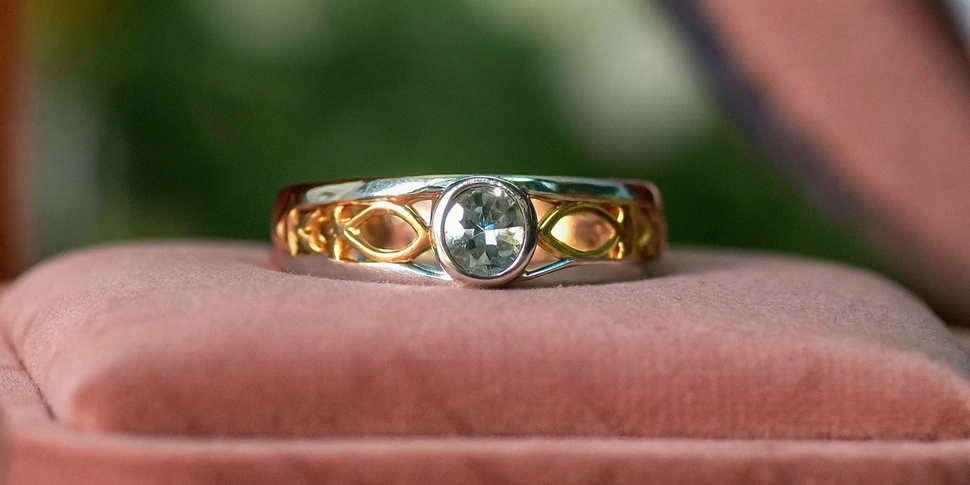
Every piece of jewelry tells a story, but some stories are more exciting than others. The story of mid century modern jewelry is one of explosive creativity, shaped by the optimism of the post-war world and the thrill of the Space Race. Designers captured this incredible energy in metal and stone, creating pieces that were bold, futuristic, and full of life. From atomic-inspired starbursts to whimsical, nature-inspired shapes, each design is a small time capsule from a revolutionary era. Understanding the history behind these pieces is the key to appreciating their unique soul and timeless beauty.
Key Takeaways
- Embrace Artistic Expression: Mid-Century Modern jewelry is defined by its sculptural forms and creative spirit. Look for its signature traits—clean geometric lines, cosmic-inspired starbursts, and whimsical nature motifs—to find a piece that feels like wearable art.
- Prioritize Authenticity: To find a genuine vintage piece, start by looking for hallmarks and examining the quality of the craftsmanship. Shopping from trusted experts or curated estate collections is the best way to ensure you're investing in the real deal.
- Invest in Timeless Style: More than just a trend, Mid-Century Modern jewelry is celebrated for its lasting quality and unique designs. These pieces hold their value and bring a soulful, artistic story to a modern wardrobe.
What Is Mid-Century Modern Jewelry?
Imagine stepping away from the intricate, symmetrical designs of the Art Deco period and into a world of artistic freedom. That’s the essence of Mid-Century Modern jewelry, which flourished from the 1940s through the 1960s. This era was fueled by post-war optimism and a desire for something new, exciting, and deeply personal. Jewelers began to think more like artists and sculptors, trading delicate filigree for bold, expressive forms that made a statement. They weren't just making accessories; they were creating wearable art that captured the forward-thinking spirit of the time.
This style is all about experimentation—playing with abstract shapes, unconventional materials, and a sense of movement and fun that feels incredibly liberating. It marked a significant shift in design, moving toward looks that felt more organic and individualistic. When you explore our collection of vintage and estate jewelry, you’re not just looking at beautiful objects; you’re seeing a revolutionary moment in design history. The core principles of this era—clean lines, bold color, and minimalist beauty—are what give these pieces their timeless appeal, making them just as stunning today as they were decades ago. It’s a style that truly has soul.
Clean Lines and Geometric Shapes
Mid-Century Modern design is famous for its "less is more" philosophy, and that definitely applies to its jewelry. Instead of busy patterns, designers focused on the power of simple, clean lines and strong geometric shapes. Think bold circles, sharp angles, and flowing, abstract curves that create a sense of movement. The beauty of these pieces comes from their form rather than heavy ornamentation. This was a deliberate move away from the machine-made look of earlier industrial styles, embracing a more sculptural and handcrafted feel. Each piece was designed to stand on its own, making a statement through its pure, uncluttered silhouette. It’s this focus on form that makes the jewelry feel both architectural and timelessly elegant.
Bold Colors and Unconventional Materials
This era wasn't shy about color. Mid-Century Modern jewelers used vibrant, saturated hues to create pieces that were full of life and personality. Bright enamels, rich turquoise, and warm coral were popular choices, often set in yellow gold or sterling silver to make the colors pop. Designers also loved to experiment with materials that weren't traditionally seen in fine jewelry, embracing the unique textures and possibilities they offered. This playful approach resulted in pieces that are expressive and joyful. It was all about breaking the rules and showing that fine jewelry could be both sophisticated and fun, a philosophy that continues to inspire many of the contemporary designers we feature today.
A Minimalist Approach to Design
Minimalism in Mid-Century Modern jewelry doesn't mean boring—it means intentional. Every element of a piece has a purpose. This style reflects the optimism of the post-war period, where design was forward-looking and stripped of unnecessary fuss. The focus shifted to the inherent beauty of the materials and the elegance of the form itself. Instead of covering a piece in tiny diamonds, a designer might use a single, beautifully cut gemstone or a uniquely textured metal surface to make a statement. This approach created a sense of "classic beauty" that feels effortless and confident. It’s a design ethos that celebrates craftsmanship and originality, much like the modern designers we champion in our store.
The Defining Traits of Mid-Century Modern Jewelry
Mid-century modern jewelry isn't just one thing; it's a fascinating mix of artistic movements and cultural shifts. When you're looking at a piece from this era, you'll notice a few key characteristics that make it stand out. Designers weren't just making pretty accessories; they were creating miniature sculptures meant to be worn. They moved away from the ornate, delicate styles of the past and embraced bold, clean lines and experimental shapes. This was a time of looking forward, and the jewelry reflected that optimism and creative freedom.
You'll see a playful tension between different inspirations. On one hand, there's a clear fascination with science and technology, resulting in cosmic motifs like starbursts and atomic-inspired designs that captured the excitement of the space race. On the other hand, there's a deep appreciation for the natural world, with whimsical pieces shaped like flowers, animals, and leaves. What ties it all together is a commitment to form and artistry. Every curve and angle feels intentional, turning a simple ring or brooch into a statement. These defining traits are why vintage and estate pieces from this period feel just as fresh and exciting today as they did decades ago. It's this blend of art, science, and nature that gives mid-century jewelry its unique soul.
Abstract and Sculptural Forms
Mid-century jewelers thought like artists, treating metal and gemstones as their medium. They broke free from traditional constraints to create pieces that were essentially wearable sculptures. Think clean, sweeping lines, bold geometric shapes, and asymmetrical designs that play with negative space. The focus was on the overall form rather than just the sparkle of the stones. This approach turned jewelry into a true form of personal expression, where a brooch could look like a miniature abstract painting and a ring could have the dynamic quality of a modern sculpture. It was all about innovation and creating something entirely new.
Atomic Age and Space-Inspired Motifs
The mid-20th century was the dawn of the Atomic Age and the Space Race, and you can see that excitement reflected directly in the jewelry. Designers were captivated by the cosmos, leading to an explosion of starbursts, sunbursts, and satellite-like "Sputnik" designs. These pieces often feature clusters of gemstones or textured gold rays bursting from a central point, mimicking stars and celestial bodies. This wasn't just decoration; it was a way of capturing the era's forward-thinking spirit and fascination with science and the future. Finding one of these cosmic creations in a vintage & estate collection feels like holding a little piece of history.
Organic, Nature-Inspired Shapes
Alongside the futuristic, space-age designs, there was a strong counter-movement that celebrated the natural world. Mid-century designers created wonderfully whimsical and organic pieces inspired by flora and fauna. You’ll find beautifully rendered brooches in the shape of flowers, leaves, and berries, as well as playful animals like bees, birds, and sea creatures. These designs often have a soft, flowing quality that contrasts with the sharp angles of more abstract pieces. It shows a gentler, more romantic side of the era, proving that modern design could be both innovative and deeply connected to nature. Many contemporary designers continue to draw from this same well of inspiration today.
What Inspired Mid-Century Modern Jewelry?
Mid-century modern jewelry didn't just appear out of thin air; it was a direct and dazzling reflection of a world in transformation. This era, spanning roughly from the late 1940s to the mid-1960s, was a time of immense change, and jewelry designers captured that energy in metal and stone. The pieces they created were shaped by a unique mix of post-war optimism, groundbreaking art movements, and exciting new technologies that were changing daily life. Think of it as a perfect storm of creativity. The cultural mood was hopeful, artists were pushing boundaries, and scientific advancements were making the impossible seem possible.
This wasn't just about making pretty things. It was about creating wearable art that spoke to the moment. Designers moved away from the delicate, intricate styles of previous decades and embraced bold, sculptural forms that made a statement. They were inspired by everything from the abstract paintings hanging in galleries to the futuristic shapes of new architecture and the thrilling possibilities of space exploration. Understanding these influences is like getting a backstage pass to the era—it helps you see why these designs were so revolutionary and why they still feel so fresh and relevant today. From the jubilant spirit of the times to the materials suddenly available, every element played a part in crafting this iconic style.
Post-War Culture and Optimism
After the austerity and anxiety of World War II, the world was ready to celebrate. A wave of economic prosperity and forward-looking energy swept across the country, and this new spirit was perfectly captured in the era's jewelry. Designs became bigger, bolder, and more playful. This period burst with all the optimism and opulence of the post-war world, moving away from the reserved styles of the past. People were building new homes, buying new cars, and looking toward a brighter future. The jewelry of the time mirrored this feeling with its vibrant colors, whimsical motifs, and an overall sense of fun. It was a style meant to be seen and enjoyed—a true expression of hope and happiness.
Influential Art and Design Movements
Jewelry design has always been influenced by the art world, and the mid-century was no exception. Artists were breaking from tradition, and movements like Abstract Expressionism and Modernism celebrated pure form, color, and texture. Jewelry designers took note, transforming their work into miniature, wearable sculptures. They used sweeping lines, starbursts, and abstract floral shapes to create highly textured and sculptural pieces. This was the moment when the line between artisan and artist truly blurred. Visionary American pioneering designers like Margaret De Patta treated jewelry as a serious art form, focusing on balance, movement, and the relationship between the piece and its wearer.
New Technology and Materials
The mid-century was an age of incredible scientific discovery, and nothing captured the public's imagination quite like the Space Race. This fascination with the cosmos trickled directly into jewelry design, leading to the creation of atomic and satellite-inspired motifs. You can see this in the popular Sputnik-styled rays and starburst patterns that define so many pieces from the era. At the same time, innovations in materials opened up a new world of creative possibilities. Jewelers began experimenting with non-traditional materials like enamel, Lucite, and Bakelite, which allowed for a bold use of color that was previously difficult or expensive to achieve with natural gemstones alone.
Iconic Designers and Brands to Know
The mid-century modern era was a dynamic period for jewelry design, giving rise to new ideas from both legendary luxury houses and independent studio artists. While each had a distinct point of view, they all shared a common spirit of innovation, pushing creative boundaries and redefining what jewelry could be. Getting to know the key players from this time is one of the best ways to understand the movement's different facets. It helps you recognize specific styles, appreciate the craftsmanship, and identify the story behind a piece. Many of the most influential designers from this period created work that continues to inspire artists today.
From the high-glamour workshops of Paris to the minimalist studios of Scandinavia, the mid-century landscape was rich with talent. Some designers focused on creating opulent, diamond-studded masterpieces, while others championed the idea of jewelry as wearable sculpture, using less conventional materials to achieve their vision. This diversity is what makes the era so fascinating. Whether you're drawn to the bold gold work of French masters or the sleek silver of Nordic artisans, exploring the iconic names of the time is the first step to finding a piece you'll love. Our Vintage & Estate collection is a great place to see how these incredible designs have stood the test of time.
Fine Jewelry Houses: Cartier and Van Cleef & Arpels
Even as modernism swept the design world, Paris remained the undisputed capital of high jewelry. Legacy houses like Cartier and Van Cleef & Arpels were considered the "pinnacles of fashion," and they masterfully adapted their classic elegance to the new aesthetic. They embraced the era’s love for textured yellow gold, creating intricate braided chains, sculptural floral motifs, and bold, dimensional cocktail rings. While they continued to use exquisite diamonds and precious gemstones, their mid-century designs often feel more fluid and abstract, reflecting the artistic energy of the time. These pieces represent the height of luxury and are some of the most collectible examples of mid-century design.
American Studio Artists: Margaret De Patta
Across the Atlantic, the American studio jewelry movement was taking a completely different approach. Artists like Margaret De Patta championed the idea of jewelry as a form of personal expression and wearable art. Deeply influenced by the Bauhaus school, De Patta’s work was architectural and experimental. She focused on structure, balance, and the interplay of light, even inventing new ways to cut stones to create optical illusions. Her pieces weren't just decorative; they were small-scale sculptures designed to interact with the wearer. This innovative spirit is why many see her work as more like wearable art than traditional jewelry, cementing her legacy as a true pioneer.
Scandinavian Design: Georg Jensen
The mid-century era also saw the rise of Scandinavian design, which brought a clean, minimalist sensibility to jewelry. The Danish silversmith Georg Jensen is one of the most famous names associated with this style. The brand is known for its elegant and timeless pieces that embody the core principles of Scandinavian design: simplicity, functionality, and a deep respect for natural forms. Mid-century designs from Georg Jensen often feature sleek, organic shapes like leaves, petals, and flowing lines, beautifully crafted in sterling silver. This understated yet sophisticated approach offered a refreshing alternative to the era's more extravagant styles and remains incredibly wearable today.
Key Materials of the Mid-Century Modern Era
The Mid-Century Modern era was a playground for material innovation. While precious metals were still very much in vogue, designers began to treat them differently, focusing more on form and texture than on the sheer carat weight of the gemstones they held. This period saw a creative explosion where the design itself became the main event. Artists and jewelers weren't afraid to experiment, mixing traditional gold and silver with unexpected materials to create pieces that were truly wearable art. This shift meant that a piece's value was determined by its artistic merit and craftsmanship, not just the sum of its parts.
This experimental spirit is what makes the jewelry from this time so exciting. You’ll find everything from intricately woven gold to bold, colorful plastics, all coexisting beautifully. The focus shifted from pure luxury to artistic expression, resulting in a diverse range of styles that still feel fresh today. When you explore a curated selection of vintage and estate pieces, you can see this incredible variety firsthand. It was a time when jewelers broke the rules, and the results were nothing short of spectacular. The materials chosen were integral to the overall design, whether it was the warm glow of textured gold or the playful pop of a Lucite bangle.
Textured Gold and Sterling Silver
Gold was the darling of the Mid-Century era, but not the highly polished, mirror-finish gold you might picture. Instead, designers fell in love with texture. Yellow gold was frequently manipulated to create interesting surfaces with twists, turns, and tactile finishes. Think brushed, hammered, mesh, and Florentine finishes that gave the metal a soft, satin-like glow. This texturing added depth and a sculptural quality to pieces, allowing the metalwork itself to be the star of the show. Sterling silver was also a popular choice, especially among Scandinavian designers who favored its cool, clean look for their minimalist creations.
Innovative, Non-Traditional Materials
One of the most exciting aspects of Mid-Century jewelry is the fearless use of non-traditional materials. Designers embraced industrial and synthetic materials that were previously unheard of in fine jewelry. Metals like palladium, aluminum, and copper were used for their unique properties and colors. Wood, particularly teak and rosewood, brought an organic warmth to geometric designs. This spirit of innovation meant that creativity wasn't limited by the cost of materials, allowing for bold, sculptural ornaments that were accessible to a wider audience and celebrated form above all else.
Enamel, Lucite, and Other Colorful Accents
Color was a huge part of the Mid-Century aesthetic, and jewelers found creative ways to incorporate it. Enameling, an ancient technique of fusing glass to metal, saw a major resurgence. It was used to add pops of vibrant, opaque color to everything from brooches to earrings. At the same time, modern plastics like Lucite became a go-to material. This transparent, lightweight acrylic could be dyed in any color imaginable, making it perfect for creating the era's signature bold hoops and geometric shapes. These colorful accents allowed designers to play with light and dimension in a way that felt completely new.
How to Spot Authentic Mid-Century Modern Pieces
Finding a genuine Mid-Century Modern piece feels like uncovering a hidden treasure. But with so many reproductions out there, how can you be sure you're getting the real deal? Training your eye takes a little practice, but it’s easier than you think once you know what to look for. It’s all about paying attention to the small details that tell a bigger story about the jewelry’s origins, from the materials used to the way it was constructed.
Authentic pieces from this era have a distinct character and a tangible history you can feel. They were made with a certain level of care and artistry that is often missing in modern look-alikes. By examining the hallmarks, identifying common red flags, and appreciating the unique craftsmanship, you can learn to distinguish a true vintage gem from a convincing copy. Think of it as becoming a detective for beautiful things—each clue you find brings you closer to the piece’s history and its soul. This process isn't just about verification; it's about connecting with the past and understanding what makes these designs so enduring. Getting familiar with these key identifiers will give you the confidence to build a collection you truly love and can pass down for generations.
Look for Hallmarks and Construction Clues
One of the most reliable ways to identify an authentic piece is to look for hallmarks. These are tiny stamps, usually on the clasp or an inconspicuous part of the jewelry, that indicate the maker, the country of origin, and the metal content. Mid-Century jewelry was often crafted from yellow gold, platinum, and sterling silver, and a hallmark will confirm the metal’s purity. Beyond the stamps, examine the overall construction. Authentic pieces were typically well-made, often by hand, so look for signs of quality, like secure stone settings and smooth, polished finishes. Our Vintage & Estate collection is a great place to see examples of these historical details up close.
Identify Common Reproductions and Red Flags
As Mid-Century styles have grown in popularity, so have reproductions. Some designs, like large, gem-filled ear clips and charm bracelets, are frequently copied. A few red flags can help you spot a fake. Be wary of pieces that look too perfect or have an overly shiny finish; genuine vintage jewelry often has a subtle patina that comes with age. Also, pay attention to the weight and feel of the piece. If it feels unusually light or the materials seem flimsy, it might not be made from the quality metals typical of the era. Trust your instincts—if something feels off, it’s worth a second look.
Examine the Details of Craftsmanship
The true soul of Mid-Century Modern jewelry lies in its craftsmanship. This era was all about artistic expression, so authentic pieces often feature clean lines, abstract shapes, and innovative, sculptural designs. Look closely at the details. Are the lines crisp? Is the form balanced and interesting from all angles? The era’s jewelers were masters of their craft, and their work reflects a deep understanding of form and material. This focus on artistry is something we value in all of our jewelry, both vintage and contemporary. An authentic Mid-Century piece isn’t just an accessory; it’s a small piece of wearable art that tells the story of a revolutionary time in design.
Where to Find Authentic Mid-Century Modern Jewelry
So, you've fallen for the charm of Mid-Century Modern design, and now you're ready to find a piece to call your own. The search for authentic vintage jewelry is part of the fun, and knowing where to look is the first step. It’s an exciting process that connects you with jewelry that has a real story. Unlike mass-produced items, a vintage piece has lived a life, and finding it feels like you’re becoming part of its history. The key is to source from places that value authenticity and craftsmanship as much as you do.
Whether you prefer the guidance of an expert or the thrill of uncovering a find yourself, there are several great avenues to explore. Think of it as a treasure hunt where the prize is a beautiful piece of wearable art. From specialty jewelers with a passion for the past to local estate sales and reputable online sellers, your perfect piece is out there waiting. At Element 79, we have a deep appreciation for history, which is why we love curating our own Vintage & Estate collection, bringing soulful pieces from the past into the present. Before you begin, it helps to familiarize yourself with the hallmarks of vintage jewelry to better identify authentic pieces on your search.
Curated Collections and Specialty Boutiques
For a trusted and straightforward experience, specialty boutiques are your best friend. These shops are run by experts who have a deep passion for jewelry history and have already done the hard work of sourcing and vetting each piece. You can shop with confidence, knowing that everything is authentic and of high quality. This is the perfect route if you want to find a stunning, verified piece without spending weekends sifting through flea markets. These collections often feature the glamorous and whimsical designs that capture the playful spirit of the era, from sculptural gold brooches to colorful cocktail rings. It’s a wonderful way to learn from experts and find a piece you’ll cherish.
Estate Sales and Vintage Markets
If you love the thrill of the hunt, estate sales and vintage markets are for you. This is where you can find truly one-of-a-kind pieces directly from their previous owners, often at a great price. Sifting through tables of treasures, you might uncover a forgotten masterpiece. The Mid-Century period, spanning from the 1940s to the 1960s, was all about innovation, so keep an eye out for jewelry with clean lines and abstract forms. These pieces were a reflection of a world embracing modernity, and finding one in its original context is a special experience. It requires a bit more patience and a keen eye, but the reward is a unique piece with an incredible story.
Reputable Online Platforms and Auctions
The internet opens up a world of possibilities, giving you access to sellers and collections from around the globe. Reputable online platforms and auction sites are fantastic resources, but the key word here is “reputable.” Look for sellers with detailed descriptions, high-quality photographs from multiple angles, and transparent return policies. Established online dealers often provide excellent filtering options, allowing you to easily browse their inventory of Mid-Century Modern jewelry styles to find exactly what you’re looking for. This is a convenient way to compare pieces and discover designers you might not find locally.
Today's Trends and Price Points
If you’ve noticed that the jewelry world is having a major Mid-Century Modern moment, you’re not wrong. The clean lines, sculptural forms, and playful spirit of the era feel incredibly relevant right now, influencing both contemporary designers and the market for authentic vintage pieces. This renewed interest means certain styles are making a huge comeback, but it also affects what you can expect to find and at what price.
The Return of Bold Hoops and Geometric Designs
One of the most exciting revivals is the love for bold, graphic shapes. Think chunky gold hoops, angular earrings, and necklaces with strong geometric links. These pieces make a statement with their form rather than with fussy details, which is why they feel so fresh and powerful. According to Rebeka Jewelry, "Bold hoops, geometric shapes, and colorful Lucite designs remain popular in contemporary vintage-inspired jewelry collections." This trend is all about confidence and wearable art, allowing you to add a touch of architectural elegance to any outfit.
The Comeback of Sputnik Styles and Yellow Gold
Yellow gold is back in a big way, and its warmth is the perfect match for Mid-Century designs. The era’s fascination with the Space Race also gave us the iconic "Sputnik" motif. As noted in a recent Stuller trend report, "Sputnik-styled rays and yellow metals, driven by a renewed interest in the Mid-Century Modern aesthetic, made their way from interior design." These starburst-like designs are dynamic and optimistic, capturing the forward-looking energy of the time. You can see this influence in both authentic vintage pieces and in the work of modern designers who are reinterpreting these atomic-age forms.
What to Expect: Accessible Finds vs. Investment Pieces
As Mid-Century Modern jewelry grows in popularity, the market is shifting. Finding a true bargain is becoming more difficult. Antiques Age points out that "one of the most challenging antique jewelry trends... is the disappearance of fine vintage material under the $500 price point." While this means you may need to invest a bit more, it also means you’re purchasing a piece of lasting quality and history. When you shop a curated Vintage & Estate collection, you’re not just buying jewelry; you’re acquiring a timeless piece of art that holds its value and tells a unique story.
The Timeless Appeal of Mid-Century Modern Jewelry
There’s a reason Mid-Century Modern jewelry continues to capture our attention decades after its debut. Spanning from the 1940s to the 1960s, this era produced pieces that feel both nostalgic and incredibly current. It was a time of bold experimentation, where designers broke from tradition to create jewelry that was expressive, sculptural, and full of life. This unique blend of artistry and forward-thinking design is what gives these pieces their staying power. They aren’t just accessories; they are conversation starters that feel just as relevant today as they did sixty years ago, making them a perfect fit for anyone looking to express their personal style.
Jewelry as Wearable Art
Mid-Century Modern designers viewed jewelry as more than simple adornment—they saw it as wearable art. This period was defined by a move toward abstract, geometric, and sculptural forms. Think clean lines, playful shapes, and an innovative use of materials that turned a simple ring or brooch into a miniature masterpiece. Each piece was a form of self-expression, allowing the wearer to showcase their individuality and artistic taste. This philosophy is why so many Mid-Century designs feel so personal and soulful. When you wear a piece from this era, you’re not just wearing jewelry; you’re carrying a small piece of art history created by visionary designers.
Lasting Quality and Enduring Style
Beyond its artistic merit, Mid-Century Modern jewelry is celebrated for its exceptional quality and timeless design. Reflecting the optimism of the post-war world, jewelers worked with high-quality materials like textured yellow gold, platinum, and vibrant gemstones to create pieces that were built to last. The designs themselves—whether inspired by the Atomic Age or the natural world—are clean and confident, allowing them to fit seamlessly into a modern wardrobe. This combination of durable craftsmanship and enduring style makes these pieces a smart investment. Exploring a Vintage & Estate collection is a wonderful way to find a unique piece that will hold its beauty and value for years to come.
Related Articles
- What is Contemporary Jewelry? A Simple Guide
- What is Contemporary Jewelry Design? Explained
- Vintage & Estate Jewelry: The Beginner's Guide
Frequently Asked Questions
How is Mid-Century Modern jewelry different from the Art Deco style that came before it? Think of it as a shift from architectural precision to artistic freedom. Art Deco jewelry is all about symmetry, sharp geometric patterns, and a very polished, machine-age feel. Mid-Century Modern design, on the other hand, is much more organic and sculptural. It favors abstract shapes, free-flowing lines, and a handcrafted feel that celebrates the artist's touch over perfect symmetry.
Is buying a vintage Mid-Century Modern piece a good investment? It certainly can be. These pieces were made with incredible craftsmanship and high-quality materials, so they were truly built to last. Because the style is so timeless and in high demand, well-made jewelry from this era often holds or even increases its value over time. More than just a financial asset, you're investing in a piece of design history that has an enduring, wearable style.
Can I actually wear vintage jewelry every day? Absolutely, but it's wise to be mindful. Most Mid-Century pieces, especially those made from solid gold or sterling silver, are quite durable and perfect for daily wear. For items with more delicate details, like intricate enamel or specific gemstone settings, you might want to save them for less hands-on days. The key is to treat them with the same care you would any piece of fine jewelry.
I love this style but don't know where to start. What's a good first piece for a collection? A fantastic entry point is a pair of sculptural earrings or a nature-inspired brooch. These pieces are incredibly versatile and perfectly capture the era's artistic spirit without feeling overwhelming. They can add a point of interest to a simple outfit and give you a sense of the beautiful weight and texture that define Mid-Century design. Choose a piece with a clean, interesting shape that you know you'll love to wear.
How can I style these bold pieces so they look chic and not like a costume? The secret is to let one piece be the main focus. Pair a statement Mid-Century necklace or a bold cocktail ring with a modern, streamlined outfit—think a simple black dress, a crisp button-down, or a cashmere sweater. This contrast between the vintage piece and your contemporary wardrobe is what makes the look feel so intentional and stylish. Let that one special piece of jewelry do all the talking.
Recent articles
View all
Brooke's Holiday Favorites - 2025
Holly's Holiday Favorites - 2025