

A Guide to Hypoallergenic Gold Jewelry
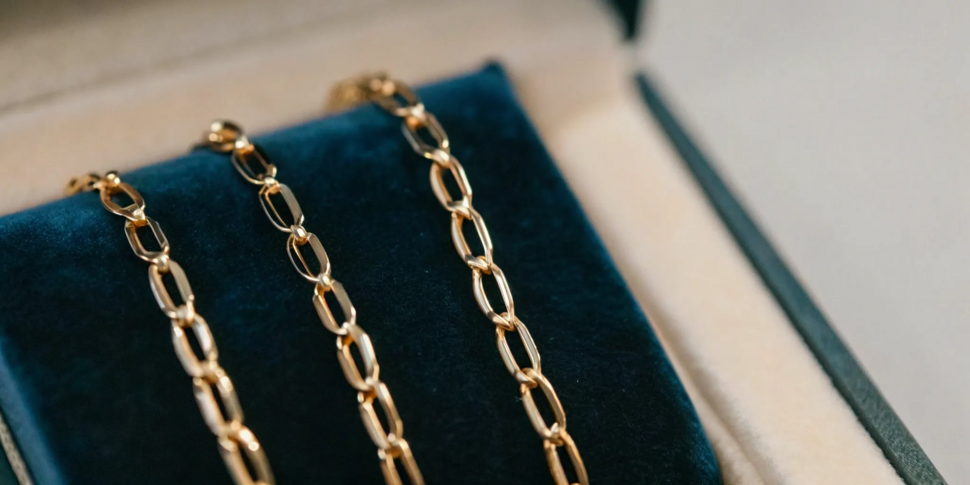
There’s a special kind of disappointment that comes from finding a piece of jewelry that speaks to you, only to discover you can't wear it without your skin reacting. It can feel like you have to choose between style and comfort. But you don’t. The solution lies in understanding the materials that make up your favorite pieces. This guide is here to help you find your perfect match without the guesswork. We’ll explore the world of hypoallergenic gold jewelry, showing you how to confidently select beautiful, soulful pieces that feel as good as they look, every single day.
Key Takeaways
- Prioritize Higher-Purity Gold: To minimize the risk of a skin reaction, choose 18K gold. It contains 75% pure gold, which means fewer of the alloy metals that typically cause irritation. Always confirm your piece is made with nickel-free alloys for the most comfortable wear.
- Become an Informed Shopper: Check for hallmarks—small stamps like "18K" or "750"—as a guarantee of the gold content. A trustworthy jeweler will be transparent about their materials, so always feel empowered to ask specific questions about the metals used in a piece.
- Make Proper Care a Habit: Simple maintenance is key to preventing irritation. Regularly clean your jewelry with mild soap and water to remove buildup, and store each piece separately in a soft pouch or lined box to keep it in pristine, skin-friendly condition.
What Does "Hypoallergenic Gold" Actually Mean?
If you’ve ever experienced that dreaded itchy, red rash after wearing a new pair of earrings, you’ve probably started looking for "hypoallergenic" options. It’s a term we see often, but what does it really mean when it comes to beautiful fine jewelry? Simply put, hypoallergenic means a material is less likely to cause an allergic reaction. It’s not a 100% guarantee against irritation, but it’s a thoughtful choice for those with sensitive skin.
The secret isn't about the gold itself—pure gold is naturally hypoallergenic. The issue comes from the other metals, called alloys, that are mixed with gold to make it strong enough for everyday wear. These alloys are what give gold its different colors (like white or rose gold) and its durability. Unfortunately, some of these alloys are common culprits for skin reactions. Understanding the difference between various gold types is the first step to wearing your favorite pieces comfortably and confidently.
The Difference Between Hypoallergenic and Regular Gold
When we talk about hypoallergenic jewelry, we're referring to pieces made from metals that are specifically chosen to minimize the risk of skin allergies. The most common offender in jewelry is nickel, an alloy frequently used to strengthen metals and add a silvery-white finish. For many people, nickel is what causes contact dermatitis, leaving their skin irritated.
So, the main difference between hypoallergenic and "regular" gold jewelry lies in the alloy mixture. Hypoallergenic gold pieces are intentionally crafted with metals that are known to be gentle on the skin. Instead of nickel, a jeweler might use palladium, platinum, or a higher concentration of silver. This careful selection of materials helps you enjoy wearing beautiful jewelry without the discomfort that can come from more common, and often cheaper, metal blends.
Why Gold Purity is Key for Sensitive Skin
This brings us to gold purity, which is measured in karats (K). The higher the karat, the more pure gold is in the piece, and the fewer alloy metals are mixed in. Pure gold is 24K, making it the safest choice for sensitive skin, but it’s also very soft and not practical for jewelry you want to wear daily. This is why finding the right balance is so important.
For sensitive skin, 18K gold is often the sweet spot. At 75% pure gold, it has a much lower percentage of potentially irritating alloys compared to 14K (58.3% gold) or 10K (41.7% gold) options. Choosing 18K gold means you're getting a piece that beautifully balances purity with practicality, making it an excellent choice for everything from engagement rings to everyday necklaces. By opting for a higher karat, you’re directly reducing your exposure to the metals that might be causing a reaction.
What's Really in Your Gold Jewelry?
Ever wondered why one gold ring makes your skin itch while another feels perfectly fine? The secret isn't just in the gold—it's in the other metals mixed with it. Because pure gold is too soft for most jewelry, it's blended with other metals to make it stronger. These blends, called alloys, are what can sometimes cause skin irritation. Understanding what's in your jewelry is the first step to finding pieces you can wear comfortably all day long. Let's take a closer look at what goes into your favorite pieces and how you can choose jewelry that feels as good as it looks.
Understanding Alloy Metals
Pure 24k gold is stunning, but it’s also incredibly soft. To make it strong enough for everyday wear, jewelers mix it with other metals, creating what’s called an alloy. These added metals—like silver, copper, and zinc—give gold its durability and can even change its color. For example, adding more copper creates the warm blush of rose gold, while white gold often includes metals like palladium or nickel for its silvery hue. Finding the right balance is key. For instance, 18k gold strikes a wonderful balance between rich color and durability, making it a fantastic choice for jewelry you’ll wear often.
Identifying Common Skin Allergens
If you've ever had a reaction to jewelry, a metal alloy was likely the culprit. Nickel is the most common metal that causes allergies, leading to redness, itching, or a rash. Unfortunately, it's often used as a hardening agent in lower-karat gold and some white gold alloys because it's inexpensive. Copper and cobalt can also cause problems for some people. These metals are often found in cheaper, mass-produced jewelry. That’s why it’s so important to know where your jewelry comes from and what it’s made of. We carefully select pieces from designers who prioritize quality materials, so you can wear your jewelry with confidence.
The Benefits of Nickel-Free and Palladium Gold
This is where the term "hypoallergenic" comes in. Hypoallergenic jewelry is made from metals that are less likely to cause skin allergies or irritation. It helps people with sensitive skin enjoy wearing jewelry without discomfort. Choosing nickel-free gold is the most straightforward way to avoid a reaction. For white gold lovers, palladium is an excellent alternative. Palladium is a platinum-group metal that is similar to platinum but lighter and usually less expensive. It's also very hypoallergenic, giving white gold a beautiful, bright finish without the need for nickel. This is especially important for pieces you'll wear every day, like your engagement ring or wedding band.
Finding the Right Gold for Your Skin
24K Gold: The Purest Choice
24K gold is 100% pure, making it completely hypoallergenic. With no added metals, it’s the safest theoretical choice for sensitive skin. However, this purity makes it incredibly soft—too soft for most jewelry. It bends and scratches so easily that you’ll rarely find it in pieces meant for daily wear. While its deep yellow color is stunning, 24K gold is better suited for investment than for your favorite ring or bracelet. For wearable art that lasts, you'll want to explore other karats in our jewelry collection.
18K Gold: The Perfect Balance of Purity and Strength
18K gold is 75% pure gold, making it a fantastic choice for sensitive skin. The high gold content means fewer potentially irritating alloys are used to strengthen it. This blend offers a rich, warm color and is durable enough for everyday wear, which is why it’s a top choice for fine bridal jewelry. It gives you the luxurious feel of high-purity gold with the resilience needed for a lifetime of wear. It’s the perfect marriage of purity and practicality for pieces you’ll cherish forever.
14K Gold: A Durable and Accessible Option
Composed of 58.3% pure gold, 14K gold is a popular and practical choice. The higher percentage of alloys makes it significantly more durable and scratch-resistant than 18K gold, perfect for an active lifestyle. For most people, 14K gold is a comfortable hypoallergenic option, especially when made with quality, nickel-free alloys. It’s a versatile metal found in a wide array of beautiful pieces from our featured designers, offering a great combination of strength and style that holds up beautifully over time.
A Special Note on White Gold
White gold gets its silvery color from being mixed with white metal alloys. Traditionally, this included nickel, a common allergen. If you have sensitive skin, it’s essential to ask for nickel-free white gold. Many modern jewelers use palladium, a hypoallergenic platinum-group metal, as a safe alternative. Most white gold is also plated with rhodium for extra brightness, which adds a protective layer but can wear off over time. Always confirm the alloys with your jeweler to ensure your piece is comfortable for years to come.
How to Spot High-Quality Hypoallergenic Gold
When you’re investing in a beautiful piece of jewelry, the last thing you want is for it to cause an uncomfortable skin reaction. The good news is that with a little knowledge, you can become an expert at identifying high-quality, skin-friendly gold. It’s all about knowing what to look for and what questions to ask. Think of it as being a detective for your jewelry box—a few simple clues can tell you everything you need to know about a piece’s quality, ensuring you choose something you can wear comfortably and confidently.
Look for Hallmarks and Certifications
The quickest way to check a piece’s quality is to look for tiny stamps, known as hallmarks. These marks are usually found on the inside of a ring or near the clasp of a necklace. A hallmark indicates the gold's purity, such as "18K" (for 18-karat) or "750" (meaning 75% pure gold). These aren't just decorative; they're a sign of transparency from the maker and a guarantee of the metal content. Reputable jewelers and designers are always proud to mark their work accurately. The presence of a clear stamp is your first and most reliable sign that you're looking at a well-made piece.
Key Questions to Ask Your Jeweler
Never be afraid to ask questions! A knowledgeable jeweler will be happy to share details about their pieces and guide you to the right choice. When you’re in the store, get specific. Ask about the alloy metals used—specifically, if the piece is nickel-free. You can also ask, "Can you tell me about this designer's commitment to using hypoallergenic materials?" A reputable jeweler should give you a clear, confident answer. This conversation is a great way to gauge their expertise and commitment to quality. If you want to talk with an expert, you can always book an appointment with our team for personalized advice.
Warning Signs of Low-Quality Jewelry
Just as there are signs of quality, there are also red flags to watch for. Be cautious if a piece lacks any hallmarks or if the metal content isn't clearly stated. Vague descriptions can often hide low-quality materials that may cause irritation. If a deal seems too good to be true, it probably is—exceptionally low prices for "solid gold" can indicate it's mixed with cheaper, irritating metals like nickel. The best way to avoid this is to shop with jewelers who are transparent about their materials and feature designers known for their exceptional craftsmanship and integrity.
Your Shopping Guide for Hypoallergenic Pieces
Finding beautiful jewelry that won't irritate your skin shouldn't feel like a treasure hunt. When you know what to look for, you can shop with confidence and focus on what really matters: finding a piece you absolutely love. This is your personal guide to sourcing high-quality, skin-friendly gold jewelry. It’s all about choosing the right brands, paying attention to the details, and asking the right questions.
Choose Reputable Designers and Brands
When you have sensitive skin, where you buy your jewelry is just as important as what you buy. Reputable jewelers and designers build their names on quality and transparency. They understand their materials and are committed to using high-purity, skin-friendly alloys. At Element 79, we carefully select designers who prioritize exceptional materials and craftsmanship, ensuring their pieces are free from common irritants like nickel. A trustworthy brand will be open about its materials, so you can feel secure knowing your new favorite piece is made to be worn comfortably.
Examine the Craftsmanship
The quality of a piece of jewelry goes far beyond its shine. Take a closer look at the details—the way stones are set, the finish of the metal, and the overall construction. High-quality craftsmanship is often a sign that high-quality materials were used. For example, a piece that thoughtfully combines 18k yellow gold with palladium white gold shows a deep understanding of metals. When you browse our curated collection, you’ll notice this attention to detail. Choosing 18k gold means you're getting a piece that beautifully balances purity with the strength needed for everyday wear.
Ask About Documentation and Warranties
Never hesitate to ask questions. A knowledgeable jeweler will be happy to discuss the composition of their pieces and provide any available documentation. Ask directly if a piece is nickel-free or what specific alloys are used in the gold. Reputable jewelers can often prove the purity of their metals and will stand behind their work with a warranty. This transparency is your best tool for making an informed decision. If you ever feel unsure, it’s a great idea to book an appointment with an expert who can walk you through your options and answer every question you have.
How to Wear Your Jewelry Without Irritation
Finding a piece of jewelry that speaks to you is a special experience, but it can be frustrating when that beautiful piece leaves your skin red and uncomfortable. The good news is that with a little knowledge, you can easily wear your favorite accessories without irritation. It all comes down to understanding your skin and choosing your jewelry wisely.
Know the Symptoms of an Allergic Reaction
There’s nothing worse than putting on a new pair of earrings only to find your earlobes are red, itchy, and swollen a few hours later. This is a classic sign of a metal allergy, a common form of contact dermatitis. Some metals can cause allergic reactions like redness, itching, swelling, or even small blisters when they touch your skin. While nickel is the most frequent offender, other metals used in alloys can also trigger a reaction. Paying attention to how your skin responds is the first step in figuring out which materials work best for you and which you should avoid.
What to Do if You Have a Reaction
If you notice your skin reacting to a piece of jewelry, the first thing you should do is take it off. Gently wash the affected area with mild soap and warm water, then pat it completely dry. This can help remove any lingering irritants and soothe your skin. For a mild reaction, this is often enough to resolve the issue. However, if you have very sensitive skin and find that you often react to metals, it’s a good idea to talk to your doctor or a dermatologist. They can help you identify the specific metal causing the problem, often through a simple patch test.
Simple Ways to Prevent Skin Irritation
The best way to enjoy your jewelry is to prevent a reaction from happening in the first place. Always choose pieces specifically marked as "hypoallergenic" or "nickel-free." When you shop, purchase from reputable jewelers who are transparent about the materials they use and can verify the purity of their metals. We love working with designers who prioritize high-quality, skin-friendly materials. It’s also important to clean your jewelry often with mild soap and warm water. This simple step removes any buildup of oils, lotions, or sweat that could contribute to irritation. Finally, always make sure your skin is completely dry before putting on your favorite pieces.
Finding Your Perfect Piece at Element 79
Shopping for jewelry should be a joyful experience, not a source of stress or skin irritation. We believe that finding a piece you love—one that truly feels like you—means it has to be comfortable and easy to wear. For those with sensitive skin, this is especially important. That’s why we’ve built our entire collection and experience around helping you discover jewelry with soul that you can wear with confidence every single day.
At Element 79, we’re not just here to sell you something beautiful; we’re here to guide you. We understand the nuances of different metals and the importance of high-purity gold for preventing reactions. Whether you’re searching for the perfect everyday necklace, a stunning engagement ring, or a unique piece from an independent designer, we’re dedicated to helping you find an option that fits your style and your skin. Our relaxed environment is designed for discovery, allowing you to explore, ask questions, and find the piece that speaks to you without any pressure.
Our Curated Collection for Sensitive Skin
We carefully select every piece in our showroom, with a special focus on quality and materials that are kind to sensitive skin. Element 79 Jewelry offers a range of hypoallergenic options, including pieces made from 18k gold, which strikes a wonderful balance between rich color and durability, making it a fantastic choice for pieces you’ll wear often. Our collection features stunning jewelry from a variety of talented designers, so you never have to sacrifice style for comfort. From delicate earrings to statement rings, you can trust that our pieces are crafted with care.
Get Personalized Guidance from Our Experts
Sometimes, you just need to talk it through with someone who gets it. Our team is passionate about jewelry and is here to offer personalized guidance to help you find the perfect piece. We can walk you through our collections, explain the properties of different metals, and help you identify options that suit your specific needs. This is especially true for our bridal clients, where finding the right ring is a deeply personal journey. Feel free to book an appointment with us for a one-on-one consultation in our welcoming Cherry Creek North showroom.
Create a Custom Piece Just for You
If you have a specific vision in mind or want complete control over the materials, a custom piece is the perfect solution. At Element 79, we specialize in custom designs, allowing you to create a unique piece that reflects your personal style and preferences. Working with our team, you can select the ideal hypoallergenic gold and design a ring, necklace, or bracelet from the ground up. This ensures your jewelry is not only one-of-a-kind but also perfectly suited for your skin, giving you a beautiful piece you can cherish and wear without a second thought.
Caring for Your Hypoallergenic Gold Jewelry
You’ve found the perfect piece of hypoallergenic gold jewelry that feels as good as it looks. Now, let's talk about how to keep it that way. Proper care is about more than just maintaining sparkle; it’s about preserving the integrity of the metal so it continues to be kind to your skin. Think of it as a simple routine that protects your investment and ensures your favorite pieces can be worn and loved for years to come. A little bit of attention goes a long way in keeping your jewelry beautiful, safe, and ready for any occasion. From daily upkeep to professional check-ins, these easy steps will help your collection stay in pristine condition.
Simple Steps for Daily Cleaning
To keep your hypoallergenic gold shining and free of potential irritants, regular cleaning is key. Life happens, and everyday things like lotions, oils from your skin, and dust can build up on the surface. A gentle bath is all it takes to wash them away. Just mix a few drops of mild, fragrance-free soap with warm water. Let your jewelry soak for a few minutes, then use a soft-bristled brush (a baby toothbrush works wonders!) to gently scrub away any grime. Rinse it thoroughly with clean water and pat it dry with a soft, lint-free cloth. This simple ritual helps ensure your favorite rings and bracelets remain brilliant and comfortable to wear.
How to Store Your Jewelry Safely
Where your jewelry lives when you’re not wearing it matters just as much as how you clean it. Tossing everything into one dish can cause scratches and dings. More importantly for sensitive skin, it can lead to cross-contamination if your hypoallergenic pieces rub against jewelry made with other metals. To prevent this, give each piece its own home. Store your items separately in soft fabric pouches or a jewelry box with individual, lined compartments. This simple habit not only protects the finish and delicate details of your designer jewelry but also helps maintain its hypoallergenic properties, keeping it pure and ready for you to wear without a worry.
When to See a Professional for Cleaning
While at-home cleaning is great for daily maintenance, think of a professional cleaning as a spa day for your jewelry. We recommend bringing your pieces in for an inspection and deep clean at least once a year, especially for items you wear often, like an engagement ring. A professional jeweler has specialized tools to safely remove stubborn buildup and polish your gold to a like-new shine. More importantly, they can inspect settings, clasps, and prongs to catch any potential issues before they become problems. It’s the best way to ensure your treasured pieces remain secure and stunning. You can easily book an appointment with our experts for a complimentary cleaning and inspection.
Common Myths About Hypoallergenic Gold, Debunked
Let's clear up a few common misconceptions about hypoallergenic gold. The world of skin-friendly jewelry has come a long way, and you no longer have to choose between comfort, quality, and style. It’s time to separate fact from fiction so you can find pieces you’ll love to wear without worry.
Myth: It's Too Expensive or Lacks Quality
There's a lingering idea that hypoallergenic jewelry falls into two camps: either it's incredibly expensive (like pure 24k gold) or it's cheap and poorly made. The truth is that quality hypoallergenic gold strikes a beautiful balance. It’s not about spending more; it’s about investing in the right materials. For example, choosing 18k gold means you're getting a piece of jewelry that beautifully balances purity with practicality. This makes 18k gold an excellent choice for pieces you plan to wear often, like an engagement ring or your favorite pair of earrings. You get the high gold content needed for sensitive skin plus the strength required for everyday life, ensuring your jewelry is both safe and durable.
Myth: The Style Options Are Limited
Gone are the days when "hypoallergenic" meant boring or basic designs. Today, you don’t have to sacrifice personal style for comfort. Many of the most creative and sought-after jewelry artists prioritize using high-quality, nickel-free materials in their work. This means the world of hypoallergenic jewelry is filled with unique, fashion-forward options. Whether your style is minimalist and modern or bold and artistic, you can find a piece that speaks to you. Our shop is filled with pieces from talented designers who prove that you can have it all: stunning craftsmanship, original design, and materials that feel great against your skin. You truly have a world of beautiful, irritation-free jewelry to explore.
Related Articles
- What is 18k Gold? A Complete Guide - Element 79 Contemporary Jewelry
- 6 Best Chunky Gold Hoop Earrings for Every Style - Element 79 Contemporary Jewelry
Frequently Asked Questions
Is "hypoallergenic" a 100% guarantee that I won't have a reaction? Not exactly. The term "hypoallergenic" means a material is far less likely to cause an allergic reaction, but it isn't an absolute promise. The main goal is to avoid common irritants, with nickel being the biggest one. By choosing gold with a higher purity or alloys that are known to be gentle on the skin, you significantly reduce your chances of irritation, allowing you to wear your jewelry comfortably.
What is the best type of gold for very sensitive skin? For those with very sensitive skin, 18k gold is usually the perfect choice. It contains 75% pure gold, which means there's a much smaller amount of other metals mixed in compared to 14k or 10k gold. While 24k gold is pure and completely hypoallergenic, it's too soft for everyday jewelry. 18k gold gives you that high purity for comfort along with the strength needed for a piece you can wear daily.
I love the look of white gold, but I'm worried about allergies. What should I do? You can absolutely wear white gold, even with sensitive skin! The key is to choose a piece made with a palladium alloy instead of nickel. Palladium is a platinum-group metal that creates that beautiful silvery-white color without the risk of a nickel-related reaction. Most modern, high-quality white gold is made this way, so just be sure to ask your jeweler about the specific alloys used.
How can I tell if a piece of jewelry is truly high-quality and skin-friendly? The best way to feel confident in your purchase is to ask direct questions and shop with jewelers you trust. Look for a hallmark, which is a small stamp indicating the gold's purity (like "18K" or "750"). Don't hesitate to ask the jeweler if the piece is nickel-free. A reputable seller will be transparent about their materials and proud to feature designers known for their craftsmanship.
What should I do if a piece of jewelry is already irritating my skin? The first step is to take the piece off and give your skin a break. Gently wash the area with mild soap and water, then pat it completely dry to remove any lingering irritants. Let your skin fully heal before trying to wear jewelry there again. Moving forward, stick to higher-karat gold or pieces you know for sure are nickel-free to prevent it from happening again.
Recent articles
View all
Brooke's Holiday Favorites - 2025

Holly's Holiday Favorites - 2025