18k Gold Engagement Ring: A Complete Guide
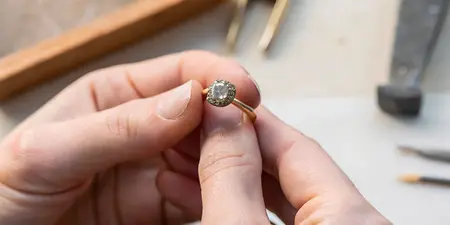
For jewelry designers, the choice of metal is just as important as the gemstone. Many of the most talented artisans prefer working with 18K gold, and for good reason. Its composition makes it wonderfully workable, allowing for more intricate details, delicate settings, and fine engravings that might not be possible with harder alloys. This quality is what allows for true artistry in jewelry making. When you choose an 18K gold engagement ring, you are often choosing a piece that has been crafted with exceptional skill and attention to detail. It’s a metal that provides a rich, luxurious canvas for a designer’s vision, turning your ring into a personal work of art.
Key Takeaways
- 18K Gold is the Sweet Spot for Luxury and Durability: It combines 75% pure gold for a rich, saturated color with strengthening alloys, creating a beautiful ring that is resilient enough for daily life.
- A Ring's Price Reflects Artistry, Not Just Gold: The final cost includes much more than the raw materials; it accounts for the designer's skill, the complexity of the setting, and the quality of the gemstones that make the piece unique.
- Confirm Quality with Hallmarks and Certifications: To ensure you're getting an authentic piece, look for the "18K" or "750" hallmark inside the band and ask for a grading report for any major gemstones.
What Is 18K Gold?
When you start looking at gold jewelry, you’ll see numbers like 10K, 14K, and 18K. This "K" stands for karat, which is a measure of gold purity. Think of it as a 24-part scale. Pure gold is 24K, meaning all 24 parts are gold. So, when we talk about 18K gold, we’re talking about a piece that is 18 parts pure gold and 6 parts other metals. This translates to 75% pure gold, making it a popular and high-quality choice for fine jewelry, especially for something as meaningful as an engagement ring. The blend of metals gives 18K gold a beautiful balance of purity and strength, which is why so many of our designers love working with it.
18K vs. 14K and 24K Gold
So, what’s the difference between the karats? It all comes down to the percentage of pure gold. As we mentioned, 18K gold is 75% pure gold. In comparison, 14K gold contains 58.3% pure gold (14 out of 24 parts), with a larger percentage of other metals mixed in. On the other end of the spectrum is 24K gold, which is 100% pure gold. While that sounds luxurious, pure gold is actually very soft and not practical for an engagement ring you’ll wear every day. An 18K gold ring offers a richer yellow color than 14K gold because of its higher gold content, giving it a more vibrant and luxurious appearance.
Understanding the Alloy Mix
That other 25% in 18K gold isn't just filler; it's a carefully chosen mix of metals called alloys. These alloys, which often include metals like copper, silver, palladium, or nickel, are added to strengthen the gold and make it durable enough for daily wear. Without them, an 18K gold ring would be too soft and prone to scratching and bending. This intentional blend is what allows jewelers to craft intricate and lasting pieces. The specific alloys used not only add strength but also influence the final color of the gold, giving you a range of beautiful options for your bridal jewelry.
Yellow, White, and Rose Gold Explained
The alloy mix is what creates the different shades of gold you can choose from. Each color comes from a unique recipe:
- 18K Yellow Gold: To create that classic, warm yellow, the pure gold is typically mixed with a combination of silver and copper. This blend helps it retain a rich, buttery hue that’s deeper than 14K yellow gold.
- 18K White Gold: For a cool, silvery tone, pure gold is alloyed with white metals like palladium or nickel. Most white gold jewelry is also plated with rhodium, a platinum-group metal, for a brilliant white shine and added durability.
- 18K Rose Gold: That romantic, pinkish tint comes from a higher concentration of copper in the alloy mix. The more copper, the redder the gold appears.
What the Karat Hallmark Means
How can you be sure you're getting 18K gold? Reputable jewelry will have a stamp, or "hallmark," on the inside of the band. This mark certifies its purity. For 18K gold, you’ll typically see a stamp that says "18K," "18kt," or "750." That "750" signifies that the piece is made of 750 parts pure gold per thousand, which is just another way of saying 75%. This hallmark is your assurance of quality. Choosing between 14K and 18K gold ultimately depends on your lifestyle, budget, and color preference. If you'd like to see the difference in person, we'd love to help you book an appointment to explore our collection.
Why Choose an 18K Gold Engagement Ring?
When you start looking for an engagement ring, the sheer number of choices can feel overwhelming. But if you’re searching for a metal that beautifully marries luxury with practicality, 18K gold is an exceptional choice. An 18K gold ring is a classic for a reason: it offers a higher purity of gold, giving it a stunningly rich color that stands out. It’s the kind of quality you can see and feel.
While it has more pure gold than 14K, it’s also mixed with specific alloys that make it strong enough to handle the realities of daily life. This means you get the best of both worlds: the unmistakable glow of high-purity gold and the resilience needed for a piece you’ll wear for a lifetime. Whether you’re drawn to the warm radiance of yellow gold, the cool elegance of white gold, or the romantic blush of rose gold, choosing 18K is a decision that speaks to a love for quality craftsmanship and timeless beauty. It’s a perfect foundation for any bridal jewelry that will tell your story.
The Perfect Balance of Purity and Durability
An 18K gold ring hits the sweet spot between pure gold and a durable metal. The "18K" stamp means the ring is made of 75% pure gold. The remaining 25% consists of other metals, called alloys, like silver, copper, or palladium. These alloys are mixed in to strengthen the gold, making it much more durable. Pure 24K gold is incredibly soft, so it can easily scratch and bend, which isn't ideal for a ring you'll wear every day. With 18K gold, you get a piece that has a significant amount of pure gold but is fortified enough to be a lasting symbol of your commitment.
Its Rich Color and Flattering Look
One of the most compelling reasons to choose 18K gold is its vibrant and rich color. Because it contains 75% pure gold, its hue is more saturated and luxurious than 14K gold, which has a lower gold content. 18K yellow gold, for example, has a warm, creamy yellow glow that is incredibly flattering on almost any skin tone. This rich appearance gives the jewelry a truly premium feel. The higher gold content means you’re getting a piece with an unmistakable radiance that beautifully showcases the diamonds or gemstones it holds. It’s a choice that looks and feels special from the moment you put it on.
A Hypoallergenic Choice for Sensitive Skin
If you have sensitive skin or known metal allergies, 18K gold is often an excellent and comfortable choice. Its high purity means there's a lower percentage of other metals (the alloys) that could potentially cause a reaction. The most common culprit for skin irritation is nickel, which is sometimes used in gold alloys. However, high-quality 18K gold, especially 18K white gold, is frequently alloyed with palladium, a platinum-group metal that is known to be hypoallergenic. By choosing 18K gold, you’re minimizing your risk of a reaction and investing in a ring that will be as comfortable as it is beautiful.
Ideal for Custom and Intricate Designs
For those who dream of a unique, one-of-a-kind engagement ring, 18K gold is a fantastic medium for skilled artisans. While it's durable enough for daily wear, it remains more malleable than 14K gold, allowing jewelers to craft more intricate and delicate designs. This quality makes it perfect for detailed settings, fine engraving, and other custom flourishes that can turn a beautiful ring into a personal work of art. Many of the most talented designers prefer working with 18K gold because it allows them to achieve a higher level of detail and artistry in their creations, giving you a truly special and unique piece.
Is 18K Gold Durable Enough for an Engagement Ring?
This is one of the most common questions I hear, and it’s a great one to ask. You want your engagement ring to last a lifetime, so its durability is just as important as its beauty. The short answer is yes, 18K gold is absolutely durable enough for an engagement ring. It offers a fantastic combination of rich, pure color and the strength needed for a piece you’ll wear every single day.
While it's true that 18K gold is slightly softer than 14K gold, it is still a strong and reliable metal for fine jewelry. The key is understanding what 18K gold is made of and how to care for it. With the right attention, an 18K gold ring will not only last but will also become a treasured heirloom. It strikes a beautiful balance, giving you more of the precious metal you love without compromising the structural integrity needed for a ring meant for forever. Let’s break down what makes it a wonderful and lasting choice for such a meaningful piece of jewelry.
Durability for Everyday Wear
When we talk about 18K gold, we're talking about a ring that is 75% pure gold. The other 25% is a mix of other metals, called alloys. These alloys, which often include metals like silver, copper, or palladium, are added specifically to make the gold stronger and more suitable for daily wear. Pure 24K gold, by contrast, is far too soft to be worn every day without bending or scratching easily. The alloy mix in 18K gold creates the perfect compromise, giving you that high-purity glow with the resilience you need. It’s a popular choice for high-end bridal jewelry for this very reason.
Debunking Myths: Softness, Tarnishing, and Price
Let's clear up a few common myths. While 18K gold is softer than 14K, it is by no means a fragile metal. With normal care, it holds up beautifully to everyday life. It’s also highly resistant to tarnish, meaning its beautiful, rich color won't fade or discolor over time. Because of its high gold content, 18K gold is a precious metal that maintains its value well, making it a worthwhile investment. Many of our stunning Vintage & Estate pieces are crafted from 18K gold, proving just how well it stands the test of time. While you may not recoup the full retail price if you decide to sell it later, its inherent value and lasting beauty are undeniable.
Popular Styles for 18K Gold Engagement Rings
The beauty of choosing an 18K gold band is its incredible versatility. Its rich, saturated color provides a stunning foundation for virtually any design, from the beautifully simple to the artistically complex. Whether your personal style is timeless and traditional or bold and modern, there’s an 18K gold engagement ring that will feel like it was made just for you. The metal’s workability also means it’s a favorite among artisans for creating detailed and unique settings. Let’s look at some of the most popular styles that truly shine in 18K gold.
Classic Solitaires
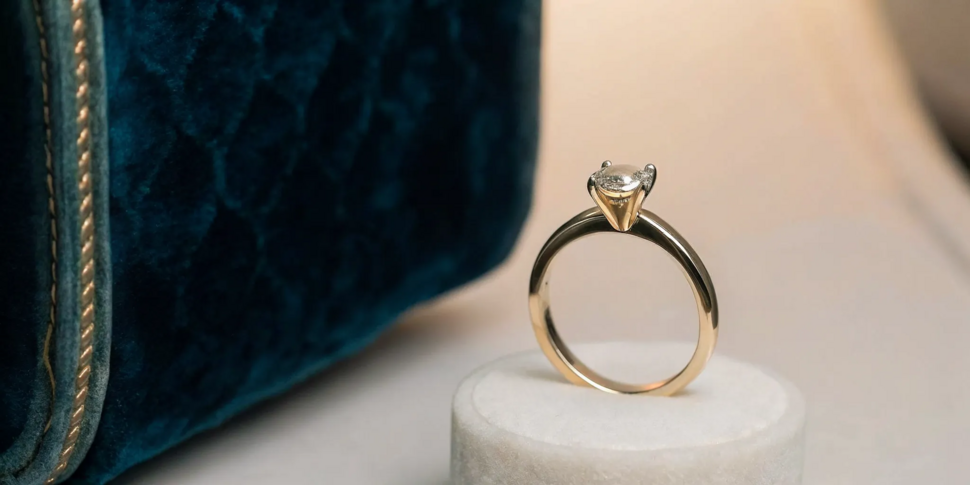
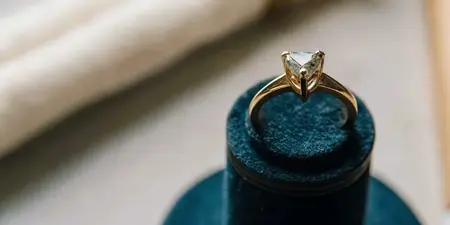
A classic solitaire is the epitome of timeless elegance. This style features a single, stunning gemstone set on a simple band, a design that places all the focus on the beauty of the center stone. Think of it as the little black dress of the jewelry world: it’s sophisticated, always in style, and effortlessly beautiful. The clean lines of a solitaire setting are a popular choice because they allow the diamond or gemstone to take center stage. When set in 18K yellow or rose gold, the warm, rich color of the band creates a gorgeous contrast that can make a diamond appear even brighter and more brilliant.
Brilliant Halos
If you’re drawn to major sparkle, a halo setting is an incredible option. This design features a center stone completely encircled by a "halo" of smaller pavé diamonds. The effect is breathtaking, as the surrounding stones catch the light from every angle, adding intense brilliance and making the center stone appear significantly larger. According to Brides magazine, this ability to create a more dramatic look is what makes the halo setting so sought-after. An 18K gold band adds a layer of warmth and luxury, creating a beautiful frame for the dazzling display of light.
Vintage-Inspired and Estate Pieces
For those who love a ring with a sense of history and romance, vintage-inspired designs are a perfect match. These rings often feature intricate details like milgrain edging, delicate filigree, and unique Art Deco or Victorian motifs. Because 18K gold is slightly softer than 14K, it allows jewelers to achieve a higher level of artistry and detail in these elaborate designs. Each ring tells a story, offering a unique character you won’t find in more contemporary pieces. If you’re captivated by the charm of the past, exploring a collection of Vintage & Estate jewelry is a wonderful place to start your search.
Modern and Contemporary Designs
Modern engagement rings are all about expressing your individual personality. These styles often break from tradition with unique features like asymmetrical stone clusters, sleek bezel settings, unconventional geometric shapes, or alternative gemstones. This is where the artistry of jewelry design really comes to life. An 18K gold setting provides a rich, luxurious base that complements both classic diamonds and colorful stones like sapphires or emeralds. These rings are for the person who wants a piece of wearable art, and we are proud to feature many designers who are pushing the boundaries of what an engagement ring can be.
Understanding the Cost of an 18K Gold Ring
Figuring out the price of an 18K gold ring isn't as simple as looking at the daily price of gold. While the gold content is a starting point, the final cost is a reflection of so much more. It’s a blend of precious materials, artistic vision, and the incredible skill required to bring a design to life. Think of it as the difference between buying raw canvas and paint versus a finished painting from a gallery.
When you invest in a piece of fine jewelry, you're paying for the artist's unique perspective, the hours of detailed labor, and the quality of the gemstones they selected. The price tag tells a story of creativity and craftsmanship. To help you understand what goes into that final number, let's break down the key factors that determine the cost of an 18K gold ring, from its raw value to the intricate details that make it a work of art.
Melt Value vs. Retail Price
Every gold ring has a "melt value," which is the base price of the gold if it were melted down. Since 18K gold is 75% pure gold, you can calculate this value based on the ring's weight and the current market price of gold. However, a finished ring is always worth much more than its melt value. The retail price accounts for the artistry and labor that transformed a raw material into a beautiful piece of jewelry. The designer’s skill, the complexity of the setting, and the brand's reputation all add value that goes far beyond the raw gold. This is especially true for pieces from our curated designers, whose work carries a distinct creative signature.
How Gemstones and the 4 Cs Impact Price
If your ring includes gemstones, their quality and size will significantly influence the price. A simple 18K gold band will naturally cost less than a ring set with a high-quality diamond, sapphire, or emerald. For diamonds, the price is determined by the 4 Cs: Cut, Color, Clarity, and Carat. These standards help grade a diamond's quality and rarity. Similar principles apply to other precious gems, where vibrant color and minimal inclusions are highly prized. The addition of a beautiful stone transforms a ring into a much more valuable and expressive piece. Our bridal collection showcases just how wonderfully a brilliant gemstone can complement the rich color of 18K gold.
The Role of Design Complexity in Cost
The level of craftsmanship involved in creating a ring is a major factor in its cost. A simple, smooth band requires less time and skill to produce than a ring with intricate details, like hand-engraved patterns or a complex prong setting. Handmade rings, which require a jeweler to meticulously shape and finish the piece by hand, will carry a higher price tag to reflect that intensive labor and artistry. Designs from our Vintage & Estate collection are perfect examples of how detailed craftsmanship creates a truly one-of-a-kind piece. When you choose a more complex design, you're investing in the artist's time and talent.
How to Set a Realistic Budget
With all these factors in mind, you can set a realistic budget for your 18K gold ring. A simple, elegant band might fall in the $300 to $800 range. For a designer piece with more complex details or modest gemstones, you might expect to spend between $800 and $3,000. Rings with large, high-quality gems or from luxury brands can easily exceed $3,000. Remember that the price reflects a combination of the gold's weight, the designer's skill, and the quality of the gemstones. The best approach is to find a balance that feels right for you. If you need help exploring options within your budget, you can always book an appointment with us for a personal consultation.
How to Know You're Getting a Fair Price
Buying an engagement ring is a huge milestone, and you deserve to feel completely confident in your decision. Getting a "fair price" isn't just about finding the cheapest option; it's about understanding the true value of what you're buying. The price of an 18k gold ring is a combination of the gold itself, the gemstones, the intricacy of the design, and the skill of the person who made it.
Feeling good about your purchase comes from transparency and knowledge. A reputable jeweler will be happy to explain what goes into their pricing and show you what makes a piece special. By paying attention to a few key areas, you can learn to spot quality and ensure the price tag matches the ring's value. We'll walk through what to look for, from the craftsmanship and official certifications to the importance of appraisals and store policies. This way, you can feel secure and excited about the beautiful ring you've chosen.
Look for Quality Craftsmanship
The difference between a simple, mass-produced ring and a piece of art often comes down to craftsmanship. Handmade rings and those with complex designs, like detailed engravings or unique settings, naturally cost more because of the incredible skill and time involved. When you look at a ring, notice the small details. Is the finish smooth and polished? Are the prongs holding the stone secure and symmetrical? These are the marks of a well-made piece. The price reflects not just materials, but the hours of work and years of expertise from talented designers who pour their soul into creating something truly special and lasting.
The Importance of Hallmarks and Certification
Authenticity is everything when it comes to fine jewelry. Two key things to look for are hallmarks and gemstone certifications. A hallmark is a tiny stamp on the inside of the band, like "18k" or "750," that certifies the gold's purity. It’s a guarantee from the maker that you're getting the quality you expect.
For the diamond or main gemstone, a grading report from a respected gemological lab is essential. Certificates from labs like the Gemological Institute of America (GIA) provide an unbiased analysis of the stone's characteristics, including the 4 Cs (cut, color, clarity, and carat). This certification confirms the quality and identity of your diamond, ensuring its value is accurately represented.
Consider an Independent Appraisal
For a significant purchase like an engagement ring, getting an independent appraisal is a smart move. An appraiser is a certified, third-party expert who can assess your ring's materials and craftsmanship to determine its retail replacement value. This is different from the price you paid; it's the amount needed to replace the ring if it were lost or stolen, which is crucial for getting it properly insured. An appraisal also gives you an expert opinion on the quality of your ring, offering another layer of confidence and peace of mind in your investment.
How to Compare Prices Confidently
When you're ready to buy, it’s wise to compare prices to get a feel for the market. However, make sure you're comparing apples to apples. A simple 18k gold solitaire will have a very different price than an intricate, vintage-inspired piece with multiple stones. When you look at rings from different jewelers, consider the total package: the exact quality of the center stone (don't forget the 4 Cs), the complexity of the ring's design, and the reputation of the jeweler. Browsing a curated bridal collection can help you see how these elements work together to influence the final price.
Key Questions About Return Policies
A jeweler’s return policy says a lot about the confidence they have in their jewelry and their commitment to customer happiness. Before you make a final decision, be sure to ask about their policies. Find out the timeframe for returns or exchanges and whether any fees apply. It's also important to ask if the policy is different for custom-designed pieces versus rings from their standard collection. Knowing these details upfront helps ensure a smooth and stress-free experience. If you have questions about our policies or want to discuss a specific piece, feel free to book an appointment with us.
Find Your 18K Gold Engagement Ring in Denver
Finding the perfect 18K gold engagement ring in Denver is about more than just the ring itself. It’s about the experience of discovering a piece that feels like it was made for you. The right jeweler will not only guide you to a beautiful ring but will also make the entire process feel special and personal. When you start your search, focus on finding a partner you trust to help you tell your story.
How to Choose a Reputable Jeweler
Choosing a jeweler is the most important first step you’ll take. You’re looking for a partner for a significant purchase, so it’s essential to find someone you connect with. Start by researching the jeweler’s reputation. Read reviews and see what other people’s experiences have been like. Look for a store with a distinct point of view and a collection that excites you. A reputable jeweler is proud of the artists they represent, and you can learn a lot by exploring our curated selection of designers. While it’s smart to compare prices, remember that true value also lies in unique design, quality craftsmanship, and the story behind the piece.
The Benefit of a Personal Consultation
A personal consultation is one of the best ways to find an engagement ring that truly feels right. Think of it less as a sales meeting and more as a creative conversation. It’s a chance to sit down with an expert in a relaxed setting and explore all your ideas, from the style of the band to the cut of the gemstone. We can help you translate your partner’s personality and your relationship into a tangible design, whether that’s a modern solitaire, a custom creation, or a one-of-a-kind vintage piece. If you’re ready to explore the possibilities, you can book a personal appointment with us to get started.
Related Articles
Frequently Asked Questions
Is 18K gold really durable enough for someone with an active lifestyle? Yes, it is. While 18K gold is slightly softer than 14K, it's still a very strong metal designed for a lifetime of wear. The alloys mixed with the pure gold give it the resilience it needs. That said, it's always a good idea to take off any fine jewelry, regardless of the metal, during very strenuous activities. Think heavy lifting at the gym, gardening, or working with harsh chemicals. For normal, everyday life, your 18K gold ring will hold up beautifully.
I've heard white gold can turn yellow over time. Is this true for 18K white gold? This is a great question. Most white gold, including 18K, is plated with a layer of rhodium. Rhodium is a bright white metal from the platinum family that gives white gold its brilliant, silvery shine. Over several years of wear, this plating can begin to wear away, revealing the natural, slightly yellowish tint of the white gold alloy underneath. This is completely normal, and it's a very simple fix. A quick trip to a jeweler to have it replated will make your ring look brand new again.
Is 18K gold worth the extra cost compared to 14K gold? This really comes down to personal preference and what you value most in your ring. The higher price of 18K gold reflects its greater purity, as it contains 75% pure gold versus 58.3% in 14K gold. This higher gold content gives it a richer, more saturated color that many people love. It also has a satisfying weight and is often the preferred choice for intricate, high-end designs. If that luxurious color and higher purity are important to you, then yes, it is absolutely worth it.
I have sensitive skin. Is 18K gold a good choice for me? For most people with metal sensitivities, 18K gold is an excellent and comfortable option. Because it has a higher percentage of pure gold, there is a lower percentage of the other metals (alloys) that typically cause skin irritation. The most common irritant is nickel, but reputable jewelers often use hypoallergenic alloys like palladium in their 18K white gold. It's a fantastic choice for minimizing the risk of a reaction.
How should I care for my 18K gold ring at home? Caring for your ring is simple. For a gentle cleaning at home, you can soak it in a bowl of warm water with a few drops of mild dish soap. After a few minutes, use a very soft toothbrush to gently scrub away any buildup, especially around the setting. Then, just rinse it with clean water and pat it dry with a soft, lint-free cloth. It's also wise to have your ring professionally checked and cleaned by your jeweler once a year to ensure the prongs are secure.
Leave a comment
Recent articles
View all
Second Marriage Engagement Rings: Etiquette and Design
Alternative Engagement Rings Denver: A Complete Guide