

Your Guide to Sterling Silver Bracelets
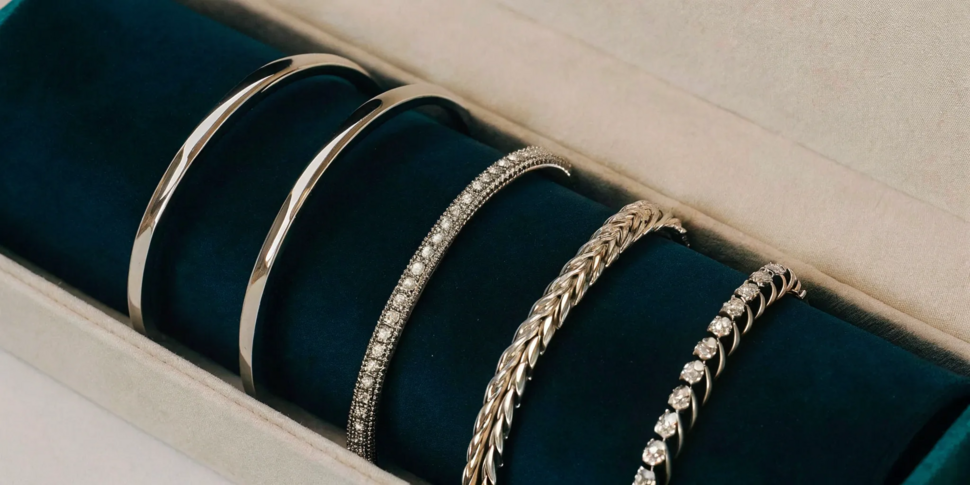
The best jewelry tells a story, and a bracelet is one of the most personal ways to express your style. It moves with you through your day, a constant, shining reminder of who you are. Sterling silver bracelets offer a perfect canvas for this, whether your taste is minimal and modern or bold and artistic. Finding the right one is about discovering a piece that feels like a natural extension of you. In this guide, we’ll explore the different styles, from delicate chains to statement cuffs, helping you find a design that not only complements your wardrobe but also captures your unique spirit.
Key Takeaways
- Look for quality beyond the stamp: While the "925" mark confirms it's sterling silver, true quality is in the details, like a solid weight, a smooth finish, and a secure clasp.
- Invest in artistry, not just silver: A bracelet's price reflects the designer's skill and the complexity of the work, making your purchase a unique piece of wearable art.
- Protect your silver with simple habits: Keep your bracelet bright by storing it in a jewelry box or pouch and making it the last thing you put on after lotions and perfumes.
Why Choose a Sterling Silver Bracelet?
Sterling silver bracelets are a staple in any great jewelry collection, and for good reason. They have a cool, bright shine that works with everything. But what makes sterling silver so special? It’s a unique combination of beauty, durability, and value that makes it a fantastic choice for a piece you’ll wear every day. Let's look at what makes this metal a timeless favorite.
What "925 Sterling Silver" Really Means
You’ve probably seen the number "925" stamped on silver jewelry. It’s a guarantee of quality. "925 sterling silver" is an alloy, a mix of 92.5% pure silver and 7.5% other metals, usually copper. Pure silver is actually quite soft, so adding these metals makes it much stronger and more durable. This strength is what allows the talented designers we feature to craft such detailed and lasting pieces. That 925 stamp means you’re getting a high-quality piece built to be enjoyed.
How It Compares to Other Metals
So, how does sterling silver stack up against other metals? Its closest relative, fine silver, is 99.9% pure but too soft for most jewelry, especially a bracelet. The alloy gives sterling silver the strength it needs. The trade-off is that the copper content makes it prone to tarnishing, but a little care keeps it looking brilliant. Compared to white gold or platinum, sterling silver offers a similar bright look at a more accessible price, making it a fantastic choice for building a versatile jewelry collection.
A Timeless Look That Lasts
One of the best things about sterling silver is its timeless appeal. It has a classic, versatile shine that never goes out of style. Whether you prefer a delicate chain, a bold cuff, or a bracelet with personal charms, silver is the perfect backdrop. It feels both modern and classic, fitting seamlessly into your personal style. Because it’s so durable, a well-crafted sterling silver bracelet isn’t a piece you’ll wear for one season. It’s an investment in your style that becomes part of your story.
Find Your Signature Style
A sterling silver bracelet is more than just an accessory; it’s a piece of your personal story. The right one feels like a natural extension of you, whether it’s a delicate chain you never take off or a bold cuff you wear for special occasions. The fun part is discovering which style speaks to you. Think about your daily life, your wardrobe, and the pieces you’re naturally drawn to. Let’s explore some of the most beloved styles to help you find the perfect bracelet that feels like it was made just for you.
Classic Chains and Links
You can never go wrong with a classic. Silver link and chain bracelets are the white t-shirts of the jewelry world: stylish, versatile, and always in fashion. Their timeless appeal means they work with just about everything, from casual weekend wear to a more dressed-up look for the office. You can wear a single, delicate chain for a subtle touch of shine or layer multiple bracelets with different link styles and textures for a more personalized statement. These pieces are true staples, forming the foundation of a great jewelry collection.
Modern Cuffs and Bangles
If you love clean lines and sculptural shapes, a modern cuff or bangle might be your perfect match. These bracelets make a statement with their form, whether it’s a wide, polished cuff that gleams on your wrist or a set of thin, hammered bangles that jingle with every move. Many contemporary designers use cuffs and bangles as a canvas for innovative designs, incorporating unique textures, mixed metals, or unexpected details. They are a fantastic way to add an artistic, contemporary edge to any outfit, proving that sometimes, the simplest shapes have the biggest impact.
Personalized Charms and Beads
A bracelet can be a beautiful way to tell your story, and nothing does that better than one with personalized charms or beads. Charm bracelets let you collect meaningful symbols that represent your passions, travels, and loved ones, creating a piece that is completely unique to you. You can start with a simple chain and add to it over time. Beaded bracelets offer another way to play with color and texture. For a truly one-of-a-kind piece, consider exploring a Vintage & Estate collection to find unique charms or a pre-loved bracelet with its own rich history.
Elegant Tennis and Designer Pieces
For moments that call for a little extra sparkle and sophistication, an elegant designer piece is the perfect choice. While classic tennis bracelets are known for their line of diamonds, many designers have created stunning variations in sterling silver, sometimes featuring gemstones or intricate metalwork. These bracelets are all about exquisite craftsmanship and a refined aesthetic. A beautifully designed sterling silver bracelet can add a polished touch to any look, making it a go-to for weddings, anniversaries, or any time you want to feel put-together. They are true investment pieces you’ll cherish for years.
Deciding Between a Statement and an Everyday Bracelet
Should you go for a bold, eye-catching piece or something subtle you can wear every day? The best answer is: it depends on your lifestyle and personal style. An everyday bracelet should be comfortable and durable enough to handle your daily activities. A delicate chain or a simple, smooth bangle often works well. A statement bracelet is your chance to show off your personality. Think chunky links, intricate designs, or a dramatic cuff. The great news is you don’t always have to choose. Some bracelets are versatile enough to be both. The best way to know for sure is to try them on, so feel free to book an appointment to see how different styles feel.
How to Spot a High-Quality Piece
When you're investing in a piece of jewelry, you want to be confident in its quality. Knowing what to look for can make all the difference between finding a bracelet you'll love for years and one that doesn't last. With a few simple tips, you can learn to identify well-crafted sterling silver and feel great about your purchase. It’s all about paying attention to the small details that signal true quality and artistry.
Check for Hallmarks and Stamps
The easiest first step is to look for a quality stamp, also known as a hallmark. On genuine sterling silver, you’ll typically find a tiny inscription that reads "925," "STER," "SS," or "Sterling." This mark certifies that the piece is made of at least 92.5% pure silver, the standard for sterling silver. You can usually find this stamp on the clasp, near the findings, or on the inside of a cuff. While very delicate or tiny parts of a piece might not have room for a stamp, its presence is a strong indicator of authenticity.
Simple Ways to Test for Authenticity
You don't need to be a jeweler to run a few simple tests. First, try the magnet test. Sterling silver is not magnetic, so if your bracelet is strongly attracted to a magnet, it’s likely made of another metal with a silver plating. Another sign of genuine silver is tarnishing. While it might seem like a downside, silver naturally oxidizes and darkens when exposed to air. This is a normal process that can be easily cleaned. If a piece flakes or reveals a different colored metal underneath, it's a clear sign that it's only plated.
Examine the Craftsmanship
A high-quality piece feels as good as it looks. Pay attention to the weight of the bracelet; sterling silver has a satisfying heft to it and shouldn't feel flimsy or overly light. Run your fingers over the surface to check for a smooth, polished finish. The links should be secure, the clasp should function properly, and any stones should be set firmly without wiggling. Poor craftsmanship, like uneven seams or rough edges, is a red flag. When you explore pieces from talented designers, you'll notice the incredible attention to detail in their work.
Red Flags to Watch For When Buying
Trust your instincts when shopping for jewelry. If a price seems too good to be true for sterling silver, it probably is. Be cautious of sellers who use vague terms to describe the metal or can't provide clear information about its origin. A reputable jeweler will always be transparent about their materials. Ultimately, the best way to ensure you're buying a genuine, high-quality piece is to purchase from a trusted source. When in doubt, it's always a great idea to book an appointment with a professional who can guide you and answer all your questions.
What's a Fair Price for Sterling Silver?
Figuring out a fair price for a sterling silver bracelet can feel tricky because the range is so wide. You might see a delicate chain for under $50 and a chunky, handcrafted cuff for several hundred. The final price tag isn't just about the silver itself; it’s a mix of artistry, materials, and craftsmanship. Let's break down what goes into the cost so you can feel confident about your purchase and know you're getting a piece you'll love for years to come.
How Style Affects the Price Tag
The design of a bracelet is one of the biggest factors in its price. A simple, machine-made chain will naturally cost less than an intricate piece that was designed and finished by hand. Think about the difference between a classic, lightweight silver bangle and a bold cuff with detailed engravings. The more complex the design, the more time and skill it requires, which is reflected in the cost. When you invest in a piece from a specific designer, you're also paying for their unique vision and artistry, which adds to the bracelet's value and story.
Key Factors That Influence Cost
Beyond the overall style, several other elements play a role in determining a bracelet's price. The weight of the silver is a starting point, but the craftsmanship is just as important. A well-made piece will have secure clasps, smooth finishes, and durable construction. If the bracelet includes gemstones, their quality, size, and rarity will add to the cost. A piece with a few small turquoise accents will be priced differently than one featuring a large, high-quality moonstone. The combination of these factors is what creates the final price for a beautiful piece of jewelry.
Finding a Jeweler You Trust
When you're ready to buy, where you shop matters just as much as what you buy. A trustworthy jeweler will be transparent about their materials and happy to answer your questions. Look for retailers who have a clear return policy and provide detailed descriptions of their pieces. Reading reviews can be helpful, but nothing beats building a relationship with a jeweler you can rely on. Being able to see the jewelry in person and speak with an expert can make all the difference, ensuring you find a piece that truly fits your style and budget.
How to Get the Best Value
Getting the best value doesn’t always mean finding the lowest price. It’s about finding a high-quality piece that you love, at a price that feels fair. Keep an eye out for seasonal sales, but also consider exploring curated collections. Sometimes, the most unique and valuable finds are in a jeweler's Vintage & Estate section, where you can discover one-of-a-kind pieces with a rich history. Ultimately, the best value comes from a bracelet that is crafted to last, brings you joy every time you wear it, and becomes a staple in your collection.
Keep Your Sterling Silver Looking Its Best
Sterling silver is loved for its bright, beautiful luster, but it needs a little care to stay that way. Over time, exposure to air and moisture can cause tarnish, a natural process that darkens the metal. The good news is that preventing and cleaning tarnish is simple. With a few easy habits, you can keep your favorite sterling silver bracelets looking as stunning as the day you got them. Here’s how to protect your investment and maintain its shine for years to come.
Best Practices for Daily Wear and Storage
Your silver’s biggest enemies are moisture and air. The best thing you can do is keep your bracelet dry. After wearing it, give it a quick wipe with a soft cloth before putting it away. Proper storage is also key to preventing tarnish. Instead of leaving your bracelet on a nightstand or in the bathroom, store it in a tarnish-proof cloth pouch or a lined jewelry box. This limits its exposure to the elements that cause discoloration. Think of it as tucking your jewelry in for the night, keeping it safe, sound, and ready for its next outing.
How to Clean Your Bracelet and Prevent Tarnish
For routine upkeep, a gentle wipe with a silver polishing cloth is usually all you need to restore its shine. If you notice more significant tarnish or buildup, you can give your bracelet a deeper clean at home. Just use a few drops of mild dish soap in warm water and gently scrub the piece with a soft-bristled toothbrush. This method is perfect for getting into the small crevices of intricate chain links or detailed charms. Rinse it thoroughly with clean water and, most importantly, dry it completely with a soft, lint-free cloth before storing it away.
What to Avoid When Wearing Your Silver
To keep your sterling silver pristine, it’s helpful to know what to avoid. Chemicals are a major culprit behind tarnish and damage. Always remove your bracelet before swimming in a chlorinated pool or relaxing in a hot tub. It’s also a good practice to put your jewelry on last when you’re getting ready. Hairspray, lotions, makeup, and perfume can all react with the metal and dull its finish over time. By making your bracelet the final touch to your outfit, you protect it from direct contact with these substances and preserve its beautiful luster.
When to See a Professional Jeweler
While at-home cleaning is great for regular maintenance, some situations call for an expert. If your bracelet has stubborn tarnish that won’t lift, deep scratches, or a damaged clasp, it’s time to visit a professional. We have the right tools and expertise to safely restore your piece without harming delicate details or gemstones. A professional cleaning can bring back that brand-new sparkle. Plus, it’s a great opportunity to have a jeweler inspect the settings and ensure everything is secure. If you have a piece that needs some extra attention, you can always book an appointment with us for a consultation.
Related Articles
- The Essential Guide to Men's Fine Jewelry - Element 79 Contemporary Jewelry
- The Ultimate Guide to Delicate Gold Bracelets - Element 79 Contemporary Jewelry
- Diamond Tennis Bracelet: Everything You Need to Know - Element 79 Contemporary Jewelry
Frequently Asked Questions
Why does my silver bracelet tarnish? Is that a bad sign? Not at all. In fact, tarnishing is a sign that your bracelet is genuine sterling silver. The alloy contains 7.5% other metals, usually copper, to make it strong. Tarnish is simply a natural reaction that happens when the copper is exposed to air and moisture. It’s completely normal and very easy to clean off with a polishing cloth, which restores the bracelet's beautiful shine.
Can I wear a sterling silver bracelet every day? Absolutely. Sterling silver is quite durable, which is why it's such a popular choice for everyday jewelry. For constant wear, you might prefer a comfortable style like a classic chain or a smooth bangle that won't catch on things. Just remember to take it off before activities like swimming or heavy lifting to keep it safe from harsh chemicals and scratches.
Is sterling silver a good option for sensitive skin? For most people, yes. Sterling silver is considered hypoallergenic because it's made of 92.5% pure silver. The vast majority of skin sensitivities to metal are caused by nickel, which is rarely used in quality sterling silver. The small amount of copper in the alloy doesn't cause a reaction for most, making it a comfortable and safe choice for sensitive skin.
What's the real difference between sterling silver and silver-plated? The difference is in the core of the piece. A sterling silver bracelet is made from a solid precious metal alloy through and through. Silver-plated jewelry, on the other hand, has a thin layer of silver coated over a less expensive base metal like copper or brass. This plating can eventually chip or wear away, revealing the metal underneath. Sterling silver is a lasting investment that will hold its value and beauty for a lifetime.
How do I know which style is right for me? The best way to find your perfect bracelet is to think about your personal style and daily life. Are you drawn to delicate, understated pieces or bold, artistic ones? An everyday bracelet should feel comfortable and effortless, while a statement piece is your chance to have fun. The most important thing is how a bracelet makes you feel, so we always recommend trying on a few different styles to see what truly speaks to you.
Recent articles
View all
Brooke's Holiday Favorites - 2025
Holly's Holiday Favorites - 2025