

Your Guide to Safe At-Home Jewelry Cleaning
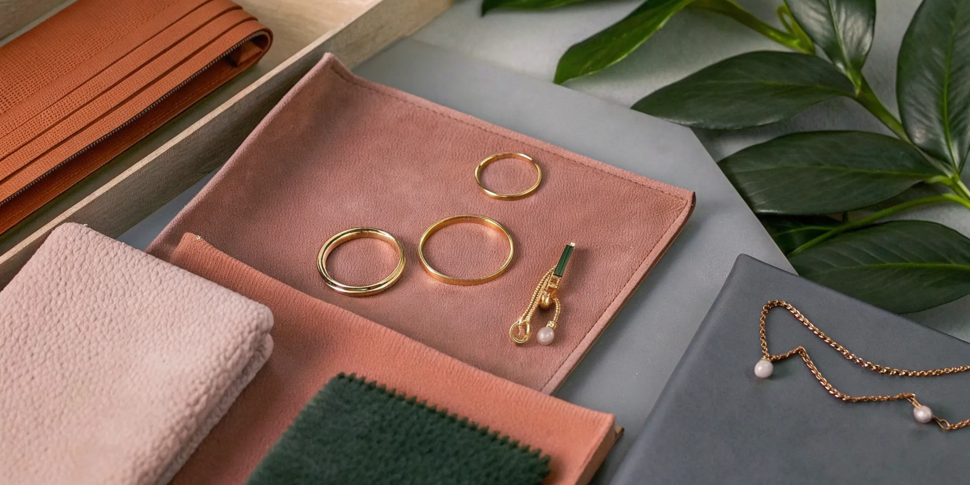
Your jewelry is more than just an accessory; it’s a collection of memories, milestones, and personal statements. An engagement ring represents a promise, while a vintage find connects you to a story from the past. When these meaningful pieces lose their luster, it can feel like their story has faded, too. Proper jewelry cleaning is an act of preservation, a way to honor the sentimental value held within each piece. This guide will teach you how to care for your treasures with the gentle touch they deserve, ensuring their physical beauty continues to reflect the beautiful memories they represent for a lifetime.
Key Takeaways
- Embrace the simple soap and water method: For most fine jewelry, a gentle bath in warm water with mild dish soap is the safest and most effective way to restore shine. Steer clear of household hacks like toothpaste or vinegar, as their abrasive and acidic nature can cause scratches and irreversible damage.
- Know your materials before you clean: Not all jewelry is created equal, so identify what you're working with first. Hard stones like diamonds can handle a soak, but porous gems like pearls and opals, along with vintage pieces, require a more delicate touch to avoid harm.
- Recognize when to see a professional: While at-home cleaning is great for regular upkeep, a professional jeweler is your best resource for valuable heirlooms, intricate settings, and delicate gems. They can also perform crucial inspections to catch loose stones or worn prongs before they become a serious issue.
How to Clean Different Types of Jewelry
Your jewelry tells a story, and keeping it clean ensures that story shines brightly. But not all pieces are created equal. The method you use to clean a sturdy gold ring is very different from how you’d care for a delicate vintage brooch. Using the wrong technique or cleaner can cause irreversible damage, like scratching soft metals, loosening stones, or stripping away a beautiful patina.
That’s why it’s so important to know what your jewelry is made of before you begin. This guide will walk you through the safest and most effective ways to clean different types of jewelry at home. We’ll cover everything from your everyday gold and silver pieces to precious gemstones and unique costume finds. With a little know-how, you can easily maintain the sparkle and life of your favorite accessories.
Cleaning Gold Jewelry
Gold is a durable metal, but it still needs a little TLC to maintain its classic luster. Over time, everyday wear can lead to a buildup of oils, lotions, and dust, making your favorite pieces look dull. Luckily, the best way to clean your gold jewelry is also the simplest.
The safest method involves just a few household items: warm water, a few drops of mild dish soap, and a very soft toothbrush. Let your jewelry soak in the soapy water for about 15 to 20 minutes. This helps loosen any grime. Then, gently scrub the piece with the soft toothbrush, paying special attention to any crevices where dirt might hide. Rinse it under clean water and pat it dry with a soft, lint-free cloth. This gentle approach is perfect for keeping your gold chains, rings, and bracelets looking their best.
Cleaning Silver Jewelry
Sterling silver has a beautiful, bright finish, but it’s prone to tarnishing when exposed to air and moisture. This dark layer is a natural chemical reaction, but it can dull the appearance of your jewelry. While a simple soap and water bath can work for light cleaning, you’ll need something more specific for tarnish.
For heavily tarnished pieces, a quality silver polish is your best friend. A product like Hagerty's Silversmith polish is formulated to remove tarnish without scratching the metal's surface. Always apply the polish with a soft cloth, rubbing gently in one direction. Avoid using abrasive materials or harsh DIY solutions, which can damage the silver. This is especially important for the unique pieces in our Vintage & Estate collection, where preserving the original finish is key.
Caring for Diamonds and Gemstones
Diamonds are famous for their sparkle, but that brilliance can be dimmed by body oils, makeup, and everyday grease. Because diamonds and other hard gemstones naturally attract these oils, a good degreasing agent is essential. You don’t need a fancy cleaner; mild dish soap is incredibly effective at cutting through the grime and restoring that fire.
Create a simple solution of warm water and dish soap and let your diamond jewelry soak for about 20 minutes. Use a soft toothbrush to gently clean around the setting and underneath the stone, as this is where buildup often occurs. Be careful with softer, porous stones like opals or pearls, which require different care. If you’re ever unsure about cleaning a specific gemstone, it’s always best to get a professional opinion. You can always book an appointment with us for a professional cleaning and inspection.
Maintaining Costume and Vintage Pieces
Costume and vintage jewelry often require the most delicate touch. These pieces may be made with plated metals, foils, and glued-in stones, so submerging them in water is a big no-no. Moisture can seep underneath stones, damaging the foil backing that gives them their sparkle, or it can dissolve old adhesives.
For pieces with rhinestones, a great technique is to use a soft toothbrush or nail brush sprayed very lightly with Windex. The key is that the brush should be almost dry to the touch. Gently brush the surface to remove dirt without introducing too much moisture. For other intricate pieces, tools like a soft baby toothbrush, wooden toothpicks, or a wood cuticle stick can help you clean tiny details without causing damage. Always work carefully and gently to preserve the integrity of these unique finds.
Safe Household Items for Cleaning Jewelry
When your favorite pieces start to lose their sparkle, you might be tempted to search your kitchen cabinets for a quick fix. While the internet is full of DIY cleaning hacks, many of them can do more harm than good to your precious jewelry. The truth is, the simplest methods are often the safest and most effective. Before you try a trendy solution, let’s walk through what actually works and what you should absolutely avoid to protect your treasured rings, necklaces, and bracelets.
The Dish Soap and Water Method
This is the gold standard for at-home jewelry cleaning, and for good reason. It’s gentle, effective, and safe for most fine jewelry, including diamonds and hard gemstones. Fill a small bowl with warm water and add a few drops of a mild dish soap, like Dawn. Let your jewelry soak for a few minutes to loosen any buildup. Then, use a very soft toothbrush to gently scrub away dirt, paying special attention to the tiny crevices around settings. The dish soap is perfect for cutting through the oils and lotions that can make stones look dull. Rinse your piece under cool water and pat it dry with a soft, lint-free cloth.
Using a Baking Soda Paste
You’ll often see baking soda recommended as a miracle cleaner, but you should keep it far away from your jewelry box. Baking soda is an abrasive material, and using it as a scrub can create tiny scratches on softer metals like gold and on delicate gemstones. While you might not see the damage immediately, it can dull the finish of your jewelry over time. For pieces with a story, like those in our Vintage & Estate collection, preserving the original finish is key. It’s always better to stick with a gentler approach that protects the integrity and history of your piece.
Restoring Shine with White Vinegar
Just like baking soda, vinegar is another household staple that should not be used on your jewelry. Vinegar is an acid, and its harsh properties can damage porous gemstones like pearls, opals, and turquoise. It can also eat away at the plating on some jewelry pieces, causing them to lose their luster permanently. If you have a piece that needs more than a light cleaning, it’s always best to get a professional opinion. You can always book an appointment with us to have your jewelry assessed and professionally cleaned, ensuring it’s cared for correctly.
A Gentle Clean with Club Soda
Here’s a tip that can be useful, but with a major caveat. Club soda can be a gentle option for cleaning some types of costume jewelry, as the carbonation can help lift dirt without harsh chemicals. However, this method is not recommended for fine jewelry. The beautiful pieces from our featured designers deserve the best care, and the proven soap and water method is a much safer bet. For anything valuable or sentimental, it’s best to avoid experimenting and stick to what the experts recommend to keep your jewelry looking its best for years to come.
Common Cleaning Mistakes to Avoid
We’ve all seen the DIY cleaning hacks online that promise sparkling results with everyday household items. While the intention is good, many of these popular tricks can do more harm than good to your treasured pieces. Protecting your jewelry means knowing what not to do. Some common ingredients and methods can be too harsh, leading to scratches, discoloration, or even permanent damage. Before you reach for that pantry staple, let’s walk through a few common cleaning mistakes to avoid so your favorite accessories stay brilliant for years to come. When in doubt, you can always book an appointment for a professional cleaning.
The Problem with Toothpaste and Lemon Juice
It might seem logical to use toothpaste to polish your jewelry, but it’s actually one of the worst culprits for causing damage. Most toothpastes contain abrasive ingredients designed to scrub plaque from your teeth. These same ingredients can easily scratch soft metals like gold and can even loosen the settings holding your gemstones in place. Softer gems like pearls and opals are especially vulnerable. Similarly, the high acidity in lemon juice can tarnish metals and etch the surface of delicate stones. It’s a recipe for discoloration and can cause pearls to deteriorate over time. It’s best to keep these items in the kitchen and bathroom, far away from your jewelry box.
Why to Avoid Boiling Water and Harsh Chemicals
Using boiling water is another common myth. While professional jewelers use steam, plunging your pieces into boiling water at home can cause thermal shock. This sudden, extreme temperature change can crack sensitive gemstones like emeralds, opals, and tanzanite. It can also weaken the structure of your settings over time. Even worse are harsh chemicals like bleach or chlorine. These substances can permanently discolor or damage precious metals. This is why you should always take off your bridal and other rings before you hop in a pool or hot tub. The chlorine can strip the shine right off your beautiful gemstones and dull the metal, which is the last thing you want for such a meaningful piece.
The Damage from Abrasive Materials
Along with toothpaste, other abrasive materials like baking soda are often recommended for at-home cleaning. While a baking soda paste can work for some household tasks, it’s far too rough for most fine jewelry. The gritty texture can leave tiny scratches on the surface of softer metals and gemstones, dulling their natural luster over time. This is especially true for delicate Vintage & Estate pieces, which often require an even gentler touch due to their age and unique construction. Instead of reaching for something abrasive, always opt for a soft-bristled brush and a simple solution of mild soap and warm water. It’s the safest way to preserve the integrity and shine of your collection.
How to Safely Clean Tarnished Silver
Have you ever pulled out a favorite silver necklace or pair of earrings only to find they’ve lost their shine and developed a dark, dull film? That’s tarnish, and it happens to the best of us. The good news is that it’s usually reversible. With a little care, you can bring your beloved silver pieces back to their original brilliance right at home. Whether you prefer a professional polish or a simple DIY solution, we’ll walk you through the safest ways to get your silver sparkling again.
What Is Tarnish?
First, let's talk about what tarnish actually is. It’s not dirt or grime, but a natural chemical reaction. When silver is exposed to sulfur compounds in the air, a thin layer of corrosion forms on the surface, causing that dark, discolored look. This is especially common with sterling silver and can happen to even the most well-loved pieces in your collection. Think of it as a natural part of a silver piece’s life, particularly with beautiful vintage and estate jewelry that has a long history. Understanding that tarnish is just a surface-level issue is the first step to confidently cleaning it.
How to Apply Silver Polish
For a reliable and effective clean, a high-quality silver polish is a great option. Start by finding a reputable brand specifically designed for jewelry. To use it, apply a small amount of the polish to a soft, clean cloth, like microfiber or flannel. Gently rub the polish onto the tarnished areas of your silver piece in a straight, back-and-forth motion rather than in circles to avoid creating fine scratches. Follow the product’s instructions, then use a separate clean cloth to buff the piece until it shines. If your jewelry is particularly delicate or valuable, you can always book an appointment for a professional cleaning.
DIY Tarnish Removal
If you prefer to use household items, a couple of gentle DIY methods can work wonders on light tarnish. One popular technique is to create a paste with baking soda and a little water. Apply the paste to the silver with your fingers or a soft cloth and gently rub the tarnished spots. Another simple solution is to soak your jewelry in a bowl of warm water with a few drops of mild dish soap. After a few minutes, you can use a soft-bristled toothbrush to carefully scrub any crevices. For both methods, be sure to rinse the piece thoroughly with cool water and dry it completely with a soft cloth.
Your Essential Jewelry Cleaning Kit
Keeping your favorite pieces looking their best doesn't require a trip to the jeweler every time. With a few simple items, you can create an essential at-home cleaning kit that safely restores the sparkle to your collection. Think of it as a small investment in preserving the beauty and longevity of the jewelry you love. Assembling the right tools and solutions is the first step toward maintaining everything from your everyday rings to your most cherished heirlooms. This kit will give you the confidence to care for your pieces properly between professional cleanings, ensuring they shine for years to come.
What to Include in Your Kit
You don’t need harsh chemicals to get a great clean. The safest and most effective way to clean most jewelry is with a simple solution of warm water and a few drops of mild dish soap. This gentle mixture is perfect for breaking down the oils, lotions, and daily grime that can dull the shine of your metals and gemstones. Just let your pieces soak for a few minutes before gently scrubbing. This method is a go-to for jewelers and is safe for most of the fine contemporary jewelry in your collection, including solid gold, platinum, and diamonds.
Select the Right Brushes and Cloths
The tools you use are just as important as the cleaning solution. To avoid scratching delicate metals or dislodging stones, always opt for soft-bristled brushes. A baby toothbrush is the perfect tool for the job, as its bristles are gentle enough to get into tiny crevices without causing damage. For more intricate designs, especially on vintage and estate pieces, wooden toothpicks or soft cotton swabs can help you clean hard-to-reach spots. When you’re done, dry your jewelry with a soft, lint-free cloth to prevent water spots and restore its brilliant shine.
Professional vs. Household Cleaners
While the dish soap method works wonders for many items, some pieces require a more specialized approach. Many popular home cleaning remedies can actually damage your jewelry, especially porous gemstones or delicate antique settings. If you own pieces with pearls, opals, or turquoise, a professional, all-in-one cleaning kit is a much safer bet. These kits are specifically formulated to be gentle on delicate materials. When in doubt, it’s always better to use a product designed for jewelry or book an appointment for a professional cleaning rather than risk a DIY solution that could cause irreversible harm.
How Often Should You Clean Your Jewelry?
Deciding how often to clean your jewelry isn't a one-size-fits-all answer. The right frequency really depends on the piece itself and how it fits into your life. Think about it: the simple gold band you wear every day is exposed to a lot more than the diamond earrings you save for special occasions. Daily-wear pieces accumulate oils, lotions, and dust, while your special-event jewelry might just need a light touch-up after a night out.
The key is to create a routine that works for you and your collection. A good rule of thumb is to give your jewelry a quick inspection each time you take it off. This helps you spot any immediate issues, like a loose stone or a clasp that isn't secure. For cleaning, it’s helpful to separate your pieces into two main categories: the everyday favorites and the special occasion showstoppers. Each group has its own needs, and giving them the right kind of attention will keep everything sparkling for years to come.
Cleaning Your Everyday Pieces
The jewelry you live in, like your go-to necklace or wedding band, needs the most consistent care. Because these pieces are constantly in contact with your skin’s natural oils, as well as lotions, soaps, and everyday grime, they can start to look dull pretty quickly. To keep them looking their best, aim for a gentle cleaning every one to two weeks.
A simple soak in a bowl of warm water with a few drops of mild dish soap is usually all it takes. Let your pieces sit for about 15-20 minutes, then use a soft-bristled baby toothbrush to gently scrub away any buildup, especially around settings and in small crevices. Rinse with clean water and pat dry with a soft, lint-free cloth. This simple routine is safe for most metals and hard gemstones like diamonds, and it makes a huge difference.
Caring for Special Occasion Jewelry
Your more delicate or elaborate pieces, like that stunning cocktail ring or a pair of pearl earrings, don’t need to be cleaned as often. Since they aren't exposed to the same daily wear and tear, a light cleaning after you wear them or a more thorough cleaning once or twice a year is usually enough. The most important thing with this type of jewelry is knowing what it’s made of, as different materials require different care.
For instance, porous gemstones like opals or pearls should never be submerged in water for long periods. Many vintage and estate pieces also have unique settings or delicate materials that can be damaged by common cleaning methods. If you’re ever unsure about the safest way to clean a piece, it’s always best to play it safe. You can book an appointment with a professional jeweler who can give you specific advice or provide a professional cleaning.
When to See a Professional Jeweler
While regular at-home cleaning is a fantastic habit, some jobs are best left to the experts. Think of a professional jeweler as a partner in caring for your most cherished pieces. They have ultrasonic cleaners, steam machines, and years of expertise that simply can’t be replicated in your kitchen sink. Bringing your jewelry in for a professional cleaning isn't just about restoring sparkle; it's about preventative care. A trained eye can spot potential issues like worn-out prongs or a loose clasp before they become real problems.
Trusting a professional is especially important when you’re dealing with jewelry you’re not completely familiar with, like a family heirloom or a vintage market find. They can accurately identify the metals and gemstones, ensuring the right cleaning methods are used. This small step protects your jewelry’s integrity and gives you peace of mind, so you can wear your favorite pieces with confidence for years to come.
For Valuable and Antique Jewelry
When a piece of jewelry holds significant monetary or sentimental value, it’s always wise to seek professional care. This is particularly true for older items, like the beautiful finds in a Vintage & Estate collection. Antique jewelry often features unique alloys and hand-cut gemstones that can react unpredictably to modern cleaning solutions. A professional jeweler understands the specific needs of these historical pieces. They can assess the condition of the settings and materials, choosing a cleaning method that is both effective and completely safe, preserving the character and value of your treasure.
For Intricate Settings and Delicate Gems
Some jewelry designs, with their tiny pavé diamonds or detailed metalwork, are magnets for dust and lotion. These intricate settings are difficult to clean thoroughly at home without risking damage. The same caution applies to certain gemstones. Porous or soft stones like pearls, opals, emeralds, and turquoise can be easily harmed by chemicals, heat, or even vigorous scrubbing. For example, a strand of pearls should only be wiped gently with a damp cloth, never submerged. A professional knows exactly how to handle these delicate materials, ensuring they are cleaned gently and safely.
Signs You Need a Professional
Sometimes, your jewelry will tell you when it needs an expert’s touch. If you notice a stone is rattling or seems loose in its setting, it’s time for a visit. Often, built-up grime is the only thing holding a loose stone in place, so discovering this during a cleaning can actually prevent you from losing it. Other warning signs include prongs that snag on your clothing, a clasp that feels weak, or deep scratches on the metal. If a piece still looks dull after a gentle at-home cleaning, a professional can restore its original brilliance. When you see these signs, it's best to book an appointment for a check-up.
How to Store and Maintain Your Jewelry
Cleaning your jewelry is only half the battle. How you store and care for your pieces day-to-day makes a huge difference in their longevity and sparkle. Think of it as creating a safe home for your favorite accessories. A little bit of preventative care goes a long way in keeping your collection looking its best, preventing tangles, scratches, and other damage. By developing a few simple habits, you can protect your investment and ensure your treasured pieces, from everyday rings to special occasion necklaces, stay in beautiful condition for years to come.
Store Your Jewelry to Prevent Damage
The best way to prevent damage is to give each piece its own space. Tossing everything into one dish is a recipe for scratched metals and tangled chains. Instead, use a fabric-lined jewelry box with separate compartments to protect your jewelry. For delicate items, especially sterling silver which can tarnish, consider storing them in anti-tarnish bags or cloths. Necklaces are best hung vertically to avoid knots. It’s also smart to take off your rings and bracelets before showering or swimming. Soap scum can build up and dull the shine, and harsh chemicals like chlorine can damage precious metals and gemstones over time.
Inspect and Touch Up Your Pieces Regularly
Make a habit of giving your jewelry a quick once-over each time you wear it. Gently check the settings to make sure stones are secure in their prongs and that clasps are functioning correctly. Catching a loose prong early can save you from the heartbreak of a lost diamond or gemstone. If you notice anything that seems off, or if a piece just doesn't look right after cleaning, it's time to consult an expert. A professional can spot issues you might miss and perform necessary repairs. When in doubt, it's always best to book an appointment for a professional inspection and cleaning.
Related Articles
- How to Clean a Diamond Ring Safely at Home
- How to Clean White Gold Jewelry in 4 Easy Steps
- Ultrasonic Jewelry Cleaning: The Ultimate Guide
Frequently Asked Questions
What is the safest, all-purpose cleaning method for most of my jewelry? For the majority of your fine jewelry, especially gold and hard gemstones like diamonds, the best approach is the simplest. A bowl of warm water with a few drops of mild dish soap works wonders. Let your pieces soak for about 15 minutes to loosen grime, then gently scrub with a soft baby toothbrush. This method effectively cuts through oils and lotions without using harsh chemicals that could damage your pieces.
Why can't I use common household items like baking soda or toothpaste? While many online sources suggest these items, they can cause more harm than good. Toothpaste and baking soda are abrasive, and they can create microscopic scratches on the surface of softer metals like gold, dulling the finish over time. Similarly, acidic substances like vinegar or lemon juice can damage porous gemstones like pearls and opals and may even corrode the metal on plated pieces.
How often should I clean the jewelry I wear every day? For pieces you wear daily, like a wedding band or a favorite necklace, a good cleaning every one to two weeks is ideal. These items are constantly exposed to skin oils, lotions, and soaps, which can cause a dulling buildup. A quick, consistent cleaning routine will keep them looking brilliant and prevent grime from becoming difficult to remove later on.
My silver jewelry is tarnished. What's the best way to restore its shine? Tarnish is a natural reaction, so don't worry, your piece isn't ruined. While a soap and water bath can work for light cleaning, significant tarnish is best handled with a quality silver polish. Apply a small amount with a soft cloth and rub gently in straight lines, not circles, to avoid scratching. This will safely remove the tarnish and bring back that beautiful, bright finish.
When should I see a professional instead of cleaning my jewelry myself? You should always see a professional if you notice a stone is loose, a prong is bent or snagging on clothes, or a clasp feels insecure. It's also the best choice for very valuable, antique, or delicate pieces with porous gems like opals or pearls. If you've tried a gentle at-home cleaning and a piece still looks dull, an expert can safely restore its sparkle.
Recent articles
View all
Brooke's Holiday Favorites - 2025

Holly's Holiday Favorites - 2025