

Your Complete Guide to Professional Jewelry Repair
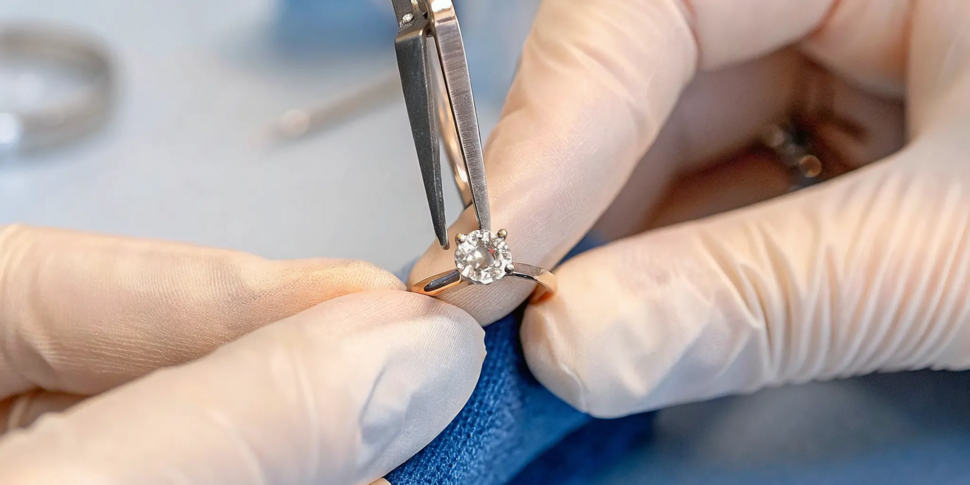
Some pieces of jewelry are more than just accessories; they are tangible links to the past. A vintage ring or a family heirloom carries stories within its delicate details, and caring for it is a unique responsibility. These special items often require a higher level of expertise than modern, mass-produced pieces. The metals can be softer and the construction more intricate, demanding a gentle and knowledgeable hand. Finding an expert in jewelry repair who understands the nuances of antique and estate pieces is crucial to preserving their history and integrity. Here, we’ll explore what makes these items unique and how to find them the specialized care they deserve.
Key Takeaways
- Trust an expert to preserve your jewelry's story: Professional repair is about more than fixing a break; it's about maintaining the integrity and value of your most cherished items. Avoid DIY fixes like using glue, as they often lead to more complex and costly damage.
- Ask the right questions to find a trustworthy jeweler: A reputable professional will be transparent about their process, provide a detailed estimate before starting, and happily answer questions about their experience. Don't hesitate to ask for specifics to ensure your pieces are in good hands.
- Adopt simple habits to prevent future damage: The best repair is the one you never need. Protect your jewelry by storing pieces separately, removing them during strenuous activities, and scheduling an annual professional inspection to catch small issues before they become big problems.
What Is Jewelry Repair and Why Is It Important?
We all have that one piece of jewelry. The ring you never take off, the necklace passed down from your grandmother, or the bracelet that marks a special occasion. Over time, these beloved items can show signs of wear. A clasp might loosen, a prong might bend, or a chain might snap. That’s where jewelry repair comes in. It’s the professional art of restoring your favorite pieces to their original beauty and function, ensuring they can continue to be a part of your story.
Think of jewelry repair as essential maintenance for your most treasured accessories. It covers a wide range of services, from simple fixes like resizing a ring to more complex work like replacing a lost gemstone or mending a delicate chain. The importance of these services goes far beyond just fixing something that’s broken. Professional repair preserves the integrity of your vintage and estate pieces, protects their monetary value, and, most importantly, honors their sentimental worth.
Investing in quality repair ensures your jewelry remains not just wearable but secure. A skilled jeweler can spot potential issues, like a loose stone, before it becomes a bigger problem. This proactive care saves you from the heartache of losing a precious diamond or gemstone. Ultimately, trusting an expert with your jewelry builds a relationship, giving you a go-to resource for maintaining the pieces you love. If you have a piece that needs a little attention, you can always book an appointment for a professional assessment.
Common Fixes for Your Favorite Pieces
Even the most cherished pieces of jewelry can show signs of a life well-lived. A ring might feel a little too snug, a favorite necklace chain might snap, or a stone could come loose from its setting. These moments can be disheartening, but they’re rarely the end of the story for your beloved accessories. Most common jewelry issues are surprisingly straightforward for a professional to fix, allowing you to restore your pieces to their former glory and wear them with confidence for years to come.
From simple clasp repairs to more intricate stone replacements, a skilled jeweler has the tools and expertise to handle a wide range of problems. Think of it as essential maintenance for your most sentimental items. Bringing your jewelry in for repair not only fixes the immediate issue but also gives an expert a chance to spot potential problems, like weakened prongs or worn-out clasps, before they lead to a bigger loss. If you have a piece that’s been sitting in your jewelry box waiting for some TLC, it might be time to book an appointment and see how it can be brought back to life.
Resizing and Reshaping Rings
Our hands change over time, and a ring that once fit perfectly might now feel too tight or too loose. Whether it’s a family heirloom or a special bridal piece, a professional jeweler can easily resize your ring for a comfortable and secure fit. The process typically involves adding or removing a small piece of metal from the band and seamlessly soldering it back together. If your ring has been bent out of shape from an accidental impact, a jeweler can also expertly restore its perfect circular form, making it look as good as new. This common repair ensures your favorite rings can be worn safely and comfortably every day.
Replacing Stones and Securing Prongs
There’s nothing quite like the sinking feeling of looking down and realizing a gemstone is missing from your favorite ring or pendant. Luckily, this is a fixable problem. A skilled jeweler can source a replacement stone that perfectly matches the others in your piece, whether it’s a diamond or a colored gemstone. More importantly, they can address the root cause. The tiny metal claws, or prongs, that hold your stones in place can wear down or get snagged over time. A jeweler can repair, retip, or replace these prongs to ensure every stone in your jewelry is held securely, preventing future losses.
Mending Chains and Bracelets
Delicate chains on necklaces and bracelets are beautiful, but they can also be prone to breaking. A sudden snag or a bit too much pressure can cause a link to snap, leaving your favorite piece unwearable. This is one of the most common and quickest jewelry repairs. In most cases, a jeweler can mend a broken chain by carefully soldering the link back together, a process that is both strong and virtually invisible. For more complex chains or broken clasps, they can replace the damaged section or install a new, secure clasp. It’s an affordable fix that can save a piece you love.
Servicing Watches and Replacing Batteries
Jewelry repair services often extend beyond rings and necklaces. If you have a beloved timepiece that has stopped ticking, a jeweler can typically help. The most common watch service is a simple battery replacement, which can get your watch running again in minutes. Jewelers can also handle other watch-related issues, such as removing links to adjust the band for a better fit, replacing cracked or scratched watch glass, or repairing broken pins and bands. For more complex internal issues, they can guide you on the best next steps, ensuring your vintage and estate watches keep perfect time.
Restringing Pearls and Repairing Clasps
Pearl necklaces are timeless, but the silk cord they are strung on can stretch, weaken, and collect dirt over time. To prevent the strand from breaking and scattering your precious pearls, it’s recommended to have them professionally restrung every few years, depending on how often you wear them. A jeweler will string them on a fresh, durable cord, often knotting between each pearl for added security. At the same time, they can inspect and repair the clasp. A faulty clasp is a common reason necklaces and bracelets get lost, but a simple repair or replacement can give you peace of mind.
How to Choose the Right Jewelry Repair Service
Handing over a treasured piece of jewelry for repair can feel a little nerve-wracking. Whether it’s a family heirloom or your engagement ring, these items hold so much more than just monetary value; they hold memories. Finding a jeweler you can trust is the most important step in the entire process. The right professional will not only have the technical skill to restore your piece but will also treat it with the care and respect it deserves.
Think of a great jeweler as a long-term partner in caring for your collection. They are the expert you can turn to for everything from a simple cleaning to a complex restoration. To find that partner, you just need to know what to look for. By paying attention to a few key details, asking the right questions, and recognizing potential warning signs, you can feel confident that your favorite pieces are in the best possible hands.
What to Look For in a Jeweler
Your intuition is a powerful tool, so start by simply visiting the shop. A clean, organized, and welcoming environment is usually a great sign of a professional and well-run business. Don’t be shy about starting a conversation. A passionate jeweler will be happy to talk about their repair process, the materials they use, and their general approach to their craft. Look for transparency in everything they do, from clear pricing policies to straightforward explanations. A reputable jeweler wants you to feel informed and comfortable, especially when you're trusting them with your most precious jewelry.
Key Questions to Ask Before You Commit
Once you have a good feeling about a shop, it’s time to get specific. Having a few key questions ready will help you confirm you’re making the right choice. Start by asking about their timeline and their specific experience with your type of repair. For instance, if you have a piece from one of our unique designers, you’ll want to know they’re comfortable with that particular style. Finally, always ask if they provide a warranty or guarantee on their work. This gives you peace of mind and shows that the jeweler stands behind the quality of their repairs.
Red Flags to Watch Out For
Just as there are good signs to look for, there are also a few red flags that can signal you might be in the wrong place. Be cautious if a jeweler is vague about their process or seems unwilling to answer your questions directly. Every quality shop should have a trained bench jeweler on staff and shouldn't hesitate to share customer reviews or references. Another major warning sign is pressure. You should never feel rushed into making a decision. A trustworthy professional will give you the time and information you need to feel completely secure. If you'd like a no-pressure consultation, you can always book an appointment with us.
How Much Does Jewelry Repair Cost?
One of the first questions on anyone’s mind when a favorite piece breaks is, "How much will this cost to fix?" The honest answer is: it depends. The price of a jewelry repair isn't a simple, one-size-fits-all number. It’s a thoughtful calculation based on the materials, the complexity of the damage, and the skilled craftsmanship required to bring your piece back to life. Think of it less like buying a product off the shelf and more like commissioning a small work of art.
A simple fix, like reattaching a clasp, will naturally cost less than a complex restoration of a family heirloom. The value of the materials, from the type of metal to the gemstones that might need to be reset, plays a significant role. Ultimately, the cost reflects the time, expertise, and materials needed to ensure your jewelry is restored beautifully and securely, so you can wear it with confidence for years to come. Understanding the factors involved can help you appreciate the process and the value of a professional repair.
Factors That Affect Pricing
The final cost of a repair is influenced by a few key factors. First is the material of your piece. Working with platinum requires different tools and higher temperatures than gold, which can affect the price. Even with gold, the karat matters; 18K gold is softer and behaves differently than 14K gold. The complexity of the repair is another major component. A straightforward chain solder is much simpler than rebuilding the intricate setting for a diamond. Finally, if any gemstones are involved, especially if they need to be removed and reset, the jeweler must take extra care, which is factored into the labor cost.
Simple Fixes vs. Complex Restorations
There’s a wide spectrum when it comes to jewelry repair. Simple fixes are the most common and affordable. Think of things like soldering a broken necklace chain, fixing a bent earring post, or resizing a plain gold band. These repairs are typically quick and can range from $25 to $75, depending on the metal.
On the other end are complex restorations, which require a much higher level of skill and time. This could involve rebuilding the prongs on an engagement ring, restoring a piece from our Vintage & Estate collection, or replacing a unique, custom-cut gemstone. These jobs are intricate and demand the steady hand of an expert to ensure the piece is returned to its original glory.
How to Get an Accurate Estimate
The only way to get a true sense of cost is to bring your piece to a professional for an in-person evaluation. A jeweler can’t give you a reliable quote over the phone because they need to see the extent of the damage and the specific materials up close. When you come in for a consultation, don't hesitate to ask questions. Inquire about the proposed repair process and the expected timeline. A trustworthy jeweler will be transparent and provide a detailed, written estimate before any work begins. This ensures there are no surprises and you feel completely comfortable with the plan. Ready to find out what your repair will take? You can book an appointment with us for a full assessment.
What to Expect During the Repair Process
Handing over a piece of jewelry you love, whether it’s a family heirloom or your engagement ring, can feel a little nerve-wracking. A professional and trustworthy repair process should be completely transparent, so you feel confident and informed every step of the way. Knowing what to expect can take the mystery out of the experience and give you peace of mind. From the moment you walk in for a consultation to the day you pick up your beautifully restored piece, the journey should be clear and straightforward. A great jeweler will guide you through a structured process that prioritizes communication and craftsmanship, ensuring your treasured item is in the best possible hands. Let’s walk through the typical four-step process so you know exactly what happens behind the scenes when your jewelry is being repaired.
Step 1: Initial Assessment and Consultation
The first step is a conversation. You’ll sit down with a jewelry expert to discuss what’s wrong with your piece. They will carefully examine the item, identify the extent of the damage, and explain the necessary repairs. This is your chance to ask any questions you have. Many jewelers will take "before" photos to document the piece's initial condition. This consultation is all about understanding your needs and setting clear expectations for the work ahead. It’s a collaborative process to make sure everyone is on the same page before moving forward. You can book an appointment to get this process started with an expert.
Step 2: Detailed Estimate and Timeline
After the initial assessment, you’ll receive a detailed estimate and a projected timeline. Transparency is key here. The estimate should clearly break down the costs for labor and any materials, so there are no surprises later on. You’ll also get a realistic timeframe for how long the repair will take, which can vary depending on the complexity of the work and the jeweler’s schedule. A reputable jeweler will always provide this information upfront, allowing you to approve the plan before any work begins. This ensures you can make an informed decision that you feel comfortable with.
Step 3: The Repair Work and Quality Checks
Once you give the green light, the real magic begins. Your piece will be handed over to a skilled artisan who specializes in the type of repair it needs. Whether it’s a simple chain mending or a complex stone setting, the work is done with precision and care. Throughout the process, multiple quality checks are performed to ensure the repair is not only beautiful but also durable. The goal is to restore your jewelry to its original glory while maintaining its integrity, especially when dealing with unique pieces from talented designers.
Step 4: Final Inspection and Pickup
When the repair is complete, you’ll be notified that your jewelry is ready for pickup. This final step is more than just a hand-off; it’s a final inspection to ensure you are completely satisfied. The jeweler will present your restored piece and walk you through the work that was done, often using the "before" photos to show the transformation. This is your opportunity to examine the repair up close and confirm it meets your expectations. A successful repair ends with you leaving the store with your beloved piece looking as good as new, ready to be worn and enjoyed for years to come.
Common Jewelry Repair Myths to Ignore
When a favorite piece of jewelry breaks, it’s easy to fall for bad advice online. Unfortunately, many common myths can lead to more damage and disappointment. Believing that a quick fix is good enough or that professional repairs are always overpriced can put your treasured items at risk. Let's clear up some of these misconceptions so you can make the best decisions for your collection. We’ll separate fact from fiction and guide you toward the right way to care for your jewelry.
The Dangers of DIY Repairs
When a stone pops out of your ring, reaching for superglue might seem like an easy solution. Please don't do it. While DIY fixes are great for many things, fine jewelry isn't one of them. Household glues can damage gemstones and precious metals, often creating a bigger, more expensive problem for a jeweler to fix later. The same goes for trying to restring a broken pearl necklace or mend a chain yourself. You risk using the wrong materials, which could lead to losing a precious pearl or charm. The safest move is to collect every piece and bring them to a professional.
The Truth About Repair Costs and Timelines
Another myth is that jewelry repairs should be fast and inexpensive. While some simple fixes are quick, quality craftsmanship takes time. A proper repair isn't just about patching something up; it's about restoring the piece to its original strength and beauty. There’s no flat-rate menu for repairs because every job is unique. The cost depends on the damage, materials, and complexity of the work. You are paying for an expert’s skill and focused time to ensure your beloved jewelry is handled with the care it deserves.
Why You Should Always Trust a Professional
A professional jeweler does more than just fix the obvious problem. They have the specialized tools and expertise to assess your piece thoroughly, spotting issues you might miss, like other loose prongs or a weakening clasp. This preventative approach saves you from future repairs. Building a relationship with a jeweler you trust is one of the best things you can do for your collection. They get to know your pieces, from delicate vintage finds to your wedding band. When you're ready for an expert opinion, you can book an appointment and know your jewelry is in good hands.
Special Pieces That Require an Expert's Touch
While every piece of jewelry deserves careful handling, some items are simply not suited for a quick fix. Delicate heirlooms, intricate designer pieces, and jewelry made from unique materials demand a higher level of skill and specialized knowledge. Attempting a DIY repair or taking these treasures to an inexperienced technician can lead to disappointing results or even irreversible damage. For pieces with significant monetary or sentimental value, trusting an expert is the only way to ensure they are restored properly and can be cherished for years to come. Understanding what makes your jewelry special is the first step in getting it the expert care it needs.
Repairing Delicate Vintage and Antique Jewelry
Vintage and antique jewelry pieces carry stories within their settings and stones, but their age often makes them incredibly fragile. The metals can be worn thin, and the construction techniques may be different from modern methods. That’s why these items require a jeweler with a deep understanding of historical pieces. A professional has the right tools and expertise to gently clean your jewelry, inspect it for hidden weaknesses, and perform repairs that honor its original character. Taking a family heirloom to the wrong person is a huge risk. An improper repair can permanently damage a delicate piece, erasing its history and value. Our Vintage & Estate collection is full of these one-of-a-kind treasures, and we know how crucial specialized care is to their preservation.
Working with Precious Metals and Gemstones
The material of your jewelry plays a big role in how it should be repaired. For instance, working with high-karat gold is different from working with platinum, as each metal has a unique melting point and malleability. The same goes for gemstones. A diamond is incredibly durable, but an opal or emerald can be sensitive to heat, pressure, and chemicals. A professional jeweler knows how to handle these materials to avoid causing harm. It might seem like a simple solution to use a dab of glue on a loose stone in your engagement ring, but this can damage the gemstone and the setting, leading to a more complex and expensive professional repair down the road. Always let an expert assess the piece to determine the safest and most effective solution.
Handling Modern and Alternative Materials
Contemporary jewelry designers often push creative boundaries by using a mix of traditional and alternative materials. You might own a piece that incorporates titanium, wood, enamel, or even concrete alongside precious metals. These modern designs require a jeweler who is familiar with the specific properties of each material. A standard repair shop may not have the equipment or knowledge to work on a mixed-media piece or a ring with a unique tension setting. To ensure the repair respects the artist's original vision, it’s best to find a jeweler who appreciates and understands contemporary craftsmanship. When you have a piece from one of our featured designers, we recommend you book an appointment so we can provide a specialized consultation.
Should You Repair or Replace Your Jewelry?
When a favorite piece of jewelry breaks, it can feel like a tiny heartbreak. The big question that follows is always: should you fix it or find something new? The answer isn't always straightforward. It often comes down to a mix of practical and personal factors. By looking at the extent of the damage, the cost of the repair, and the sentimental value of the piece, you can make a decision that feels right for you and your treasured item.
Assessing the Damage
The first step is to take a close look at what’s wrong. Some issues are minor and might seem like an easy fix at home, such as untangling a delicate chain or tightening a prong that feels a little loose. However, what looks simple can sometimes be a sign of a bigger problem. For more significant damage, like a broken clasp, a cracked band, or a missing stone, it’s best to get a professional opinion. An expert can tell you exactly what needs to be done and whether the repair will stand the test of time. When in doubt, let a jeweler take a look before you make your final decision.
Weighing the Costs
It’s practical to think about the numbers. A simple repair, like soldering a broken chain, can be quite affordable. But for more complex restorations, the cost can add up. You’ll want to get an estimate to understand what you’d be spending. A good rule of thumb is to compare the repair cost to the original value of the piece. If a repair is going to cost nearly as much as the item is worth, you might consider if replacing it makes more sense financially. This is especially true for pieces that don't carry deep personal meaning. Sometimes, investing in a new piece from a jewelry collection you love is the better choice.
Considering the Sentimental Value
This is often the most important factor, and it’s one that can’t be measured in dollars. Is the piece a family heirloom passed down through generations? A gift from someone special? The ring you wore on your wedding day? If a piece of jewelry holds a story, its sentimental value is priceless. These are the items worth repairing, even if the cost is significant. Pieces like those in our Vintage & Estate collection remind us that jewelry carries history. Repairing a beloved item keeps its story going, allowing you to continue wearing and cherishing the memories attached to it for years to come.
How to Prevent Damage and Make Your Jewelry Last
The best way to handle jewelry repair is to avoid it in the first place. While wear and tear are natural, a little preventative care goes a long way in keeping your favorite pieces out of the shop and looking their best. Taking care of your jewelry isn’t complicated, but it does require some intention. By building a few simple habits into your routine, you can protect your investments, preserve sentimental heirlooms, and ensure your collection shines for years to come. From how you store your necklaces to when you take off your rings, these small actions make a huge difference in maintaining the beauty and structural integrity of your most cherished items.
Proper Storage and Handling Habits
How you store your jewelry is just as important as how you wear it. Tossing everything into one dish is a recipe for scratches, tangled chains, and damaged stones. Instead, give each piece its own space. A fabric-lined jewelry box with separate compartments is a great solution. You can also use soft pouches for individual items, which is perfect for travel. Necklaces, especially delicate ones, are best stored by hanging them to prevent knots. A good rule of thumb is to make your jewelry the last thing you put on (after lotions and perfumes) and the first thing you take off. This simple habit protects delicate vintage and estate pieces from harmful chemicals.
Daily Care and Cleaning Tips
For daily upkeep, a gentle wipe with a soft, lint-free cloth can remove oils and smudges. Avoid using harsh chemicals or abrasive materials, as they can damage precious metals and gemstones. It’s also wise to remove your jewelry before activities like swimming, exercising, cleaning, or gardening. Chlorine, sweat, and household cleaners can cause discoloration and deterioration over time. For pieces you wear every day, like your engagement ring, consider an annual professional cleaning. A jeweler can safely restore its sparkle while checking for any signs of wear that might need attention. This yearly ritual keeps your daily favorites in pristine condition.
When to Schedule Professional Maintenance
Think of professional maintenance as a wellness check for your jewelry. We recommend bringing in your most-worn pieces for an inspection at least once a year. A trained jeweler has the expertise and tools to spot issues you might miss, like a loose prong, a worn-out clasp, or thinning metal on a ring band. Catching these problems early can prevent a lost stone or a broken chain, saving you from a more costly and stressful repair down the road. Regular inspections are the key to the longevity of your jewelry. If you notice a stone is loose or a clasp feels weak, don't wait. You can book an appointment with us to have it checked right away.
Ready to Restore Your Favorite Piece?
Taking the first step to repair a piece of jewelry you love is a big deal. Whether it’s a family heirloom or a favorite everyday accessory, you want to know it’s in the best hands. The right professional will treat your jewelry with the respect and skill it deserves, ensuring it returns to you looking as beautiful as the day you got it.
So, what’s next? The process is simpler than you might think. Start by gathering any pieces that need attention. Maybe it’s a ring that no longer fits, a necklace with a broken clasp, or a pair of earrings that lost a stone. Once you have them together, the best thing you can do is bring them in for a professional assessment. A skilled jeweler can examine the damage, discuss your options, and provide a clear, no-surprise estimate for the work. Simple fixes, like soldering a chain, can be quite affordable, so it's always worth asking.
While it can be tempting to try a quick fix at home, it’s best to leave repairs to the experts, especially for your fine jewelry. Using the wrong tools or materials, like household glue, can cause permanent damage that’s much more costly to fix later. This is particularly true for delicate vintage and estate pieces that require a specialist’s touch. When you’re ready to get started, we invite you to book an appointment with us. We’ll happily take a look at your jewelry and walk you through the best way to bring it back to its former glory.
Related Articles
- Your Guide to the Best Jewelry Repair in Denver
- Jewelry Repair Service 101: A Complete Guide
- Your Guide to Jewelry Repair Service in Denver
Frequently Asked Questions
How often should I have my everyday jewelry checked? For pieces you wear daily, like an engagement ring or a favorite necklace, we recommend a professional check-up once a year. This allows a jeweler to give it a deep clean and inspect for any potential issues, like loose prongs or a weakening clasp, before they become bigger problems. Think of it as a simple wellness visit to ensure your most-loved items stay secure and beautiful.
Can you repair jewelry that I didn't buy from Element 79? Absolutely. We are happy to help restore any piece of fine jewelry that holds meaning for you, regardless of where it was originally purchased. Our goal is to provide expert care for all treasured items, so feel free to bring in your pieces for a professional assessment.
Will a repair be noticeable? A skilled jeweler's goal is to make every repair as seamless as possible. For common fixes like mending a chain or resizing a ring, the work should be virtually invisible. In more complex restorations, especially on vintage pieces, the focus is on strengthening the item while honoring its original character. We always discuss the expected outcome with you before any work begins.
My ring is very old and fragile. Is it safe to repair? Repairing vintage and heirloom jewelry is a delicate process that requires a specialist's touch. It is generally very safe when handled by an expert who understands historical techniques and fragile materials. The first step is always a careful assessment to determine the best and safest approach to restore its integrity without compromising its unique history.
How long will my repair take? The timeline really depends on the specific job. A simple fix, like a clasp repair or battery replacement, might be done relatively quickly. More complex work, such as sourcing a matching gemstone or rebuilding a setting, will naturally take longer. After we assess your piece, we will give you a clear and realistic timeframe along with your estimate.
Recent articles
View all
Brooke's Holiday Favorites - 2025

Holly's Holiday Favorites - 2025