

Why Do Diamonds Sparkle? The Anatomy of Brilliance
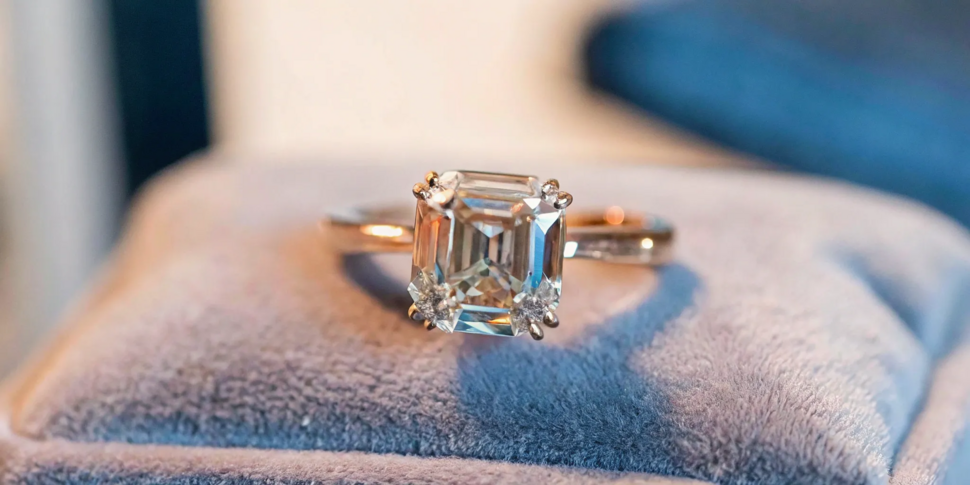
A diamond in its raw, uncut form holds immense potential, but it doesn't sparkle. The magic happens in the hands of a master cutter. The answer to why do diamonds sparkle is found in the art and science of faceting—the process of cutting and polishing tiny, precise surfaces onto the stone. Each facet is angled perfectly to catch light, bounce it around inside the diamond, and return it to your eye in a brilliant flash. This transformation from a rough crystal to a dazzling gem is a testament to human skill, turning a natural wonder into a masterpiece of light and geometry that we love to wear.
Key Takeaways
- Prioritize the Cut for Maximum Sparkle: A diamond's cut is the most important factor influencing its shine. It's the artistry of the facets and angles that directs light through the stone, creating that breathtaking brilliance and fire.
- Sparkle is a Trio of Light Effects: The dazzling "sparkle" you love is a combination of three things: brilliance (the bright white light), fire (the flashes of rainbow color), and scintillation (the dynamic twinkle). A great diamond has a beautiful balance of all three.
- A Clean Diamond is a Sparkling Diamond: The easiest way to maintain your diamond's beauty is to keep it clean. Simple at-home care and avoiding daily grime from lotions and oils will ensure your stone continues to shine brilliantly.
What Makes a Diamond Sparkle?
Have you ever been completely mesmerized by the way a diamond catches the light, sending tiny rainbows dancing across the room? That captivating sparkle isn't just magic—it's a beautiful display of physics and artistry working in perfect harmony. A diamond's ability to shine so brilliantly comes down to its unique relationship with light. It’s not just about the stone itself, but how it’s been shaped and faceted by a skilled artisan to capture, bend, and reflect every ray of light that enters it.
The journey of a single beam of light through a diamond is what creates the stunning visual effects we adore. The stone’s natural structure slows light down, bending it in a process called refraction. Then, a well-cut diamond acts like a hall of mirrors, bouncing that light around internally before shooting it back out through the top. This incredible light performance is what gives a diamond its life and personality. Understanding this process helps you appreciate the craftsmanship that goes into every piece of fine jewelry and choose a stone that truly speaks to you. It’s this intricate dance of light that transforms a simple carbon crystal into a breathtaking symbol of beauty and endurance.
The Science Behind the Shine
A diamond's sparkle is actually a combination of three distinct optical effects. First, there's brilliance, which is the bright, white light that reflects from the diamond's surface and interior. Think of it as the stone's overall brightness. Next is fire, the beautiful dispersion of light into a rainbow of colors. You see this as colorful flashes when you move the diamond. Finally, scintillation refers to the play of light and dark areas and the flashes of light you see as the diamond, the light source, or your eye moves. Together, these three elements create the dazzling sparkle that makes diamonds so sought after for everything from everyday earrings to stunning bridal pieces.
How a Diamond's Structure Bends Light
When light passes from the air into a diamond, it slows down and bends. This is because a diamond is incredibly dense. Imagine light as a car driving from a paved road onto a patch of sand—it naturally slows and changes direction. Inside the diamond, this light beam travels until it hits an interior surface. If the angle is just right, instead of passing through, the light is reflected back into the stone. This phenomenon, called total internal reflection, is the secret to a diamond's shine. The light continues to bounce off the internal facets, gathering brilliance before exiting through the top of the diamond directly to your eye, creating that signature sparkle.
Why Refractive Index is Key
The term "refractive index" might sound technical, but it's simply a measure of how much a substance can bend light. Diamonds have one of the highest refractive indexes of any transparent gemstone. This is due to their tightly packed carbon atoms, which force light to slow down and bend dramatically upon entering. This powerful light-bending ability is what allows a well-cut diamond to capture so much light and achieve the total internal reflection we just talked about. It’s this exceptional quality that our featured designers masterfully work with, cutting each facet with precision to maximize the stone's natural ability to shine and create a truly brilliant piece.
How Does the Cut Affect a Diamond's Sparkle?
When it comes to a diamond's beauty, all four Cs (cut, color, clarity, and carat) play a role. But if sparkle is what you’re after, the cut is king. It’s the one factor most directly controlled by human hands, and it’s responsible for transforming a rough stone into a brilliant gem. The art of diamond cutting has been perfected over centuries, blending physics and artistry to maximize a stone's interaction with light. A well-executed cut can make a diamond come alive, creating a dazzling display of brilliance and fire. This is especially crucial when choosing a stone for a piece you'll wear forever, like an engagement ring.
Unlike carat weight, which is simply a measure of size, or color and clarity, which are natural characteristics of the stone, the cut is a testament to the skill of the artisan. It involves precisely shaping and polishing dozens of tiny facets at exact angles. A poor cut can leave even the most promising stone looking flat and lifeless, trapping its potential beauty within. That's why understanding the cut is so essential for finding a truly exceptional diamond. In the sections below, we'll explore how these facets work, why precision is non-negotiable, and how the right proportions create that signature sparkle.
Facets: The Tiny Mirrors That Create Brilliance
Think of a diamond's facets as a complex series of tiny, strategically angled mirrors. When a diamond is cut well, these facets work together in perfect harmony. Light enters the diamond from the top, bounces from one facet to another on the inside, and then shoots back out through the top, creating that incredible sparkle. A master cutter’s goal is to shape these surfaces to maximize this effect. If the angles are just right, the diamond captures and reflects the maximum amount of light, giving you a stone that seems to shine from within. This intricate light play is what separates a truly brilliant diamond from an average one.
Why a Precision Cut Is Everything
You can have a diamond with flawless clarity and perfect color, but if the cut is poor, it will look dull and lifeless. Cut quality directly impacts a diamond's ability to sparkle. A poorly cut diamond will "leak" light out of its sides or bottom instead of returning it to your eye, which is why precision is so important. The designers we feature understand this relationship intimately, selecting stones with exceptional cuts to ensure their final creations are as brilliant as possible. It’s the art and science of the cut that truly brings out a diamond’s potential beauty and character.
The Angles and Proportions That Define Sparkle
The magic of a diamond's sparkle lies in its geometry. The cut isn't just about the shape of the diamond, but the specific proportions and angles of its facets. Every angle is calculated to optimize light performance. If a diamond is cut too deep, light escapes out the bottom. If it’s cut too shallow, light passes through the bottom before it has a chance to reflect. A well-proportioned cut ensures that nearly all the light that enters the diamond is reflected back through the top, creating the bright, fiery flashes we all love. This perfect balance is what gemologists refer to as ideal proportions.
Debunking Common Myths About Diamond Cut
A common myth is that a diamond's cut only influences its sparkle. In reality, a superior cut can also enhance the other Cs. A well-cut stone reflects so much light that it can make the diamond appear whiter, masking slight yellow tints and improving its apparent color. It can also make the diamond look larger than another stone of the same carat weight. Seeing these differences in person is the best way to understand the impact of a great cut, and we’d love to show you if you book an appointment to visit us in the store.
Brilliance, Fire, and Scintillation: What's the Difference?
When we talk about a diamond's "sparkle," we're actually describing a trio of stunning optical effects working together. It’s the combination of these three elements—brilliance, fire, and scintillation—that creates the captivating light show we all love. Understanding what each one means can help you appreciate the artistry behind a beautifully cut diamond and choose a piece that truly speaks to you. Let's break down what makes up that incredible shine.
Brilliance: The Bright, White Light
Think of brilliance as the foundation of a diamond's sparkle. It’s the bright, white light that reflects from the diamond's surface and interior facets. A diamond with high brilliance will look incredibly bright and crisp, returning a maximum amount of white light to your eye. This is what gives a diamond its essential brightness and life. When you see a diamond that seems to glow from within, you're admiring its brilliance. This quality is especially important in classic pieces like a timeless engagement ring, where that pure, white light takes center stage.
Fire: The Flashes of Rainbow Color
Fire is the beautiful dispersion of light into a spectrum of colors, like a tiny rainbow captured within the stone. As white light enters the diamond, the facets act like prisms, splitting the light and revealing flashes of vibrant color. When you tilt a diamond and see pops of blue, red, and yellow, you're witnessing its fire. This effect adds a warm, colorful dimension to the diamond's sparkle, contrasting beautifully with the cool, white light of its brilliance. Different diamond cuts can be chosen to emphasize this fiery display, a detail our featured designers masterfully consider.
Scintillation: The Play of Light and Dark
Scintillation is the dynamic "twinkle" you see when a diamond, the light source, or your eye is moving. It’s the pattern of light and dark areas that dance across the diamond's surface. This contrast is crucial—the dark areas make the bright flashes appear even more intense and noticeable. Scintillation is essentially the movement and rhythm of the sparkle. It’s what makes a diamond feel alive and catch your eye from across the room. This captivating effect is a hallmark of all well-cut fine jewelry.
How These Three Elements Create the Perfect Sparkle
Brilliance, fire, and scintillation don't work in isolation. A truly spectacular diamond is one where a master cutter has achieved a perfect harmony between all three. It’s a delicate balancing act: the cut must be precise enough to create intense white brilliance, split light into colorful fire, and produce a lively pattern of scintillation. Together, these three elements create a visual performance that is much greater than the sum of its parts. The best way to see how they interact is in person, where you can see the light dance for yourself. If you're curious, we'd love for you to book an appointment to explore our collection.
What Else Influences a Diamond's Sparkle?
While a diamond’s cut is the single most important factor for creating sparkle, it doesn’t work in a vacuum. Several other elements play a crucial role in a diamond's ability to shine its brightest. Think of the cut as the engine of sparkle, but these other factors are the fine-tuning that ensures it runs at peak performance. From the cleanliness of the stone to the very setting that holds it, understanding these influences will give you a more complete picture of what makes a diamond truly breathtaking. When you’re choosing a piece of fine jewelry, paying attention to these details ensures you find a stone that performs beautifully in the real world, not just under a jeweler’s spotlight. Let’s look at the other key players that can either enhance or diminish that coveted glitter.
Why a Clean Diamond Is a Sparkling Diamond
It might sound simple, but one of the biggest culprits of a dull diamond is dirt. Even a perfectly cut diamond will lose its luster if it’s covered in a film of oil, lotion, hairspray, or dust. Over time, these substances build up on the surface, blocking light from entering the stone and significantly reducing its brilliance and fire. Your diamond is essentially a magnet for the natural oils on your skin. Keeping it clean is the easiest and most effective way to maintain its sparkle. A simple at-home cleaning can work wonders, but for a deeper clean that restores its original glory, it’s a good idea to have it professionally serviced. You can always book an appointment with us for a thorough cleaning and inspection.
Choosing a Setting to Maximize Shine
The setting that holds your diamond is more than just a design element; it’s a functional part of the sparkle equation. The goal is to allow as much light as possible to enter the diamond from all angles. Settings that use a lot of metal, like a full bezel setting, can cover parts of the diamond and block light, which can reduce its sparkle. On the other hand, classic prong or delicate basket settings lift the diamond up, exposing its sides and pavilion to the light. This exposure is key to maximizing brilliance. When exploring our bridal collection, you’ll notice how different settings interact with the center stone to either create a sleek, modern look or an open, light-filled one.
How Your Choice of Metal Affects Light
While the metal of your ring doesn't add sparkle to the diamond itself, its color can influence how the diamond’s color is perceived. A highly polished band, particularly the area directly beneath the stone, can create a beautiful, reflective surface, but the diamond’s sparkle comes from within. The metal’s color, however, can cast a subtle hue onto the stone. For instance, a yellow gold setting can make a diamond appear warmer, which can be a beautiful effect. Conversely, platinum or white gold settings provide a neutral backdrop, allowing the diamond’s natural fire and brilliance to take center stage without any color influence. It’s a personal preference that contributes to the overall aesthetic of your ring.
The Best Lighting to Show Off Your Diamond
Have you ever noticed your diamond looks different in various environments? That’s because lighting has a huge impact on its appearance. Diamonds perform best in a mix of lighting conditions, but natural daylight is often considered the gold standard because it contains the full spectrum of light, allowing you to see a beautiful balance of brilliance and fire. Diffused lighting, like on a slightly overcast day, is fantastic for showing off a stone’s brilliance. In contrast, direct spotlights, like those in a jewelry store, are designed to create dramatic flashes of fire and scintillation. The best way to judge a diamond’s sparkle is to view it in several different lighting situations—from indoors to outdoors—to see how it truly performs.
Beyond the Cut: How Other Grades Affect Sparkle
While we’ve established that cut is king, the other Cs—clarity and color—also have a say in a diamond's sparkle. Clarity refers to the presence of tiny internal characteristics called inclusions. While most inclusions are too small to see with the naked eye, a diamond with significant or poorly placed flaws can have its sparkle compromised. These inclusions can act like roadblocks, impeding the flow of light as it travels through the stone, which can create dull spots. This is especially true in some of our unique Vintage & Estate pieces, where the character of the stone is part of its charm. A diamond doesn’t need to be flawless to be brilliant, but its clarity grade is certainly a factor in its potential to shine.
How to Keep Your Diamond Sparkling for a Lifetime
A diamond’s incredible sparkle is its signature feature, but it needs a little help from you to stay that way. Over time, everyday life—from lotions and soaps to dust and natural skin oils—can create a film on your diamond, dulling its shine and preventing light from doing its magic. The good news is that caring for your diamond is simple. With a few easy habits and a little routine maintenance, you can ensure your beautiful jewelry sparkles just as brightly as the day you first wore it.
Easy At-Home Cleaning for Lasting Brilliance
Think of at-home cleaning as the perfect weekly refresh for your diamond. It’s a simple way to remove the daily buildup that gets in the way of its brilliance. All you need is a small bowl of warm water, a few drops of gentle dish soap (like Dawn), and a soft-bristled toothbrush. Let your ring or other diamond piece soak for a few minutes to loosen any grime. Then, gently scrub the diamond with the toothbrush, paying special attention to the underside where dirt and oil tend to collect. Rinse it thoroughly under warm running water and pat it dry with a soft, lint-free cloth. This quick routine will keep your diamond looking its best between professional cleanings.
When to See a Professional for a Deeper Clean
While home cleanings are fantastic for maintenance, we recommend bringing your diamond pieces in for a professional cleaning once or twice a year. Jewelers have specialized equipment, like ultrasonic cleaners, that use high-frequency sound waves to safely and effectively remove stubborn dirt from every tiny crevice—something a toothbrush just can’t reach. This is also the perfect opportunity for a check-up. We can inspect the prongs and setting to make sure your diamond is secure, giving you peace of mind along with a brilliantly clean stone. Feel free to book an appointment with us for a complimentary cleaning and inspection.
How to Store Your Jewelry to Keep It Safe
How you store your jewelry is just as important as how you clean it. Diamonds are one of the hardest substances on earth, which means they can easily scratch other gemstones, metals, and even other diamonds. To prevent this, always store your diamond pieces separately. A fabric-lined jewelry box with individual compartments is an excellent choice. If you don’t have one, simply keeping each piece in the soft pouch or box it came in works perfectly. This simple step protects your entire collection, from your newest ring to your treasured Vintage & Estate pieces, from accidental scratches and damage.
Everyday Habits to Protect Your Diamond's Shine
The best way to keep your diamond clean is to protect it from getting dirty in the first place. Try to get into the habit of removing your rings before activities that could expose them to harsh chemicals or grime. This includes things like cleaning the house (bleach is a diamond’s enemy), swimming in a chlorinated pool, gardening, or even cooking with greasy foods. It’s also a good idea to put your jewelry on after you’ve applied lotions, perfumes, and hairspray, as these products can create a film that dulls the stone’s surface. These small adjustments make a huge difference for daily-wear pieces like bridal jewelry and will significantly cut down on cleaning time.
Related Articles
- How to Clean a Diamond Ring Safely at Home
- How to Tell If a Diamond Is Real: 10 Easy Tests
- The Perfect Diamond Stud Earrings: A Buyer's Guide
Frequently Asked Questions
If I have to prioritize one of the 4 Cs for the best sparkle, which should it be? Hands down, the cut. While color, clarity, and carat weight are all important parts of a diamond's identity, the cut is what dictates its relationship with light. It’s the one factor directly influenced by an artisan's skill. A masterfully cut diamond, regardless of its size, will be shaped with precise facets and angles designed to capture and reflect as much light as possible, resulting in that breathtaking sparkle.
Can a diamond permanently lose its sparkle? No, it can't. A diamond's natural ability to bend and reflect light is an inherent property of the stone itself. When a diamond looks dull, it's almost always because of a buildup of oils, lotions, and dirt on its surface that blocks light from entering. A thorough cleaning will always restore its original, brilliant shine.
Does a larger diamond sparkle more than a smaller one? Not necessarily. While a larger diamond has more surface area, its sparkle is entirely dependent on its cut. A smaller diamond with an excellent, well-proportioned cut will look far more brilliant and lively than a larger diamond with a poor cut. The magic is in the geometry and precision of the facets, not just the size of the stone.
Why does my ring setting matter for sparkle? The setting plays a huge supporting role in your diamond's performance. Its main job, besides holding the stone securely, is to allow light to enter the diamond from as many angles as possible. Settings that lift the diamond up and leave its sides exposed, like a classic prong setting, are fantastic for maximizing light return and enhancing its natural brilliance.
Is there a "best" type of light to see a diamond's sparkle? Different lighting conditions will highlight different aspects of a diamond's beauty. Diffused natural light, like on an overcast day, is perfect for showing off its bright, white brilliance. In contrast, direct spotlights will make its colorful fire and scintillation pop. A truly well-cut diamond will look stunning in all kinds of light, which is why we always recommend viewing a stone in a few different environments.
Recent articles
View all
Brooke's Holiday Favorites - 2025

Holly's Holiday Favorites - 2025