

Who Pays for Wedding Bands? A Modern Couple's Guide
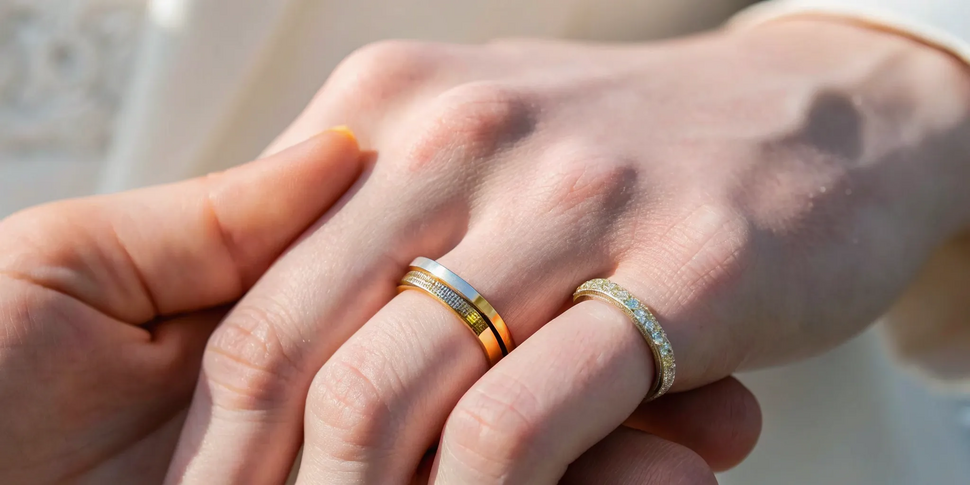
How you and your partner handle big decisions says a lot about your relationship. Are you a team that tackles everything 50/50? Do you love surprising each other with thoughtful, romantic gifts? Your answer can help you figure out who pays for the wedding bands. This isn't a question with a single right answer; it's a personal choice that should reflect your unique dynamic as a couple. Forget outdated etiquette. The best approach is the one you decide on together, ensuring it aligns with your shared values. This guide will walk you through the common ways modern couples handle this expense, helping you find a solution that feels perfect for your partnership.
Key Takeaways
- Define Your Own Tradition: Forget historical expectations and choose a payment method that reflects your modern partnership. Whether you split the cost, gift the rings, or use a joint fund, the best approach is the one you create together.
- Talk About Money Early and Honestly: Start the conversation about your wedding band budget long before you start shopping. A frank discussion about your individual finances and comfort levels sets a strong foundation for teamwork and avoids future stress.
- Focus on Partnership, Not Protocol: The process of deciding who pays is an opportunity to strengthen your bond. Make a choice that aligns with your shared goals and values, ensuring the rings you choose are a symbol of a decision you made as a team.
Who Traditionally Buys the Wedding Bands?
When you start thinking about wedding bands, it’s easy to wonder about the “rules.” Historically, who pays for the rings has never had one simple answer. The responsibility often depended on where you lived and your family’s customs. These traditions were deeply tied to the idea of marriage as a union between two families, not just two individuals. The exchange of beautiful bridal jewelry and the decision of who paid for it were symbolic gestures that reflected family status, financial agreements, and the merging of two households.
The tradition of the groom's responsibility
In many Western cultures, a familiar tradition emerged where the groom shouldered the cost. Traditionally, the groom takes on the responsibility of purchasing the bride's engagement ring and, often, both wedding bands. This practice was rooted in a time when men were typically the primary breadwinners, and the ring was a symbol of his commitment and ability to provide for his new family. In a sweet, reciprocal gesture, it was also common for the bride or her family to purchase the groom's wedding band. This exchange created a beautiful balance, with each partner gifting the other a lasting symbol of their vows from one of our talented designers.
How family contributions and dowries played a role
Looking back further, the financial side of weddings was very much a family affair. The concept of a dowry, where the bride's family provided money, goods, or property to the groom's family, was common in many parts of the world. In these cultures, the bride's family might contribute to the cost of the wedding bands as part of a dowry or other customary practices. This wasn't just about paying for a ring; it was part of a larger economic arrangement that helped establish the new couple's household. While dowries are rare in many places today, the idea of family contributing to wedding costs, including timeless vintage and estate pieces, often continues.
Cultural variations around the world
The truth is, there’s no universal rulebook for who buys the wedding bands. Cultural differences in wedding band traditions vary significantly across the globe, influencing everything from ring style to who foots the bill. In some South American countries, for example, both partners wear engagement rings, and the cost is often shared. In parts of India, gold jewelry is a significant part of the bridal trousseau provided by her family. These diverse customs show that the meaning and logistics behind wedding rings are as unique as the couples who wear them. It’s a great reminder that tradition is less about rigid rules and more about finding what feels meaningful to you.
How Do Modern Couples Pay for Wedding Bands?
When it comes to paying for wedding bands, the strict, traditional rules have largely faded. Instead of following a one-size-fits-all etiquette guide, couples are now making decisions that reflect their unique partnership, financial situation, and personal values. This shift is all about open communication and finding an approach that feels right for you both as you prepare to start your life together. The question is no longer about who should pay, but rather what payment method best represents your relationship.
For some, this means viewing the rings as a shared investment in your future. For others, it’s an opportunity for a deeply personal and symbolic gift exchange. Many couples opt for a practical, team-based approach by pooling their resources, while others create a hybrid model that works for their specific circumstances. The most important thing is to have an open conversation about expectations and finances. Exploring these different options together can be a meaningful part of your wedding planning, helping you find the perfect wedding bands that you’ll both cherish for a lifetime.
Splitting the expense equally
Many couples see their wedding rings as the first major investment they make as a team, so it feels natural for both people to contribute to the cost. This approach treats the bands as a shared expense, just like any other part of the wedding or your future life together. It reflects a modern partnership built on equality and shared financial responsibility. By splitting the cost, you’re not just buying jewelry; you’re making a joint decision and a tangible commitment to your shared future. This method sets a wonderful precedent for how you’ll handle financial decisions as a married couple—through teamwork and mutual agreement.
Gifting bands to each other
Another popular and deeply romantic approach is for each person to buy their partner’s wedding band. This turns the purchase into a meaningful gift exchange, a final present to one another before you’re officially married. This method adds a layer of sentimentality to the rings, as each band becomes a personal symbol of your love and commitment from your partner. Many couples find this tradition to be a beautiful way to personalize the experience, making the moment you exchange rings on your wedding day even more special. It’s a beautiful gesture that you’ll be reminded of every time you look at your hand.
Using a joint wedding fund
For the practical and organized couple, creating a joint wedding fund is an excellent strategy. You can set up a shared bank account where you both contribute money to cover all wedding-related expenses, from the venue to the flowers—and, of course, the rings. This method promotes complete transparency and teamwork in your financial planning. The wedding bands simply become another line item in your shared budget. This approach is less about who pays for what and more about working together to achieve a common goal. It’s a fantastic way to practice financial collaboration before you even say, “I do.”
Moving beyond traditional gender roles
Ultimately, there is no single right way to decide who buys the wedding bands. The best approach is the one you and your partner create together. Forget outdated expectations and focus on what makes sense for your relationship. The most important step is to talk openly about your finances, your feelings, and what each of you envisions. This conversation is about more than just money; it’s about defining your own norms as a couple. Whether you split the cost, gift the rings, or use a joint fund, making the decision together ensures it aligns with your shared values and starts your marriage on a foundation of open communication.
What Factors Should Influence Your Decision?
Deciding who pays for the wedding bands isn't about following a strict rulebook. It’s a personal choice that should feel right for you and your partner. As you figure out the best approach, several factors come into play, from practical finances to deeply held traditions. The most important thing is to have an open conversation and land on a solution that strengthens your partnership. Thinking through these key areas together can help you find a path that feels fair, comfortable, and true to your relationship as you choose the rings that will symbolize your union.
Your current financial situations and income
A great starting point is an honest look at your individual finances. Before you even start browsing for jewelry, it’s helpful to talk about your current money situation, including your savings, income, and any debts you both might have. This isn't about judging each other; it's about teamwork. Understanding where you both stand financially allows you to make a decision that doesn't put unnecessary strain on one person. Whether one partner earns significantly more or you both have similar incomes, getting this information on the table helps you decide on a payment approach that feels balanced and equitable for your specific circumstances.
Family expectations and cultural backgrounds
Family traditions and cultural backgrounds can play a significant role in wedding planning, and paying for the rings is no exception. In some cultures, it’s customary for the groom's family to handle all jewelry costs, while in others, the bride's family might contribute as part of a dowry or other traditions. It’s worth discussing any expectations your families might have. You don’t have to follow these traditions to the letter, but being aware of them can help you address the topic respectfully with your relatives and decide together how you want to incorporate—or update—these customs for your own modern marriage.
Your personal values as a couple
Ultimately, this decision should reflect your shared values as a couple. What feels most authentic to your relationship? If you see yourselves as a team that splits everything down the middle, then sharing the cost might be the natural choice. If you love the romance of gift-giving, you might decide to buy each other’s bands as a symbolic gesture. There is no wrong answer here. The goal is to find a solution that works for your unique partnership. This decision is one of your first as a soon-to-be-married couple, so let it be one that reinforces your connection and the kind of life you want to build together.
The overall wedding budget
Your wedding bands are one important piece of the larger wedding budget puzzle. A common guideline suggests setting aside 3% to 8% of your total budget for the rings, but this can vary. Consider who is paying for other major wedding expenses when you decide on the bands. If one family is covering the venue, perhaps the other can contribute to the rings. Looking at the complete financial picture helps you allocate funds logically and prevents any one area from becoming a source of stress. If you need help finding rings that fit your budget and style, you can always book an appointment to explore options with an expert.
What Are Today's Most Common Payment Options?
Once you’ve decided how you’ll approach the cost of your wedding bands as a couple, the next step is figuring out the logistics. The good news is that you have plenty of flexible options. There’s no single right way to pay; it’s all about finding a method that fits your financial picture and helps you get the rings you’ll love for a lifetime. From splitting the bill to accepting a generous gift from family, let’s look at the most common ways couples handle this important purchase.
Shared cost arrangements
For many modern couples, sharing the cost of wedding bands is the most natural choice. This approach reflects a partnership where major financial decisions are made together. Splitting the expense 50/50 or contributing amounts proportional to your incomes are both popular methods. This collaborative approach sets a wonderful tone for a marriage built on teamwork and shared goals. It allows you to browse for your perfect bridal jewelry as a team, making the entire experience a joint venture from start to finish.
Individual purchases as meaningful gifts
Another common and deeply romantic approach is for each partner to buy the other's wedding band. Think of it as your first official gift to one another as a married couple. This method turns the purchase into a symbolic exchange of love and commitment that you’ll wear every day. It’s a beautiful way to honor tradition while making it your own. This approach also gives you the chance to surprise your partner with a piece you’ve thoughtfully selected from one of our incredible designers, knowing it’s something they will cherish forever.
Payment plans and financing
Your dream rings should be attainable without causing financial stress. Many couples use financing options to make their purchase more manageable. This could involve an in-store payment plan, using a credit card with a low-interest promotion, or even taking out a small personal loan. Another great strategy is to create a dedicated savings account where you both contribute over time. If you want to understand your options better, we invite you to book an appointment with us. We can walk you through your choices in a relaxed, no-pressure setting.
Contributions from family
In some families, it’s a long-standing tradition for parents or other relatives to contribute to the wedding costs, including the rings. This can be a cultural expectation or simply a generous wedding gift. If your family has expressed a desire to help, it’s a wonderful gesture to accept. Sometimes, this contribution comes in the form of a family heirloom, like a beautiful vintage and estate piece that can be worn as is or redesigned. The key is open communication, so everyone is on the same page about expectations and budgets.
How to Talk About Wedding Band Costs
Talking about money can feel awkward, but when it comes to wedding bands, it’s one of the most important conversations you’ll have. Think of it as the first of many financial decisions you’ll make as a team. Getting on the same page now sets a strong foundation for your future. This isn't just about figuring out who writes the check; it's about understanding each other's financial comfort zones, expectations, and values. The goal is to find a solution that feels fair and exciting for both of you, so you can focus on what really matters: choosing rings that symbolize your love and commitment.
Open dialogue is key. This conversation is a chance to practice the communication and teamwork that will define your marriage. By approaching the topic with honesty and respect, you can turn a potentially stressful task into a collaborative experience. Whether you decide to split the cost, buy them for each other, or use a joint fund, the "how" is less important than the fact that you decided together. This process will help you find the perfect bridal jewelry that not only fits your style but also feels right for your shared financial future.
Start the financial conversation early
The best time to talk about your wedding band budget is long before you step into a jewelry store. This is often the first big money decision a couple makes together, so give it the time and space it deserves. Find a relaxed moment when you’re both calm and not distracted by other wedding planning tasks. Starting early removes the pressure of making a quick decision and allows you to explore your options without feeling rushed. It gives you both a chance to think about what you truly want and what you can realistically afford, ensuring you’re a united front when you’re ready to start shopping.
Set a realistic budget together
Once you’ve opened the lines of communication, it’s time to get practical. Take an honest look at your current financial situation, including your savings, income, and any other major expenses you have. This isn’t about judgment; it’s about teamwork. Figure out a price range that feels comfortable for both of you. It can be helpful to browse different designer collections online to get a sense of pricing. This shared process ensures that you both feel invested in the decision and that the final cost is something you’ve agreed upon, preventing any future resentment or financial stress.
Address different cultural perspectives with respect
Family traditions and cultural backgrounds can play a big role in who is expected to pay for the wedding bands. In some cultures, one family traditionally covers all jewelry costs, while in others, the responsibility is shared. It’s important to discuss your individual family histories and any expectations that might come with them. Talk about which traditions you’d like to honor and which you’d prefer to leave behind. The key is to approach this conversation with respect and an open mind, creating a new tradition that feels authentic to you as a couple, regardless of outside influences.
Create open communication about money
Ultimately, this conversation is about more than just the rings—it’s about building a habit of open financial communication. Be honest about what you’re comfortable spending and listen to your partner’s perspective. There’s no right or wrong way to pay for your bands, as long as it’s a decision you make together. This process is a great opportunity to practice transparency and teamwork. If you need guidance, don't hesitate to book an appointment with a professional who can help you find beautiful options that honor your budget and your partnership.
Decide What's Right for Your Relationship
Ultimately, the "who pays" question has no single right answer. The traditions of the past don't always fit the partnerships of today. What matters most is that you and your partner land on a decision that feels fair, comfortable, and true to your relationship. This conversation is one of the first of many you'll have about shared finances and goals, so think of it as great practice for your future together. By focusing on your shared values, creating a practical plan, and choosing rings you both love, you can make a decision that strengthens your bond.
Align your payment decision with your shared values
Before you even think about who is paying, talk about what you both value. Is having a beautiful, lasting piece of jewelry a top priority for you as a couple, or would you rather put that money toward a down payment on a house or an unforgettable honeymoon? There’s no wrong answer. The key is that the decision symbolizes your commitment and aligns with your shared priorities. For some, investing in artisan-crafted rings is a meaningful way to honor their union. For others, a more modest approach feels right. This decision is a reflection of your partnership, so make sure it’s one you’re both excited about.
Create a plan that works for both of you
Open and honest communication about money is essential. The best way to approach this is to have a frank conversation about your individual finances, expectations, and what you’re each comfortable spending. Some couples find it helpful to create a shared wedding bank account where they both contribute funds for all wedding-related expenses, including the bands. Others might decide that one partner will cover the rings while the other handles a different large expense. Once you have a budget in mind, you can book an appointment to explore options that fit your plan without any pressure or stress.
Choose rings that reflect your unique style and budget
Once you’ve settled on a budget, you can get to the fun part: choosing your rings. Many couples today are moving away from perfectly matched sets and instead selecting bands that reflect their individual tastes. Your rings don’t have to match to be meaningful. Instead, they can serve as a beautiful representation of your unique personalities coming together. Whether you’re drawn to a classic gold band, a vintage-inspired design, or a contemporary piece from one of our incredible designers, the most important thing is that you find rings you’ll love wearing every day.
Related Articles
- The Ultimate Guide to Wedding Rings in Denver
- Modern Men's Wedding Bands: A Buyer's Guide
- Unique Wedding Bands: The Ultimate Buyer's Guide
Frequently Asked Questions
Is it still expected for the groom to buy both wedding bands? While it was once common for the groom to purchase the bride's rings and sometimes both bands, that tradition is no longer a firm expectation. Today, couples are creating their own norms based on what makes sense for their partnership. The decision is now more about teamwork and open communication rather than following outdated gender roles.
How much should we actually be spending on our wedding bands? There's no magic number, but a general guideline is to allocate around 3% to 8% of your total wedding budget for the rings. More importantly, the right amount is what feels comfortable for you both. Have an honest conversation about your finances and priorities to land on a budget that allows you to get rings you love without causing financial stress.
What if our families have different expectations about who should pay? Family traditions can be meaningful, but they don't have to be your rules. The best approach is for you and your partner to first decide on a plan that feels right for your relationship. Once you're on the same page, you can communicate your decision to your families with respect and confidence, presenting a united front.
Is it better to buy the rings for each other as a gift or split the cost? Neither approach is better—it’s about what feels most meaningful to you. Buying bands for each other can be a deeply romantic and symbolic gift exchange. On the other hand, splitting the cost is a powerful way to mark the rings as your first major investment as a team. The best choice is the one that reflects the unique dynamic of your partnership.
Do our wedding bands have to match? Absolutely not! While matching sets are a classic choice, many couples now opt for bands that reflect their individual styles. Choosing rings that complement each other without being identical can be a beautiful symbol of two unique individuals coming together to form a partnership. The most important thing is that you both love the ring you'll be wearing every day.
Recent articles
View all
Brooke's Holiday Favorites - 2025
Holly's Holiday Favorites - 2025