

White Gold Engagement Rings: A Buyer's Guide
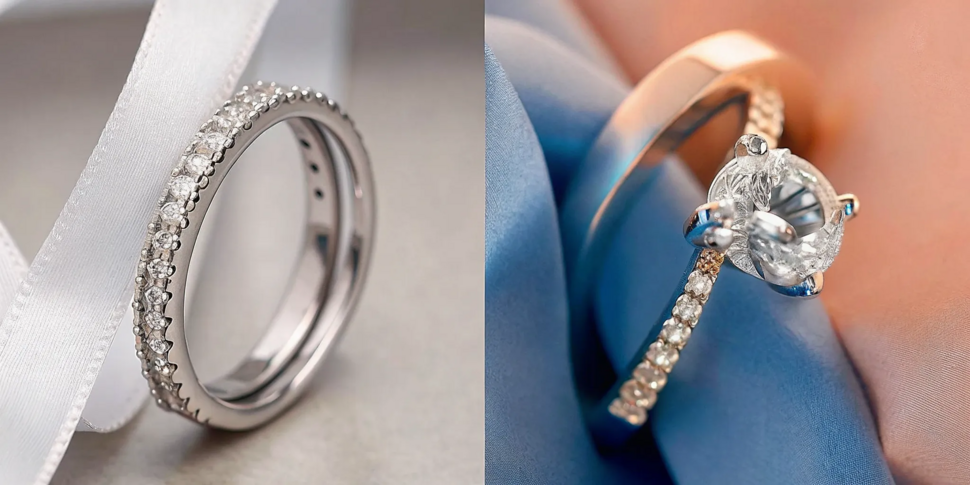
The best engagement ring is one that feels like a true reflection of your personal style. White gold’s bright, neutral tone makes it the perfect canvas for nearly any design imaginable, allowing both the diamond and the setting to shine. Its versatility is unmatched, looking equally stunning in a sleek, modern solitaire as it does in an intricate, vintage-inspired halo. This adaptability is why so many incredible designers love working with it. If you’re searching for a ring that tells your unique story, exploring the world of white gold engagement rings is the perfect place to start. We’ll show you the most popular styles to help you find the one.
Key Takeaways
- Get the bright look of platinum for less: White gold offers a modern, silvery aesthetic very similar to platinum but at a more accessible price point, which can free up your budget for the perfect center stone or a unique designer setting.
- Plan for simple, routine maintenance: The brilliant white finish on your ring comes from a rhodium coating. To keep it looking its best, you'll need to have it professionally re-plated every 6 to 12 months, which is a standard and straightforward part of its care.
- Choose a setting that suits your lifestyle: While white gold is durable enough for daily wear, it is softer than platinum. Consider your daily activities and partner with a trusted jeweler to select a design that is both beautiful and practical for you.
What Makes White Gold So Special?
White gold has a cool, contemporary elegance that feels both modern and timeless. It’s become a go-to choice for engagement rings for a reason: its silvery-white hue is the perfect neutral backdrop for a sparkling diamond, making the stone appear brighter and more brilliant. But its appeal goes beyond just looks. White gold is a thoughtfully engineered metal, designed to be both beautiful and durable enough for everyday wear. It offers a unique combination of strength, versatility, and that classic, bright finish that so many people love. Let's get into what makes this metal a standout choice.
How It’s Made
You might be surprised to learn that white gold starts its life as pure yellow gold. To get its signature silvery color, jewelers mix the yellow gold with strong white metal alloys like palladium, manganese, or nickel. This process does more than just change the color; it also adds significant strength and durability, making the metal much more resilient than pure gold. After the ring is crafted, it’s typically coated with a thin layer of rhodium. This final step gives it that stunning, mirror-like shine and an extra layer of protection. This thoughtful creation process results in a beautiful and sturdy metal perfect for a piece of jewelry you’ll wear forever.
Its Bright, Versatile Look
The biggest draw of white gold is its bright, clean appearance. Its neutral, silvery tone acts like the perfect canvas for a diamond, enhancing its natural fire and brilliance without casting any warmth or color onto the stone. This quality makes diamonds appear whiter and more dazzling. White gold’s versatility is another huge plus. It looks just as stunning in a sleek, modern solitaire as it does in an intricate, vintage-inspired setting. Because it complements every skin tone and pairs beautifully with other metals, it’s a choice that feels personal yet universally elegant. Many of our bridal designers love working with it for this very reason.
Why Choose White Gold Over Other Metals?
When you're choosing an engagement ring, the metal is just as important as the stone. White gold is a fantastic choice for many reasons, especially when you compare it to other popular metals like platinum and yellow gold. It strikes a perfect balance between modern style, durability, and value, making it a top contender for your forever ring. Let's look at how it stacks up.
White Gold vs. Platinum
At first glance, white gold and platinum look nearly identical. Both have that cool, silvery-white sheen that creates a stunning backdrop for a diamond. The biggest difference between them comes down to price and weight. Platinum is a denser, rarer metal, which makes it heavier on your finger and more expensive. White gold gives you that same luxurious, bright-white look for a more accessible price point. This makes it a wonderful option if you love the aesthetic of platinum but want to dedicate more of your budget to the center stone or a unique setting from our bridal collection.
White Gold vs. Yellow Gold
The choice between white and yellow gold is all about personal style. White gold has a bright, clean, and modern feel. Its neutral tone makes colorless diamonds appear even more brilliant and icy, and it pairs beautifully with sleek, contemporary designs. On the other hand, yellow gold offers a warm, classic glow that feels traditional and romantic. It’s a great match for vintage-inspired styles and can even complement diamonds with warmer tones. Neither is better than the other; it just depends on the look you love and the story you want your ring to tell.
Getting a Luxe Look for Less
One of the most compelling reasons to choose white gold is the incredible value it offers. You get a high-end, premium look without the premium price tag of platinum. Because gold is more abundant than platinum, white gold is a more affordable metal. This smart choice allows you to get more for your budget, whether that means opting for a larger diamond or selecting a more intricate design from one of our incredible designers. Choosing white gold isn’t about compromise; it’s about getting the beautiful, durable, and brilliant ring you’ve always wanted in a way that feels right for you.
Explore White Gold Engagement Ring Styles
One of the best things about choosing a white gold engagement ring is the sheer variety of styles available. Because the metal is so bright and neutral, it acts as the perfect backdrop for any design you can dream up, from the beautifully simple to the intricately detailed. White gold enhances a diamond's natural sparkle without competing with it, allowing the stone and the setting to shine equally. Whether your personal style is classic, modern, romantic, or a little unconventional, there’s a white gold setting that will feel like it was made just for you.
Finding the right style is all about what speaks to your story as a couple. Do you love clean lines and timeless elegance, or are you drawn to romantic details and vintage charm? Maybe you want something that feels completely unique and symbolic of your journey. Exploring different bridal collections can help you see what’s out there and pinpoint the designs that catch your eye. From a classic solitaire that lets the diamond do all the talking to a detailed halo that adds extra glamour, the options are endless. Let’s look at a few of the most popular styles to get you started on finding the one.
Timeless Solitaires
The solitaire is the definition of a classic engagement ring. It features a single, stunning diamond on a simple band, and its beauty lies in its simplicity. A white gold solitaire setting is a popular choice because it puts all the focus on the center stone, making it look even brighter and more brilliant. This style is perfect if you appreciate understated elegance and want a ring that will never go out of fashion. It’s a clean, sophisticated look that proves you don’t need a lot of fuss to make a big statement.
Romantic Halos and Vintage-Inspired Designs
If you’re a romantic at heart, a halo or vintage-inspired ring might be the perfect fit. A halo setting features a circle of smaller diamonds that frame the center stone, adding incredible sparkle and making the main diamond appear larger. Many of these designs have a nostalgic, heirloom quality to them. You can find beautiful vintage and estate pieces that tell a story, or you can choose a new ring with vintage details like intricate metalwork or unique side stones. These styles are all about capturing a sense of romance and history.
Unique Three-Stone and Nature-Inspired Rings
For a ring with a personal touch, consider a three-stone or nature-inspired design. A three-stone ring, which represents a couple’s past, present, and future, is a beautiful and symbolic choice. You can also find rings with unique details like twisting bands, floral motifs, or asymmetrical settings that feel truly one-of-a-kind. These styles are a wonderful way to express your personality and are often found in the collections of talented designers who specialize in creating jewelry with soul. It’s a chance to choose a ring that reflects your unique love story.
How Much Does a White Gold Engagement Ring Cost?
Talking about budget is one of the most important parts of choosing an engagement ring, and the final price can vary quite a bit. The good news is that white gold offers a beautiful, classic look that can work with a wide range of budgets. The key is understanding what goes into the price tag so you can find a ring you absolutely love without any financial surprises. Let’s break down what you can expect to invest and where your money goes.
Understanding the Price Range
The price of a white gold engagement ring is really two costs combined: the price of the setting and the price of the center stone. A simple, elegant solitaire setting will naturally cost less than an intricate design with pavé diamonds along the band. At Element 79, our bridal collection showcases this variety, with settings from talented designers that fit different styles and price points. The center diamond or gemstone is usually the largest part of the investment, and its cost is determined by factors like carat weight, cut, and clarity. Together, the setting and stone create the final price.
What Affects the Final Price?
Several key elements determine a ring's final cost. The most significant is the center stone, as its quality and size have the biggest impact on the price. Beyond that, the setting itself plays a huge role. A more complex design that requires more gold and detailed craftsmanship will be priced higher than a minimalist one. The inclusion of smaller accent diamonds, like in a halo or along the band, also adds to the cost. Finally, the specific designer matters. A ring from a celebrated artisan reflects a premium for their unique design vision and expert craftsmanship, ensuring you get a truly special piece.
How to Get the Most for Your Budget
Finding the perfect ring within your budget is completely achievable when you know what to prioritize. Start by deciding what’s most important to you. Is it the size of the center stone, the intricacy of the setting, or a specific design style? Sharing your budget and priorities with a trusted jeweler is the best next step. We can guide you through the options and make expert recommendations, like choosing a diamond with a fantastic cut that makes it appear brilliant and lively, regardless of its size. Sometimes, a beautifully designed halo can also create the illusion of a larger center stone. The best way to explore these possibilities is to book an appointment so we can help you personally.
How to Care for Your White Gold Ring
White gold is a stunning choice for an engagement ring, but it does require a bit of regular care to maintain its brilliant shine. The good news is that keeping your ring looking as beautiful as the day you got it is simple with a few easy habits. Think of it as a small ritual to honor a piece of jewelry that means so much. This routine will protect your investment and ensure your ring sparkles for years to come, whether it’s a modern piece from one of our favorite designers or a timeless classic.
Keeping It Bright: All About Rhodium Plating
That bright, silvery-white finish you love on white gold comes from a thin layer of a precious metal called rhodium. Because white gold is naturally a bit off-white (it's an alloy of pure gold and white metals), this rhodium plating gives it that crisp, cool color. Over time, this plating can wear away from daily friction, which is completely normal. To keep its white color, your ring will need a fresh coat of rhodium plating every 6 to 12 months. This is a standard part of owning white gold jewelry, and we can easily handle it for you. Just book an appointment with our team to have your ring professionally cleaned and re-plated.
Your Daily and Weekly Cleaning Guide
For regular upkeep at home, a gentle cleaning once a week will keep your ring free of everyday buildup from lotions and oils. All you need is a bowl of warm water with a few drops of mild dish soap. Let your ring soak for about 20 to 30 minutes. Then, use a very soft-bristled toothbrush (a baby toothbrush works perfectly) to gently scrub away any grime, paying special attention to the areas around the setting. Rinse it under warm running water and pat it dry with a soft, lint-free cloth. This simple process helps maintain the sparkle of your diamond and the luster of the band.
What to Avoid to Protect Your Ring
The biggest threat to your ring’s rhodium plating and overall shine is harsh chemicals. This includes things you might not even think about, like the products you use in the shower. Soaps, shampoos, and conditioners can leave a dull film on your jewelry and speed up the wear on the plating. It's best to take your ring off before hopping in the shower or swimming in a chlorinated pool. It’s also a good idea to remove your ring during activities that could cause scratches or damage, like working out, gardening, or cleaning with bleach. Storing it safely will protect all your precious jewelry for a lifetime.
How to Choose the Perfect White Gold Setting
Picking the right setting is about finding the perfect home for your diamond. It’s a decision that balances beauty with practicality, ensuring your ring not only looks stunning but also fits seamlessly into your life. White gold is a fantastic choice for its modern, bright appearance, but a few key considerations will help you land on the perfect design. Think about how the setting will showcase your stone, how it will feel on your finger every day, and how it will hold up to your daily activities. Answering these questions will guide you toward a ring you’ll love for a lifetime.
Find a Setting That Complements Your Diamond
One of white gold’s biggest strengths is its ability to make a diamond truly shine. Its bright, neutral tone acts like a mirror, reflecting white light back through the stone and enhancing its natural sparkle. Unlike yellow or rose gold, it won’t cast any warm hues onto the diamond, so your stone will look exceptionally bright and colorless. This makes white gold an incredibly versatile partner for any diamond shape or size. Whether you’re drawn to a classic solitaire or an intricate halo, the setting will support the diamond’s brilliance without stealing the show. Explore our bridal collection to see how different settings interact with the center stone.
A Note for Sensitive Skin
If you have sensitive skin, it’s smart to ask about the alloys in your white gold ring. Pure gold is too soft for jewelry, so it’s mixed with other metals for strength. Sometimes, these alloys include nickel, which can cause irritation for some people. Don’t worry, this doesn’t mean white gold is off the table. Many modern jewelers use hypoallergenic alloys containing palladium instead of nickel. We believe you should feel completely comfortable in your ring, so feel free to book an appointment with us to discuss the specific composition of our pieces and find a beautiful, irritation-free option that works for you.
Consider Your Lifestyle
Your ring should be ready to share in all of life’s adventures, so think about your daily routine when choosing a setting. 14K white gold is a durable choice strong enough for everyday wear. However, it is softer than platinum, which means it can accumulate scratches over time, especially if you work with your hands or lead a very active lifestyle. When white gold gets scratched, a tiny bit of the metal is removed. This is completely normal for fine jewelry, and these minor marks can easily be polished away during routine maintenance. Considering your daily activities will help you choose a piece of contemporary jewelry that you can wear with confidence.
Where to Find Your Dream Ring
Finding the perfect engagement ring is a lot like finding the perfect partner. It’s a search that requires patience, trust, and a clear idea of what you want for your future. The final step in your ring-buying process is finding a jeweler who understands your vision and can guide you to the perfect piece. A great jeweler does more than just sell you a ring; they provide expertise, answer your questions with honesty, and offer support long after you leave the store.
Think of this as building your jewelry support team. You’ll want to find a trusted expert, go in armed with the right questions, and fully understand how they’ll help you care for your ring for a lifetime. This ensures your ring-buying experience is as special as the piece you ultimately choose.
How to Find a Jeweler You Trust
The best way to find a jeweler you trust is to look for someone who listens more than they talk. A great jeweler will ask about your lifestyle, your personal style, and your budget to help you find a ring that truly fits your life. They should help you consider practical details, like the durability of a design for daily wear or the difference between 14K and 18K gold. Look for a store with a curated selection of current and original designers, as this shows they have a distinct point of view and a passion for craftsmanship. Reading reviews is a great start, but nothing beats an in-person visit. You can always book an appointment to get a feel for the environment and the team without any pressure to buy.
Key Questions to Ask Before You Buy
Once you’ve found a jeweler you connect with, it’s time to ask some key questions. Being prepared will help you feel confident and in control of your decision. Start with the basics of wear and tear, but don’t be afraid to dig deeper into how the ring will fit into your life. For example, you can ask about wedding band pairings. While a matching band is a classic choice, you might want to explore mixing metals, like pairing a white gold engagement ring with a yellow or rose gold band. If you have sensitive skin or a very active lifestyle, ask if platinum might be a better choice. A knowledgeable jeweler can walk you through all your bridal jewelry options and help you make an informed choice.
Understanding Warranties and Return Policies
Your relationship with your jeweler shouldn’t end the moment you walk out the door. Before you commit, make sure you understand the store’s policies on warranties, returns, and long-term care. A reputable jeweler will stand behind their work and offer services to keep your ring looking its best. Ask if their warranty includes services like complimentary cleaning, annual check-ups, or rhodium plating to maintain your white gold’s bright finish. Some jewelers even offer free sizing for the life of the ring. These policies are a sign of the jeweler’s commitment to quality and to you as a client, giving you peace of mind that your investment is well-protected.
Protect Your Ring for a Lifetime
An engagement ring is so much more than just a piece of jewelry; it’s a symbol of your love and a promise for the future. Taking a few simple steps to protect it will ensure it stays as beautiful as the day you first saw it. Think of it as a little bit of upkeep for a lifetime of sparkle. Proper care involves safe storage, regular professional check-ups, and having a good insurance plan in place for peace of mind.
How to Store Your Ring Safely
When you’re not wearing your ring, where you keep it matters. To prevent scratches, store it separately from your other jewelry in a fabric-lined box or a soft pouch. This keeps it from bumping against harder gemstones or metals. It’s also a great habit to take your ring off before you shower, swim, or clean. Soaps, lotions, and household chemicals can create a film on the diamond and dull the rhodium plating on your white gold band. A dedicated, safe spot for your beautiful jewelry ensures it’s always protected and easy to find.
When to See a Professional
Just like anything precious, your ring benefits from an expert eye every now and then. We recommend bringing your ring in for a professional cleaning and inspection at least once a year. A jeweler can check for loose prongs, signs of wear, and give it a deep clean that brings back its original brilliance. If you notice your ring is looking a bit dull or has collected a few scratches, that’s a perfect time to book an appointment. We can assess if it needs a fresh coat of rhodium plating to restore that bright, white finish.
Why You Should Insure Your Ring
We hope it never happens, but rings can get lost, stolen, or damaged. Insuring your engagement ring is one of the smartest things you can do. White gold is a durable metal, but it is softer than platinum, meaning it can get scratched over time. A good insurance policy protects your investment and gives you peace of mind, covering repairs or a full replacement. You can add your ring to your homeowner's or renter's insurance, or get a separate policy from a company specializing in jewelry. Protecting your bridal jewelry this way means you can wear it without worry.
Related Articles
- Gold Engagement Rings: The Ultimate Buyer's Guide
- Your Guide to the Perfect Gold Engagement Ring
- White Gold Jewelry: A Complete Buyer's Guide
Frequently Asked Questions
Will my white gold ring eventually turn yellow? Not exactly. Your ring won't turn a bright, sunny yellow like a piece of yellow gold jewelry. Instead, as the rhodium plating wears away over time, you might start to see the natural color of the white gold alloy underneath, which is typically a soft, slightly warm off-white. This is a completely normal part of owning a white gold ring, and it’s a simple fix. A quick trip to the jeweler for re-plating will restore its original bright, silvery-white shine.
How often will I really need to get my ring re-plated? The general guideline is every 6 to 12 months, but this really depends on your personal lifestyle and body chemistry. If you are very active, work with your hands, or frequently expose your ring to lotions and soaps, you might notice the plating wearing a bit faster. On the other hand, if you are very careful with your ring, you may be able to go longer. Think of it as routine upkeep; you’ll know it’s time when you notice the color looking a little less bright than it used to.
Is there a difference between 14K and 18K white gold? Yes, the main difference is the amount of pure gold in the metal. 18K white gold is 75% pure gold, while 14K is 58.3% pure gold. Because it has a higher gold content, 18K is slightly softer and has a richer, warmer undertone beneath its rhodium plating. 14K white gold contains more durable alloys, making it a bit stronger and more resistant to scratches, which is why it’s such a popular choice for engagement rings meant for daily wear.
Can I wear a white gold engagement ring if I have sensitive skin? Absolutely. If you have a nickel sensitivity, you just need to be mindful of the specific alloys used in the ring. Some white gold is made with nickel, which can cause a reaction for some people. However, many jewelers now offer beautiful nickel-free white gold options that use palladium as the primary alloy instead. We can always help you find a hypoallergenic piece that feels comfortable and looks beautiful.
Is white gold a good choice for someone with an active lifestyle? White gold is a durable and wonderful choice for an everyday ring, even if you have an active lifestyle. The alloys mixed with the gold give it significant strength. While it is a strong metal, it is softer than platinum, so it can show scratches over time with heavy wear. The great thing is that these minor surface scratches are completely normal and can easily be polished away during a routine cleaning and inspection.
Recent articles
View all
Brooke's Holiday Favorites - 2025
Holly's Holiday Favorites - 2025