

Where Do Diamonds Come From? An Epic Journey
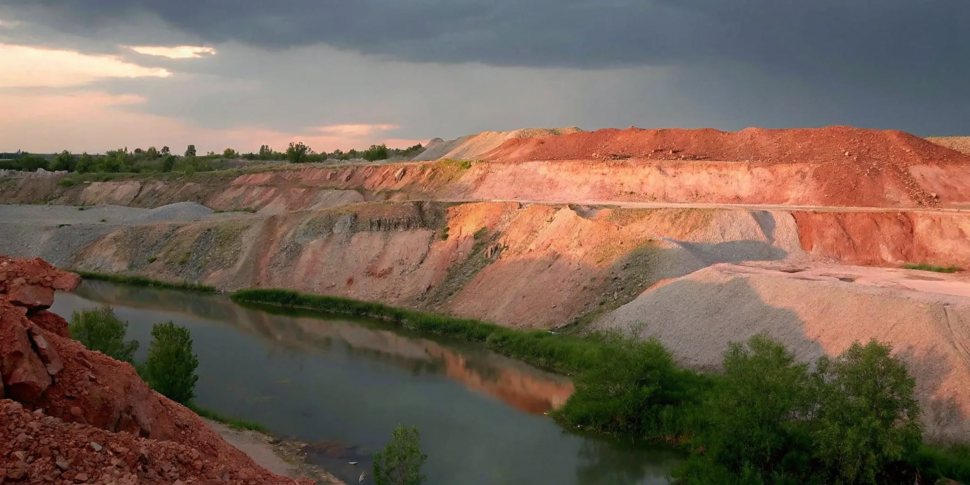
The diamond in your jewelry is likely older than the first complex life on Earth, having formed between one and three billion years ago. These gems waited deep within the planet before a violent, high-speed volcanic eruption brought them to the surface. This incredible age and chaotic journey make each diamond a tangible piece of our world’s history, much like the timeless pieces in a vintage and estate collection. Exploring where do diamonds come from reveals an epic adventure of fire, force, and resilience. It’s a story that adds another layer of wonder to these brilliant stones, transforming them from a simple gem into a true survivor.
Key Takeaways
- Diamonds Are Ancient Survivors: Every natural diamond is a product of immense heat and pressure deep within the Earth, surviving a rapid volcanic journey to the surface. This incredible origin story makes each stone a rare and tangible piece of our planet's history.
- Uniqueness Is Written in Stone: The specific conditions of a diamond's formation give it a unique set of internal characteristics, or inclusions. These natural "birthmarks" are a testament to its individual journey and guarantee that no two diamonds are ever identical.
- Choose a Diamond with Intention: Making an informed choice means understanding both a diamond's origin and its creation. Consider ethical sourcing through standards like the Kimberley Process and decide whether the ancient rarity of a natural diamond or the modern innovation of a lab-grown stone best tells your story.
How Are Diamonds Born?
Have you ever held a diamond and wondered about its story? It’s not just a beautiful stone; it’s a tiny piece of our planet’s ancient history, a survivor of an incredible journey that started billions of years ago. The story of how a diamond is born is one of immense pressure, intense heat, and a transformation that turns one of the most common elements on Earth into one of the most extraordinary. Long before they find their way into a stunning engagement ring or a pair of everyday earrings, these gems are forged deep within the Earth’s mantle.
Understanding this origin story gives each diamond a deeper meaning. It’s a reminder that true beauty often comes from enduring incredible challenges. The journey from a simple carbon atom to a brilliant, sparkling gem is a testament to nature's power and patience. Every natural diamond carries this epic history within its facets, making it a true miracle of the natural world. Let’s explore the incredible process that creates these timeless treasures.
From Simple Carbon to a Crystal
It might be surprising to learn that diamonds are made of the exact same element as the graphite in a pencil: carbon. So, what makes one a soft, gray writing tool and the other the hardest natural substance on Earth? It all comes down to how their atoms are arranged. Deep within the Earth, immense pressure and heat force carbon atoms to bond in an incredibly strong, tight, and dense crystalline structure. This unique atomic arrangement is what gives a diamond its signature strength, clarity, and brilliance. It’s a perfect example of how extraordinary things can come from the most ordinary of building blocks.
The Recipe: Extreme Heat and Pressure
The conditions for creating a diamond are nothing short of extreme. This transformation doesn’t happen just anywhere—it takes place in the Earth's mantle, about 90 to 125 miles below the surface. Here, temperatures soar above 1,000°C, and the pressure is more than 50,000 times greater than what we feel at sea level. This specific combination of intense heat and crushing pressure is the essential recipe for diamond formation. Without these exact conditions, carbon atoms would simply remain in a less spectacular form. This is the extraordinary backstory that makes natural diamonds so rare and special.
A Billion-Year Journey in the Making
Patience is a key ingredient in a diamond’s creation. Most of the natural diamonds we see today are incredibly old, having formed between one and three and a half billion years ago. Think about that for a moment—the diamond in a piece of jewelry could be older than the first complex life on Earth. These gems waited deep within the planet for billions of years before a specific geological event brought them to the surface. This incredible age makes each diamond a tangible piece of our world’s history, much like the timeless pieces you can find in a vintage and estate collection.
How Do Diamonds Travel to the Surface?
After spending billions of years forming, a diamond’s journey is far from over. For a diamond to make it to us, it has to survive a violent, high-speed trip from the Earth’s mantle to the surface. This isn’t a slow geological process—it’s a dramatic, explosive ascent that makes the existence of every natural diamond feel like a small miracle. Think of it as the final, thrilling chapter in an epic story that began eons ago. This incredible voyage is what ultimately delivers these precious stones into the hands of the artisans and designers who shape them into the beautiful pieces we cherish. It’s a testament to resilience, a survivor of an impossible trip. Understanding this chaotic and rapid transit helps us appreciate not just the beauty of a diamond, but its sheer tenacity. It’s a story of fire and force, a high-stakes escape that ends with a sparkling treasure resting safely on the Earth’s surface, waiting to be discovered. This final, fiery ascent is the reason we can admire these stones at all, transforming them from a hidden wonder into a tangible symbol of endurance and beauty.
Riding Ancient Volcanic Eruptions
Diamonds are essentially ancient hitchhikers. They catch a ride on a very rare and powerful type of volcanic eruption. Deep within the Earth, a specific kind of magma called kimberlite begins to move upward under immense pressure. As it forces its way through the Earth’s crust, it rips through diamond-bearing rock, carrying the crystals along with it. This volcanic activity creates deep, narrow vertical shafts known as kimberlite pipes, which act as the expressways for diamonds traveling to the surface. These pipes are the primary targets for diamond miners today, serving as geological treasure maps that point to where these gems might be found.
The High-Speed Journey from the Earth's Mantle
This is no leisurely trip. The journey from the mantle—over 100 miles deep—to the surface is incredibly fast, often taking just hours or days. These special volcanic eruptions are so powerful they can travel at supersonic speeds, blasting through the crust like a cannon. This incredible velocity is what makes the journey possible, a stark contrast to the billions of years the diamond spent forming. Thinking about this epic, high-speed journey adds another layer of meaning to the diamond in a bridal ring, symbolizing a love that is both timeless and momentous.
Why a Fast Ascent Is So Important
The speed of the eruption is absolutely critical for the diamond’s survival. Diamonds are only stable under the extreme heat and pressure found deep within the Earth. As the kimberlite magma rises, the pressure and temperature drop dramatically. If this ascent were slow, the diamond’s carbon atoms would have time to rearrange themselves back into graphite—the same soft, gray material found in pencils. The rapid journey essentially freezes the diamond’s crystal structure in place, preserving its incredible hardness and brilliance until it reaches the surface. Every diamond is a survivor of a race against time, a perfect crystal locked in form by its explosive escape.
What Are Kimberlite Pipes?
After their incredible high-speed journey from the Earth’s mantle, diamonds don’t just scatter across the surface. They arrive in unique geological formations called kimberlite pipes—the final destination after their billion-year wait and explosive trip. Think of them as ancient, vertical tunnels carved out by volcanic fury, holding the treasures we now craft into beautiful fine jewelry. These pipes are the primary reason we can find and mine diamonds today, serving as a geological map that points directly to the Earth’s most precious gems.
The Volcanic Tunnels That Carry Diamonds
So, what exactly is a kimberlite pipe? It’s a structure formed by a specific and very deep volcanic eruption. This isn't your typical volcano; the magma, called kimberlite, originates more than 90 miles below the surface, where diamonds are born. During an eruption, this magma rockets upward, forcing its way through the Earth's crust and creating a deep, narrow, carrot-shaped channel or "pipe." This powerful event carries diamond-bearing rocks along for the ride, bringing them from the mantle to a place where they can eventually be discovered.
How Kimberlite Rock Protects Its Treasure
The kimberlite magma is more than just a transport system; it’s also a protective vessel. The journey to the surface is incredibly fast. If the diamonds traveled too slowly, the changing pressure and temperature would cause them to revert to graphite—the same carbon they started as. The rapid eruption of kimberlite magma ensures the diamonds remain intact, preserving their unique crystal structure. As the magma cools and hardens inside the pipe, it forms kimberlite rock, encasing the rough diamonds within it and locking them in a secure, rocky matrix until they are unearthed.
Why These Pipes Are a Miner's Map
For diamond miners, finding a kimberlite pipe is like finding a treasure map where 'X' marks the spot. Because these pipes are the primary source of mined diamonds, geologists spend years searching for them. Once a pipe is located, it signals a concentrated deposit of diamonds, allowing for focused mining operations. Every diamond, from a modern brilliant cut to a classic stone in a vintage piece, likely began this final stage of its journey locked inside one of these incredible geological formations.
Where in the World Are Diamonds Found?
While diamonds are formed deep within the Earth, they only surface in very specific parts of the world. These precious gems are not scattered evenly across the globe; instead, they are concentrated in regions where ancient volcanic activity pushed them to the surface. This geological lottery has created a fascinating map of diamond-producing hotspots, each with its own unique story. From the vast plains of Africa to the frozen tundra of Siberia, let's explore the key locations where these incredible stones are found.
Africa: A Continent of Diamonds
When you think of diamonds, Africa often comes to mind, and for good reason. The continent is a powerhouse in the diamond world, home to several of the largest producing nations. Countries like Botswana, South Africa, and Angola are renowned for their rich diamond deposits. Botswana, in particular, is a global leader, with diamond mining being a cornerstone of its economy. The discovery of these gems has transformed nations and continues to supply the world with breathtaking stones. It’s incredible to think that a sparkling diamond in a bridal set might have begun its journey millions of years ago in the heart of Africa.
Russia's Rich Diamond Reserves
Half a world away, Russia also holds a top spot as a diamond giant. The country's vast, remote landscapes, particularly in the Yakutia region of Siberia, conceal immense diamond reserves. Russia is known for producing an incredible volume of diamonds, with some of the world's largest and most productive mines, like the famous Mirny and Udachny mines. These operations unearth millions of carats each year, contributing a significant portion of the global supply. The sheer scale of Russia's diamond fields highlights just how diverse the sources for these beautiful gems are, giving our featured designers a world of inspiration to draw from.
Discoveries in North America and Australia
Closer to home, North America has its own diamond success story. Canada has become a major player in the industry, proving that incredible gems can also be found in the icy north. Mines like Diavik and Ekati are known for producing high-quality, ethically sourced diamonds. Meanwhile, Australia carved out a unique niche with its Argyle mine, which was famous for producing the vast majority of the world's stunning and incredibly rare pink diamonds. Though the Argyle mine ceased operations in 2020, its legacy lives on, making its pink diamonds even more sought-after and special.
How Do We Get Diamonds from the Ground?
Once a kimberlite pipe is located, the real work begins. Extracting diamonds from deep within the Earth is an incredible feat of engineering and effort, requiring different methods depending on where the diamonds are located. From massive industrial operations to small-scale local efforts, each approach has its own story. These methods are the first step in a diamond's journey from the earth to a stunning piece of fine jewelry. Understanding how these gems are recovered gives you a whole new appreciation for their rarity and the incredible journey they take before they ever reach a designer's hands.
Open-Pit Mining
Think of open-pit mining as creating a massive, terraced crater in the earth to access kimberlite pipes near the surface. It’s a large-scale operation where powerful machinery works around the clock, digging deeper and deeper into the ground. Miners use enormous trucks and sometimes explosives to break up and remove layers of rock and soil, slowly revealing the diamond-bearing ore below. This method is effective for deposits that are wide and not too deep, allowing miners to extract huge volumes of kimberlite rock in their search for these precious gems. It's an impressive, large-scale start to a diamond's journey.
Underground Mining
When kimberlite pipes run too deep for open-pit mining, operations move underground. Miners dig vertical shafts down into the earth, sometimes going more than half a mile deep, and then create a network of horizontal tunnels to reach the diamond-rich ore directly. It’s a more complex and targeted approach. In other cases, diamonds are found in what’s called alluvial deposits. This is where, over millions of years, erosion has washed diamonds from their original kimberlite source into riverbeds and coastlines, much like the timeless pieces found in a vintage collection.
Artisanal Mining
In contrast to the large-scale industrial methods, artisanal mining is done on a much smaller scale. This type of mining is often carried out by individuals, families, or local communities using simple tools like shovels, sieves, and pans. They typically work in alluvial deposits, sifting through sand and gravel in riverbeds to find diamonds that have been washed downstream. While it’s a less invasive method, it’s incredibly labor-intensive. This hands-on approach highlights the human connection to diamond discovery that has existed for centuries, reminding us of the personal stories that can be tied to each stone.
The Final Step: From Rough to Refined
Finding a diamond is only half the battle. After the diamond-bearing ore is mined, it’s transported to a processing plant. There, the rock is crushed and put through a series of separation processes to isolate the rough diamonds from the waste material. Once separated, the rough stones are cleaned and sorted by experts who carefully evaluate each one based on its size, shape, clarity, and color. This crucial sorting step determines a diamond's potential and is the first glimpse of the brilliant gem it will soon become. It’s here that the journey from a raw element to a piece of art truly begins.
Why Is Every Natural Diamond One-of-a-Kind?
When you choose a natural diamond, you’re choosing a piece of the Earth that is entirely unique. Think of it like a fingerprint or a snowflake—no two are ever exactly the same. This isn't just a romantic idea; it's a geological fact. Each diamond carries a story that spans billions of years, a story of immense pressure, intense heat, and a wild journey from the planet's core to its surface. This history is etched into the very structure of the stone, giving it a character and soul that cannot be replicated.
This inherent uniqueness is what we find so captivating. It’s why a piece of fine jewelry can feel so personal and meaningful. The diamond in your ring or necklace has its own distinct identity, shaped by a process that began long before life as we know it. Its journey makes it a tiny, sparkling time capsule, a direct link to our planet's ancient past. When you look closely at a diamond, you're not just seeing a beautiful gem; you're seeing a one-of-a-kind artifact of nature, with a story that is now intertwined with your own.
How Its Formation Creates a Unique Identity
The story of every diamond begins deep within the Earth's mantle, about 100 miles below the surface. Here, over three billion years ago, carbon atoms were subjected to crushing pressure and scorching heat. The exact conditions of this crucible—the precise temperature, the specific level of pressure, and the length of time—were different for every single crystal that formed. This intense and chaotic formation process is impossible to duplicate, which means each diamond starts its life with a completely distinct internal structure. It’s this foundational moment that sets the stage for the diamond’s individual character, ensuring its journey and final appearance will be unlike any other.
Nature's Signature: Inclusions and Elements
As diamonds form, they often trap tiny particles of their surroundings. These are known as inclusions—microscopic crystals, minerals, or even fluids that become embedded within the diamond's structure. Far from being flaws, these inclusions are nature's signature. They are like birthmarks, telling the specific story of that diamond's origins and serving as a direct sample of the deep Earth. Gemologists use these unique patterns of inclusions to identify individual stones, as no two diamonds share the same internal landscape. These features are a beautiful reminder that your diamond is a piece of natural history, a true vintage and estate treasure from the Earth itself.
Celebrating Perfect Imperfections
The stunning variety of colors found in diamonds also contributes to their uniqueness. A chemically pure and structurally perfect diamond is completely transparent, but such perfection is incredibly rare. Most diamonds contain trace elements that were incorporated during their growth. The presence of nitrogen, for example, can give a diamond a beautiful warm, yellow hue. Other times, distortions in the crystal lattice can create incredible colors like pink, red, or brown. These subtle variations in color and clarity are what give a diamond its personality. They are the "perfect imperfections" that make your bridal ring or special piece of jewelry truly yours and no one else's.
How Can You Choose an Ethical Diamond?
Choosing a diamond is a big decision, and for many of us, knowing its story is just as important as its sparkle. The journey from the earth to a beautiful piece of jewelry should be one you can feel good about. Understanding where diamonds come from helps you make a choice that aligns with your values, ensuring your piece is not only stunning but also ethically sourced. It’s about finding a diamond with a clear conscience, one that represents love and commitment in every sense of the word.
The Reality of Conflict Diamonds
You may have heard the term "blood diamonds," and it’s a heavy one for a reason. These are stones mined in war-torn areas and sold to fund conflicts, often at the cost of horrific human rights abuses. This issue came to light in the 1990s when rebel groups used diamond sales to finance brutal civil wars. While the industry has made huge strides to stop this trade, awareness is the first step. Asking questions about a diamond's origin is not just smart—it’s a powerful way to ensure your purchase doesn't contribute to this dark history.
The Kimberley Process Explained
In response to the conflict diamond trade, the global diamond industry came together to create a solution. The Kimberley Process Certification Scheme, established in 2003, is an international agreement designed to stop the flow of conflict diamonds. Participating countries must certify that their diamond exports are conflict-free, tracking stones from the mine to the market. This system has been instrumental in cleaning up the supply chain, making it much harder for illicit diamonds to enter the legitimate trade. When you shop from jewelers who adhere to this process, you’re supporting a global effort for transparency and peace.
Supporting Responsible and Sustainable Mines
Ethical sourcing goes beyond just avoiding conflict. It’s also about supporting mines that contribute positively to their communities. When managed responsibly, diamond mining can be a powerful force for good, funding everything from schools and hospitals to infrastructure. Countries like Botswana have transformed their economies by investing diamond revenues back into their communities. Choosing a diamond from a responsible source means you’re supporting fair wages, safe working conditions, and sustainable development for the people and places that bring these incredible gems to light. It’s a way to ensure the beauty of your diamond extends to its origins.
The Environmental Side of Diamond Mining
Let’s be honest: any kind of mining impacts the environment. However, the diamond industry has become much more focused on sustainable practices. Responsible mining operations now work to minimize their ecological footprint. This includes efforts to protect local biodiversity, manage water use carefully, and, importantly, restore the land after mining is complete. Many of our designers are deeply committed to these principles, choosing partners who prioritize environmental stewardship. This commitment ensures that the land can be rehabilitated and returned to nature, preserving its beauty for future generations.
Natural Diamonds vs. Lab-Grown: What's the Difference?
When you’re searching for the perfect piece of jewelry, especially for a milestone like an engagement, the question of natural versus lab-grown diamonds is bound to come up. It’s one of the biggest conversations in the jewelry world right now, and for good reason. One is a timeless treasure brought to us by the Earth, while the other is a marvel of modern science.
The great news is that both are beautiful options. Visually, they are indistinguishable from one another. The real difference lies in their origin story, their rarity, and what they represent to the person wearing them. Understanding these key points will help you decide which type of diamond feels right for you and your story. Let’s break down what sets them apart.
Earth-Formed vs. Lab-Created
The most significant difference between these two types of diamonds is how they came to be. A natural diamond has an incredible backstory. It’s a piece of history, formed deep within the Earth's mantle over billions of years. Under immense heat and pressure, carbon atoms crystallized to create these unique, one-of-a-kind gems that were later carried to the surface by ancient volcanic eruptions. Each natural diamond is a finite, natural resource, a small miracle from our planet.
Lab-grown diamonds, on the other hand, are born from human ingenuity. Scientists have figured out how to replicate the Earth’s diamond-forming process in a highly controlled laboratory setting. Using advanced technology, they create the same intense conditions of heat and pressure to grow a diamond from a carbon "seed." The result is a stone created in a matter of weeks or months, not eons.
Comparing Their Physical and Chemical Makeup
Here’s a crucial point that often gets confused: lab-grown diamonds are real diamonds. They are not simulants like cubic zirconia or moissanite. Whether pulled from the ground or grown in a lab, both types of diamonds are made of pure carbon atoms arranged in the exact same crystal structure. They have the same chemical and physical properties, meaning they share the same hardness, brilliance, and fire.
Because they are identical on a molecular level, you can’t tell the difference between a natural and a lab-grown diamond just by looking at it. Even a professional gemologist needs specialized equipment to determine a diamond’s origin. So, when it comes to sparkle and durability, you’re getting the same beautiful material either way.
A Look at Rarity, Value, and Enduring Appeal
This is where the choice becomes more personal. Natural diamonds are, by their very nature, rare. Their supply is limited to what the Earth has created and what can be mined. This rarity is a major factor in their value, making them not just a beautiful accessory but also a precious heirloom that holds its worth over generations. You can see this timeless quality in stunning Vintage & Estate pieces that have been cherished for decades.
Lab-grown diamonds can be created on demand, so their supply is virtually unlimited. This makes them a more affordable option, allowing you to get a larger stone for your budget. The choice ultimately comes down to what you prioritize: the romance and rarity of an ancient stone, or the modern innovation and value of a lab-created gem. The best way to decide is to see them for yourself. We invite you to book an appointment to explore our collections and find the diamond that speaks to you.
Related Articles
- How to Tell If a Diamond Is Real: 10 Easy Tests
- The Guide to Engagement Rings in Highlands Ranch, CO
- How to Buy Truly Conflict-Free Diamonds
Frequently Asked Questions
Are lab-grown diamonds "real" diamonds? Yes, absolutely. Lab-grown diamonds are chemically and physically identical to natural diamonds—they are both pure carbon arranged in the same crystal structure. You can't tell them apart just by looking. The real difference is their origin story. A natural diamond is a finite treasure created by the Earth over billions of years, while a lab-grown diamond is a product of incredible human technology. The choice simply comes down to which story resonates more with you.
How can I be sure the diamond I'm buying is conflict-free? The best way to ensure your diamond is ethically sourced is to work with a reputable jeweler who is transparent about their sourcing. The global diamond industry is governed by the Kimberley Process, an international agreement that tracks diamonds from the mine to the market to prevent the trade of conflict stones. When you buy from a trusted source, you can feel confident that your diamond has been sourced responsibly and with respect for human rights.
If diamonds are just made of carbon, why are they so valuable? It’s true that diamonds start as simple carbon, but their value comes from the extraordinary and incredibly rare process that transforms them. It takes billions of years under immense heat and pressure deep within the Earth to form a diamond. Then, it must survive a violent, high-speed volcanic eruption to reach the surface. This combination of an ancient formation and a treacherous journey makes natural diamonds one of nature’s rarest and most resilient creations.
I've heard about "inclusions" in diamonds. Is that a bad thing? Not at all. Think of inclusions as a diamond’s unique birthmarks. These tiny characteristics are often microscopic minerals or crystals that were trapped inside the diamond as it formed billions of years ago. They are proof of a diamond's natural origin and a part of its individual story. Far from being flaws, these features are what make your specific stone a one-of-a-kind piece of the Earth.
What's the most important thing to know about a diamond's origin? The most important thing is that every diamond has a unique story. A natural diamond carries an epic history of our planet’s formation, a journey that makes it a true natural miracle. A lab-grown diamond tells a story of modern innovation and scientific achievement. Neither story is better than the other—it’s about choosing the one that feels most meaningful to you and the occasion you’re celebrating.
Recent articles
View all
Brooke's Holiday Favorites - 2025

Holly's Holiday Favorites - 2025