

What Is a Jewelry Evaluation? A Complete Guide
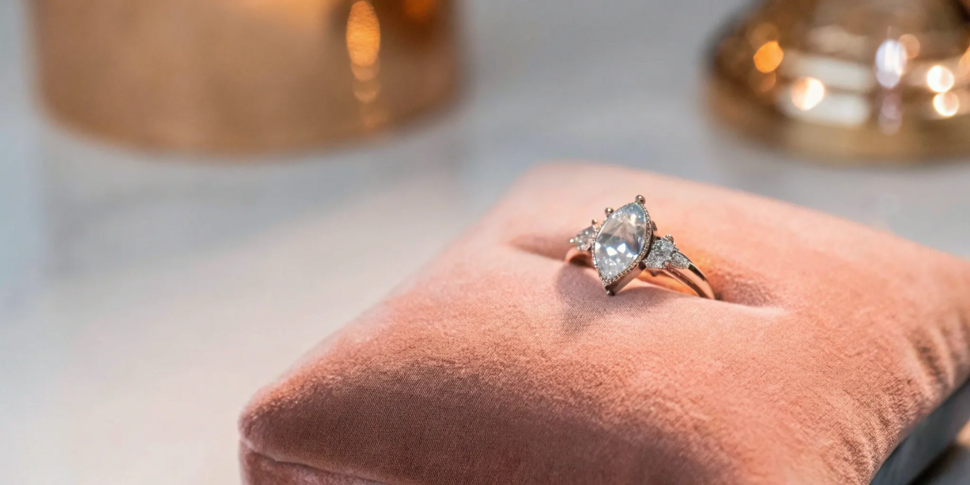
Knowing the story behind your jewelry—the designer, the materials, the history—is part of what makes it special. A professional jewelry evaluation adds another important layer to that story: its official value. An appraisal is an in-depth assessment that provides a complete picture of what you own, verifying the authenticity of the metals and gemstones while assigning a precise monetary worth based on current market conditions. This knowledge is empowering. It’s essential for insurance purposes, but it’s also valuable for estate planning or simply for your own records. This guide will demystify the appraisal process, helping you become a more informed and confident owner of your collection.
Key Takeaways
- Get the Right Insurance Coverage: An appraisal provides the official documentation your insurance company needs to cover the full replacement value of your jewelry, giving you a crucial safety net.
- Choose a Qualified Professional: Look for an appraiser with recognized credentials and a specialty that matches your jewelry. Always confirm they charge a flat or hourly fee to ensure an unbiased and accurate valuation.
- Re-Appraise Every Few Years: Market values for gems and metals change, so your jewelry's worth can too. Have your pieces re-appraised every three to five years to keep your insurance coverage accurate and your investment protected.
What is a Jewelry Appraisal, and Why Do You Need One?
Whether it’s your engagement ring, a family heirloom, or a special piece you bought to celebrate a milestone, your jewelry holds immense value—both sentimental and monetary. A jewelry appraisal is a professional evaluation that creates an official record of that value. Think of it as a detailed report from an expert that describes your piece, confirms its quality, and assigns it a current market worth. While it might sound like a formal process, getting an appraisal is one of the most important steps you can take to protect your investment. It’s the key document you’ll need for insurance, giving you peace of mind that your treasured jewelry is covered in case of loss, theft, or damage.
How the Appraisal Process Works
Getting your jewelry appraised is a straightforward process. It starts with finding a qualified appraiser who will outline their fees, which are typically charged as a flat rate or by the hour. During the appointment, the appraiser will carefully examine your piece, taking note of its specific characteristics. They’ll identify the metals and gemstones, take precise measurements, and assess the overall craftsmanship. Afterward, they will prepare a detailed document that includes a full description of the jewelry and its determined value. This report is your official record, providing everything you need to understand your jewelry’s worth. If you're unsure where to start, you can always book an appointment with a trusted jeweler to guide you.
Protect Your Pieces with Insurance
The main reason to get a jewelry appraisal is for insurance. To properly insure your jewelry, you need to provide your insurance company with proof of its value. A detailed appraisal serves as this proof, ensuring you have enough coverage to repair or replace the item if something happens. An incomplete or inaccurate appraisal can leave you underinsured, meaning you might not receive enough compensation to get a comparable piece. A thorough appraisal involves a comprehensive examination, market research, and a well-documented report that gives your insurer—and you—total confidence in the valuation. It’s a small step that provides a major safety net for your most precious items.
Know the True Worth of Your Jewelry
An appraisal does more than just assign a price tag; it gives you a complete picture of what you own. A professional valuation is an expert report that describes every facet of your jewelry, from the materials and measurements to its overall condition. Appraisers consider current market trends and the piece’s unique qualities to determine its accurate value for a specific purpose, whether that’s for insurance, resale, or estate planning. This is especially important for one-of-a-kind items, like pieces from our Vintage & Estate collection, where understanding the true worth is essential. An appraisal confirms your jewelry’s value, history, and story.
Verify Quality and Authenticity
How do you know for sure what your jewelry is made of? An appraisal provides that verification. Experienced jewelers and certified appraisers use specialized tools and their expertise to conduct tests that confirm the quality and authenticity of your piece. They can identify the type and purity of the precious metals and verify the nature of the gemstones. Most fine jewelry also has small stamps, called hallmarks, that indicate this information. An appraiser deciphers these marks as part of their evaluation. This process confirms that you have a genuine piece from one of your favorite designers and provides official documentation of its quality.
What Determines Your Jewelry's Value?
Figuring out what a piece of jewelry is worth is more complex than just adding up the cost of the gold and gemstones. A professional valuation is a detailed report that considers every aspect of your item, from its physical materials to its place in the current market. Several key factors come together to tell the full story of your jewelry's value, whether it’s a modern piece from a favorite designer or a treasured family heirloom. Understanding these elements helps you appreciate not just the beauty of your jewelry, but its tangible worth.
Gemstone and Material Quality
The foundation of any piece of jewelry is the quality of its components. For diamonds, this is determined by the "4Cs"—cut, color, clarity, and carat weight. Other gemstones are graded on similar scales, considering their vibrancy, rarity, and any unique characteristics. The precious metal used is just as important. An appraiser will identify the metal (like platinum or gold) and its purity (such as 18k versus 14k). A detailed valuation from an expert will describe these materials precisely, as they form the baseline for determining the piece’s overall value.
Craftsmanship and Design
How a piece is made has a huge impact on its value. Exceptional craftsmanship—the skill and artistry that go into creating the jewelry—is a critical factor. An appraiser will carefully examine every detail, from the intricacy of the metalwork to the precision of the stone settings. A handmade piece by a master jeweler will often be valued higher than a mass-produced item because of the time, skill, and unique design involved. This is why we are so passionate about the work of our featured designers, whose artistry and attention to detail shine through in every piece.
The Designer's Signature
Just like in the art world, the name behind a piece of jewelry can significantly influence its worth. A piece from a renowned design house or a sought-after independent artist carries a premium. Brands like Cartier or Tiffany are instantly recognizable, and their maker's marks, or "stamps," add to the value. The reputation of the designer is a mark of quality and style, which collectors and buyers are willing to pay for. This is why a piece from a celebrated contemporary designer is not just an accessory, but an investment in wearable art.
Current Market Demand
Jewelry value isn't set in stone; it fluctuates with market trends and economic conditions. The price of precious metals and gemstones changes daily, and certain styles or designers can become more or less popular over time. An appraisal reflects the current market, which is why it's so important for insurance purposes. A good appraisal ensures your policy covers the true replacement value of your piece, allowing you to find something similar if it were lost or stolen. Regular re-appraisals keep you protected as market conditions change.
Rarity, Age, and History
For some pieces, the story is just as valuable as the stones. Rarity is a major driver of value—if you have a one-of-a-kind item or a piece with a rare gemstone, its worth increases. The same is true for antique and vintage jewelry. A piece's age, its historical period (like Art Deco or Victorian), and its provenance (its documented history of ownership) can make it highly desirable to collectors. Our Vintage & Estate collection is full of unique treasures whose history and rarity make them truly special and valuable.
How to Choose the Right Jewelry Appraiser
Finding the right person to appraise your jewelry is just as important as the appraisal itself. You need an expert you can trust to give you an accurate and unbiased valuation of your treasured pieces, whether it’s a family heirloom or a new addition to your collection. Think of it like finding a great doctor or mechanic—a little research upfront goes a long way in ensuring your valuables are in capable hands. The right appraiser will have the proper training, extensive experience, and a professional reputation built on trust and accuracy. They act as your advocate, providing a detailed report that not only confirms the value of your jewelry but also its authenticity and quality. This process isn't just about getting a number for an insurance policy; it's about gaining a deeper understanding and appreciation for your pieces. To find a qualified professional who can give you this peace of mind, you’ll want to look at their credentials, confirm they have the right specialty for your items, understand their fee structure, and know what warning signs to watch for. Taking these steps will help you partner with an expert who will treat your jewelry with the care it deserves.
Look for Key Certifications and Credentials
When you start your search, the first thing to check for is professional credentials. An appraiser’s certifications are proof that they have the formal training, education, and ethical grounding needed to do the job right. Look for professionals certified by reputable organizations, as this shows they’ve met high industry standards of expertise. A qualified appraiser will have a deep understanding of gemology, market trends, and complex valuation methods, ensuring your report is both accurate and comprehensive. Don’t be shy about asking about their background and specific training—a true professional will be proud to share their qualifications and explain what their credentials mean for you and your jewelry.
Find an Appraiser with the Right Specialty
Not all jewelry is the same, and not all appraisers are, either. Some specialize in modern designer jewelry, while others are experts in antique or vintage and estate pieces. It’s important to find someone whose specialty aligns with the jewelry you need to have valued to get the most accurate assessment. A great place to start is by looking for appraisers affiliated with respected industry groups. Organizations like the Gemological Institute of America (GIA) or the American Gem Society provide directories of qualified professionals, making it easier to find an expert in your area who has the specific knowledge your collection requires. An appraiser with the right background will recognize the nuances that determine your piece's true worth.
Understand the Fee Structure
Before you commit to an appraisal, make sure you have a clear understanding of how the appraiser charges for their services. Most reputable appraisers charge either a flat fee per piece or an hourly rate. The cost can vary depending on how complex your jewelry is, so it’s always a good idea to get a quote and discuss the pricing upfront. One major red flag to watch out for is an appraiser who wants to charge a percentage of your jewelry’s final value. This creates a serious conflict of interest, as it gives them an incentive to inflate the price. An ethical appraiser’s fee should never be tied to the item's worth, ensuring you receive an unbiased and accurate report.
Warning Signs to Watch For
Always trust your gut. If an appraiser seems hesitant to discuss their fees, qualifications, or process, that’s a clear sign to walk away. Transparency is key in this relationship. A trustworthy professional will be upfront about their credentials and how they determine their charges. Another thing to be mindful of is the risk of not getting an appraisal at all. Without a formal valuation, you could end up being significantly underinsured. That means if your piece is ever lost, stolen, or damaged, you might not receive its full replacement value from your insurance company, leading to a major financial loss and a lot of unnecessary heartache. A proper appraisal is your best protection.
Your Jewelry Appraisal: What to Expect
Getting a piece of jewelry appraised for the first time can feel a little mysterious, but it’s actually a straightforward process. Knowing what to expect can help you feel confident and prepared. An appraisal is simply a professional assessment that provides a detailed document outlining your jewelry's characteristics and its current market value, which is essential for getting the right insurance coverage.
Whether you're appraising a family heirloom, a vintage find, or your brand-new engagement ring, the goal is to get an accurate and thorough evaluation. Let’s walk through what the experience looks like from start to finish.
How to Prepare Your Jewelry
Before you head to your appointment, a little prep work can make the process smoother. Gather any documents you have related to the piece, such as the original sales receipt, a diamond grading report from an institution like GIA, or any previous appraisal reports. These documents provide a valuable history for the appraiser.
It’s also a good idea to give your jewelry a gentle cleaning at home so the appraiser can get a clear look at the gemstones and metalwork. Don’t worry about deep cleaning, as the appraiser will have the proper tools to inspect it thoroughly. Once you have everything together, you’re ready to book an appointment with a trusted professional.
The Step-by-Step Process
A professional appraisal is much more than a quick glance. The appraiser will conduct a detailed examination of your piece, often in a lab setting. They will identify and measure the gemstones, assess their quality (think color, clarity, cut, and carat weight), and determine the type and weight of the precious metals.
After the physical inspection, the appraiser does their homework. They will research the current market to find what similar pieces are selling for. A thorough appraisal combines this meticulous examination with up-to-date market analysis to determine the final value. This ensures the figure isn't just a guess but a well-supported valuation.
What to Look for in the Final Report
The final appraisal report is the most important takeaway from the process. This is the official document you’ll need for insurance or estate purposes, so it should be detailed and professional. A complete valuation report will include high-quality photos of your jewelry from different angles and a full, written description of the piece.
Look for specifics like the item’s weight, the type of metal, and detailed notes on the gemstones. The report should also clearly state the purpose of the appraisal (e.g., for insurance replacement) and the final value. A good appraiser will include any important notes or limitations for you to read, ensuring you have all the information you need.
How Long It Takes and What It Costs
The time and cost of an appraisal can vary. A simple piece, like a solid gold wedding band, might be appraised relatively quickly, while a complex antique necklace with multiple gemstones will require more time and research. Generally, you can expect an appraisal to take anywhere from a few days to a couple of weeks, depending on the appraiser’s schedule and the complexity of the item.
Costs are often charged by the hour or as a flat fee per piece. According to Jewelers Mutual, appraisal fees typically range from $50 to $150 per hour. It’s always best to ask about the fee structure upfront to avoid any surprises.
Why You Should Get Your Jewelry Re-Appraised
An appraisal isn’t a one-and-done deal. The value of precious metals and gemstones fluctuates over time, so the appraisal you got five years ago might not reflect your jewelry’s current worth. If your piece is underinsured, you could be left with a significant financial loss if it’s lost, stolen, or damaged.
To ensure your coverage is accurate, it’s a good idea to have your fine jewelry re-appraised every three to five years. This is especially important for high-value items or pieces from our Vintage & Estate collection. Keeping your appraisal current gives you peace of mind, knowing your treasured pieces are properly protected.
Related Articles
Frequently Asked Questions
How often should I get my jewelry re-appraised? The general rule is to have your fine jewelry re-appraised every three to five years. The values of precious metals and gemstones can change quite a bit over time due to market trends. Keeping your appraisal current ensures your insurance coverage accurately reflects your piece's true replacement value, so you're never underinsured if you need to file a claim.
Is the appraised value the same as what I could sell my jewelry for? This is a great question, and the answer is almost always no. An appraisal for insurance purposes determines the retail replacement value—the full cost of buying a similar, brand-new piece from a retail jeweler today. The resale value, or what you could sell a pre-owned piece for, is typically lower than this figure. Think of it like a new car versus a used one; the value changes once it leaves the showroom.
Why can't I just use my original sales receipt for insurance? Your sales receipt shows what you paid for an item on a specific date, but it doesn't account for how its value might have changed since then. An official appraisal provides your insurance company with a detailed description and the current market value needed to replace the piece. This expert document is what ensures you have the right amount of coverage to get a comparable item if yours is lost, stolen, or damaged.
Do I have to leave my jewelry with the appraiser? Not always. Many appraisers can perform the initial examination and take measurements while you wait. For more complex pieces or if the appraiser needs to do in-depth research, you may need to leave it with them. This is why it's so important to choose a reputable, trustworthy professional who has the proper insurance and security to protect your jewelry while it's in their care.
What’s the difference between an appraisal and a diamond grading report? A diamond grading report, like one from the GIA, is a technical document that assesses the quality of a loose diamond based on the 4Cs (cut, color, clarity, and carat weight). It doesn't assign a monetary value. An appraisal, on the other hand, evaluates the entire finished piece of jewelry—including the setting, metal, and craftsmanship—and assigns a dollar value for a specific purpose, like insurance.
Recent articles
View all
Brooke's Holiday Favorites - 2025
Holly's Holiday Favorites - 2025