

What Hand Does a Wedding Ring Go On? A Simple Guide
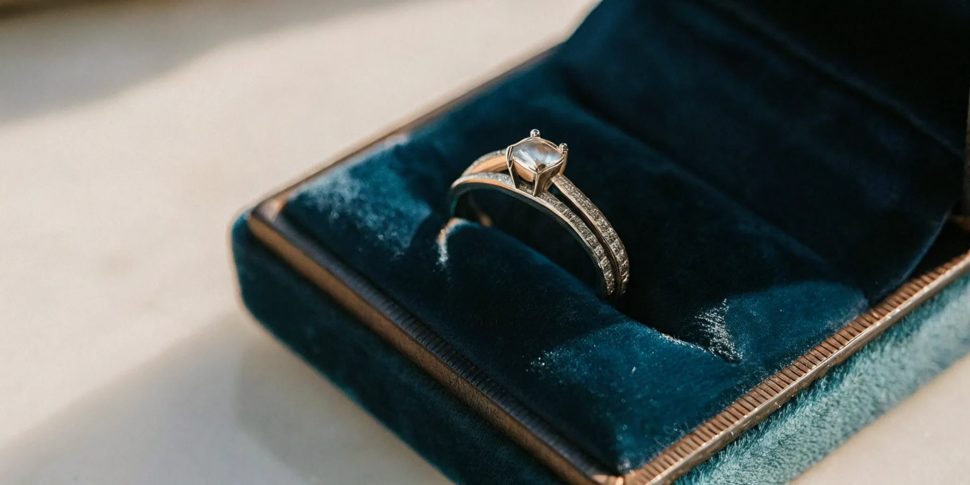
If you ask someone what hand does wedding ring go on, you’ll likely get a confident "the left one." But in many parts of the world, including countries like Germany, Spain, and Russia, the right hand is the traditional choice. The placement of a wedding ring is a beautiful reflection of diverse cultural beliefs, each with its own rich history. Exploring these global customs is a wonderful reminder that the commitment a ring represents is universal, even if the way it's worn is not. Understanding these different practices can inspire you to find a tradition that honors your heritage or to create a new one that is uniquely yours.
Key Takeaways
- Tradition is a choice, not a rule: The left-hand custom is just one of many beautiful traditions from around the world. Feel empowered to explore different cultural practices or simply choose the hand that feels most authentic to you.
- Prioritize your daily comfort and lifestyle: Your ring is meant for everyday life, so consider your dominant hand and daily activities. Choosing the hand you use less can help protect your ring from scratches and wear, ensuring it stays beautiful for years.
- Make this decision your first new tradition: This is a wonderful opportunity to talk with your partner about what feels most significant to your relationship. Whether you honor your heritage or start fresh, the most important thing is choosing a custom that celebrates your unique story as a couple.
Which Hand for Your Wedding Ring? A Complete Guide
Once you’ve found the perfect ring, the next question is simple: which hand does it go on? It seems like it should have a straightforward answer, but the truth is, the tradition varies widely depending on where you are in the world and what you believe. While many of us in the U.S. are familiar with the ring finger on the left hand, that’s just one custom among many. The decision of where to wear your wedding ring is a beautiful blend of history, culture, and personal preference.
Choosing a wedding ring is about finding a piece that speaks to your unique story as a couple. Whether you’re drawn to a classic band or a custom piece from one of our incredible designers, the way you wear it adds another layer to that story. Understanding the meaning behind different traditions can help you and your partner decide what feels most authentic to you. There’s no single right answer, which means you have the freedom to choose the tradition that resonates most or even start a new one of your own. Let’s explore some of the most common customs and the beautiful stories behind them.
The Left-Hand Tradition: Where Did It Start?
In many Western cultures, including the United States, the UK, France, and Italy, the wedding ring is traditionally worn on the fourth finger of the left hand. This custom is so common in some parts of the world that this finger is simply known as the "ring finger." If you’ve ever seen a movie proposal, this is almost always where the ring ends up. This practice dates back centuries and has become a deeply ingrained symbol of marriage for countless couples. For many, wearing their bridal set on the left hand is an immediate, recognizable sign of their commitment.
The Legend of the Vena Amoris: A Vein to the Heart
The reason for the left-hand tradition is incredibly romantic. It stems from the ancient Roman belief in the Vena Amoris, which translates to the "vein of love." The Romans believed that this special vein ran directly from the fourth finger on the left hand straight to the heart. By placing a ring on this finger, a couple was symbolically connecting their hearts and their vows of love. While modern anatomy tells us all fingers have similar venous connections, the beautiful symbolism of the Vena Amoris has endured, making it a powerful reason why so many continue this tradition today.
When the Right Hand is Right: Global Customs
While the left hand may be common in some countries, it’s certainly not a universal rule. In many other cultures, the right hand is the traditional choice for a wedding ring. Countries like Russia, Denmark, Poland, Greece, and Spain, as well as many nations in Eastern Europe, place the wedding band on the right ring finger. In some traditions, the engagement ring is worn on the left hand and then moved to the right after the wedding ceremony. This global diversity is a wonderful reminder that the most important thing is the commitment the jewelry represents, not the hand it’s worn on.
Wedding Ring Traditions Around the World
While you might be used to seeing wedding rings on the left hand, that’s not a universal rule. The hand—and even the finger—where a wedding ring is worn changes depending on culture, country, and religion. Exploring these global customs can add a beautiful layer of meaning to your own choice and connect you to a world of traditions. It’s a reminder that a ring is more than just a piece of jewelry; it’s a symbol rich with history and personal significance. Whether you’re drawn to a practice because of your heritage or simply because it resonates with you, knowing the stories behind these customs makes the act of wearing your ring even more special.
Many cultures have unique practices that have been passed down through generations, each with its own story. From the index finger in Jewish ceremonies to the right hand in many European and Asian countries, the placement of a wedding ring is a fascinating reflection of diverse beliefs. Understanding these traditions can inspire you as you choose your own bridal jewelry and decide how you want to wear it. It’s all about finding the custom that feels most authentic to you and your partner. This journey isn't just about following rules; it's about creating a personal ritual that celebrates your unique love story.
From Index to Ring Finger: Jewish Wedding Customs
In traditional Jewish wedding ceremonies, the groom places the wedding ring on the bride's right index finger. This finger was believed to be the most prominent and direct line to the heart, making it a powerful place for such a significant symbol. The ring itself is traditionally a simple, unbroken band of gold, representing an unblemished and endless union. While the ring is placed on the index finger during the ceremony, many couples choose to move it to the more conventional left ring finger for everyday wear afterward, beautifully blending ancient tradition with modern life.
The Big Switch: German and Turkish Traditions
In several European countries, including Germany, Austria, and Poland, the right hand is the go-to for wedding bands. Couples in Germany typically wear their engagement rings on the left hand and then move them to the right hand after the wedding, or they replace them with a wedding band on the right hand. This "big switch" marks the official transition from being engaged to being married. Similarly, in Turkey, the engagement ring is worn on the left hand, and the wedding ring is worn on the right, signifying the couple's new status.
A Symbol of Purity: Indian Wedding Ring Beliefs
In many parts of Indian culture, the left hand has traditionally been considered unclean, making the right hand the natural choice for something as sacred as a wedding ring. This custom is rooted in long-standing cultural and religious beliefs about purity and auspiciousness. However, with growing Western influence, it's becoming more common for couples in India to wear their wedding rings on the left hand. This shift shows how traditions can evolve, allowing couples to honor their heritage while embracing new customs. It’s a beautiful example of how vintage and estate traditions can find new life in the modern world.
A Scandinavian Story: The Right-Hand Ring
In Scandinavian countries like Norway, Denmark, and Sweden, wedding rings are often worn on the right hand. The tradition can vary, with some couples exchanging rings for both the engagement and the wedding. In Sweden, it’s also common for both partners to wear engagement rings, which are often simple gold bands. After the wedding, the bride might add a more elaborate wedding band, sometimes set with diamonds, to the same finger. This practice highlights how different cultures have their own unique approach to celebrating love, with each tradition telling its own story through the jewelry they choose from their favorite designers.
How Do Your Engagement and Wedding Rings Go Together?
Once you have both your engagement ring and wedding band, the next question is how to wear them together. Creating a cohesive and comfortable set is the final, exciting step in your bridal jewelry journey. While there are long-standing traditions, there’s also plenty of room for personal expression. Let’s look at the most common ways to style your rings, from the wedding day to every day after.
The Perfect Stack: How to Wear Both Rings
The most common tradition in many Western cultures is to wear the wedding band on the inside, closest to your heart, with the engagement ring sitting on top of it. The idea is that your wedding band, a symbol of your marriage, should be nearer to you. This creates a beautiful, seamless stack that showcases both pieces. When choosing your rings, it’s helpful to think about how they will fit together. Many of our bridal sets are designed to pair perfectly, but we also love helping clients create unique combinations that feel just right.
From "Yes" to "I Do": The Wedding Day Switch-Up
So, what do you do with your engagement ring during the actual wedding ceremony? To keep tradition, many people temporarily move their engagement ring to their right hand before the ceremony begins. This leaves your left ring finger free for your partner to place the wedding band on it. After the ceremony, you can simply move your engagement ring back to your left hand, placing it on top of your new wedding band. This little wedding day switch-up is a simple way to honor the moment without any fumbling at the altar.
Making It Your Own: Modern Ways to Wear Your Set
While tradition is lovely, how you wear your rings is ultimately a personal decision. You don’t have to follow a specific rule if it doesn’t suit your style or lifestyle. Some people choose to wear their engagement ring on their right hand and their wedding band on their left. Others wear their rings on different fingers or even hang one from a necklace, which is a great option if you work with your hands. The most important thing is that you love how your rings look and feel. Your jewelry should be a reflection of you, so feel free to find a style that celebrates your unique story and the incredible designers who crafted your pieces.
Common Wedding Ring Myths, Busted
When it comes to wedding rings, there are so many “rules” floating around that it’s easy to get overwhelmed. But the truth is, many of these so-called traditions are more like suggestions. Let's clear up a few common myths so you can feel confident in how you choose to wear your beautiful jewelry. After all, this is your story, and you get to decide how to tell it.
Myth: Everyone Wears It on the Left
While wearing the wedding ring on the left hand is the go-to in the United States and much of North America, it’s far from a universal rule. In many countries, including Russia, Greece, Spain, and Poland, the tradition is to wear the wedding ring on the right hand. This choice is often tied to cultural beliefs and historical customs that vary around the globe. So, if wearing your ring on the right hand feels more comfortable or meaningful to you, you’re in good company. The most important thing is that your ring feels like a true representation of your love and commitment.
Myth: It's Always a Religious Rule
Another common belief is that your faith dictates which hand you use. While some religions do have specific customs—for example, Eastern Orthodox Christians often wear their rings on the right hand—the choice is frequently more cultural than religious. In many Eastern cultures, the right hand is seen as a symbol of trust, goodness, and honor, making it the natural choice for a wedding band. Your bridal jewelry is a personal symbol, and its placement can be guided by culture, faith, or simply what feels right to you as an individual and as a couple.
Myth: There Are Different Rules for Men and Women
This one is simple: there are no separate rules for men and women. The traditions and personal preferences that guide ring placement apply to everyone. The ancient Roman belief in the Vena Amoris, or "vein of love," connecting the left ring finger to the heart was a story for both partners. Whether you're looking for matching bands or completely unique wedding bands from different designers, the "rules" for wearing them are exactly the same. It’s all about what symbolizes your commitment as a couple and what feels most authentic to your relationship.
Tradition vs. Personal Preference: What's Right for You?
After exploring centuries of traditions and customs from around the globe, you might be wondering: what’s the right answer? The truth is, there isn’t just one. While the history is beautiful and meaningful, how you wear your wedding rings is ultimately a personal decision. The most important factor is what feels authentic to you and your partner. Think of it as the final, personal touch on a piece of jewelry that already says so much about your story. Let’s break down how to make the choice that fits you perfectly.
Consider Your Lifestyle and Career
Before you decide based on tradition alone, think about your daily life. Are you left-handed or right-handed? If you’re a painter, a chef, or a doctor, you might prefer to wear your ring on your non-dominant hand to protect it from wear and tear. Many left-handed people, for example, choose to wear their ring on their left hand simply to keep it safer. Your career and hobbies play a huge role in how you interact with the world, and your ring is along for the ride. Choosing the hand that makes the most practical sense ensures your beautiful ring stays safe and doesn't interfere with your work or passions.
Express Your Personal Style
Your wedding ring is a symbol of your love, but it’s also an expression of your personal style. There are no hard-and-fast rules you have to follow. The most important thing is that you wear your ring in a way that feels comfortable, special, and true to you. Just as you chose a ring from a specific designer because it spoke to you, deciding which hand to wear it on is another way to make it your own. Whether you stack it, mix metals, or wear it on your right hand, the choice is part of your unique story. Don't be afraid to break from tradition if another way feels more like you.
Create Your Own Traditions as a Couple
This is your love story, and you get to write the rules. While cultural backgrounds can offer a beautiful starting point, many couples today are creating their own traditions. Maybe you wear your rings on your right hands because that’s the hand you held on your first date. Perhaps you switch which hand you wear it on for your anniversary each year. The meaning behind your bridal jewelry comes from the commitment you’ve made to each other, not from a specific finger. Talk with your partner about what feels most significant to you both and build a tradition that is uniquely yours.
How to Choose the Right Hand for You
After exploring traditions from around the world, you might be wondering which hand is truly the right one for you. The beautiful thing is, there’s no single correct answer. The choice is deeply personal and depends on what feels most authentic to you, your partner, and your life together. Think of it less as a rule to follow and more as a decision to make based on what matters most. To find your perfect fit, consider your daily routine, your heritage, and how you can best protect your beautiful ring for years to come.
Prioritize Comfort and Daily Function
Your wedding ring is a piece you’ll wear every day, so it needs to feel comfortable and work with your lifestyle. Think about your dominant hand—the one you write with, carry things with, and use for most tasks. Wearing your ring on your non-dominant hand can protect it from scratches and bumps. If you have a hands-on job or hobby, like painting, gardening, or playing sports, this is an especially practical choice. Ultimately, how and where you wear your wedding ring is your personal choice. Don't feel forced to follow a tradition that doesn't feel right for you.
Honor Your Partner and Heritage
Your ring is a symbol of your partnership, so making this decision together can be a meaningful experience. Talk with your partner about your family traditions and cultural backgrounds. You might find you both share the same custom, or you might have different ones. This is a wonderful opportunity to decide what feels best for your new family unit. You could choose to follow one tradition, blend them together, or start a new one that is uniquely yours. The choice is mostly based on personal preference and cultural background, so find what resonates with your love story.
Protect Your Jewelry for a Lifetime of Wear
A wedding ring is a precious investment meant to last a lifetime, so it’s important to think about its safety. Certain activities can put your ring at risk of damage or loss. If you're traveling, working out, or doing heavy-duty chores, you might consider temporarily moving it or taking it off. For safekeeping, you can wear your ring on a chain around your neck. If you have questions about which metals or settings are best suited for your lifestyle, you can always book an appointment with a jewelry expert to get personalized advice on protecting your piece.
Related Articles
Frequently Asked Questions
Is it really okay to wear my wedding ring on my right hand, even if I live in the U.S.? Absolutely. While the left hand is a common custom here, many cultures around the world—from Spain to Greece to Denmark—traditionally use the right hand. The most important thing is the commitment your ring symbolizes. If the right hand feels more comfortable, practical, or meaningful to you, you should feel confident in your choice.
What do I do with my engagement ring during the wedding ceremony? The simplest solution is to wear your engagement ring on your right hand just for the ceremony. This leaves your left ring finger open and ready for your partner to place the wedding band on it. After the ceremony is over, you can easily slip your engagement ring back onto your left hand, right on top of your new band.
I've heard the wedding band must be worn "closest to the heart." Is that a strict rule? That's a lovely sentiment, but it's definitely not a strict rule. The idea is to keep the symbol of your marriage vows nearest to you, which is why many people stack their rings that way. However, you should wear your rings in whatever order feels right. Some people even wear their rings on separate hands. Your connection is what matters, not the order of your jewelry.
My partner and I have different cultural traditions for wedding rings. How do we decide what to do? This is a wonderful opportunity to create a tradition that's unique to your new family. You can talk about what each custom means to you and decide together. You could choose one tradition to honor, blend elements from both, or start a completely new practice that feels special to your relationship. The conversation itself can be a beautiful part of your story.
What if the traditional "ring finger" doesn't work for me? Can I wear my wedding ring on another finger? Of course. While the fourth finger has a romantic history, comfort and personal style are just as important. Some people wear their rings on their index or middle finger, or even as a pendant on a necklace, especially if their job makes wearing a ring difficult. Your ring is a symbol of your love, and it will be just as meaningful on whichever finger you choose.
Recent articles
View all
Brooke's Holiday Favorites - 2025

Holly's Holiday Favorites - 2025