

The Ultimate Guide to Solitaire Diamond Rings
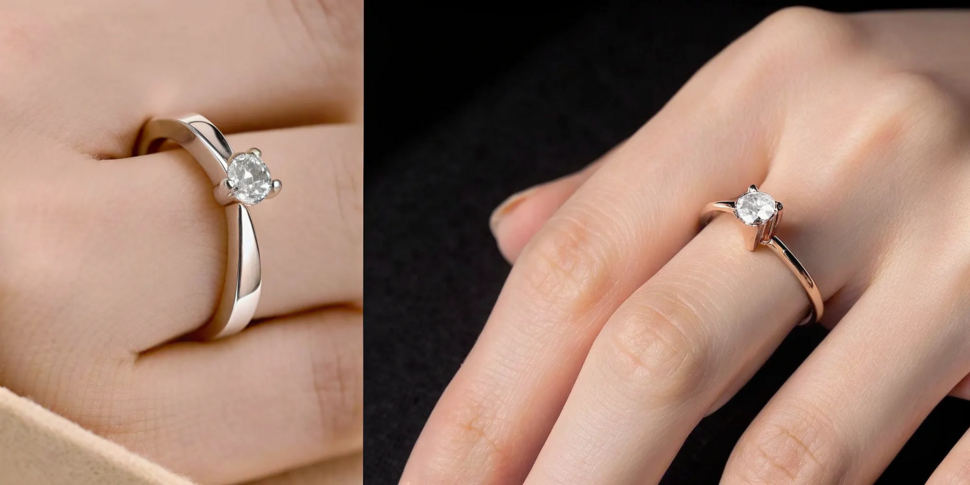
A ring is more than just an accessory; it’s a symbol of a story. A solitaire diamond ring, with its singular focus, beautifully represents a unique commitment and a personal journey. Every decision you make in creating it, from the shape of the diamond to the texture of the band, adds another layer to that story. It’s a chance to create a future heirloom that feels deeply personal and meaningful. This guide will help you understand all the elements that come together to create the perfect ring, empowering you to choose a piece that not only looks beautiful but also feels like a true reflection of you.
Key Takeaways
- Focus on the 4 Cs, not just carat weight: A diamond's brilliance comes from its cut, color, and clarity. Prioritizing an excellent cut is the best way to get a truly dazzling stone, while smart choices in color and clarity help you find a beautiful ring within your budget.
- Choose a setting that reflects your style and life: The band and metal are just as important as the diamond. Whether you prefer a classic prong setting in platinum or a modern bezel in gold, your choice should feel personal and be durable enough for your daily activities.
- Partner with a jeweler for confidence and long-term care: A trustworthy jeweler does more than make a sale; they provide expert guidance, transparent diamond certification, and essential services like professional inspections to protect your ring for years to come.
What Is a Solitaire Diamond Ring?
When you picture a classic engagement ring, you’re probably thinking of a solitaire. At its heart, a solitaire diamond ring is all about singular beauty. It features one, and only one, diamond. This single stone is typically set on a simple band, a design choice that lets the diamond command all the attention. There are no other gems or elaborate details to distract the eye; the focus is entirely on the stone's brilliance and fire.
This style is the definition of timeless elegance. It’s a confident choice that says the diamond itself is the main event. Whether it’s a brilliant round cut, a sleek emerald, or a romantic pear shape, the solitaire setting is designed to showcase that single stone to its absolute best advantage. It’s a versatile foundation that works with any style, making it a perfect starting point for building a beautiful bridal set or finding a stunning right-hand ring. The beauty of a solitaire lies in its simplicity, a quality that has made it a beloved choice for generations.
Why a Single Stone Makes a Statement
A solitaire setting is the ultimate minimalist frame for a beautiful diamond. By stripping away extra stones and distractions, it puts the spotlight squarely on the center diamond. This design choice allows you to appreciate every facet, the way it catches the light, and its unique character. It’s a powerful way to showcase a diamond’s brilliance and clarity without any competition. This focused approach makes a quiet but strong statement: the quality and beauty of this single stone are more than enough. It’s a classic for a reason, celebrating the pure, unadorned elegance of a diamond.
The Enduring Popularity of Solitaire Rings
Solitaire rings are often called "timeless classics," and it’s easy to see why. Their simple, beautiful design never goes out of style. This enduring appeal comes from their incredible versatility. A solitaire ring can feel modern, traditional, or even vintage, depending on the cut of the diamond and the style of the band. It pairs effortlessly with any type of wedding band, from a simple metal band to an ornate, diamond-encrusted one. This adaptability means it can reflect your personal style perfectly. Many of our designers put their own unique spin on this classic, ensuring it always feels fresh and relevant.
Busting Common Solitaire Myths
There are a few common myths about solitaire rings that can cause some confusion. One is that they are outdated, but nothing could be further from the truth. While the style is classic, it’s constantly being reinterpreted in fresh, modern ways. Another misconception is that a solitaire has to be a round diamond, but you can find them with any diamond shape you can imagine. People also sometimes believe that size is the only thing that matters, but the beauty of a solitaire truly lies in its simplicity and the quality of the stone, not just its carat weight. Finally, not all solitaires are wildly expensive; the price depends entirely on the diamond’s characteristics, meaning there’s a beautiful option for many different budgets.
Find the Perfect Setting for Your Solitaire
The diamond might be the star of the show, but the setting is the stage that makes it shine. Think of the setting as the personality of your ring. It’s what transforms a single stone into a piece of jewelry that feels uniquely you. From timeless and traditional to sleek and modern, the right setting not only secures your diamond but also defines the entire look and feel of your ring. Choosing a setting is about balancing your personal style with your daily life to find the perfect home for your solitaire diamond. Let's explore some of the most beautiful options to help you find your perfect match.
Classic Settings: Prong and Cathedral
When you picture a classic solitaire ring, you’re probably thinking of a prong setting. This is the most popular choice for a reason. It uses tiny metal claws to grip the diamond, lifting it high off the band to catch the most light. This placement maximizes the stone's brilliance and fire, creating that iconic sparkle. Most prong settings feature four or six prongs; four prongs show more of the diamond, while six offer a bit more security. A cathedral setting is a graceful variation where the prongs sweep up from the band, creating elegant arches that frame the diamond. Both are stunning, timeless choices for any of our bridal rings.
Modern Styles: Bezel and Tension
If your style leans more contemporary, a bezel or tension setting might be the perfect fit. A bezel setting encircles the diamond with a thin metal rim, creating a clean, modern frame. This style is incredibly secure and practical, making it a fantastic choice if you have an active lifestyle or work with your hands, as it protects the diamond's edges from chipping. A tension setting offers a more dramatic, artistic look. It uses the pressure of the band to hold the diamond in place, making the stone appear as if it’s floating. It’s a true conversation starter and a beautiful example of modern jewelry engineering from our favorite designers.
Vintage-Inspired and Mixed-Metal Designs
For those who love a touch of romance and history, a vintage-inspired setting is a beautiful way to honor the past. These designs often feature intricate details like milgrain (tiny metal beads), filigree (delicate metalwork), or hand engraving that add texture and character. These details give a solitaire ring a sense of story and heirloom quality. You can find gorgeous examples in our Vintage & Estate collection. Another way to add a personal touch is with mixed metals. Combining yellow or rose gold with platinum can create a warm, unique look that highlights both the diamond and the craftsmanship of the band.
How Your Setting Affects Your Diamond's Look and Safety
Your setting does more than just look pretty; it plays a crucial role in how your diamond appears and how well it’s protected. A setting that lifts the diamond, like a prong style, allows more light to enter, which can enhance its sparkle and even make it appear slightly larger. On the other hand, a lower-profile setting like a bezel provides maximum security, giving you peace of mind during daily wear. The right choice is all about what matters most to you. Consider your lifestyle and aesthetic to find a setting that not only showcases your diamond's beauty but also keeps it safe for a lifetime. If you're unsure, we can always help you explore options when you book an appointment.
How to Choose the Perfect Diamond
Picking the right diamond is the heart of creating your perfect solitaire ring. It can feel like a big task, but it’s really about understanding a few key elements and deciding what matters most to you. Think of it less like a test and more like a discovery process. We’ll walk through the famous 4 Cs, explore the beautiful variety of diamond shapes, and touch on the differences between natural and lab-grown stones. We'll also cover why a diamond certificate is your best friend in this process. With a little knowledge, you’ll feel confident choosing a stone that truly speaks to you and your story.
Decoding the 4 Cs: Cut, Color, Clarity, and Carat
The 4 Cs are the universal standard for judging a diamond’s quality. Understanding them helps you balance the characteristics you value most.
- Cut: This isn’t about the diamond’s shape, but how well its facets reflect light. A well-cut diamond will have incredible sparkle and fire, while a poorly cut one can appear dull. Many experts consider cut the most important factor.
- Color: This grade actually refers to the lack of color. Diamonds are graded on a scale from D (colorless) to Z (light yellow or brown).
- Clarity: This measures the absence of internal marks (inclusions) or external blemishes. The scale ranges from Flawless (F) to Included (I).
- Carat: This is the diamond’s weight, not its size. A well-proportioned cut can make a diamond appear larger than its carat weight suggests.
The Best Diamond Shapes for Solitaire Rings
A solitaire ring is defined by its single, stunning stone, which means you can choose any diamond shape you love. While the round brilliant is a timeless classic known for its unmatched sparkle, there are so many other beautiful options to reflect your personal style. An oval or pear shape can create an elegant, elongated look on the finger. For a more modern feel, a princess or emerald cut offers clean lines and a sophisticated presence. If you’re drawn to vintage charm, a cushion cut with its soft, rounded corners might be the perfect fit. Exploring different designer engagement rings can help you see how each shape creates a unique statement.
Natural vs. Lab-Grown: What's the Difference?
One of the biggest choices you’ll make is between a natural and a lab-grown diamond. Natural diamonds were formed deep within the earth over billions of years, making them a finite and traditional choice. Lab-grown diamonds are created using advanced technology that replicates the natural diamond-growing process. They are physically, chemically, and optically identical to their natural counterparts; you can’t tell the difference just by looking. The primary distinctions are their origin and price, as lab-grown diamonds are often more affordable. The right choice is completely personal and depends on your budget and values. Both are beautiful, real diamonds.
Why Diamond Certification Matters
Think of a diamond certificate as its official report card from an independent, expert source. This document, provided by a gemological lab like the Gemological Institute of America (GIA), provides an unbiased analysis of the diamond’s 4 Cs and confirms its identity. When you’re making a significant purchase, this certification is non-negotiable. It ensures the diamond you’re buying is exactly what the seller claims it is, giving you confidence and peace of mind. A reputable jeweler will always provide a certificate for their diamonds, as it’s a fundamental part of a transparent and trustworthy process. It’s the best way to protect your investment and guarantee your diamond’s quality.
How Much Does a Solitaire Diamond Ring Cost?
Let’s talk about the big question: what’s the price tag on a solitaire diamond ring? The truth is, there’s no single answer. The cost can vary widely, which gives you a lot of flexibility to find a beautiful ring that feels right for your finances. Instead of getting overwhelmed by the numbers, think of your budget as a starting point that helps guide your search. The final price depends on the unique characteristics of the diamond you choose and the setting that holds it. We’ll walk through the key factors that influence cost so you can feel confident in your decision.
Setting Your Budget
The price of a 1-carat diamond ring can range from around $2,000 to over $10,000. This wide spectrum is almost entirely due to the diamond's quality, specifically its cut, color, and clarity. Forget any outdated rules you’ve heard about spending a certain number of months’ salary. The right budget is the one you’re comfortable with. A great way to start is by exploring different options online and in-store to get a feel for what you love. From there, you can schedule a consultation with a trusted jeweler to discuss how to find the perfect ring within your price range.
What Influences the Final Price?
The value of a diamond is determined by four key characteristics known as the 4 Cs: Carat, Cut, Color, and Clarity. Each one plays a significant role in the final price. Carat refers to the diamond's weight, which affects its size. Color is graded on a scale from D (colorless) to Z (light yellow or brown), with colorless diamonds being the rarest and most valuable. Clarity measures the absence of internal and external flaws. Finally, Cut determines how well the diamond’s facets interact with light, creating that brilliant sparkle. A superior cut can make a diamond appear more dazzling and even larger. The metal and complexity of the setting in our bridal collection also contribute to the overall cost.
How to Get the Most for Your Money
You don’t need a flawless, colorless diamond to get a stunning ring. One of the best ways to maximize your budget is to focus on the factors that are most visible to the naked eye. For a solitaire, prioritizing the Cut is a smart move, as it has the biggest impact on a diamond’s sparkle. For color, a near-colorless diamond in the G-H range often provides the best value, appearing perfectly white in a setting. You can also consider a diamond with a slightly lower clarity grade, as long as any inclusions aren’t visible without magnification. Working with an expert can help you balance these elements to find a beautiful diamond that fits your style and budget perfectly.
Choose the Best Metal and Band
Once you’ve found your perfect diamond, the next step is choosing the metal and band that will hold it. This choice is just as important as the stone itself, as it defines the ring's overall character and feel. The band is the foundation of your ring’s design, and the metal sets the tone for the entire piece. Think of it as the frame for your work of art. It’s where your personal style truly gets to shine, whether you lean toward timeless tradition, modern minimalism, or something with a bit of vintage soul.
Your lifestyle also plays a big role here. Are you very active or do you work with your hands? Some metals are more durable than others. Do you have sensitive skin? Certain metals are hypoallergenic. We’ll walk through the most popular options for fine contemporary jewelry to help you find the perfect match for your diamond and your life. It’s all about creating a ring that feels completely, uniquely you.
Platinum, Gold, and More: Picking Your Metal
When it comes to metal, you have a few beautiful options, each with its own distinct personality. Platinum is a popular choice for its durability and naturally bright white sheen that won’t fade or change color. It’s also hypoallergenic, making it a great option for sensitive skin. Gold is a classic for a reason. It comes in several hues: yellow gold offers a traditional warmth, rose gold has a romantic, pinkish tone, and white gold provides a look similar to platinum at a different price point. Each metal brings out a different facet of your diamond’s beauty, so the right one is simply the one you love most.
Finding the Right Band Width and Style
The width and style of the band can dramatically change your ring's appearance. A delicate, thin band tends to make the center stone look larger and more prominent, offering a classic and elegant feel. A wider band creates a bolder, more substantial look and can provide a bit more durability for an active lifestyle. Beyond width, you can explore different styles. A simple, smooth band is timeless, while details like a knife-edge profile can add a modern touch. For those who love pieces with history, our vintage and estate collection showcases how intricate details can create a truly one-of-a-kind ring.
How Metal Color Changes Your Diamond's Look
The color of the metal you choose has a surprising impact on how your diamond appears. A yellow or rose gold setting can create a beautiful contrast, making a colorless diamond pop while adding a warm, soft glow to the stone. These warmer metals can also make a diamond with a slight yellow tint appear whiter. On the other hand, platinum and white gold create a cool, seamless backdrop that enhances a diamond's icy brilliance and emphasizes its lack of color. The right metal can truly amplify your diamond’s best qualities, which is why our featured designers so thoughtfully pair specific stones with complementary metals.
Find a Jeweler You Trust
Choosing a solitaire diamond ring is a deeply personal process, and the jeweler you work with can make all the difference. Think of them as your guide. You want someone who listens to your story, understands your style, and helps you find a piece that feels like it was made just for you. A great jeweler doesn't just sell you a ring; they share their expertise, answer your questions with patience, and make the entire experience feel special and exciting. Finding that connection is just as important as finding the perfect diamond.
Signs of a Great Jeweler
A reputable jeweler creates a welcoming atmosphere where you feel comfortable asking questions. Look for a business with a strong local reputation and positive customer reviews. The Gemological Institute of America (GIA) advises you to "pick a reputable jeweler who is knowledgeable" and can give you the details you need to feel confident in your choice. A curated collection from unique designers is also a great sign, as it shows they have a distinct point of view and a commitment to craftsmanship. They should be transparent, passionate, and focused on helping you find the right fit, not just making a sale.
Key Questions to Ask Before You Buy
Before you commit, it’s important to have a clear conversation with your jeweler. Don’t be shy about asking for details, especially about the diamond itself. A key piece of information is the diamond's certificate, which is an unbiased report of its quality. As jewelry experts at Austen Blake note, "the certificate is every bit as important as the stone itself." Ask to see the certification and have the jeweler walk you through what it means. You can also ask about the diamond's origin, what makes it unique, and why they recommend it for the specific setting you love.
Understanding Warranties, Returns, and Insurance
A solitaire diamond ring is a significant investment, so it’s smart to understand the policies that protect it. Ask your jeweler about their warranty, what it covers, and if they have a return or exchange policy. As Gabriel & Co. points out, considering the "overall quality" of your purchase includes these protections. Many jewelers also offer cleaning and inspection services to ensure your ring stays in beautiful condition. It’s also a good idea to get your ring insured. Your jeweler can often provide an appraisal document that you’ll need to set up a policy with your insurance provider.
Match Your Ring to Your Lifestyle
Your ring should complement your life, so think about your daily activities when making your choice. Are you very active or do you work with your hands? A lower-profile bezel setting might be a better fit than a high-set prong. The durability of your ring is key, and so is its care. For instance, Diamond Rensu advises against using harsh scrubbers on delicate settings. A good jeweler will ask about your lifestyle and help you choose a setting and metal that can stand up to your daily routine while still reflecting your personal style. You can always book an appointment to discuss these options in person.
How to Care for Your Solitaire Ring
Your solitaire diamond ring is more than just a piece of jewelry; it’s a symbol of a special moment and a future heirloom. To keep it looking as brilliant as the day you first saw it, a little regular care is all it takes. Proper cleaning, professional check-ups, and smart storage will protect your investment and ensure its sparkle lasts a lifetime. Think of it not as a chore, but as a simple ritual to honor a piece you love.
Simple Tips for Daily Care and Cleaning
Daily life can take a toll on your ring’s sparkle. Lotions, soaps, and natural skin oils can create a film on your diamond, making it appear dull. To keep it shining, aim to clean your ring about once a week. You don’t need any fancy solutions, just a simple at-home bath. Mix a few drops of mild dish soap with warm water and let your ring soak for about 20 minutes. Then, gently scrub the diamond and setting with a soft-bristled toothbrush. Rinse it under warm running water and pat it dry with a soft, lint-free cloth. This easy routine will keep your diamond catching the light beautifully.
The Importance of Professional Check-ups
While home cleanings are great for maintaining surface sparkle, think of a professional cleaning as a deep-clean and a check-up in one. We recommend bringing your ring in at least once a year. A jeweler can professionally clean your ring, but more importantly, they will inspect the prongs and setting to make sure your diamond is secure. Over time, prongs can loosen from everyday bumps and snags, and catching this early can prevent a devastating loss. You can easily book an appointment with us to have your ring inspected and restored to its original, dazzling glory. It’s the best way to ensure your cherished piece remains safe and sound.
How to Store Your Ring Safely
When you’re not wearing your ring, where you keep it matters. Diamonds are one of the hardest substances on earth, which means they can easily scratch other jewelry. To prevent this, store your ring in a fabric-lined jewelry box with separate compartments or in a soft pouch. It’s also wise to remove your ring before doing certain activities. Take it off before working out, doing household chores with harsh chemicals, swimming in a pool, or gardening. These precautions protect your ring from accidental impacts and exposure to chemicals that could damage the metal over time. Proper storage is a simple habit that preserves all your beautiful jewelry pieces.
Related Articles
- diamond solitaire - Element 79 Contemporary Jewelry
- Solitaire Ring - Element 79 Contemporary Jewelry
- The Ultimate Guide to Designer Engagement Rings - Element 79 Contemporary Jewelry
Frequently Asked Questions
Is a solitaire ring too simple or boring? Not at all. Think of a solitaire's simplicity as its greatest strength. It’s a beautiful, clean canvas that you can personalize to perfectly match your style. The character of the ring comes from the details you choose: the shape of the diamond, the style of the setting, and the width and color of the band. A sleek bezel setting with an emerald-cut diamond feels incredibly modern, while a classic round brilliant in a six-prong yellow gold setting is timeless. The beauty is in the combination of these elements, which makes your ring anything but boring.
I have a very active lifestyle. Is a solitaire a practical choice for me? Yes, a solitaire can be an excellent and practical choice, even if you're always on the go. The key is to choose a secure setting. A bezel setting, which wraps a thin metal rim completely around the diamond, offers the most protection and has a smooth profile that won't snag. If you love the look of prongs, consider a setting with six prongs instead of four, or one that holds the diamond lower to the band. These choices give you that classic solitaire look with extra peace of mind.
How can I make my diamond look as big and sparkly as possible? If you want to maximize your diamond's visual impact, focus on its cut above all else. A well-cut diamond reflects light beautifully, which creates intense sparkle and can make it appear larger than its carat weight. The setting also plays a big role. A delicate, thinner band creates a contrast that makes the center stone look more prominent. Similarly, a classic prong setting that lifts the diamond up allows more light to enter from all sides, enhancing its brilliance.
Should I choose a natural or a lab-grown diamond? This is a completely personal decision, and there is no wrong answer. Natural and lab-grown diamonds are optically and chemically identical; you simply cannot tell them apart by looking at them. The choice comes down to what you value most. If you are drawn to the romance and rarity of a stone created over billions of years in the earth, a natural diamond is a beautiful choice. If you prioritize getting a larger or higher-quality stone for your budget and are comfortable with a diamond created with modern technology, a lab-grown diamond is a fantastic option.
There's so much to consider. What's the first step I should take? The best way to start is by simply looking at different rings to discover what you love. Browse online and save images of styles that catch your eye. Do you prefer clean, modern lines or romantic, vintage details? Do you like the warmth of yellow gold or the cool tone of platinum? Once you have a general idea of your aesthetic, the next step is to see them in person. Trying on different rings is the only way to know how a shape or style will look on your own hand.
Recent articles
View all
Brooke's Holiday Favorites - 2025

Holly's Holiday Favorites - 2025