

The Ultimate Buyer's Guide to an Emerald Ring
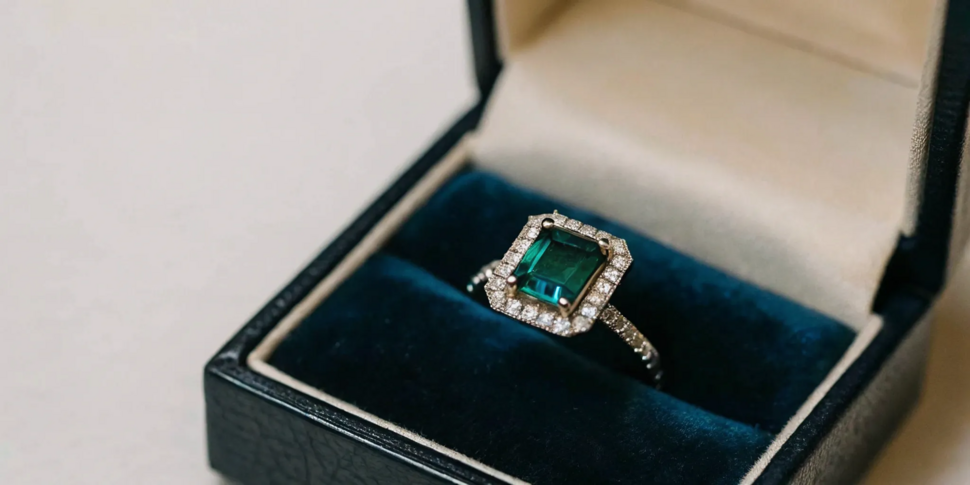
There’s a reason why so many modern designers and style-conscious individuals are drawn to the vibrant beauty of emeralds. An emerald ring is a statement of personal style, a departure from the expected that feels both bold and elegant. Its rich green hue pairs beautifully with any metal, from warm yellow gold to cool platinum, and it shines in settings that range from minimalist and modern to intricate and vintage-inspired. Whether you’re looking for an engagement ring that tells a unique love story or a right-hand ring that celebrates you, the emerald offers endless possibilities. In this guide, we’ll explore the exciting world of contemporary emerald jewelry, helping you find a piece that truly reflects who you are.
Key Takeaways
- Look for vibrant color, not flawlessness: An emerald's quality is defined by its rich green hue, not the absence of inclusions. These natural markings, called a jardin, give each stone a unique character and story.
- Treatments are normal, so transparency is key: Since nearly all emeralds are treated to improve clarity, this is not a red flag. Instead, look for a jeweler who is upfront about treatments and provides a certificate to confirm the stone's details.
- Practice gentle, consistent care: Clean your emerald at home with mild soap and warm water, never with harsh chemicals or ultrasonic cleaners. To prevent damage, remove your ring during strenuous activities or when using lotions and perfumes.
Why Choose an Emerald Ring?
Choosing a ring is a deeply personal decision, and an emerald offers a unique blend of vibrant beauty, rich history, and profound meaning. Unlike more traditional stones, an emerald makes a statement with its lush, green hue that feels both timeless and refreshingly modern. It’s a gem that has been cherished for centuries, not just for its appearance but for the stories and symbolism it carries. Whether you’re marking a special milestone or simply treating yourself to a piece of wearable art, an emerald ring is a choice that speaks to individuality and a love for the extraordinary. It’s a way to carry a piece of nature’s magic with you every day.
What Makes Emeralds So Captivating?
There’s something truly magnetic about an emerald. Its signature green color, ranging from a light, spring-like shade to a deep, velvety forest green, is unlike any other gemstone. This vibrant hue has captivated people for millennia; even Cleopatra was famously enchanted by them. The color itself is often associated with life, renewal, and healing, making it feel incredibly positive and alive. An emerald’s natural inclusions, known as its jardin (or garden), mean that no two stones are exactly alike. Each one has a unique internal landscape, giving your jewelry a character and soul that is entirely its own.
Why Emeralds Are a Perfect Choice for Rings
If you're looking for a ring that tells a story of love and new beginnings, an emerald is a beautiful choice. It’s a stunning alternative to a traditional diamond for an engagement ring, symbolizing a love that is vibrant, growing, and full of life. As the birthstone for May, it’s also a wonderfully personal gift for someone special. Emeralds are perfect for promise rings, anniversary bands, or any piece meant to celebrate a significant moment. Choosing an emerald for your bridal set means selecting a stone that represents a fresh start and a flourishing future together.
The Symbolism Behind the Stone
Beyond its stunning looks, the emerald carries a rich history of symbolism. Often called the “Stone of Successful Love,” it’s believed to open and nurture the heart. For centuries, it has been associated with good fortune, fertility, and deep, faithful love, making it a powerful emblem for a meaningful relationship. It’s even the traditional gift for a 55th wedding anniversary, a testament to its connection with enduring partnership. When you wear an emerald, you’re not just wearing a beautiful gem; you’re carrying a talisman of love and growth, interpreted beautifully by our talented designers.
What Are Your Emerald Ring Options?
Once you’ve decided on an emerald, the fun part begins: choosing a ring that feels like it was made just for you. The world of emerald rings is incredibly diverse, offering everything from sleek, modern designs to intricate vintage pieces. You’ll also have choices when it comes to the stone itself, including whether to go with a natural or lab-grown emerald. Understanding your options is the first step toward finding a ring you’ll love for a lifetime. Let’s walk through the key decisions you’ll make to find your perfect match.
Natural vs. Lab-Grown Emeralds
One of the first choices you’ll encounter is between a natural and a lab-grown emerald. Lab-grown emeralds are chemically and visually identical to their natural counterparts, offering the same stunning green hue. They are a fantastic option if you’re looking for a more affordable or environmentally conscious choice. Natural emeralds, on the other hand, are formed deep within the earth over millions of years. Their rarity is part of their allure, and a high-quality natural emerald can be even more valuable than a diamond. Neither choice is better than the other; it simply comes down to your personal priorities and what you value most in a piece of jewelry.
Explore Popular Styles and Settings
The style of your ring says a lot about you, and there are so many beautiful options to consider. The emerald cut, with its long, rectangular shape and stepped facets, is a timeless choice that highlights the gem’s clarity and color. For the metal, white gold and rose gold are popular pairings that create a beautiful contrast with the emerald’s green. The setting you choose can completely change the ring’s personality, whether you prefer a simple solitaire that lets the emerald shine or a halo setting that adds extra sparkle. Our bridal collection features a wide range of styles to help you find what you love.
Discover Modern Emerald Ring Designs
If you’re drawn to unique and contemporary styles, you’re in luck. Modern emerald ring trends are all about personal expression, blending classic elements with fresh, creative details. We’re seeing a lot of asymmetrical designs, east-west settings (where the emerald is set horizontally), and mixed-metal bands. Many of our featured designers are at the forefront of these trends, crafting rings that feel both current and timeless. The growing popularity of lab-grown stones has also opened up new design possibilities, allowing for larger, high-clarity emeralds in bold, artistic settings that truly make a statement.
The Charm of Vintage and Estate Pieces
There’s something truly special about a ring with a history. Our Vintage & Estate collection is filled with one-of-a-kind emerald rings that have been loved for generations. Contrary to a common myth, emeralds are quite durable and make wonderful engagement rings that can be worn every day. These gems have been cherished throughout history, famously adored by figures like Cleopatra for their vibrant color. Choosing a vintage piece means you’re not just getting a beautiful ring; you’re becoming part of a story that stretches back through time, giving your jewelry a soul that’s impossible to replicate.
How to Select the Perfect Emerald Ring
Choosing an emerald ring is an exciting process, but it can feel like there’s a lot to learn. Don’t worry, I’m here to walk you through it. By focusing on a few key areas, you can confidently find a ring that you’ll love for years to come. It’s all about understanding what makes an emerald special and then matching that with your personal style. Let's get started.
What Determines an Emerald's Quality?
When you’re looking at emeralds, their quality and price come down to four main factors: color, clarity, cut, and carat weight. Of these, color is the most important. You’re looking for a bright, vivid green that really speaks to you. Unlike diamonds, most emeralds have natural inclusions, which are tiny imperfections inside the stone. In the jewelry world, these are often called a jardin (French for garden), and they can add unique character. An emerald with too many inclusions might be less valuable, but a stone with none is incredibly rare. It’s also good to know that nearly all emeralds receive an oil or resin treatment to improve their clarity, which is a standard industry practice.
How to Judge Color and Clarity
Let your eyes be the judge. The first thing you should look for in an emerald is a rich, vibrant green color. A high-quality stone will have a consistent hue, so watch out for any that look too dull, overly bright, or have patchy coloration. While you want good clarity, remember that the jardin is part of an emerald’s natural charm. These inclusions are like fingerprints, making each stone one-of-a-kind. The goal is to find a beautiful balance where the inclusions don’t take away from the stone’s overall brilliance and color. Trust your instincts; the right stone will capture your attention immediately.
Choose Your Ideal Metal and Size
The metal you choose for the band sets the tone for the entire ring. Yellow gold offers a warm, classic look that beautifully contrasts with the cool green of an emerald. For a more modern and sleek feel, you might prefer white gold or platinum. And if you’re drawn to romantic, vintage-inspired styles, rose gold provides a soft, warm glow. Think about the jewelry you already wear and what feels most like you. The metal should not only complement the emerald but also fit seamlessly into your personal style.
Find a Style That's Uniquely You
This is where you can really let your personality shine. Emeralds look stunning in a variety of cuts, from classic emerald and oval shapes to more modern pear cuts. The setting style also makes a huge impact. A solitaire setting is timeless and puts all the focus on the stone itself. A pavé band adds extra sparkle, while a three-stone setting can carry symbolic meaning. Whether you’re looking for engagement rings or a special right-hand ring, there’s a style that will perfectly capture what you want to express.
What Will an Emerald Ring Cost?
Figuring out the price of an emerald ring can feel a bit like a mystery, but it doesn't have to be. The cost can vary widely, but once you understand the key factors that determine an emerald's value, you'll feel much more confident in your search. From the stone's unique characteristics to common industry practices, several elements come together to form the final price tag. Let's break down what you need to know so you can find a beautiful emerald ring that fits your budget and your style.
Common Myths About Emerald Pricing
One of the biggest misconceptions about emeralds is that they are too soft for everyday wear. You might have heard this and worried about their durability, but it’s simply not true. On the Mohs scale of hardness, emeralds score a solid 7.5 to 8. This makes them more resistant to scratching than many other popular gemstones, including quartz, garnet, and peridot. While they do require mindful wear to avoid hard knocks, their strength makes them a wonderful and lasting choice for a piece of fine jewelry you’ll treasure for years.
What Affects the Price of an Emerald Ring?
Just like diamonds, the price of an emerald is determined by its unique qualities. The most important factors are color, clarity, cut, and carat weight. An emerald's price can range from as little as $10 per carat to over $100,000 per carat for the most exceptional stones. This incredible range is due to the vast differences in quality. A vibrant, clear emerald will always command a higher price than one that is pale or has many visible inclusions. This means there’s an emerald out there for almost every budget, whether you’re looking for a delicate ring or a show-stopping bridal piece.
How Treatments Impact an Emerald's Value
It’s important to know that about 99% of emeralds on the market are treated with oil or resin. This is a standard and widely accepted practice in the jewelry industry to improve the stone's clarity by filling in tiny surface-reaching fissures. Because this process is so common, it doesn't negatively affect the stone's value in the way you might think. In fact, completely untreated emeralds are incredibly rare and significantly more expensive. When you see a beautiful, clear emerald, it has likely undergone this enhancement, which makes its beauty more accessible.
Set a Budget for Your Ring
When you start shopping for an emerald, it’s helpful to prioritize what matters most to you. Experts recommend focusing on color first, as the rich, vibrant green is the emerald's most celebrated feature. After color, consider its clarity, cut, and finally, its carat weight. A smaller stone with magnificent color can be more stunning than a larger, paler one. For example, a treated 1-carat emerald might cost around $200 to $250, while a natural, untreated one of the same size could be $500 to $800, even with more visible flaws. To explore your options in person, you can always book an appointment to find the perfect emerald for your budget.
Where to Find Your Emerald Ring
Finding the right emerald ring is just as much about finding the right jeweler as it is about finding the right stone. You want a partner you can trust, someone who understands the nuances of these beautiful gems and is transparent about their quality and origins. This is a significant purchase, and feeling confident and supported throughout the process is key. Let’s walk through how to find a great jeweler and what to look for so you can make a choice you’ll love for a lifetime.
How to Find a Trusted Jeweler
Start by looking for a jeweler with a strong reputation and a clear point of view. A great jeweler doesn’t just sell jewelry; they curate it. They should be passionate about their pieces and the stories behind them. Look for someone who showcases a thoughtful collection from various designers and can speak to the unique qualities of each piece. The best experience comes from a relaxed environment where you feel comfortable asking questions. Don’t hesitate to book an appointment to get personalized attention and find a professional who is genuinely invested in helping you find the perfect ring.
The Importance of Certification
Think of a gemological certificate as your emerald’s official report card. For a valuable stone, this isn't just a nice-to-have, it's a necessity. A certificate from a reputable lab like the GIA (Gemological Institute of America) provides an unbiased assessment of the emerald's characteristics, including its origin, size, and any treatments it has received. Since high-quality emeralds can be rarer than diamonds, this documentation is crucial for verifying its authenticity and value. An honest jeweler will always provide this paperwork and be happy to walk you through what it means.
Key Questions to Ask Before You Buy
Once you’ve found a ring you love, it’s time to get specific. Asking the right questions will give you a complete picture of what you’re buying. Start with treatments. Ask, "Has this emerald been treated with oils or resins?" This is a standard practice, but you should know the extent. Also, ask about care. A good follow-up is, "How should I clean this ring at home?" For instance, treated emeralds should never go in an ultrasonic cleaner, as it can damage the filler. Finally, ask about the designer and the story behind the piece to connect more deeply with your choice.
Shopping Red Flags to Watch For
Your intuition is a powerful tool, so listen to it. A major red flag is any kind of high-pressure sales tactic. You should never feel rushed into making a decision. Another warning sign is a lack of transparency. If a jeweler is vague about treatments or can't provide a certificate, it's best to walk away. Be wary of prices that seem too good to be true, as they often are. A trustworthy jeweler will be upfront about everything, empowering you to buy with confidence and ensuring you feel completely secure in your investment.
How to Care for Your Emerald Ring
An emerald ring is a stunning piece of jewelry meant to be worn and loved. While emeralds are strong enough for everyday wear, they have unique characteristics that require a little extra attention. Unlike diamonds, most emeralds have natural inclusions, sometimes called a "jardin" (French for garden), which make each stone unique but also more delicate. Understanding how to properly care for your ring will ensure its vibrant green color and sparkle last a lifetime. With a few simple habits, you can keep your emerald looking as brilliant as the day you got it.
Tips for Daily Wear
Emeralds are a beautiful choice for any ring, especially one that marks a special milestone. Their deep green hue symbolizes love and new beginnings, making them a meaningful option for an engagement ring. To protect your stone, it’s best to remove your ring before activities that could expose it to harsh chemicals or hard impacts. Think of it as a "last on, first off" rule. Put your ring on after you've applied lotions, perfumes, or hairspray. Take it off before you work out, garden, do dishes, or shower. This simple routine helps prevent accidental chips and protects the emerald from residue buildup that can dull its shine.
How to Safely Clean Your Emerald
You can easily clean your emerald ring at home to keep it sparkling. The best method is also the gentlest. Simply fill a small bowl with warm water and a few drops of mild dish soap. Let your ring soak for a few minutes, then use a very soft toothbrush to gently scrub behind the stone and around the setting. Avoid vigorous scrubbing. Rinse the ring under warm running water and pat it dry with a soft, lint-free cloth. It’s crucial to avoid harsh chemical cleaners, steamers, and ultrasonic cleaning machines, as they can damage the emerald or strip away the oils used to enhance its clarity.
Common Care Mistakes to Avoid
One of the biggest myths about emeralds is that they are too fragile for rings. While they are a 7.5 to 8 on the Mohs hardness scale, their natural inclusions can make them brittle. A common mistake is storing your emerald ring with harder gemstones, like diamonds, which can easily scratch its surface. Always keep your ring in a separate soft pouch or in a lined jewelry box. Another mistake is exposing it to sudden, extreme temperature changes, like going from a hot tub into cool air, which can cause fractures. By avoiding these pitfalls, you can protect the integrity of your beautiful vintage and estate jewelry for years to come.
When to See a Professional for Maintenance
While at-home cleaning is great for surface-level shine, your emerald ring benefits from an annual professional check-up. Most emeralds are treated with oils or resins to fill tiny surface-reaching fractures and improve their clarity. This treatment can wear away over time, so a jeweler may need to re-oil the stone to restore its luster. A professional can also inspect the prongs and setting to ensure your emerald is secure. Think of it as a yearly wellness visit for your most treasured piece. We recommend you book an appointment to have your jewelry professionally cleaned and inspected, giving you peace of mind.
Related Articles
- Emerald Ring - Element 79 Contemporary Jewelry
- Emerald Diamond Tiered Step Ring - Element 79 Contemporary Jewelry
- The Ultimate Guide to Emerald and Diamond Toi et Moi - Element 79 Contemporary Jewelry
Frequently Asked Questions
Are emeralds durable enough for an engagement ring I'll wear every day? Absolutely. Emeralds are quite strong, rating a 7.5 to 8 on the Mohs scale of hardness. This means they are more than capable of handling daily life. The key is to be mindful, not fearful. You'll want to take your ring off before activities like working out, gardening, or doing dishes. By following a simple "last on, first off" routine, you can easily protect your ring and keep it safe for a lifetime of wear.
Should I choose a natural or a lab-grown emerald? This is a wonderful question, and the best answer comes down to your personal priorities. A natural emerald carries the story of its formation deep within the earth, and its rarity is part of its magic. A lab-grown emerald is chemically and visually identical, often with fewer inclusions, and is a great choice if you're looking for a more accessible price point. Neither is better than the other; it's simply about choosing the story that resonates most with you.
How can I find a beautiful emerald ring without a huge budget? You can definitely find a stunning emerald ring that fits your budget by focusing on what matters most: color. An emerald's vibrant, rich green hue is its most captivating feature. Prioritizing a beautiful color over a larger carat size will always give you a more impressive ring. A smaller stone with magnificent color will have a much greater impact than a larger one that looks pale or washed out.
Are the inclusions, or jardin, in an emerald a bad thing? Not at all. In fact, they are part of what makes an emerald so special. These natural characteristics, known as the jardin (or garden), are like a unique fingerprint for your stone. They tell the story of the gem's formation and ensure that no two emeralds are exactly alike. While you want to avoid large inclusions that affect the stone's structure, a beautiful internal landscape is a celebrated feature that gives your ring its own soul.
What's the most important thing to remember when cleaning my emerald ring? The most critical rule for cleaning an emerald is to be gentle. A simple soak in warm water with a little mild dish soap, followed by a light scrub with a very soft toothbrush, is all you need. It's equally important to remember what to avoid. Never use ultrasonic cleaners, steamers, or harsh chemicals, as these can damage the standard treatments that give most emeralds their beautiful clarity.
Recent articles
View all
Brooke's Holiday Favorites - 2025

Holly's Holiday Favorites - 2025