

The Pros & Cons of a Channel Set Wedding Band
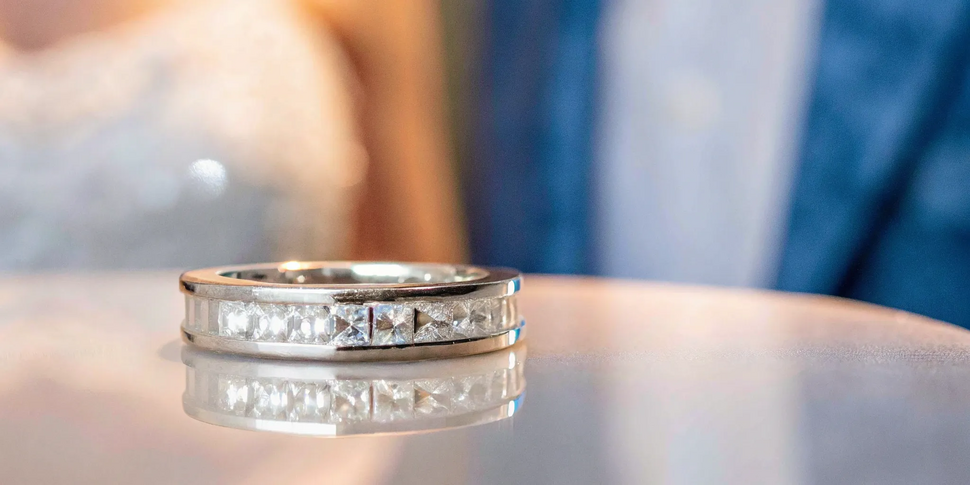
A wedding band is more than just a piece of jewelry; it’s a daily symbol of your commitment, a circle with no beginning and no end. The way the stones are set can add another layer of meaning to that story. The channel set wedding band, with its diamonds held securely side-by-side in a continuous, protected line, beautifully represents strength and unity. It’s a design that speaks to a partnership where each element supports the next, creating something stronger and more brilliant together. This guide will explore every facet of this meaningful style. We’ll cover the practical benefits of its secure design, but we’ll also delve into the artistry and symbolism that make it such a powerful choice for representing your love story.
Key Takeaways
- A channel setting is incredibly secure and practical: The smooth metal walls protect your diamonds from bumps and create a snag-free design, making it a perfect choice for everyday wear and active lifestyles.
- Prioritize a perfect fit and regular cleaning: Getting your ring size right from the start is crucial, as resizing a channel band can be complex. Plan on simple, regular cleanings at home to keep the stones sparkling and free of debris.
- This style is a canvas for your personality: A channel set band is highly versatile and can be customized with different metals, unique diamond shapes like princess or baguette cuts, or used as a sleek foundation for a modern ring stack.
What Is a Channel Set Wedding Band?
If you love a clean, modern look, the channel set wedding band might be your perfect match. This setting style is exactly what it sounds like: a row of diamonds or other gemstones is set into a "channel" or groove that has been cut into the metal of the band. Instead of prongs holding each stone, the stones are nestled securely side-by-side, held in place by the two walls of metal on either side. This creates a smooth, continuous line of sparkle that’s both elegant and incredibly secure.
The result is a sleek and sophisticated design that won't snag on your clothes, making it a practical choice for everyday wear. The metal forms a protective wall around the sides of the diamonds, shielding them from chips and knocks. This secure and streamlined style is a popular choice for wedding bands and anniversary rings, offering a beautiful balance of brilliance and durability. It’s a timeless design that pairs well with a wide range of engagement ring styles, from classic solitaires to more intricate vintage pieces. Because the stones are so well-protected, it's an excellent option for anyone with an active lifestyle or who works with their hands. The uninterrupted flow of gems gives the ring a substantial, polished feel that speaks to understated luxury.
A Closer Look: How Channel Settings Work
So, how do jewelers create that seamless flow of diamonds? It starts with precision. A skilled artisan carves a channel into the ring's band, creating a perfect seat for the gemstones. The stones are then carefully placed into the channel, fitting snugly against one another. The top edges of the channel walls are then hammered and pushed over the edges of the stones, locking them securely in place. This meticulous process ensures there’s no metal between the stones, which is what gives channel settings their signature fluid look. While this design is exceptionally secure, it’s worth noting that it can trap dirt more easily than other settings, so it requires a bit more effort to clean. Resizing can also be more complex, as it risks damaging the alignment of the channel.
Channel vs. Prong vs. Pavé: What's the Difference?
When you’re exploring different jewelry settings, it’s easy to get the terms mixed up. Here’s a simple breakdown of how channel settings compare to two other popular styles: prong and pavé.
A prong setting uses tiny metal claws to hold a gemstone in place. This is the most common setting for engagement ring center stones because it lifts the diamond up, allowing maximum light to enter and create sparkle. Unlike the protected channel setting, prongs can sometimes snag on fabric.
A pavé setting (from the French word for "paved") features many tiny diamonds set very close together, held by minuscule metal beads. This technique makes the metal surface seem to disappear, creating an unbroken surface of glitter. While both channel and pavé settings feature a continuous line of diamonds, the channel setting offers a more defined, linear look with its visible metal walls.
The Pros and Cons of Channel Set Wedding Bands
Choosing a wedding band is a big decision, and the setting style plays a huge role in the ring's look, feel, and durability. Channel settings are a popular and timeless choice, but like any design, they come with their own set of advantages and considerations. Understanding these points will help you decide if this sleek, secure style is the right fit for your life and your personal taste. Let’s walk through the key pros and cons to help you make a choice you’ll love for years to come.
The Pros: Secure, Sleek, and Snag-Free
One of the biggest draws of a channel set band is its incredible durability. The diamonds are nestled between two walls of metal, protecting them from accidental bumps and knocks. This makes it a fantastic option if you have an active lifestyle or work with your hands. Beyond being secure, this setting is completely snag-free. With no prongs to catch on your favorite sweater or your hair, it’s as practical as it is beautiful. The design creates a clean, continuous ribbon of sparkle for a look that is both modern and elegant, pairing beautifully with a wide range of bridal styles.
The Cons: Sizing, Sparkle, and Upkeep
While channel settings are wonderfully secure, they do have a few things to keep in mind. Resizing can be tricky, especially for full eternity bands where the diamonds go all the way around. Adjusting the size can compromise the integrity of the channel and risk loosening the stones, so getting the size right from the start is key. You might also notice that the diamonds in a channel setting have a different kind of brilliance. Because they are set lower and enclosed on two sides, they don't capture light from all angles like a prong-set stone. Finally, the channels can sometimes trap dirt and lotion, so they require regular cleaning to stay bright.
Debunking Common Myths About Channel Settings
There are a few common misconceptions about channel settings that are worth clearing up. Some people believe the style looks dated, but it’s truly a timeless classic that can feel modern or traditional depending on the design. Another myth is that the diamonds lack sparkle. While the light play is different from a prong setting, a well-crafted channel band with high-quality diamonds offers a stunning, uninterrupted flow of brilliance. The most important factor is craftsmanship. A band from one of our expert designers ensures the setting is perfectly constructed, making it one of the most secure ways to set your stones and guaranteeing a beautiful finish.
Exploring Channel Set Wedding Band Styles
One of the best things about a channel set wedding band is its incredible versatility. While the core concept—stones set securely between two walls of metal—is straightforward, the design possibilities are nearly endless. This is where you can really let your personal style shine through. From the metal you choose to the shape of the diamonds, every detail contributes to a ring that feels uniquely yours. Whether you’re drawn to a classic, uniform look or want to create a dynamic, textured stack, the channel setting provides a perfect foundation. It’s a style that can be both timeless and completely modern, depending on how you approach it.
Let’s walk through the different elements you can customize to create a channel set band that you’ll love for a lifetime. Think of this as your guide to building the perfect ring, piece by piece. We’ll cover everything from metal types and diamond shapes to styling tips that will help you pair your new band with your engagement ring and other favorite jewelry. The beauty of this setting is how it balances security with style, giving you a durable ring that doesn't compromise on elegance. It's a canvas for your creativity, allowing you to select elements that tell your personal story. This section will help you understand all your options so you can feel confident in designing or choosing a band that you'll be excited to wear every single day.
Choosing Your Metal: From Platinum to Rose Gold
The metal you choose for your wedding band does more than just hold the diamonds in place; it sets the entire tone for the ring. The two parallel walls of the channel are prominent, so the metal’s color and finish are key parts of the design. Platinum and white gold offer a bright, sleek backdrop that makes diamonds appear extra white and brilliant. For a warmer, more classic feel, yellow gold creates a beautiful contrast that highlights the metallic channels themselves. And if you’re looking for something romantic and contemporary, rose gold provides a soft, warm glow that complements every skin tone. Each option in our bridal collection offers a different personality, so consider which metal best reflects your style.
Beyond the Round Brilliant: Diamond Shapes and Gemstones
While round brilliant diamonds are a timeless choice for channel set bands, they are far from your only option. Because the stones are set edge-to-edge, certain shapes create a uniquely seamless effect. Square (princess) or rectangular (baguette) diamonds fit together perfectly within the channel, leaving no gaps and forming a clean, uninterrupted ribbon of light. This creates a very modern and architectural look. If you prefer a softer feel, oval or marquise diamonds can also be set in a channel, offering a more organic and less traditional style. Don’t be afraid to think outside the diamond box, either—a channel of sapphires, rubies, or emeralds can add a stunning and personal pop of color.
Full vs. Half Eternity: Which Style Is Right for You?
When choosing your band, you’ll often see the terms "full eternity" and "half eternity." A full eternity band features diamonds that go all the way around the ring, offering continuous sparkle from every angle. It’s a truly luxurious look, but it can be more difficult to resize and some people find the diamonds on the palm-side of the ring uncomfortable for daily wear. A half eternity band, with diamonds set across only the top portion of the ring, is a more practical and often more affordable choice. The solid metal base makes it comfortable and easy to resize, while still giving you that beautiful, diamond-forward look. The right choice really comes down to your lifestyle and personal preference.
How to Style Your Band: Mixing Metals and Creating Stacks
Your wedding band doesn’t have to live in a vacuum. In fact, it’s the perfect piece to start a signature ring stack. A channel set band is a fantastic anchor for stacking because its secure, snag-free design plays well with others. You can pair it with your engagement ring, of course, but also with other bands of varying textures and widths. Consider mixing metals for a modern look—a yellow gold channel band looks incredible next to a platinum engagement ring. Many of our designers create bands with unique finishes like brushed, matte, or hammered textures that add another layer of personality. A channel set band provides a clean line that can ground a more eclectic stack, making it the ultimate team player.
Understanding the Cost of a Channel Set Band
When you’re choosing a wedding band, the price is always part of the conversation. With channel set bands, the final cost comes down to a beautiful blend of materials and artistry. Unlike a simple metal band, you’re not just paying for the gold or platinum; you’re investing in the skilled craftsmanship required to create that seamless row of sparkling stones. The price reflects the quality of the diamonds or gemstones, the precious metal you choose, and the time a jeweler spends meticulously setting each stone into its secure channel.
Think of it as two key components working together: the inherent value of the materials and the expert labor that transforms them into a piece you’ll wear for a lifetime. A band with larger, higher-quality diamonds set in platinum will naturally have a higher price point than one with smaller stones set in 14k gold. Understanding what goes into the price tag helps you appreciate the value of your ring and make a choice that feels right for both your style and your budget. It’s all about finding that perfect balance of design, materials, and craftsmanship.
How Metal and Diamonds Influence Price
The two biggest factors in the price of your channel set band are the metal and the stones. Your choice of metal sets the foundation. Platinum, for example, is rarer and denser than gold, which makes it more durable and also more expensive. Gold offers a beautiful range of options, from classic yellow and romantic rose to modern white gold, each with a different price point. The diamonds or gemstones are the other major part of the equation. Their cost depends on their quality, size, and quantity. For a bridal band, more diamonds or higher-quality stones will increase the overall price, but they also add that incredible, eye-catching sparkle.
What Goes Into the Final Price Tag?
Beyond the raw materials, the complexity of the design and the labor involved play a huge role in the final cost. Channel setting is a precise skill that requires a jeweler to carve a perfect groove into the metal and securely nestle each stone side-by-side. This intricate work takes more time and expertise than a simpler setting, and that craftsmanship is reflected in the price. A full eternity band, with stones wrapping all the way around, will cost more than a half-eternity style because it requires more stones and more labor. The incredible work of our designers showcases this dedication to detail, ensuring every stone is perfectly placed and protected.
How to Care for Your Channel Set Wedding Band
Your channel set wedding band is designed for durability, making it a fantastic choice for everyday wear. Its secure and sleek design protects the diamonds or gemstones nestled within the metal. But like any piece of fine jewelry you cherish, a little regular care will go a long way in keeping it as brilliant as the day you first put it on. Following a few simple steps for cleaning and maintenance will ensure your ring remains a stunning symbol of your love for years to come.
Simple At-Home Cleaning and Care
Because the stones in a channel setting are set close together, the channels can sometimes collect lotion, soap, and everyday grime. This buildup can make the stones appear dull over time. To restore their sparkle, give your ring a gentle bath at home every few weeks. Simply soak it in a bowl of warm water with a few drops of mild dish soap for about 20-30 minutes. Then, use a very soft-bristled toothbrush to gently scrub away any residue, paying special attention to the channels. Rinse it under warm running water and pat it dry with a soft, lint-free cloth. This simple routine is all it takes to keep your beautiful jewelry looking its best.
When to See a Professional for Maintenance
While at-home cleaning is great for sparkle, some tasks are best left to a professional. Resizing a channel set band, for example, is a delicate process that can compromise the setting if not done correctly. We recommend bringing your ring in for a professional check-up about once a year. A jeweler can give it a thorough, deep cleaning and inspect the channels and stones under magnification to ensure everything is secure. Think of it as an annual wellness check for your ring. If you feel a stone is loose or notice any damage, it’s always best to stop wearing the ring and book an appointment with us right away.
Everyday Habits to Avoid to Protect Your Ring
One of the best things about a channel setting is its snag-free profile. However, it’s still wise to practice a few good habits to protect it. We suggest removing your ring during activities that could cause damage, like working out with weights, gardening, or playing contact sports. It’s also a good idea to take it off before swimming in a chlorinated pool or using harsh cleaning chemicals like bleach. While your ring is built to last, being mindful during these activities helps prevent unnecessary scratches on the metal or potential impact that could harm the setting over the long term. These small habits will help preserve the integrity and beauty of your band for a lifetime.
How to Shop for Your Perfect Channel Set Band
Finding the right wedding band is a big deal, and when you’ve set your heart on a channel set style, you want to choose a piece that will last a lifetime. Shopping for this specific design involves a few key considerations, from spotting quality craftsmanship to understanding the fine print. Knowing what to look for and what to ask will help you feel confident in your final choice. Let’s walk through the steps to finding your perfect channel set band.
Spotting Quality: What to Look for in a Ring
When you’re examining a channel set band, run your finger along the edges of the channel. The metal should feel completely smooth, with no rough spots. The diamonds or gemstones should be set securely, sitting snugly against each other without any gaps or movement. A well-crafted ring will have stones that are perfectly matched in size, color, and clarity, creating a seamless flow of brilliance. It’s also important to get the size right from the start. Because of their design, channel-set rings are notoriously difficult to resize without compromising the setting. A quality piece from a trusted bridal collection will showcase this attention to detail.
Smart Questions to Ask Your Jeweler
Your jeweler is your best resource, so don’t be shy about asking questions. Start by asking about the ring's durability. A great question is, "How does this particular channel setting protect the stones from daily wear?" You can also inquire about the designer's process, as the artists we feature have unique approaches to their craft. Ask about the best way to care for the ring at home, since the channel can sometimes trap dirt. This is also a great time to discuss any customization options. Having a conversation ensures you’re not just buying a ring, but a piece you truly understand and connect with. Feel free to book an appointment with us to chat through all your questions in a relaxed setting.
Decoding Warranties and Return Policies
Before you make a final decision, make sure you understand the store’s policies. Ask what the warranty covers—does it include things like stone replacement if one were to come loose? What is the return or exchange policy if you have second thoughts? Many jewelers also offer a service plan for routine maintenance, like professional cleanings and inspections, which is essential for keeping your channel set band in pristine condition. Understanding these details provides peace of mind and protects your investment. It’s the less glamorous part of jewelry shopping, but it’s just as important as falling in love with the design itself.
Should Your Wedding Bands Match?
One of the most common questions we hear from couples is whether their wedding bands need to be a perfect match. It’s a classic tradition, but like many traditions, it’s evolved. Choosing your wedding rings is an incredibly personal process, and the most important thing is that you both end up with a piece of jewelry you’ll love wearing every single day. So, let’s talk about what it means to find the perfect rings for you as individuals and as a couple.
A Modern Take on Matching Bands
Let’s clear this up right away: there are no rules that say your wedding bands have to match. The idea of a required matching set is becoming a thing of the past as more couples choose rings that reflect their personal styles. Think of it as an opportunity for both of you to find a ring that truly feels like you. Your wedding band is a daily symbol of your commitment, and it should also be a piece of jewelry you genuinely adore. This modern approach allows you and your partner to honor your individual tastes while celebrating your shared life together.
Finding Your Perfect Pair: Cohesive vs. Unique
Choosing non-matching bands doesn’t mean your rings can’t look beautiful together. Instead of matching, think about coordinating. You can create a cohesive look by finding a common thread between your two rings. Maybe you both choose the same metal—like platinum or yellow gold—but in completely different styles. Or perhaps you select rings from the same designer to share a similar aesthetic. The goal is to find two unique rings that complement each other, just like you and your partner. This way, you both get a ring that fits your lifestyle and personality perfectly.
Finding the Right Channel Set Band for You
Choosing a wedding band is deeply personal. It’s a piece you’ll wear every day, a symbol of your commitment that should also feel completely you. Once you’ve decided that the secure, modern look of a channel setting is what you want, the fun part begins: finding the specific design that fits your life and reflects your unique taste. It’s all about balancing practicality with personality to land on a ring you’ll love for a lifetime.
Consider Your Lifestyle and Personal Style
Think about your daily routine. Are you a hands-on person—a gardener, a baker, a healthcare professional, or an artist? If so, the durability of a channel set band is a major plus. The diamonds are tucked securely into the metal channel, protecting them from bumps and snags. This means you get all the brilliance without the worry of a prong catching on your favorite sweater or a stone coming loose during your morning workout.
Beyond its practicality, the sleek profile of a channel band complements a wide range of personal styles. It can feel modern and clean or timeless and classic, depending on the metal and design you choose. It’s a versatile choice that pairs beautifully with many engagement ring styles, adding a seamless row of sparkle without competing for attention.
Making It Yours: Custom Design Options
A channel set band is a beautiful canvas for personalization. While a simple, polished band is a classic choice, you have so many avenues to make it your own. You can explore bands with intricate details like twists, braids, or delicate engravings that add a touch of personality. The finish of the metal itself can change the entire mood of the ring—a brushed or matte finish offers a soft, contemporary feel, while a high polish is bright and traditional.
Don’t be afraid to think beyond the expected. Our incredible designers are always creating fresh takes on classic styles. You can truly create a one-of-a-kind piece that tells your story. If you have a specific vision in mind, you can always book an appointment with us to discuss custom design possibilities.
Where to Find Your Dream Channel Set Band
You’ve done the research, you know the pros and cons, and you’re pretty sure a channel set band is the one for you. Now comes the most exciting part: finding it. The place you choose to buy your ring is just as important as the ring itself. It’s about more than just a transaction; it’s about finding a partner who understands the craftsmanship behind these beautiful pieces and can guide you to a band you’ll love for a lifetime. A great jeweler ensures the quality of your ring, provides support for years to come, and makes the entire experience feel special. They can answer your questions about everything from metal durability to diamond sourcing, and they'll be there for future cleanings and maintenance. This decision shapes not just your purchase, but your long-term relationship with your jewelry. Whether you prefer the personal touch of a local boutique or the endless scroll of online shopping, knowing what to look for will help you make a confident choice. It's the difference between simply buying a ring and investing in a piece of art that comes with a story and a support system. A trusted jeweler becomes part of your story, celebrating milestones with you and helping you care for a piece that symbolizes so much.
What to Look for in a Jeweler
When you're looking for a channel set band, expertise is non-negotiable. Because these rings are notoriously difficult to resize without risking damage to the stones, you need a jeweler who truly knows their craft. Look for someone with a strong reputation and experience with intricate settings. A great jeweler will also have a curated collection of bridal jewelry from talented designers, giving you unique options beyond the basics. Most importantly, find someone you connect with—a professional who listens to your lifestyle needs and style preferences to help you find a piece that feels like you.
Shopping In-Store vs. Online
The digital age offers endless options, but for a piece like a channel set band, shopping in-store has major advantages. You can see how the light hits the diamonds, feel the weight of the metal, and try it on with your engagement ring. Plus, you get expert guidance on the spot. Since channel settings can be tricky to clean, another perk is that local jewelers often offer complimentary cleaning services to keep your ring sparkling. If you're ready to see our collection in person, you can book an appointment with us. While online stores offer convenience, they can't replicate the confidence that comes from seeing and holding your future wedding band before you commit.
Related Articles
- Your Guide to Unique Wedding Bands for Women - Element 79 Contemporary Jewelry
- Wedding Ring - Element 79 Contemporary Jewelry
- wedding band - Element 79 Contemporary Jewelry
Frequently Asked Questions
Is it true that you can't resize a channel set wedding band? Resizing a channel set band is tricky, but not always impossible. The main issue is that changing the ring's curve can bend the metal channels, which risks loosening the stones. This is especially true for full eternity bands where the stones go all the way around. However, a half eternity band, which has a solid metal section at the bottom, offers much more flexibility for a skilled jeweler to make size adjustments. It's always best to get your size right from the start, but a half eternity style gives you a bit more wiggle room.
Will the diamonds in a channel setting sparkle less than in a prong setting? The sparkle is different, not necessarily less. A prong setting lifts a diamond up, letting light hit it from all sides for a big, flashy sparkle. In a channel setting, the diamonds are set lower and enclosed by metal, which creates a more uniform, linear ribbon of brilliance. Think of it as a sleek, uninterrupted flow of light rather than individual bursts. With high-quality diamonds and expert craftsmanship, a channel set band has a stunning and sophisticated shine that is all its own.
How do I keep my channel set ring clean if it traps dirt easily? Keeping your ring brilliant is simple. The channels can collect things like lotion and soap, but a quick soak in warm water with a little mild dish soap will loosen most of that buildup. After about 20 minutes, use a very soft toothbrush to gently scrub inside the channels and around the stones. A quick rinse and a pat dry with a soft cloth will have it looking brand new. Doing this every few weeks is a great way to maintain its sparkle between professional cleanings.
Is a channel setting a good choice if I'm really active or work with my hands? Absolutely. In fact, it's one of the best choices for an active lifestyle. The two walls of metal on either side of the gemstones act like a protective bumper, shielding the stones from the accidental knocks and bumps of daily life. Because there are no prongs, the surface is completely smooth and won't snag on clothes, hair, or gloves, making it an incredibly practical and secure option you can wear with confidence.
Can I get a channel set band with a curved shape to fit my engagement ring? Yes, and it's a beautiful way to create a perfectly matched set. Channel settings are versatile and can be crafted into curved or contoured bands, often called "shadow bands," that are designed to sit flush against your engagement ring. This eliminates any awkward gaps and creates a cohesive, intentional look. It's a wonderful option to explore, especially if your engagement ring has a larger center stone or a unique shape.
Recent articles
View all
Brooke's Holiday Favorites - 2025
Holly's Holiday Favorites - 2025