

The Guide to Yellow Gold Engagement Rings
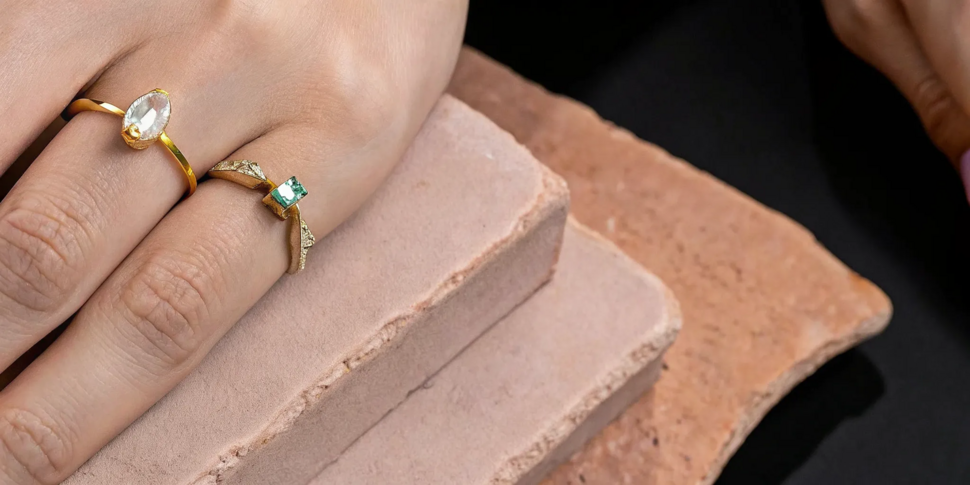
There’s a certain magic to yellow gold. It has a soft, sunny glow that feels both romantic and incredibly chic, making it a beautiful foundation for the ring you’ll wear forever. If you find yourself drawn to its warmth, you’re in good company. This classic metal is having a major moment, celebrated for its versatility and ability to make any diamond or gemstone truly shine. But beyond its beauty, there are practical things to consider. This guide will walk you through everything you need to know about choosing from the many yellow gold engagement rings, ensuring you find a piece that is not only stunning but also perfectly suited to your life.
Key Takeaways
- Choose the right gold purity for you: Decide between 14k and 18k gold by balancing your priorities. 18k gold offers a richer, deeper yellow color, while 14k gold provides greater durability that's ideal for an active lifestyle.
- Let yellow gold enhance your style: The warmth of yellow gold works beautifully with nearly any design, from modern halos to classic solitaires. It also complements diamonds in the G-J color range, making the stones appear brighter and whiter in contrast.
- Prioritize quality craftsmanship and long-term care: When shopping, look for hallmarks inside the band and examine the setting for secure, even prongs. Once you have your ring, keep it sparkling with simple at-home cleanings and an annual professional check-up to ensure it lasts a lifetime.
Why Choose a Yellow Gold Engagement Ring?
Deciding on the perfect metal for your engagement ring is a big step, and there’s a reason so many people are drawn to the classic beauty of yellow gold. It has a rich history and a warmth that feels both personal and timeless. Whether your style is modern, vintage-inspired, or something in between, a yellow gold ring offers a perfect foundation for telling your love story. It’s a choice that feels both significant and effortlessly stylish.
Its Timeless Warmth and Appeal
There's an undeniable warmth to yellow gold that makes it feel special. For generations, its sunny hue has been associated with love, loyalty, and happiness, making it a meaningful choice for an engagement ring. Beyond its symbolism, yellow gold is incredibly durable and long-lasting, so you can trust it will stand the test of time. It has a classic appeal that never goes out of style, yet it feels completely at home in contemporary designs. This blend of tradition and modernity is why it continues to be a favorite for bridal jewelry that’s meant to be cherished forever.
A Symbol of Romance and Tradition
Yellow gold has been the metal of choice for significant jewelry for centuries, symbolizing wealth, prosperity, and enduring love. When you choose a yellow gold engagement ring, you’re connecting your own story to a long and beautiful tradition of commitment. This history gives the metal a sense of depth and importance that feels just right for such a momentous occasion. It’s a classic for a reason. You can see this rich heritage reflected in many vintage and estate pieces, where the burnished glow of the gold tells a story all its own.
How It Complements Every Skin Tone
One of the best things about yellow gold is how beautiful it looks on everyone. Its soft, warm glow complements every skin tone, from the fairest to the deepest complexions, bringing out a natural radiance. This universal flattery takes the guesswork out of finding the right metal. Yellow gold also has a wonderful effect on diamonds, casting a warm, inviting light that can make the stone appear even more brilliant. It’s a forgiving and flattering choice that ensures your ring will look absolutely perfect on your hand from the moment you put it on.
Its Versatility with Other Jewelry
Your engagement ring will become a part of your daily life, so it should work with your personal style. Yellow gold is incredibly versatile and pairs beautifully with other metals. Don’t be afraid to mix it with your favorite white gold, rose gold, or sterling silver pieces. Stacking different metals creates a unique and curated look that feels personal and modern. This flexibility means you can continue to build your jewelry collection without worrying about everything matching perfectly. Your yellow gold ring will be the stunning centerpiece that ties it all together.
Should You Choose 14k or 18k Yellow Gold?
Once you’ve decided on yellow gold, the next question is usually about purity: 14k or 18k? It’s one of the most common decisions you’ll make when designing or choosing a ring. While both are beautiful choices for bridal jewelry, they have key differences in durability, color, and price. The right one for you really comes down to your lifestyle, budget, and what you value most in a piece you’ll wear every day. Let’s break down what makes each one special so you can feel confident in your choice.
Gold Purity: What Do Karats Mean?
First, let’s talk about what "karat" (k) actually means. A karat is a unit used to measure the purity of gold. Pure gold is 24k, but it’s far too soft to be used for an engagement ring that needs to stand up to daily life. To make it stronger, gold is mixed with other metals like copper, silver, and zinc to create an alloy.
So, 18k gold is 75% pure gold (18 out of 24 parts) mixed with 25% other metals. On the other hand, 14k gold is 58.3% pure gold (14 out of 24 parts) and 41.7% other metals. This difference in gold content is what creates the distinct characteristics of each metal.
Comparing Durability for Daily Wear
The biggest practical difference between 14k and 18k gold is durability. Because 14k gold contains a higher percentage of strengthening alloys, it’s harder and more resistant to scratches and dings. This makes it an excellent choice if you have a very active lifestyle or work with your hands often. It’s a practical metal that’s built to last through all of life’s adventures.
In contrast, 18k gold is softer due to its higher purity. It’s more susceptible to showing wear over time. While it’s still a durable option for everyday jewelry, it requires a bit more mindfulness to keep it looking its best.
The Difference in Color and Shine
Your choice between 14k and 18k gold also comes down to your color preference. Since 18k gold has a higher concentration of pure gold, it has a richer, deeper, and more vibrant yellow hue. This warm, buttery color is what many people picture when they think of classic yellow gold, and it can beautifully enhance the sparkle of a diamond.
14k gold has a slightly lighter, softer yellow color. It’s a bit more subtle, but it’s still undeniably gold and has a lovely warmth. Neither color is better than the other; it’s simply a matter of personal taste. Some prefer the bold glow of 18k, while others are drawn to the gentle shine of 14k.
How Purity Affects the Price
Because 18k gold contains more pure gold than 14k gold, it naturally comes with a higher price tag. The price difference can be significant, so your budget will likely play a role in your decision. If the rich color of 18k gold is your top priority, you might allocate more of your budget to the metal itself.
However, choosing 14k gold is a great way to get the timeless look of yellow gold while freeing up more of your budget for your center stone or a more intricate design. If you’d like to see the difference in person and discuss what works for your budget, you can always book an appointment with us to explore all your options.
What Yellow Gold Engagement Ring Styles Should You Consider?
Yellow gold is incredibly versatile, making it a beautiful choice for nearly any engagement ring style you can imagine. Its warm glow can feel classic and traditional or bold and modern, depending on the design. Whether you’re drawn to the clean lines of a solitaire or the intricate details of a vintage piece, yellow gold provides a stunning backdrop that enhances the beauty of your chosen diamond or gemstone. The key is to find a style that feels true to you and reflects your relationship.
Think about your personal style. Do you prefer understated elegance or something that makes a statement? Are you inspired by the romance of the past or the clean aesthetic of modern design? Answering these questions will help you narrow down the options. The beauty of yellow gold is that it complements so many different aesthetics. It can be the foundation for a minimalist ring that whispers elegance or the bold frame for a showstopping, artistic creation. From timeless solitaires that let the diamond do all the talking to unique, asymmetrical designs that feel like a piece of art, there’s a yellow gold style that will perfectly capture your story. Let’s explore some of the most popular choices to help you find your perfect match.
The Classic Solitaire
You can never go wrong with a classic. The solitaire setting features a single, stunning diamond or gemstone, making it the ultimate symbol of timeless elegance. In yellow gold, this style feels especially warm and romantic, creating a beautiful contrast that makes the center stone pop. A solitaire is all about simplicity and confidence, allowing the quality of the stone to take center stage. Many couples are now choosing rings with personal significance over sheer size, proving that a high-quality stone in a simple setting often makes the biggest impact. It’s a design that has been loved for generations and will never go out of style.
Vintage and Art Deco-Inspired Designs
If you’re a romantic at heart, a vintage-inspired ring might be calling your name. These designs often feature intricate details like milgrain edging, delicate filigree, and unique geometric shapes reminiscent of the Art Deco era. Yellow gold is the perfect metal for these styles, as its warm, rich glow enhances their nostalgic charm. A vintage or estate piece carries a sense of history and a story of its own, making it a deeply meaningful choice. This style is perfect for someone who appreciates artistry, detail, and a connection to the past.
Modern Halos and Three-Stone Rings
For those who love a little extra sparkle, modern halos and three-stone rings are fantastic options. A halo setting encircles the center stone with a ring of smaller diamonds, creating a dazzling effect that makes the main stone appear larger. A three-stone ring is rich with symbolism, with each stone representing the past, present, and future of your relationship. In yellow gold, both of these bridal styles feel both glamorous and warm. They offer a contemporary look while still feeling timeless, making them a popular choice for the modern bride.
Unique, Asymmetrical Styles
If you want a ring that is truly one-of-a-kind, consider a unique or asymmetrical design. These rings break from tradition with features like off-center stones, diamond clusters, or unconventional band shapes. This is where you can really let your personality shine through and choose a ring that feels like a piece of wearable art. Yellow gold provides a rich foundation for these creative designs, allowing the artistic details to stand out. Exploring the work of different jewelry designers is a great way to discover a style that feels completely, uniquely you.
How Does Yellow Gold Make Diamonds and Gemstones Pop?
Yellow gold has a special talent for making gemstones the star of the show. Its rich, warm hue creates a beautiful backdrop that can enhance a stone’s color and brilliance in surprising ways. It’s not just about holding the diamond or gemstone in place; the metal itself plays a key role in the ring’s overall radiance. Whether you’re drawn to a classic diamond or a vibrant colored stone, understanding how yellow gold interacts with it will help you find a ring that truly shines.
The Perfect Diamond Pairing: G-J Color Grades
You don’t need a perfectly colorless diamond for it to look incredible in yellow gold. In fact, diamonds with a little warmth are often the perfect match. Gemologists grade diamond color on a scale from D (colorless) to Z (light yellow). Diamonds in the G-J range, known as “near-colorless,” are the sweet spot for yellow gold settings. The golden hue of the band beautifully complements any slight warmth in the diamond, making the stone appear brighter and whiter in contrast. This is a fantastic quality that allows you to find a stunning bridal ring without needing a top-tier color grade.
A Forgiving Setting for Diamond Color
Because yellow gold complements diamonds with a hint of warmth, it’s often called a “forgiving” setting. Its sunny glow softens the contrast between the metal and the stone, which means a diamond with a subtle yellow tint will blend in seamlessly. That same stone might look more obviously yellow in a stark white gold or platinum setting. This quality gives you much more flexibility when selecting a diamond. You have a broader selection of color grades that will look absolutely gorgeous, proving you don’t need a flawless D-grade diamond to have a breathtaking ring.
Gemstones That Shine Against Yellow Gold
Yellow gold’s magic isn’t limited to diamonds; it makes colored gemstones look even more vibrant. The warmth of the gold acts like a spotlight, intensifying the natural color of many gems. Deep green emeralds, rich blue sapphires, and fiery rubies all look incredibly regal and lively when set in yellow gold. The contrast makes their colors feel deeper and more saturated. This is why you’ll often see stunning vintage pieces and unique designer creations pairing bold gems with this classic metal. It’s a combination that feels both timeless and full of personality.
Settings That Make Your Stone Sparkle
The warm color of yellow gold does more than just frame your stone; it actually reflects into the facets of your diamond or gemstone. This reflection adds a warm, golden light to the stone’s natural sparkle, giving it an extra dimension of fire and brilliance. The beautiful contrast between the lustrous metal and the glittering stone naturally draws the eye, making the center stone the undeniable focal point. This effect ensures your jewelry catches the light beautifully from every angle, creating a constant, captivating shimmer that you’ll love to watch.
What Design Details Matter for Yellow Gold Rings?
Once you’ve settled on yellow gold, the real fun begins. The small details are what transform a ring from a beautiful piece of jewelry into your ring. These elements, from the width of the band to the style of the prongs, define its personality and ensure it fits seamlessly into your life. Thinking through these specifics will help you find a ring that not only looks stunning but also feels comfortable and secure enough for you to wear every single day. It’s all about finding that perfect balance between style, practicality, and personal expression.
Choosing an engagement ring is a deeply personal process, and the design details are where you can truly let your story shine. Are you drawn to clean, modern lines or intricate, vintage-inspired touches? Do you need something durable that can keep up with your active lifestyle, or is a more delicate design a better fit? These aren't just minor considerations; they are the very things that will make you smile every time you look down at your hand. Taking the time to understand these nuances will give you the confidence to choose a piece that feels authentic to you. It’s less about following trends and more about discovering a design that will bring you joy for years to come.
Choosing Your Band's Width and Shape
The band is the foundation of your ring, and its width has a big impact on the overall look. Most people prefer a width between 1.6 and 3 millimeters. A slimmer band creates a delicate, minimalist feel and can make the center stone appear larger. A wider band offers a more substantial, modern presence on your finger. The best choice often comes down to your hand size and personal style. Beyond width, consider the band’s shape. A rounded or "comfort fit" band is curved on the inside for a smoother feel, while a flat or knife-edge band provides a sharper, more contemporary look. Exploring different bridal styles is the best way to see what you gravitate toward.
Prong Styles and How They Secure Your Stone
Prongs are the tiny metal claws that hold your diamond or gemstone in place, and they do more than just a functional job. Their design is a key part of the ring’s aesthetic. A classic four-prong setting allows you to see more of the stone and lets in plenty of light, while a six-prong setting offers extra security and can make a round stone look even rounder. You might also see V-prongs on shapes with sharp corners, like a princess or pear cut, to protect them from chipping. The craftsmanship of the prongs is a tell-tale sign of a quality ring, something our featured designers are known for.
Ensuring a Comfortable Fit for Everyday
You’re going to wear this ring all the time, so it has to be comfortable. A major factor in comfort is the ring’s profile, or how high the center stone sits off your finger. A low-profile setting is less likely to snag on clothes or get knocked around, making it a practical choice for daily wear. The right size is also essential. Your ring should slide over your knuckle with a little effort but feel snug enough that it won’t spin or slide off. The best way to find your perfect fit is to try on different styles in person. We’d love to help you book an appointment to find a ring that feels like it was made for you.
Designs Suited for an Active Lifestyle
If you work with your hands or live an active life, you need a ring that can keep up. That doesn’t mean you have to sacrifice style. Look for designs with more protective settings, like a bezel setting, which wraps a thin metal frame around the entire stone. This is one of the most secure options available and offers a sleek, modern look. A lower setting and a slightly wider band can also add durability and stability. Many vintage and estate rings were built to last, often featuring these practical and beautiful design elements that have stood the test of time.
How Do You Find the Perfect Ring Size?
An engagement ring is meant to be worn and loved for a lifetime, so getting the size right is essential for comfort and security. While it might seem straightforward, finding the perfect fit involves more than just a quick measurement. Your finger size can change, and details like the ring's design can affect how it feels. Taking the time to find your accurate size ensures your beautiful ring will feel just as good as it looks, day in and day out.
How to Get Professionally Sized
The most reliable way to determine your ring size is to have it professionally measured. While you can find printable charts and plastic sizers online, they don’t offer the same accuracy as a jeweler's tools. A professional can measure your finger precisely and account for important variables, like the width of your chosen ring band or the shape of your knuckle. This expert guidance removes the guesswork and gives you confidence in your decision. We always recommend this step, and you can easily book an appointment with us to get a perfect, pressure-free sizing.
Why Your Finger Size Changes
Have you ever noticed a ring feeling tighter one day and looser the next? You’re not imagining it. Finger size naturally fluctuates. Factors like temperature, humidity, and even what you’ve had to eat or drink can cause your fingers to swell or shrink slightly. Your fingers are often a bit smaller in the morning and swell throughout the day. For this reason, it’s a good idea to get sized in the afternoon when your body temperature is stable and your finger is at its average size for the day.
Tips for Long-Term Comfort
For a ring you’ll wear every day, comfort is key. The width of the band plays a big role in how a ring fits. A wider band covers more surface area and will feel snugger than a delicate, thin band of the same size. You might need to go up a quarter or half size to feel comfortable in a wider style. The goal is a fit that’s snug enough so it won’t slip off, but loose enough to slide over your knuckle without too much struggle. It should feel secure, but not constricting.
What Should You Look for When Shopping?
Once you have an idea of the style you love, the shopping journey truly begins. This part is about more than just finding a beautiful ring; it’s about ensuring that the piece you choose is high-quality, well-made, and comes from a source you can rely on for years to come. Think of it as making a smart, informed investment in a piece of jewelry you’ll wear and cherish every single day.
The world of fine jewelry can seem complex, but it doesn’t have to be. By focusing on a few key indicators of quality and trust, you can feel confident in your decision. Pay attention to the small details stamped inside the band, look closely at how the ring is constructed, and most importantly, find a jeweler who makes you feel comfortable and supported. A great jeweler is a partner in this process, ready to answer your questions and guide you to the perfect ring. Taking the time to understand these elements will help you find a yellow gold engagement ring that is not only stunning but also built to last a lifetime.
Look for Hallmarks and Certifications
When you’re looking at a yellow gold ring, one of the first things to check for is a tiny stamp on the inside of the band. This is called a hallmark, and it’s your guarantee of the gold’s purity. You’ll typically see "14k" or "18k" (or sometimes "585" for 14k and "750" for 18k), which tells you the percentage of pure gold in the alloy. This simple mark is a sign of authenticity and quality craftsmanship. If your ring features a center diamond, you should also ask about its certification. A grading report from a reputable lab like the Gemological Institute of America (GIA) provides an unbiased assessment of the diamond's characteristics, giving you complete confidence in its quality.
Examine the Craftsmanship
A truly beautiful ring is more than just its materials; it’s about how those materials are brought together. High-quality craftsmanship is evident in the details. Look at how the stone is set: are the prongs even, smooth, and secure? Is the band polished perfectly, with no rough edges? The ring should feel solid and comfortable on your finger. At Element 79, we curate pieces from talented designers who are masters of their craft, ensuring every ring is thoughtfully designed and expertly made. This attention to detail not only affects the ring's appearance but also its durability for everyday wear. A well-crafted ring is a piece of art you can enjoy for a lifetime.
Find a Jeweler You Trust
Your relationship with your jeweler is one of the most important parts of buying an engagement ring. You should feel like you’re having a conversation, not sitting through a sales pitch. A trustworthy jeweler will be transparent, happy to educate you on your options, and committed to helping you find a ring that feels right for you and your budget. Look for a jeweler with a strong reputation who is passionate about their work and the artists they represent. The right person will make the experience fun and memorable. If you’re ready to start the conversation, we’d love to help you book an appointment to explore our collection in a relaxed, no-pressure environment.
Understand the Warranty and Return Policy
Before you make your final decision, it’s always a good idea to ask about the practical stuff. A reputable jeweler will stand behind their work with a clear warranty and return policy. Ask what the warranty covers, such as manufacturing defects or routine maintenance like cleaning and prong checks. It’s also wise to understand the store’s policy on returns or exchanges, just in case. Knowing these details upfront provides peace of mind and shows that the jeweler is committed to your long-term satisfaction. This isn't just a purchase; it's the beginning of a relationship with a piece of jewelry and the people who helped you find it.
How Do You Care for Your Yellow Gold Ring?
Your engagement ring is a part of your daily life, a beautiful symbol you’ll wear for years to come. Keeping it looking as brilliant as the day you first saw it is easier than you might think. Yellow gold is fairly low-maintenance, but a little consistent care will ensure its warm glow never fades. Over time, everyday things like lotions, soaps, and natural skin oils can build up, creating a film that dulls the metal and the stone. Creating a few simple habits for cleaning, professional check-ups, and safe storage will cut through that buildup, protect your investment, and keep your ring secure and sparkling. Think of it as a small ritual to honor a piece that means so much.
Proper care not only maintains the beauty of the gold and the brilliance of your diamond or gemstone but also prevents potential issues like a loose stone or damage to the band. Whether you have a simple solitaire or an intricate piece from one of our designers, these practices will help preserve its integrity and sentimental value. Taking these steps ensures your ring remains a lasting emblem of your story, ready to be passed down for generations.
Your Daily Cleaning Routine
To keep your ring looking its best, a gentle cleaning routine is all you need. Daily life can leave behind a film of lotions, oils, and dirt that dulls your ring’s shine. For a quick clean, simply wipe it down with a soft, lint-free cloth at the end of the day. For a deeper clean at home, mix a few drops of mild dish soap with warm water. Let your ring soak for a few minutes, then gently scrub it with a soft-bristled baby toothbrush. Rinse it under clean water and pat it dry. This simple process will remove buildup and restore its radiance without using harsh chemicals.
When to See a Professional
While at-home cleaning is great for daily upkeep, we recommend bringing your ring in for a professional check-up at least once a year. A jeweler has the tools and expertise to give it a thorough, safe cleaning and inspection. More importantly, we can examine the prongs and setting to make sure your diamond or gemstone is still secure. Catching a loose prong early can prevent a devastating loss. Think of it as preventative care for one of your most treasured possessions. You can book an appointment with us for a complimentary inspection and cleaning to keep your ring in perfect condition.
How to Store Your Ring Safely
Where you keep your ring when you’re not wearing it matters. Tossing it onto a nightstand or into a drawer with other jewelry can lead to scratches on the gold or even damage to the stone. To keep it safe, store your ring in a fabric-lined jewelry box or the pouch it came in. Giving it a designated spot protects it from accidental bumps and scrapes. It’s also wise to take your ring off during strenuous activities like working out, gardening, or heavy cleaning to prevent bending the band or damaging the setting.
How Does Budgeting for a Yellow Gold Ring Work?
Let’s talk about one of the most practical parts of buying an engagement ring: the budget. Setting a budget isn’t about limiting your options; it’s about empowering you to find the most beautiful ring for your money. There’s no magic number or salary rule you need to follow. In fact, many people find their dream ring by spending between $1,000 and $4,000. The final price of a yellow gold ring depends on a few key factors, including the center stone’s quality, the gold’s purity (14k vs. 18k), and the intricacy of the design.
The goal is to find a piece that feels special and fits comfortably within your financial plans. Whether you’re drawn to a simple solitaire or a detailed vintage-inspired piece, understanding what influences the cost will help you make a confident choice. We can work with you to explore different designers and styles, ensuring you find a soulful piece of jewelry that you’ll cherish forever. It’s all about finding that perfect balance between the ring you love and a price you’re happy with.
What Determines the Price?
The price of a yellow gold engagement ring is mainly shaped by three things: the center stone, the metal, and the design's complexity. The stone, whether it's a diamond or a gemstone, is often the biggest factor. Its cost is determined by the famous 4Cs: cut, color, clarity, and carat weight. For the band itself, 18k gold is purer and typically more expensive than 14k gold. Finally, the craftsmanship plays a role. A simple, elegant band will cost less than an intricate setting with pavé diamonds or detailed engraving from one of our unique designers.
How to Get the Most for Your Budget
Getting the best value is about being strategic. First, decide which of the 4Cs matters most to you. If size is a priority, you might choose a diamond with slightly lower clarity that still looks flawless to the naked eye. Another fantastic option is a lab-grown diamond, which has the same physical and visual properties as a natural one but at a more accessible price. Yellow gold is also very forgiving with diamond color, so you can often choose a stone in the G-J color range and it will still look bright and beautiful against the warm metal. Exploring our bridal collection can give you a great sense of these different options.
Tips for Smart Shopping
When you’re ready to shop, a few tips can make the process smoother. If you have an active lifestyle, consider a 14k yellow gold ring for its added durability, ensuring your investment lasts a lifetime. More importantly, find a jeweler you connect with. A great jeweler will listen to your needs and guide you toward the best options for your budget without any pressure. We always recommend you book an appointment so we can give you our undivided attention. Finally, ask about long-term care. A quality ring should be easy to maintain at home with a soft cloth and mild soap, keeping it brilliant for years to come.
Related Articles
- Gold Engagement Rings: The Ultimate Buyer's Guide
- Gold Engagement Ring: The Ultimate Buyer's Guide
- The Guide to White Gold Engagement Rings
Frequently Asked Questions
Is 14k or 18k yellow gold better for an engagement ring? Neither one is better, they just have different strengths. If you have an active lifestyle or work with your hands, 14k gold is a great choice because its higher alloy content makes it more durable and resistant to scratches. If you love a deep, rich yellow color and are mindful of your jewelry, the higher gold content in 18k offers a beautiful, vibrant warmth. It really comes down to whether you prioritize durability or color.
Will my yellow gold ring scratch easily? All gold can show signs of wear over time, as it's a naturally soft metal. However, 14k yellow gold is quite durable and holds up very well to daily life because it's mixed with stronger metals. While 18k gold is a bit softer due to its higher purity, it is still a strong choice for an engagement ring. A little mindfulness, like taking your ring off during heavy-duty tasks, will keep either metal looking great.
Do I need a perfectly colorless diamond for a yellow gold setting? Not at all. In fact, yellow gold is wonderfully forgiving and pairs beautifully with diamonds that have a little warmth (those in the G to J color range). The golden hue of the band complements these diamonds, often making them appear brighter and whiter in contrast. This quality gives you more flexibility with your budget without sacrificing beauty.
What kind of wedding band looks best with a yellow gold engagement ring? Yellow gold is incredibly versatile, so you have a lot of beautiful options. You can create a seamless look with a matching yellow gold band, or you can embrace a more modern, mixed-metal style by pairing it with a white gold, rose gold, or platinum band. There are no rules, so feel free to choose a band that reflects your personal style.
How often should I have my ring professionally cleaned and inspected? We recommend bringing your ring in for a professional check-up about once a year. While cleaning it at home is great for maintaining sparkle, an annual inspection allows a jeweler to give it a deep clean and, more importantly, check that the prongs are secure. This simple step helps ensure your center stone stays safe and your ring remains in perfect condition for years to come.
Recent articles
View all
Brooke's Holiday Favorites - 2025
Holly's Holiday Favorites - 2025