

The Guide to Nickel Free Gold Jewelry
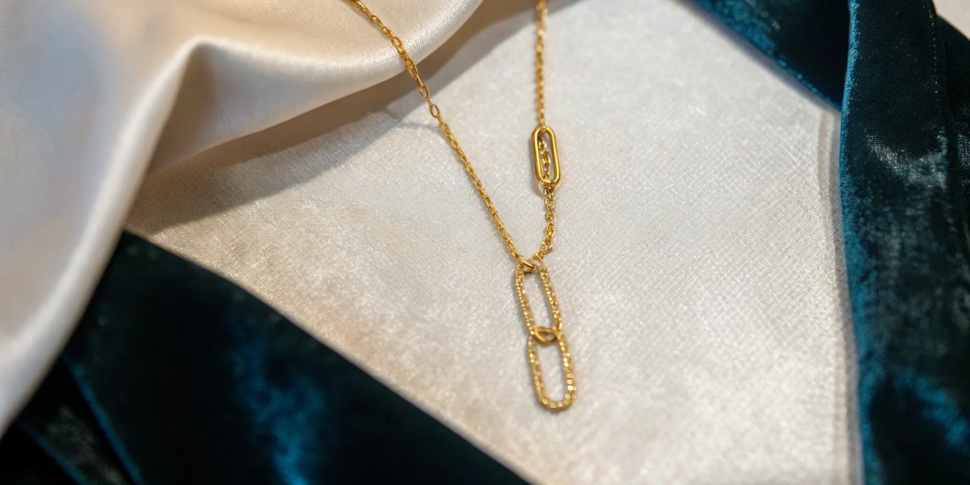
You finally found it—the perfect necklace you’ve been searching for. You wear it out of the store, but by the end of the day, an unmistakable red, itchy rash appears on your skin. This disappointing experience is incredibly common, and it’s almost always caused by a sensitivity to nickel. For years, people with sensitive skin thought they had to avoid gold jewelry altogether, but that simply isn’t true. You just need to know what to look for. This is where the world of nickel free gold jewelry opens up, offering all the beauty and durability of traditional gold without the risk of an allergic reaction. Let’s explore how you can find stunning pieces you can wear with confidence and comfort.
Key Takeaways
- Make Comfort a Priority: Nickel allergies are a leading cause of skin irritation from jewelry and can develop at any age. Choosing nickel-free gold is the surest way to ensure your favorite pieces are comfortable and safe for daily wear.
- Know Your Safest Options: Stick with yellow gold, rose gold, and platinum for the most reliable hypoallergenic choices. Since white gold is often mixed with nickel, it's essential to ask about its specific alloys before you buy.
- Look for Transparency from Jewelers: A reputable seller will be upfront about the metals used in their jewelry. The most effective way to protect your skin is to ask directly if a piece is nickel-free and expect a clear, confident answer.
What is Nickel-Free Gold, and Why Should You Care?
Let's start with a little jewelry-making 101. Pure gold, also known as 24-karat gold, is absolutely beautiful but surprisingly soft. It’s actually too delicate to hold up to the demands of daily life in a ring or bracelet. To create the durable, lasting jewelry we all love, jewelers mix pure gold with other metals to strengthen it. This mixture is called an alloy, and it’s what gives gold different colors (like rose or white) and makes it strong enough for a lifetime of memories. One of the most common metals used in these alloys is nickel, especially for achieving that bright, silvery look in white gold.
So, what’s the catch? Nickel is one of the most frequent causes of skin allergies. For many of us, wearing jewelry containing nickel leads to that dreaded itchy, red, and irritated skin. This is where nickel-free gold shines. It’s simply gold that has been alloyed with other, more skin-friendly metals like palladium, silver, or copper instead of nickel. Choosing nickel-free means you get all the beauty and durability of gold without the risk of an uncomfortable reaction. It’s about investing in pieces from thoughtful designers who prioritize both style and comfort, giving you the confidence to wear your jewelry without a second thought.
What's the Deal with Nickel Allergies?
If you’ve ever worn a pair of earrings that made your lobes red and itchy, or a necklace that left a rash, you might have a nickel allergy. It’s one of the most common skin allergies out there, and the symptoms are hard to miss: redness, itching, dry patches, and sometimes even blisters right where the metal touches your skin. What’s tricky is that a nickel sensitivity can develop at any point in your life, even if you’ve never had a problem before. One day you’re fine, and the next, your favorite ring is causing a reaction. This is why understanding metal allergies is so important for your long-term comfort.
The Skin-Friendly Benefits of Choosing Nickel-Free
Opting for nickel-free gold is one of the best things you can do for your skin and your peace of mind. The most obvious benefit is avoiding those uncomfortable allergic reactions. You can finally wear your favorite pieces all day, every day, without worrying about itching or irritation. This is especially crucial for items you rarely take off, like your wedding band or a signature necklace. Beyond preventing full-blown allergies, nickel-free jewelry is simply gentler on the skin, making it a fantastic choice for anyone with sensitive skin. It’s a proactive way to ensure your jewelry remains a source of joy, not discomfort, for years to come.
Which Types of Gold Are Truly Nickel-Free?
When you’re shopping for fine jewelry, especially pieces you’ll wear every day, understanding the metal composition is key. Pure gold is too soft for jewelry, so it’s mixed with other metals—called alloys—to make it stronger and more durable. The type of alloy used determines the gold’s color and, most importantly, whether it contains nickel. If you’ve ever experienced an itchy, red rash after wearing a pair of earrings or a necklace, you might have a nickel sensitivity. It’s one of the most common skin allergies, and it can turn a beautiful new piece of jewelry into a source of frustration.
The good news is that you don’t have to give up on wearing gold. You just need to know what to look for. Choosing nickel-free gold means you can enjoy your jewelry without any irritation or discomfort. It’s all about finding the right blend of metals that works for your skin. Let’s walk through the most common options—from yellow and rose gold to white gold and platinum—so you can feel confident and comfortable in your next favorite piece.
Yellow Gold: Your Hypoallergenic Go-To
If you have a nickel allergy, yellow gold is one of your safest and most classic choices. To create its warm, sunny hue, pure gold is typically mixed with skin-friendly metals like copper and zinc. These alloys are very unlikely to cause an allergic reaction, making yellow gold a reliable hypoallergenic option. Whether you're looking for a simple chain or a statement ring, you can feel good about wearing it directly against your skin. It’s a timeless metal that offers both beauty and peace of mind, which is why so many of our favorite jewelry pieces feature it. You can confidently build a collection around this beautiful and worry-free metal.
What to Know About Rose Gold Alloys
That beautiful, blushing tone of rose gold comes from a higher concentration of copper in its alloy mix. Just like the alloys in yellow gold, copper is not a common allergen, which means most rose gold is also nickel-free. It’s a fantastic choice if you’re looking for something a little different that’s still gentle on the skin. The warm, romantic hue complements a wide range of skin tones and has become a modern classic. Many contemporary designers love working with rose gold for its unique and stylish feel. So, if you’ve been eyeing a rose gold piece, you can generally add it to your collection without worry.
The Truth About White Gold (and Safer Alternatives)
This is where things get a bit tricky. White gold is often the primary source of nickel in jewelry. Nickel is frequently used as an alloy because it gives gold a silvery-white color and adds durability. While not all white gold contains nickel, many formulations do, especially in 14k pieces. Some jewelers use palladium as a hypoallergenic alternative, and many pieces are plated with rhodium for extra shine and a temporary barrier against the skin. If you have sensitive skin but love the look of white gold, it’s essential to ask what alloys were used. We can help you find beautiful nickel-free options when you book an appointment with us.
Platinum: The Ultimate Hypoallergenic Choice
For those with severe metal sensitivities, platinum is the absolute best choice. It’s a naturally white metal, so it doesn’t need any other metals mixed in to achieve its cool, silvery tone. Platinum is about 95% pure and is naturally hypoallergenic, making it the perfect material for pieces you’ll never take off, like an engagement ring or wedding band. Its density and durability also mean it holds up beautifully over a lifetime of wear, developing a soft patina over time rather than scratching away. If you want a completely worry-free option for your most important jewelry, you can’t go wrong with our stunning bridal collection in platinum.
How to Spot Authentic Nickel-Free Gold Jewelry
When you're investing in a beautiful piece of gold jewelry, the last thing you want is an unexpected skin reaction. Learning how to identify truly nickel-free gold is your best defense. It’s not about being a gemologist; it’s about knowing a few key signs to look for. With a little knowledge, you can confidently choose pieces that are not only stunning but also safe and comfortable for your skin. Think of it as becoming your own best advocate in the search for quality jewelry.
Read the Hallmarks Like a Pro
The tiny stamps on your jewelry, known as hallmarks, are your first clue to its composition. Authentic gold jewelry will be marked to indicate its purity, like "18K" or "750" (which means 75% pure gold). While these marks confirm the gold content, they don't explicitly state what other metals are in the alloy. That’s why it’s also important to look for any labels or certifications that guarantee the piece meets safety standards for nickel content. When you explore our jewelry collection, you’ll find pieces from artisans who are transparent about their materials, giving you peace of mind.
Understand What Karat Ratings Really Mean
Pure 24-karat gold is too soft for most jewelry, so it’s mixed with other metals—creating an alloy—for strength and durability. The karat rating tells you how much pure gold is in the mix. Lower-karat gold, like 10K or 14K, contains a higher percentage of other metals, which can sometimes include nickel, especially in white gold. Higher-karat options like 18K or 22K yellow gold are much safer bets for sensitive skin. Understanding this simple rule helps you filter your options and focus on the pieces least likely to cause a reaction. Many of our featured designers specialize in high-karat gold for this very reason.
Simple Ways to Verify Your Jewelry
The most straightforward way to confirm if a piece is nickel-free is to ask. A reputable jeweler will always be able to tell you about the specific alloys used in their pieces. Don't be shy about requesting documentation or certification that confirms the jewelry is nickel-free, especially when making a significant purchase. If a seller is vague or dismissive of your concerns, that’s a major red flag. We believe in full transparency, which is why we invite you to book an appointment with us. We’re happy to walk you through our collections and answer any questions you have about the materials.
What to Look For When You Shop
Shopping for jewelry should be a joy, not a guessing game. When you’re looking for nickel-free gold, knowing a few key things can help you feel confident in your choice. It’s about more than just avoiding a potential rash; it’s about investing in a piece that feels good, wears well, and truly lasts. Think of it as learning the language of fine jewelry—once you know what to look for, you can easily spot the pieces that are worth your time and money.
The best jewelers are always happy to share what makes their pieces special, from the materials they use to the story behind the design. A little knowledge empowers you to ask the right questions and appreciate the craftsmanship that goes into a well-made ring, necklace, or pair of earrings. This is especially true when you're seeking out pieces from specific artisans who pour their heart into their work. Understanding the basics helps you connect with the jewelry on a deeper level, turning a simple purchase into a meaningful acquisition. Whether you’re browsing online or exploring a curated collection in person, these tips will help you distinguish high-quality, skin-friendly jewelry from the rest and find a piece you'll treasure for years to come.
Signs of a High-Quality, Nickel-Free Piece
First, look for transparency. A reputable jeweler will be upfront about the metals used in their pieces. Don’t be shy about asking for the specific alloy composition, especially for white gold. High-quality pieces are often stamped with hallmarks indicating the karat and manufacturer, but you should also look for descriptions that explicitly state "nickel-free." While certifications aren't standard for all jewelry, working with trusted designers who prioritize quality materials is one of the best ways to ensure you’re getting a safe and beautiful piece. True quality is in the details and the willingness of the seller to share them.
Red Flags to Watch Out For
Be cautious of vague descriptions or prices that seem too good to be true. If a piece is simply labeled "hypoallergenic" without specifying the materials, it’s worth a second look. Another common issue is gold-plated jewelry, where a base metal containing nickel is often used underneath the thin gold layer. As the plating wears away, your skin can be exposed to the nickel. Also, remember that while rare, other metals can cause skin discoloration or reactions. If a seller promises their jewelry will never cause a reaction of any kind, they might be oversimplifying things. A knowledgeable jeweler will give you honest, specific information.
How to Assess Price and Value
The value of a piece of jewelry goes far beyond its price tag. When you choose nickel-free gold, you’re investing in your own comfort and health by avoiding potential skin irritation and allergic reactions. The true value also lies in the artistry and durability of the piece. A well-crafted ring or bracelet made from high-quality materials will stand the test of time, becoming a part of your story. Instead of focusing solely on cost, consider the craftsmanship, the uniqueness of the design, and how it makes you feel. If you ever want to discuss the value of a specific piece, you can always book an appointment with an expert.
Where Can You Find the Best Nickel-Free Gold Jewelry?
Once you know what to look for, finding beautiful, skin-friendly jewelry becomes so much easier. The key is to shop with jewelers and brands who are transparent about their materials and prioritize quality craftsmanship. When a seller can tell you exactly what alloys are in their white or rose gold, you know you’re in good hands. This is especially true when you’re investing in a significant piece, like something from a bridal collection.
Many jewelers, especially those who work with independent artists, focus on high-karat yellow gold and platinum, which are excellent choices for sensitive skin. The best places to shop are those that curate their collections thoughtfully, giving you confidence in every piece. Whether you’re browsing online or in a boutique, look for detailed product descriptions and don’t be shy about asking questions. A passionate jeweler will always be happy to walk you through their materials. Below are a few places, from our own showroom to other popular brands, where you can find stunning nickel-free options.
Discover Our Curated Nickel-Free Collection
Here at Element 79, we live and breathe jewelry with soul. That means we carefully select every piece from our incredible roster of designers. We gravitate toward artists who use high-quality materials, and a significant portion of our collection is crafted from high-karat yellow gold and platinum—both fantastic nickel-free choices. We believe that fine jewelry should feel as good as it looks. If you have sensitive skin, we can guide you through our collections to find the perfect ring, necklace, or pair of earrings that won’t cause irritation. We know our pieces inside and out and can help you find something you’ll love to wear every single day.
Ana Luisa: Sustainable and Sensitive-Skin Friendly
If you’re looking for an online brand that puts hypoallergenic materials first, Ana Luisa is a great place to start. They are well-known for creating jewelry specifically for people with sensitive skin, clearly stating that their pieces are nickel-free. This takes a lot of the guesswork out of shopping. Their collections are often focused on modern, trend-forward designs that are perfect for layering. Plus, they have a strong commitment to sustainability, using recycled materials whenever possible. For accessible and stylish pieces you can wear without worry, their nickel-free jewelry is definitely worth exploring.
Mejuri: Modern Pieces for Everyday Wear
Mejuri has become a go-to for anyone looking to build a collection of modern, fine jewelry for daily wear. While they don’t market themselves exclusively as a nickel-free brand, their focus on 14k solid gold and gold vermeil makes many of their pieces a safe bet for sensitive skin. They offer a wide range of minimalist to bold designs, making it easy to find something that fits your style. As one of the most beloved jewelry brands for tarnish-free pieces, they provide a great balance of quality and contemporary style that you can wear nonstop without worry.
Other Designers We Love
Beyond the big names, the world of independent jewelry design is full of incredible nickel-free treasures. Artisan jewelers often work with small, reputable suppliers and have complete control over their materials, prioritizing pure alloys. When exploring new designers, look for those who are passionate and knowledgeable about their craft. They can usually tell you the exact composition of their metals. This is why we love curating unique jewelry at our shop—we get to connect you with artists who pour their hearts into creating beautiful, high-quality, and wearable pieces you can trust.
Let's Bust Some Myths About Nickel-Free Gold
When you’re investing in a piece of fine jewelry, you deserve to know exactly what you’re getting. There’s a lot of confusing information floating around about nickel-free gold, so let’s clear up a few common misconceptions. Understanding the truth will help you choose beautiful pieces that feel as good as they look.
Myth #1: "All Gold is Naturally Nickel-Free"
This is one of the most common misunderstandings. While pure, 24-karat gold is naturally nickel-free, it’s also extremely soft—too soft to be practical for everyday jewelry. To create durable pieces that can withstand daily life, jewelers mix pure gold with other metals to create an alloy. As one source puts it, "Gold, unless it's 24 carats, is always alloyed." These added metals give the gold its strength and can influence its color, creating yellow, rose, or white gold. The key is knowing which metals are in the mix, as nickel is a frequent and problematic addition, especially in white gold.
Myth #2: "Hypoallergenic Means Zero Nickel"
The terms "hypoallergenic" and "nickel-free" are often used interchangeably, but they don’t mean the same thing. "One of the biggest misconceptions is that 'nickel-free' and 'hypoallergenic' mean the same thing," and this confusion can lead to uncomfortable skin reactions. The term hypoallergenic simply means the piece is less likely to cause an allergic reaction. While many hypoallergenic pieces are nickel-free, the label isn't a guarantee. For those with a true nickel sensitivity, the only way to be certain is to choose jewelry that is explicitly labeled "nickel-free" or made from metals like platinum.
Myth #3: "Nickel-Free Gold Isn't as Strong"
Some people worry that without nickel, a common strengthening agent, their gold jewelry will be too delicate. This simply isn’t true. Reputable designers create strong, lasting alloys using other high-quality metals like palladium, silver, and zinc. These alternatives provide the necessary durability for rings, bracelets, and necklaces without the risk of skin irritation. Choosing nickel-free jewelry is a decision for your health and comfort that doesn't require you to compromise on quality or longevity. You can have a beautiful, soulful piece that is built to last and is kind to your skin.
How to Care for Your Nickel-Free Gold Jewelry
You’ve found the perfect nickel-free gold pieces that feel as good as they look. Now, let's talk about how to keep them looking brilliant for years to come. Proper care is simple, but it makes all the difference in preserving the beauty and integrity of your favorite jewelry. Think of it less as a chore and more as a ritual that honors the craftsmanship of your collection. A little bit of attention goes a long way in preventing tarnish, scratches, and dullness, ensuring the story of each piece continues beautifully.
Taking care of your jewelry means protecting your investment and ensuring your pieces are always ready to wear. Fine jewelry is designed to last a lifetime, but daily life—with its lotions, dust, and occasional bumps—can take a toll. Whether it’s a delicate necklace you wear every day or a statement ring for special occasions, these simple habits will help maintain their sparkle. From cleaning and storing to daily wear, here are the best practices for keeping your nickel-free gold in pristine condition. We'll walk through exactly how to clean your pieces safely, store them to prevent damage, and incorporate small habits into your routine to keep them sparkling.
The Right Way to Clean Your Pieces
Giving your jewelry a gentle clean at home is easy. Start by mixing a few drops of mild, detergent-free soap into a bowl of warm water. Let your pieces soak for about 15 to 30 minutes to loosen any buildup from lotions, oils, or daily life. After soaking, use a soft-bristled toothbrush to gently scrub away any remaining dirt, paying special attention to crevices and settings. Once you’re done, rinse the jewelry under clean water and pat it dry with a soft, lint-free cloth. This simple process will restore the shine to your favorite jewelry without causing any harm.
How to Store Your Jewelry to Prevent Damage
Where your jewelry lives when you’re not wearing it is just as important as how you clean it. To prevent scratches and tangles, store each piece individually. Soft cloth pouches or the original box are perfect for this. Tossing everything into one jewelry box can cause harder gemstones to scratch your gold. It’s also wise to keep your jewelry in a cool, dry place away from direct sunlight, as prolonged exposure can cause some metals and stones to discolor over time. Proper storage is key to preserving beautiful Vintage & Estate pieces for generations.
Simple Tips to Keep It Sparkling
To maintain that fresh-from-the-store glow, adopt the "last on, first off" rule. Put your jewelry on after you’ve applied all your lotions, perfumes, and hair products, and take it off before you do anything that might expose it to harsh chemicals or abrasion. If your jewelry does come into contact with cosmetics, a quick rinse with clean water can prevent buildup that dulls its finish. This is especially important for daily-wear items like the pieces in our bridal collection, which see a lot of life. Regular, gentle care ensures your most cherished pieces always look their best.
How to Choose the Perfect Pieces for Your Lifestyle
Your jewelry should feel as good as it looks. Choosing pieces that align with your daily activities and personal style ensures you’ll have a collection you love to wear, not just one that sits in a box. It’s about finding that perfect balance between beauty, comfort, and practicality. Whether you’re looking for a simple chain for everyday wear or a statement ring for special occasions, thinking about your lifestyle first will help you select jewelry that truly becomes a part of you.
When you invest in fine jewelry, you’re choosing pieces to last a lifetime. Let’s walk through how to select the right metals for your skin and build a collection that’s perfectly suited to you.
Find the Right Metal for Your Skin
There’s nothing worse than falling in love with a piece of jewelry only to have it cause an itchy, red rash. If this sounds familiar, you might have a metal sensitivity, most likely to nickel. To avoid a reaction, it’s best to choose jewelry made from metals that are known to be gentle on the skin. Look for pieces made from 14k or higher yellow gold, rose gold, or platinum, as these are typically nickel-free. While some jewelry is labeled "hypoallergenic," this term simply means there's a low chance of a reaction. For true peace of mind, always look for pieces that are explicitly labeled "nickel-free."
Build a Versatile, Hypoallergenic Collection
Once you know which metals work for you, you can start building a versatile collection of skin-friendly jewelry. Many people get skin reactions from jewelry, especially from plated or lower-quality metals, so focusing on well-crafted pieces is key. Start with timeless staples you can wear daily, like a pair of classic gold hoops, a delicate necklace, or a simple band. These foundational items can be mixed, matched, and layered to create different looks. By curating a collection of high-quality, hypoallergenic pieces from trusted designers, you can express your style without ever worrying about discomfort.
Decide Between Everyday Sparkle and Investment Pieces
Consider how a new piece will fit into your life. Are you looking for something durable for daily wear, or a special piece for milestone moments? For everyday sparkle, you’ll want something that can handle regular activity. For investment pieces, like an engagement ring or a family heirloom, the focus shifts to timeless design and lasting value. Solid gold is an excellent choice for both, as it’s the most durable and holds its value over time. Higher-karat gold, like 18k, is purer and even less likely to contain allergens, making it a beautiful and safe choice for significant vintage and estate pieces you’ll cherish forever.
Related Articles
- What is 18k Gold? A Complete Guide - Element 79 Contemporary Jewelry
- White Gold Jewelry: A Complete Buyer's Guide - Element 79 Contemporary JewelryTikTok
- 6 Best Chunky Gold Hoop Earrings for Every Style - Element 79 Contemporary JewelryTikTok
Frequently Asked Questions
I've worn jewelry my whole life without issues. Why is my skin suddenly reacting to my favorite ring? It’s surprisingly common to develop a sensitivity to nickel at any point in your life, even if you've never had a problem before. Your body can change its response to certain materials over time. Consistent exposure to a piece of jewelry containing nickel can eventually trigger a reaction, which is why a ring you've worn for years might suddenly cause redness or itching. It’s not you—it’s a sign that it might be time to switch to metals that are kinder to your skin.
So, is all white gold off-limits if I have sensitive skin? Not necessarily, but you do need to be careful. White gold gets its silvery color from the metals it's mixed with, and nickel is a very common choice for that alloy. However, many modern jewelers now create white gold using palladium instead, which is a fantastic hypoallergenic alternative. For a completely worry-free option, platinum is the ultimate choice. It's a naturally white metal that is incredibly pure and safe for even the most sensitive skin.
What's the real difference between 'hypoallergenic' and 'nickel-free'? This is a great question because the two terms are often used interchangeably, but they don't mean the same thing. "Hypoallergenic" simply means a piece is less likely to cause an allergic reaction, but it isn't a guarantee that it contains zero nickel. For someone with a true nickel allergy, even a small amount can cause irritation. "Nickel-free," on the other hand, is a direct statement that the metal alloy does not contain any nickel, making it the safest and most reliable choice.
Is higher-karat gold, like 18k or 22k, a better choice for avoiding irritation? Yes, generally speaking, it is. The karat number tells you how much pure gold is in the piece. An 18k gold piece is 75% pure gold, leaving only 25% for other metals in the alloy. A 14k piece is about 58% pure gold. With a higher percentage of pure gold, there's less room for other metals, including potential irritants like nickel. This is why high-karat yellow gold and rose gold are almost always a safe bet for sensitive skin.
How can I be sure a piece is truly nickel-free when I'm shopping? The most reliable way is to shop with a transparent and knowledgeable jeweler. Don't hesitate to ask directly about the alloys used in a piece, especially if you're considering white gold. A reputable seller will be happy to tell you exactly what their jewelry is made of. You should also be wary of vague descriptions or prices that seem too low for fine jewelry, as these can be red flags for lower-quality materials that may contain nickel.
Recent articles
View all
Brooke's Holiday Favorites - 2025

Holly's Holiday Favorites - 2025