

The Expert Guide to Ultrasonic Jewelry Cleaning
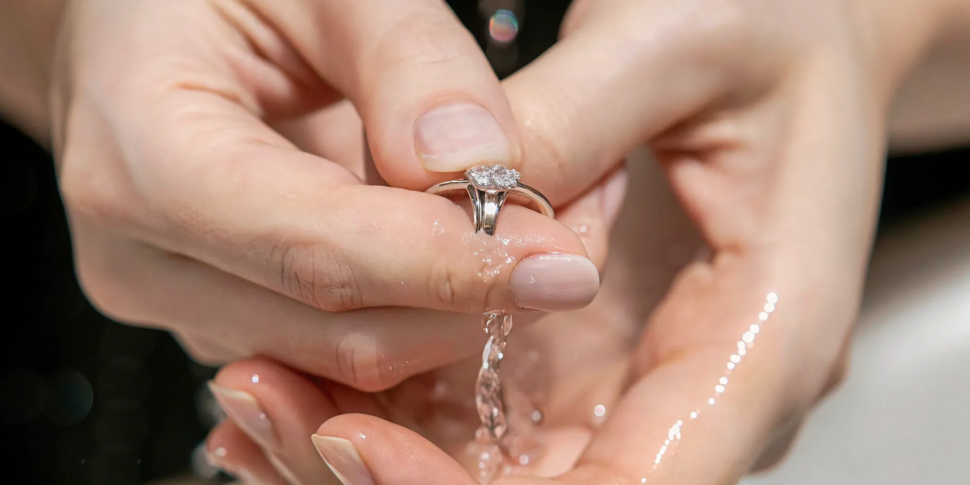
The idea of using high-frequency sound waves to clean your most cherished possessions can sound a little intimidating. Will it be too harsh for your engagement ring? Is it safe for the unique pieces from your favorite designers? These are valid questions, and the answer is that it all depends on the jewelry itself. An ultrasonic cleaner can be a game-changer for maintaining your collection, but it’s not a one-size-fits-all tool. This guide will walk you through everything you need to know about ultrasonic jewelry cleaning, helping you understand which materials are safe and which require a gentler touch.
Key Takeaways
- Deep clean intricate jewelry at home: Ultrasonic cleaners use high-frequency sound waves to create tiny bubbles that remove grime from complex designs and settings that are impossible to clean by hand, restoring your jewelry's brilliance.
- Know what to clean—and what to avoid: The technology is perfect for hard gems like diamonds and sapphires in solid gold or platinum. However, you should never clean porous stones like pearls or opals, treated gems like emeralds, or delicate vintage pieces in an ultrasonic machine.
- Use the right solution and technique: For the best results, use a proper cleaning solution or a simple mix of distilled water and mild dish soap. Avoid overcrowding the machine and always finish by rinsing your pieces and drying them with a soft, lint-free cloth.
What Is an Ultrasonic Jewelry Cleaner?
Ever wonder how jewelers get your favorite pieces looking so dazzlingly new? The secret is often an ultrasonic jewelry cleaner. Think of it as a high-tech spa day for your accessories. These machines are designed to give your fine jewelry a truly deep clean, removing the daily buildup of dirt, oils, and grime from every surface and setting. They work wonders on everything from your go-to rings to intricate necklaces, restoring their original brilliance and shine.
An ultrasonic cleaner uses technology that was once reserved for professionals but is now widely available for at-home use, making it easier than ever to care for your collection. It’s the perfect tool for maintaining the sparkle of your most cherished pieces, especially those with detailed designs that are tough to clean by hand. Instead of just wiping the surface, it gets into every tiny crevice, ensuring a comprehensive clean that makes your jewelry look like you just brought it home from the store. This method is particularly effective for pieces with complex details that can trap everyday residue. By using an ultrasonic cleaner, you're not just cleaning your jewelry; you're preserving its artistry and ensuring it looks its best for years to come.
How Does the Technology Work?
The magic behind an ultrasonic cleaner lies in sound waves. The machine uses high-frequency sound waves, far beyond the range of human hearing, to agitate a cleaning solution. This process creates millions of microscopic bubbles that are the key to its cleaning power. As the sound waves travel through the liquid, these tiny bubbles form and collapse rapidly. This action produces a gentle yet powerful scrubbing effect that dislodges dirt, lotion, and other residues from even the most hard-to-reach spots on your jewelry, all without harsh chemicals or abrasive brushing. It’s a thorough and safe way to clean delicate settings and intricate metalwork.
The Science of Those Tiny Bubbles
So, what’s really happening with those bubbles? The process is a fascinating bit of physics. The sound waves create intense vibrations in the cleaning liquid, causing tiny bubbles to form and then immediately implode. When they collapse, they release a surprising amount of energy, creating a tiny jet of liquid that scours the surface of your jewelry. This is what lifts away grime from detailed engravings, prong settings, and chain links. It’s a powerful cleaning method that relies on physical force, not just chemical reactions. That’s why using the right cleaning solution is so important—it helps the bubbles do their job safely and effectively, ensuring your pieces are cleaned without any risk of damage.
Why Use an Ultrasonic Cleaner?
If you've ever wondered how jewelers get pieces so dazzlingly clean, the secret is often an ultrasonic cleaner. While a soft cloth has its place, this technology offers a level of clean that’s hard to achieve by hand. It’s not just about making your jewelry sparkle; it’s about preserving its beauty and integrity for years to come. Let’s look at a few reasons why an ultrasonic cleaner might be the best friend your jewelry collection has ever had.
A Deeper Clean for Intricate Designs
Think about your favorite ring with its detailed metalwork or a pair of earrings with tiny crevices. Getting into every nook and cranny can feel impossible. This is where an ultrasonic cleaner truly shines. It uses high-frequency sound waves to create microscopic bubbles in the water. These bubbles gently but effectively scrub away dirt, lotion, and oils from even the most complex designs, restoring their original brilliance. It’s a game-changer for keeping intricate artisan pieces looking like they just left the showroom.
Save Time and Effort
Let’s be honest, we don’t always have time for a meticulous, piece-by-piece cleaning session. An ultrasonic cleaner does the hard work for you. Instead of spending ages with a tiny brush, you simply place your jewelry inside, add the solution, and press a button. In just a few minutes, the machine lifts away grime without you having to scrub or take anything apart. This guide to ultrasonic jewelry cleaners highlights how they handle tough buildup, giving you a professional-level clean with minimal effort. It’s the perfect way to maintain your collection between professional check-ups.
Gentle Yet Powerful Cleaning
The idea of "powerful" sound waves might sound intimidating, but the process is surprisingly gentle on the right pieces. The tiny bubbles do the cleaning, not harsh chemicals or abrasive scrubbing, so your jewelry isn't subjected to physical wear and tear. The key is pairing the technology with the right materials and the proper cleaning solution. Using the correct liquid is crucial for ensuring a safe and effective clean that protects your precious metals and gemstones. This method removes dirt and dust without scratching or damaging your beloved items, making it a trusted technique for jewelers and collectors alike.
What Jewelry Can You Safely Clean?
An ultrasonic cleaner is a fantastic tool for bringing back that showroom sparkle, but it’s not a one-size-fits-all solution. The technology uses high-frequency sound waves to create tiny, powerful bubbles in a cleaning solution. These bubbles implode against your jewelry, scrubbing away grime from every nook and cranny—a process that’s perfect for some pieces but potentially damaging to others. Before you drop your favorite accessories into the machine, it’s crucial to know what they’re made of. The key is to understand the difference between hard, durable materials that can handle the vibrations and softer, more delicate ones that can't.
Think of it like doing laundry: you wouldn’t toss a silk blouse in the same cycle as your bath towels. The same principle applies here. Certain metals and gemstones are tough enough for a deep, vibrating clean, while others require a much gentler touch. Knowing which category your jewelry falls into will help you keep it looking beautiful for years to come and avoid a heartbreaking accident. It's all about protecting the integrity of the piece, from the metal's finish to the security of the stone's setting. Let’s break down which pieces are safe to clean and which ones should stay far away from the ultrasonic bath.
Jewelry That Loves an Ultrasonic Bath
So, which pieces get the green light? Generally, jewelry made from solid, non-plated metals and hard, non-porous gemstones are excellent candidates. Solid gold, platinum, and sterling silver can all handle the ultrasonic vibrations without any issues. When it comes to stones, think tough. Diamonds, whether natural or lab-grown, clean up beautifully, as long as they haven't been fracture-filled (a treatment that can be dislodged by the vibrations).
Other durable gemstones like sapphires and rubies are also safe to clean this way. Their hard, dense structure can easily withstand the pressure from the tiny imploding bubbles, which effectively blast away dirt and oil. This makes ultrasonic cleaning the perfect way to restore the brilliance of your diamond engagement ring or a classic sapphire necklace.
Which Pieces Should Sit This One Out?
Now for the pieces that need to skip the ultrasonic bath. Porous and organic gems are a definite no-go. This includes pearls, opals, coral, and turquoise. The intense vibrations and cleaning solution can strip them of their natural oils, causing them to dry out, crack, or become dull. Opals, in particular, have a high water content and can easily fracture under pressure.
You should also avoid cleaning certain treated or delicate gemstones. Emeralds, for example, are often treated with oils to fill in natural inclusions, and an ultrasonic cleaner can remove this oil, making the flaws more visible. The same goes for any piece with enamel details or glued-in stones, as the vibrations can cause the enamel to chip or loosen the adhesive. When in doubt, it’s always better to use a soft brush and mild soap.
A Special Note on Vintage & Estate Jewelry
When it comes to your treasured Vintage & Estate pieces, the safest rule is to avoid the ultrasonic cleaner altogether. Antique and vintage jewelry can have delicate settings, intricate filigree, or older, more fragile stones that might not be able to withstand the intense vibrations. The construction methods and materials used in the past weren't always designed to handle modern cleaning techniques. A hidden weakness or a loose prong could easily become a bigger problem.
For these irreplaceable items, professional cleaning is always the best path forward. A skilled jeweler can assess the piece's condition and use the safest method to restore its beauty without risking damage. If you have any questions about caring for a special piece, it's a great idea to book an appointment and get an expert opinion.
How to Choose the Right Ultrasonic Cleaner
Shopping for an ultrasonic cleaner can feel a bit like buying a new kitchen appliance—there are so many models, features, and price points. But finding the right one for your jewelry collection doesn’t have to be complicated. It really comes down to matching the machine to the pieces you own and love. The goal is to find a cleaner that will be a trusted partner in caring for your jewelry, from your everyday rings to that special occasion necklace.
Think about what you’ll be cleaning most often. Is it your intricate engagement ring, a collection of delicate chains, or chunkier vintage bracelets? The right machine will have the capacity, power, and safety features to handle your specific needs, ensuring every piece comes out sparkling without any risk of damage. We’ll walk through the three most important things to consider—size, power settings, and safety features—so you can feel confident in your choice. Investing in the right tool means you can safely maintain the beauty of your entire jewelry collection for years to come.
Find the Right Size for Your Collection
First things first, let’s talk about size. The "tank" is the basin where you place your jewelry and the cleaning solution, and its size determines how much you can clean at once. Most at-home models have tanks that hold between 12 and 24 ounces. While it might be tempting to get the biggest one available, it’s more practical to choose a size that fits your habits.
If you typically clean a few rings and a pair of earrings at a time, a smaller model will work perfectly. If you have larger pieces like statement necklaces or want to clean multiple items at once, look for a larger capacity. The key is to avoid overcrowding the tank. Your jewelry needs space for the ultrasonic waves to work their magic, so giving each piece a little breathing room ensures a thorough, even clean every time.
Understand Power and Frequency Settings
Next up is a slightly more technical detail: the power and frequency, measured in kilohertz (kHz). This number tells you how many ultrasonic sound waves the machine generates per second. Most cleaners operate between 40kHz and 50kHz. Here’s what you need to know: higher frequencies create smaller, gentler cleaning bubbles.
For fine jewelry, especially pieces with delicate settings or softer stones, a higher frequency of around 45kHz or more is ideal. It provides a deep clean that can get into every tiny crevice without being too aggressive. Some machines offer multiple settings, but a quality cleaner with a single, appropriate frequency will be more than effective for keeping your favorite pieces from our designers looking their best.
Key Safety Features to Look For
Finally, let’s talk about safety—for both you and your jewelry. While ultrasonic cleaners are generally very safe, there are a few features to look for. An automatic shut-off timer is a must-have. This allows you to set a cleaning cycle (usually for a few minutes) and walk away, knowing the machine will turn off on its own. This prevents over-cleaning, which can be harsh on more delicate vintage & estate pieces.
Most importantly, always follow the manufacturer’s instructions. And here’s a critical rule: never, ever put your hands or fingers in the water while the machine is running. The ultrasonic vibrations are powerful and not meant for skin. Always turn the unit off completely before placing or retrieving your jewelry. A secure lid is also a great feature, as it helps keep everything contained while the machine works.
What's the Best Cleaning Solution to Use?
Once you have your ultrasonic cleaner, the next big question is what to put inside it. The cleaning solution you choose is just as important as the machine itself, as it’s what actually breaks down the grime and restores your jewelry’s sparkle. The right liquid will work with the ultrasonic waves to lift away dirt, oil, and lotions without harming delicate metals or gemstones.
You generally have two great options: a professional-grade solution formulated specifically for jewelry, or a simple and effective DIY mix you can make with items you already have at home. Both can deliver fantastic results, and the best choice often comes down to your personal preference and the types of pieces you’re cleaning. We’ll walk through the pros and cons of each, so you can feel confident you’re giving your jewelry the best possible care. And don’t forget the water—it turns out, the type you use makes a surprising difference. Choosing the right solution ensures that everything from your everyday earrings to your most cherished pieces gets the treatment it deserves, safely and effectively.
Professional-Grade Cleaning Solutions
If you want a reliable, no-fuss option, a commercial ultrasonic jewelry cleaning solution is the way to go. These formulas are created by experts specifically for this purpose, so you can trust they are safe and effective. They take all the guesswork out of the process. Brands like Blitz or the jewelry-specific version of Simple Green are excellent choices because they are non-toxic and designed to work with the ultrasonic waves to gently remove buildup. Think of it as the easy button for achieving a professional-level clean at home, ensuring your favorite rings and bracelets come out looking their absolute best.
Simple and Safe DIY Recipes
You don’t need a special formula to get a brilliant shine. A simple, homemade solution can work wonders, and you likely already have everything you need. Just mix warm water with a few drops of gentle, unscented dish soap—Dawn is a classic choice for a reason. The key here is to avoid any soaps with harsh chemicals, moisturizers, or abrasive additives, as these can damage or leave a film on your jewelry. This gentle mixture is perfect for regular maintenance and is safe for most of the durable fine jewelry in your collection.
Does the Type of Water Matter?
Yes, it absolutely does! While you can use tap water in a pinch, we always recommend using distilled water for the best results. Why? Tap water contains minerals and impurities that can leave behind a dull film or even tiny spots on your jewelry after it dries. Distilled water, on the other hand, is completely pure. Using it ensures that once the dirt is lifted away, there’s nothing left behind but a flawless, streak-free sparkle. This is an especially important tip when cleaning pieces where clarity is key, like the stunning diamonds in our bridal collection.
Our Top Picks for Ultrasonic Jewelry Cleaners
So, you’re ready to bring the power of ultrasonic cleaning home. That’s fantastic! With so many options out there, it can be tricky to figure out which machine is the right fit for your collection. The good news is that whether you have a few treasured pieces or a growing collection of fine jewelry, there’s a perfect cleaner waiting for you. We’ve sorted through the options to help you find a machine that matches your needs and budget, so you can keep your favorite pieces looking brilliant.
Professional-Grade Cleaners We Recommend
If you have an extensive collection or simply want the best of the best, a professional-grade cleaner is a worthy investment. Brands like Magnasonic create powerful models that are built to last and deliver a consistently deep clean. These machines often have larger stainless steel tanks, giving you more room to clean multiple items at once. They’re also incredibly versatile, capable of refreshing everything from your diamond rings to your eyeglasses and watches (just be sure to check that your items are safe for ultrasonic cleaning first!). Think of it as bringing a bit of your favorite jeweler’s magic right into your home.
The Best At-Home Models for Any Budget
You don’t have to spend a fortune to get a great result. There is a huge variety of ultrasonic cleaners available online, with effective and reliable models starting under $50. These more compact machines are perfect for personal use and are incredibly easy to operate. While they may not have all the bells and whistles of a professional unit, they still use the same core technology to lift away dirt and grime from your jewelry. For most people looking to maintain their everyday rings, necklaces, and earrings, a budget-friendly at-home model is the perfect solution for achieving that fresh-from-the-store sparkle.
Premium Features That Are Worth It
When comparing models, you’ll notice some have premium features that can make a real difference. A durable stainless steel tank is a must-have for longevity. You’ll also see different frequencies listed, like 42,000 Hz or 48,000 Hz. In simple terms, a higher frequency often means more microscopic bubbles and a more powerful, thorough clean for tough-to-reach spots. Another feature to look for is multiple cleaning cycles or an adjustable timer. This gives you more control, allowing you to run a quick cycle for a light refresh or a longer one for pieces that need a little more attention, ensuring every piece gets the care it deserves.
Your Step-by-Step Guide to Ultrasonic Cleaning
Ready to give your jewelry that professional sparkle at home? Using an ultrasonic cleaner is surprisingly simple once you get the hang of it. Think of it as a spa day for your favorite pieces. The key is to be gentle and methodical. By following these straightforward steps, you can safely and effectively restore the brilliance to your collection, making your diamonds dazzle and your metals gleam. Let’s walk through the process together.
Step 1: Prep Your Pieces
Before you even turn the machine on, take a moment to inspect your jewelry. A quick check can prevent any potential issues during the cleaning cycle. Gently examine each piece, making sure that all parts, like clasps and settings, are secure. This is especially important for intricate designs or older Vintage & Estate pieces that might have delicate components that have loosened over time. If a stone feels a little loose in its setting, it’s best to set that piece aside and bring it to a professional. This simple pre-check ensures your treasures stay safe and sound while getting the deep clean they deserve.
Step 2: Run the Cleaning Cycle Safely
Now for the fun part. Fill the cleaner’s tank with either water or a specially formulated cleaning solution, making sure you add enough liquid to reach the minimum fill line. Place your jewelry inside the provided basket, being careful not to overcrowd the machine so the waves can reach every surface. The magic of an ultrasonic cleaner comes from high-frequency sound waves that create tiny, powerful bubbles. These bubbles gently scrub away dirt and grime from every nook and cranny. To be safe, always start with a short cleaning cycle—three minutes is a great starting point.
Step 3: Finish with Proper Care
Once the cycle is complete, carefully remove your jewelry. The final steps are just as important as the cleaning itself. Rinse each piece thoroughly under clean water to wash away any lingering cleaning solution and dislodged dirt. Afterward, pat it dry with a soft, lint-free cloth to prevent water spots and restore its shine. The last thing you should do is give your jewelry one final inspection. Look it over for any loose stones or other issues that might have become apparent after the grime was removed. If you spot anything concerning, it's always a good idea to book an appointment for a professional check-up.
Common Mistakes to Avoid
Ultrasonic cleaners are fantastic tools, but a few common missteps can turn a cleaning session into a costly mistake. Think of it like caring for a high-quality cashmere sweater—you wouldn't just toss it in the wash on high heat. Your jewelry deserves the same thoughtful approach. By avoiding these simple errors, you can make sure your beautiful pieces get the sparkling clean they deserve without any risk of damage. Let's walk through what not to do.
Using the Wrong Cleaning Solution
The liquid you use in your cleaner is just as important as the machine itself. Harsh chemicals are a definite no-go, as they can damage both your jewelry and the cleaner’s tank. For a simple and effective DIY solution, mix a few drops of gentle, unscented dish soap with distilled water. Why distilled? Tap water contains minerals that can leave a film or even tiny scratches on your pieces. If you prefer a ready-made option, look for a commercial ultrasonic cleaning solution specifically formulated for jewelry. Just be sure to follow the instructions on the bottle for the best results.
Overcrowding the Machine
It can be tempting to clean your entire jewelry box at once, but overcrowding the machine is a common mistake that leads to a less-than-perfect clean. Your pieces need room to move so the tiny bubbles and cleaning solution can reach every surface, nook, and cranny. Think of it like loading a dishwasher—if you pack it too tightly, some dishes will still come out dirty. For the best results, clean just a few items at a time. If you have a particularly valuable or intricate piece and you're unsure, it's always a good idea to book an appointment with a professional for a cleaning.
Forgetting Your Jewelry's Unique Needs
Not all jewelry is created equal, and some pieces should never go into an ultrasonic cleaner. The intense vibrations can be too much for certain gemstones, especially those that are soft, porous, or have internal inclusions. Steer clear of cleaning emeralds, opals, pearls, turquoise, and tanzanite this way. This is especially important for vintage and estate jewelry, which often features delicate stones and settings that require a specialist's touch. When in doubt, always consult with your jeweler. It’s much better to be safe than to risk damaging a piece you love.
Making a Smart Investment in a Cleaner
Choosing an ultrasonic cleaner is a great step toward preserving the beauty and brilliance of your jewelry collection. Think of it as an investment in the longevity of the pieces you love. With the right machine, you can keep your favorite rings, necklaces, and bracelets sparkling like new. But before you buy, it’s important to know where to look and what to look for to ensure you’re getting a quality tool that suits your needs.
Where to Shop for Your Cleaner
Finding an ultrasonic cleaner is easier than ever. Broad online platforms like Amazon offer a huge variety of options, making it simple to compare models and find one that fits your budget. These machines are often versatile, capable of cleaning everything from your eyeglasses to dentures, which adds to their value. For a more specialized approach, you can look at brands like Magnasonic, which focuses specifically on creating high-quality ultrasonic jewelry cleaners for both home and commercial use. Shopping from a dedicated brand can give you extra confidence in the product’s performance and durability.
What to Know About Warranties and Support
Once you’ve found a potential cleaner, take a moment to review the details. Always read the manufacturer’s instructions to understand the machine’s capabilities and limitations. Using the right cleaning solution is key to getting that perfect shine without damaging your jewelry. Look for a solid warranty and accessible customer support, as these are good indicators of a reliable product. And remember, for your most precious or delicate pieces, especially unique vintage and estate jewelry, it’s always wise to consult a professional jeweler. If you’re ever unsure, we’re always here to help you care for your treasures—you can book an appointment with us anytime.
Related Articles
Frequently Asked Questions
How often should I use my ultrasonic cleaner? For pieces you wear every day, like an engagement ring or your favorite earrings, using the cleaner once every week or two is a great way to keep them looking brilliant. For jewelry you wear less frequently, a cleaning session before a special occasion or whenever you notice it looking a bit dull is perfect. The goal is to prevent heavy buildup without overdoing it.
Will an ultrasonic cleaner loosen the diamonds in my engagement ring? This is a common concern, and a valid one! An ultrasonic cleaner won't harm a secure setting, but its vibrations can reveal a problem that's already there. If a prong is already loose, the machine might make it more obvious. That's why it's so important to inspect your ring before each cleaning and to have it professionally checked at least once a year to ensure everything is tight and secure.
Can I just use plain water without any cleaning solution? While the ultrasonic waves do the scrubbing, they need a little help. The cleaning solution, even just a few drops of gentle dish soap, is what actually breaks down the oils, lotions, and grime that accumulate on your jewelry. Using only water won't be nearly as effective and will likely leave you with a less-than-sparkling result.
What's the most important thing to remember before cleaning vintage jewelry? The single most important rule for vintage and estate pieces is to skip the ultrasonic cleaner entirely. These treasures often have delicate settings, fragile stones, or old repairs that aren't visible to the naked eye. The intense vibrations can cause serious damage. Always bring these special pieces to a professional jeweler for a safe and gentle cleaning.
Is a more expensive machine really that much better? Not necessarily. Many affordable, at-home models do a fantastic job for regular maintenance on a personal collection. More expensive, professional-grade machines typically offer larger tanks, more durable construction, and more powerful settings. If you have a very large collection or want a machine that will last for many years, the investment might be worth it, but a budget-friendly option is a great place to start.
Recent articles
View all
Brooke's Holiday Favorites - 2025

Holly's Holiday Favorites - 2025