
The Essential Guide to Vintage Engagement Rings
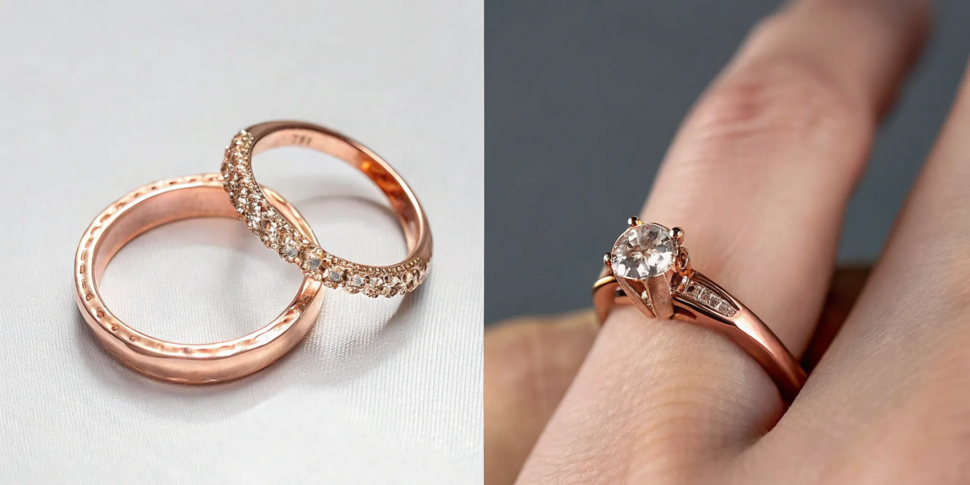
In a world full of trends, a vintage engagement ring offers something refreshingly unique. Each one has its own history and a distinct personality that reflects the era it came from. Choosing vintage means you’re getting a piece with its own story, a secret past that adds to its charm. This isn't just jewelry; it's a personal statement. This guide will explore the incredible craftsmanship and one-of-a-kind designs from different periods, helping you find a ring that feels like it was made just for you, decades before you were even born.
Key Takeaways
- Understand the Styles and Terminology: Knowing the difference between vintage, antique, and estate is the first step to a confident search. Familiarizing yourself with the distinct designs of each era, from Victorian romance to Art Deco geometry, helps you find a ring that truly fits your personal style.
- Assess a Ring's Condition and Practicality: Before committing, carefully inspect the ring's physical state. Check for secure prongs and a sturdy band to ensure it's ready for daily wear, and always confirm if a ring can be resized to fit you perfectly.
- Commit to Proper Care and Protection: Choosing a vintage ring is a sustainable choice that comes with a unique story. Protect your investment and its history with gentle at-home cleaning, regular professional checkups, and a proper appraisal and insurance policy.
What Exactly Is a Vintage Engagement Ring?
If you’re drawn to jewelry with a story, a vintage engagement ring might be the perfect choice for you. These aren’t just secondhand rings; they are one-of-a-kind treasures from past eras, often featuring antique diamonds and handcrafted settings that you just don’t see anymore. They carry a sense of history and romance that feels incredibly personal.
But as you start your search, you’ll likely come across a few different terms: vintage, antique, and estate. While they’re often used interchangeably, they each have a distinct meaning. Understanding the difference is the first step to finding the ring that’s meant for you.
Vintage, Antique, or Estate: What's the Difference?
Let’s clear up the language so you can shop with confidence. A ring must be at least 30 years old to be considered vintage. The term antique is reserved for pieces that are 100 years or older, typically from the Art Deco period or earlier. So, all antique rings are vintage, but not all vintage rings are antique.
And what about estate? This is a broader term for any piece of jewelry that has been previously owned, regardless of its age. An estate ring could be a 150-year-old Victorian heirloom or a designer piece from just a few years ago. Knowing these distinctions will help you refine your search and find exactly what you're looking for in our Vintage & Estate collection.
The Enduring Charm of Vintage Rings
So, why does a ring from a bygone era feel so special? Part of the appeal is the incredible craftsmanship. Rings from the Victorian, Edwardian, and Art Deco periods are stunning reflections of the artistry and styles of their time, with details that are often meticulously crafted by hand. Each one tells a story of the era it was born in.
Choosing a vintage ring is also a beautiful, sustainable choice. By giving a pre-loved piece a new life, you’re making an eco-friendly decision that reduces the demand for new mining. More than anything, a vintage ring is a promise that your bridal jewelry will be as unique as your love story. You’re not just wearing a ring; you’re becoming part of its history.
A Guide to Popular Vintage Ring Styles by Era
One of the most exciting parts of choosing a vintage ring is discovering the story behind its style. Jewelry design has always been a reflection of the times, with each era leaving its own distinct mark. From the sentimental motifs of the Victorian age to the bold geometry of the Art Deco period, understanding these styles can help you find a ring that truly speaks to you. Let’s walk through some of the most popular eras and what makes their designs so special.
The Romanticism of Victorian Rings (1837-1901)
Reflecting a time of sentimentality and romance, Victorian rings are known for their intricate designs and personal motifs. You'll often see flowers, hearts, and serpents (a symbol of eternal love). Jewelers frequently used colored gemstones like sapphires and rubies alongside diamonds to add meaning, often set in warm yellow gold. A Victorian ring is a poetic statement from a bygone era, perfect for someone who loves a story. Our collection of vintage and estate pieces often features these romantic treasures.
The Delicacy of Edwardian Rings (1901-1915)
The Edwardian era is defined by elegance and grace. Think of delicate, lace-like designs crafted with incredible precision, made possible by the use of platinum for fine yet strong settings. These rings often feature intricate filigree work, milgrain detailing, and motifs like bows and garlands. Diamonds were the star of the show, often accented with sapphires or pearls. These rings are the essence of femininity and sophistication, ideal for someone with a classic and refined taste.
The Bold Geometry of Art Deco Rings (1920s-1930s)
The Roaring Twenties ushered in an era of liberation and innovation, and Art Deco jewelry captured this spirit perfectly. Designs from this period are celebrated for their bold geometric patterns and sharp, clean lines. Symmetry was key, with jewelers creating stunning patterns using contrasting colors, like vibrant emeralds set next to sparkling diamonds. New diamond cuts, like the emerald and Asscher, also became popular. An Art Deco ring is a statement piece, perfect for someone who appreciates bold design in their bridal jewelry.
The Classic Appeal of Mid-Century Rings (1940s-1960s)
After World War II, jewelry design shifted toward a more classic and streamlined look. Mid-Century rings often feature clean lines and a minimalist aesthetic, placing a strong emphasis on the center diamond. This is when the classic solitaire engagement ring truly soared in popularity. Designers also got creative with metalwork, using curved lines and illusion settings to make diamonds appear larger. These rings have a timeless elegance that feels both vintage and modern, making them a wonderfully versatile choice.
What to Look for When Choosing a Vintage Ring
Finding the perfect vintage engagement ring is like a treasure hunt. You’re searching for a piece that not only speaks to you but has also stood the test of time. While the beauty and romance of a vintage ring are undeniable, it’s important to approach your search with a thoughtful eye. Knowing what to look for ensures you find a piece that is not only beautiful but also durable enough to become a part of your own story. It’s about balancing that love-at-first-sight feeling with a practical understanding of what makes a vintage piece a wise choice for an engagement ring.
From verifying its age to understanding its physical condition, there are a few key things to consider. You’ll want to think about whether the ring can be resized to fit you perfectly and, of course, embrace the unique history that comes with it. Taking the time to examine these details will help you choose a ring with confidence. Our collection of Vintage & Estate pieces is carefully curated, but these tips will empower you no matter where your search leads. Let’s walk through the essentials of selecting a vintage ring you’ll cherish for years to come. This isn't about being overly critical; it's about being informed so you can wear your ring with joy and peace of mind.
How to Verify a Ring's Authenticity
First, it helps to know the terminology. A ring is generally considered "vintage" if it's at least 30 years old, while "antique" pieces are typically 100 years or older, often dating from the Art Deco era or earlier. A genuine vintage ring will show characteristics of its time, from the cut of the diamond to the style of the metalwork. Look for small stamps or engravings inside the band, known as hallmarks or maker's marks, which can indicate the metal content, manufacturer, or country of origin. The best way to ensure authenticity is to work with a trusted jeweler who has the expertise to identify the ring's era and verify its materials.
Assess the Ring's Condition and Quality
A vintage ring has a past, and with that comes a certain level of wear. That’s part of its charm! However, you’ll want to carefully inspect its condition to ensure it’s ready for its future with you. Check the prongs holding the main stone; are they secure, or are they worn down? Examine the gemstones for any noticeable chips or scratches. The band itself should also be inspected for signs of thinning, especially at the back. Because many of these rings were made by hand, their sturdiness can vary. A little wear is perfectly fine, but you want to avoid a piece that needs major repairs right away.
Can It Be Resized? What to Know About Modifications
You’ve found a ring you adore, but it’s not your size. This is a critical moment. Before you get too attached, you need to know if it can be resized. Some rings are easier to adjust than others. A simple, plain band can often be sized up or down without issue. However, rings with intricate engravings, detailed patterns, or gemstones that go all the way around the band (known as eternity bands) can be difficult or even impossible to resize without compromising the design. Always ask about resizing possibilities upfront. If you have questions about a specific piece, you can always book an appointment with us to discuss your options.
Uncovering a Ring's Unique History
One of the most magical parts of choosing a vintage ring is connecting with its story. Each piece carries a history of the person who wore it before and the era in which it was made. While you may not always get a detailed account of its past, the ring itself tells a story through its design, craftsmanship, and unique details. The style can tell you if it was born in the romantic Victorian era or the bold Art Deco period. This history adds a layer of depth and soul that you just can’t find in a modern piece. Buying a vintage ring means you’re not just getting a beautiful object; you’re becoming the next chapter in its long and lovely story.
How Do Vintage and Modern Ring Prices Compare?
One of the biggest questions I hear is about the price tag. Is a vintage ring more expensive than a modern one? The answer isn't always straightforward, but you might be pleasantly surprised. Often, you can find incredible value in a vintage piece. Because they are pre-owned, vintage rings often offer unique, high-quality craftsmanship at a more accessible price point than a brand-new ring with similar features. You’re paying for the history and artistry, not just the raw materials.
When you compare the two, it’s less about which is "cheaper" and more about where the value lies. With a modern ring, the price often reflects current market rates for diamonds and precious metals, and it may come with warranties. With a vintage ring, the value is tied to its rarity, craftsmanship, and unique character. You might find that your budget allows for a more distinctive and intricate design in a vintage piece than it would for a new one. It’s a wonderful way to get a ring with a soul and a story, without compromising on quality or beauty.
What Determines a Vintage Ring's Price?
Several key factors come together to determine the price of a vintage engagement ring. The overall condition is paramount; a well-preserved piece will always be more valuable. The quality and size of the gemstones and the type of precious metal used are also major considerations. But beyond the materials, the ring’s story plays a huge role. Rarity is an important factor in pricing, since many pieces are inevitably lost or damaged over the years. A ring from a famous designer or a particularly sought-after era, like Art Deco, can also command a higher price due to its unique artistic signature and historical significance.
Are Vintage Rings a Good Investment?
Many people wonder if a vintage ring is a smart financial choice. While you should always choose a ring because you love it, it’s nice to know that vintage pieces tend to hold their value exceptionally well. Unlike a new ring that depreciates the moment you buy it, a vintage ring’s value is rooted in its rarity and historical context. Many vintage settings feature unique craftsmanship that can be more valuable than contemporary pieces. Over time, a well-cared-for vintage ring can even appreciate in value, making it not just a symbol of your love, but a beautiful heirloom for the future.
How to Set Your Budget for a Vintage Piece
Setting a budget for a vintage ring is a great first step. One of the benefits of choosing a pre-owned piece is that you can often find options that are more budget-friendly than their brand-new counterparts. When you’re planning, remember to factor in potential extra costs, like resizing or minor restoration, to ensure the ring is perfect for you. The best approach is to start by exploring different styles and eras to get a feel for the price range. From there, you can book an appointment with a trusted specialist who can show you beautiful options that honor both your style and your budget.
Where to Find Your Perfect Vintage Engagement Ring
Once you know what you’re looking for, the next step is knowing where to look. The hunt for a vintage engagement ring can be an exciting adventure, and your success often depends on searching in the right places. From specialized boutiques to hidden local gems, here are the best spots to find a ring with a story to tell.
Find a Trusted Vintage Jewelry Specialist (Like Us!)
Working with a specialist is one of the surest ways to find a high-quality, authentic vintage ring. A trusted jeweler curates their collection, meaning every piece has been hand-selected for its beauty, craftsmanship, and condition. They have the expertise to verify a ring’s history and can guide you through the nuances of different eras, from the intricate details of Edwardian rings to the bold lines of Art Deco designs.
Here at Element 79, our Vintage & Estate collection is a labor of love. We seek out unique pieces that have a soul and a story. When you shop with a specialist, you get more than just a ring; you get peace of mind and a partner in your search. We invite you to book an appointment to explore our collection in a relaxed, no-pressure environment.
Explore Estate Sales and Auctions
For those who love the thrill of the hunt, estate sales and auctions can be a fantastic source for vintage jewelry. Estate jewelry is simply any piece that is pre-owned, so you can find treasures from nearly any period. These events offer a direct line to pieces that have been held in private collections for generations, often at competitive prices. You might stumble upon a one-of-a-kind ring that you wouldn’t find anywhere else.
The key to success is doing your homework. Preview the items beforehand if possible, and don't be afraid to ask questions about a piece's condition or history. You can find local events through services like EstateSales.net, which lists sales happening near you.
Browse Online Vintage Marketplaces
The internet has opened up a world of possibilities for finding vintage engagement rings. Reputable online dealers and marketplaces bring together collections from all over the globe, giving you an incredible selection to browse from the comfort of your home. Many of these sellers are specialists who provide detailed histories, high-resolution photos, and videos for each piece.
When shopping online, always look for a clear and fair return policy. For rings with significant gemstones, ask for documentation from a trusted gemological lab, like the Gemological Institute of America (GIA). Read reviews and choose sellers who are transparent and communicative. A great online dealer will make you feel just as confident in your purchase as if you were standing in their store.
Red Flags to Watch For When Shopping
As you search for your perfect ring, it’s important to shop with a discerning eye. One of the biggest myths is that vintage rings are inherently fragile. While any ring requires care, a well-constructed antique piece has already stood the test of time. The real concern is condition. Look for signs of worn-down prongs, thin shanks, or clumsy repair work, as these can compromise the ring’s structure.
Be cautious of sellers who offer vague descriptions or lack clear photos. If a price seems too good to be true, it probably is. A trustworthy seller will always be transparent about a ring’s flaws and provide documentation for its key features. Trust your intuition, and don’t feel pressured to make a quick decision.
Why Choose a Vintage Engagement Ring?
If the idea of a mass-produced ring doesn't quite capture your love story, a vintage piece might be the perfect fit. Choosing a vintage engagement ring is about more than just style; it’s about embracing a piece with history, character, and a soul of its own. These rings connect you to a different era, offering intricate craftsmanship and a story that’s waiting for you to continue. From the romance of the Victorian era to the bold lines of Art Deco, there’s a vintage ring that feels like it was made just for you, decades before you were even born.
The Beauty of Unique Craftsmanship
One of the most captivating things about vintage engagement rings is the incredible artistry. Before modern technology, jewelers relied on hand-fabrication techniques, resulting in details you just don't see every day. Think delicate filigree, intricate engravings, and unique stone cuts that were popular in their time. This level of unique craftsmanship means you’re getting a piece of wearable art. Each ring from our Vintage & Estate collection was made with a level of care and attention that has allowed it to stand the test of time, becoming a beautiful heirloom ready for its next chapter.
The Sustainable Choice: Why Vintage is Eco-Friendly
Opting for a vintage ring is a beautiful way to make an environmentally conscious decision. When you choose a pre-loved piece, you’re giving new life to something that already exists, which reduces the demand for newly mined metals and gemstones. This simple act lessens the environmental impact associated with the jewelry industry. It’s a sustainable choice that feels good, allowing you to wear a stunning piece of history while honoring the planet. You get a gorgeous, meaningful ring without contributing to the creation of new materials, making it a purchase you can be proud of.
Find a Truly One-of-a-Kind Design
In a world of trends, a vintage ring is refreshingly unique. Each piece has its own history and a distinct personality that reflects the era it came from. Whether it’s a romantic Victorian cluster, a geometric Art Deco design, or a classic Mid-Century solitaire, you’re guaranteed a ring that isn’t like everyone else’s. Buying a vintage ring means getting a piece with its own story, a secret past that adds to its charm. This isn't just jewelry; it's a personal statement and a piece of history that becomes a part of your own love story.
How to Care for Your Vintage Engagement Ring
A vintage engagement ring is more than just a piece of jewelry; it's a piece of history you get to wear every day. Because these rings were often made by hand and have lived a long life already, they require special care to keep them sparkling for generations to come. Most vintage pieces are quite durable, but their age and unique construction mean they need a gentle touch. A little bit of mindful maintenance will ensure your ring remains as beautiful as the day it was first crafted.
Simple Cleaning and Maintenance Tips
The best way to clean your vintage ring at home is also the simplest. Mix a few drops of mild dish soap into a bowl of warm water and let your ring soak for a few minutes. Then, gently scrub it with a soft-bristled toothbrush, paying special attention to the areas around the setting where dirt can build up. Rinse it with clean water and pat it dry with a soft, lint-free cloth. It’s best to avoid harsh chemicals and ultrasonic cleaners, as they can damage delicate gemstones or loosen settings.
Why You Should Insure and Appraise Your Ring
Getting your vintage ring appraised and insured is one of the most important steps you can take. An appraisal determines the monetary value of your ring, which is essential for securing an insurance policy. Because the rarity of a piece contributes to its price, its value can increase over time as similar pieces are lost or damaged. Insurance protects you from the financial loss if your ring is stolen, damaged, or lost. We recommend getting your vintage and estate pieces reappraised every few years to ensure your coverage reflects their current market value, giving you complete peace of mind.
When to Seek Professional Restoration
While regular at-home cleaning is great, there are times when your ring will need an expert’s touch. You should see a jeweler if you notice a loose stone, worn or thin prongs, or significant scratches on the band. Antique rings may require professional restoration to maintain their beauty and structural integrity, especially if they show visible signs of wear. A professional can check the security of your settings, repolish the metal, and make any necessary repairs. If you have any concerns about your ring's condition, it's always best to book an appointment with a trusted jeweler who specializes in vintage pieces.
Related Articles
Frequently Asked Questions
Is an 'estate' ring the same as a 'vintage' ring? Not exactly, though the terms can overlap. "Estate" is a general term for any jewelry that has been previously owned, regardless of its age. It could be a ring from five years ago or 150 years ago. "Vintage," on the other hand, specifically refers to pieces that are at least 30 years old. So, while a vintage ring is also an estate piece, not all estate jewelry is old enough to be considered vintage.
Are vintage rings too delicate for everyday wear? This is a common concern, but a well-made vintage ring has already proven its durability by lasting for decades. The key is to choose a piece that is in good structural condition, paying close attention to the security of the prongs and the thickness of the band. With mindful care, like removing it for heavy-duty activities, your vintage ring is perfectly suited for daily wear. It's less about inherent fragility and more about being conscious of its unique history.
How can I be sure a ring is genuinely from a specific era? The best way to feel confident in a ring's age is to work with a reputable jeweler who specializes in vintage pieces. An expert can identify the tell-tale signs of an era, such as the cut of the stones, the metalwork techniques, and any maker's marks stamped inside the band. These details tell a story that helps confirm a ring's origin, giving you assurance that you're getting an authentic piece of history.
Will my vintage ring come with a diamond certificate like a new one? It's quite rare for a vintage ring to have its original paperwork, as modern grading reports from labs like the GIA didn't become standard until the mid-20th century. However, a trusted seller can have the primary gemstones graded by a modern lab to provide you with a new certificate. This document will confirm the diamond's characteristics for insurance and peace of mind, but it won't be the original from when the ring was first made.
What if I love a vintage style but can't find the right ring in my size? This can be a challenge, especially with rings that are difficult or impossible to resize due to their design. If you've fallen for a specific style, like an Art Deco halo, but can't find an original that works, consider a vintage-inspired modern ring. Many contemporary designers draw inspiration from past eras, creating new pieces that capture that old-world charm with modern craftsmanship. It’s a wonderful way to get the aesthetic you love in a ring made just for you.
Recent articles
View all
Brooke's Holiday Favorites - 2025
Holly's Holiday Favorites - 2025