

The Essential Diamond Solitaire Necklace Guide
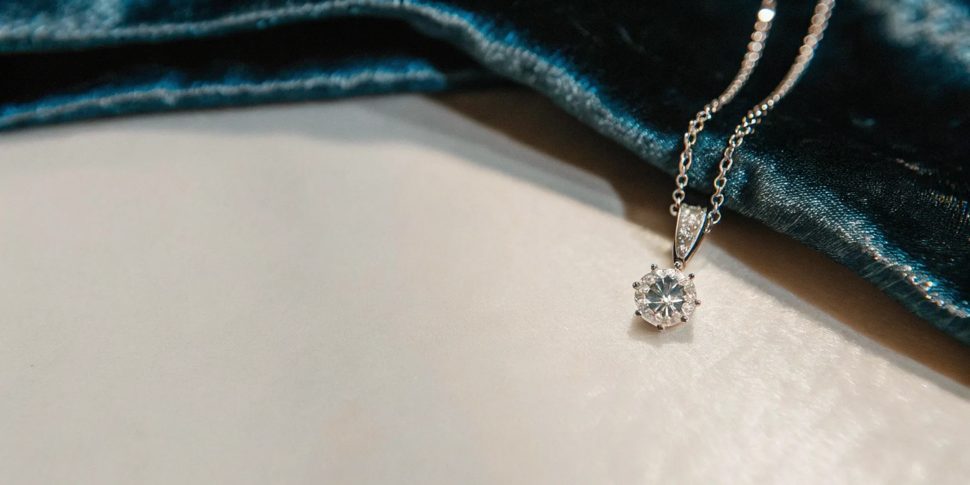
Some pieces of jewelry are like a perfect white t-shirt or a classic trench coat—they are the foundational staples you build a wardrobe around. They work with everything, feel right for any occasion, and never, ever go out of style. The diamond solitaire necklace is the ultimate jewelry staple. Its beauty is in its simplicity, centered on a single, brilliant stone that speaks for itself. It’s the piece you can put on in the morning and not take off for days, effortlessly moving from a casual coffee run to an elegant dinner. This guide is your complete resource for finding the one that’s perfect for you, from understanding the diamond itself to choosing a setting that reflects your personal style.
Key Takeaways
- Define Your Perfect Diamond: Go beyond the 4 Cs by prioritizing what's most important to you—whether it's sparkle, size, or budget. Then, make it uniquely yours by selecting a setting, metal, and chain that truly reflects your personal style.
- Invest in Timeless Versatility: A diamond solitaire is the ultimate everyday essential, effortlessly pairing with any look from casual jeans to an evening gown. Its classic design makes it a meaningful piece that holds its value and style for generations.
- Simple Care Ensures a Lifetime of Sparkle: Keep your necklace brilliant with gentle, at-home cleanings using soap and water. For long-term security, schedule an annual professional check-up to inspect the setting and ensure your diamond is safe.
Why Choose a Diamond Solitaire Necklace?
A diamond solitaire necklace is more than just a piece of jewelry; it’s a statement of quiet confidence and enduring style. It’s that one perfect piece you can reach for every single day, knowing it will always be right. Unlike trendy items that come and go, the solitaire’s beauty is centered on a single, stunning diamond, making it a deeply personal and timeless choice. Whether you're marking a special milestone, investing in your first piece of fine jewelry, or simply treating yourself to something beautiful, a diamond solitaire is a perfect companion. Let’s explore why this classic design continues to capture hearts.
The Timeless Appeal of a Single Stone
There’s a reason the solitaire design has remained a favorite for generations. Its beauty lies in its simplicity. By focusing on a single, spectacular stone, the necklace celebrates the diamond itself—its fire, its brilliance, and its unique character. This isn't a piece that follows fleeting trends; it creates its own legacy. A solitaire necklace is the kind of foundational piece you build a collection around. It’s a symbol of elegance that feels just as relevant today as it will decades from now, making it a perfect heirloom. The clean, classic design ensures it will always be in style, a testament to the idea that true beauty never fades.
A Versatile Piece for Any Occasion
Think of a diamond solitaire necklace as the most reliable piece in your wardrobe. Its incredible versatility means it truly works for every part of your life. Pair it with a t-shirt and jeans for a touch of casual polish, or let it be the finishing touch on an elegant evening gown. It’s sophisticated enough for the boardroom and simple enough for a weekend getaway. Because the design is so clean, it complements any personal style, from minimalist to eclectic. You can wear it alone for a delicate statement or layer it with other favorite necklaces to create a look that’s all your own. It’s a true wear-anywhere, go-with-everything staple.
Debunking Common Diamond Myths
Let’s clear up a few things about diamonds. First, the idea that a diamond has to be huge to be beautiful is simply not true. A smaller, high-quality diamond can have more sparkle and life than a larger, lower-quality one. Every diamond is unique, with its own personality and characteristics—that’s what gives a piece its soul. Another myth is that all diamonds look the same. Nothing could be further from the truth! Each stone has a distinct combination of cut, color, and clarity that makes it one-of-a-kind. The best way to understand this is to see them for yourself. We can help you find a diamond that truly speaks to you.
How to Choose the Perfect Diamond
Picking the right diamond can feel like a big decision, but it doesn’t have to be overwhelming. It’s all about understanding a few key factors and deciding what matters most to you. The best diamond isn’t necessarily the biggest or most flawless—it’s the one that fits your personal style and budget. Think of it as a treasure hunt where you get to define what makes the prize perfect.
The foundation of any diamond education starts with the 4 Cs: cut, color, clarity, and carat. These four characteristics work together to determine a diamond's quality, sparkle, and overall appearance. But beyond these technical specs, you’ll also want to consider where your diamond comes from and whether a natural or lab-grown stone is the right fit. We’ll walk through each of these points to give you the confidence you need to find a stone you’ll love for a lifetime. Whether you're drawn to a classic brilliant cut or a unique vintage piece, understanding these basics will help you appreciate the soul behind the jewelry.
A Simple Guide to the 4 Cs: Cut, Color, Clarity, and Carat
The 4 Cs are the universal standard for grading diamonds, and understanding them is the first step to making a great choice. Here’s a quick breakdown:
- Cut: This is all about how well a diamond’s facets interact with light. A well-cut diamond will have incredible sparkle and brilliance. It’s often considered the most important ‘C’ because it has the greatest influence on a diamond’s beauty.
- Color: For white diamonds, this grade actually refers to the absence of color. The scale runs from D (colorless) to Z (light yellow or brown).
- Clarity: This measures the absence of internal inclusions or external blemishes. A flawless diamond is rare, but many inclusions are too tiny to be seen without magnification.
- Carat: This is the diamond’s weight, not its size. One carat equals 200 milligrams.
Find the Right Carat Size for You
While it’s easy to get focused on carat weight, remember that a diamond’s cut and shape can make it appear larger or smaller than its weight suggests. A well-cut, lower-carat diamond can sparkle more brilliantly than a poorly cut, larger one. For a solitaire necklace, diamonds between 0.50 and 0.75 carats are a popular choice for creating a delicate, classic look that’s perfect for everyday wear. Ultimately, the right carat size is a personal preference. Think about your style and how the necklace will fit into your life—the perfect diamond is one that feels just right for you.
Lab-Grown vs. Natural Diamonds: What to Know
You have more choices than ever when it comes to selecting a diamond. Natural diamonds are formed deep within the Earth over billions of years, while lab-grown diamonds are created in a controlled environment. Chemically, physically, and optically, lab-grown diamonds are identical to their natural counterparts. To the naked eye, they are indistinguishable. The primary differences are their origin and price point, with lab-grown diamonds often being more accessible. Choosing between them comes down to your personal priorities, whether that’s tradition, budget, or the technology behind the stone.
The Importance of Ethical Sourcing and Certification
Knowing where your diamond comes from is just as important as its quality. Ethically sourced diamonds are mined and sold under conditions that prevent human rights abuses and environmental harm. To ensure your diamond is what it claims to be, always look for a grading report from a reputable gemological lab like the Gemological Institute of America (GIA). Purchasing from an established jeweler ensures you’re getting a certified, conflict-free stone. We pride ourselves on working with designers who are committed to transparency and responsible practices, so you can feel good about the jewelry you wear.
How to Balance Diamond Quality with Your Budget
Finding the perfect diamond is a balancing act. The key is to decide which of the 4 Cs is most important to you and adjust the others to fit your budget. For instance, you could prioritize an excellent cut for maximum sparkle while choosing a diamond with a slightly lower color or clarity grade that isn’t noticeable to the naked eye. There’s no right or wrong answer—it’s about finding the combination that gives you a beautiful stone you love at a price you’re comfortable with. If you need help finding that perfect balance, you can always book an appointment with one of our experts for personalized guidance.
Find Your Perfect Style and Setting
Once you’ve found your perfect diamond, the real fun begins. Think of the diamond as the star of the show, while the setting, chain, and metal are the supporting cast that makes it truly shine. These elements are what transform a beautiful stone into a piece of jewelry that feels completely, uniquely you. This is your chance to play designer and create a necklace that reflects your personal style, whether that’s modern and minimal, classic and elegant, or something totally unconventional. It’s where you get to infuse your personality into the final piece, ensuring it’s not just a necklace, but a true extension of who you are.
Choosing these details is less about following rules and more about trusting your intuition. What look are you drawn to? Do you prefer warm or cool metal tones? Do you want a piece that feels delicate and barely there, or one that makes a subtle statement? As you consider your options, think about how the necklace will fit into your life and your wardrobe. A well-chosen setting can offer extra security for an active lifestyle, while the right chain length can perfectly complement your favorite neckline. The right combination of style and setting will create a piece you’ll not only love to wear but will also treasure for years to come.
Choose Your Setting: Prong, Bezel, or Tension
The setting does the important job of holding your diamond securely, but it also defines the necklace’s overall aesthetic. The most classic option is a prong setting, which uses tiny metal claws to grip the diamond. This minimalist approach allows the maximum amount of light to enter the stone, creating incredible sparkle. For a more modern and secure feel, a bezel setting encases the diamond’s edge in a thin metal frame. This style is perfect for an active lifestyle and offers a sleek, contemporary look. If you’re after something truly unique, a tension setting uses the pressure of the band to hold the diamond, making it appear as if it’s floating.
Pick the Right Chain Style and Length
The chain is more than just a way to wear your pendant—it’s an integral part of the design. The most popular length for a solitaire necklace is between 16 and 18 inches, which allows the diamond to rest beautifully on the collarbone. Many of our necklaces feature adjustable chains, giving you the flexibility to match the length to different necklines. The style of the chain also adds character. A delicate cable chain offers a timeless, barely-there feel that keeps the focus on the diamond, while a box or rope chain can add a touch of texture and presence.
Select Your Metal: Gold, Platinum, and More
The metal you choose sets the entire tone for your necklace. Each option has its own distinct personality. Yellow gold offers a classic, warm glow that feels both traditional and sunny. White gold and platinum provide a cool, crisp backdrop that enhances a diamond’s bright white sparkle. For a touch of warmth with a modern twist, rose gold has a soft, romantic hue that complements every skin tone. Consider the other jewelry you wear daily. Mixing metals is always an option, but choosing a metal that harmonizes with your existing collection ensures your new piece will fit right in. Many of our designers have a signature metal they love, which can be a great source of inspiration.
Explore Customization and Pendant Shapes
While a round brilliant diamond is the quintessential choice for a solitaire necklace, there are so many other shapes to explore. An elegant pear, a modern oval, or a sophisticated emerald cut can completely change the character of your necklace and make it feel more personal. The shape of the stone is one of the best ways to express your individuality. Don’t be afraid to move beyond the expected and choose a shape that truly speaks to you. If you have a specific vision in mind or want to create something from scratch, you can always book an appointment with us to discuss custom design possibilities.
What Does a Diamond Solitaire Necklace Cost?
Talking about the cost of a diamond solitaire necklace can feel a bit like asking, "How much does a car cost?" The answer is: it depends! Prices can range from a few hundred dollars to many thousands, and that variation comes down to a few key factors. The beauty of this is that you have a lot of control over the final price tag.
The final cost is a combination of the diamond itself and the necklace it’s set in. The quality of the stone—its cut, color, clarity, and carat weight—plays the biggest role. But the metal you choose for the chain and setting, like 14k gold versus platinum, also makes a difference. Understanding how these elements work together is the key to finding a stunning piece that feels right for you and your budget. We’ll walk through exactly what to consider so you can feel confident in your choice.
How Diamond Quality Impacts Price
The 4 Cs are the universal standard for judging a diamond's quality, and they are the primary driver of its price. Even slight variations can lead to significant cost differences. For example, two diamonds of the same carat weight can have wildly different prices if one has a higher color grade or fewer inclusions. Many beautiful and accessible diamond necklaces feature stones with H/I color (near-colorless) and SI clarity (slightly included), offering a fantastic balance of beauty and value. The key is to decide which of the 4 Cs matters most to you. You might prioritize a brilliant cut over a flawless clarity grade that isn't visible to the naked eye.
How Your Setting and Metal Choice Affect the Cost
The diamond may be the star, but the setting and chain are the essential supporting cast—and they also influence the total cost. The type of metal you choose is a major factor. Platinum is typically more expensive than gold due to its rarity and density. Within gold, 18k is purer and therefore costs more than 14k. The color of the gold (yellow, white, or rose) doesn't usually create a huge price difference, so you can choose based on your personal style. The complexity of the setting itself also plays a part. A simple prong or bezel setting will generally be more affordable than an intricate, custom-designed piece.
Find the Best Value for Your Budget
Finding the perfect necklace is all about striking a balance that works for you. With solitaire necklaces available from under $500 to over $4,000, there’s a beautiful option for nearly every budget. If you have a specific price point in mind, a great strategy is to be flexible on the 4 Cs. For instance, choosing a diamond just under a full carat weight, like 0.90 carats instead of 1.0, can offer significant savings without a noticeable difference in size. Similarly, opting for a diamond with great color and cut but slightly lower clarity can give you a brilliant stone for less. We love helping clients find that perfect piece, so don't hesitate to book an appointment to explore your options with us.
Thinking About Your Necklace as a Long-Term Investment
A diamond solitaire necklace is more than just an accessory; it's a timeless piece of jewelry that can hold its value for generations. Unlike trendy items that come and go, the classic elegance of a single diamond is forever. When you invest in a necklace with a high-quality diamond and expert craftsmanship, you're purchasing a future heirloom. Well-made jewelry stands the test of time, becoming a cherished part of your story that can be passed down. Our Vintage & Estate collection is a testament to how enduring pieces retain their beauty and significance over the years.
How to Care for Your Diamond Solitaire Necklace
A diamond solitaire necklace is a piece you'll treasure for a lifetime, and with the right care, it will stay as brilliant as the day you got it. Taking care of your fine jewelry doesn't have to be complicated. It’s all about building a few simple habits for wearing, storing, and cleaning your necklace to ensure it remains a stunning part of your collection for years to come. Think of it as a small ritual that protects a meaningful investment and keeps your diamond sparkling.
Best Practices for Daily Wear and Storage
Your diamond is one of the hardest substances on earth, but the precious metal holding it is much softer. To prevent damage, it’s best to remove your necklace before activities like exercising, swimming, or cleaning with harsh chemicals. Lotions, perfumes, and hairsprays can also create a film on the diamond, dulling its sparkle. A good rule of thumb is to make your jewelry the last thing you put on and the first thing you take off. When you’re not wearing it, store your necklace separately in a soft pouch or a lined jewelry box to prevent the diamond from scratching other pieces or being scratched itself.
Safely Clean Your Necklace at Home
You can easily restore your diamond’s fire and brilliance at home. All you need is a bowl of warm water and a few drops of mild dish soap. Let your necklace soak for about 20 to 30 minutes to loosen any buildup. Afterward, gently scrub the diamond and setting with a very soft toothbrush—a baby toothbrush works perfectly. Pay special attention to the area behind the diamond, where dirt often collects. Rinse it thoroughly under warm running water and pat it dry with a soft, lint-free cloth. This simple cleaning method is safe for most fine jewelry and will keep your piece looking its best.
Know When to Visit a Professional
While at-home cleanings are great for regular upkeep, we recommend bringing your necklace in for a professional cleaning and inspection at least once a year. A jeweler uses professional-grade steam and ultrasonic cleaners that safely remove stubborn grime that you can’t reach at home. More importantly, this visit allows an expert to check the security of the setting, ensuring the prongs are tight and your diamond is safe. Think of it as an annual check-up for your most cherished pieces. You can always book an appointment with us to have your jewelry professionally cleaned and inspected.
Protect Your Piece for Years to Come
The key to long-lasting jewelry is consistent, gentle care. Always use the soap and water method for at-home cleaning and avoid harsh chemicals like bleach or ammonia, which can damage the metal over time. It’s also wise to skip abrasive materials like paper towels or toothpaste, as they can cause tiny scratches. By following these simple do's and don'ts, you ensure your necklace remains a beautiful heirloom. Proper care is why stunning vintage and estate pieces still look incredible after decades of wear, and your necklace deserves the same attention.
Related Articles
- diamond solitaire - Element 79 Contemporary Jewelry
- diamond necklace - Element 79 Contemporary Jewelry
- Diamond Pendant - Element 79 Contemporary Jewelry
Frequently Asked Questions
Can I layer a diamond solitaire necklace with other pieces? Absolutely. A diamond solitaire is the perfect foundation for a layered look. Its simplicity acts as a beautiful anchor, allowing you to play with different chain lengths, textures, and pendants. Try pairing it with a simple gold chain or a necklace with smaller gemstones to create a style that is completely your own. There are no rules here—it’s all about what feels right to you.
For a necklace, which of the 4 Cs should I prioritize? While all the 4 Cs contribute to a diamond's beauty, the cut is arguably the most critical for a necklace. An excellent cut ensures your diamond has maximum sparkle and will catch the light beautifully as you move. After cut, many people focus on color, as the diamond sits directly against your skin, making its hue more apparent. Minor inclusions are often less noticeable in a necklace than in an engagement ring, so you can often find great value by being flexible on clarity.
Is there a visible difference between a lab-grown and a natural diamond? No, you cannot tell the difference between a lab-grown and a natural diamond just by looking at them. They have the exact same chemical, physical, and optical properties, meaning they sparkle in the same way. The choice between them really comes down to personal preference regarding their origin story and your budget.
How do I choose the right metal for my skin tone? While you should always choose the metal you love most, some tones can be particularly flattering. Yellow gold has a warmth that complements nearly every skin tone. Rose gold offers a soft, romantic blush that is also universally flattering. White gold and platinum provide a bright, cool contrast that makes a diamond appear exceptionally white. The best way to know for sure is to try them on and see which one makes you feel your best.
What if I have a specific vision for my necklace that I can't find? That’s where the fun of custom design comes in. A solitaire necklace is a wonderful starting point for creating a piece that is uniquely yours. You can explore less common diamond shapes, like a pear or emerald cut, or work with us to design a completely original setting. If you have an idea in mind, we can help you bring it to life.
Recent articles
View all
Brooke's Holiday Favorites - 2025

Holly's Holiday Favorites - 2025