
Round vs. Oval Diamond: Which Shape Is for You?
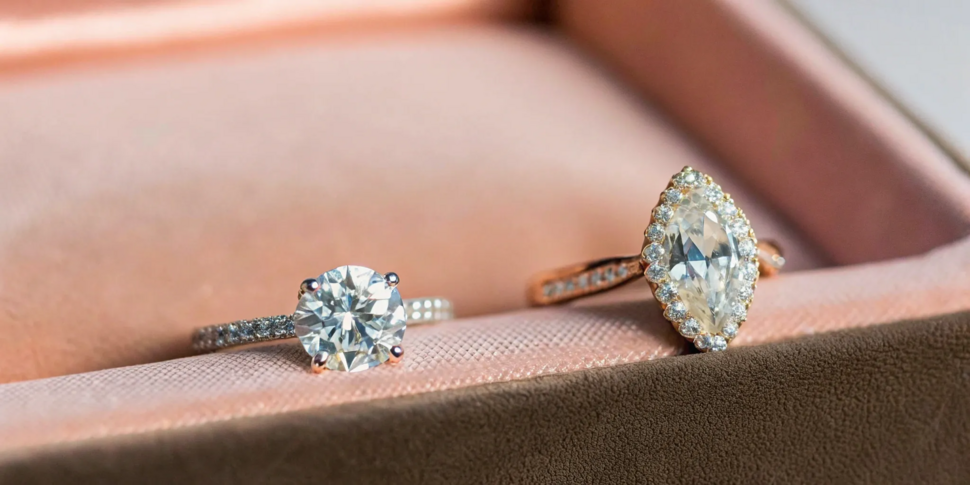
Everyone wants a diamond that looks incredible, but carat weight doesn't tell the whole story. The shape you choose plays a huge role in a stone’s visual impact, and nowhere is this more apparent than in the round vs oval diamond comparison. While a round diamond is priced at a premium for its classic brilliance, an oval offers a clever advantage: its elongated shape can make it appear significantly larger than a round of the same carat weight. This means you can get a more substantial look for your budget. If you’re looking to maximize both style and value, understanding these differences is the first step to finding your perfect stone.
Key Takeaways
- Prioritize Sparkle or Size: A round diamond is engineered for the most intense, fiery sparkle, making it the top choice for pure brilliance. An oval diamond offers a larger look for the same carat weight and a unique, shimmering glow, giving you more visual impact for your budget.
- Match the Shape to Your Style: Select a round diamond for a timeless, traditional look that is eternally in style. Go for an oval if you want a chic, contemporary shape that stands out and has a flattering, elongating effect on the hand.
- Shop Smarter for Each Shape: When choosing an oval, look for a minimal "bowtie" shadow and consider a higher color grade (G or better) since they show more color. With a round, you have more flexibility on color, which can help balance its higher price tag.
Round vs. Oval: What Are the Key Differences?
Choosing between a round and an oval diamond is a wonderful dilemma to have. Both shapes are absolutely stunning, but they each have a unique personality and presence. Think of the round diamond as the timeless icon—the little black dress of the jewelry world. It’s classic, brilliant, and always perfect. The oval, on the other hand, is its chic, modern cousin. It takes the sparkle of the round and gives it a contemporary, elongated twist.
The main differences come down to their cut, their overall shape, and how they reflect light. While a round diamond is perfectly symmetrical, an oval’s elongated form can make it appear larger and create a flattering, lengthening effect on the finger. Your choice really depends on the style you’re drawn to. Are you a lover of enduring tradition, or do you prefer a classic with a little something extra? Exploring our bridal collection can help you see how these beautiful shapes come to life in different settings. Let’s look at what truly sets them apart.
Cut and Facets
The magic of a diamond’s sparkle all comes down to its cut—the way its tiny surfaces, or facets, are angled to catch and reflect light. A round brilliant diamond is the industry standard for sparkle, engineered with 58 facets in a precise pattern to maximize brilliance and fire. This is why round diamonds have that incredible, unmatched disco-ball effect.
An oval diamond is what’s known as a modified brilliant cut. It has a similar number of facets (usually 57 or 58) and is designed to produce a similar, dazzling sparkle. Because of its elongated shape, the light plays across its surface a bit differently, creating a gorgeous, shimmering glow rather than the fiery flashes of a round. Both are breathtaking, but they offer a slightly different light performance.
Signature Shapes
Beyond the sparkle, each shape has its own distinct vibe. Round diamonds are the definition of classic elegance. They are timeless, traditional, and have been the most popular choice for engagement rings for generations for a reason—they never go out of style. A round diamond is a symbol of enduring love that feels both sophisticated and versatile, fitting seamlessly into any setting or personal style.
Oval diamonds offer a more modern and unique feel. They have a graceful, elongated silhouette that feels both romantic and fashion-forward. Choosing an oval says you appreciate classic beauty but want a ring that stands out from the crowd. Many of our favorite designers love working with ovals because their shape allows for so much creativity in settings, from simple solitaires to intricate halos.
Why Length-to-Width Ratio Matters
While a round diamond is always perfectly circular, an oval’s shape can vary quite a bit, and that’s where the length-to-width ratio comes in. This ratio simply describes how long and slender or short and wide the oval is. For example, a ratio of 1.5:1 will look like a slimmer, more elongated oval, while a ratio of 1.3:1 will appear a bit rounder and chubbier.
Most people find they prefer a ratio between 1.3:1 and 1.5:1, as this range creates a balanced, classic oval shape. There’s no right or wrong answer here; it’s all about what you find most beautiful. The best way to discover your preference is to see them in person, which is why we always invite you to book an appointment to compare stones side-by-side.
Which Diamond Sparkles More: Round or Oval?
When it comes to sparkle, the debate between round and oval diamonds is a classic. Both shapes are brilliant-cut, meaning they are designed with numerous facets to reflect as much light as possible. But the way they handle that light is what sets them apart. While one shape has a reputation for unmatched fire, the other offers a unique and captivating glow. The truth is, the sparkle factor isn't just about shape—it's about the quality of the cut and how that cut interacts with light to create the dazzling effect you're looking for. Let's break down how each one shines.
The Classic Brilliance of Round Diamonds
If your top priority is pure, unadulterated sparkle, a round brilliant diamond is your answer. There’s a reason it’s the most popular diamond shape. Its design, perfected over decades, features 58 facets precisely arranged to maximize light return. Think of it as a tiny, perfect hall of mirrors. Light enters the diamond, bounces around those facets, and shoots back out, creating that intense fire and brilliance everyone loves. This exceptional light performance is why round diamonds are often considered the most brilliant of all shapes. They set the standard for sparkle, making them a timeless choice for any piece of jewelry.
The Unique Glow of Oval Diamonds
Don't count the oval out just yet. A well-cut oval diamond can sparkle with nearly the same intensity as a round one. Because they share a similar brilliant-cut facet structure, ovals have incredible potential for fire and brilliance. What makes them different is their elongated shape, which creates a broader surface area of sparkle. Instead of the concentrated, fiery flashes of a round diamond, an oval offers a gorgeous, rolling shimmer that can be incredibly eye-catching. This unique glow gives ovals a modern yet romantic feel, making them a stunning centerpiece in our bridal collection.
The Secret to a Round Diamond's Unmatched Sparkle
The incredible sparkle of a round diamond isn't an accident; it's the result of years of scientific study and refinement. Diamond cutters have spent decades perfecting the angles and proportions of the round brilliant cut with a single goal in mind: to achieve the ultimate shine. This meticulous engineering ensures that a well-cut round diamond will perform beautifully in nearly any lighting condition, consistently delivering that signature, fiery brilliance. When you choose a round diamond, you're not just getting a classic shape; you're getting a piece of optical perfection, crafted by designers who understand how to make a stone truly come alive.
Which Shape Looks Bigger?
When you’re comparing diamonds, one of the most common questions is, "Which one will look bigger on my finger?" It’s a great question, because carat weight doesn’t always tell the whole story. The shape of a diamond plays a huge role in how large it appears to the eye. While a round and an oval diamond might have the exact same carat weight, their visual impact can be surprisingly different. Let's look at how these two shapes measure up when it comes to perceived size.
The Illusion of Size
If you want a diamond that looks impressively large for its carat weight, the oval cut is a fantastic choice. Thanks to its elongated shape, an oval diamond can appear up to 10% larger than a round diamond of the same weight. This is because the oval’s surface area is spread out over a longer, wider space, creating a brilliant illusion of size. While the actual dimensions might only be slightly different, the visual payoff is significant. This makes the oval a smart option if you’re looking to maximize the presence of your engagement ring without increasing your budget for a higher carat weight.
How They Look on Your Hand
Beyond just looking bigger, the shape of an oval diamond has a uniquely flattering effect on the hand. Its elongated form draws the eye up and down, which can make your fingers appear longer and more slender. It’s a graceful, elegant look that complements many different hand shapes. A round diamond, on the other hand, offers a classic, balanced appearance. Its perfect symmetry provides a timeless look that sits beautifully centered on the finger. The choice really comes down to the kind of silhouette you want to create with your jewelry.
Which Shape Will Flatter Your Finger?
So, which shape is right for you? If you have shorter fingers or wider hands, an oval diamond can be incredibly flattering by creating that lovely lengthening effect. For those with long, slender fingers, a round diamond can add a touch of softness and balance to the hand’s proportions. Of course, these aren’t strict rules—they’re just starting points. The best way to know for sure is to see how each shape looks and feels on your own hand. We always recommend you book an appointment to try on different styles and discover which one truly speaks to you.
What Is the "Bowtie Effect" in Oval Diamonds?
If you’ve started shopping for oval diamonds, you’ve likely heard the term "bowtie effect." It sounds a bit strange, but it’s a key characteristic to understand. The bowtie is a dark, bow-shaped shadow that can appear across the center of an oval diamond. It’s not a flaw or an inclusion; it’s an optical effect caused by the diamond's long, brilliant-style facets. As light enters the stone, some of it is blocked by your own head and shoulders, creating a shadow in the middle.
Nearly every oval diamond has a bowtie to some degree. The real question isn't if it has one, but how noticeable it is. A subtle bowtie can add a bit of contrast and depth to the stone, but a very dark and prominent one can create a "dead spot" that dulls the diamond's sparkle. Finding an oval with a minimal bowtie is one of the main goals when selecting a beautiful stone. This is where seeing a diamond in person becomes so important, as the intensity of the bowtie can shift dramatically with the slightest tilt.
Explaining the Shadow
So, what’s really going on with this shadow? Think of a diamond as a tiny house of mirrors. The facets are angled to catch light and bounce it back to your eye, creating that incredible sparkle. With an oval’s elongated shape, the center facets are cut differently than those on the ends. This variation can create a small area where light doesn't reflect back as effectively, resulting in the dark, bowtie-shaped pattern. It’s a natural consequence of the cut, and its visibility depends entirely on the skill of the diamond cutter and the specific proportions they choose.
How to Spot and Avoid a Strong Bowtie
The best way to assess a bowtie is to look at the diamond with your own eyes. Photos and videos are helpful, but nothing beats seeing how it performs in person. As you rock the diamond back and forth, a minimal bowtie will often fade or disappear, while a severe one will remain dark and static from almost every angle. You want to avoid a bowtie that looks like a large, dark void in the center of the stone, as it will detract from the overall brilliance. When you book an appointment with us, we can show you a curated selection of ovals and help you see the difference for yourself.
Why a Quality Cut Is Crucial for Ovals
Unlike round diamonds, grading labs like GIA don't assign a cut grade to ovals. This makes the cutter's craftsmanship absolutely critical. A master cutter can manipulate the angles and proportions of the facets to minimize the bowtie effect and maximize the diamond's light performance. While there's no magic formula on a certificate, you can look for "Excellent" grades in polish and symmetry, which indicate a high level of finishing. Ultimately, finding a beautifully cut oval comes down to trusting the eye of an expert jeweler who carefully selects each stone for their bridal collection.
Let's Talk Price: Round vs. Oval
When it comes to choosing a diamond, your budget plays a big role. One of the most significant factors influencing a diamond's price is its shape. While you might think a diamond is a diamond, the cost difference between a round and an oval of the same quality can be surprising. Let’s break down why that is and how you can use this information to find the perfect stone for your ring and your wallet.
Why Round Diamonds Have a Higher Price Tag
There’s a reason round brilliant diamonds come with a premium price tag: it’s a combination of high demand and the intricate cutting process. To create that perfect, fiery circle, diamond cutters have to sacrifice a significant amount of the original rough stone—sometimes more than 50%. This loss of raw material is built into the final cost, making round diamonds the most expensive shape per carat. Their timeless appeal keeps them in constant demand, which also helps maintain their higher price point across the bridal jewelry market. You're paying for that classic sparkle and the craftsmanship required to achieve it.
How Demand and Raw Material Affect Cost
Market demand heavily influences diamond pricing. Round diamonds are consistently the most popular choice for engagement rings, and this unwavering demand keeps their prices high. While oval diamonds are gaining popularity, they haven't reached the same level of universal demand as rounds. This means that while a high-quality oval is still a precious find, the overall market pressure on its price isn't as intense. Because of their varied proportions, finding an oval that looks just right can sometimes be more of a hunt, but that’s part of the fun of discovering a unique stone with the help of our expert designers.
Get More Carat for Your Cash with an Oval
If you love a big look, an oval diamond offers incredible value. Thanks to its elongated shape and larger surface area, an oval can appear up to 10% bigger than a round diamond of the exact same carat weight. This visual trick means you can get a stone that looks more substantial without increasing your budget. Plus, the slender shape has a lovely lengthening effect on the finger, creating a very elegant and flattering silhouette. If maximizing size and getting a great value is important to you, the oval is a fantastic choice. The best way to see the difference is in person, so feel free to book an appointment to compare them side-by-side.
How Do They Compare in Color?
When you’re looking at diamonds, color is one of the most important factors. What you might not realize is that a diamond’s shape plays a huge role in how much color you can see. A G-color oval and a G-color round can look surprisingly different once they’re set in a ring. It’s not about one being better than the other; it’s about understanding their unique characteristics so you can find the perfect stone for your style and budget. Let’s break down what you need to know about how rounds and ovals handle color.
How Each Shape Shows Color
Think of a round brilliant diamond as a master of disguise. Its facet pattern is expertly designed to maximize sparkle, and that intense brilliance is fantastic at hiding the diamond's natural body color. This means you can often choose a slightly lower color grade in a round diamond, and it will still appear bright and white to the naked eye.
Oval diamonds, with their elongated shape and different faceting style, are a bit more transparent. They tend to show color more readily, especially near their pointed ends. An oval diamond with a G color grade might look more like a round diamond with an H or I color grade. This isn’t a flaw; it’s just part of the shape’s character.
What Color Grade Should You Choose?
Because ovals show more color, you’ll want to be more selective if you’re aiming for that icy-white look. For an oval diamond that appears colorless, it’s wise to stick to a color grade of G or higher. If you’re setting the stone in yellow or rose gold, you have a little more flexibility, as the warm metal will complement a slightly warmer-toned diamond beautifully.
With round diamonds, you have more wiggle room. Many people find that rounds in the H or I color range look perfectly white, especially once set in a piece of fine jewelry. This allows you to allocate more of your budget toward other factors, like cut or carat weight, without sacrificing the look you want.
How Your Choice Affects the Budget
Here’s where things get interesting. Round diamonds are the most expensive diamond shape, partly because more of the rough stone is lost during the cutting process. On average, an oval diamond can cost significantly less than a round diamond of the same carat weight and quality.
This creates a fascinating trade-off. While you might opt for a higher, more expensive color grade for an oval, the overall price of the stone could still be lower than a comparable round diamond. This means choosing an oval can be a brilliant way to get a larger-looking diamond for your money, even after accounting for the need for a better color grade. It’s all about finding the right balance for your dream bridal piece.
Myths vs. Facts: Round and Oval Diamonds
When you start shopping for a diamond, you’ll hear a lot of opinions. Round and oval cuts are two of the most popular choices, and they both come with their own set of myths and misconceptions. It can be tough to separate fact from fiction, but understanding the truth behind these beautiful shapes will help you find the perfect stone for your ring. Let’s clear the air and look at what you really need to know about round and oval diamonds.
Common Myths About Round Diamonds
Let's start with the most classic shape of all. Round diamonds have been the go-to for engagement rings for generations, so it's no surprise a few myths have popped up along the way. One of the biggest is that round diamonds are the only shape that delivers maximum sparkle. While it's true that the round brilliant cut with its 58 facets is engineered for incredible fire and brilliance, a well-cut oval can come incredibly close.
Another common belief is that round diamonds are simply the most expensive option available. This one is actually a fact. Their price tag is higher for two main reasons: high demand and the cutting process. More of the rough diamond is lost when creating a perfectly symmetrical round stone, so that cost is passed on to the final product.
Common Myths About Oval Diamonds
Oval diamonds have seen a huge surge in popularity, but they're often misunderstood. A common myth is that they are somehow less desirable than their round counterparts. In reality, many people specifically seek out ovals for their unique advantages. Their elongated shape can make them appear larger than a round diamond of the same carat weight. Plus, that length has a wonderfully flattering effect, making the wearer’s finger look longer and more slender.
On the flip side, some believe that ovals are just as forgiving with color as round diamonds. The truth is, an oval cut can show color more easily, particularly at its rounded ends. This means you might want to choose a higher color grade for an oval if you’re aiming for a completely colorless look, which is an important factor to consider for your budget.
What to Really Expect from Each Shape
So, what’s the real story? Both round and oval diamonds are stunning, timeless choices for any piece of jewelry. There is no right or wrong answer here; the best choice truly depends on your personal style and budget. A round diamond offers that classic, fiery sparkle that is simply unmatched, but it comes at a premium price.
An oval diamond gives you a more unique, elongated look that can maximize your carat weight for your budget—they are often significantly less expensive than a round of the same size. Ultimately, the best way to decide is to see them for yourself. We invite you to book an appointment with us to compare these beautiful shapes in person and find the one that speaks to you.
What Are the Best Settings for Each Shape?
Choosing a diamond shape is a huge step, but finding the perfect setting is what truly brings your vision to life. The right ring design can highlight your diamond’s best features, whether it’s the brilliant sparkle of a round cut or the elegant length of an oval. Luckily, both shapes are incredibly versatile, so you have plenty of beautiful options to explore. Think of the setting as the supporting actor that makes your star diamond shine even brighter.
Timeless Settings for Round Diamonds
If you love a round diamond, you’re in luck—its classic shape works with nearly any ring design. Because of their symmetrical form, round diamonds are a dream for jewelers to set. A simple solitaire setting is a timeless choice that puts all the focus on the diamond’s incredible sparkle. For a little extra glamour, a halo setting surrounds the center stone with smaller diamonds, creating a dazzling effect that can also make the diamond appear larger. Another meaningful option is a three-stone ring, which beautifully balances the center stone with two smaller side stones. You can see how these styles come to life in our bridal collection.
Flattering Settings for Oval Diamonds
Oval diamonds have a special talent for making fingers appear longer and more slender, thanks to their elongated shape. This makes them a wonderfully flattering choice for many hand types. Because ovals can range from long and narrow to shorter and wider, you can find a shape that feels just right for you. A solitaire setting beautifully showcases the oval’s graceful curves, while a split-shank band can add a touch of modern detail. Ovals also look stunning in intricate, vintage-inspired designs that play up their romantic, old-world feel.
Design Details That Make Each Shape Shine
While both shapes are known for their sparkle, they achieve it in slightly different ways. Round diamonds are cut with 58 facets engineered for maximum brilliance, giving them that unmatched, fiery flash. A well-cut oval can be just as stunning, as it shares a similar faceting pattern that creates a beautiful glow. The key is a setting that lets in plenty of light. For both shapes, a prong setting is a fantastic choice because it holds the diamond securely while leaving it open to catch the light from every angle. Ultimately, the best setting is one that fits your personal style and makes you feel amazing every time you look at it. The best way to know for sure is to book an appointment and try some on.
How to Choose the Right Diamond for You
Choosing between a round and an oval diamond comes down to your personal story and style. There’s no right or wrong answer, only what feels perfect for you. Think of this as a fun exploration of your own taste. Are you drawn to timeless tradition, or do you prefer a modern twist? How will this beautiful piece fit into your daily life? Answering these questions will guide you to the diamond you’ll adore for years to come. Let’s walk through a few key considerations to help you find your perfect match.
Are You Classic or Contemporary?
Your personal style is the best place to start. If you love timeless elegance and a look that will never fade, the round diamond is a perfect choice. It’s the quintessential engagement ring stone for a reason—its brilliant-cut delivers that iconic, fiery sparkle everyone dreams of. On the other hand, if you’re looking for something with a fresh, modern feel, an oval diamond might be calling your name. Its elongated shape is graceful and sophisticated, offering a unique take on a classic. It’s a wonderful way to honor tradition while showcasing your individual style. You can see how our designers use both shapes to create stunningly different effects.
Consider Your Everyday Lifestyle
Think about how your ring will fit into your day-to-day activities. Both round and oval diamonds are durable and well-suited for everyday wear, but their shapes offer different advantages. An oval diamond’s elongated form can create a flattering illusion, making your finger appear longer and more slender. Plus, ovals tend to have a larger surface area than round diamonds of the same carat weight, which means they can look bigger. A round diamond is incredibly versatile and fits beautifully into almost any setting imaginable. This classic shape is easy for jewelers to work with, giving you endless options for your bridal set design now and in the future.
Making a Choice You'll Love Forever
Ultimately, the best diamond is the one that makes your heart skip a beat. You truly can’t go wrong with either of these beautiful shapes. If your top priority is achieving that breathtaking, unparalleled sparkle, a round diamond is your clear winner. Its faceting pattern is specifically engineered for maximum light return. If you love the idea of a stone that looks impressively large for its carat weight and has a soft, elegant silhouette, an oval diamond is an amazing choice. The best way to know for sure is to see them in person. We invite you to book an appointment to compare them side-by-side and discover which one truly speaks to you.
Find Your Perfect Diamond at Element 79 Jewelry
Choosing between a round and an oval diamond is a big decision, but it’s also one of the most exciting parts of finding your perfect ring. After comparing the sparkle, size, and style, you might have a favorite in mind—or you might feel more torn than ever. That’s completely normal, and it’s where seeing the diamonds in person makes all the difference.
The round cut is a classic for a reason; its symmetrical shape is engineered to maximize brilliance and create that iconic sparkle. On the other hand, the oval cut offers an elegant, modern feel with a beautiful elongated shape that can make your finger appear slimmer. At Element 79 Jewelry, we believe the best way to choose is to see how each stone plays with the light and how it feels on your hand. You can compare different length-to-width ratios in ovals and see firsthand what a minimal bowtie effect looks like.
Our collection features stunning examples of both shapes, set in unique designs from talented contemporary artists. Whether you’re drawn to the timeless appeal of a round diamond or the distinctive charm of an oval, we’re here to guide you. We invite you to come in and explore our bridal collection in a relaxed, no-pressure environment. Let us help you find the diamond that speaks to you. Feel free to walk in, or you can book an appointment with one of our specialists for a one-on-one consultation.
Related Articles
- Diamond Carat Size on Hand: A Visual Guide
- The Guide to Engagement Rings in Highlands Ranch, CO
- Asscher vs Emerald Cut: 7 Key Differences Explained
Frequently Asked Questions
Why is a round diamond more expensive than an oval of the same size? It really comes down to two things: the cutting process and high demand. To create a perfectly symmetrical round diamond, a cutter has to remove more of the original rough stone compared to when they cut an oval. That lost material is factored into the final price. Plus, round diamonds have been the most popular choice for generations, and that steady demand keeps their value at a premium.
Is the "bowtie effect" in an oval diamond a flaw I should avoid? Not at all! The bowtie is a natural shadow that appears in almost every oval diamond—it's an optical effect, not a flaw. A slight, subtle bowtie can actually add depth and character to the stone. What you want to watch out for is a very dark and prominent bowtie that creates a "dead spot" in the center. The best way to judge it is to see the diamond in person and watch how the shadow changes as you move the stone.
Does one shape hide imperfections or color better than the other? Yes, and this is a great thing to know when you're budgeting. The brilliant facet pattern of a round diamond is like a tiny house of mirrors, and all that sparkle is fantastic at masking small inclusions and hints of color. Ovals, because of their larger table and different faceting, are a bit more transparent. This means you might want to select a slightly higher color or clarity grade for an oval to get the same look as a round.
Which shape will look best on my hand? This is all about your personal preference and the look you want to create. An oval's elongated shape has a lovely lengthening effect, which many people find incredibly flattering, especially if they feel they have shorter fingers. A round diamond offers a very classic, balanced look that is timeless on any hand shape. There are no hard rules here, and the only way to know for sure is to try them on and see which one makes you feel amazing.
Is one shape more "in style" than the other? Think of it less as "in style" and more about the style you're drawn to. The round diamond is the definition of a timeless classic; it has been the most beloved choice for a century and will never look dated. The oval has become incredibly popular for its modern, romantic feel. It’s a chic choice that feels both fresh and elegant. Both are beautiful, lasting options, so you can’t go wrong by simply choosing the one you love most.
Recent articles
View all
Brooke's Holiday Favorites - 2025
Holly's Holiday Favorites - 2025