

Ring Size Chart for Men: Your Complete Guide
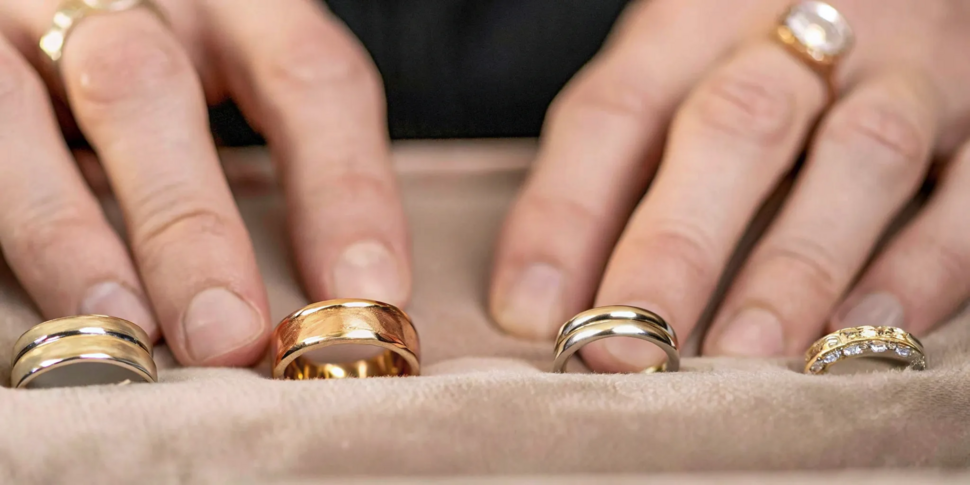
Buying a ring for someone special should be exciting, but one question can cause instant anxiety: What’s his ring size? Guessing can lead to a beautiful ring that ends up sitting in a box, and secretly trying to measure his finger feels like a spy mission. While a ring size chart men is an excellent starting point, it’s just one piece of the puzzle. The width of the band, the shape of his knuckle, and even the time of day can all influence the final fit. This guide is here to remove the guesswork. We’ll walk you through reliable at-home methods and common mistakes to avoid, ensuring your thoughtful gift is a perfect, comfortable fit from the moment he tries it on.
Key Takeaways
- Treat the average size as a starting point, not a rule: Your finger size fluctuates with temperature and activity. For the most accurate at-home measurement, check your size in the evening when your hands are at a normal room temperature.
- A ring's design directly impacts its fit: The style you choose matters. Plan to size up by about a half-size for wider bands (over 6mm) and consider sizing down a half-size for comfort-fit rings with a rounded interior.
- Professional sizing removes all the guesswork: While at-home methods are helpful, a professional measurement is the most reliable way to find your perfect fit. A jeweler can account for your knuckle shape and the ring's specific style to ensure it's comfortable and secure.
What Is the Average Men's Ring Size?
If you're searching for the perfect ring, you've probably wondered if there's a standard size to start with. While there is an average, finding the right fit is a personal process. Think of it less like buying a t-shirt and more like finding a pair of shoes that are comfortable enough to wear every single day. A man's ring size depends on everything from his build and knuckle shape to the climate he lives in.
Understanding the average is a great first step, but it’s just one piece of the puzzle. Your ring should feel secure without being too tight, and comfortable enough for daily wear. Whether you're looking for a wedding band, a statement piece, or a gift for someone special, getting the size right is key to ensuring it will be worn and loved for years. This guide will walk you through the most common sizes and the factors that can influence your perfect fit, so you can feel confident in your choice.
The Most Common Sizes
So, what's the magic number? Most men in the US have a ring size between 9 and 11, with size 10 being the most common. This range serves as a helpful reference point, especially if you're trying to buy a ring as a surprise and can only make an educated guess. However, it's important to remember that this is just an average. Using it as a definitive guide without a proper measurement can lead to a ring that’s either cutting off circulation or at risk of slipping off. Think of the average size as a starting point in your search, not the final destination.
How Size Varies by Region and Age
Ring sizing isn't universal. Different countries use different measurement scales, so a size 10 in the US won't be the same as a size 10 in the UK or Japan. If you're shopping from an international designer, you'll need an international conversion chart to translate the size correctly. Beyond geography, your own body can affect your ring size. Fingers tend to swell in the heat and shrink in the cold. Factors like age, diet, and even the time of day can cause slight fluctuations. That's why it's always a good idea to measure a few different times to find your most consistent size.
How to Read a Ring Size Chart
In the United States and Canada, ring sizes are measured on a numerical scale, usually from 3 to 13, including half sizes. When you look at a ring size chart, you'll see each size corresponds to a specific diameter or circumference in millimeters. At Element 79, all of our men's rings use this standard US sizing. While charts are incredibly useful tools, especially for at-home measuring, the most reliable way to find your true size is to get professionally measured. It’s quick, easy, and removes all the guesswork. You can book an appointment with us to ensure a perfect, comfortable fit.
How to Measure Your Ring Size at Home
Finding the perfect ring is about more than just the style—it’s about the fit. A ring that fits you perfectly will feel comfortable, secure, and truly a part of you. While we always recommend a professional sizing for the most precise measurement (you can always book an appointment with us for that!), we get it. Sometimes you need to find your size from the comfort of your own home, especially if you're planning a surprise or browsing our jewelry collections online.
Fortunately, there are several simple and reliable methods you can use to get a very good idea of your ring size. These techniques are easy to do with common household items and can give you the confidence you need to choose the right piece. Just remember that factors like the width of the band and even the time of day can influence your size, so it’s always a good idea to measure a few times to be sure. Let’s walk through a few of the best ways to measure your ring size at home.
The String or Paper Method
This is one of the most common and straightforward ways to measure your ring size. All you need is a piece of non-stretchy string, dental floss, or a thin strip of paper and a ruler.
First, wrap the string or paper snugly around the base of your finger, right below the knuckle. It should be tight enough that it won't slip off, but not so tight that it's constricting. Using a pen, carefully mark the spot where the string or paper overlaps to form a complete circle. Then, unwrap it and lay it flat against a ruler with millimeter markings. Measure the length from the end to your mark. This measurement is the circumference of your finger, which you can then compare to a standard ring size chart to find your corresponding size.
Use a Printable Ring Sizer
If you want something a bit more official than a piece of string, a printable ring sizer is an excellent tool. You can easily find these online with a quick search. Most printable sizers come in two forms: a thin strip that you cut out and wrap around your finger like a tiny belt, or a chart with circles of varying sizes. The most important step here is to ensure you print the sizer to the correct scale. Before you measure, use a ruler to check the guide on the printout to confirm it’s accurate. An incorrectly scaled printout will give you an incorrect size, so don't skip this step!
Measure a Ring You Already Own
Do you have a ring that already fits your intended finger perfectly? You can use it to determine your size. This method is especially helpful if you're trying to buy a ring as a surprise for someone and can discreetly borrow one of their rings.
Simply take the ring and measure its internal diameter in millimeters. You can do this by placing it on a ruler and measuring from one inner edge to the other. Once you have that measurement, you can use a ring size conversion chart to find the corresponding size. A well-fitting ring should slide over your knuckle with a little bit of effort but feel secure once it's on. It shouldn't be so loose that it could easily fall off. This is a great way to size for our unique Vintage & Estate pieces.
When to Get the Most Accurate Measurement
Did you know your finger size can change throughout the day? Factors like temperature, diet, and activity levels can cause your fingers to swell or shrink slightly. To get the most accurate reading, it’s best to measure your finger at the end of the day, when it’s likely to be at its largest.
You should also make sure your hands are at a comfortable room temperature. If you’ve just come in from the cold, your fingers will be smaller than usual, and if you’re feeling warm, they might be a bit swollen. For the best results, measure your finger three or four times on different days and at different times to find a consistent measurement. This is especially important when you're choosing a significant piece, like something from our bridal collection.
Common Ring Sizing Mistakes to Avoid
Trying to find your ring size at home can feel like a bit of a guessing game, but getting it right is key to finding a piece you'll love to wear. An accurate measurement ensures your ring will be comfortable and secure, whether it's a wedding band you'll wear every day or a statement piece for special occasions. A ring that’s too tight can be uncomfortable, while one that’s too loose is at risk of slipping off. To help you get the most accurate measurement possible, let's walk through some of the most common mistakes people make when sizing their fingers at home. Avoiding these simple errors will save you time and help you choose the perfect piece with confidence. Of course, the most foolproof method is always to get sized by a professional, and we're always happy to help you find your perfect fit in our store.
Measuring at the Wrong Time of Day
Did you know your fingers change size throughout the day? It’s true. They tend to be slightly smaller in the morning and a bit larger in the evening after you’ve been active. Temperature also plays a big role; cold weather can cause your fingers to shrink, while heat and humidity make them swell. For the most reliable measurement, try sizing your finger in the evening when your hands are at a comfortable, normal room temperature. This gives you a more accurate baseline and helps ensure your ring will feel comfortable all day long.
Using Stretchy or Incorrect Tools
When you’re using the string or paper method, the tool you choose matters. Using a piece of stretchy string, yarn, or a rubber band is a common mistake that can lead to an inaccurate size. These materials can easily stretch as you pull them taut, resulting in a measurement that’s smaller than your actual finger size. Instead, opt for a strip of paper or a piece of non-stretchy floss. A flexible measuring tape also works well. The goal is to use a material that holds its shape so you can get a precise reading for your future favorite ring.
Forgetting to Account for Your Knuckle
One of the most overlooked parts of ring sizing is the knuckle. Your ring has to be able to slide over your knuckle, which is often the widest part of your finger. If you only measure the base of your finger, you might end up with a ring that you can’t get on. A proper fit means the ring is just snug enough to slide over the knuckle but doesn't feel loose once it's settled at the base. You should feel a little resistance going over the knuckle, but it shouldn't be a struggle.
Printing a Sizer to the Wrong Scale
Printable ring sizers are incredibly convenient, but they come with a catch: you have to print them correctly. A frequent error is printing the guide without checking the scale settings. Most printable sizers need to be printed at 100% or "actual size" to be accurate. Before you start measuring, use a ruler to check the reference scale printed on the page. If it doesn't match up, your measurements will be off. Taking a moment to confirm your printer settings can save you from ordering the wrong size.
How Temperature and Activity Affect Fit
Just as the time of day affects your finger size, so do your daily activities and habits. Your fingers can swell after a workout, a long walk in warm weather, or even after eating a salty meal. Factors like hydration levels and minor weight fluctuations can also cause temporary changes. To get the most consistent measurement, try to size your finger when your body is in a neutral state—not right after exercising or coming in from extreme temperatures. Being mindful of these subtle changes will help you find a size that feels great no matter what your day holds.
How Ring Style Affects Your Size
You might have a ring size number in your head, but the truth is, that number can be a bit of a moving target. The style of the ring itself plays a huge role in how it will actually feel on your finger. From the width of the band to the way its interior is shaped, several design factors can influence the size you’ll need for a comfortable, secure fit. Think of your measured size as a starting point, and from there, let the ring’s specific design guide you to the perfect fit. Understanding these nuances will help you choose a piece you’ll love to wear every day.
Sizing for Wide vs. Narrow Bands
One of the biggest factors affecting fit is the width of the ring's band. A wider band covers more surface area on your finger, which can create a snugger feel. Think of it like wearing a wide cuff bracelet versus a delicate chain—the wider piece has more contact with your skin and feels tighter. For this reason, we often recommend going up a quarter or half size for rings with wider bands, especially those over 6mm. Conversely, a very delicate, narrow band might feel a bit looser. It’s all about how the metal displaces the skin on your finger, so considering the band’s width is a key step in finding a comfortable ring.
Comfort Fit vs. Standard Fit
You may also come across rings described as "comfort fit" or "standard fit." A standard fit ring has a flat interior, sitting flush against your finger. A comfort fit ring, however, features a slightly rounded interior. This domed shape means less of the metal is touching your skin, which can make the ring feel looser than a standard fit ring of the same size. Many people find this style incredibly comfortable for daily wear, but it often means you need to size down about a half size to get it just right. When you’re trying on rings, always ask about the fit so you can adjust your size accordingly.
Converting International Ring Sizes
Jewelry sizing isn't universal, and different countries use different measurement scales. This is especially important to remember when you’re drawn to pieces from international artists. A size 9 in the US is not the same as a size 9 in the UK or Japan. At Element 79, we carry a curated collection from many talented designers, and we’re here to help you sort out any sizing differences. If you’re shopping online or looking at a piece from an international brand, always consult an international ring size conversion chart or, better yet, let a professional jeweler confirm the correct size for you. This simple step prevents the disappointment of receiving a beautiful ring that just doesn’t fit.
How Your Lifestyle Impacts the Fit
Your fingers are not static; they can swell and shrink throughout the day and over time. Factors like temperature, hydration, diet, and physical activity all cause minor fluctuations in your finger size. You might notice your rings feel tighter after a workout or on a hot summer day. Because of this, it’s best to measure your finger when your body temperature is normal and you’re calm. If you know your hands tend to swell, you might want a slightly looser fit. The goal is to find a size that feels comfortable through all your daily activities. For a truly accurate measurement that accounts for these variables, we always recommend you book an appointment for a professional sizing.
Finding Your Perfect Ring
While at-home measurements can give you a good starting point, finding the right ring is about more than just numbers on a chart. It’s about the feel of the metal, the story behind the design, and the confidence that comes with a perfect fit. Getting the right ring size is very important so the ring fits well and doesn't fall off, but the journey to finding that perfect piece should be enjoyable, not stressful. It involves exploring styles that speak to you and working with a jeweler who understands your vision and ensures your final choice is comfortable for everyday wear.
Explore the Men's Collection at Element 79
Once you have an idea of your size, the fun part begins: finding a ring that reflects your personal style. Whether you’re drawn to classic bands, modern designs, or something with a bit more character, the right piece is out there. We pride ourselves on offering a curated selection of jewelry with soul, crafted by talented designers. Most rings made of solid gold or platinum can be made bigger or smaller if they don't fit perfectly, giving you flexibility and peace of mind. Take your time browsing different styles and see what catches your eye.
Choosing a Jeweler You Can Trust
Finding the right ring size for a man is important so it's comfortable and stays on. A trustworthy jeweler makes this process seamless. They should listen to your needs, answer your questions about materials and fit, and provide a relaxed environment for you to make your decision. At Element 79, we build relationships with our clients and our curated designers to ensure every piece we offer is exceptional. A great jeweler doesn’t just sell you a ring; they guide you to a piece you’ll love for a lifetime.
The Value of Professional Sizing
While the at-home methods we’ve covered are helpful, nothing beats a professional measurement. For the best results, it's recommended to get your finger professionally sized. A jeweler uses precise tools and has the experience to account for factors like knuckle size and band width, which can significantly affect the fit. This simple step removes all the guesswork and ensures your ring will be comfortable from the moment you put it on. If you’re in the Denver area, we invite you to book an appointment with us for a complimentary and accurate sizing.
What to Know About Resizing a Ring
It’s also helpful to know whether your chosen ring can be resized down the road. Rings made of precious metals like gold, platinum, or silver can often be resized by a skilled jeweler. However, rings made of harder materials like tungsten, titanium, or ceramic usually cannot be resized due to the nature of the metal. This is an important factor to consider, especially when looking at alternative metals or intricate vintage and estate pieces. Always ask about resizing possibilities before making your final decision.
Related Articles
Frequently Asked Questions
I'm buying a ring as a surprise. Is it safe to just buy the average size? While the most common men's ring size is a 10, relying on the average is a bit of a gamble. A better approach is to discreetly borrow a ring he already wears on the correct finger and have it measured. If that isn't an option, using the average as an educated guess is okay, but be sure to choose a ring style that can be easily resized later.
Why does my ring feel tighter on some days than others? It's completely normal for your finger size to fluctuate. Things like a hot day, a tough workout, or even a salty meal can cause your fingers to swell slightly. Conversely, they might shrink a bit in the cold. For the most accurate measurement, it's best to size your finger at the end of the day when it's at its largest and your body temperature is stable.
Do I need a different size for a wide band versus a thin one? Yes, the width of the band definitely impacts the fit. A wider ring covers more of your finger, which displaces more skin and creates a snugger feel. For bands that are 6mm or wider, we typically suggest going up about a half-size from your usual measurement to ensure a comfortable fit.
What's the biggest mistake people make when measuring their ring size at home? One of the most common errors is forgetting to account for the knuckle. Your ring has to be able to slide over your knuckle to get to the base of your finger. If you only measure the base, you might end up with a ring you can't even put on. A perfect fit should slide over the knuckle with a little bit of effort but feel secure once it's in place.
What if I buy a ring and the size is still a little off? Can it be fixed? In many cases, yes. Rings made from precious metals like gold, platinum, and silver can typically be resized by a skilled jeweler. However, rings made from alternative metals like tungsten, titanium, or ceramic generally cannot be altered. It's always a good idea to ask about the resizing possibilities for a specific ring before you make your final decision.
Recent articles
View all
Brooke's Holiday Favorites - 2025

Holly's Holiday Favorites - 2025