

Rhodium Plating White Gold: What You Need to Know
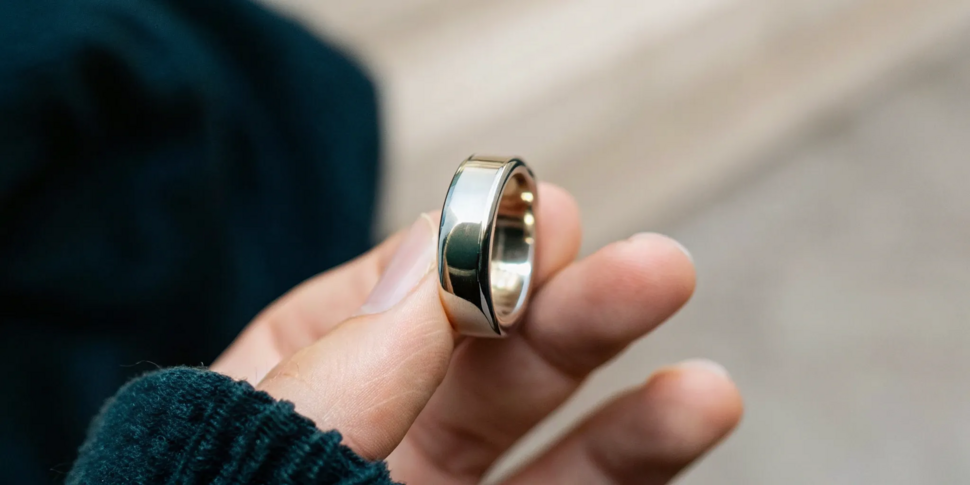
While many people love the icy-white finish of a freshly plated ring, there’s a quiet beauty to the natural, creamy hue of un-plated white gold. The choice to plate your jewelry is ultimately a matter of personal style, not a requirement. Modern white gold alloys are gorgeous on their own, offering a warm, sophisticated look that ages gracefully. Before you decide, it’s helpful to understand what rhodium plating white gold actually involves, from the process and maintenance to the beautiful alternatives. This guide will explore all the options, so you can find the perfect look that feels authentic to you.
Key Takeaways
- It's More Than Just a Pretty Finish: Rhodium plating is what gives white gold its classic bright-white shine, but it also serves a practical purpose. This thin layer adds durability, helps guard against scratches, and creates a hypoallergenic barrier for sensitive skin.
- Think of It as Regular Upkeep: The plating is a surface coating that wears away over time, especially on frequently worn rings. To maintain that flawless look, plan to have your jewelry professionally re-plated every one to two years as part of its normal care.
- Plating is a Choice That Fits Your Lifestyle: If you prefer a low-maintenance option, you can embrace the beautiful, warm hue of natural white gold. Alternatively, metals like platinum offer a permanently white look without the need for re-plating.
What is Rhodium Plating?
If you own a piece of white gold jewelry, you’ve probably heard the term “rhodium plating.” It sounds technical, but it’s a simple and common process in the jewelry world. Think of it as the finishing touch that gives your white gold rings and necklaces their stunning, bright white shine. The process involves coating your jewelry with a super thin layer of rhodium, a rare and precious metal. This not only creates that brilliant, mirror-like finish but also adds a layer of protection to your favorite pieces.
The Science Behind the Shine
So, what exactly is rhodium? It’s a member of the platinum family of metals, and it’s prized for its incredible properties. Rhodium is naturally a brilliant, silvery-white color, and it’s highly resistant to tarnishing and scratches. Because it’s inert, it’s also hypoallergenic, making it a great choice for people with sensitive skin. The plating process uses an electrochemical reaction to bond a micro-thin layer of rhodium to the surface of the gold, creating a durable and beautiful shell. This is what transforms the slightly warm tone of natural white gold into the crisp, cool white you see in the display case.
Why Jewelers Choose Rhodium
Jewelers love rhodium for two main reasons: beauty and durability. White gold isn’t a pure metal; it’s an alloy made by mixing yellow gold with white metals like nickel or palladium. This gives it strength but often leaves it with a faint yellowish or grayish hue. Rhodium plating provides a consistent, ultra-white finish that makes diamonds and other gemstones pop. Beyond aesthetics, that thin layer of rhodium acts as a shield. It helps protect your jewelry from minor scratches and scuffs that come with everyday wear, keeping your pieces looking newer for longer. It’s the standard for most fine white gold jewelry, especially engagement rings and wedding bands.
Common Rhodium Plating Myths
The most common misconception about rhodium plating is that it’s a permanent solution. It’s important to know that the plating will wear away over time. This isn’t a sign of poor quality; it’s just the nature of a plated finish. How quickly it wears depends on factors like your body chemistry and how often you wear the piece. For a ring you wear daily, you might notice the warmer tone of the underlying white gold showing through on the high-contact areas after a year or two. Knowing this upfront helps set the right expectations. We believe in being transparent, so you can make an informed decision and understand the simple upkeep needed to maintain your jewelry’s brilliance. If you ever have questions, you can always book an appointment to chat with us.
Why Rhodium Plate Your White Gold?
If you own a piece of white gold jewelry, especially an engagement ring or wedding band, you’ve likely heard the term “rhodium plating.” It’s a standard practice in the jewelry world, but what does it actually do? Think of it as the finishing touch that gives your white gold its signature brilliance and strength. While the natural, creamy hue of white gold is beautiful on its own, rhodium plating offers a suite of benefits that go far beyond just looks.
This thin layer of rhodium—a precious metal from the platinum family—acts as a protective shield for your jewelry. It enhances the metal's appearance, makes it more durable for everyday wear, and can even make it more comfortable for those with sensitive skin. Whether you're choosing a new piece from a bridal collection or looking to refresh a treasured heirloom, understanding why jewelers recommend rhodium plating helps you appreciate the craftsmanship and care that goes into your favorite pieces. It’s the secret behind that stunning, mirror-like shine and a key part of keeping your white gold looking its best for years to come.
Added Durability and Scratch Resistance
Let’s be honest—we wear our jewelry everywhere. Rings, in particular, face a lot of daily contact, from gripping a steering wheel to tapping on a keyboard. Rhodium is an incredibly hard and durable metal, much more so than gold. When applied as a thin layer over your white gold, it provides a protective barrier that helps guard against minor scratches, scuffs, and dings. This plating essentially takes the hit, preserving the softer white gold alloy underneath. It’s a simple step that significantly extends the pristine look of your jewelry, ensuring its luster doesn’t fade from the realities of everyday life.
A Brighter, Whiter Shine
Have you ever noticed that un-plated white gold has a slightly warm, yellowish, or creamy tint? That’s because white gold is made by alloying pure yellow gold with white metals like palladium or nickel. While beautiful, it doesn’t have the cool, icy-white color many of us expect. Rhodium plating is the solution. It coats the piece in a layer of pure, brilliant white, giving it that crisp, reflective finish that beautifully complements diamonds and other gemstones. This bright shine is what we’ve come to recognize as the classic look of white gold jewelry, providing a stunning contrast that makes your gems pop.
A Hypoallergenic Solution for Sensitive Skin
If you’ve ever experienced a skin reaction from wearing jewelry, you might have a sensitivity to nickel, a metal commonly used in white gold alloys. This can be frustrating, especially when it comes to a piece you want to wear daily, like a wedding ring. Rhodium plating offers a fantastic, hypoallergenic solution. Because rhodium is inert and nickel-free, it creates a safe barrier between your skin and the white gold alloy. This protective layer prevents direct contact with any potential allergens, allowing you to wear your favorite pieces comfortably and without irritation. It’s a game-changer for anyone with metal sensitivities.
Protection From Tarnishing
One of the best qualities of rhodium is that it’s a noble metal, meaning it’s highly resistant to corrosion and tarnishing. While pure gold doesn’t tarnish, the other metals mixed into the white gold alloy can react to chemicals in the air and on your skin over time. Rhodium plating effectively seals the metal, protecting it from exposure to these elements. This means your jewelry will maintain its bright, shiny appearance for much longer without needing constant polishing. It’s a low-maintenance feature that keeps pieces from our unique designers looking as brilliant as the day you got them.
A Look Inside the Rhodium Plating Process
Ever wonder what actually happens when your favorite white gold ring gets its rhodium refresh? It’s not just a quick dip and polish. The process is a fascinating blend of chemistry and craftsmanship, requiring a jeweler’s steady hand and keen eye for detail. Each step is designed to create that stunning, mirror-like finish that makes white gold so captivating. Let’s walk through the three key stages to see how your jewelry gets its brilliant shine.
Step 1: Preparing and Cleaning the Jewelry
Before any plating can happen, your jewelry gets a thorough spa day. The first and most critical step is to make sure the piece is immaculately clean. Any lingering oils, dirt, or polishing residue can prevent the rhodium from bonding correctly, leading to an uneven or splotchy finish. To start, a jeweler will carefully polish the piece to smooth out any surface scratches. Then, it goes through a series of cleaning baths—typically ultrasonic, steam, and electrocleaning—to strip away any impurities. This meticulous preparation is what ensures a smooth and even plating finish, creating the perfect canvas for the rhodium.
Step 2: The Electroplating Bath
This is where the magic happens. Once your jewelry is perfectly clean, it’s ready for the electroplating bath. The piece is submerged in a solution containing rhodium. An electric current is then introduced, which causes a chemical reaction that bonds a micro-thin layer of rhodium directly onto the surface of the white gold. A jeweler carefully controls the voltage and timing—often around 5 volts for about 30 seconds—to achieve a consistent and durable coat. It’s a quick but precise process that transforms the metal, giving it that signature bright, silvery-white luster that rhodium is known for.
Step 3: Final Polish and Inspection
After its rhodium bath, the jewelry is rinsed in distilled water to wash away any leftover solution. The final step is a gentle polish to bring out its maximum shine and a careful inspection to ensure the coating is flawless. This last look confirms that the rhodium has been applied evenly across the entire piece, from the prongs to the band. It’s also a good time to remember that this beautiful finish requires a little upkeep. Depending on your lifestyle and how often you wear the piece, rhodium plating typically needs to be refreshed every 12 to 24 months to maintain its bright, protective layer.
How Long Does Rhodium Plating Last?
One of the most common questions I get is about the durability of rhodium plating. It’s a fair question—you want to know how much upkeep your beautiful jewelry will need. The honest answer is: it depends. For a piece you wear every day, like an engagement ring, you can expect the plating to last about two to four years. The rhodium creates a thin, protective layer over the white gold, and daily life simply wears it down over time.
However, for jewelry that sees less action, the story is different. A pair of rhodium-plated earrings or a special occasion necklace might hold their bright, white shine for many years without needing a touch-up. The key is understanding what causes the plating to wear and how your lifestyle fits into that picture. Think of it less like a permanent coating and more like a high-quality manicure for your jewelry—it looks stunning, protects what's underneath, and eventually needs a fresh coat to stay perfect.
Factors That Affect Its Lifespan
Several things can speed up how quickly your rhodium plating wears away. The biggest factor is friction. Anything that constantly rubs against your jewelry—from your own skin and clothing to a keyboard or steering wheel—will gradually wear down the plating. Your body chemistry can also play a role, as the pH of your skin and sweat can interact with the metal.
Exposure to chemicals is another major culprit. This includes everyday things like lotions, perfumes, hairspray, and even harsh cleaning products. That’s why it’s always a good idea to put your jewelry on last when getting ready and take it off first before you start any chores. By being mindful of these factors, you can help extend the life of that brilliant white finish.
How Wear Differs for Rings, Bracelets, and Necklaces
Not all jewelry is created equal when it comes to wear and tear. Rings, especially the bridal pieces you wear daily, are the most susceptible. They’re constantly in contact with everything you touch, from gripping a coffee mug to washing your hands. Because of this high level of friction, rings require re-plating more frequently than any other type of jewelry.
Bracelets come in second, as they often rub against desks, tables, and sleeves. Necklaces and earrings, on the other hand, have it pretty easy. Since they don’t experience much direct contact or friction, the rhodium plating on these pieces can last for a very long time. So, if you’re considering a rhodium-plated piece, think about where you’ll wear it to set realistic expectations for its maintenance.
Telltale Signs It's Time for a New Coat
Your jewelry will give you some clear hints when it’s ready for re-plating. The most obvious sign is a change in color. As the rhodium layer wears thin, the slightly warmer, yellowish tone of the white gold underneath will start to peek through. You’ll likely notice this first on the high-contact spots.
Check the back of your ring’s band or the tips of the prongs holding your gemstone. These areas usually show wear first, appearing a bit duller or more off-white than the rest of the piece. If you spot this subtle color shift, it’s a telltale sign that your jewelry could use a refresh. When you’re ready, you can always book an appointment with us to have it professionally assessed and re-plated.
What to Consider Before Rhodium Plating
Rhodium plating gives white gold that stunning, mirror-like finish, but it’s not a one-and-done deal. Before you decide to plate a new piece or re-plate a treasured one, it’s helpful to understand the practical side of this beautiful finish. Think of it less as a permanent feature and more as a part of your jewelry’s ongoing care routine. For pieces you wear every day, like an engagement ring or wedding band from our bridal collection, knowing what to expect will help you keep it looking its best for years to come.
The main things to keep in mind are that the finish is temporary, it can wear down unevenly, and it requires a bit of future maintenance. This isn’t meant to discourage you—far from it! Rhodium plating is a fantastic option for many people. But being informed means you can make a choice that truly fits your lifestyle and expectations. We want you to love your jewelry without any surprises, and that starts with knowing the full story behind its brilliant shine.
It's a Temporary Finish
One of the most important things to know about rhodium plating is that it’s a surface coating. During the plating process, a very thin layer of rhodium is fused to the white gold. While it’s durable, it’s not permanent. With regular wear, this layer will gradually wear away, typically over the course of one to two years. The friction from daily activities—things as simple as washing your hands or reaching into your purse—contributes to this process. Think of it like a high-end manicure; it looks perfect at first but needs a touch-up to maintain that fresh, flawless appearance. This is a completely normal part of owning and loving a rhodium-plated piece.
It Can Wear Unevenly
Because rhodium plating is a coating, it doesn’t always wear away at the same rate across the entire piece of jewelry. High-contact areas are the first to show change. On a ring, for example, you’ll likely notice the plating on the bottom of the shank wearing thin before the top. When this happens, you might see the warmer, slightly yellowish tone of the natural white gold peeking through. This isn't a flaw; it's just the true color of the gold alloy underneath. This contrast can sometimes make people feel like their ring is discolored, but it’s simply a sign that it’s time for a new coat.
It Requires Future Maintenance
Since the finish is temporary and can wear down unevenly, rhodium-plated jewelry requires periodic re-plating to maintain its bright white shine. For most people, this means bringing your jewelry in for a refresh every one to two years. However, the exact timing depends on your lifestyle and how often you wear the piece. A ring you wear daily will need attention sooner than a pair of earrings you only wear on special occasions. We see this as a wonderful opportunity to check in on your jewelry’s overall health. When you bring your piece in for re-plating, it’s the perfect time for a jeweler to also check the settings and give it a professional cleaning. You can always book an appointment to have your jewelry assessed.
Rhodium Plating: What's the Cost and Is It Worth It?
When you invest in a beautiful piece of white gold jewelry, you want it to look its best for years to come. Rhodium plating is a key part of that, offering a brilliant shine and an extra layer of protection. But it’s also a service that comes with a cost and requires some upkeep. Let’s break down what you can expect to invest and whether it’s the right choice for you and your treasured pieces.
The Initial Cost to Plate Your Jewelry
Getting your jewelry rhodium plated is a straightforward and affordable process. On average, you can expect the cost to be around $60 per item, though this can vary depending on the size and complexity of the piece. Think of it as a small investment to restore that stunning, fresh-from-the-showcase luster to a ring or necklace you wear often. It’s a simple way to refresh your jewelry’s appearance and protect it from minor scratches and scuffs. If you're curious about a specific piece, you can always book an appointment to get a precise quote and expert advice.
Budgeting for Long-Term Upkeep
Rhodium plating is a surface finish, not a permanent treatment, so it does require reapplication to maintain its bright white appearance. How often you’ll need to re-plate depends entirely on how you wear your jewelry. For a piece you wear daily, like an engagement ring, the plating might last about a year. For earrings or a necklace worn less frequently, it could last for several years. Factoring in this periodic maintenance is simply part of owning and caring for white gold jewelry. It’s a predictable step that ensures your favorite pieces always look their absolute best.
Comparing the Value to Platinum or Palladium
So, is it worth it? For most people, absolutely. Rhodium plating gives white gold a radiant, silvery-white finish that’s even brighter than platinum and highly reflective, which makes diamonds and other gemstones appear more brilliant. Because rhodium is incredibly hard, it also provides a durable, scratch-resistant shell. While natural, unplated white gold has a lovely warmth, rhodium plating delivers that crisp, cool-white look many people prefer. It’s a fantastic way to get a platinum-like aesthetic while enjoying the unique qualities of gold, which is why it’s a standard finish for so many beautiful fine jewelry designs.
How to Care for Your Rhodium-Plated Jewelry
You’ve found the perfect piece of white gold jewelry, and that bright, silvery finish is a big part of its charm. To keep it looking that way, a little bit of mindful care goes a long way. While rhodium plating adds a layer of durability, it’s not invincible. The good news is that protecting it is simple. By making a few small adjustments to how you wear, clean, and store your pieces, you can extend the life of the plating and keep your favorite jewelry looking brilliant. These habits help you avoid the premature wear that can expose the warmer-toned white gold underneath.
Tips for Daily Wear and Handling
While rhodium-plated jewelry is sturdy enough for daily wear, a little awareness can make a huge difference. A great rule of thumb is the “last on, first off” principle. Put your jewelry on after you’ve applied any lotions, perfumes, or hairspray, as the chemicals can slowly degrade the plating. At the end of the day, take your jewelry off first. It’s also wise to remove your pieces before activities that cause friction or impact, like hitting the gym or gardening. This minimizes scratches and physical wear that can rub the plating away over time.
What to Avoid: Harsh Chemicals and Activities
Your rhodium plating’s biggest enemies are harsh chemicals and abrasion. To help your finish last, always take off your jewelry before cleaning the house, washing dishes, or using products with bleach or ammonia. Chlorine is particularly damaging, so it’s essential to remove your rings before hopping into a swimming pool or hot tub. Even some hand sanitizers contain chlorine, so be mindful of that. Constant friction will also wear down the plating, which is why it’s best to leave them safely aside during hands-on tasks.
The Right Way to Clean and Store Your Pieces
When your jewelry needs a refresh, skip the harsh chemical cleaners. The best way to clean rhodium-plated pieces is with a simple solution of warm water and a few drops of mild, phosphate-free dish soap. Gently use a soft cloth to clean the item, then rinse it thoroughly and pat it dry with a lint-free cloth. For storage, keep your pieces in a soft pouch or a separate, fabric-lined compartment in your jewelry box to prevent scratches. If your piece needs a deeper clean or a polish, it's always best to book an appointment with a professional.
Should You Skip the Rhodium Plating?
While rhodium plating is a popular choice for giving white gold that ultra-bright, silvery finish, it’s definitely not a requirement. In fact, choosing to go without it can be a beautiful and practical decision. The best choice really comes down to your personal style, how you live your life, and the look you truly love. Some of the most soulful pieces from our featured designers celebrate the inherent beauty of the metal itself, without any extra layers. So, if you're wondering whether to plate or not to plate, let's explore why skipping it might be the perfect option for you.
When to Embrace Natural White Gold
Modern white gold alloys are stunning on their own. Forget the yellowish tint you might associate with older pieces; today’s white gold has a gorgeous, warm, creamy white hue that’s incredibly sophisticated. Embracing this natural color means you get a look that’s authentic and has a soft, inviting glow. It’s a fantastic choice if you prefer a more understated and organic aesthetic. Plus, you’ll never have to worry about the plating wearing away or scheduling appointments for re-application. Your ring will maintain its true color from day one, aging gracefully with you.
Exploring Alternatives Like Platinum and Palladium
If you love a bright white look but aren't sold on the long-term maintenance of rhodium plating, you have some amazing alternatives. Platinum is a classic choice for a reason—it's naturally a brilliant silvery-white, incredibly durable, and hypoallergenic. It develops a lovely patina over time that many people adore. Another fantastic option is palladium white gold. This alloy is mixed with palladium, creating a metal that is naturally white and also hypoallergenic, making it a great choice for our bridal collection. Both platinum and palladium give you that crisp white color without ever needing to be plated.
Making the Right Choice for Your Lifestyle
Ultimately, the decision depends on what works for you. Rhodium plating requires upkeep, typically needing a new coat every six months to two years. Think about your daily routine. Are you very active or hard on your hands? If so, the plating might wear away more quickly. If the idea of regular maintenance sounds like a chore, you might be happier with a piece that doesn't require it. Consider whether you prefer the consistent, bright white of a plated ring or the warm, enduring character of natural gold. If you're still unsure, we'd love to help. You can book an appointment to see the different options in person and find the perfect fit for your life.
Related Articles
Frequently Asked Questions
How often will I really need to re-plate my engagement ring? There’s no single answer, as it truly comes down to your lifestyle. If you wear your ring every day and are very active with your hands, you might want a refresh every year. For most people, every two to four years is a more common timeframe. The best approach is to simply keep an eye on your ring. When you start to notice the warmer tone of the white gold showing through on the bottom of the band, you know it’s time for a touch-up.
Will the plating process damage my diamonds or other gemstones? This is a great question, and the short answer is no, the process is perfectly safe for your gemstones. Rhodium plating is a standard and gentle procedure that won't harm durable stones like diamonds, sapphires, or rubies. A professional jeweler always inspects a piece before beginning any work to ensure every stone is secure in its setting and that the jewelry is in good condition for plating.
Is it a bad sign if my white gold looks yellowish when the plating wears off? Not at all! Seeing a warmer, slightly creamy, or yellowish tone is completely normal and not a sign of a low-quality piece. White gold is created by mixing pure yellow gold with white metal alloys, so its natural color isn't a stark, bright white. The rhodium plating is what provides that cool, silvery finish. When it wears away, you’re simply seeing the beautiful, true color of the metal underneath.
Can I get my yellow or rose gold jewelry plated to look white? Yes, you can rhodium plate yellow or rose gold. The process works the same way and will give your piece a bright, silvery-white finish. However, it’s important to know that as the plating wears away, the contrast between the rhodium and the colorful gold underneath will be much more noticeable than it is with white gold. This means you’ll likely need to be more diligent about re-plating to maintain the look.
Why not just buy a platinum ring instead of dealing with re-plating? Choosing between rhodium-plated white gold and platinum is all about personal preference and priorities. Platinum is a naturally white metal that doesn't require plating, but it comes with a higher price tag and can develop a soft, matte finish over time. White gold offers a different feel and a more accessible price point, with rhodium plating providing a brighter, more mirror-like shine. It simply comes down to whether you prefer a higher initial investment with less maintenance or a lower initial cost with periodic upkeep.
Recent articles
View all
Brooke's Holiday Favorites - 2025

Holly's Holiday Favorites - 2025